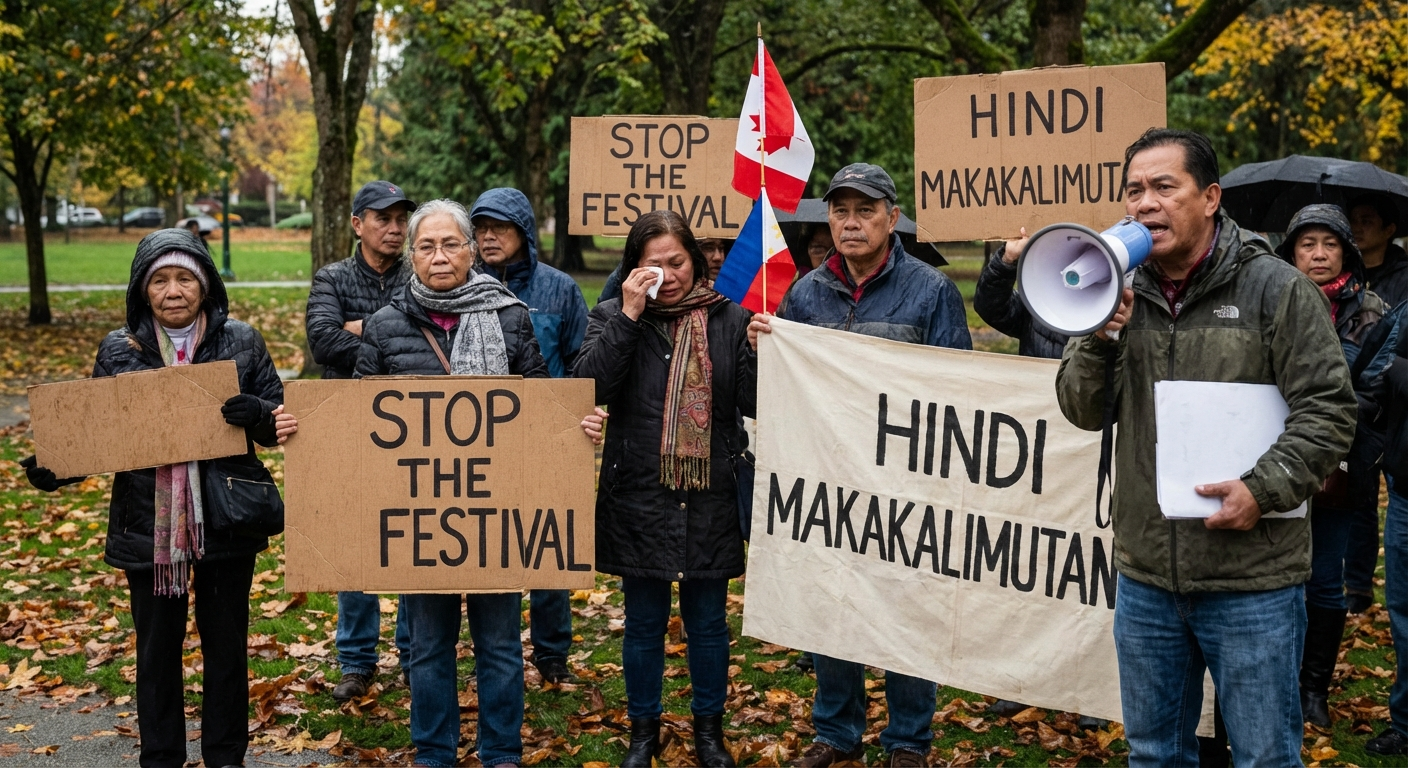
Filipino Event Abroad
Canadian Filipinos: Survivors Urge Halt to Festival as Painful Anniversary Looms
Back to News
Share
H
Homes.ph News
March 19, 2026
Updated Nov 24, 2026
Philippines
3 min read
4 views
A Member of the Legislative Assembly (MLA) in British Columbia, Canada, has brought to light a significant community concern: a group identified as "Lapu-Lapu survivors" is reportedly against the staging of a festival as a sensitive anniversary approaches. While specifics regarding the nature of the "Lapu-Lapu" event and the exact anniversary remain undisclosed in initial reports, the statement from the B.C. political representative underscores the paramount importance of respecting the wishes of those who have endured traumatic experiences within the global Filipino diaspora. The revelation, first reported by CityNews Vancouver, points to a potential disconnect between community event planning and the lived experiences of a segment of the population. For many Filipinos living abroad, particularly Overseas Filipino Workers (OFWs), community festivals and gatherings serve as vital touchstones for cultural identity and connection to the Philippines. However, when such events potentially commemorate or inadvertently trigger painful memories for survivors, their voices must be prioritized. While the specific details surrounding the "Lapu-Lapu" designation and the associated anniversary are yet to be fully clarified, this situation serves as a stark reminder of the complexities inherent in celebrating cultural heritage while simultaneously acknowledging and healing from past wounds. Across Canada, Filipino communities are vibrant and diverse, often grappling with various challenges from integration to preserving identity. The call from these survivors, as articulated by the B.C. MLA, emphasizes a universal need for empathy and sensitivity in community leadership. Why It Matters This development holds significant implications for Filipino communities, both in Canada and globally. It highlights the critical role of political representatives in amplifying marginalized voices and ensuring that cultural celebrations are inclusive and do not inadvertently cause distress. For OFWs and immigrants, finding a sense of belonging and support in their adopted countries is crucial. Any event that causes discomfort among survivors within the community can undermine this sense of safety and inclusion, potentially affecting mental well-being and community cohesion. The incident underscores a broader principle: the importance of thorough community consultation, especially when dealing with sensitive historical or personal events. Festivals are often seen as economic drivers and morale boosters, but their true value is diminished if they alienate those they are meant to serve or honor. This is a vital lesson for Filipino associations and organizers worldwide. What Filipinos Need to Know Filipinos in British Columbia, and indeed across the diaspora, are encouraged to engage with their local community leaders and political representatives on issues that impact their well-being. Understanding the history and context behind local events is essential. Furthermore, this situation calls for open dialogue and greater transparency in event planning, ensuring that the diverse perspectives and experiences of all community members, especially survivors, are acknowledged and respected. The push from these 'Lapu-Lapu survivors' is a powerful reminder that true community building begins with listening and responding to the most vulnerable.
Enjoyed this story?
Share this story