Community
Trauma and Tradition: Why Vancouver's Lapu-Lapu Day Festival Faces a Difficult Comeback
Back to News
Share
H
Homes.ph News
March 16, 2026
Updated Nov 24, 2026
Canada
2 min read
4 views
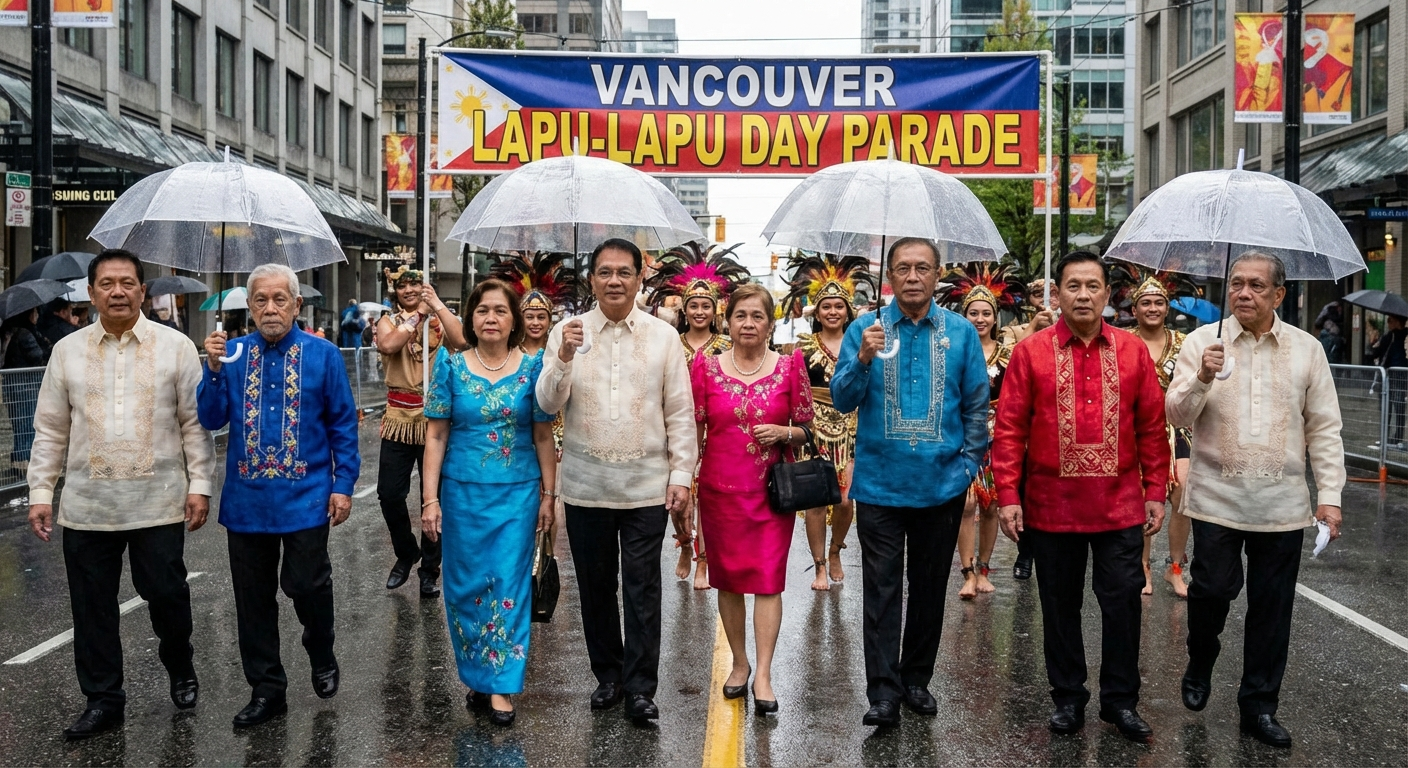
Members of Vancouver's vibrant Filipino community are grappling with a poignant dilemma as calls for the return of the annual Lapu-Lapu Day festival are met with deep reservations from those who survived a previous attack. The sentiment, reported by CBC, suggests that for many, the wounds from past incidents remain too fresh, making a celebratory return difficult to envision so soon. Lapu-Lapu Day, commemorating the historic victory of a Filipino hero, is a significant cultural event for the Filipino diaspora, particularly in cities like Vancouver with large overseas Filipino worker (OFW) populations. It serves as a vital platform for cultural preservation, community bonding, and a connection to the Philippines. However, the voices of survivors underscore a profound need for healing and reassurance before such large-scale gatherings can truly serve their intended purpose of joyous celebration. While specific details of the past attack were not elaborated in the source, the lingering trauma clearly impacts the community's readiness to embrace the festival's revival. Why It Matters For Filipinos and OFWs living abroad, cultural festivals are more than just events; they are lifelines to their heritage and identity. The potential delay or reimagining of a major celebration like Lapu-Lapu Day in a key Canadian city like Vancouver speaks volumes about the challenges faced by diaspora communities. It highlights the paramount importance of psychological safety and collective well-being alongside cultural expression. Ensuring that community spaces are safe and inclusive for all, especially those who have experienced trauma, is crucial for fostering a truly resilient and welcoming environment for Filipinos in Canada and beyond. What Filipinos Need to Know This situation calls for empathy and open dialogue within the Filipino-Canadian community. It emphasizes the need for community leaders and organizers to prioritize the voices and healing processes of survivors. For Filipinos everywhere, this serves as a reminder that while celebrating heritage is vital, the safety and emotional well-being of every community member must always come first. Moving forward, any plans for the festival's return will likely need to incorporate robust safety measures and dedicated support for those affected, ensuring that future celebrations can truly be a source of pride and unity for all.
Enjoyed this story?
Share this story