Bayanihan Around the World: How Filipino Festivals Continue to Inspire Unity and Pride
Share
June 04, 2026
Updated Oct 16, 2026
8 min read
453 views
# Bayanihan Around the World: How Filipino Festivals Continue to Inspire Unity and Pride
MANILA, Philippines — Across cities, towns, and communities around the globe, Filipino festivals continue to serve as powerful expressions of unity, cultural pride, and community spirit, demonstrating how the enduring tradition of bayanihan remains alive far beyond the shores of the Philippines.
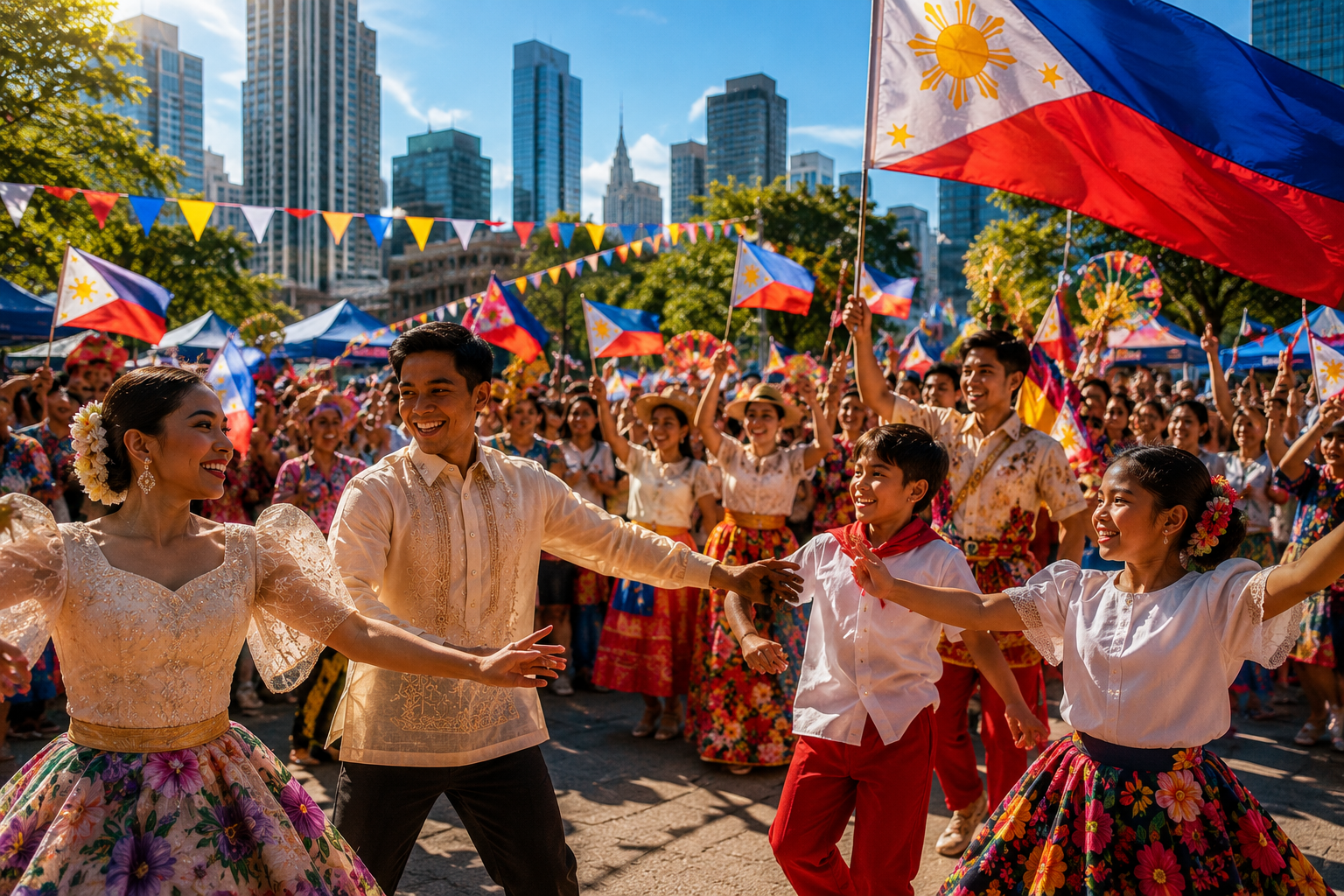
From North America and Europe to the Middle East, Asia, Australia, and New Zealand, Filipino communities are organizing vibrant cultural celebrations that bring together families, friends, community leaders, artists, entrepreneurs, students, and volunteers. These events have become more than cultural showcases; they are living examples of how shared heritage can strengthen relationships, preserve traditions, and inspire future generations.
Community leaders say the continued growth of Filipino festivals around the world reflects the remarkable resilience and adaptability of Filipino culture. While communities may be separated by geography, language, and local circumstances, they remain united by common values rooted in family, faith, generosity, and cooperation.
At the center of these values is bayanihan.
Traditionally associated with neighbors working together to help one another, bayanihan has long been recognized as one of the defining characteristics of Filipino society. Although the image of villagers carrying a bahay kubo together remains one of its most familiar symbols, the spirit of bayanihan extends far beyond physical acts of cooperation.
Today, it can be seen in the countless volunteers, organizers, performers, donors, and community members who dedicate their time and resources to ensuring the success of Filipino festivals around the world.
Community celebrations have become some of the most visible expressions of this collective spirit.
Throughout the year, Filipino organizations host festivals that celebrate regional traditions, national holidays, religious observances, cultural heritage, and community achievements. These events attract thousands of participants and visitors who gather to experience the richness of Filipino culture.
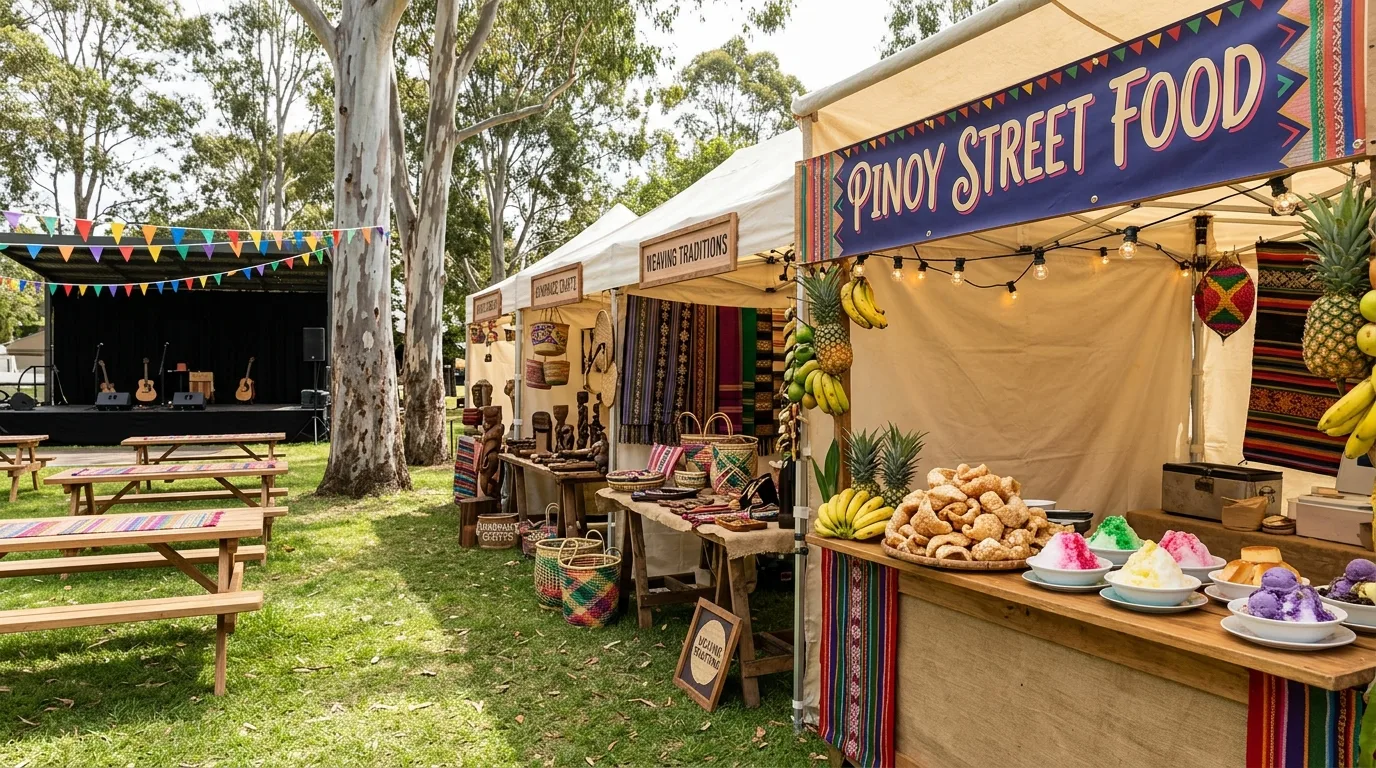
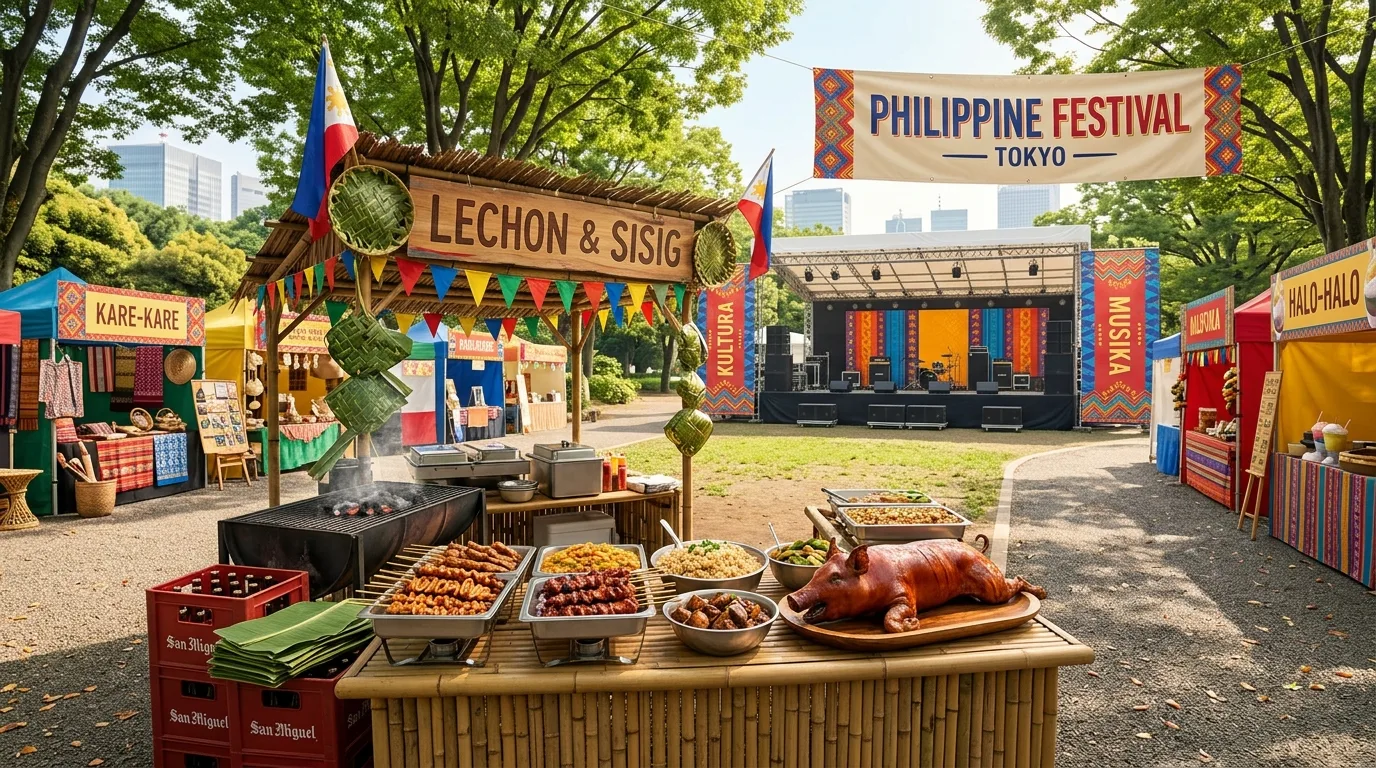
Many celebrations feature traditional dances, musical performances, food fairs, cultural exhibits, educational programs, sports activities, and charitable initiatives.
The diversity of these activities reflects the equally diverse cultural landscape of the Philippines itself.
Organizers note that festivals provide opportunities for communities to celebrate not only what makes them Filipino but also what makes each region and tradition unique.
For overseas Filipinos, these events often carry deep emotional significance.
Living far from the Philippines can create challenges in maintaining cultural connections, particularly for younger generations who may have limited opportunities to experience traditions firsthand.
Festivals provide spaces where heritage can be celebrated openly and proudly.
Many attendees describe these gatherings as reminders of home, family, and shared identity.
The familiar sounds of Filipino music, the flavors of traditional dishes, and the sight of cultural performances often evoke strong feelings of nostalgia and belonging.
These emotional connections help explain why festival participation remains strong across multiple generations.
Young people are increasingly taking active roles in community celebrations.
Youth organizations, student groups, and young professionals are helping organize events, manage digital outreach, coordinate volunteers, and develop new cultural programming.
Community leaders view this involvement as essential to the long-term sustainability of cultural traditions.
By empowering younger generations to participate actively, communities help ensure that heritage remains relevant and meaningful.
Many young organizers bring innovative ideas that blend traditional customs with modern approaches.
Technology has become a particularly valuable tool in this effort.
Social media platforms, livestreams, digital exhibits, podcasts, and online storytelling initiatives allow communities to share cultural content with audiences around the world.
Events that once reached only local attendees can now engage participants across continents.
Families separated by distance can watch performances, join virtual celebrations, and participate in community activities through digital platforms.
This expanded accessibility has strengthened international connections among Filipino communities.
Music remains one of the most powerful elements of cultural celebrations.
Filipino festivals frequently feature performances ranging from traditional folk music to contemporary interpretations that appeal to younger audiences.
Musicians, choirs, cultural ensembles, and community performers contribute to vibrant atmospheres that encourage participation and celebration.
Music serves as a universal language capable of connecting people regardless of age or background.
Community leaders often describe musical performances as among the most memorable aspects of festivals.
Dance traditions also play central roles in cultural celebrations.
Colorful performances inspired by regional customs and historical narratives provide opportunities to preserve cultural knowledge while entertaining audiences.
Dance groups often spend months preparing for major events, demonstrating remarkable dedication and artistic excellence.
These performances help educate audiences about Philippine history, traditions, and values.
Visitors unfamiliar with Filipino culture frequently cite dance presentations as highlights of their festival experiences.
Food is another important component of community celebrations.
Filipino cuisine has gained increasing recognition internationally, and festivals provide ideal opportunities to showcase culinary traditions.
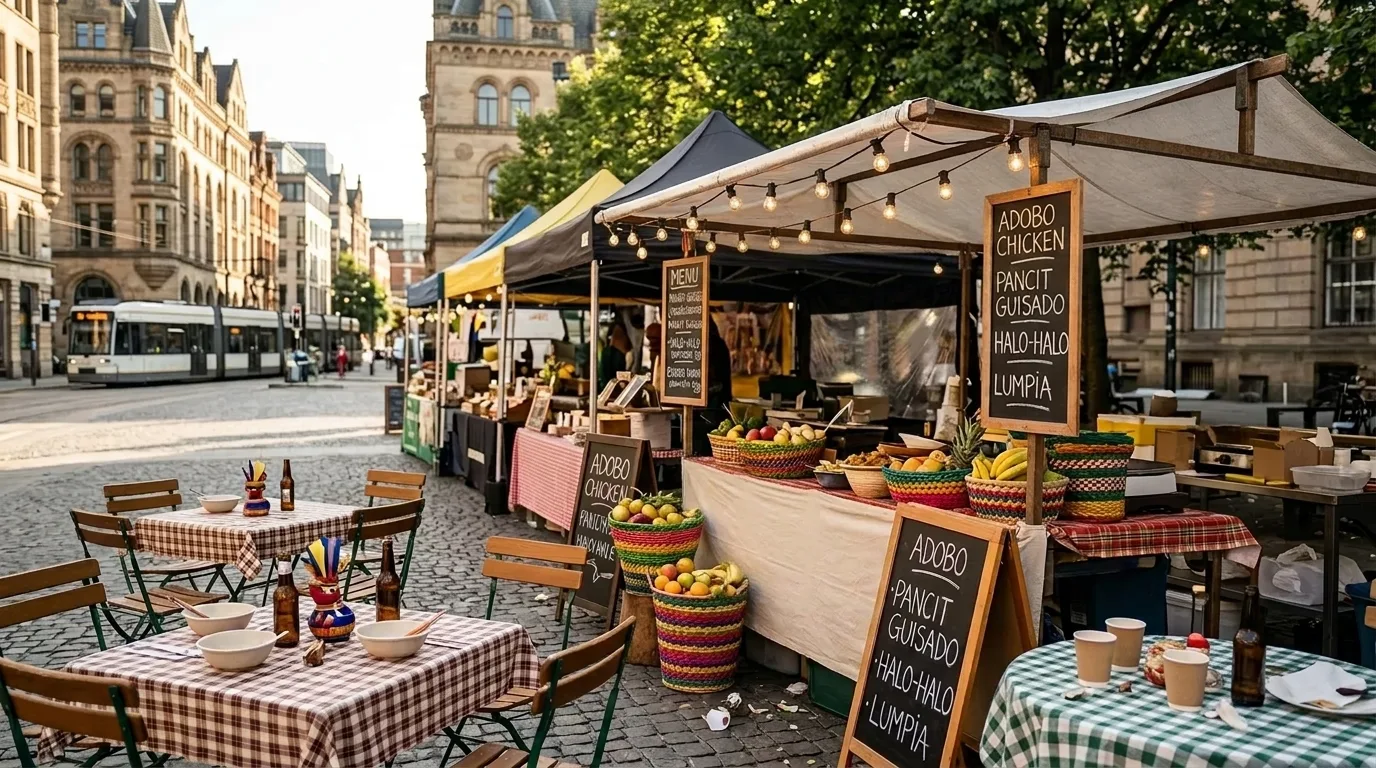
Food markets, cooking demonstrations, and community meals introduce attendees to dishes such as adobo, lechon, pancit, lumpia, sisig, kare-kare, halo-halo, bibingka, and numerous regional specialties.
For many visitors, food serves as an accessible introduction to Filipino culture.
Community leaders often note that shared meals create opportunities for conversation, friendship, and cultural exchange.
Beyond entertainment and cultural preservation, many festivals support charitable initiatives.
Fundraising campaigns, scholarship programs, healthcare projects, disaster relief efforts, and community development activities are commonly integrated into festival programming.
These initiatives demonstrate how cultural celebrations can generate positive social impact.
The willingness of participants to contribute time, resources, and expertise reflects the continued relevance of bayanihan in contemporary society.
Observers frequently point to these charitable efforts as examples of Filipino values in action.
Business owners and entrepreneurs also play important roles in supporting community festivals.
Many provide sponsorships, donate resources, and participate as vendors or exhibitors.
Their involvement helps sustain cultural programming while creating opportunities for economic development and community engagement.
Business leaders often describe festival support as both a responsibility and a privilege.
Many view their contributions as investments in cultural preservation and community well-being.
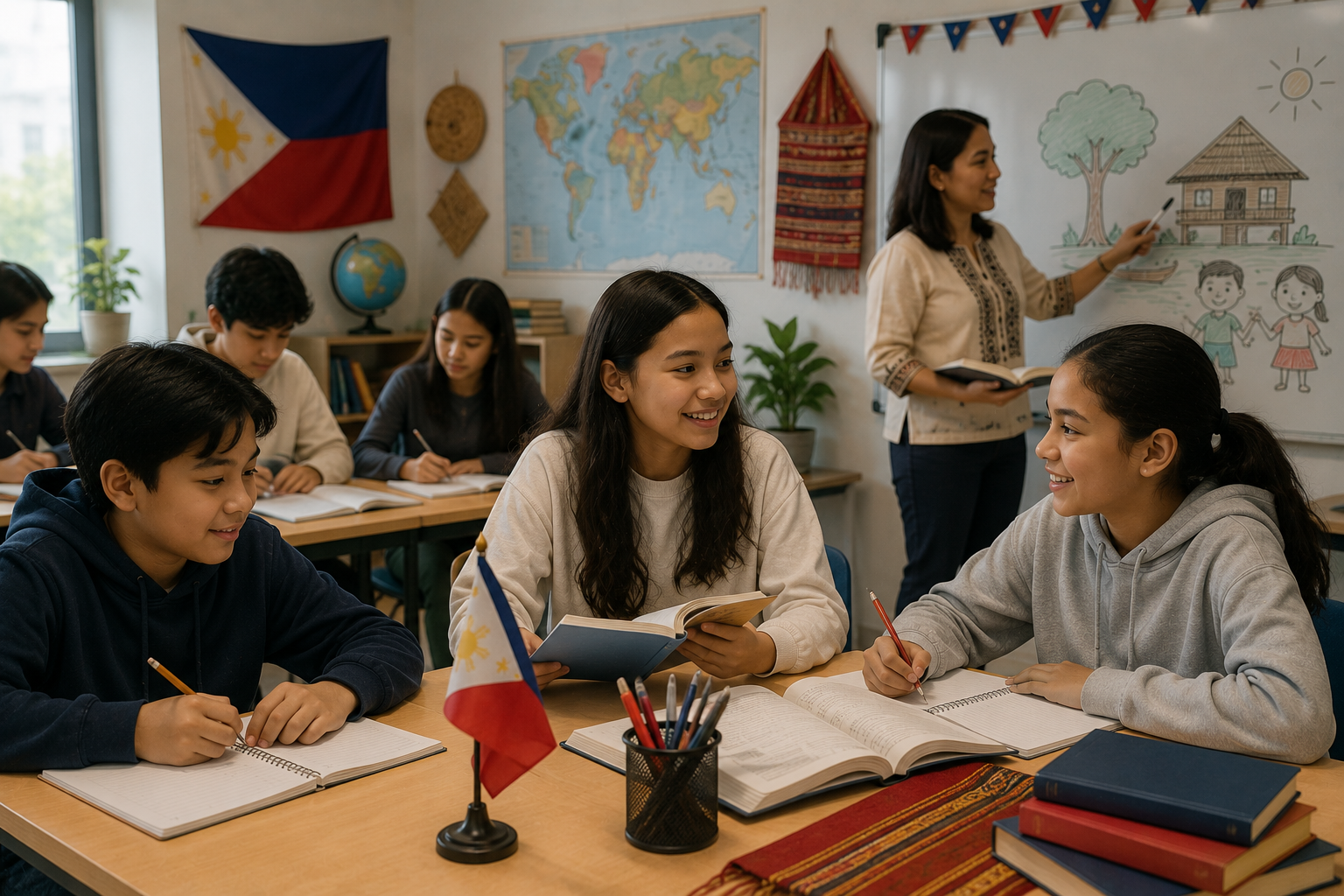
Educational programming has become increasingly important as communities seek to strengthen cultural awareness among younger generations.
Workshops, exhibits, heritage presentations, language activities, and leadership programs provide opportunities for participants to deepen their understanding of Filipino history and traditions.
Community leaders emphasize that education is essential for ensuring that cultural practices remain meaningful rather than becoming merely symbolic.
Visitors from diverse backgrounds also benefit from these learning opportunities.
Multicultural participation has become a defining characteristic of many Filipino festivals.
As events grow in popularity, they increasingly attract attendees from various cultural communities interested in learning more about Philippine heritage.
These interactions create opportunities for intercultural understanding and friendship.
Many organizers intentionally design programs that welcome diverse audiences while maintaining the authenticity of cultural traditions.
The result is an environment that celebrates both heritage and inclusion.
Tourism promotion has emerged as another important benefit of international Filipino festivals.
Cultural exhibits, destination showcases, and storytelling initiatives often encourage attendees to learn more about the Philippines as a travel destination.
Many visitors who attend festivals express increased interest in exploring the country firsthand.
Tourism advocates view these events as valuable opportunities to highlight the Philippines' natural beauty, cultural diversity, and hospitality.
The growing success of Filipino festivals reflects broader trends within global diaspora communities.
As populations expand and become increasingly interconnected, cultural events provide important mechanisms for preserving identity while fostering social cohesion.
Filipino communities have demonstrated remarkable ability to adapt traditions to changing environments without losing their core values.
This balance between preservation and innovation has contributed significantly to the enduring popularity of festivals.
Looking ahead, community leaders remain optimistic about the future.
Many organizations are planning larger events, expanded educational initiatives, stronger youth engagement programs, and increased international collaboration.
Technology, volunteerism, and strategic partnerships are expected to play increasingly important roles in supporting these efforts.
The objective is not only to preserve traditions but also to ensure that they continue inspiring future generations.
Ultimately, the story of Filipino festivals around the world is a story of connection.
It demonstrates how culture can transcend borders, unite communities, and create meaningful opportunities for celebration and service.
Every performance, volunteer effort, shared meal, and cultural activity contributes to a larger narrative of resilience, pride, and belonging.
The continued success of these festivals highlights the enduring power of bayanihan as both a cultural value and a practical approach to community building.
As Filipinos gather in cities across the globe to celebrate their heritage, they reaffirm a timeless truth: that unity, generosity, and shared purpose remain among the greatest strengths of the Filipino people.
Whether in a bustling city square, a community center, a church hall, or a public park, the spirit of bayanihan continues to bring people together.
Through festivals that celebrate culture, honor traditions, and support communities, Filipinos around the world are proving that the values passed down through generations remain as relevant and inspiring today as ever before.
In every corner of the globe where Filipino communities gather, the message is clear: culture thrives when people come together, and the spirit of bayanihan remains a powerful force capable of inspiring unity, pride, and hope for generations to come.
Enjoyed this story?
Share this story