Filipino Language Programs Grow Among Second-Generation Overseas Youth
Share
June 25, 2026
Updated Oct 16, 2026
8 min read
2,426 views
MANILA, Philippines — Filipino language programs are experiencing growing participation among second-generation Overseas Filipino youth as communities around the world invest in initiatives designed to strengthen cultural identity, preserve heritage, and promote deeper connections to the Philippines. Across North America, Europe, Asia, Australia, and the Middle East, Filipino organizations, educational institutions, community associations, and cultural groups are expanding language-learning opportunities that encourage young Filipinos to develop proficiency in Filipino languages while gaining a stronger understanding of their cultural roots. Community leaders believe these programs are becoming increasingly important as global Filipino communities continue to grow and evolve across generations.
For many second-generation Filipinos born or raised outside the Philippines, maintaining a connection to their cultural heritage presents both opportunities and challenges. While young people often grow up immersed in the language and culture of their host countries, they may have fewer opportunities to develop fluency in Filipino languages or engage regularly with traditional cultural practices. Community advocates explain that language serves as one of the most important links between generations because it carries cultural values, historical experiences, traditions, and perspectives that are difficult to fully understand through translation alone.
The growing popularity of Filipino language programs reflects increasing interest among young Overseas Filipinos in exploring their identity and heritage. Many students and families recognize that learning Filipino languages can provide meaningful connections to relatives, family history, and cultural traditions. Organizers note that language education often becomes a gateway to broader cultural engagement, encouraging participants to learn about Philippine history, literature, arts, customs, and social values alongside language instruction.
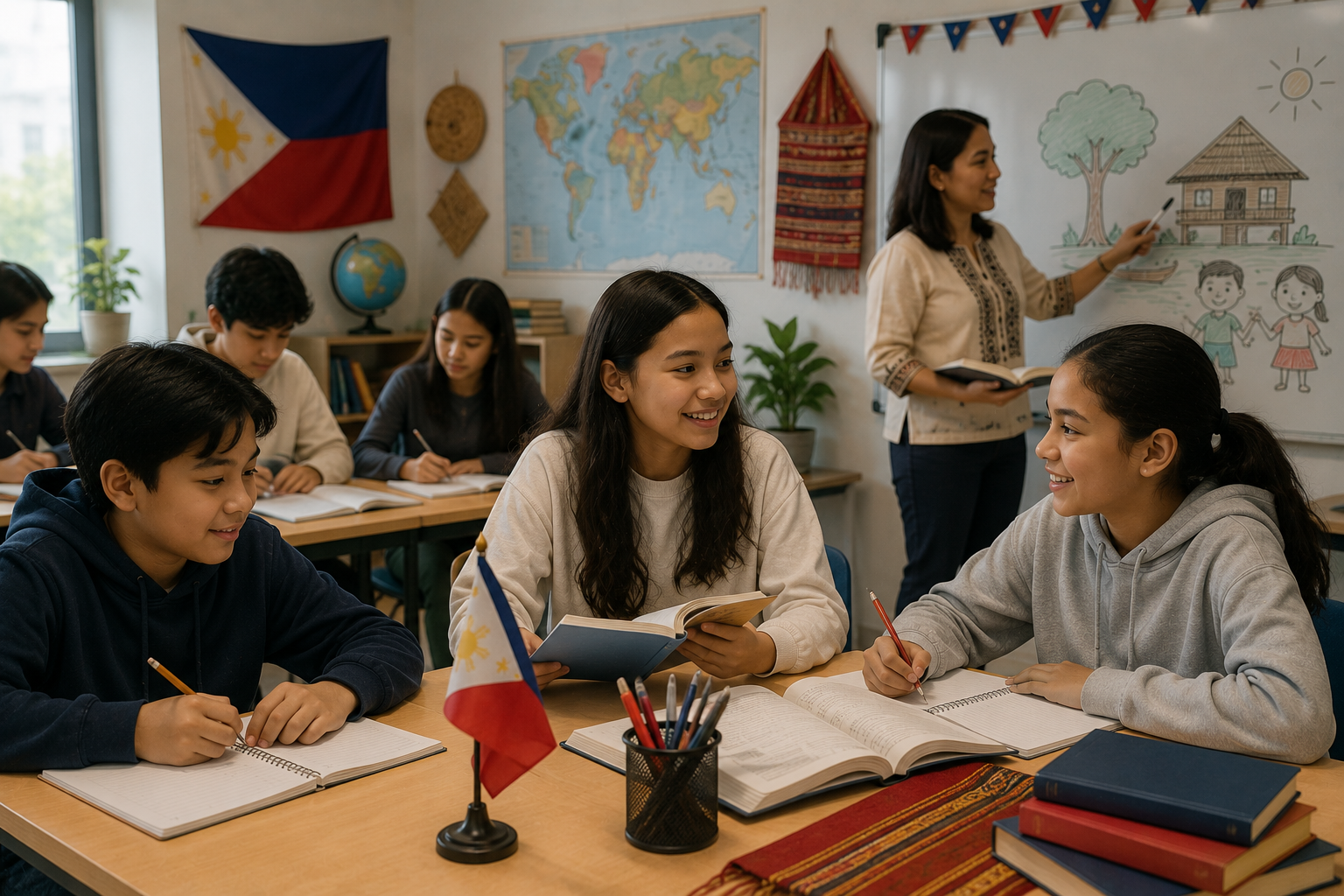
Community-based language schools remain among the most common models for Filipino language education abroad. These programs are frequently organized by Filipino associations, cultural organizations, religious institutions, and volunteer groups that seek to provide accessible learning opportunities for children and young adults. Classes often take place on weekends or during community events, allowing participants to learn in environments that emphasize both language development and cultural appreciation. Organizers explain that community-based programs help create supportive learning spaces where students can interact with peers who share similar cultural backgrounds.
Parents play a significant role in the growth of language programs. Many Filipino families view language learning as an important way of preserving cultural identity while strengthening family relationships across generations. Parents often encourage children to learn Filipino languages so they can communicate more effectively with grandparents, relatives, and family members living in the Philippines. Community leaders note that family involvement frequently contributes to stronger student engagement and long-term success in language learning.
Technology has become an important factor in expanding access to Filipino language education. Online learning platforms, mobile applications, virtual classrooms, educational videos, and digital learning resources allow students to study regardless of geographic location. Community organizations report that digital tools have made language programs more accessible to families living in areas without large Filipino populations. Virtual learning also allows instructors and students from different countries to participate in shared educational experiences.
Many language programs incorporate cultural education alongside traditional language instruction. Lessons often include discussions about Filipino traditions, history, festivals, literature, music, food, and social customs. Educators believe that combining language learning with cultural exploration creates more meaningful educational experiences and helps students understand the broader significance of the language they are studying. This integrated approach encourages learners to see language as a living expression of cultural identity rather than simply a communication tool.
Youth-focused cultural camps and heritage programs have also contributed to growing interest in Filipino language learning. These events often combine language instruction with interactive activities such as storytelling, cooking demonstrations, traditional games, arts workshops, and cultural performances. Organizers explain that experiential learning environments help make language acquisition more engaging while fostering stronger connections to cultural heritage. Participants frequently describe these programs as valuable opportunities to learn about their roots while building friendships with other young Filipinos.
The preservation of Filipino languages has become an important priority for many community leaders. Language advocates emphasize that Filipino and various regional languages represent important cultural resources that carry historical knowledge, traditional wisdom, and unique perspectives. As global migration continues to shape Filipino communities, preserving linguistic heritage is increasingly viewed as an essential component of broader cultural preservation efforts. Community organizations believe that investing in language education helps ensure that future generations maintain access to these important cultural assets.
Educators involved in language programs often adapt teaching methods to meet the needs of second-generation learners. Unlike students growing up in the Philippines, many Overseas Filipino youth are learning Filipino languages as heritage languages rather than primary languages. Teachers frequently use interactive activities, multimedia resources, conversational exercises, and culturally relevant content to create engaging learning experiences. Community leaders note that flexible and inclusive approaches help encourage participation while supporting diverse learning styles.
Language learning also contributes to stronger intercultural understanding within multicultural societies. Young Filipinos who develop confidence in both their heritage language and the language of their host country often gain valuable multicultural competencies. Educators explain that bilingual and multilingual individuals frequently demonstrate enhanced communication skills, cultural awareness, and adaptability. These benefits extend beyond language proficiency and support broader personal and professional development.
Many Filipino language programs collaborate with educational institutions, universities, cultural centers, and government agencies to strengthen program quality and accessibility. Partnerships often provide access to teaching materials, instructor training, educational resources, and funding opportunities. Community leaders emphasize that collaboration helps create sustainable programs capable of serving growing numbers of learners. Strong partnerships also contribute to greater recognition of Filipino language education within broader educational communities.
The participation of volunteers has been instrumental in supporting language initiatives around the world. Teachers, parents, university students, cultural advocates, and community leaders frequently contribute their time and expertise to organize classes, develop learning materials, and mentor students. Organizers describe volunteer support as one of the key factors enabling language programs to expand despite limited resources. The willingness of community members to invest in cultural preservation reflects a strong commitment to future generations.
Social media has emerged as another valuable tool for language promotion and engagement. Filipino organizations use digital platforms to share educational content, language-learning tips, cultural information, and interactive activities that encourage ongoing participation. Young learners often engage with language-related content through videos, online discussions, quizzes, and storytelling projects. Community leaders report that digital engagement helps maintain interest and reinforces learning beyond formal classroom settings.
Many students participating in language programs express a desire to connect more deeply with their Filipino identity. Learning the language often provides opportunities to better understand family traditions, communicate with relatives, and appreciate cultural experiences from a more personal perspective. Educators note that language acquisition frequently strengthens confidence and cultural pride while helping young people develop stronger senses of belonging within global Filipino communities.
The growth of language programs has also generated interest in Filipino literature, history, and creative expression. Students who develop language proficiency often become more interested in exploring books, films, music, poetry, and other cultural materials created in Filipino languages. This broader cultural engagement contributes to stronger appreciation for the richness and diversity of Philippine heritage while supporting cultural continuity across generations.
Many community leaders view language education as an investment in the future of global Filipino communities. As younger generations assume leadership roles within organizations and communities, language proficiency can help strengthen connections to cultural traditions while supporting international collaboration among Filipinos worldwide. Language learning creates opportunities for meaningful engagement that extend beyond individual educational outcomes.
The continued growth of Filipino language programs reflects broader efforts to preserve cultural identity in an increasingly globalized world. Communities recognize that maintaining connections to heritage requires intentional investment in education, cultural engagement, and intergenerational communication. Language programs provide practical and meaningful ways to support these goals while adapting to contemporary realities and technological advancements.
Looking ahead, many organizations plan to expand language offerings through digital platforms, youth leadership programs, cultural exchanges, teacher development initiatives, and international collaborations. Community leaders remain optimistic that growing interest among young Filipinos will contribute to stronger participation and broader awareness of the importance of language preservation. Emerging technologies and innovative educational approaches are expected to create new opportunities for engagement in the years ahead.
Ultimately, the expansion of Filipino language programs among second-generation Overseas Filipino youth demonstrates the enduring importance of language as a foundation of cultural identity and community connection. Through education, cultural engagement, and community support, these programs are helping ensure that Filipino heritage remains vibrant and accessible for future generations.
As young Filipinos around the world continue to embrace opportunities to learn their heritage languages, they are strengthening bonds with their families, communities, and cultural traditions. Their participation reflects a growing commitment to preserving the rich linguistic and cultural legacy of the Philippines while building a future where Filipino identity continues to thrive across generations and across borders.
Enjoyed this story?
Share this story