Bayanihan Beyond Borders: How Filipinos Worldwide Continue to Inspire Unity and Resilience
Share
June 01, 2026
Updated Oct 16, 2026
8 min read
345 views
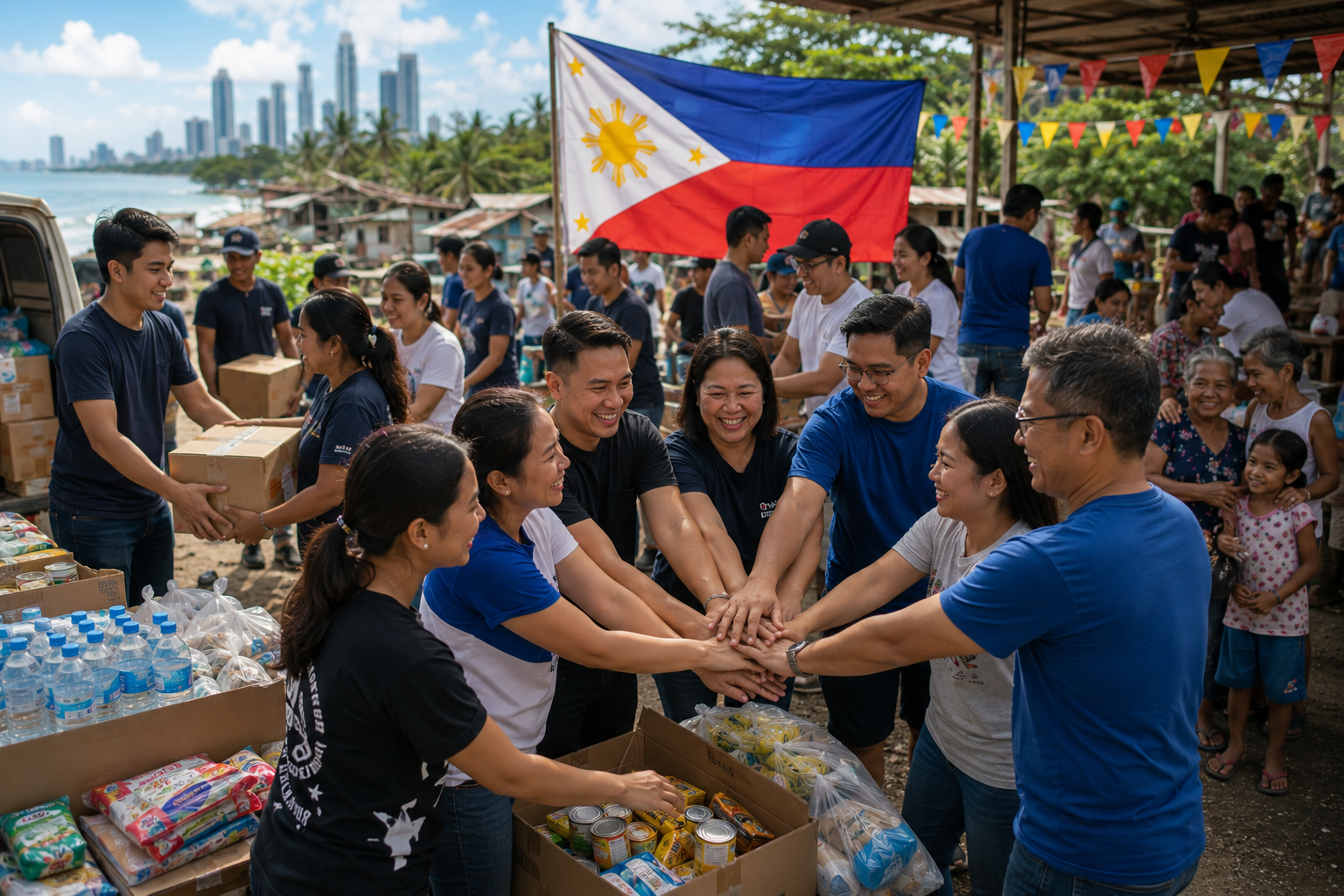
MANILA, Philippines — Across every continent, in major cities and small communities alike, Filipinos continue to demonstrate the enduring power of bayanihan, a uniquely Filipino value that emphasizes unity, cooperation, compassion, and collective responsibility.
For generations, bayanihan has symbolized neighbors helping neighbors, communities working together, and individuals contributing to the greater good. While the tradition originated in Philippine villages, its spirit has traveled far beyond the country's borders through the millions of Filipinos who now live, work, and build families around the world.
Today, bayanihan remains one of the strongest forces connecting global Filipino communities. Whether responding to crises, organizing cultural celebrations, supporting charitable causes, mentoring young professionals, or helping newly arrived migrants adjust to life abroad, Filipinos continue to embody values that inspire unity and resilience wherever they go.
From North America and Europe to the Middle East, Asia, Australia, and New Zealand, stories of Filipino cooperation and community support have become defining characteristics of diaspora communities.
Community leaders often describe bayanihan as more than a cultural tradition. It is a mindset that encourages people to look beyond individual success and focus on collective well-being. This philosophy has enabled Filipino communities to remain connected despite geographic distance, cultural differences, and the challenges of living far from home.
Throughout the years, overseas Filipinos have repeatedly demonstrated their ability to come together during times of need. Natural disasters, economic challenges, public health emergencies, and personal hardships have often prompted remarkable displays of generosity and solidarity.
Fundraising campaigns organized by Filipino communities abroad regularly provide assistance to families affected by typhoons, earthquakes, floods, and other emergencies in the Philippines. Community groups mobilize quickly, collecting donations, coordinating relief efforts, and leveraging networks to deliver aid where it is needed most.
These efforts reflect a deep sense of responsibility toward fellow Filipinos regardless of location. Community members frequently contribute their time, resources, and expertise to ensure that support reaches vulnerable individuals and families.
The spirit of bayanihan is equally visible in everyday life. Across the globe, Filipino organizations provide assistance to newcomers seeking employment, housing, education, healthcare information, and community connections.
Many Filipinos arriving in a new country find support through established community networks that offer guidance and encouragement during the transition process. Volunteers often assist newcomers with practical concerns while helping them build social connections and a sense of belonging.
Community leaders note that these support systems are especially important for overseas workers, international students, immigrants, and families adjusting to unfamiliar environments. Through shared experiences and mutual assistance, Filipinos help one another navigate challenges while celebrating successes together.
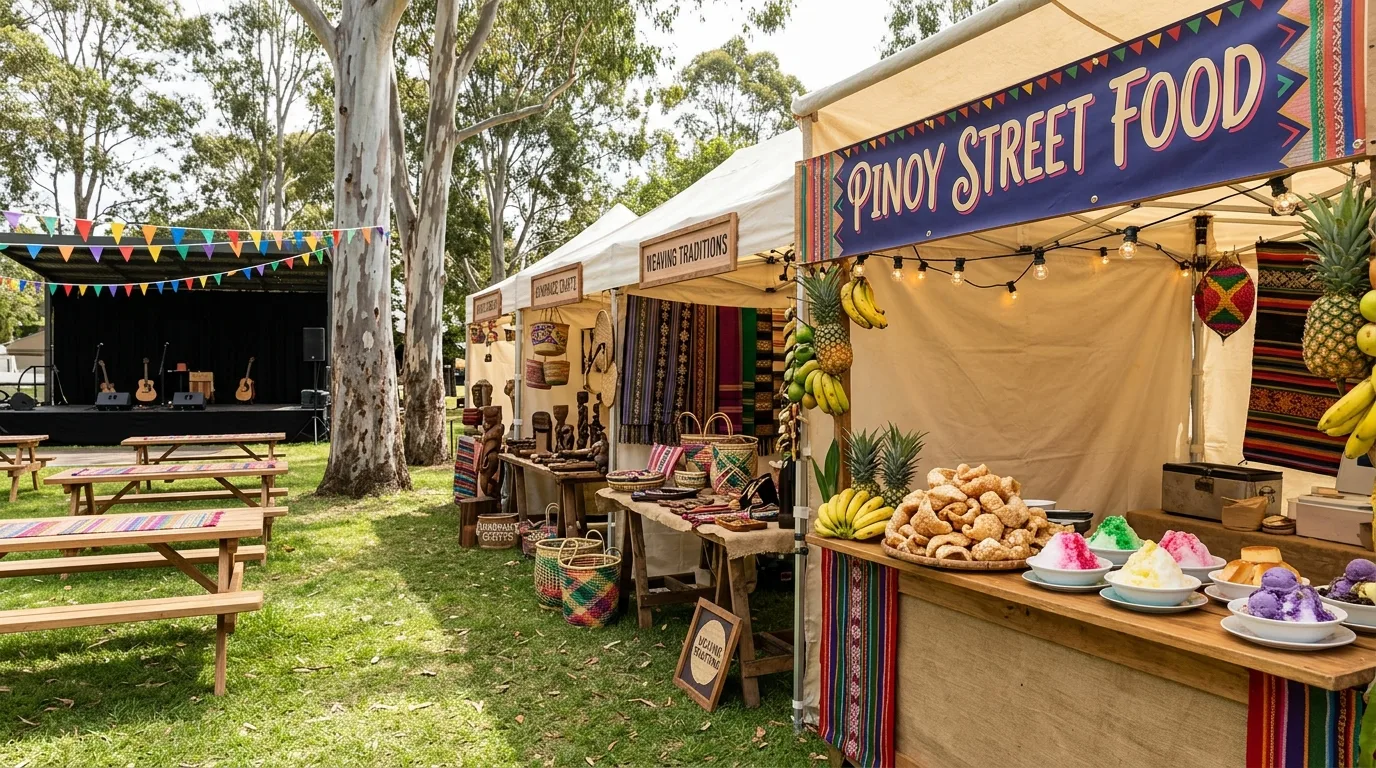
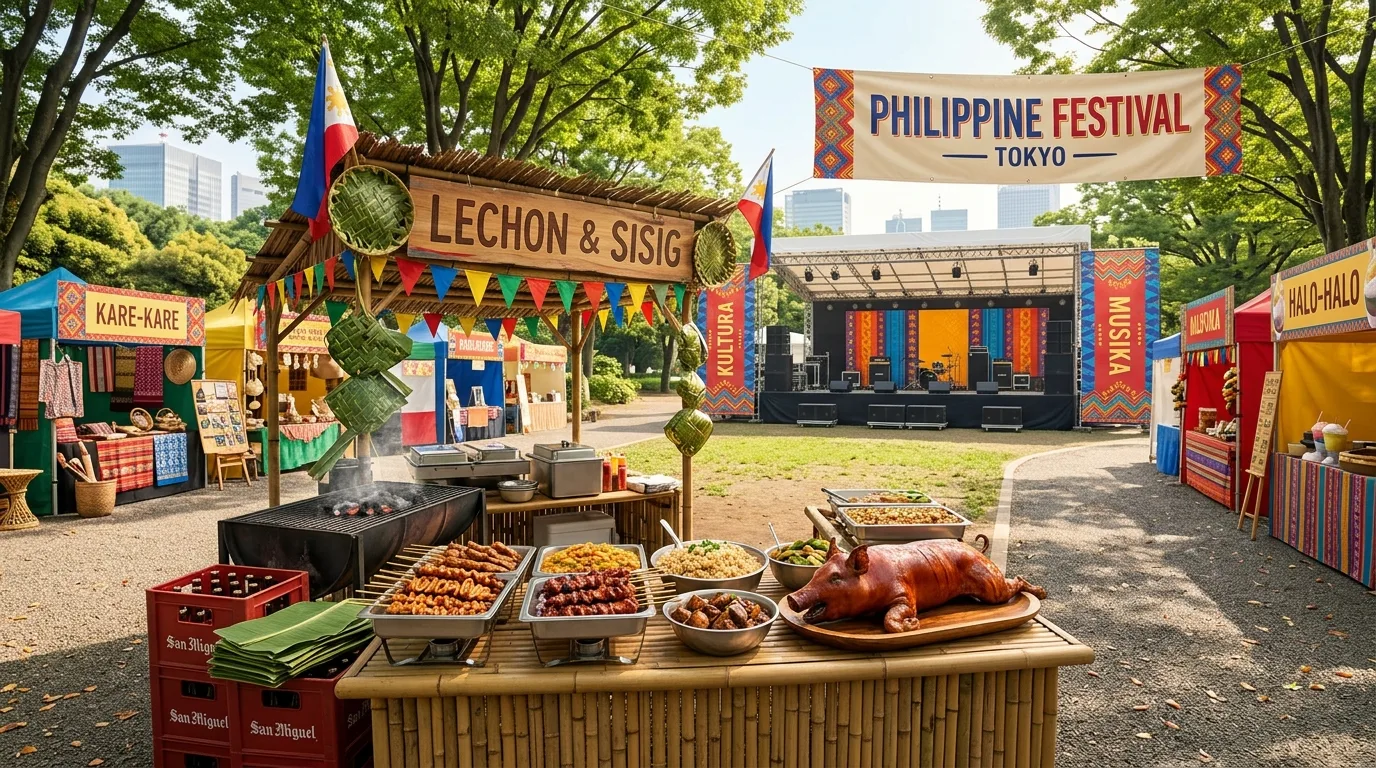
Cultural preservation has become another important expression of bayanihan abroad. Filipino communities organize festivals, heritage celebrations, educational programs, and cultural showcases designed to keep traditions alive for future generations.
These events require extensive collaboration among volunteers, performers, educators, business sponsors, and community organizations. The success of such initiatives often depends on the willingness of individuals to contribute their skills and resources for the benefit of the broader community.
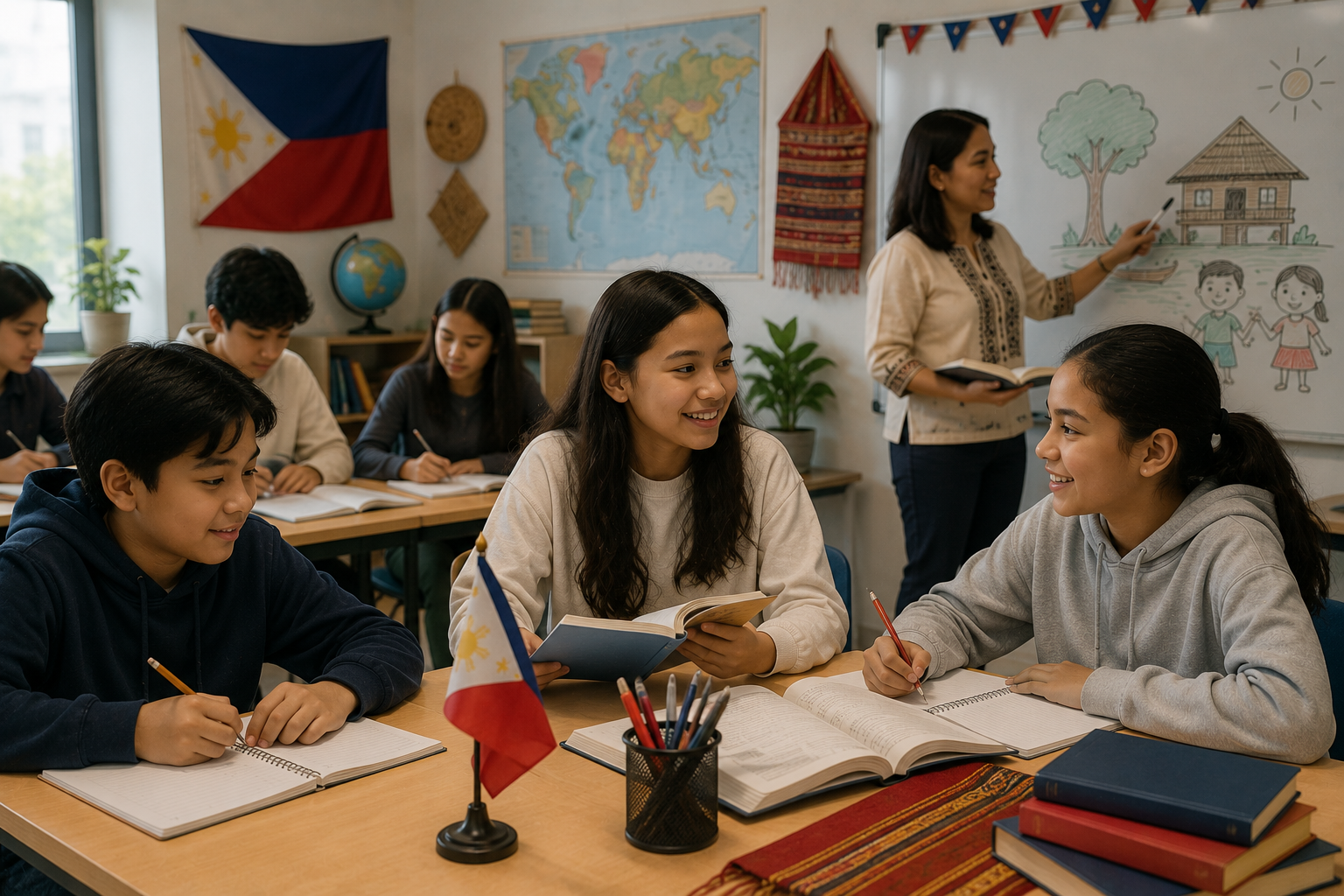
Through these collective efforts, younger generations gain opportunities to learn about Filipino history, values, language, cuisine, music, and traditions. Community leaders view cultural preservation as a shared responsibility that strengthens identity and fosters intergenerational connections.
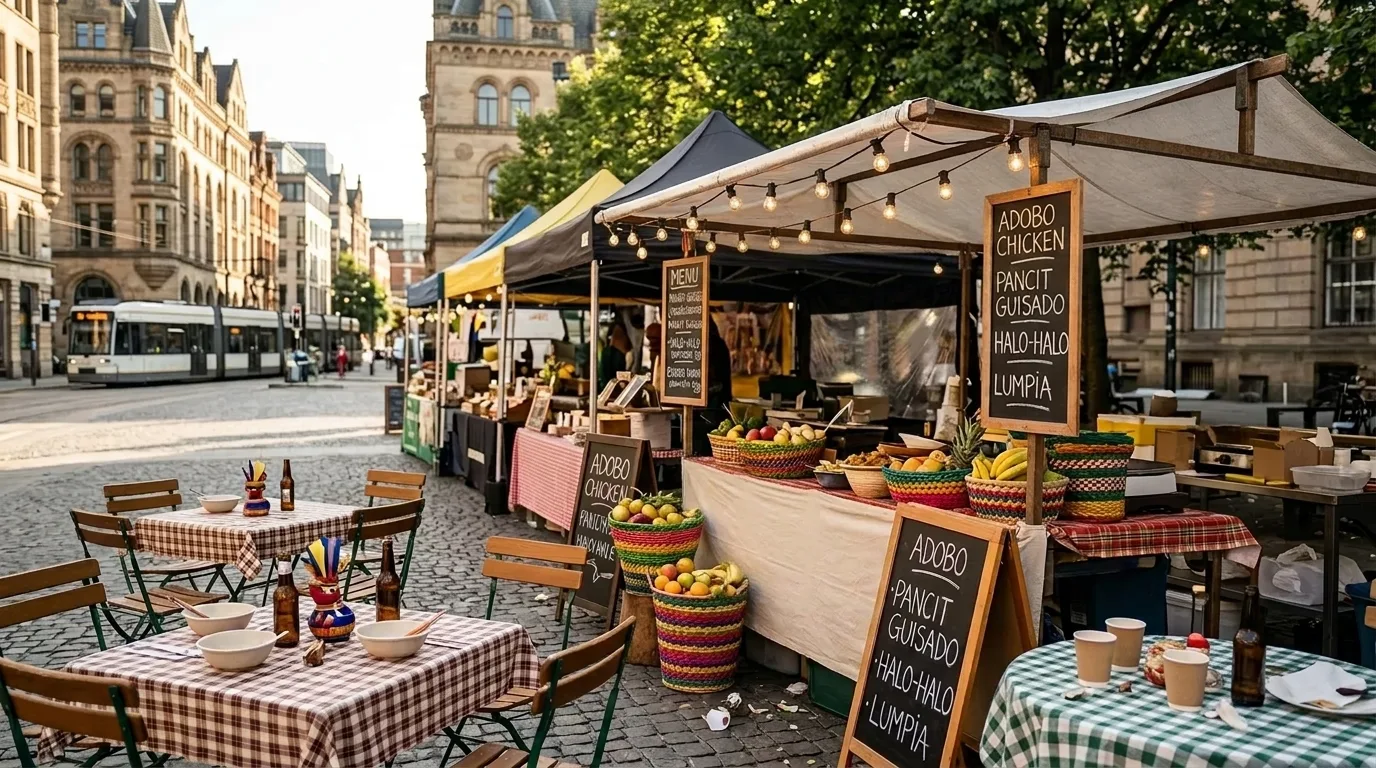
Food frequently plays a central role in these celebrations. Community gatherings often feature traditional Filipino dishes that bring people together while creating opportunities to share stories, experiences, and cultural knowledge.
The preparation and sharing of meals embody the communal values associated with bayanihan. Families, volunteers, and organizations work together to create welcoming environments that reflect Filipino hospitality and generosity.
Education has also emerged as a significant area where global Filipino communities demonstrate unity. Scholarship programs, mentorship initiatives, leadership workshops, and youth development activities are often supported by volunteers and community leaders committed to empowering future generations.
Professionals from various industries contribute their expertise through mentoring relationships that help students and young adults pursue educational and career opportunities. These efforts create pathways for success while reinforcing the importance of giving back to the community.
Healthcare workers represent another group that frequently exemplifies bayanihan on a global scale. Filipino nurses, doctors, caregivers, therapists, and healthcare professionals are widely recognized for their dedication, compassion, and service.
In many countries, Filipino healthcare workers have earned respect not only for their professional competence but also for their willingness to support colleagues, patients, and communities during challenging times. Their contributions have strengthened healthcare systems while reflecting values deeply rooted in Filipino culture.
Entrepreneurs and business leaders have similarly embraced community-oriented approaches to success. Many Filipino-owned businesses actively support cultural events, charitable programs, educational initiatives, and community development projects.
Business owners often view their success as an opportunity to create positive impact beyond financial achievements. Through sponsorships, partnerships, and volunteer efforts, they help sustain programs that benefit both Filipino communities and broader society.
Technology has expanded the reach of bayanihan in recent years. Social media platforms, digital communication tools, and online fundraising campaigns have enabled Filipinos across continents to coordinate support efforts more efficiently than ever before.
When emergencies occur, information and resources can be shared rapidly through digital networks. Community organizations use technology to organize events, connect volunteers, provide assistance, and maintain relationships despite geographic separation.
Virtual communities have become particularly valuable for Filipinos living in areas where local Filipino populations may be relatively small. Online platforms provide opportunities for cultural engagement, professional networking, educational support, and social connection.
The influence of bayanihan extends beyond Filipino communities themselves. Through volunteerism, charitable activities, and community engagement, Filipinos frequently contribute to causes that benefit people from diverse cultural backgrounds.
Local governments, nonprofit organizations, educational institutions, and multicultural groups often partner with Filipino organizations on projects that promote social inclusion, community development, and cultural understanding.
These collaborations have helped strengthen the reputation of Filipinos as active and engaged members of society. Community leaders around the world frequently recognize Filipino contributions to civic life, economic development, healthcare, education, and volunteer service.
One of the most remarkable aspects of bayanihan is its adaptability. While the world has changed significantly since the concept first emerged, its core principles remain highly relevant.
Modern expressions of bayanihan may involve organizing virtual fundraising campaigns instead of physically carrying a neighbor's home. They may involve mentoring young professionals, supporting community projects, or coordinating international relief efforts through digital platforms.
Despite these changes, the underlying values remain the same: helping others, sharing responsibilities, and working together to overcome challenges.
Experts who study diaspora communities often cite Filipino networks as examples of how cultural values can strengthen social cohesion and resilience. The willingness of Filipinos to support one another contributes to stronger communities, greater well-being, and enhanced opportunities for collective success.
As global migration continues to shape societies around the world, the experiences of Filipino communities offer valuable lessons about the importance of cooperation, cultural identity, and social responsibility.
Many overseas Filipinos view bayanihan as one of the most meaningful aspects of their heritage. It serves as a reminder that individual achievements become even more significant when used to uplift others and strengthen communities.
Looking ahead, community leaders remain optimistic that future generations will continue embracing these values. Educational programs, cultural initiatives, youth leadership opportunities, and community engagement efforts are helping ensure that the spirit of bayanihan remains vibrant and relevant.
The growing influence of global Filipino communities presents new opportunities to apply traditional values in innovative ways. Whether addressing social challenges, promoting cultural understanding, supporting charitable causes, or building stronger communities, bayanihan continues to provide a powerful framework for collective action.
Ultimately, the story of Filipinos around the world is one of resilience, adaptability, and unity. Despite living in different countries, speaking different languages, and navigating different cultural environments, Filipinos remain connected by shared values and experiences.
Their actions demonstrate that bayanihan is not confined to a specific place or moment in history. It is a living tradition that continues to evolve while inspiring people across generations and borders.
In every act of kindness, every community project, every cultural celebration, and every effort to help others succeed, the spirit of bayanihan endures. It reminds the world that true strength comes not only from individual determination but also from the willingness of people to stand together in support of one another.
As Filipinos continue to build communities and create positive change across the globe, they carry with them a powerful message: that unity, compassion, and resilience can transcend borders and bring people together in extraordinary ways. Through bayanihan, Filipinos worldwide continue to inspire hope, foster connection, and demonstrate the enduring value of community in an increasingly interconnected world.
Enjoyed this story?
Share this story