Bayanihan Spirit Shines in Europe as Overseas Filipinos Unite for Charity and Cultural Events
Share
May 29, 2026
Updated Oct 15, 2026
7 min read
248 views
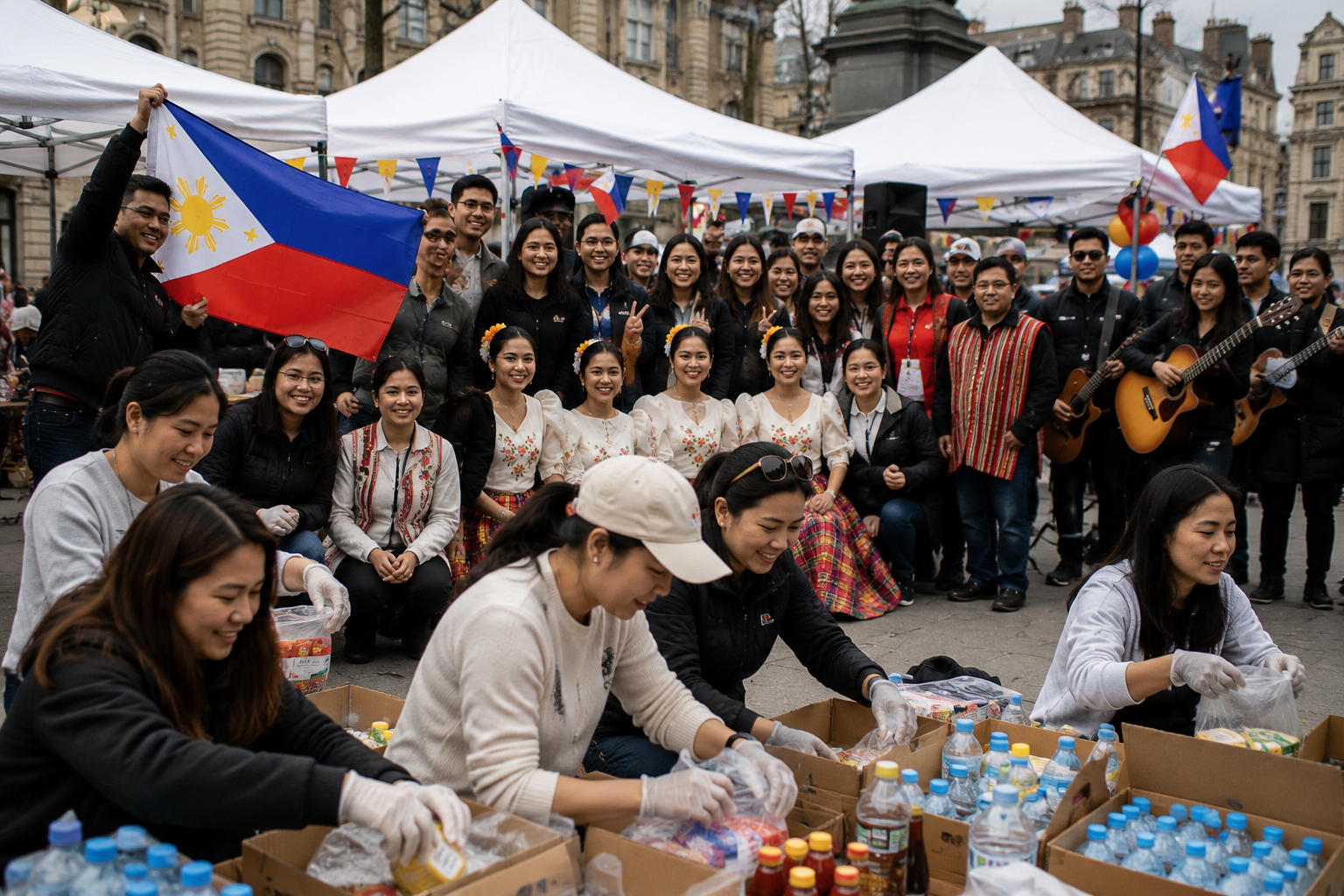
LONDON, United Kingdom — The enduring Filipino tradition of bayanihan continues to inspire communities across Europe as thousands of overseas Filipinos unite through charity initiatives, cultural festivals, volunteer programs, and community events that celebrate their heritage while making a meaningful difference in the lives of others.
Throughout the year, Filipino organizations and community groups across countries including the United Kingdom, Ireland, Germany, France, Italy, Spain, the Netherlands, Belgium, Switzerland, Norway, Sweden, and other parts of Europe have organized a series of events designed to strengthen cultural ties, support charitable causes, and promote the values that have long defined Filipino identity.
These gatherings have become more than just celebrations of culture. They have evolved into powerful demonstrations of solidarity, compassion, and community engagement, reflecting the bayanihan spirit that remains deeply rooted in Filipino traditions regardless of distance from the homeland.
Community leaders say participation in charity and cultural activities has continued to grow as more Filipinos seek opportunities to connect with fellow kababayans while contributing positively to their host countries and supporting initiatives that benefit vulnerable communities both locally and in the Philippines.
"Filipinos have always carried the spirit of bayanihan wherever they go," said one community organizer. "Even when we live thousands of kilometers away from home, we continue to support one another, celebrate our culture, and extend help to those who need it most."
Across Europe, charity events organized by Filipino associations have raised funds for a wide range of causes. These include disaster relief efforts, educational scholarships, medical assistance programs, support for underprivileged families, healthcare initiatives, and community development projects in various regions of the Philippines.
Many organizations have also partnered with local charities and humanitarian groups in their respective European countries, demonstrating the Filipino community's commitment to giving back to the societies that have welcomed them.
Fundraising activities have taken many forms, including charity walks, sports tournaments, benefit concerts, cultural shows, food fairs, auctions, and community festivals. Volunteers dedicate countless hours to planning and executing these events, often balancing their efforts alongside professional and family responsibilities.
The generosity of participants has enabled community organizations to provide assistance to families affected by natural disasters, support educational opportunities for students, and contribute to programs focused on poverty alleviation and community welfare.
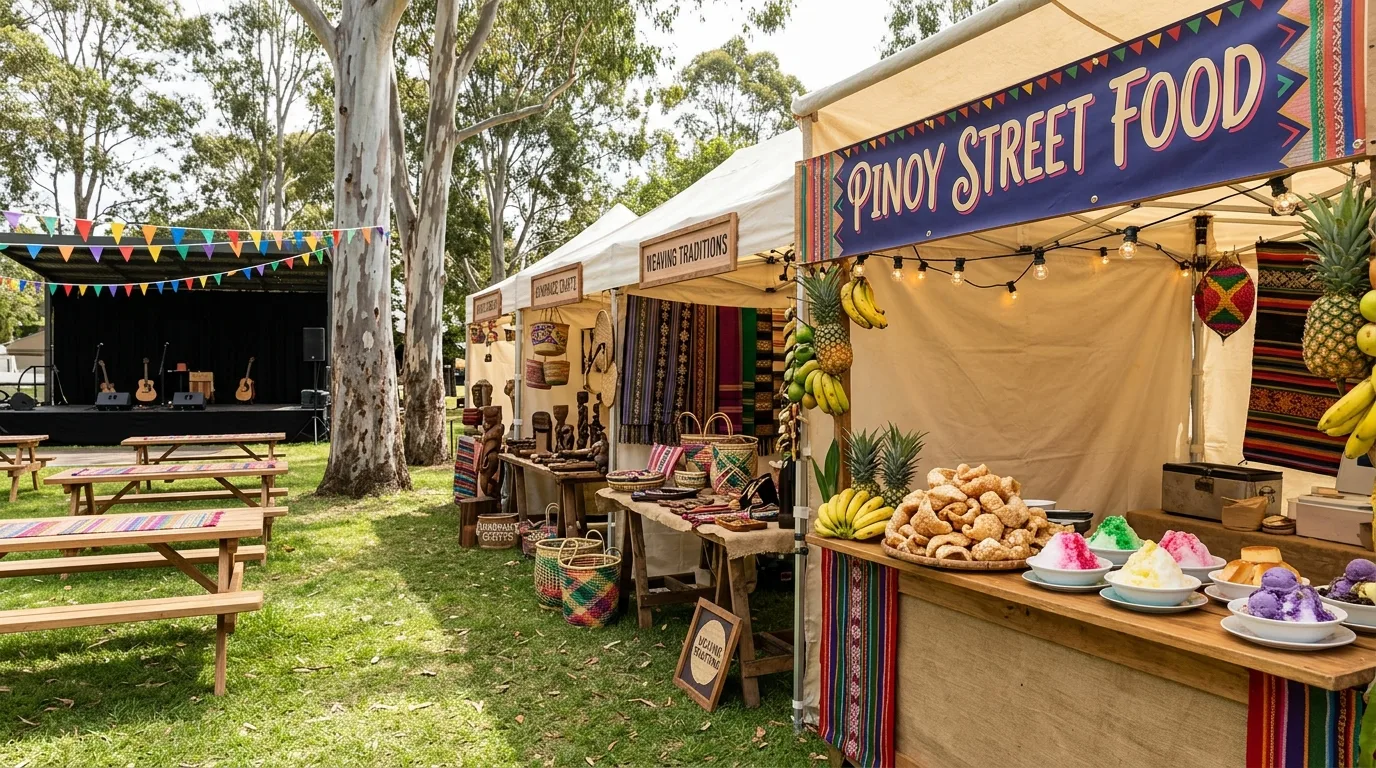
At the same time, cultural festivals have become important platforms for preserving and promoting Filipino heritage among younger generations growing up abroad. Through traditional music, dance, food, art, and educational exhibits, these celebrations help ensure that Filipino culture remains vibrant and relevant despite geographical distance from the Philippines.
Visitors attending the events are often treated to colorful performances showcasing the diversity of Filipino traditions. Folk dances representing various regions of the Philippines captivate audiences, while musical performances highlight both traditional and contemporary Filipino artistry.
Many festivals feature traditional Filipino attire, allowing participants to proudly display cultural garments such as the Barong Tagalog, Filipiniana dresses, and regional costumes. These visual displays help educate both Filipino and non-Filipino audiences about the rich cultural history of the Philippines.
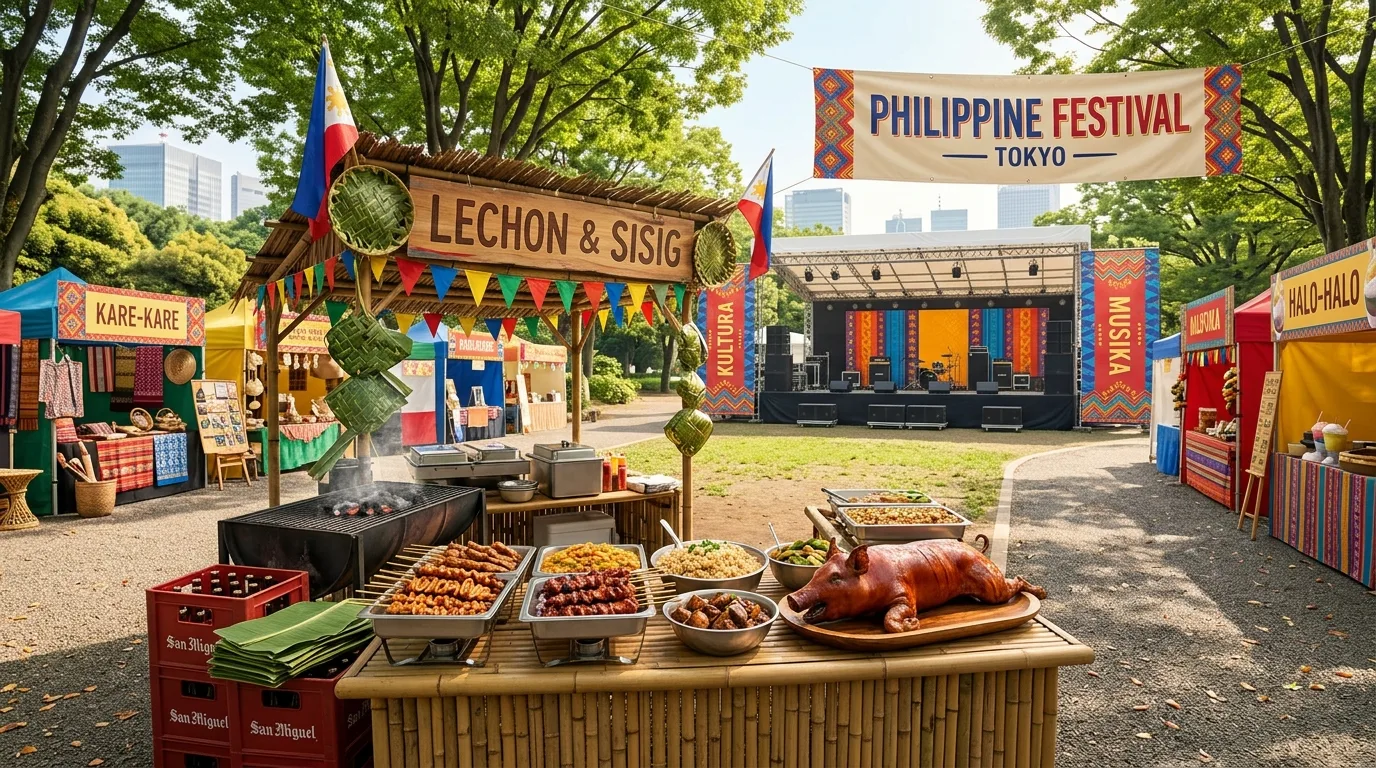
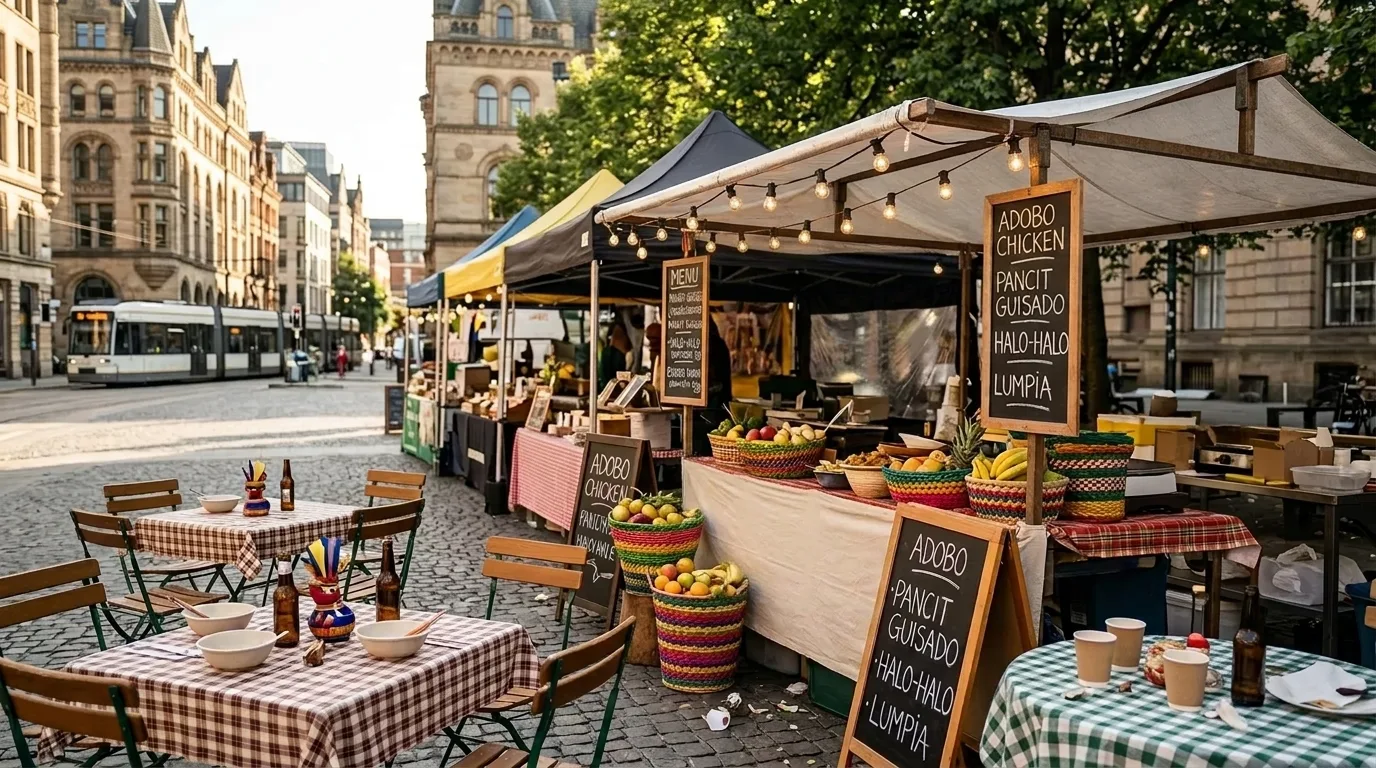
Food remains one of the most popular attractions during community gatherings. Filipino food fairs consistently draw large crowds eager to enjoy beloved dishes such as adobo, lechon, pancit, lumpia, kare-kare, sisig, barbecue, halo-halo, and numerous regional specialties.
For many overseas Filipinos, these culinary experiences provide a comforting connection to home. Meanwhile, local European residents often discover Filipino cuisine for the first time, contributing to growing international appreciation for the country's culinary traditions.
The success of these cultural events has also helped strengthen relationships between Filipino communities and local governments, educational institutions, businesses, and multicultural organizations throughout Europe.
Officials and community leaders frequently attend celebrations to recognize the contributions of Filipinos to their local economies and societies. Many have praised the Filipino community for its strong work ethic, family values, volunteerism, and positive contributions to multicultural diversity.
In cities across Europe, Filipino professionals have become highly respected members of the workforce, particularly in healthcare, education, information technology, engineering, hospitality, finance, and public service sectors. Cultural festivals provide an opportunity to celebrate these achievements while highlighting the positive impact Filipinos continue to make in their adopted countries.
Youth participation has emerged as a particularly encouraging trend within many Filipino organizations. Younger Filipino-Europeans are increasingly taking leadership roles in community projects, cultural performances, volunteer initiatives, and charitable programs.
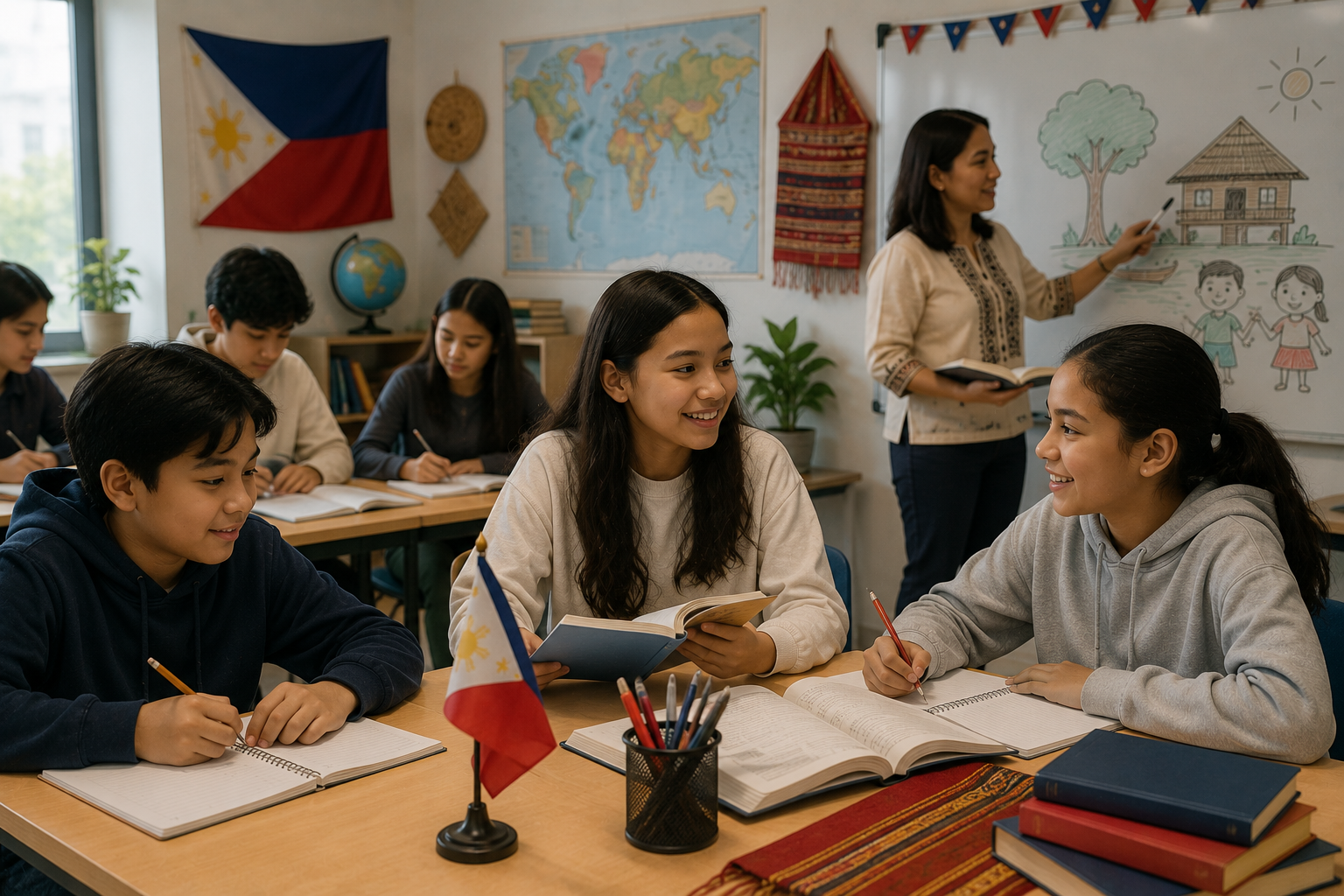
Organizers believe that involving younger generations is essential to ensuring the long-term sustainability of Filipino cultural traditions abroad. Through mentorship programs, educational workshops, and youth-focused activities, community leaders are helping bridge generational gaps while fostering a stronger sense of cultural identity.
Several organizations have also embraced technology to expand their reach and engagement. Social media platforms, virtual fundraising campaigns, online cultural programs, and digital community networks have enabled Filipinos across different countries to collaborate more effectively and remain connected despite geographical distances.
The rise of digital communication has facilitated greater coordination among Filipino organizations throughout Europe, allowing communities to share resources, promote events, and support charitable initiatives on a broader scale than ever before.
Mental health awareness and community wellness have also become important components of many events. Recognizing the challenges that overseas workers, immigrants, and international families may face, organizations have incorporated seminars, support groups, and wellness activities into their programs.
Community leaders note that fostering a sense of belonging is particularly important for newly arrived Filipinos adjusting to life in a foreign country. Through cultural events and volunteer opportunities, newcomers are able to build friendships, access support networks, and feel more connected to their heritage.
The strong turnout at recent events demonstrates the enduring appeal of community-based initiatives that combine cultural celebration with meaningful social impact. Participants consistently express appreciation for opportunities to reconnect with their roots while contributing to causes that benefit others.
Many attendees describe these gatherings as reminders that being Filipino extends beyond nationality—it represents a shared commitment to helping others, preserving traditions, and strengthening communities through collective action.
As the events continue to grow in scale and participation, organizers remain committed to expanding their charitable efforts and cultural programming. Plans are already underway for future festivals, fundraising campaigns, youth initiatives, and collaborative projects involving Filipino communities from multiple European countries.
Observers note that the continued success of these initiatives reflects the remarkable adaptability and resilience of overseas Filipinos. Despite living far from their homeland, they have managed to preserve the values that define Filipino culture while embracing opportunities to contribute positively to their host societies.
The story unfolding across Europe is one of unity, generosity, and cultural pride. It demonstrates that the bayanihan spirit remains alive and well among Filipinos around the world, transcending borders and connecting communities through shared purpose and compassion.
As overseas Filipinos continue to organize events that celebrate heritage and support charitable causes, they are not only preserving cultural traditions but also creating a lasting legacy of service and community engagement for future generations.
In a world often divided by distance and differences, these gatherings serve as powerful reminders that the Filipino spirit of cooperation, kindness, and solidarity remains one of the country's greatest strengths. Whether through a cultural festival, a fundraising drive, or a simple act of volunteerism, Filipinos across Europe continue to embody the true meaning of bayanihan—working together to uplift one another and build stronger communities wherever they may be.
Enjoyed this story?
Share this story