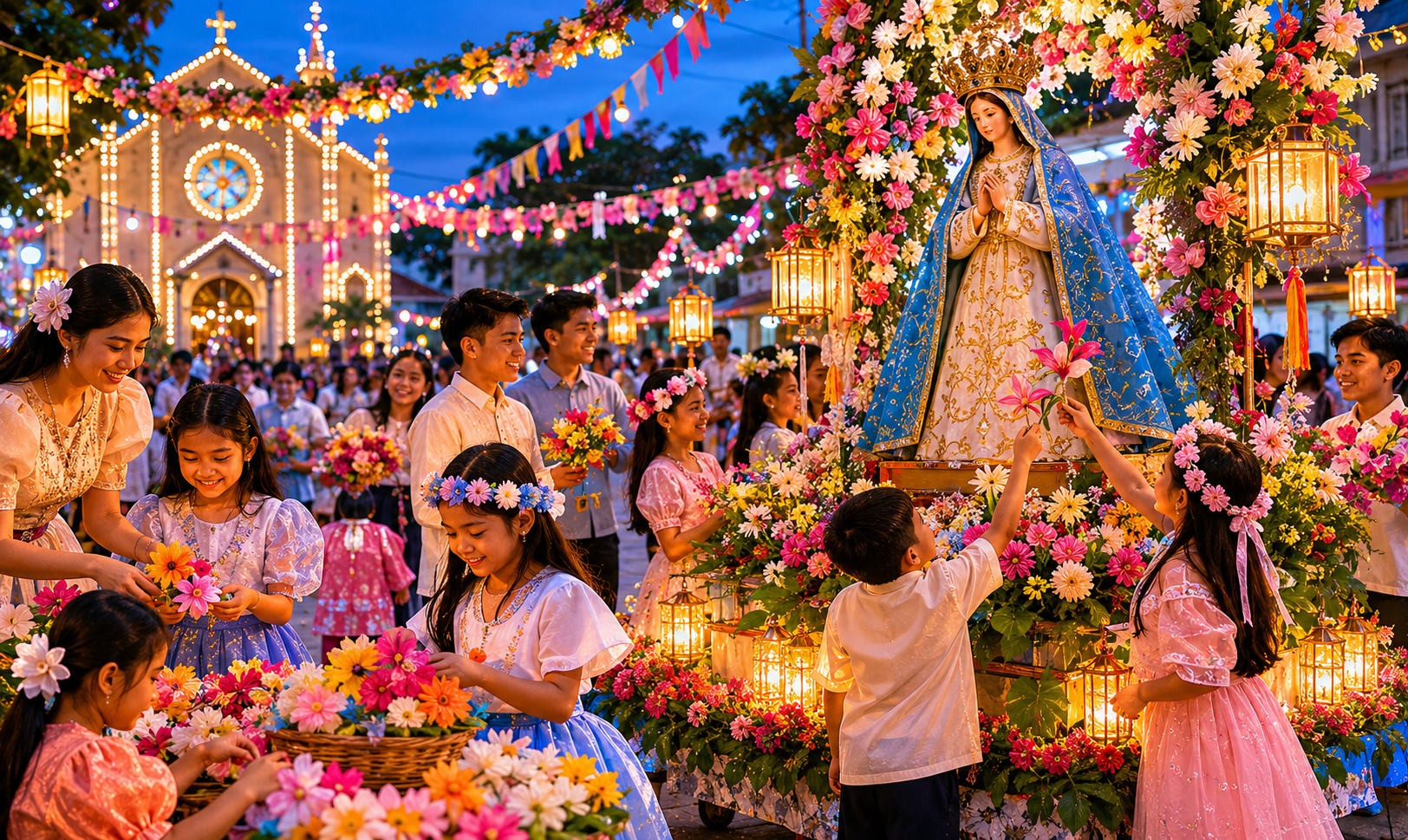
Colorful Flores de Mayo Celebrations Bring Filipino Families Together Worldwide
Share
June 03, 2026
Updated Oct 15, 2026
7 min read
307 views
MANILA, Philippines — The vibrant colors of flowers, the warmth of family gatherings, and the spirit of faith and community are once again bringing Filipino families together around the world as Flores de Mayo celebrations continue to flourish far beyond the Philippines.
From North America and Europe to the Middle East, Asia, Australia, and New Zealand, overseas Filipino communities are preserving one of the nation's most cherished cultural and religious traditions. Through flower offerings, cultural programs, religious observances, community gatherings, and family-centered celebrations, Flores de Mayo remains a powerful symbol of Filipino heritage and identity.
For generations, Flores de Mayo has held a special place in Filipino culture. Celebrated throughout the month of May, the tradition is dedicated to honoring the Blessed Virgin Mary through prayers, floral offerings, and acts of devotion.
The celebration combines religious observance with cultural expression, creating a unique tradition that reflects the deep faith, creativity, and community spirit of the Filipino people.
Today, millions of Filipinos living abroad continue to uphold these customs, ensuring that Flores de Mayo remains meaningful for future generations despite the challenges of geographic distance.
Community leaders say the growing popularity of Flores de Mayo celebrations abroad demonstrates the enduring strength of Filipino traditions and the desire of overseas communities to maintain strong connections to their heritage.
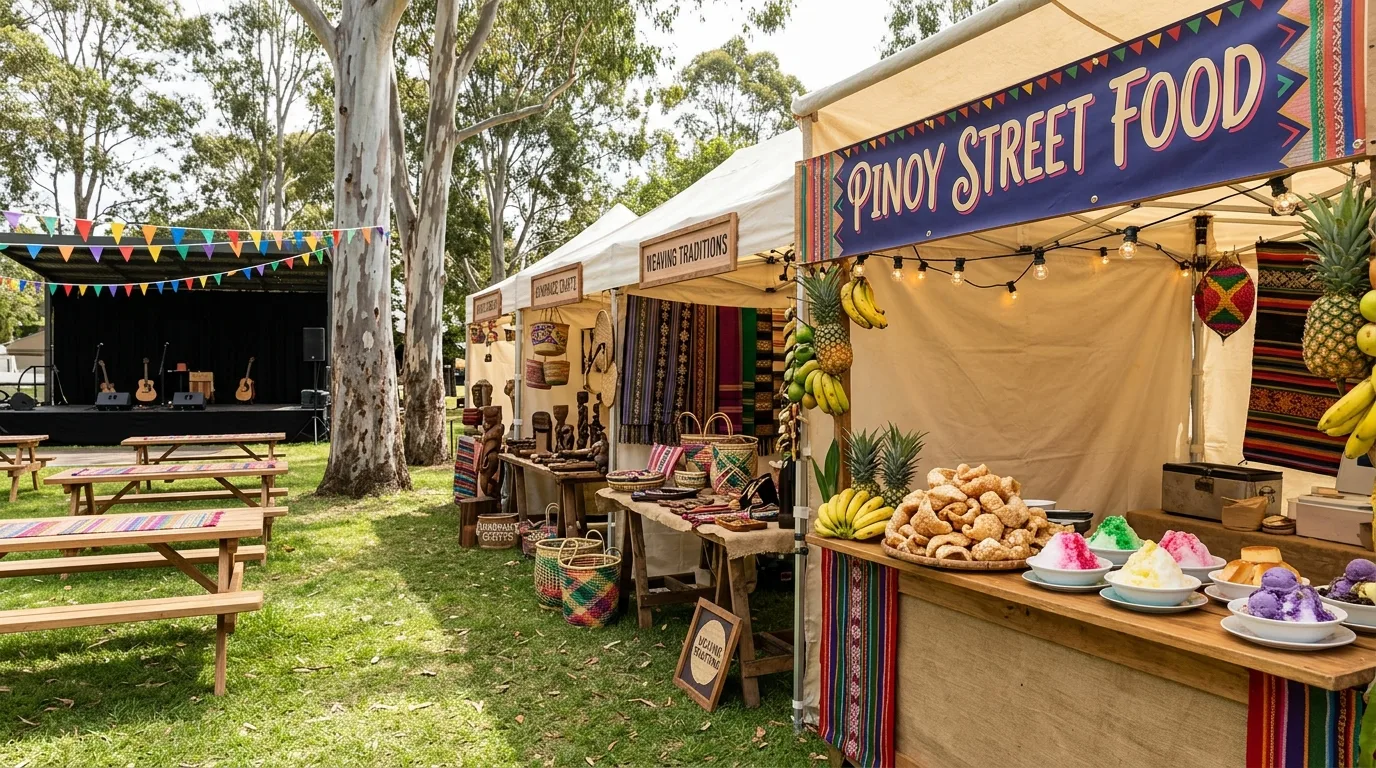
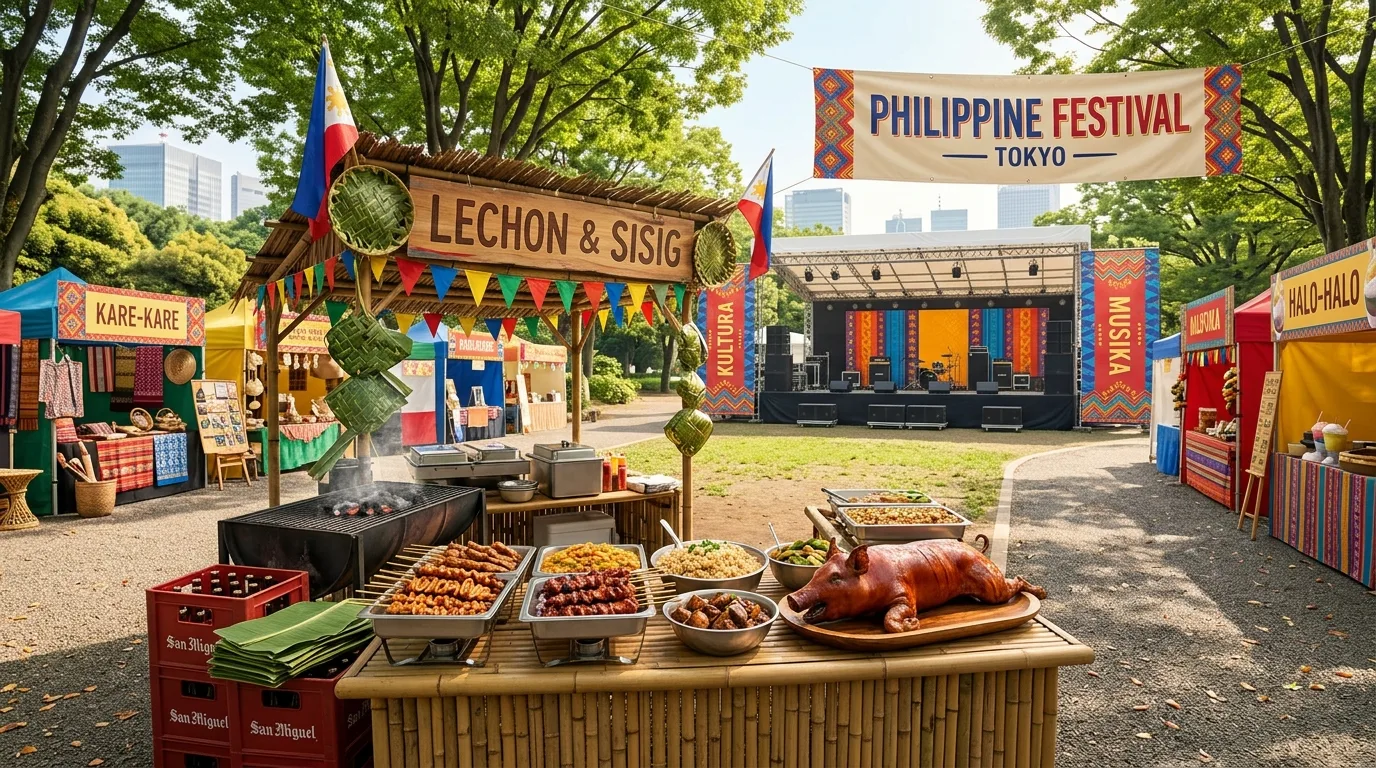
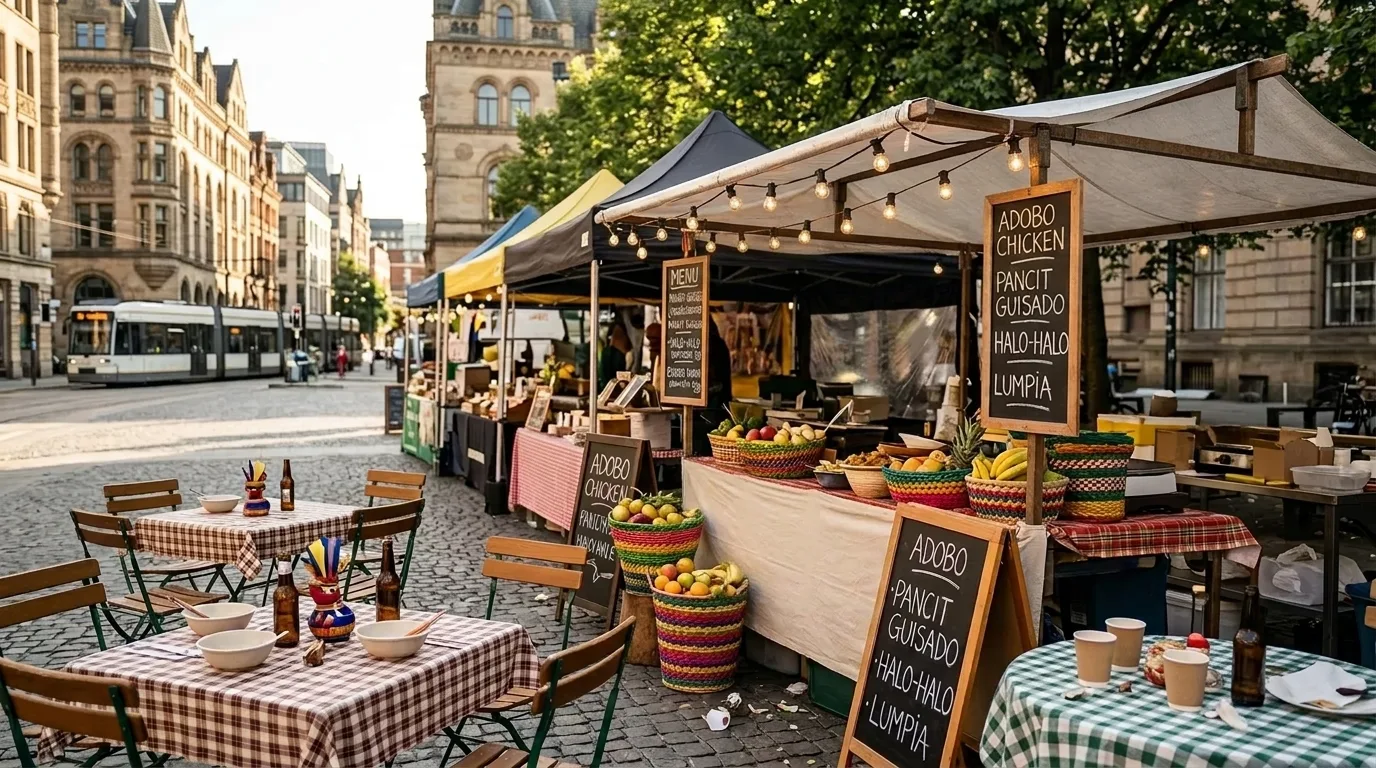
Across major cities such as Toronto, Vancouver, New York, Los Angeles, San Francisco, London, Dublin, Paris, Rome, Madrid, Amsterdam, Berlin, Dubai, Abu Dhabi, Singapore, Tokyo, Sydney, Melbourne, and Auckland, Filipino organizations host annual events inspired by the traditions observed throughout the Philippines.
Churches, community centers, cultural organizations, and family groups work together to organize celebrations that recreate the atmosphere of Flores de Mayo while adapting to local environments.
These gatherings provide opportunities for Filipinos of all ages to reconnect with their culture, strengthen community relationships, and participate in traditions that have been passed down through generations.
One of the most recognizable elements of Flores de Mayo is the offering of flowers.
Participants gather to present colorful floral arrangements as expressions of devotion and gratitude. The practice symbolizes purity, faith, and respect while highlighting the beauty of both nature and community participation.
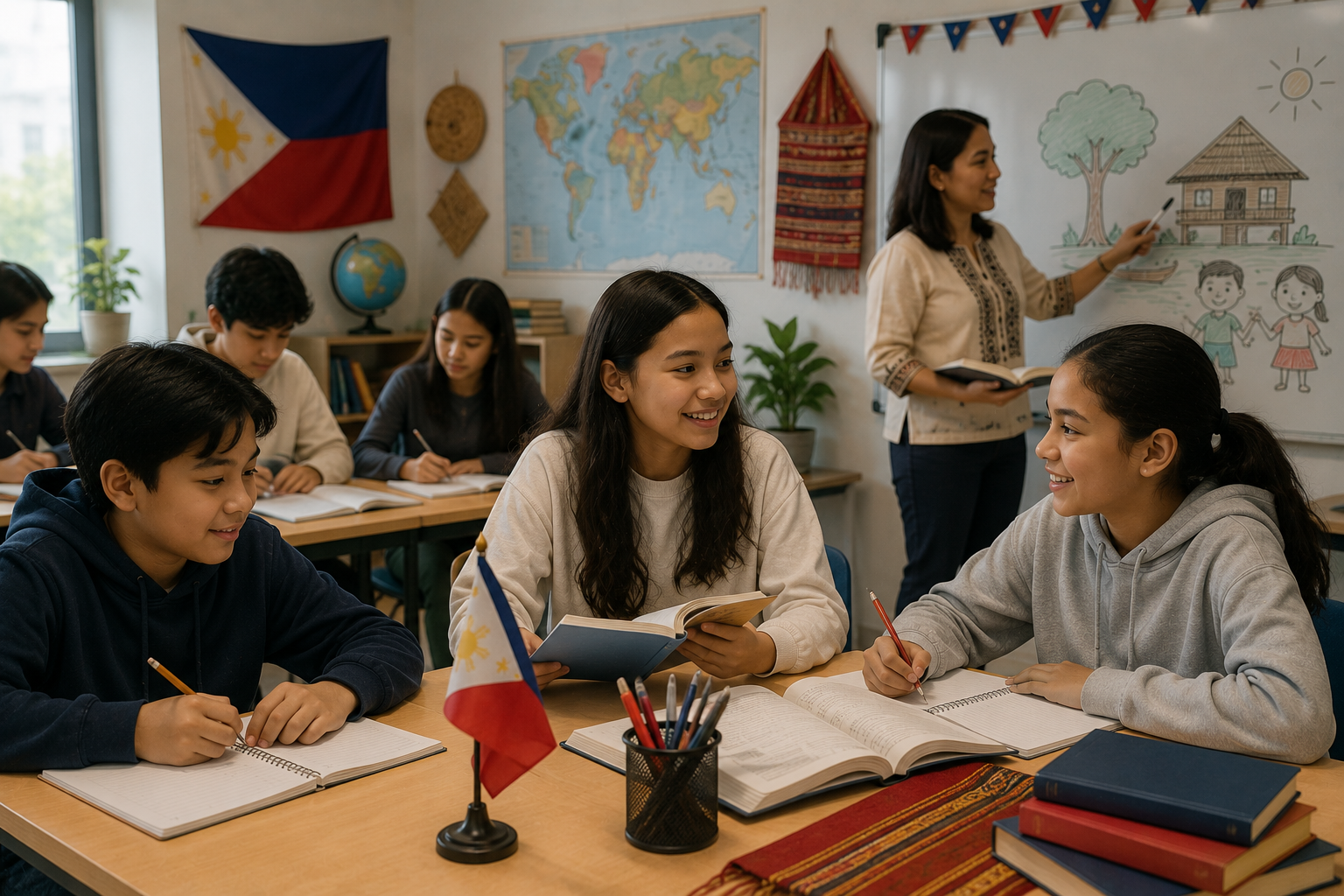
Community organizers often encourage children and young people to participate actively in these traditions, helping them understand the cultural and spiritual significance behind the celebration.
For many families, these moments serve as valuable opportunities to share stories, memories, and cultural knowledge.
Parents frequently describe Flores de Mayo as one of the most meaningful ways to introduce younger generations to Filipino values and traditions.
The celebration's emphasis on family involvement makes it especially important within overseas communities.
Many families view Flores de Mayo as an opportunity to gather, strengthen relationships, and create lasting memories while honoring shared cultural roots.
In communities where Filipino families may be spread across large geographic areas, annual celebrations provide rare opportunities for reunion and fellowship.
Community leaders note that these gatherings foster a strong sense of belonging and mutual support.
Religious observances remain central to many Flores de Mayo events.
Special masses, prayer services, novenas, and Marian devotions are frequently organized throughout the month. These activities provide opportunities for reflection and spiritual growth while reinforcing traditions that remain important to many Filipino families.
Churches serving Filipino congregations often experience increased participation during Flores de Mayo celebrations.
Religious leaders emphasize that the observance continues to inspire faith, gratitude, and community engagement among participants.
Many attendees describe the experience as both spiritually meaningful and culturally enriching.
The Santacruzan remains one of the most anticipated highlights of Flores de Mayo celebrations worldwide.
This colorful procession traditionally features participants dressed in elegant attire representing historical and religious figures associated with the search for the Holy Cross.
The event combines pageantry, cultural heritage, and religious symbolism in a way that has captivated generations of Filipinos.
Overseas Filipino communities frequently organize Santacruzan-inspired processions that showcase creativity, artistry, and community participation.
Participants spend weeks preparing costumes, decorations, and presentations designed to honor the tradition while creating memorable experiences for attendees.
The visual beauty of these processions often attracts visitors from various cultural backgrounds who are curious about Filipino customs and heritage.
Community leaders view the Santacruzan as an effective way to introduce non-Filipino audiences to aspects of Philippine history and culture.
Cultural performances frequently accompany Flores de Mayo celebrations.
Traditional dances, musical presentations, choral performances, poetry readings, and theatrical productions add festive elements to community events while highlighting Filipino artistic traditions.
Many performers are young Filipinos born or raised abroad who use these opportunities to explore and celebrate their heritage.
Organizers believe cultural participation strengthens identity while encouraging confidence and community involvement.
Food remains another important component of Flores de Mayo gatherings.
Families, volunteers, and local businesses often prepare traditional Filipino dishes that encourage social interaction and cultural exchange.
Popular favorites such as pancit, lumpia, adobo, bibingka, puto, halo-halo, and numerous regional specialties frequently appear at community celebrations.
Shared meals create opportunities for storytelling, friendship, and relationship-building that reinforce the communal nature of the event.
Community leaders often describe food as a universal language that brings people together regardless of background.
The growing popularity of Filipino cuisine internationally has also contributed to increased interest in cultural celebrations.
Many visitors attending Flores de Mayo events experience Filipino food for the first time and leave with greater appreciation for Philippine culture.
Technology has expanded the reach of Flores de Mayo celebrations in recent years.
Livestreamed events, online prayer gatherings, virtual cultural programs, and social media content allow communities to connect across continents.
Families separated by work, migration, or travel can now participate in celebrations through digital platforms, helping maintain relationships despite physical distance.
Community organizations frequently use technology to share educational materials, cultural content, and event information with wider audiences.
This digital engagement has become particularly important for younger generations who consume cultural experiences through online channels.
Volunteerism continues to play a central role in organizing successful celebrations.
Hundreds of community members contribute their time, skills, and resources to plan events, decorate venues, coordinate performances, and support religious activities.
Community leaders often cite these efforts as examples of bayanihan, the Filipino spirit of cooperation and collective action.
The willingness of individuals to work together for the benefit of the community remains one of the defining characteristics of Filipino culture.
Many Flores de Mayo celebrations also include charitable initiatives that support local causes, scholarship programs, community projects, and humanitarian efforts.
These activities reflect the broader values of generosity and compassion that are closely associated with Filipino traditions.
Observers note that the continued success of Flores de Mayo abroad reflects broader trends in cultural preservation among immigrant communities.
As overseas Filipino populations continue to grow, cultural traditions serve as important tools for maintaining identity, fostering social connections, and strengthening intergenerational relationships.
Community leaders believe that preserving traditions such as Flores de Mayo is essential to ensuring that future generations remain connected to their heritage.
Educational programs, cultural workshops, youth leadership initiatives, and family-centered activities are increasingly being incorporated into celebrations to support these goals.
Many organizations are also exploring new ways to engage broader audiences while maintaining the authenticity and significance of traditional practices.
The future of Flores de Mayo celebrations appears bright.
Growing participation, strong volunteer support, increased community collaboration, and expanding digital outreach are helping ensure that the tradition remains vibrant and relevant.
Community leaders remain optimistic that younger generations will continue embracing the values and traditions that Flores de Mayo represents.
Ultimately, the story of Flores de Mayo abroad is a story of faith, family, culture, and community.
It demonstrates how traditions can transcend borders while maintaining their meaning and significance.
Through flower offerings, religious observances, cultural performances, family gatherings, and acts of bayanihan, overseas Filipinos continue to celebrate one of the most beautiful traditions in Philippine culture.
Every flower offered, every prayer shared, every procession organized, and every community gathering held serves as a reminder that cultural heritage remains a powerful source of connection and identity.
As colorful Flores de Mayo celebrations continue to bloom around the world, they remind Filipinos everywhere that traditions are not limited by geography. Instead, they live on through the people who cherish them, preserve them, and pass them on to future generations.
From bustling cities to small community centers, the spirit of Flores de Mayo continues to unite Filipino families worldwide—celebrating faith, honoring heritage, and strengthening the bonds that connect Filipinos across generations and continents.
Enjoyed this story?
Share this story