Community-Based Filipino Events Strengthen Connections Across Europe
Share
June 09, 2026
Updated Oct 16, 2026
8 min read
402 views
MANILA, Philippines — Community-based Filipino events are playing an increasingly important role in strengthening relationships, preserving cultural heritage, and fostering unity among Filipino communities across Europe. From cultural festivals and heritage celebrations to sports competitions, charity drives, networking programs, educational workshops, and family-oriented gatherings, these events have become essential platforms for building connections and supporting Filipinos who have established lives in various European countries. Community leaders believe that these grassroots initiatives are helping create stronger, more resilient communities while promoting greater appreciation of Philippine culture throughout the region.
The Filipino population in Europe has grown steadily over the years, with communities thriving in countries such as the United Kingdom, Ireland, Italy, Spain, Germany, France, the Netherlands, Belgium, Norway, Sweden, Denmark, and several other nations. Many Filipinos have relocated to Europe to pursue opportunities in healthcare, hospitality, engineering, information technology, education, maritime industries, business, and various professional sectors. As these communities have expanded, so too has the need for meaningful opportunities to connect, share experiences, and maintain cultural ties despite being far from home.
Community organizers frequently describe local events as the foundation of strong overseas Filipino communities. While digital communication allows people to remain connected with family and friends across great distances, in-person interactions continue to play a vital role in fostering trust, friendship, and community engagement. Events organized at the local level provide opportunities for individuals to meet, collaborate, and support one another in ways that strengthen social bonds and contribute to a sense of belonging.
Many Filipinos living in Europe face challenges related to cultural adjustment, language differences, and distance from family networks. Community events help address these challenges by creating welcoming spaces where people can connect with others who share similar experiences. Organizers note that such gatherings often serve as support systems for both newly arrived migrants and long-term residents. Through participation in community activities, individuals gain access to valuable information, friendships, and resources that can make life abroad more fulfilling and manageable.
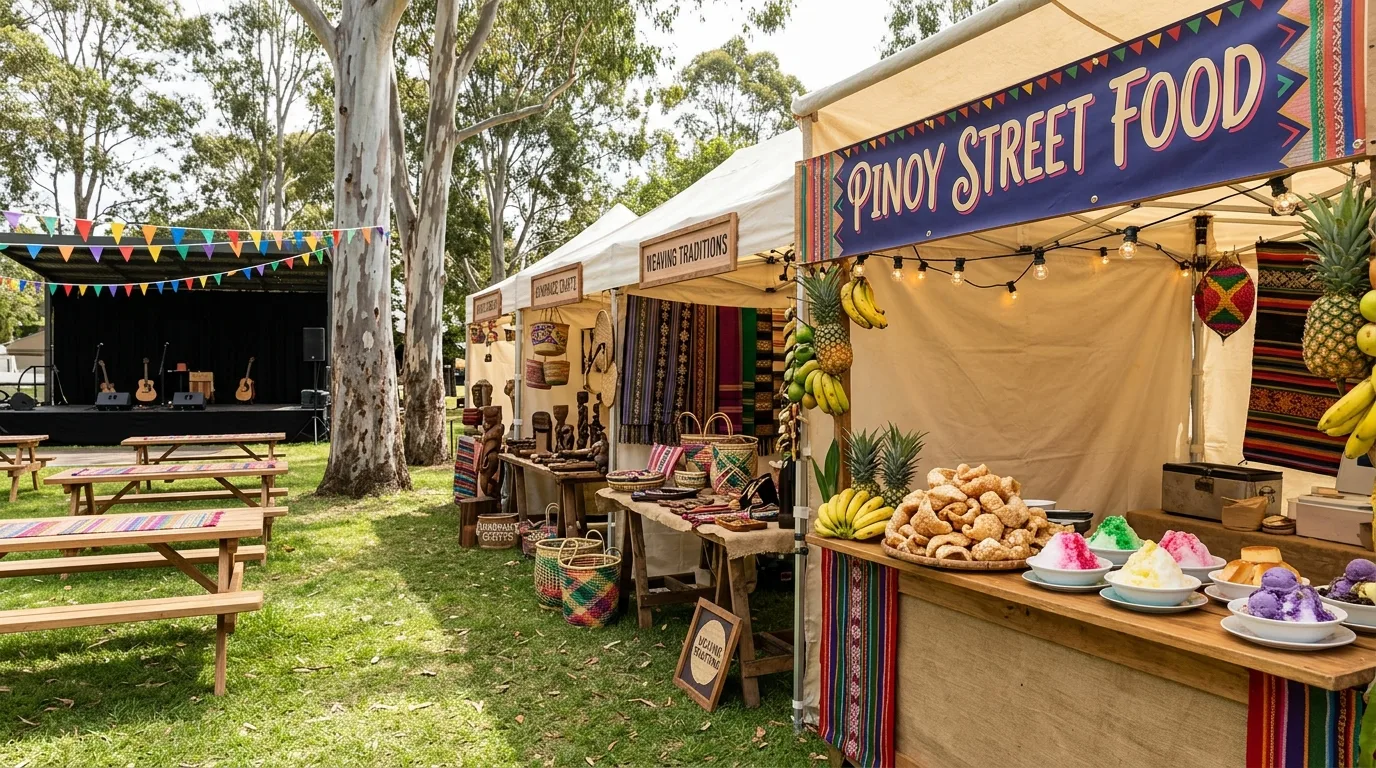
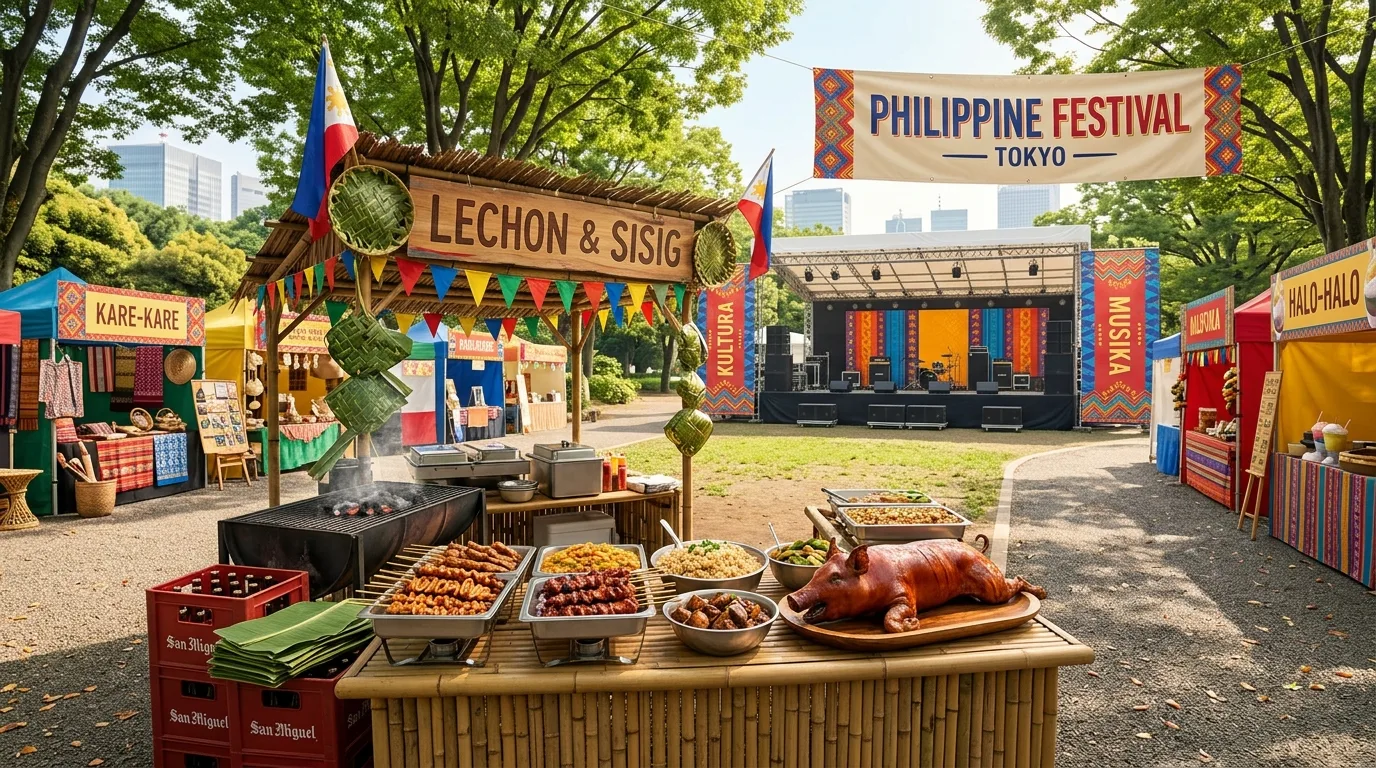
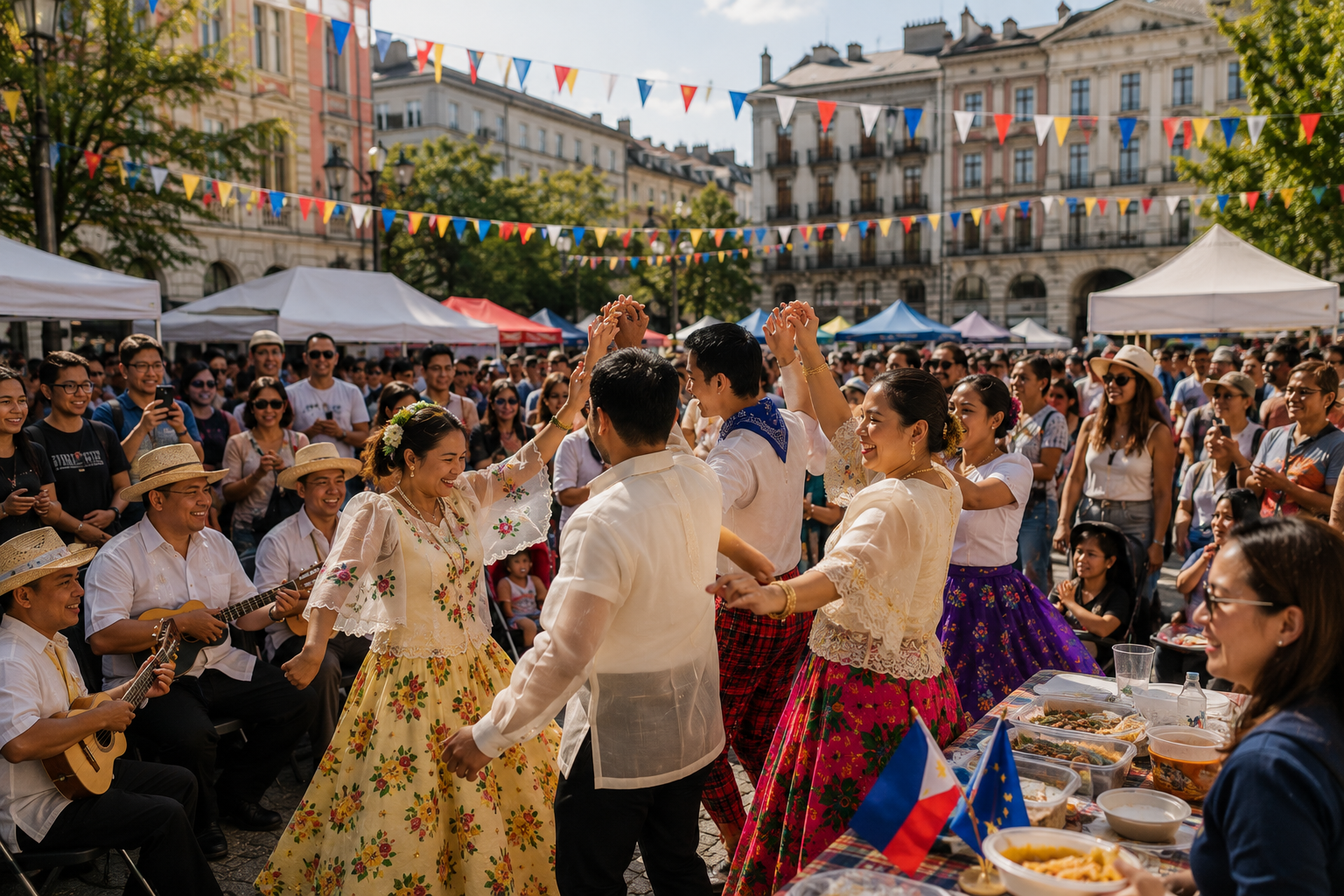
Cultural festivals remain among the most popular and impactful community-based events. These celebrations provide opportunities to showcase Filipino traditions, music, dance, cuisine, art, and history while bringing together people from diverse backgrounds. Festivals often attract not only Filipinos but also local residents, tourists, and multicultural organizations interested in learning more about Philippine culture. Community leaders view these events as powerful tools for cultural preservation and cultural exchange.
Traditional performances frequently serve as highlights of festival programs. Dance groups, musicians, and cultural organizations dedicate significant effort to presenting performances that reflect the diversity and richness of Philippine heritage. These presentations allow younger generations to learn about traditional art forms while giving international audiences opportunities to experience Filipino culture firsthand. Organizers emphasize that cultural performances help preserve traditions while fostering pride among community members.
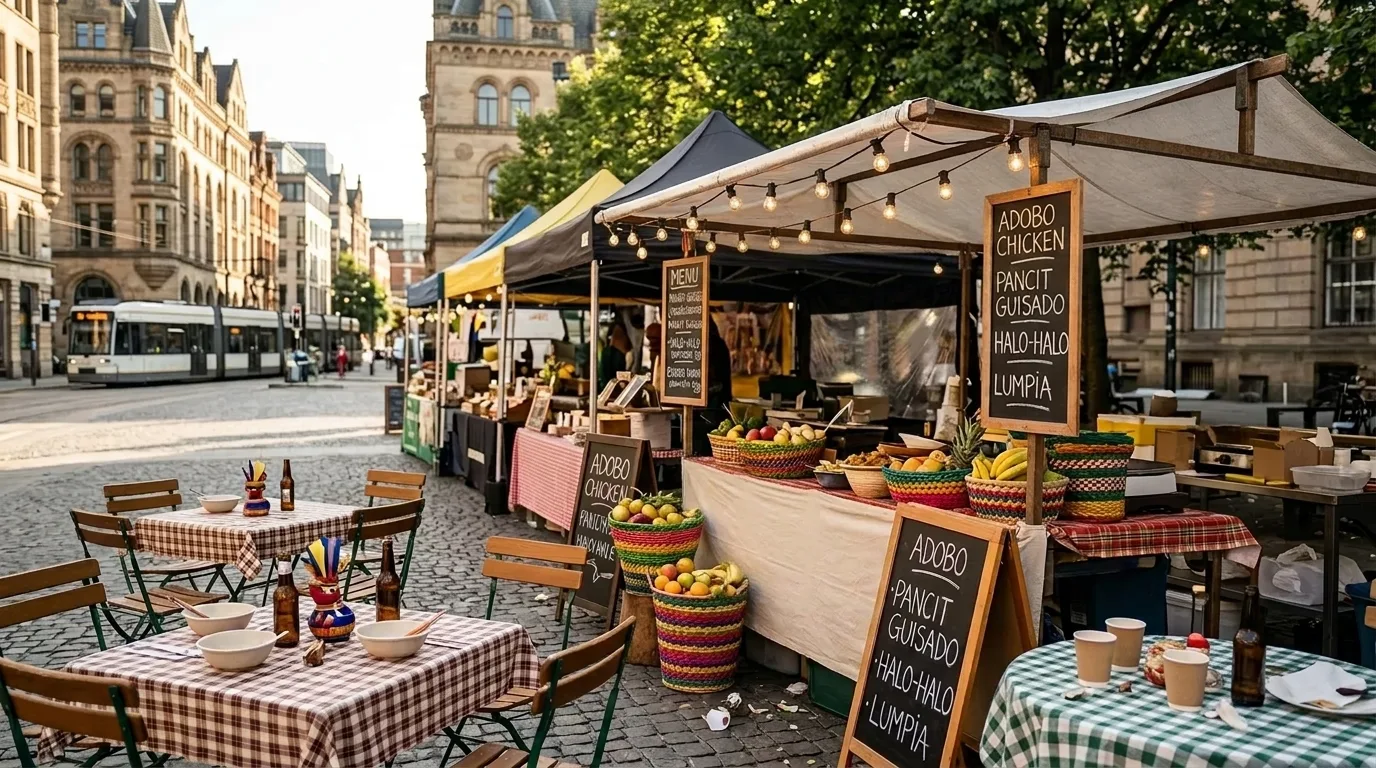
Food plays an equally important role in community gatherings throughout Europe. Filipino cuisine has gained increasing international recognition in recent years, and local events often feature a wide variety of traditional dishes and regional specialties. Food stalls, cooking demonstrations, and culinary showcases attract strong interest from attendees who are eager to experience authentic Filipino flavors. Community leaders often describe food as one of the most effective ways to introduce people to Philippine culture because it creates opportunities for storytelling, learning, and shared experiences.
Many events also focus on family participation. Organizers recognize that strong communities depend on engagement across all age groups, and family-oriented programming has become a central component of many activities. Children's games, educational workshops, cultural presentations, and interactive experiences help ensure that younger generations remain connected to their heritage while developing positive relationships within the broader Filipino community. Parents frequently view these opportunities as valuable tools for cultural education and identity formation.
Second-generation Filipinos are increasingly taking active roles in community-based initiatives. Many young people serve as volunteers, performers, organizers, and cultural ambassadors who help bridge generational and cultural gaps. Their involvement demonstrates that Filipino identity continues to evolve while remaining rooted in shared traditions and values. Community leaders believe that youth participation is essential for ensuring the long-term sustainability of cultural preservation efforts and community development programs.
Sports events have also become important gathering points for Filipino communities across Europe. Basketball tournaments, volleyball competitions, football matches, and recreational activities provide opportunities for healthy competition, social interaction, and community engagement. These events often attract large numbers of participants and spectators while creating environments where friendships can flourish. Organizers note that sports activities help strengthen relationships while promoting physical wellness and teamwork.
Charitable initiatives frequently accompany community events, reflecting the Filipino value of bayanihan and a strong tradition of helping others. Fundraising drives, outreach programs, scholarship initiatives, disaster response efforts, and humanitarian projects are often integrated into community activities. Participants recognize that these efforts provide opportunities to support meaningful causes while reinforcing values related to compassion, generosity, and collective responsibility.
Professional networking events have become increasingly common as Filipino communities in Europe continue to diversify. Many professionals seek opportunities to connect with others working in similar industries, share knowledge, and explore career development opportunities. Networking events, mentorship programs, business forums, and educational seminars help foster professional growth while strengthening community ties. Organizers believe that supporting professional development contributes positively to both individual success and broader community advancement.
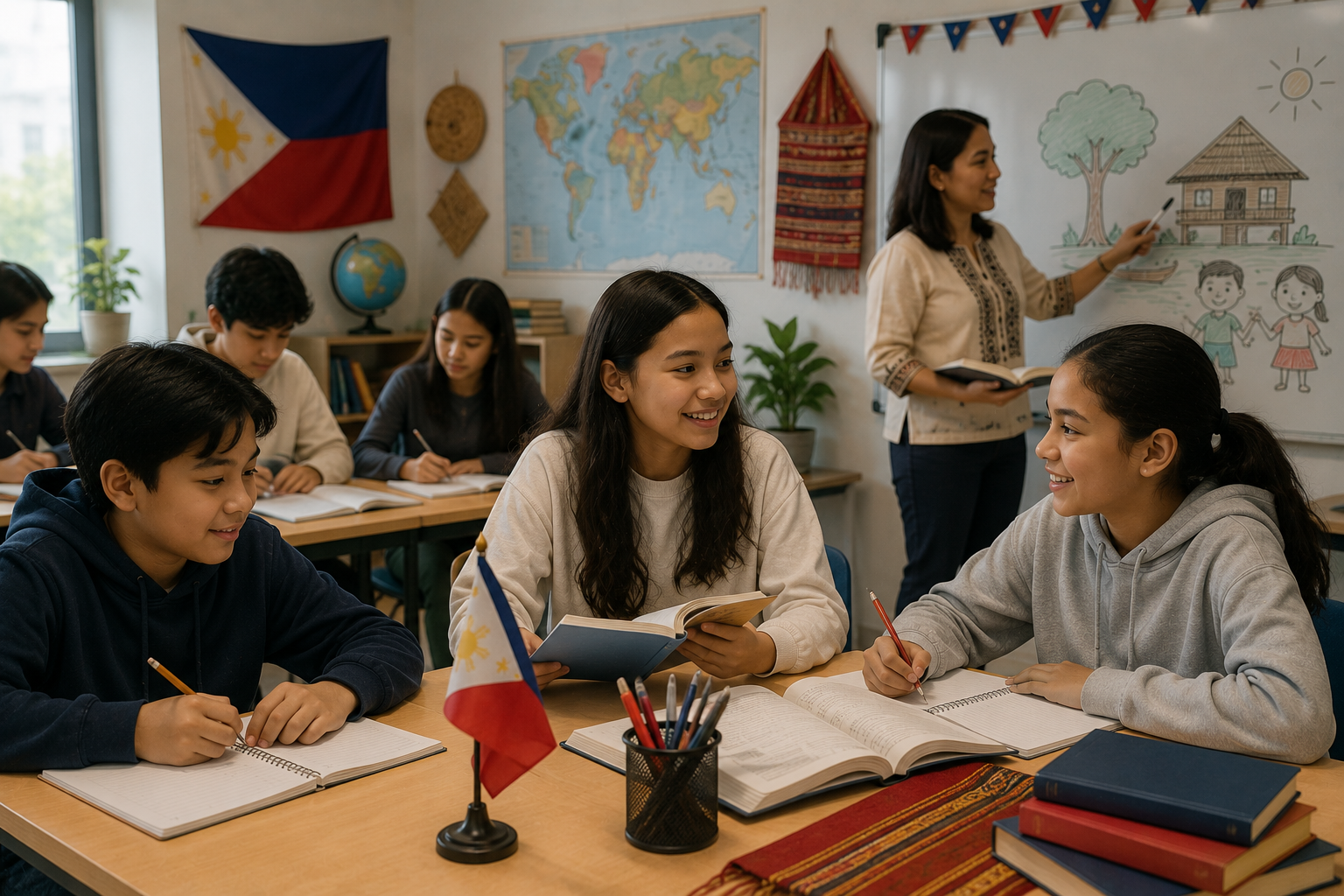
Educational workshops have also gained popularity among community organizations. Topics such as financial literacy, entrepreneurship, career development, cultural history, language preservation, and mental wellness are frequently addressed through seminars and training programs. These initiatives help equip community members with practical knowledge while encouraging lifelong learning and personal growth. Community leaders view education as a key component of empowerment and community resilience.
Technology has significantly enhanced the organization and reach of community-based events. Social media platforms, messaging applications, livestream services, and digital networks enable organizers to communicate more effectively, engage larger audiences, and coordinate activities across geographic boundaries. Digital tools have also made it easier for communities in different countries to collaborate on regional initiatives and share best practices related to event management and community engagement.
The multicultural environment of Europe provides valuable opportunities for cultural exchange and mutual understanding. Filipino events frequently attract participants from diverse cultural backgrounds who are interested in learning about Philippine traditions and experiences. Organizers view these interactions as opportunities to promote intercultural dialogue while strengthening relationships between Filipino communities and local populations. Such exchanges contribute to broader goals related to diversity, inclusion, and social cohesion.
Community leaders often emphasize that events are about much more than entertainment. While cultural performances, food, and social activities remain important attractions, the deeper purpose of community gatherings is to strengthen relationships and foster a sense of belonging. In a world where migration and mobility continue to shape people's lives, maintaining strong community connections has become increasingly important. Events provide opportunities for individuals to celebrate shared identities while supporting one another through life's challenges and opportunities.
The economic impact of community-based events should not be overlooked. Small businesses, entrepreneurs, artists, performers, food vendors, and service providers often benefit from opportunities to participate in festivals and gatherings. Community events create economic activity while supporting local enterprises and encouraging entrepreneurship within Filipino communities. Organizers note that these benefits contribute to broader community development efforts.
Volunteerism remains one of the defining characteristics of successful Filipino events throughout Europe. Countless volunteers dedicate their time and energy to organizing activities, coordinating logistics, promoting events, and supporting participants. Their commitment reflects the enduring value of bayanihan, which continues to serve as a guiding principle for community engagement and cooperation. Community leaders frequently credit volunteers as the driving force behind the success and sustainability of many initiatives.
As Filipino communities continue to grow across Europe, organizers expect community-based events to become even more important. New programs focused on youth leadership, cultural education, professional development, health and wellness, and digital engagement are already being developed to meet evolving community needs. Strong participation levels and increasing public interest suggest that these events will continue expanding in both scale and impact.
Looking ahead, community organizations are exploring opportunities to strengthen collaboration across countries and regions. Cross-border partnerships, regional cultural festivals, educational exchanges, and shared digital initiatives are helping create stronger networks among Filipino communities throughout Europe. These efforts reflect a growing recognition that collaboration can amplify positive outcomes while creating richer and more meaningful experiences for participants.
Ultimately, community-based Filipino events serve as powerful reminders of the importance of connection, culture, and collective identity. Through festivals, sports activities, educational programs, charitable initiatives, and social gatherings, Filipino communities are creating spaces where traditions can be preserved, relationships can flourish, and new opportunities can emerge. These events demonstrate that even far from home, the values of family, community, and bayanihan remain strong and relevant.
As these gatherings continue to bring people together across Europe, they reinforce a shared sense of pride and belonging that transcends national borders. They celebrate not only the heritage of the Filipino people but also the resilience, adaptability, and community spirit that have helped Filipino communities thrive around the world. Through ongoing collaboration and cultural engagement, these events will continue to strengthen connections and enrich the lives of Filipinos throughout Europe for generations to come.
Enjoyed this story?
Share this story