Community-Based Tourism Projects Create New Opportunities for Rural Philippine Communities
Share
June 04, 2026
Updated Oct 16, 2026
8 min read
395 views
MANILA, Philippines — Community-based tourism projects are emerging as powerful drivers of economic development, cultural preservation, and environmental sustainability in rural areas across the Philippines, creating new opportunities for communities that have traditionally had limited access to tourism-related growth.
As global travelers increasingly seek authentic experiences and meaningful connections with local cultures, rural communities throughout the country are finding innovative ways to share their traditions, natural resources, and unique stories while generating sustainable livelihoods for residents.
Tourism experts say the continued growth of community-based tourism represents one of the most promising developments in the Philippine tourism industry. Unlike conventional tourism models that often concentrate economic benefits in major destinations, community-based tourism places local residents at the center of planning, management, and decision-making.
This approach ensures that tourism revenues support local development while preserving the cultural and environmental resources that make destinations unique.
Across the Philippines, communities are creating tourism experiences that highlight their history, traditions, craftsmanship, cuisine, agriculture, and natural attractions.
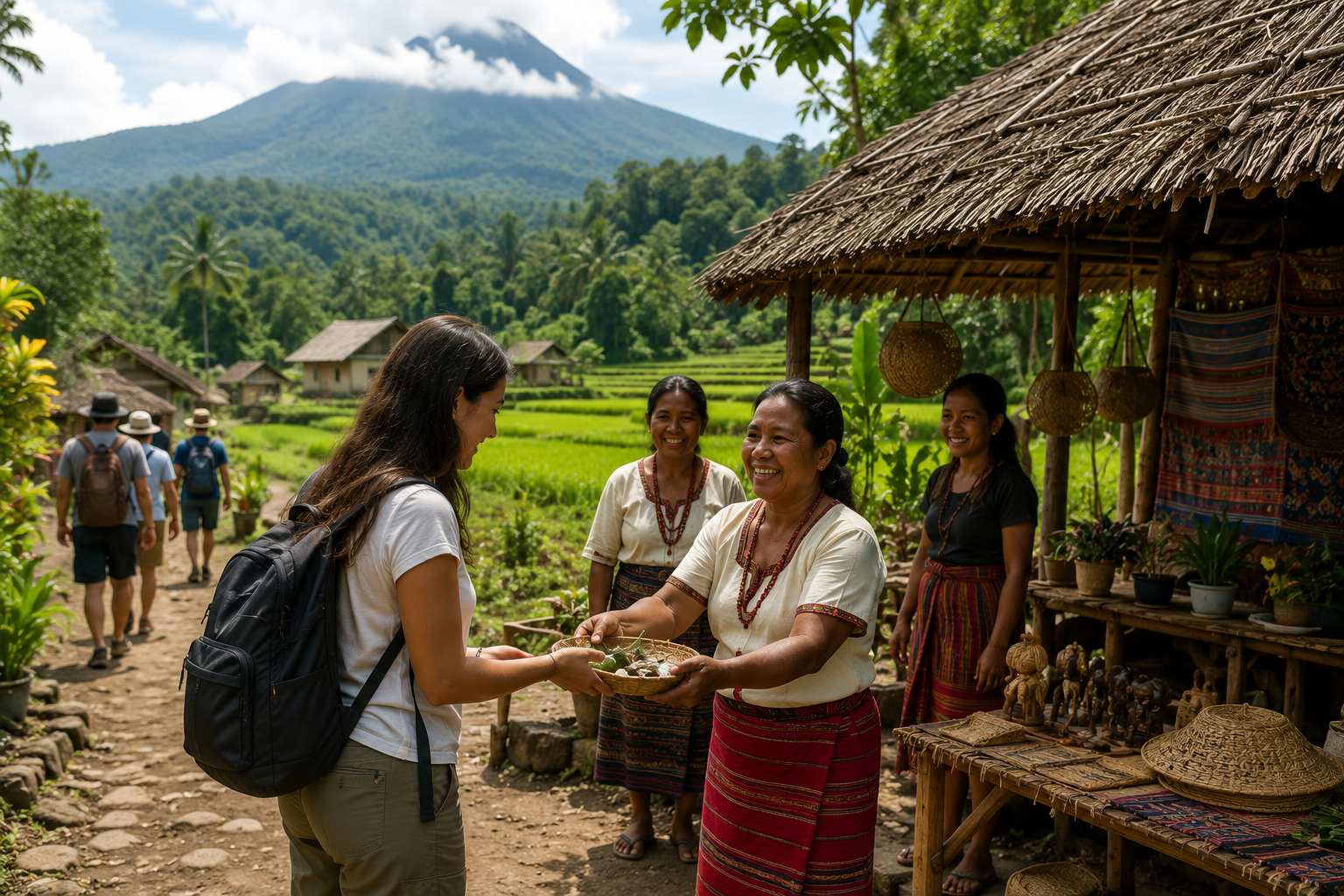
From mountain villages and coastal communities to indigenous cultural areas and agricultural regions, local residents are developing programs that allow visitors to experience daily life in meaningful and educational ways.
Many tourism advocates believe these experiences reflect growing demand among travelers for authentic encounters that go beyond traditional sightseeing.
Visitors increasingly want opportunities to interact with local people, learn cultural practices, and contribute positively to the destinations they visit.
Community-based tourism initiatives are uniquely positioned to meet these expectations.
One of the most significant benefits of community-based tourism is its ability to generate local employment.
In many rural communities, economic opportunities can be limited, particularly for young people.
Tourism projects create jobs in guiding services, accommodations, transportation, food preparation, cultural performances, handicraft production, environmental management, and small business operations.
These opportunities allow residents to earn income while remaining within their communities.
Local leaders note that tourism-related employment often helps reduce migration to urban centers by creating viable economic alternatives closer to home.
Entrepreneurship has become another important outcome of community-based tourism development.
Residents frequently establish small businesses that cater to visitors, including homestays, food enterprises, transportation services, souvenir shops, handicraft workshops, and guided experiences.
These businesses contribute to local economic activity while encouraging innovation and self-sufficiency.
Many entrepreneurs view tourism as a pathway toward long-term economic resilience.
Community organizations often provide training and mentorship programs designed to help residents develop business skills and improve service quality.
Cultural preservation remains a central component of many tourism initiatives.
Communities recognize that their traditions, stories, crafts, music, dances, and culinary practices are valuable cultural assets that deserve protection and promotion.
By incorporating these elements into tourism experiences, residents create incentives to preserve traditions that might otherwise face decline.
Visitors gain opportunities to learn about local heritage while communities strengthen cultural identity and intergenerational knowledge transfer.
Community leaders frequently describe tourism as a tool for cultural revitalization.
Traditional crafts have particularly benefited from increased visitor interest.
Artisans who produce weaving, pottery, woodcarving, embroidery, basketry, and other handmade products often find new markets through tourism activities.
These opportunities help sustain traditional skills while generating additional income for households.
Many visitors value the opportunity to purchase locally made products and learn about the cultural significance behind them.
Environmental conservation is another major advantage associated with community-based tourism.
Because local livelihoods become closely connected to natural resources, communities often develop strong incentives to protect forests, rivers, coastlines, marine ecosystems, and wildlife habitats.
Many tourism projects incorporate conservation activities, environmental education, and sustainable resource management practices.
These initiatives help ensure that natural attractions remain healthy and attractive for future generations.
Tourism advocates emphasize that environmental stewardship and economic development can work together effectively when communities are actively involved.
Marine and coastal communities have been particularly successful in implementing community-based tourism programs.
Fishing villages and island communities frequently offer activities such as snorkeling, diving, mangrove tours, island hopping, marine conservation experiences, and cultural exchanges.
These programs allow visitors to appreciate marine biodiversity while supporting local livelihoods.
Many communities use tourism revenues to fund conservation projects, waste management initiatives, and environmental education efforts.
Agritourism has also emerged as a growing component of community-based tourism.
Farm visits, agricultural demonstrations, harvest experiences, and culinary programs provide visitors with opportunities to learn about food production and rural life.
These activities help diversify income sources for farmers while increasing public appreciation for agriculture.
Tourism experts note that agritourism can strengthen rural economies by creating value-added opportunities beyond traditional agricultural production.
Educational tourism is becoming increasingly popular as well.
Schools, universities, researchers, and student groups often participate in community-based tourism programs focused on cultural learning, environmental conservation, and sustainable development.
These experiences provide valuable educational opportunities while supporting local initiatives.
Community leaders believe educational tourism fosters greater understanding between visitors and host communities.
The role of indigenous communities has become particularly important within community-based tourism development.
Many indigenous groups are sharing cultural knowledge, traditional practices, and environmental stewardship approaches through carefully managed tourism programs.
These initiatives help generate income while promoting cultural recognition and respect.
Community representatives emphasize the importance of ensuring that tourism activities remain community-led and culturally appropriate.
Responsible management is essential to protecting both cultural integrity and community interests.
Technology has played a significant role in expanding opportunities for rural destinations.
Digital marketing, social media platforms, online booking systems, and virtual storytelling tools allow communities to reach broader audiences than ever before.
Many destinations that were previously unknown to international travelers can now promote their attractions globally through digital channels.
This increased visibility has helped attract visitors while creating new opportunities for local businesses.
Training in digital skills has become an important component of many tourism development programs.
Government agencies, nonprofit organizations, educational institutions, and private sector partners have increasingly supported community-based tourism initiatives through funding, training, infrastructure development, and technical assistance.
These partnerships help communities build capacity while improving service quality and sustainability.
Stakeholders emphasize that long-term success depends on collaboration among multiple sectors.
Community participation remains the most critical factor.
Projects are most successful when residents actively contribute to planning, decision-making, and implementation processes.
Local ownership helps ensure that tourism development reflects community priorities while maximizing benefits for residents.
Community leaders often stress that tourism should support broader development goals rather than dictate them.
Infrastructure improvements associated with tourism development frequently benefit local populations as well.
Road improvements, transportation services, internet connectivity, water systems, waste management facilities, and public spaces often receive upgrades that enhance overall quality of life.
These investments contribute to broader community development beyond tourism alone.
Many rural communities report positive impacts resulting from improved infrastructure and increased economic activity.
The growing popularity of community-based tourism reflects broader changes within the global travel industry.
Travelers increasingly seek experiences characterized by authenticity, sustainability, cultural engagement, and social responsibility.
Community-based tourism aligns closely with these preferences by offering meaningful interactions and opportunities to contribute positively to host communities.
The Philippines is particularly well positioned to benefit from these trends due to its rich cultural diversity and geographic variety.
Observers note that community-based tourism represents a more inclusive model of tourism development.
Rather than concentrating benefits among a limited number of stakeholders, it creates opportunities for broader participation and shared prosperity.
This inclusiveness contributes to stronger community support and long-term sustainability.
Many tourism professionals believe community-centered approaches will play increasingly important roles in the future of the industry.
Looking ahead, tourism stakeholders anticipate continued growth in community-based tourism projects throughout the Philippines.
Emerging destinations are exploring innovative approaches that combine cultural preservation, environmental protection, entrepreneurship, and technology.
Many communities are investing in training, product development, and marketing initiatives designed to strengthen competitiveness while maintaining authenticity.
The future appears promising for destinations that successfully balance growth with sustainability.
Ultimately, the rise of community-based tourism demonstrates how tourism can serve as a catalyst for positive change when communities are empowered to lead development efforts.
By placing local people at the center of decision-making, these projects create opportunities that extend beyond visitor experiences to include economic development, cultural preservation, environmental stewardship, and social empowerment.
Every guided tour, cultural performance, homestay experience, and locally crafted product contributes to a larger story of community resilience and innovation.
As travelers continue seeking authentic and meaningful experiences, rural Philippine communities are proving that tourism can be more than an industry—it can be a powerful force for inclusive growth and sustainable development.
Through community-based tourism, residents are not only sharing their stories with the world but also building stronger, more prosperous futures for generations to come.
Enjoyed this story?
Share this story