Community Festivals Showcase Indigenous Philippine Traditions to Global Audience
Share
June 19, 2026
Updated Oct 16, 2026
8 min read
227 views
MANILA, Philippines — Community festivals organized by Filipino communities around the world are increasingly highlighting Indigenous Philippine traditions, introducing global audiences to the rich cultural heritage, ancestral knowledge, and artistic expressions of the country's diverse indigenous peoples. Through cultural exhibitions, traditional performances, educational workshops, storytelling sessions, and heritage-focused programming, these festivals are helping preserve and promote Indigenous traditions while fostering greater appreciation for the cultural diversity that has shaped Philippine identity for centuries.
As international interest in cultural heritage and indigenous knowledge continues to grow, Filipino organizations abroad are recognizing the importance of creating platforms that celebrate the many indigenous communities found throughout the Philippine archipelago. Community leaders note that cultural festivals offer unique opportunities to share stories, traditions, and artistic practices that might otherwise remain unfamiliar to audiences outside the Philippines. By incorporating Indigenous Philippine heritage into festival programming, organizers hope to encourage deeper understanding while preserving important cultural legacies for future generations.
The Philippines is home to numerous indigenous communities, each with its own unique traditions, languages, artistic practices, belief systems, and cultural histories. These communities have contributed significantly to the country's cultural identity through generations of knowledge, craftsmanship, environmental stewardship, music, dance, and oral traditions. Cultural advocates emphasize that recognizing and celebrating indigenous heritage helps create a more complete understanding of Philippine history and cultural diversity.
Community festivals have become effective venues for introducing international audiences to indigenous traditions because they provide immersive and engaging experiences. Visitors are often able to observe traditional performances, participate in educational activities, explore cultural exhibits, and interact with community representatives who share insights into indigenous cultures. Organizers believe that direct engagement creates meaningful learning opportunities that foster respect and appreciation for cultural diversity.
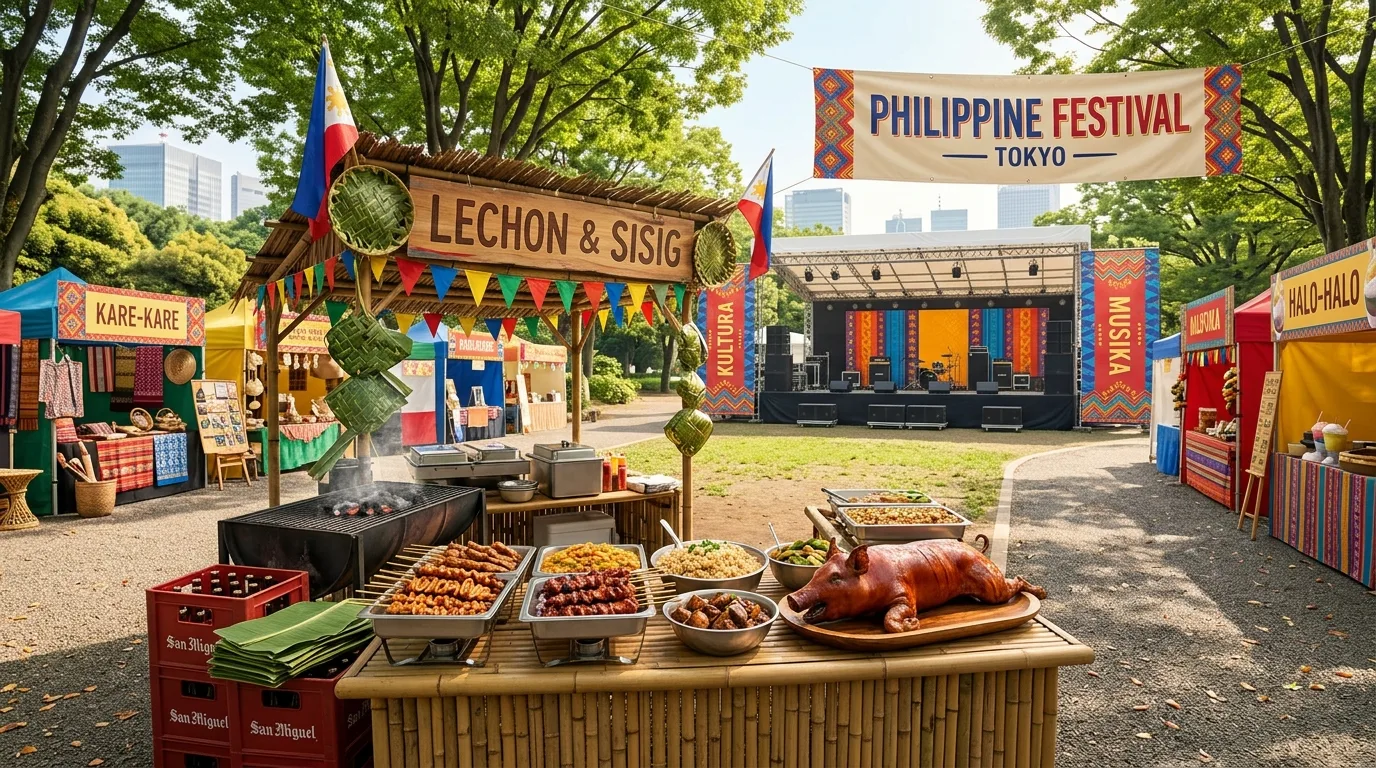
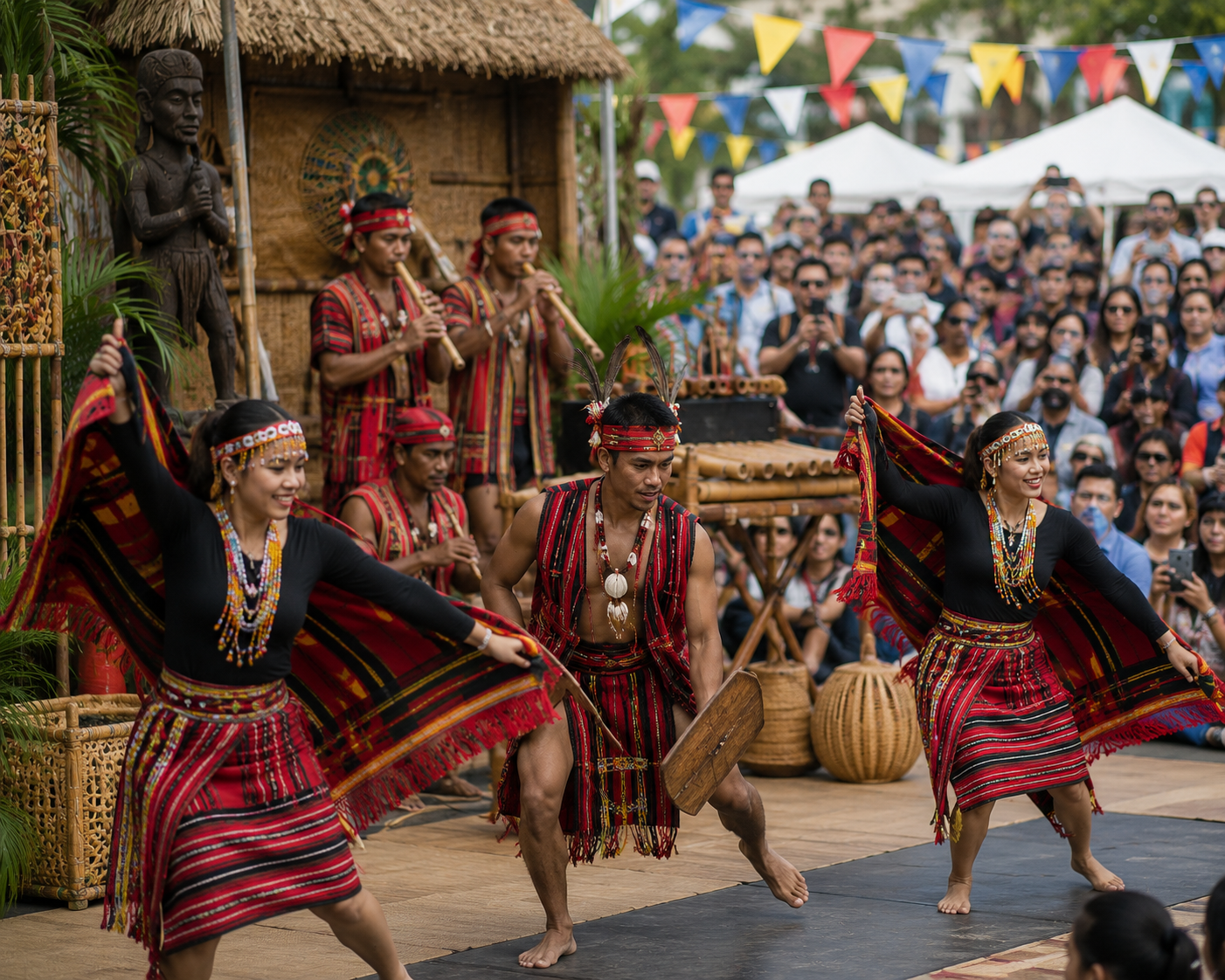
Traditional music and dance performances remain among the most popular attractions at heritage-focused festivals. Performers frequently present cultural expressions inspired by indigenous traditions, highlighting rhythmic patterns, ceremonial movements, traditional instruments, and storytelling elements that reflect ancestral practices. Audiences are often fascinated by the beauty and complexity of these performances, which provide glimpses into cultural traditions that have been preserved across generations.
Storytelling has emerged as an important component of many festival programs. Indigenous traditions have long relied on oral histories to preserve knowledge, values, and cultural memory. Community festivals often feature storytelling sessions that explore legends, folklore, historical narratives, and traditional teachings. Organizers emphasize that storytelling not only entertains but also serves as a powerful educational tool that connects audiences with the experiences and perspectives of indigenous communities.
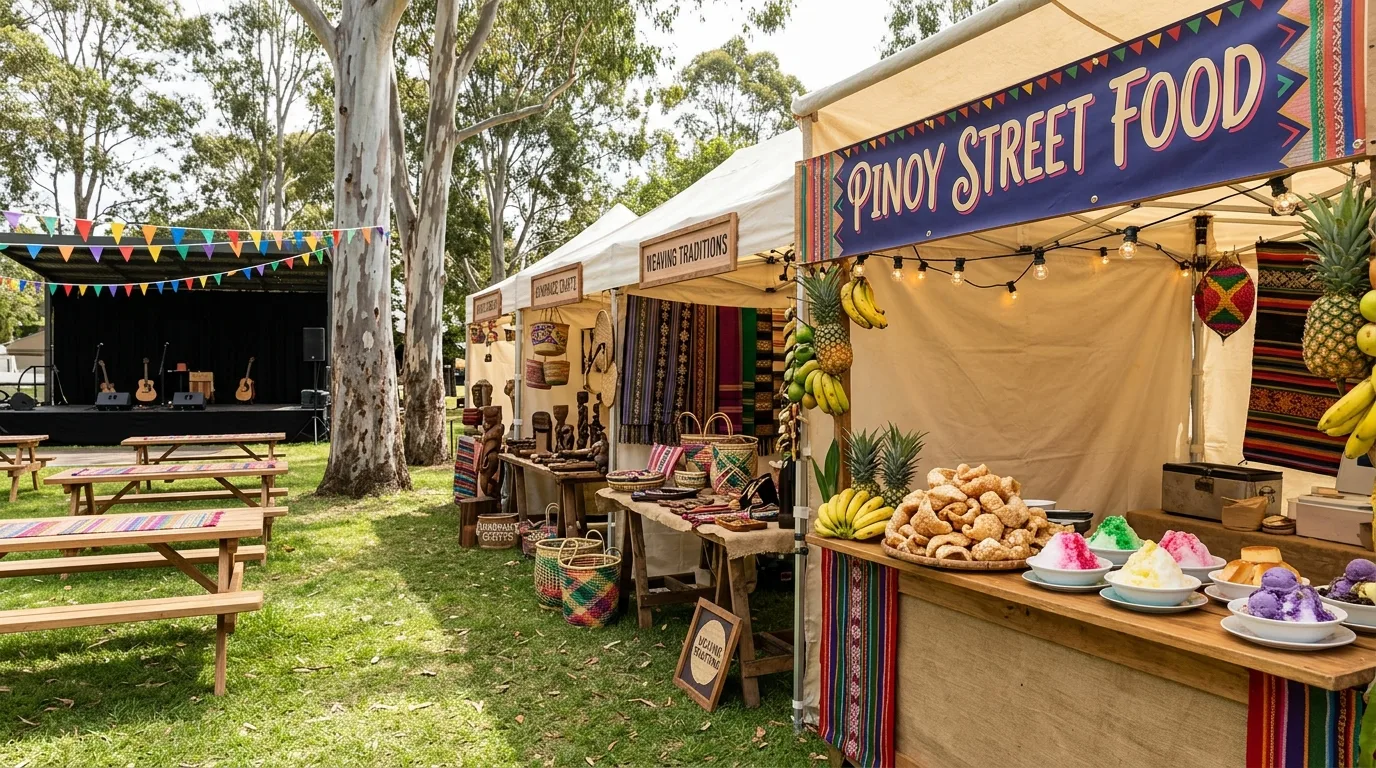
Traditional weaving and textile arts frequently receive significant attention during cultural festivals. Exhibitions and demonstrations showcase intricate craftsmanship that reflects generations of artistic knowledge and cultural symbolism. Visitors often have opportunities to learn about weaving techniques, textile patterns, and the cultural significance of traditional garments. Cultural advocates note that textile arts represent important forms of cultural expression while providing insights into community identities and histories.
Handicrafts and artisan products also play prominent roles in festival exhibits. Traditional carving, basket weaving, beadwork, pottery, and other forms of craftsmanship demonstrate the creativity and skill found within indigenous communities. Many festivals include live demonstrations that allow visitors to observe artistic processes and gain appreciation for the expertise involved in creating traditional works. Organizers believe that these experiences help strengthen support for cultural preservation and artisan communities.
Educational exhibits have become increasingly sophisticated as festival programs expand. Interactive displays, multimedia presentations, cultural artifacts, photographs, and informational materials help audiences explore the histories, traditions, and contemporary realities of indigenous communities. Organizers often collaborate with educators, cultural experts, and community representatives to ensure that presentations are informative, respectful, and culturally accurate.
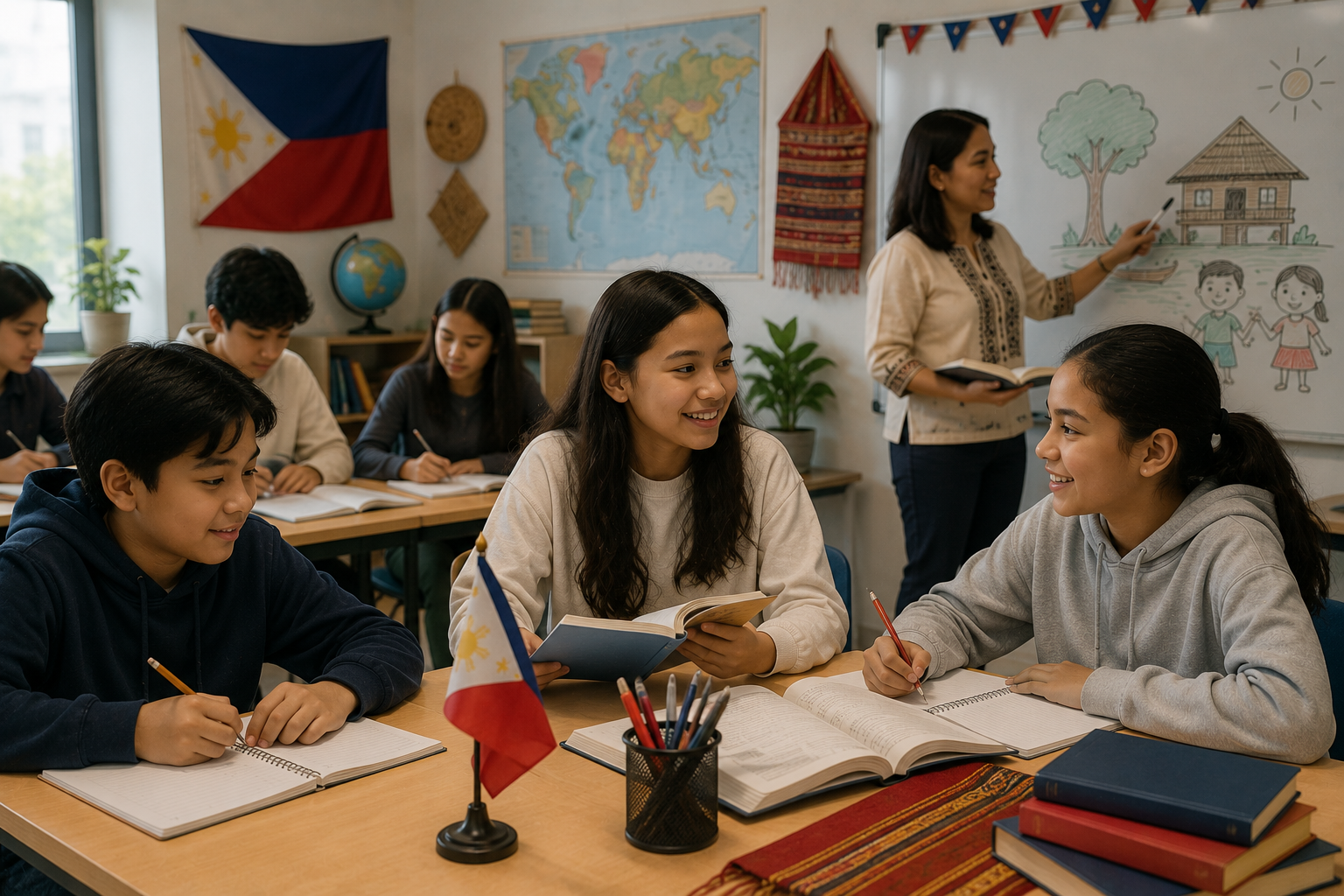
Youth engagement remains a major priority for cultural organizations involved in heritage promotion. Many younger Filipinos living abroad have limited opportunities to learn about the diverse indigenous cultures of the Philippines through traditional educational settings. Festivals provide valuable opportunities for young people to connect with aspects of their heritage while developing greater appreciation for the country's cultural diversity. Community leaders believe that youth participation is essential for ensuring the long-term preservation of cultural knowledge.
The involvement of second-generation and third-generation Filipinos has contributed significantly to the growing popularity of indigenous heritage programming. Young cultural advocates frequently use digital media, creative projects, educational campaigns, and community initiatives to raise awareness about indigenous traditions. Their efforts help introduce heritage topics to broader audiences while making cultural content more accessible to younger generations.
Technology has played an important role in expanding the reach of cultural festivals. Social media platforms, virtual exhibitions, livestreamed performances, and digital storytelling projects allow organizers to share indigenous heritage content with audiences around the world. These tools help preserve cultural materials while creating opportunities for individuals who cannot attend festivals in person to participate in educational experiences. Organizers note that digital engagement has become an increasingly valuable complement to traditional cultural programming.
Many community festivals emphasize the importance of cultural preservation in an era of rapid globalization. While globalization creates opportunities for cultural exchange, it can also present challenges for maintaining traditional knowledge and practices. Festival organizers view heritage-focused events as important mechanisms for ensuring that cultural traditions continue to be valued, documented, and shared with future generations. These efforts contribute to broader initiatives aimed at safeguarding intangible cultural heritage.
Environmental stewardship is another theme frequently associated with Indigenous Philippine traditions. Many indigenous communities possess extensive knowledge related to sustainable resource management, biodiversity conservation, and harmonious relationships with natural environments. Educational sessions often highlight these perspectives, encouraging audiences to reflect on the relevance of traditional knowledge in addressing contemporary environmental challenges. Organizers believe that indigenous wisdom offers valuable insights for sustainable development and environmental responsibility.
Community leaders note that cultural festivals provide opportunities to challenge misconceptions and promote more informed understandings of indigenous cultures. By presenting accurate and respectful representations of traditions, organizers help create spaces for dialogue, learning, and cultural appreciation. These efforts contribute to broader goals related to cultural inclusion, diversity, and mutual respect.
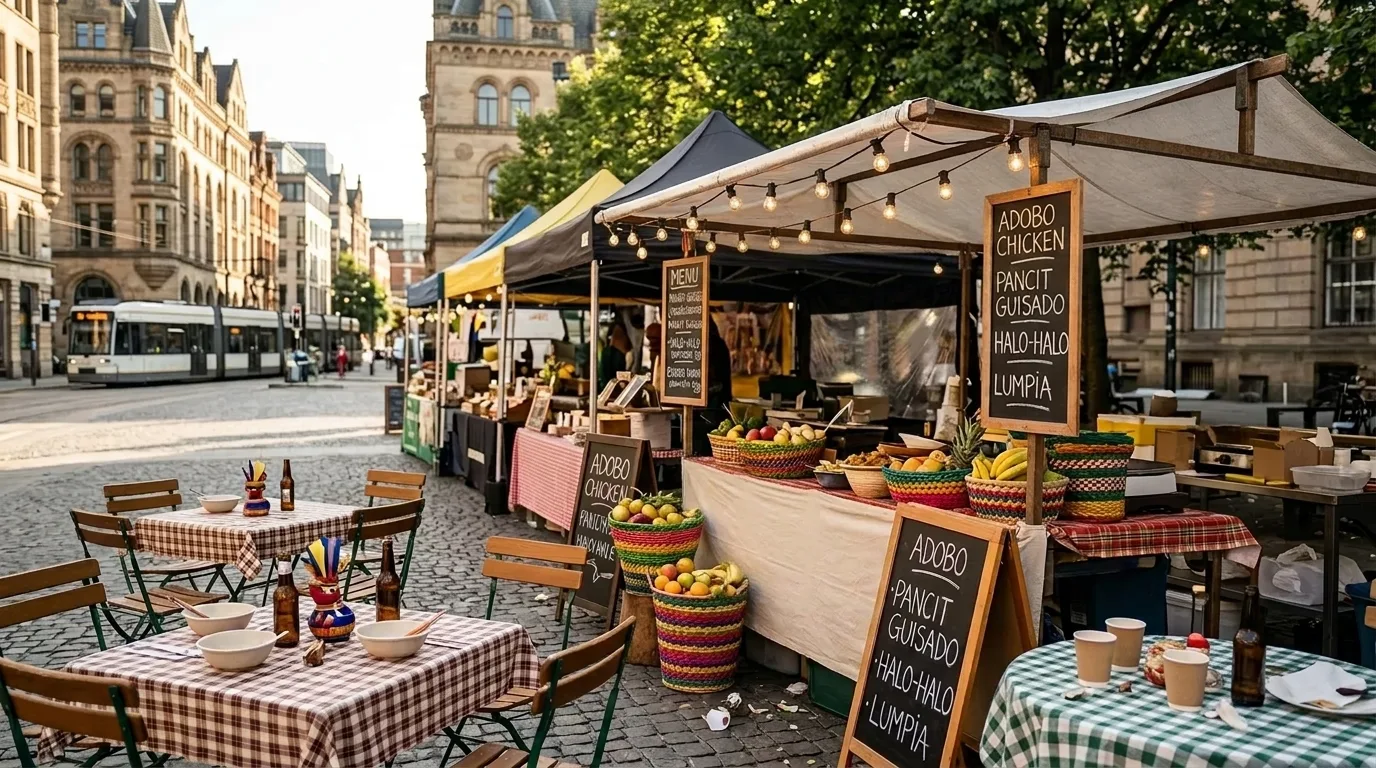
The multicultural nature of overseas festivals creates valuable opportunities for intercultural exchange. Visitors from different cultural backgrounds frequently engage with heritage exhibits, performances, and educational programs, leading to meaningful conversations and shared learning experiences. Organizers believe that cultural exchange strengthens social connections while encouraging greater appreciation for global cultural diversity.
Many heritage-focused festivals also support charitable and educational initiatives. Fundraising campaigns, scholarship programs, cultural preservation projects, and community development efforts are often incorporated into festival activities. Organizers view these initiatives as ways to extend the impact of cultural celebrations beyond entertainment while supporting meaningful causes related to education and cultural preservation.
The growing visibility of Indigenous Philippine traditions in international cultural festivals reflects broader efforts to celebrate the diversity of Philippine identity. Community leaders emphasize that indigenous cultures are integral parts of the national story and deserve recognition alongside other cultural influences that have shaped the Philippines throughout history. Inclusive cultural programming helps create more comprehensive representations of Philippine heritage while fostering greater appreciation for diversity.
Many international visitors express strong interest in learning more about indigenous cultures after attending community festivals. Organizers frequently report positive feedback from participants who appreciate opportunities to engage with cultural traditions that may be unfamiliar to them. These experiences often inspire further exploration of Philippine history, heritage, and cultural diversity, contributing to greater international awareness and understanding.
The success of community festivals has encouraged organizers to expand heritage-focused programming through workshops, educational partnerships, cultural exchanges, and digital content initiatives. Future plans often include more extensive educational offerings, greater collaboration with cultural experts, and expanded opportunities for audience participation. Community leaders remain committed to strengthening cultural preservation efforts while ensuring that heritage remains accessible and relevant.
Looking ahead, cultural advocates anticipate continued growth in international interest in Indigenous Philippine traditions. Increasing recognition of cultural diversity, heritage preservation, and indigenous knowledge systems creates opportunities for broader engagement and appreciation. Community festivals are expected to remain important platforms for sharing traditions while fostering meaningful cultural connections across borders.
Ultimately, the growing prominence of Indigenous Philippine traditions within community festivals demonstrates the enduring value of cultural heritage in a globalized world. Through music, dance, storytelling, craftsmanship, education, and community engagement, these festivals help preserve ancestral knowledge while introducing it to new audiences. They serve as powerful reminders that cultural diversity enriches societies and strengthens understanding among people from different backgrounds.
As Filipino communities continue to celebrate and share their heritage around the world, festivals dedicated to Indigenous Philippine traditions will remain important expressions of cultural pride, education, and preservation. By honoring the knowledge, creativity, and resilience of indigenous communities, these events contribute to a future where cultural heritage is not only remembered but actively celebrated, respected, and passed on to future generations across the globe.
Enjoyed this story?
Share this story