Community Festivals Showcase Indigenous Philippine Traditions to Global Audiences
Share
June 11, 2026
Updated Oct 15, 2026
7 min read
275 views
MANILA, Philippines — Community festivals organized in various countries around the world are increasingly highlighting indigenous Philippine traditions, providing international audiences with valuable opportunities to learn about the cultural heritage, artistic expressions, and historical contributions of indigenous communities throughout the Philippines. Through performances, exhibitions, educational programs, cultural demonstrations, and interactive activities, these festivals are helping preserve indigenous knowledge while promoting greater awareness and appreciation of the country's rich cultural diversity.
The Philippines is home to numerous indigenous cultural communities whose traditions, languages, artistic practices, and belief systems have been preserved for generations. These communities contribute significantly to the nation's cultural identity, offering unique perspectives on history, craftsmanship, environmental stewardship, spirituality, and social organization. As global interest in cultural heritage continues to expand, community festivals have emerged as important platforms for introducing indigenous traditions to broader audiences while supporting efforts aimed at cultural preservation and education.
Cultural advocates emphasize that indigenous traditions represent an essential part of Philippine heritage. These traditions reflect centuries of accumulated knowledge, creativity, and community experience that continue to influence contemporary Filipino identity. Through community festivals, organizers seek to ensure that these cultural expressions remain visible and appreciated both within Filipino communities and among international audiences who may have limited familiarity with the diversity of indigenous cultures in the Philippines.
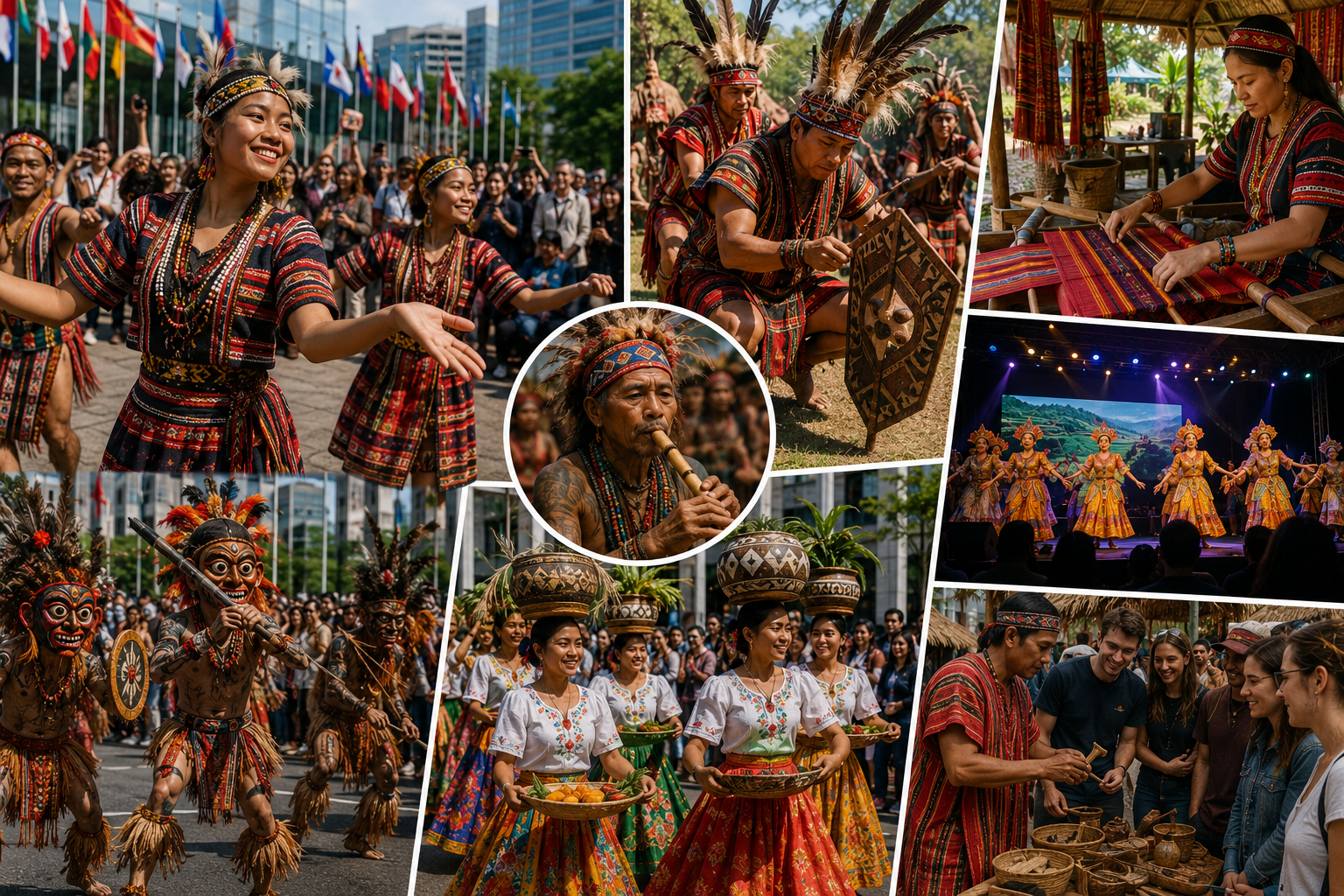
Many festivals feature traditional music and dance performances that provide audiences with immersive cultural experiences. Indigenous-inspired performances often showcase distinctive rhythms, instruments, costumes, and storytelling traditions that reflect the unique identities of various communities. Organizers note that music and dance serve as powerful forms of cultural expression because they communicate history, values, and collective memory in ways that transcend language barriers. These performances frequently become highlights of cultural festivals, attracting significant interest from attendees.
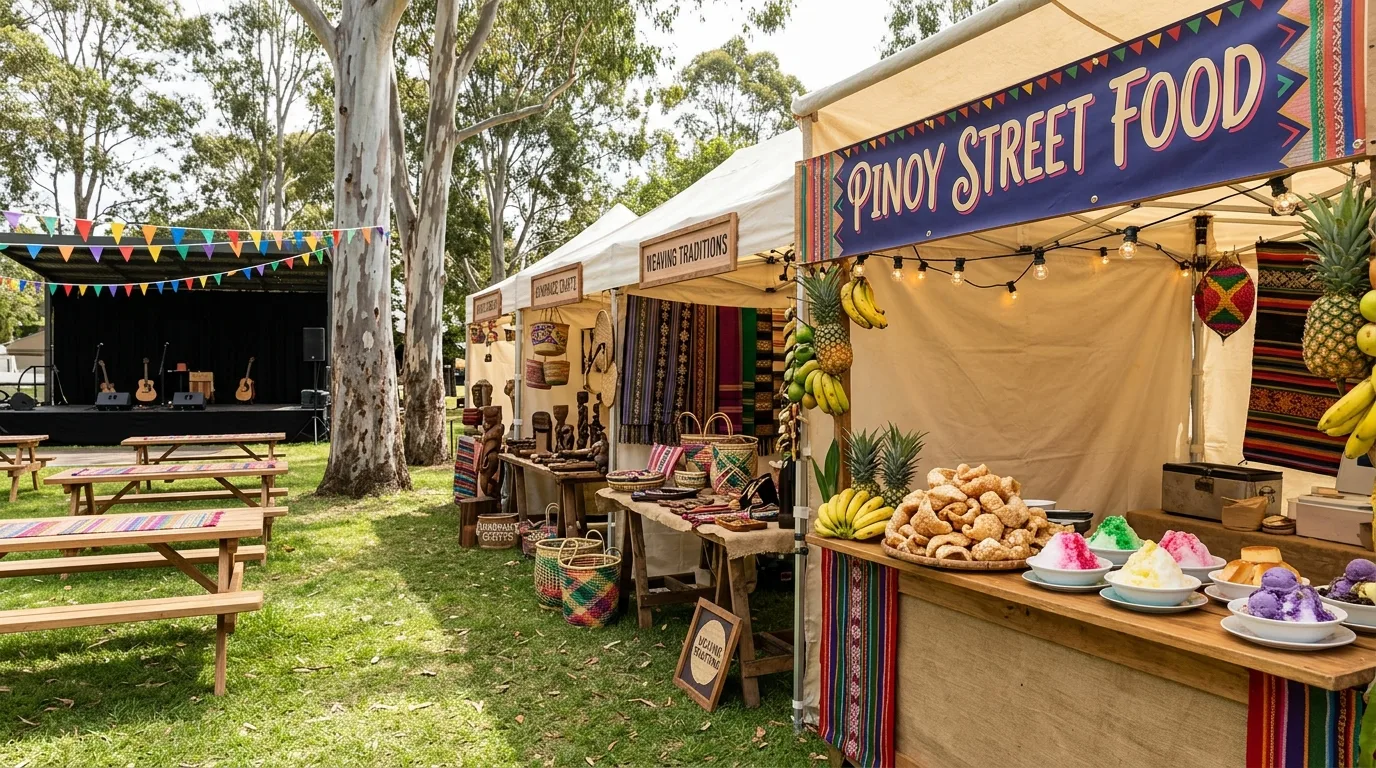
Traditional craftsmanship is another important aspect of many festival programs. Exhibitions and demonstrations often feature weaving, basket-making, carving, beadwork, textile production, and other artisan practices that have been passed down through generations. Visitors are given opportunities to observe skilled artisans at work while learning about the cultural significance and historical context of these crafts. Community leaders believe that showcasing traditional craftsmanship helps preserve valuable skills while supporting recognition of indigenous artistry on a global stage.
Weaving traditions in particular continue to attract widespread attention at cultural events. Across the Philippines, indigenous communities have developed intricate weaving techniques that produce textiles distinguished by unique patterns, colors, and symbolic meanings. Festival exhibits frequently highlight the stories and traditions embedded within these designs, helping audiences understand how textiles function not only as artistic creations but also as cultural records that preserve history and identity.
Storytelling remains a central component of many indigenous cultural presentations. Oral traditions have long served as important methods for preserving history, teaching values, and transmitting knowledge within indigenous communities. Through storytelling sessions, cultural presentations, and educational discussions, festival participants gain insights into legends, historical narratives, and community experiences that have shaped indigenous cultures over time. Organizers view storytelling as a powerful educational tool that helps create deeper understanding and appreciation.
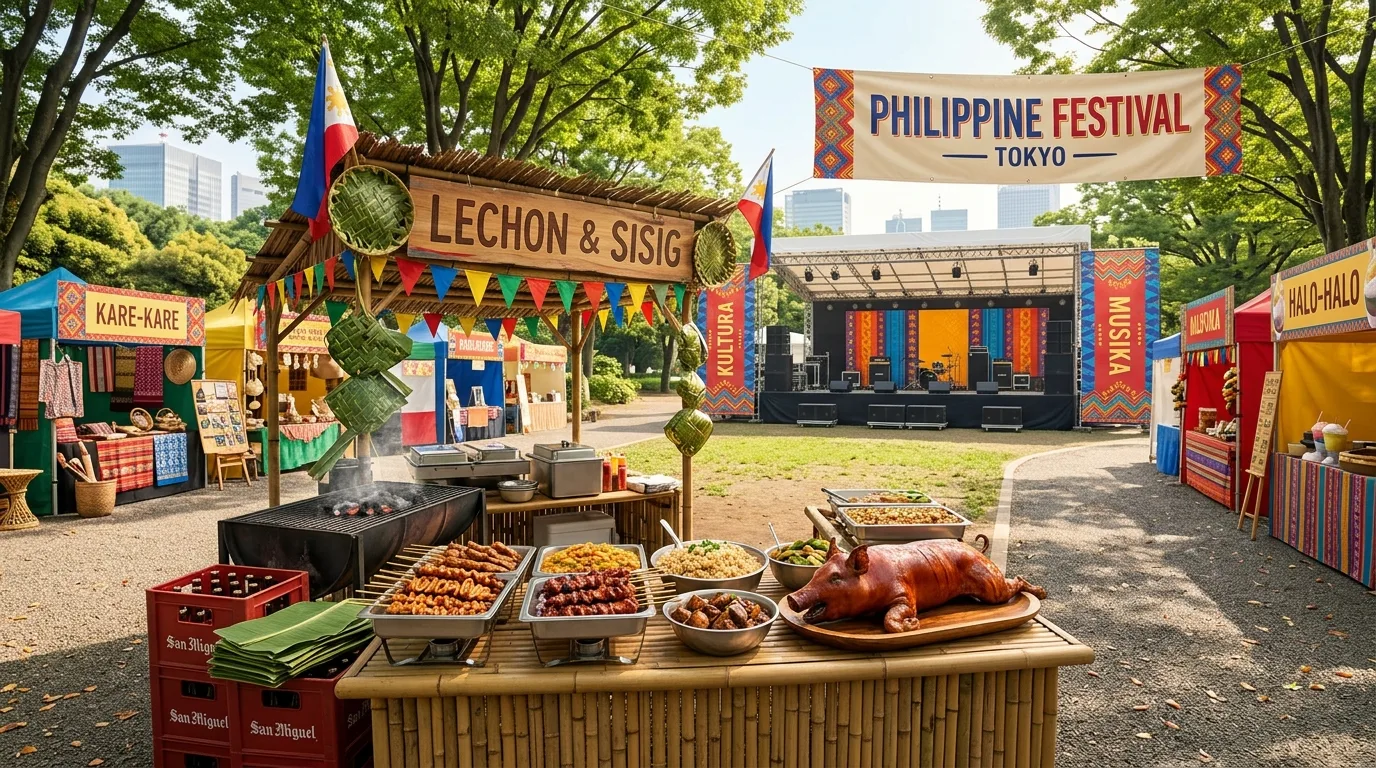
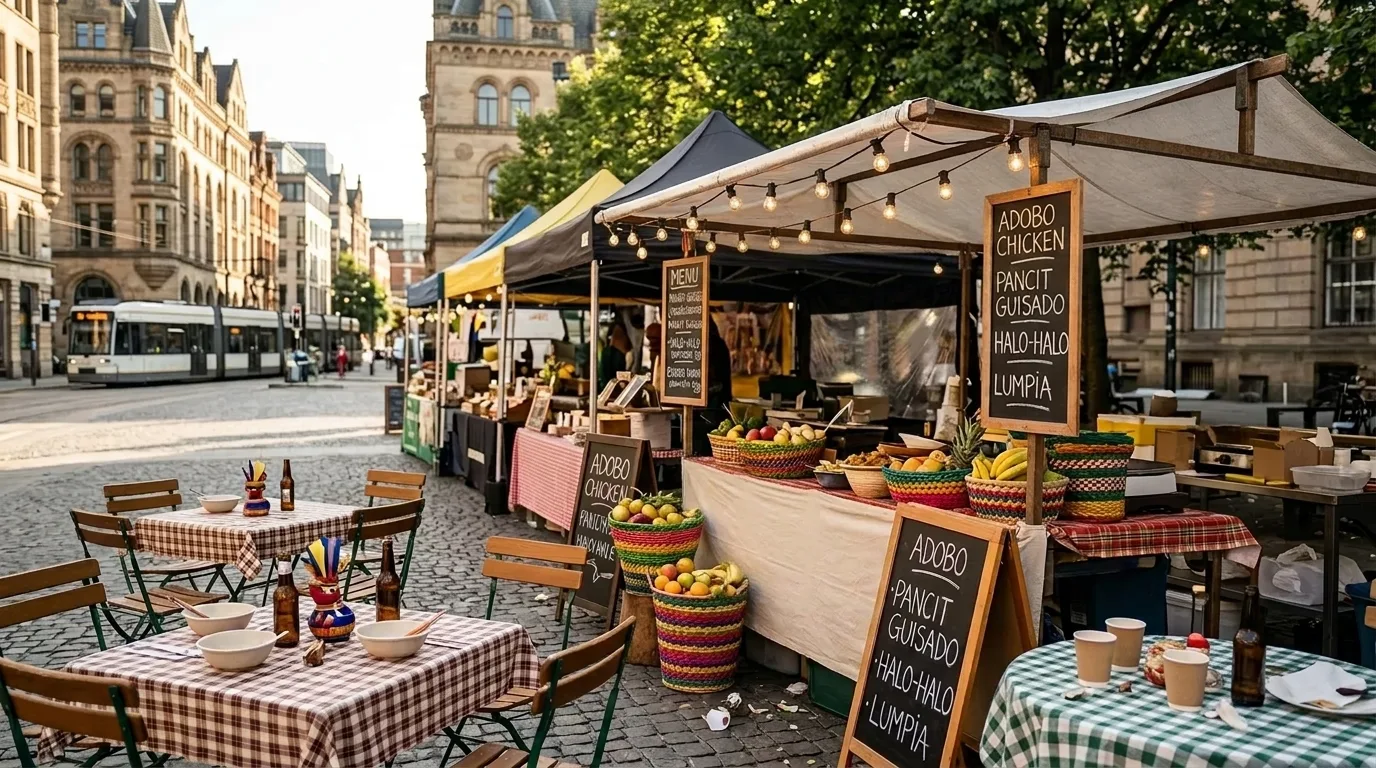
Food and culinary traditions also play significant roles in cultural festivals. Indigenous-inspired dishes, traditional cooking methods, and locally sourced ingredients often form part of broader cultural showcases that introduce audiences to the diversity of Philippine food heritage. Culinary experiences provide accessible and engaging ways for visitors to connect with culture while learning about traditional practices related to agriculture, food preparation, and community life.
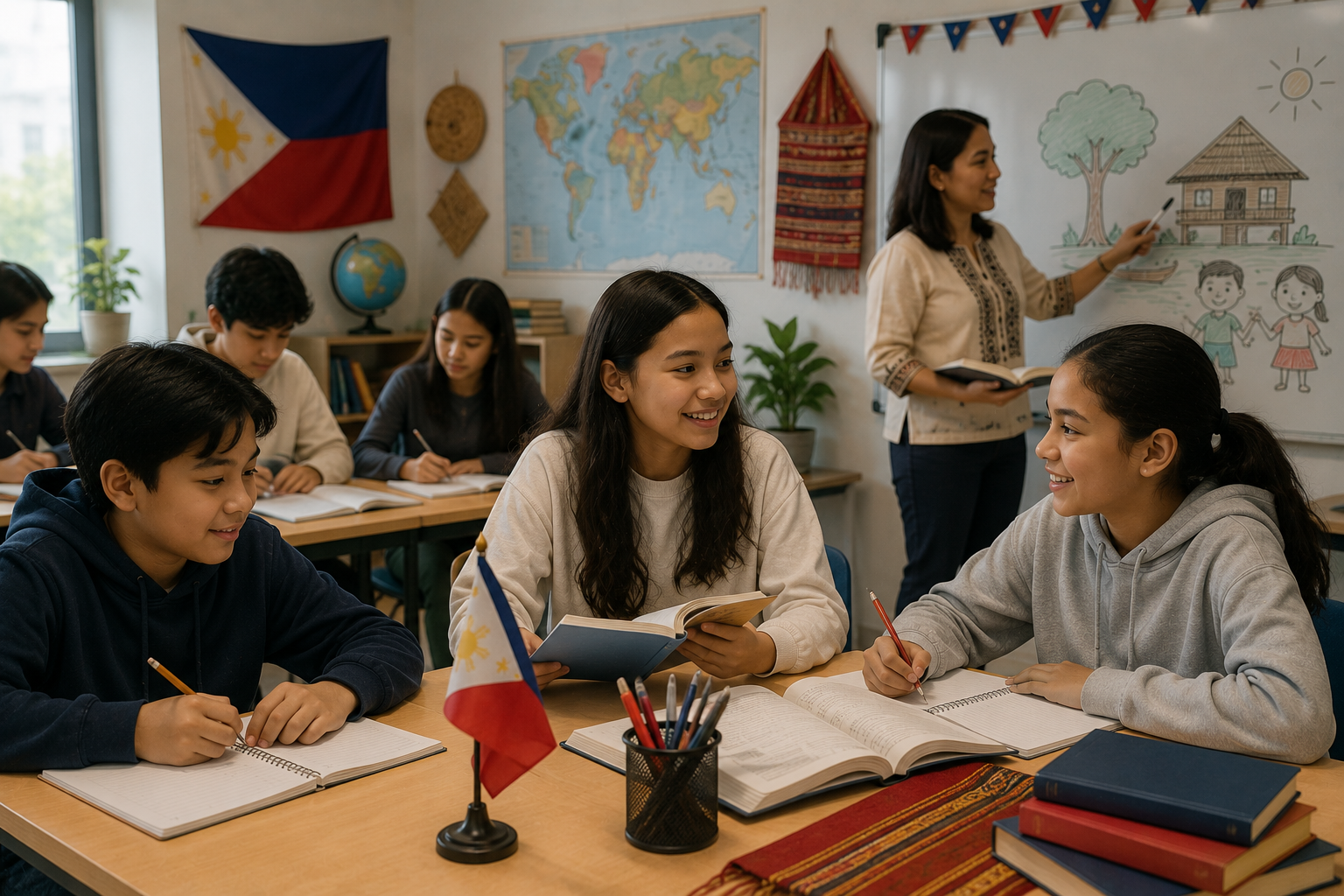
Educational programming has become increasingly important within community festivals that highlight indigenous traditions. Workshops, panel discussions, cultural talks, documentary screenings, and interactive exhibits provide participants with opportunities to engage more deeply with topics related to indigenous history, cultural preservation, environmental stewardship, and community development. Organizers emphasize that education helps move beyond surface-level appreciation toward more meaningful understanding of indigenous experiences and contributions.
The participation of indigenous cultural practitioners, artists, educators, and community representatives adds authenticity and depth to many festival activities. Their involvement ensures that traditions are presented respectfully and accurately while allowing audiences to hear directly from individuals with lived cultural knowledge. Community advocates stress the importance of creating spaces where indigenous voices are represented and valued within cultural programming.
International audiences have shown growing interest in learning about indigenous cultures and heritage traditions. Community leaders note that visitors are increasingly seeking authentic cultural experiences that provide meaningful insights into different ways of life and historical perspectives. Festivals that highlight indigenous Philippine traditions help satisfy this interest while promoting greater awareness of the country's cultural diversity and heritage.
The role of overseas Filipino communities has been instrumental in supporting these cultural initiatives. Filipino organizations around the world frequently organize festivals and heritage events that include indigenous cultural elements as part of broader efforts to celebrate Philippine identity. These communities recognize the importance of representing the full diversity of Filipino culture while ensuring that younger generations gain exposure to traditions that may not be widely discussed in mainstream cultural narratives.
Young Filipinos living abroad are increasingly becoming involved in cultural preservation initiatives. Through volunteer work, educational projects, cultural performances, and digital storytelling efforts, they help promote awareness of indigenous traditions while developing stronger connections to their heritage. Community leaders view youth participation as essential for ensuring the long-term sustainability of cultural preservation efforts.
Technology has expanded opportunities for cultural promotion and education. Social media platforms, virtual exhibits, online workshops, livestreamed performances, and digital archives allow cultural content to reach audiences far beyond festival venues. Organizers note that digital engagement has become an effective way of increasing accessibility while supporting broader awareness of indigenous traditions and cultural heritage.
Many cultural festivals also emphasize themes of sustainability and environmental stewardship. Indigenous communities are often recognized for their deep knowledge of natural resource management, ecological balance, and sustainable living practices. Presentations related to traditional environmental knowledge provide valuable perspectives that resonate with contemporary discussions about sustainability and conservation. Festival organizers frequently highlight these contributions as examples of the relevance of indigenous knowledge in addressing modern challenges.
Collaboration among cultural organizations, educational institutions, community groups, and heritage advocates has strengthened efforts to promote indigenous traditions. Partnerships help provide resources, expertise, and platforms that support larger and more impactful cultural programs. These collaborations also encourage knowledge sharing while creating opportunities for broader community participation.
The growing visibility of indigenous traditions at international festivals contributes to broader cultural diplomacy efforts. By introducing audiences to the richness and diversity of Philippine heritage, cultural events help strengthen understanding and appreciation across cultures. Organizers believe that cultural exchange contributes positively to international relationships while encouraging respect for diversity and inclusion.
Economic opportunities generated through cultural festivals can also benefit artisans, performers, cultural practitioners, and community organizations. Increased visibility often leads to opportunities for exhibitions, educational programs, cultural partnerships, and product promotion that support cultural sustainability. Community leaders note that responsible cultural promotion can help create livelihoods while encouraging continued preservation of traditional knowledge and skills.
As global interest in heritage and cultural tourism continues to grow, community festivals are expected to play increasingly important roles in promoting indigenous Philippine traditions. Organizers are exploring new approaches that combine traditional cultural presentations with digital technologies, educational initiatives, and international collaborations designed to expand reach and engagement.
Looking ahead, cultural advocates remain committed to ensuring that indigenous traditions are preserved, respected, and celebrated in ways that honor their origins and significance. Continued support for education, community participation, cultural exchange, and heritage preservation will be essential for maintaining the vitality of these traditions in future generations.
Ultimately, community festivals showcasing indigenous Philippine traditions provide valuable opportunities to celebrate the diversity and richness of the country's cultural heritage. Through music, dance, storytelling, craftsmanship, education, and cultural exchange, these events help preserve important traditions while introducing them to audiences around the world.
As more people gain opportunities to learn about the history, creativity, and wisdom of indigenous communities, cultural festivals continue to serve as powerful reminders of the importance of preserving heritage and promoting understanding across cultures. Their success reflects a growing appreciation for the traditions that have shaped Philippine identity and continue to inspire future generations both at home and abroad.
Enjoyed this story?
Share this story