Community-Led Bayanihan Initiatives Expand Support for OFW Families
Share
June 22, 2026
Updated Oct 15, 2026
7 min read
345 views
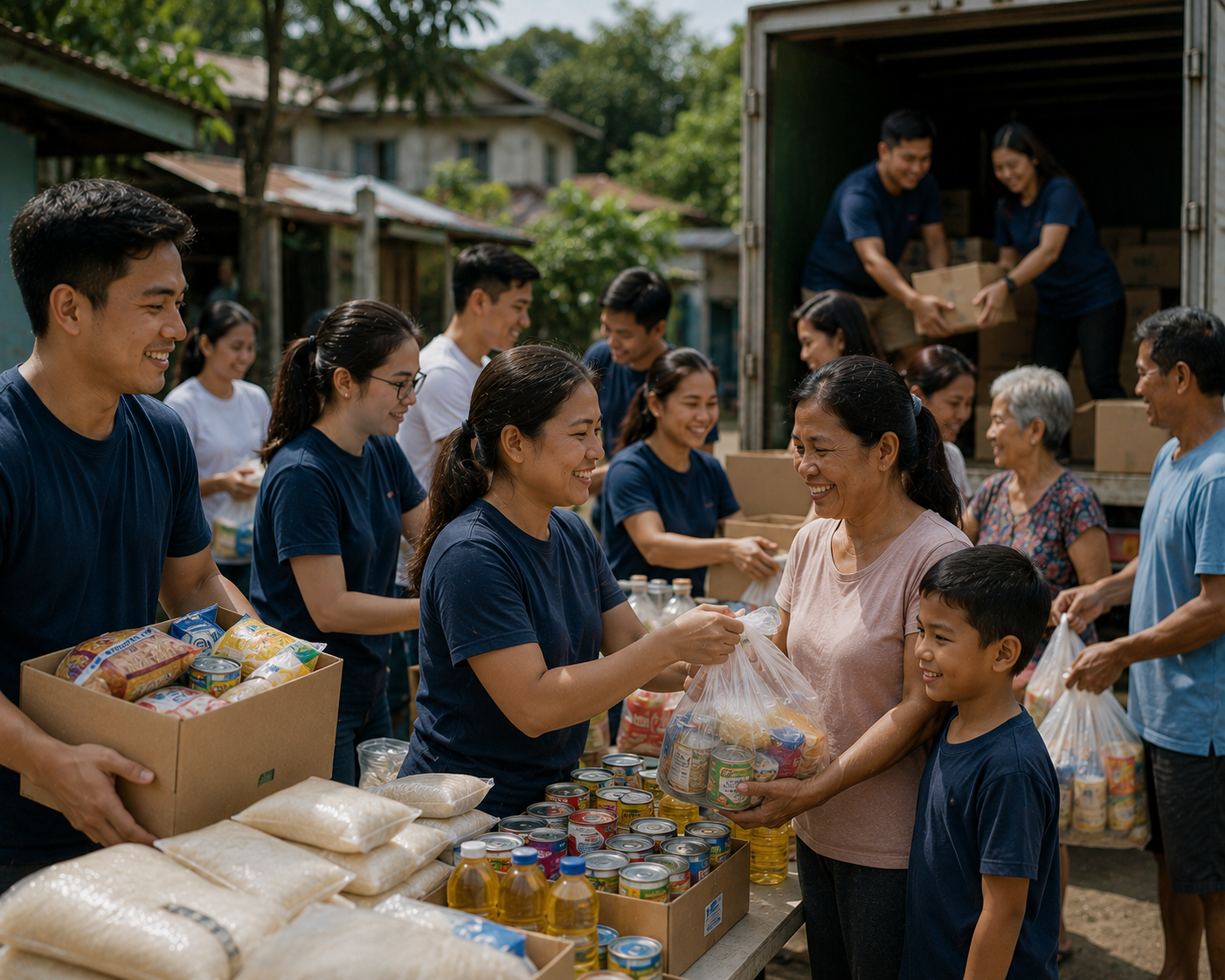
MANILA, Philippines — Across the Philippines and in Filipino communities around the world, community-led bayanihan initiatives are expanding support systems for Overseas Filipino Worker families, providing assistance that goes beyond financial aid and addresses a wide range of social, educational, emotional, and community needs. Driven by volunteers, civic organizations, faith-based groups, local associations, and Overseas Filipino networks, these initiatives reflect the enduring Filipino tradition of bayanihan—a spirit of collective action and mutual support that continues to play a vital role in strengthening communities and helping families navigate the realities of overseas employment.
For decades, Overseas Filipino Workers have made significant contributions to the Philippine economy through remittances that support millions of households and communities nationwide. However, behind these economic contributions are families who often face challenges related to prolonged separation, emotional adjustment, educational needs, and social support. Community leaders explain that while OFW families demonstrate remarkable resilience, they also benefit greatly from strong support networks that help address practical concerns and foster a sense of belonging. In response, many Filipino communities have developed programs specifically designed to assist families with loved ones working abroad.
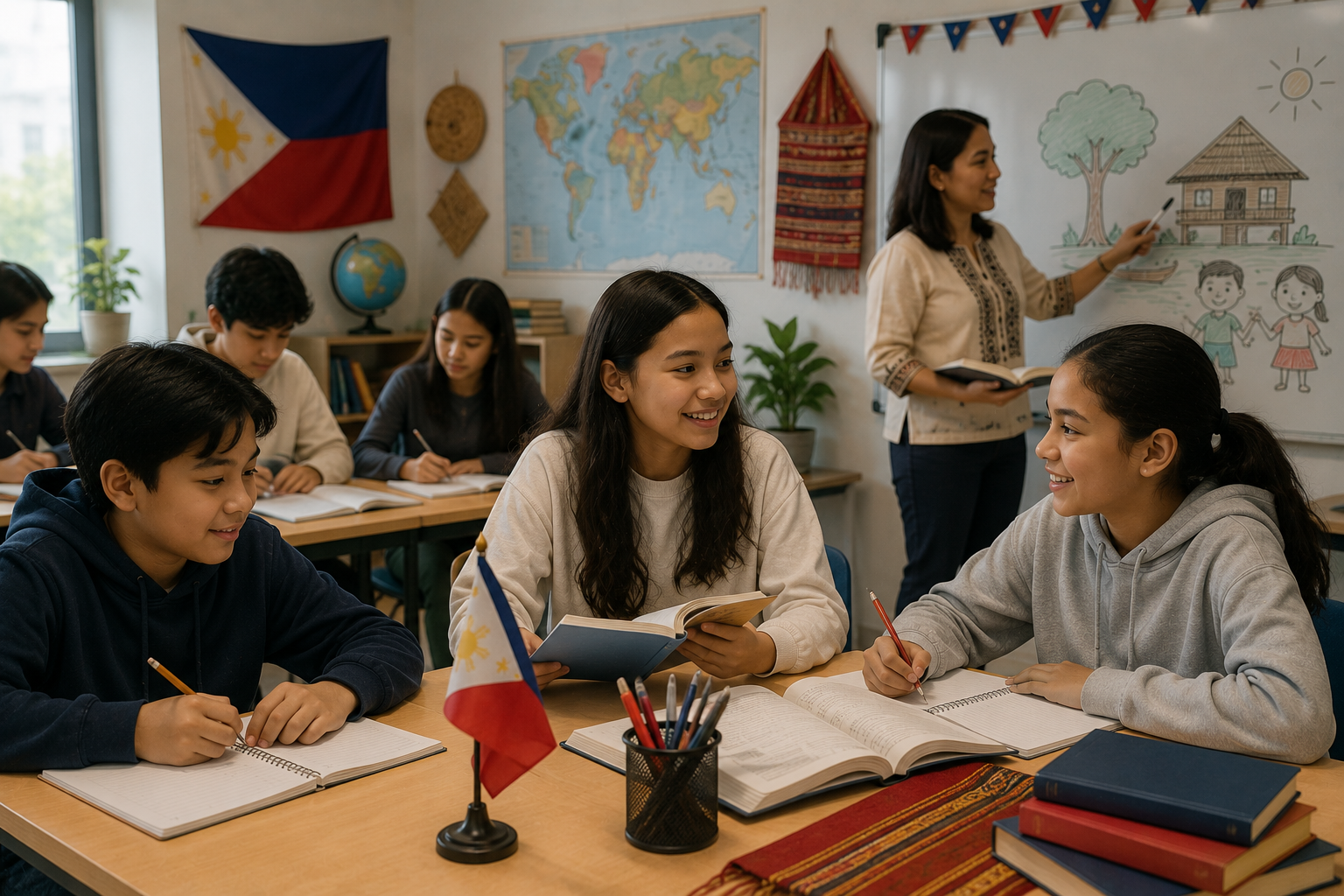
These bayanihan initiatives take many forms depending on local needs and available resources. In some communities, volunteer groups organize educational assistance programs that provide school supplies, tutoring sessions, scholarship opportunities, and mentoring support for children of OFWs. Organizers recognize that education remains one of the primary goals motivating many Overseas Filipinos to seek opportunities abroad. By helping students succeed academically, community programs contribute directly to the aspirations of both parents and children while reinforcing the importance of education as a pathway to future opportunities.
Many initiatives also focus on strengthening family well-being through emotional and social support. Community leaders note that extended periods of separation can create unique challenges for family relationships, particularly for children growing up with one or both parents working overseas. Support groups, family workshops, counseling programs, and community gatherings provide opportunities for families to share experiences, access resources, and build supportive relationships with others facing similar circumstances. Organizers believe that these connections help reduce feelings of isolation while promoting emotional resilience.
Livelihood and entrepreneurship programs have emerged as another important component of community-led support efforts. Recognizing that many OFW families seek long-term financial stability beyond overseas employment, community organizations frequently offer skills development workshops, business training sessions, financial literacy seminars, and livelihood assistance projects. These initiatives help family members explore additional sources of income while building financial confidence and promoting sustainable economic growth at the local level.
Women's organizations often play leading roles in supporting OFW households, particularly those where mothers, wives, or other family members manage daily responsibilities while loved ones work abroad. Community leaders explain that women frequently serve as key decision-makers and caregivers within OFW families, making targeted support programs especially valuable. Through networking opportunities, educational activities, wellness programs, and leadership development initiatives, these organizations empower participants while fostering stronger community engagement.
Youth-focused programs have become increasingly important within bayanihan initiatives. Community organizers understand that children and young adults from OFW families may experience unique emotional, educational, and social challenges. As a result, many programs provide mentoring opportunities, leadership training, sports activities, cultural workshops, academic support, and community service projects designed to encourage personal growth and positive development. Organizers report that youth participation often leads to increased confidence, stronger social connections, and greater engagement within local communities.
The spirit of volunteerism remains at the heart of many community-led initiatives. Across cities, municipalities, and barangays, individuals dedicate time, skills, and resources to supporting OFW families through organized programs and informal assistance networks. Community leaders frequently describe volunteer participation as a modern expression of bayanihan, demonstrating how traditional Filipino values continue to inspire collective action in contemporary society. Volunteers often serve as mentors, educators, coordinators, advocates, and community builders who help ensure the success of support programs.
Technology has expanded opportunities for communities to provide assistance and maintain connections with Overseas Filipinos and their families. Online support groups, virtual learning platforms, video conferencing tools, and social media communities allow organizations to reach wider audiences and deliver services more effectively. Families can access educational resources, participate in workshops, receive guidance, and connect with support networks regardless of geographic location. Organizers note that digital tools have become especially valuable in strengthening communication and facilitating collaboration among participants.
Faith-based organizations continue to play significant roles in supporting OFW families through spiritual guidance, community outreach, and social services. Churches and religious groups frequently organize family counseling sessions, youth activities, educational programs, charitable initiatives, and community gatherings that provide emotional and practical support. Community leaders emphasize that faith-based programs often help families develop resilience while fostering strong social connections and shared values.
Many bayanihan initiatives also focus on health and wellness. Community organizations organize medical missions, health education campaigns, fitness programs, nutrition workshops, and wellness activities designed to promote healthy lifestyles and improve access to healthcare information. Organizers recognize that maintaining physical and emotional well-being is essential for families managing the demands associated with overseas employment and family separation.
Partnerships between local governments, nonprofit organizations, educational institutions, private sector groups, and community associations have strengthened the impact of many support programs. Collaborative efforts provide access to expertise, funding opportunities, facilities, and resources that help expand services and reach more families. Community leaders note that effective partnerships allow organizations to address a broader range of needs while improving program sustainability and effectiveness.
Many Overseas Filipino communities abroad actively contribute to bayanihan initiatives supporting families back home. Fundraising campaigns, scholarship programs, community development projects, and charitable donations often originate from Filipino organizations operating in different countries. These efforts demonstrate the continued commitment of Overseas Filipinos to supporting their families and communities despite geographic distance. Community leaders describe these contributions as powerful examples of transnational solidarity and shared responsibility.
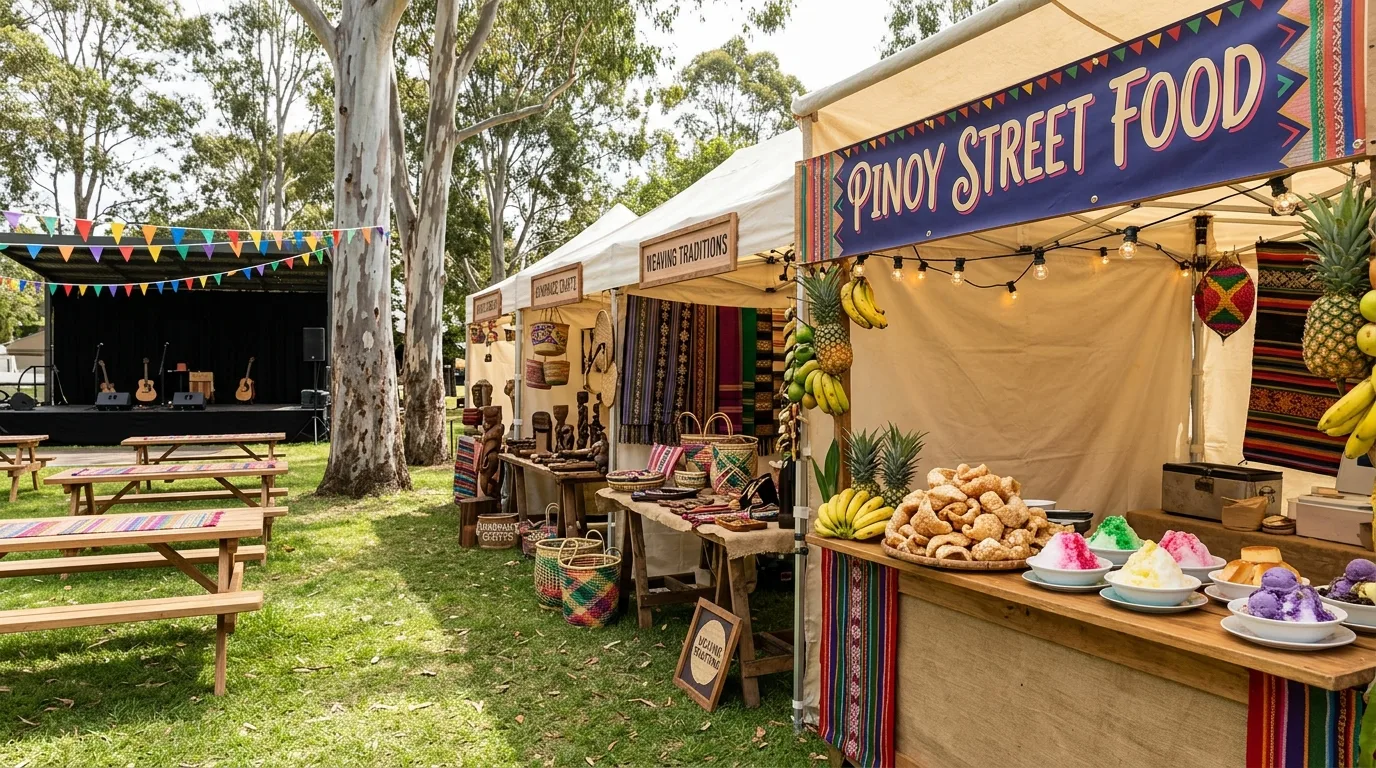
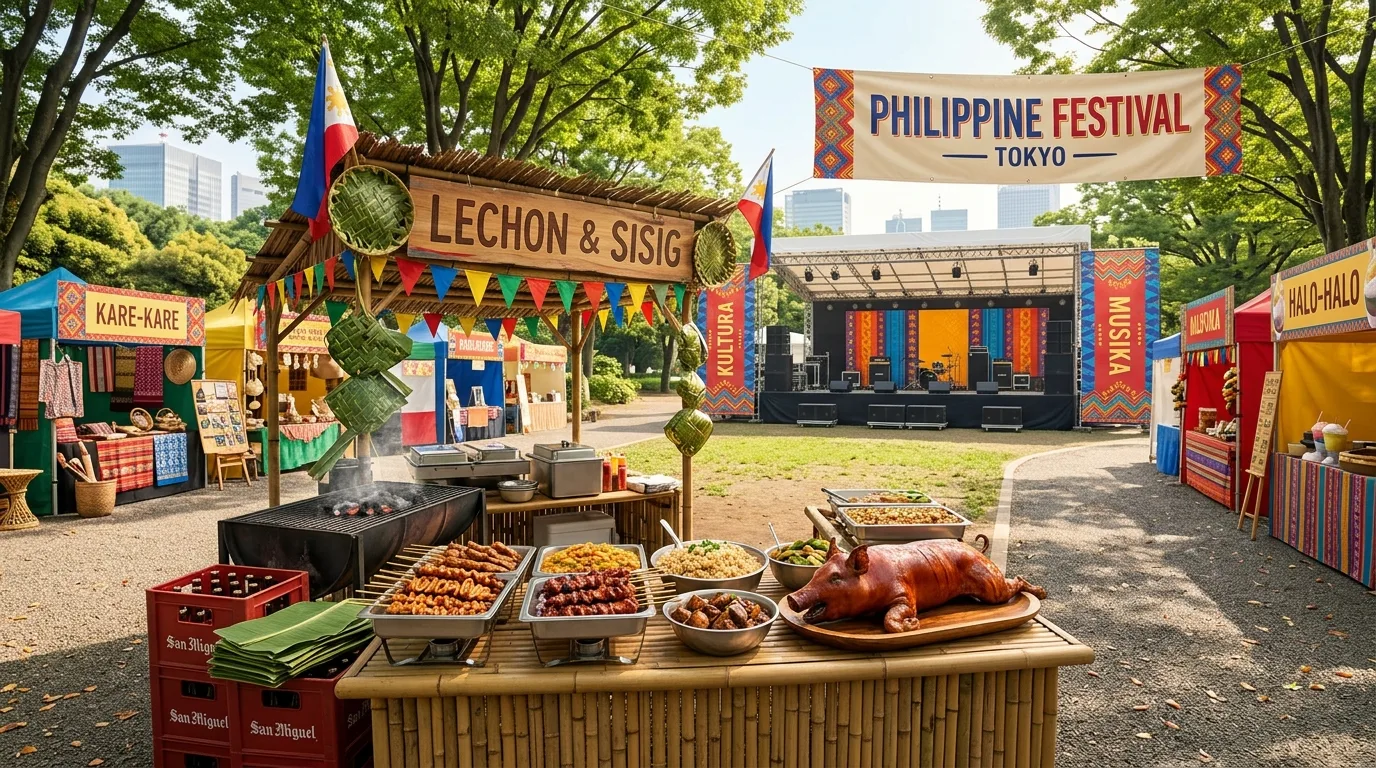
Cultural activities frequently complement support programs by strengthening community identity and promoting positive engagement. Festivals, heritage celebrations, sports events, arts workshops, and community gatherings provide opportunities for families to connect with one another while celebrating Filipino culture and traditions. Organizers believe that cultural engagement contributes positively to well-being by fostering pride, belonging, and social cohesion.
The success of many community-led initiatives can be attributed to their ability to respond directly to local needs. Rather than relying solely on centralized programs, community organizations often develop solutions based on firsthand understanding of the challenges and opportunities faced by OFW families. This grassroots approach allows initiatives to remain flexible, relevant, and responsive while encouraging active participation from community members themselves.
Participants frequently report positive outcomes resulting from involvement in bayanihan programs. Improved academic performance, stronger social networks, enhanced financial literacy, increased confidence, and greater community engagement are among the benefits commonly cited by families and organizers. Community leaders believe that these outcomes demonstrate the importance of sustained investment in community-based support systems.
The growth of bayanihan initiatives reflects broader recognition of the important role that communities play in supporting families affected by migration. While Overseas Filipino Workers contribute significantly to economic development, community leaders emphasize that family well-being requires attention to social, educational, emotional, and cultural dimensions as well. Community-led programs help address these needs while reinforcing the values of cooperation and collective responsibility.
Looking ahead, many organizations plan to expand support services through additional educational programs, digital learning opportunities, youth leadership initiatives, financial literacy projects, mental health resources, and community development activities. Organizers remain optimistic that continued collaboration and volunteer engagement will create even greater opportunities to support OFW families and strengthen local communities.
Ultimately, the expansion of community-led bayanihan initiatives demonstrates the enduring strength of Filipino values and the power of collective action. By working together to support OFW families, communities are helping ensure that the benefits of overseas employment extend beyond economic gains and contribute to stronger, healthier, and more resilient households.
As millions of Filipinos continue to pursue opportunities abroad, the spirit of bayanihan remains a powerful force connecting families, communities, and generations. Through compassion, cooperation, and shared commitment, community-led initiatives are making meaningful differences in the lives of OFW families while preserving one of the most enduring and cherished traditions of Filipino culture.
Enjoyed this story?
Share this story