Community-Led Bayanihan Projects Strengthen Overseas Filipino Networks
Share
June 16, 2026
Updated Oct 15, 2026
8 min read
294 views
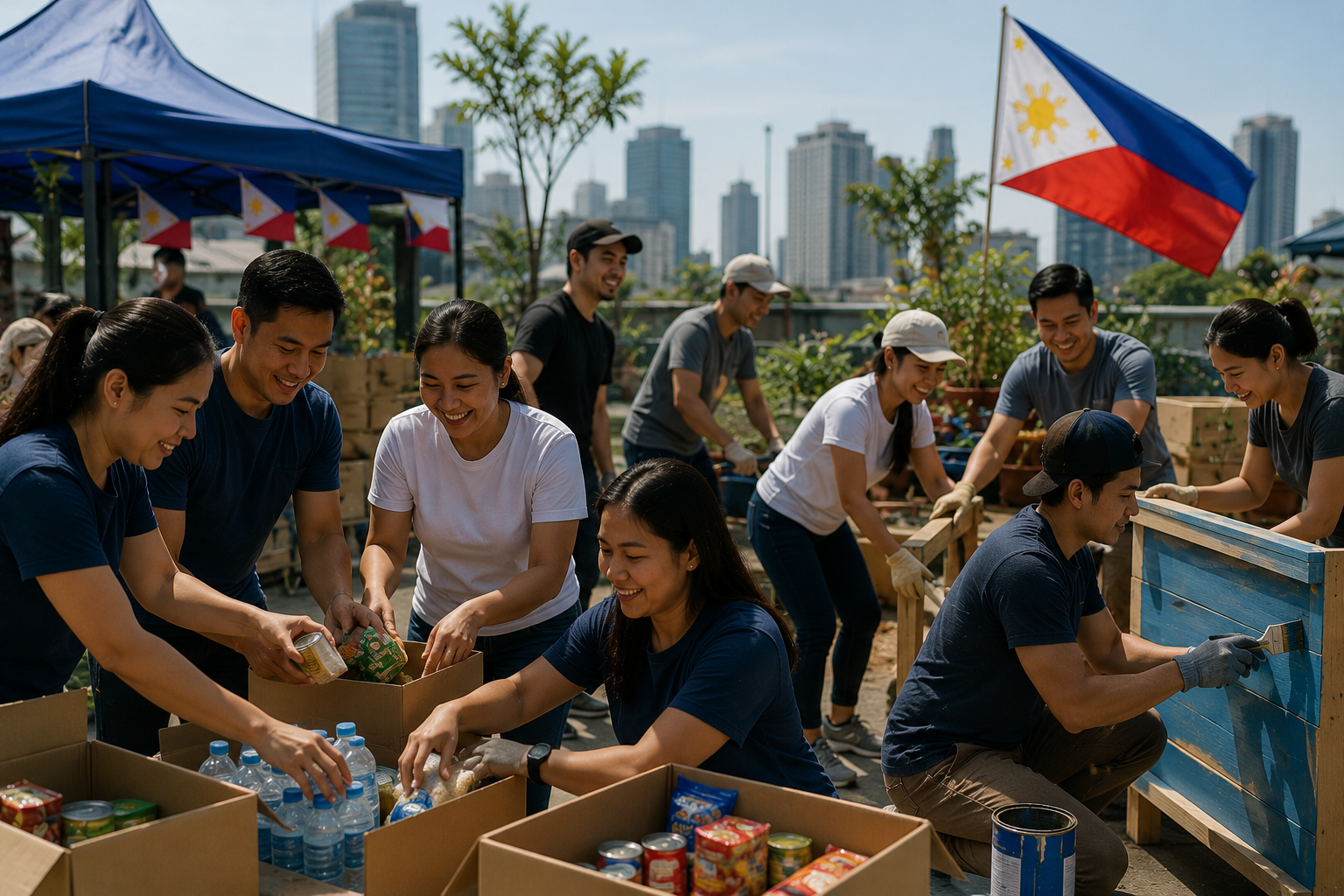
MANILA, Philippines — Community-led bayanihan projects are playing an increasingly important role in strengthening Overseas Filipino networks around the world, fostering collaboration, mutual support, and cultural solidarity among Filipino communities living far from their homeland. Across North America, Europe, Asia, Australia, the Middle East, and other regions with growing Filipino populations, community organizations are embracing the traditional Filipino value of bayanihan through initiatives that promote volunteerism, social engagement, cultural preservation, education, and community development.
The concept of bayanihan has long been regarded as one of the most enduring and meaningful expressions of Filipino culture. Traditionally associated with neighbors working together to help a family move a house from one location to another, bayanihan has evolved into a broader symbol of cooperation, generosity, and collective action. Today, this cultural value continues to inspire Filipinos around the world who seek to support one another, strengthen community ties, and contribute positively to society through organized projects and volunteer efforts.
Community leaders note that bayanihan remains especially relevant within overseas Filipino communities, where individuals often rely on social networks and community organizations for support, connection, and cultural engagement. Living abroad presents both opportunities and challenges, and many Filipinos find comfort and strength in belonging to communities that share similar experiences, values, and traditions. Bayanihan projects help create spaces where people can come together, collaborate, and build lasting relationships.
One of the most visible examples of bayanihan in action is the organization of community outreach programs. Filipino associations frequently coordinate charitable initiatives that provide assistance to vulnerable populations, support educational programs, distribute essential supplies, and respond to community needs. These projects often involve extensive volunteer participation and demonstrate how collective action can generate meaningful impacts. Organizers emphasize that community outreach strengthens social bonds while reinforcing a shared sense of responsibility and compassion.
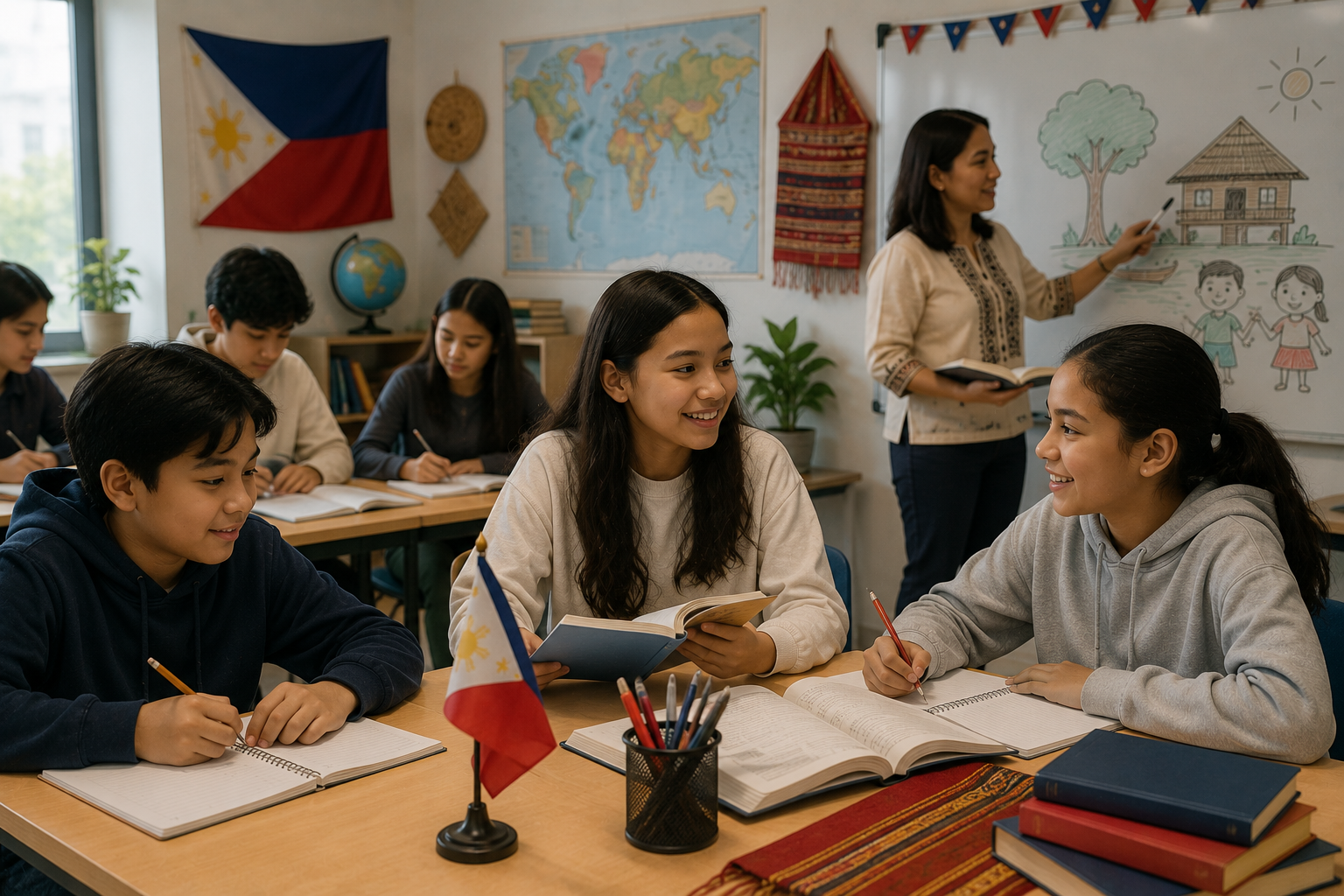
Educational initiatives have become a major focus of many community-led projects. Overseas Filipino organizations regularly support scholarship programs, school supply drives, mentorship activities, and educational workshops designed to benefit students both abroad and in the Philippines. Community leaders recognize education as a powerful tool for empowerment and social mobility, and many volunteers view educational support as an investment in future generations. These initiatives frequently bring together professionals, educators, students, and families who share a commitment to learning and development.
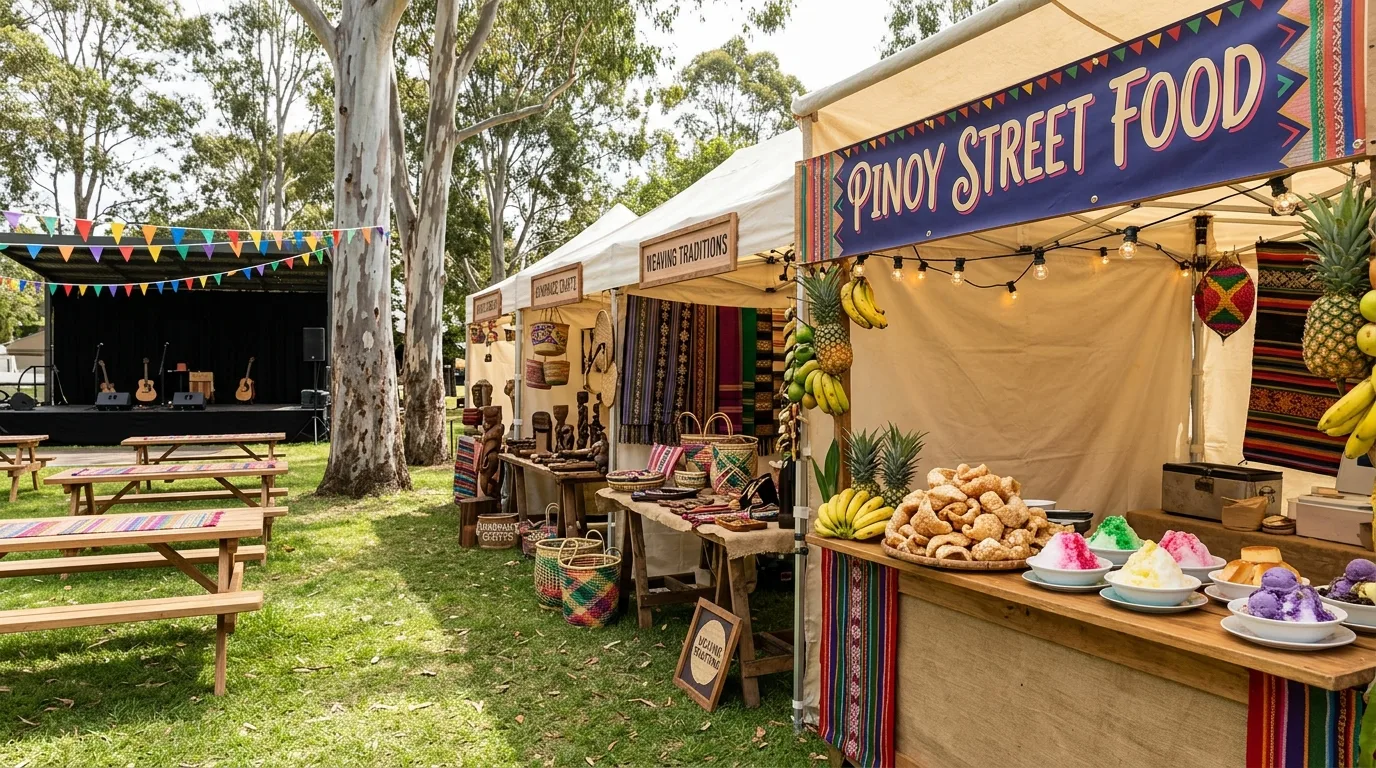
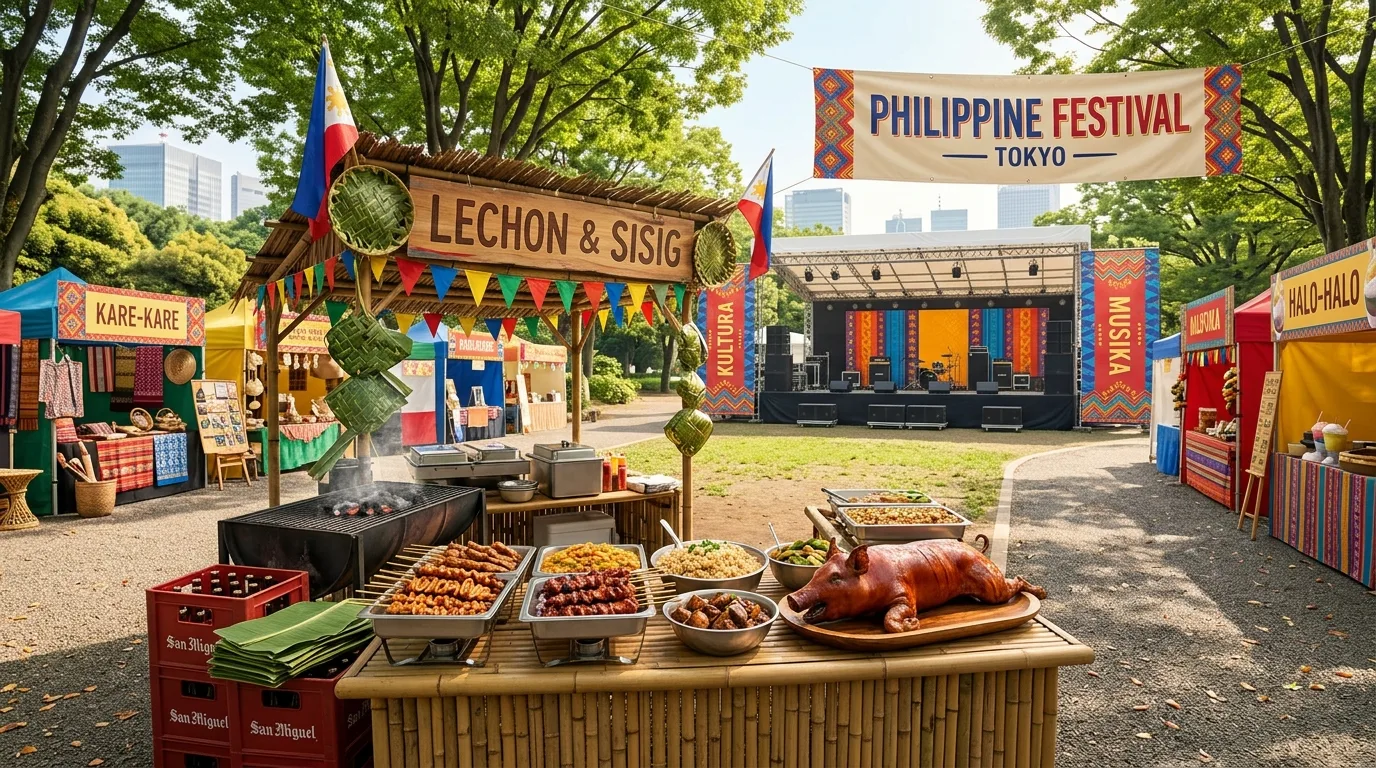
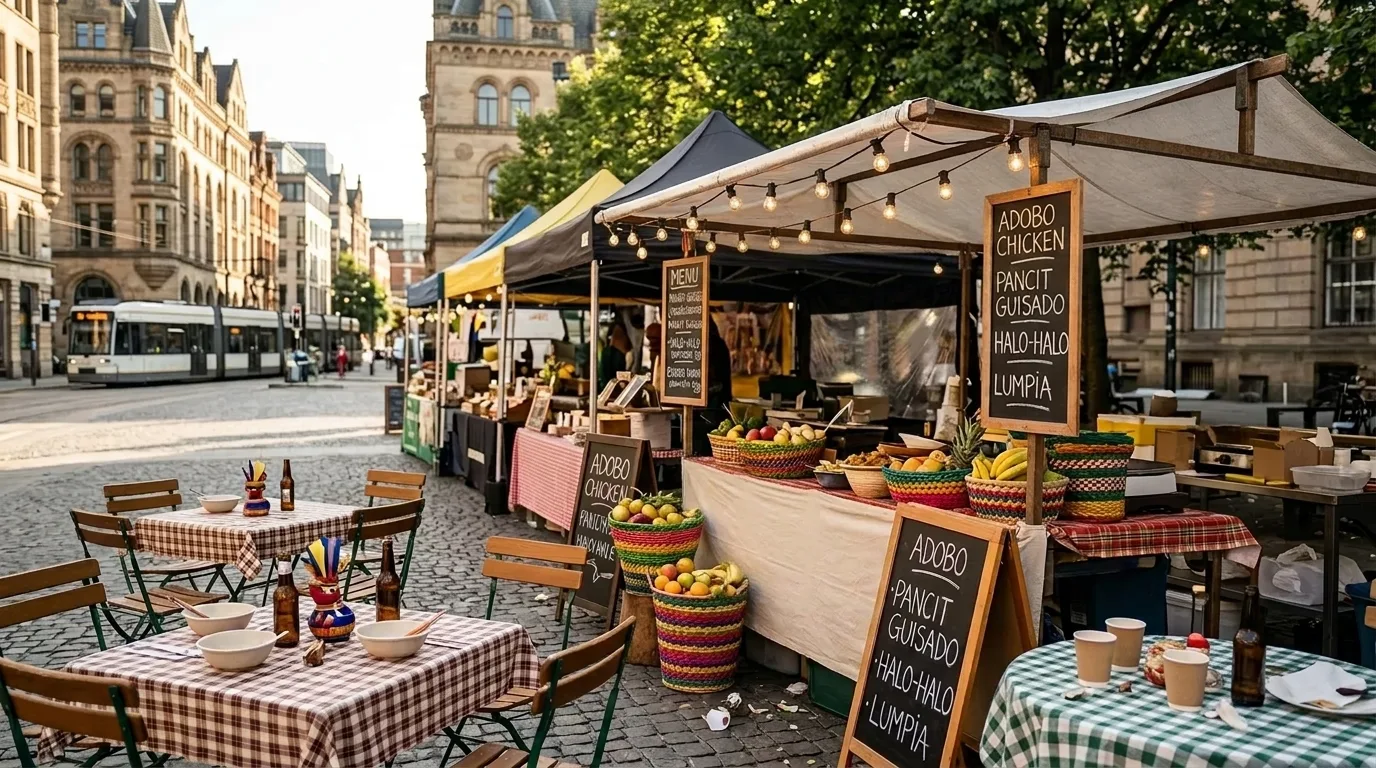
The preservation of Filipino culture and heritage is another important objective of bayanihan-inspired projects. Community organizations often organize cultural festivals, language programs, heritage workshops, and artistic performances that celebrate Filipino traditions while engaging younger generations. These activities help strengthen cultural identity while ensuring that traditions, values, and stories continue to be shared within diaspora communities. Organizers believe that cultural preservation contributes to community cohesion and a stronger sense of belonging.
Disaster response and humanitarian assistance remain among the most significant areas where overseas Filipinos demonstrate bayanihan. Whenever natural disasters or emergencies affect communities in the Philippines, Filipino organizations abroad frequently mobilize resources, raise funds, and coordinate relief efforts. Volunteers work together to collect donations, organize awareness campaigns, and support recovery initiatives. Community leaders note that these responses reflect the enduring commitment of Filipinos to helping one another during times of need regardless of geographic distance.
Health and wellness programs have also become increasingly common within overseas Filipino communities. Volunteer-led initiatives often focus on health education, medical outreach, mental wellness awareness, fitness activities, and support services for community members. These programs help promote healthier lifestyles while creating opportunities for social interaction and mutual support. Organizers emphasize that community well-being extends beyond physical health and includes emotional, social, and cultural dimensions.
Many bayanihan projects are driven by the contributions of Filipino professionals who volunteer their expertise and skills to benefit communities. Healthcare workers, educators, engineers, entrepreneurs, technology specialists, and other professionals frequently participate in initiatives that provide mentorship, training, technical assistance, and career guidance. Their involvement helps expand opportunities for community members while fostering knowledge sharing and professional development.
Youth participation has become a particularly encouraging aspect of community-led bayanihan initiatives. Young Filipinos are increasingly taking leadership roles in organizing projects, managing volunteer teams, and developing innovative programs that address community needs. Their involvement introduces fresh ideas and perspectives while ensuring that the values of cooperation and service continue to be embraced by future generations. Community advocates consider youth engagement essential for sustaining long-term community development efforts.
Technology has significantly enhanced the ability of Filipino communities to organize and coordinate bayanihan projects. Digital platforms, social media networks, virtual meetings, and online fundraising tools allow organizations to connect volunteers across different countries and regions. These technologies make collaboration more efficient while enabling broader participation in community initiatives. Organizers note that digital connectivity has transformed the way communities communicate, mobilize resources, and respond to emerging needs.
The growth of global Filipino networks has created opportunities for collaboration beyond local communities. Organizations from different countries increasingly work together on shared initiatives, exchanging ideas, resources, and best practices. These international partnerships strengthen community capacity while fostering a greater sense of unity among Filipinos worldwide. Community leaders believe that cross-border collaboration reflects the evolving nature of bayanihan in an interconnected world.
Entrepreneurship and livelihood development have also become areas where community-led projects are making positive contributions. Many organizations support small business owners, aspiring entrepreneurs, and community enterprises through mentorship programs, networking events, training workshops, and financial literacy initiatives. These efforts help individuals build sustainable livelihoods while promoting economic empowerment within Filipino communities.
Cultural exchange programs frequently emerge from bayanihan-inspired collaborations. Through partnerships with local institutions, schools, cultural organizations, and community groups, Filipino associations create opportunities to share Philippine culture with broader audiences. These exchanges promote understanding, appreciation, and respect while highlighting the positive contributions of Filipinos to multicultural societies. Organizers view cultural diplomacy as an important extension of community service and engagement.
Volunteerism remains at the heart of every successful bayanihan project. Thousands of Filipinos dedicate their time, energy, and expertise to causes that benefit others without expecting personal gain. Community leaders consistently highlight volunteers as the driving force behind many successful initiatives, emphasizing that their commitment reflects the enduring values of generosity, cooperation, and social responsibility.
Many community organizations report that participation in bayanihan projects provides benefits beyond the immediate outcomes of individual initiatives. Volunteers often develop leadership skills, expand professional networks, strengthen friendships, and gain a greater sense of purpose through their involvement. These personal and social benefits contribute to stronger and more resilient communities while encouraging continued participation in future projects.
The positive impact of bayanihan projects is particularly evident during times of crisis and uncertainty. Whether responding to natural disasters, public health challenges, or economic difficulties, Filipino communities have repeatedly demonstrated their ability to mobilize quickly and support those in need. Community leaders believe that this resilience stems from deeply rooted cultural values that prioritize collective well-being and mutual assistance.
Recognition of successful community projects has helped inspire similar initiatives in other regions. Stories of volunteer-driven achievements often circulate through community networks, encouraging organizations to adopt new ideas and expand their own programs. These success stories serve as powerful reminders of what can be accomplished when individuals work together toward common goals.
Educational institutions, government agencies, private sector organizations, and nonprofit groups increasingly recognize the value of partnering with community-led Filipino organizations. These collaborations provide additional resources and expertise that strengthen the effectiveness of community initiatives. Stakeholders note that partnerships enhance sustainability while creating opportunities for broader impact and engagement.
Looking ahead, many community leaders anticipate continued growth in bayanihan-inspired projects as Filipino populations expand and new generations become more involved in community service. Emerging priorities such as digital literacy, environmental sustainability, youth leadership, mental health awareness, and social innovation are expected to shape future initiatives. Organizers remain optimistic about the ability of Filipino communities to adapt and respond to evolving needs while remaining grounded in traditional values.
The future of overseas Filipino networks will likely depend on continued investment in volunteerism, leadership development, and community engagement. By nurturing strong relationships and encouraging active participation, organizations can ensure that bayanihan remains a vibrant and meaningful force within global Filipino communities. Community advocates emphasize that cultural values must be continually practiced and reinforced in order to remain relevant across generations.
Ultimately, community-led bayanihan projects demonstrate the enduring strength of Filipino culture and the remarkable capacity of people to work together in pursuit of shared goals. Through volunteerism, collaboration, and service, overseas Filipinos are building stronger networks, supporting one another, and creating positive change within their communities and beyond.
As Filipino communities continue to thrive around the world, the spirit of bayanihan remains a powerful source of inspiration and unity. It serves as a reminder that regardless of distance, language, or circumstance, Filipinos share a tradition of helping one another and working collectively to build stronger, more compassionate, and more connected communities for future generations.
Enjoyed this story?
Share this story