Cultural Exchange Programs Highlight the Diversity of Philippine Heritage
Share
June 17, 2026
Updated Oct 15, 2026
8 min read
246 views
MANILA, Philippines — Cultural exchange programs are playing an increasingly significant role in highlighting the diversity of Philippine heritage as organizations, educational institutions, cultural groups, and communities collaborate to share Filipino traditions with audiences around the world. Through artistic performances, educational initiatives, heritage exhibitions, student exchanges, cultural workshops, and international partnerships, these programs are helping strengthen appreciation for the rich and diverse cultural identity of the Philippines while fostering meaningful connections among people from different nations and backgrounds.
The Philippines is widely recognized for its remarkable cultural diversity, shaped by centuries of history, migration, trade, indigenous traditions, and international influences. Across more than 7,000 islands, the country is home to numerous ethnolinguistic groups, distinct regional traditions, vibrant artistic practices, and unique cultural expressions. This diversity has become one of the country's greatest cultural assets, providing a rich foundation for exchange programs that seek to promote understanding and celebrate shared human experiences through heritage and creativity.
Cultural exchange programs provide valuable opportunities for individuals and communities to engage with cultures different from their own. For participants, these experiences often go beyond simple observation, encouraging active learning, dialogue, collaboration, and mutual respect. Filipino cultural organizations and institutions have increasingly embraced these opportunities to introduce global audiences to the many dimensions of Philippine heritage, including music, dance, visual arts, literature, cuisine, language, traditional crafts, and community values.
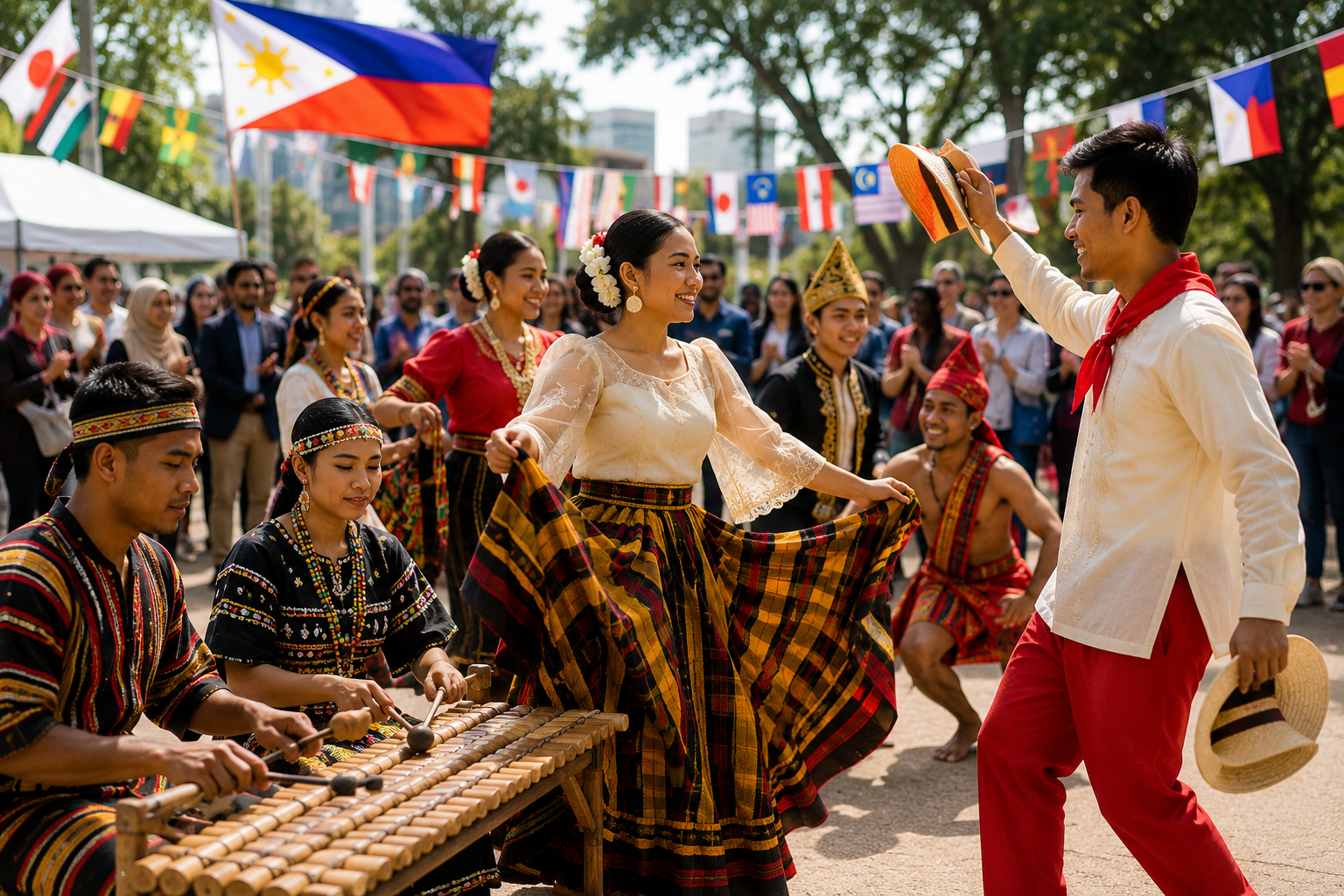
Many exchange programs focus on showcasing traditional Filipino performing arts. Folk dances, indigenous music, theatrical presentations, and cultural performances remain among the most popular elements of international cultural initiatives. Audiences often gain deeper appreciation for Philippine culture through performances that tell stories about history, community life, celebrations, courtship traditions, and regional identities. Organizers note that the visual and emotional impact of these performances creates meaningful cultural experiences that leave lasting impressions on participants.
Traditional dances such as Tinikling, Singkil, Pandanggo sa Ilaw, and Cariñosa continue to be featured prominently in cultural exchange activities. These performances not only entertain audiences but also serve educational purposes by introducing viewers to the historical and cultural contexts that gave rise to these traditions. Cultural educators emphasize that dance offers a unique way to communicate stories and values that transcend language barriers while preserving important aspects of heritage.
Music also serves as a powerful vehicle for cultural exchange. Filipino musicians participating in international programs frequently perform traditional compositions, indigenous musical pieces, and contemporary works inspired by local traditions. These performances allow audiences to explore the diverse sounds and artistic influences that characterize Philippine music. Through concerts, workshops, and collaborative projects, musicians contribute to greater awareness of Filipino creativity while fostering artistic dialogue among cultures.
The role of indigenous communities within cultural exchange programs has become increasingly important in recent years. Indigenous traditions represent some of the oldest and most distinctive aspects of Philippine heritage. Cultural advocates work closely with indigenous artists, cultural bearers, and community leaders to ensure that these traditions are represented accurately and respectfully in international settings. These efforts help preserve traditional knowledge while promoting greater recognition of indigenous contributions to Philippine identity.
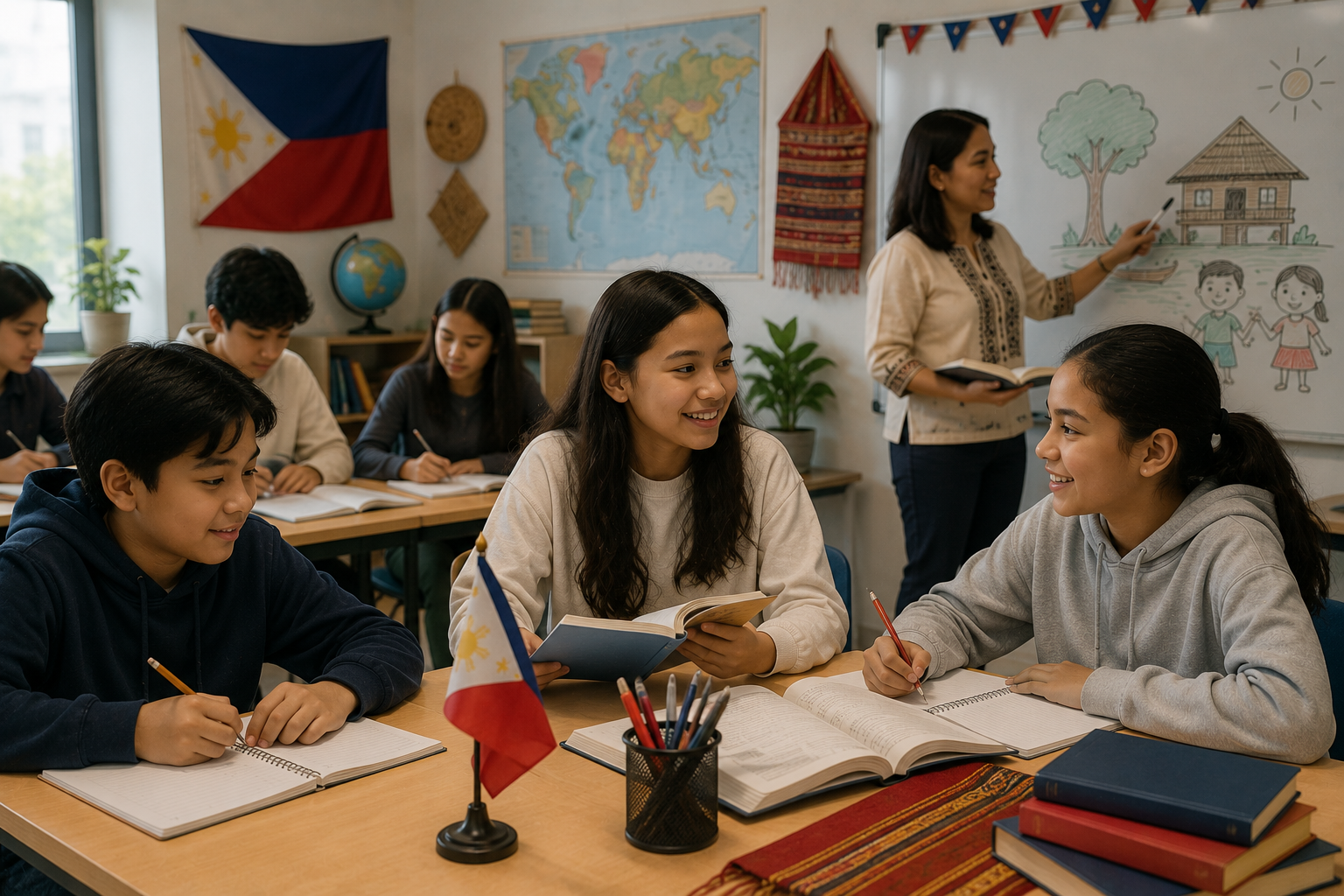
Educational exchanges remain among the most impactful forms of cultural engagement. Universities, schools, research institutions, and academic organizations frequently facilitate programs that allow students and educators to learn about Philippine history, society, and cultural traditions. Through lectures, seminars, workshops, study visits, and collaborative projects, participants gain deeper understanding of the country's cultural landscape. Educational leaders believe that these exchanges contribute significantly to global awareness and intercultural competence.
Student exchange programs have become particularly effective in promoting cultural understanding. Young people who participate in international learning experiences often develop lasting appreciation for cultural diversity while building friendships that extend across national boundaries. Filipino students involved in exchange initiatives frequently serve as cultural ambassadors who share traditions, experiences, and perspectives that enrich campus communities and educational environments abroad.
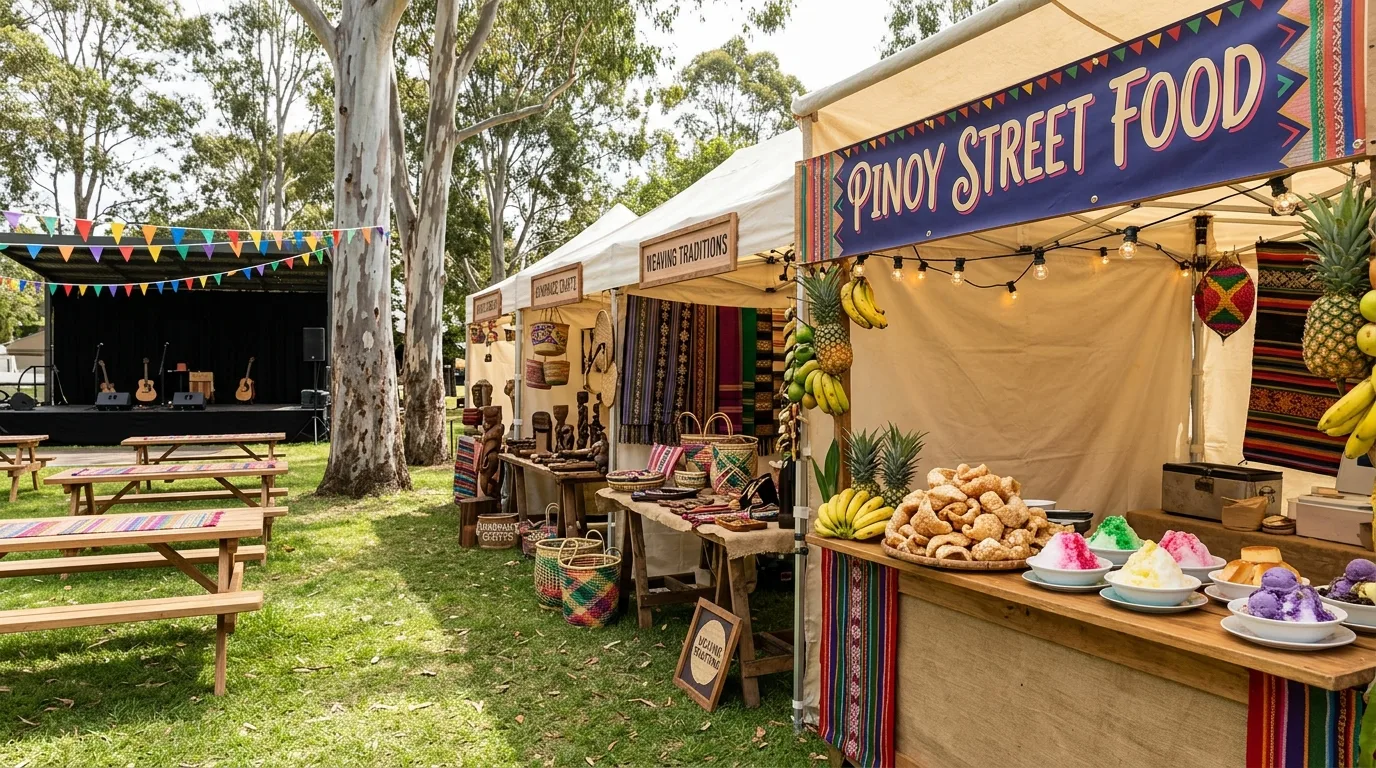
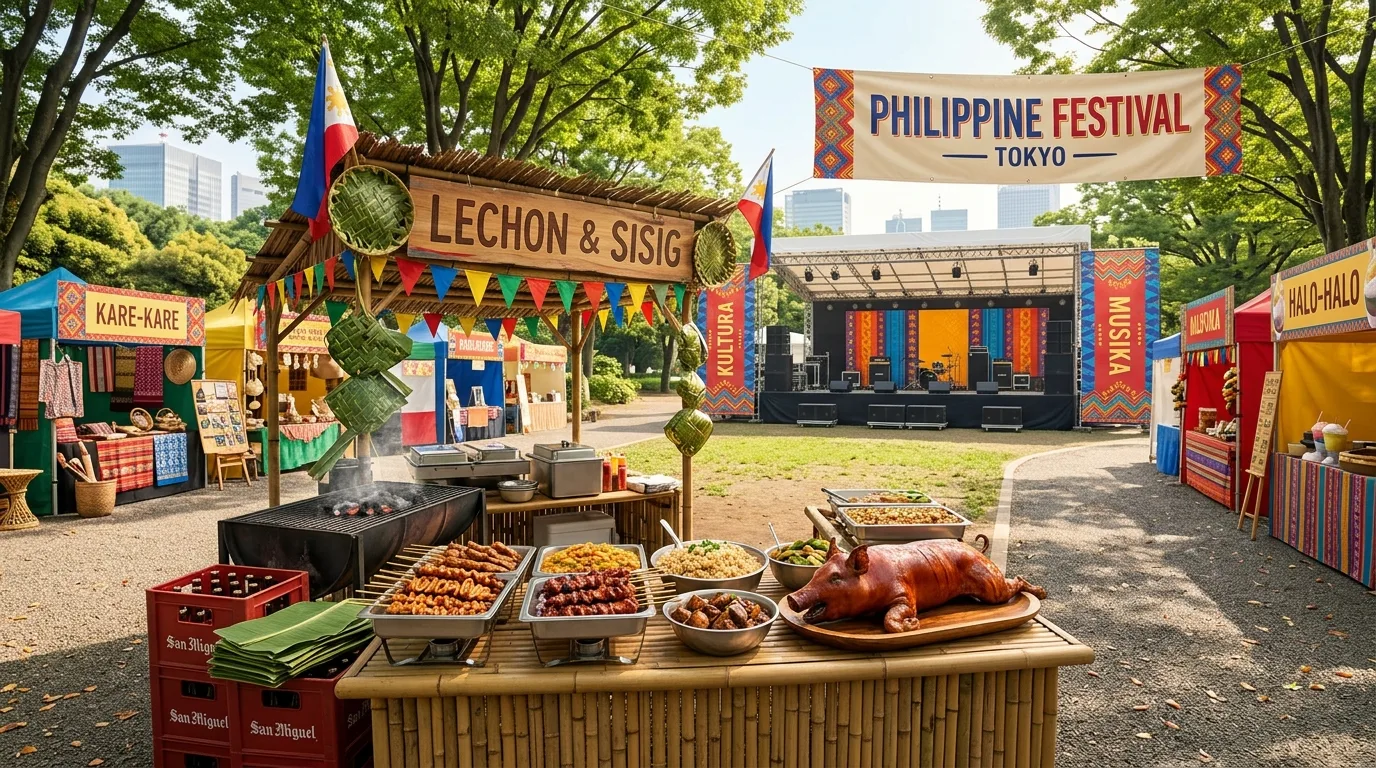
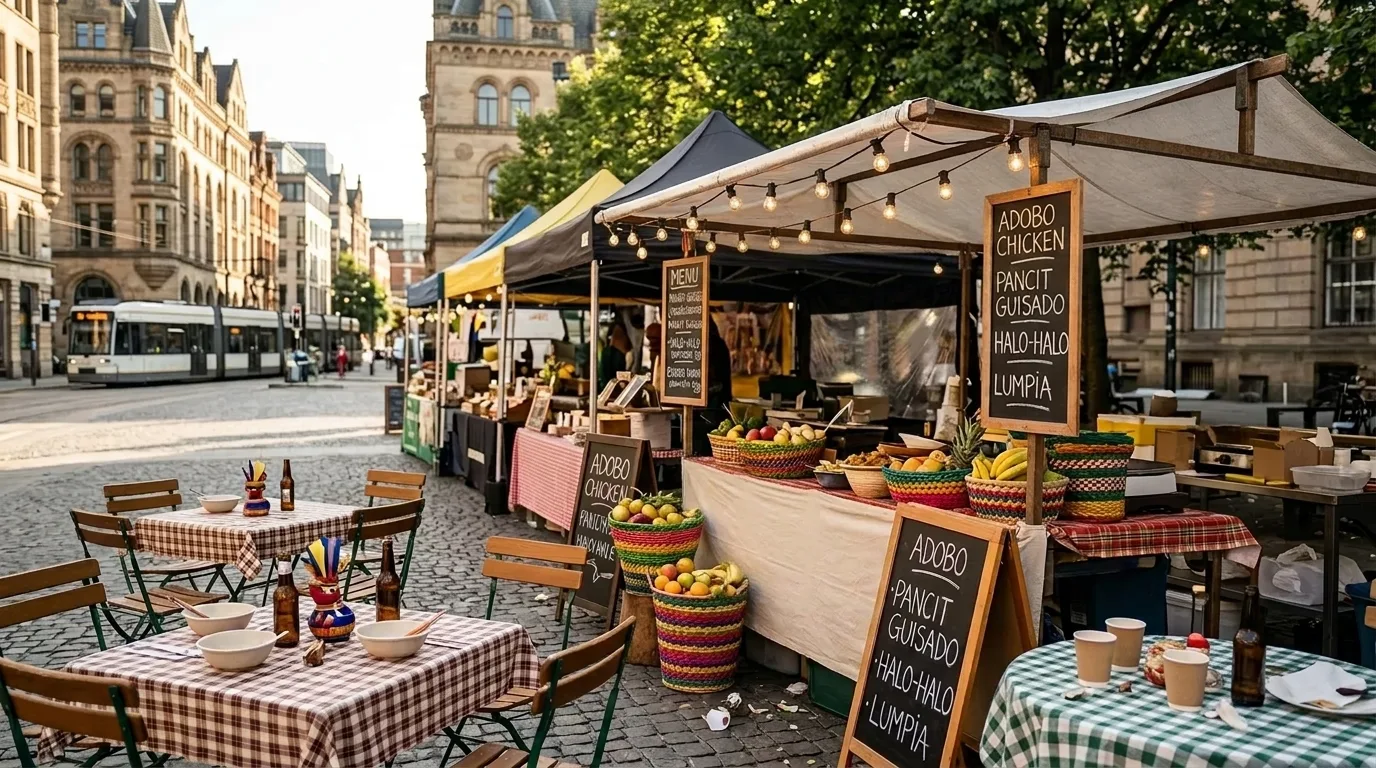
Cuisine has emerged as one of the most accessible and engaging aspects of cultural exchange. Food festivals, culinary demonstrations, and cultural dining experiences introduce international audiences to the rich flavors and regional diversity of Philippine cuisine. Through dishes that reflect centuries of cultural influences and local innovation, participants gain insights into Filipino history, family traditions, and regional identities. Organizers note that food often serves as an effective starting point for broader conversations about culture and heritage.
Traditional crafts and visual arts also play important roles in exchange programs. Filipino artisans and artists frequently participate in exhibitions, workshops, and cultural fairs that showcase weaving traditions, woodcarving, pottery, embroidery, painting, and other creative practices. These activities help audiences understand the skill, creativity, and cultural significance behind traditional and contemporary Filipino artistic expressions. Cultural institutions view artistic exchange as an important means of preserving and promoting heritage.
Language-related initiatives have gained popularity as well. Workshops and educational activities introducing Filipino languages and cultural expressions provide participants with opportunities to engage more deeply with Philippine culture. Language learning often serves as a gateway to understanding values, traditions, and perspectives embedded within cultural practices. Educators emphasize that language plays a crucial role in preserving cultural identity and fostering meaningful intercultural communication.
The Filipino diaspora has become a major contributor to the success of cultural exchange programs worldwide. Overseas Filipino communities frequently organize cultural events, educational activities, and artistic performances that introduce local audiences to Philippine heritage. Their efforts help strengthen cultural connections between the Philippines and host countries while creating opportunities for intercultural dialogue and mutual understanding. Community leaders view these initiatives as important expressions of cultural pride and global citizenship.
Technology has significantly expanded the reach of cultural exchange programs. Virtual exhibitions, online workshops, digital storytelling projects, livestream performances, and interactive cultural platforms allow organizations to engage audiences regardless of geographic location. These digital innovations have made cultural experiences more accessible while enabling broader participation in educational and artistic activities. Organizers report that technology has become an essential tool for expanding cultural engagement and preserving heritage in the digital age.
Many cultural exchange initiatives emphasize collaboration rather than one-way presentation. Joint artistic projects, academic partnerships, community programs, and intercultural workshops encourage participants to learn from one another while creating shared experiences. These collaborative approaches foster respect and understanding while demonstrating how cultural diversity can serve as a source of creativity and innovation. Cultural advocates believe that meaningful exchange occurs when participants actively engage with one another rather than simply observe.
The preservation of cultural heritage remains a central objective of many exchange programs. By sharing traditions with international audiences, communities create opportunities to document, celebrate, and sustain cultural practices that might otherwise face challenges associated with modernization and globalization. Organizers emphasize that cultural exchange can contribute to preservation by increasing awareness and appreciation among both local and international audiences.
Many participants describe cultural exchange experiences as transformative. Exposure to different traditions, perspectives, and ways of life often encourages greater openness, empathy, and curiosity. These experiences help individuals recognize both the uniqueness of their own cultures and the shared values that connect people across borders. Cultural leaders view this personal growth as one of the most important outcomes of exchange programs.
The economic benefits of cultural exchange should not be overlooked. Cultural tourism, creative industries, educational partnerships, and international collaborations often generate opportunities for artists, educators, entrepreneurs, and cultural organizations. Increased international visibility can support local economies while encouraging investment in cultural preservation and creative development initiatives.
Government agencies, cultural institutions, educational organizations, and community groups continue to expand support for cultural exchange activities. New partnerships, funding programs, and international collaborations are helping create additional opportunities for Filipinos to share their heritage with global audiences. Stakeholders recognize that cultural diplomacy and international engagement contribute positively to both cultural development and international relations.
Looking ahead, experts anticipate continued growth in cultural exchange initiatives as globalization, technology, and international mobility create new opportunities for intercultural engagement. Emerging formats such as virtual exchanges, collaborative digital projects, and interdisciplinary cultural programs are expected to complement traditional exchange activities while reaching broader audiences. Cultural leaders remain optimistic about the future of international cultural cooperation and heritage promotion.
Ultimately, cultural exchange programs highlight the remarkable diversity of Philippine heritage while strengthening understanding among people from different parts of the world. Through music, dance, art, education, language, cuisine, and community engagement, these initiatives demonstrate the richness of Filipino culture and its ability to inspire meaningful connections across cultural boundaries.
As more individuals and communities participate in cultural exchange activities, the stories, traditions, and values that define the Philippines continue to reach new audiences and inspire greater appreciation for cultural diversity. These programs serve as powerful reminders that heritage is not only something to be preserved but also something to be shared, celebrated, and continually enriched through dialogue and collaboration. Through cultural exchange, Philippine heritage continues to thrive as a vibrant and dynamic force that connects people, strengthens communities, and contributes to a more understanding and interconnected world.
Enjoyed this story?
Share this story