Digital Nomads Choose the Philippines as a Top Destination for Remote Work and Travel
Share
June 06, 2026
Updated Oct 16, 2026
8 min read
280 views
MANILA, Philippines — The Philippines is rapidly emerging as one of the most attractive destinations for digital nomads, remote professionals, entrepreneurs, freelancers, and location-independent workers seeking a combination of productivity, affordability, cultural immersion, and travel experiences. As remote work continues to transform how people live and work around the world, increasing numbers of professionals are choosing the Philippines as a base from which they can build careers while exploring one of Southeast Asia’s most diverse and welcoming countries.
The rise of digital nomadism represents one of the most significant shifts in global workforce trends over the past decade. Advances in technology, widespread internet access, cloud-based collaboration tools, and flexible work arrangements have enabled millions of professionals to work from virtually anywhere. Rather than being tied to traditional office environments, many workers now have the freedom to choose destinations that align with their personal lifestyles, professional goals, and travel interests. In this evolving landscape, the Philippines has become increasingly appealing due to its unique combination of natural beauty, cultural richness, modern amenities, and competitive living costs.
Industry experts note that digital nomads often evaluate destinations based on several key factors, including internet connectivity, quality of life, affordability, accessibility, safety, climate, and availability of services that support remote work. The Philippines performs well across many of these categories, making it an increasingly competitive option within the global digital nomad market. Cities, beach towns, island destinations, and emerging tourism hubs throughout the country offer diverse environments capable of meeting the needs of different types of remote workers.
One of the strongest advantages of the Philippines is its remarkable diversity of destinations. Digital nomads are not limited to a single urban center but can choose from a wide range of locations depending on their preferences and work requirements. Some prefer the energy and convenience of major metropolitan areas where modern infrastructure, coworking spaces, and business services are readily available. Others choose coastal communities, island destinations, or mountain regions that offer peaceful environments and closer connections to nature. This flexibility allows professionals to create lifestyles that combine productivity with personal fulfillment.
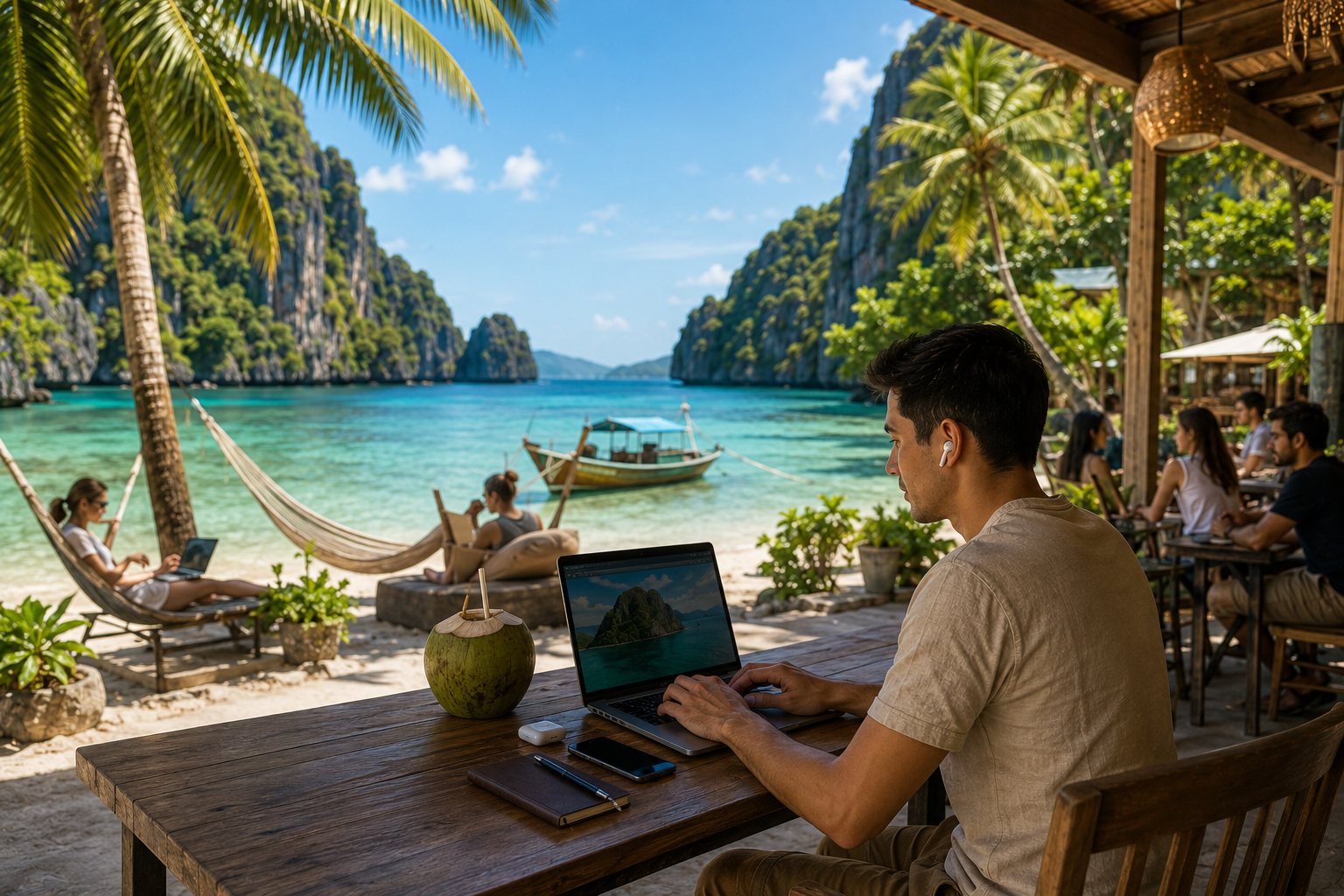
The country's natural attractions continue to be a major draw for international visitors. White-sand beaches, tropical islands, diving destinations, mountain landscapes, waterfalls, and protected natural areas provide opportunities for recreation and exploration outside working hours. Many remote workers view access to these experiences as a significant advantage compared to traditional urban work environments. The ability to complete professional responsibilities while enjoying world-class tourism experiences has become one of the defining features of the digital nomad lifestyle.
Affordability also plays an important role in the Philippines' growing popularity. Compared to many major cities in North America, Europe, and parts of Asia, the cost of living in many Philippine destinations remains relatively competitive. Accommodation, food, transportation, and recreational activities can often be accessed at costs that allow remote workers to maintain comfortable lifestyles while managing expenses effectively. For freelancers, entrepreneurs, and independent professionals, affordability contributes significantly to overall destination attractiveness.
The hospitality of Filipino communities remains one of the country's most frequently cited strengths. International visitors often highlight the friendliness, warmth, and welcoming nature of local residents as important factors contributing to positive experiences. For digital nomads who may spend months or even years moving between destinations, the ability to feel welcomed and integrated into local communities can greatly influence destination preferences. Community engagement often enhances overall quality of life and creates meaningful cultural experiences that extend beyond tourism.
Technology infrastructure continues to improve across many parts of the country. Investments in internet connectivity, telecommunications services, digital infrastructure, and mobile technology have helped create more favorable conditions for remote work. While connectivity requirements vary depending on professional responsibilities, many destinations now offer internet services capable of supporting video conferencing, cloud-based work, online collaboration, and digital content creation. Continued improvements in infrastructure are expected to further strengthen the country's appeal among location-independent professionals.
Coworking spaces and remote work-friendly establishments have become increasingly common in urban centers and tourism destinations. Entrepreneurs have recognized the growing demand for professional work environments that combine productivity, networking opportunities, and flexibility. Many coworking facilities provide high-speed internet, meeting spaces, community events, and business support services designed specifically for remote professionals. These spaces often serve as hubs where local entrepreneurs and international digital nomads can connect, collaborate, and exchange ideas.
The growth of digital nomad communities has created additional momentum. As more remote workers choose the Philippines, informal networks and professional communities continue to expand. Social gatherings, networking events, workshops, and collaborative projects help newcomers integrate into local environments while building valuable personal and professional relationships. These communities often provide support, recommendations, and resources that make transitions smoother for individuals arriving in new destinations.
Tourism stakeholders increasingly recognize the economic potential of attracting digital nomads. Unlike traditional tourists who may stay only a few days or weeks, remote workers often remain in destinations for extended periods. Their longer stays contribute to sustained spending across accommodation, dining, transportation, retail, entertainment, and professional services. This creates economic benefits that extend beyond peak tourism seasons and support local businesses year-round.
Local entrepreneurs have responded to growing demand by developing products and services tailored to remote workers. Accommodation providers offer long-term stay packages, cafes create work-friendly environments, transportation operators improve accessibility, and service providers introduce solutions designed to support mobile lifestyles. These adaptations help create ecosystems that are increasingly attractive to digital professionals while generating new business opportunities for local communities.
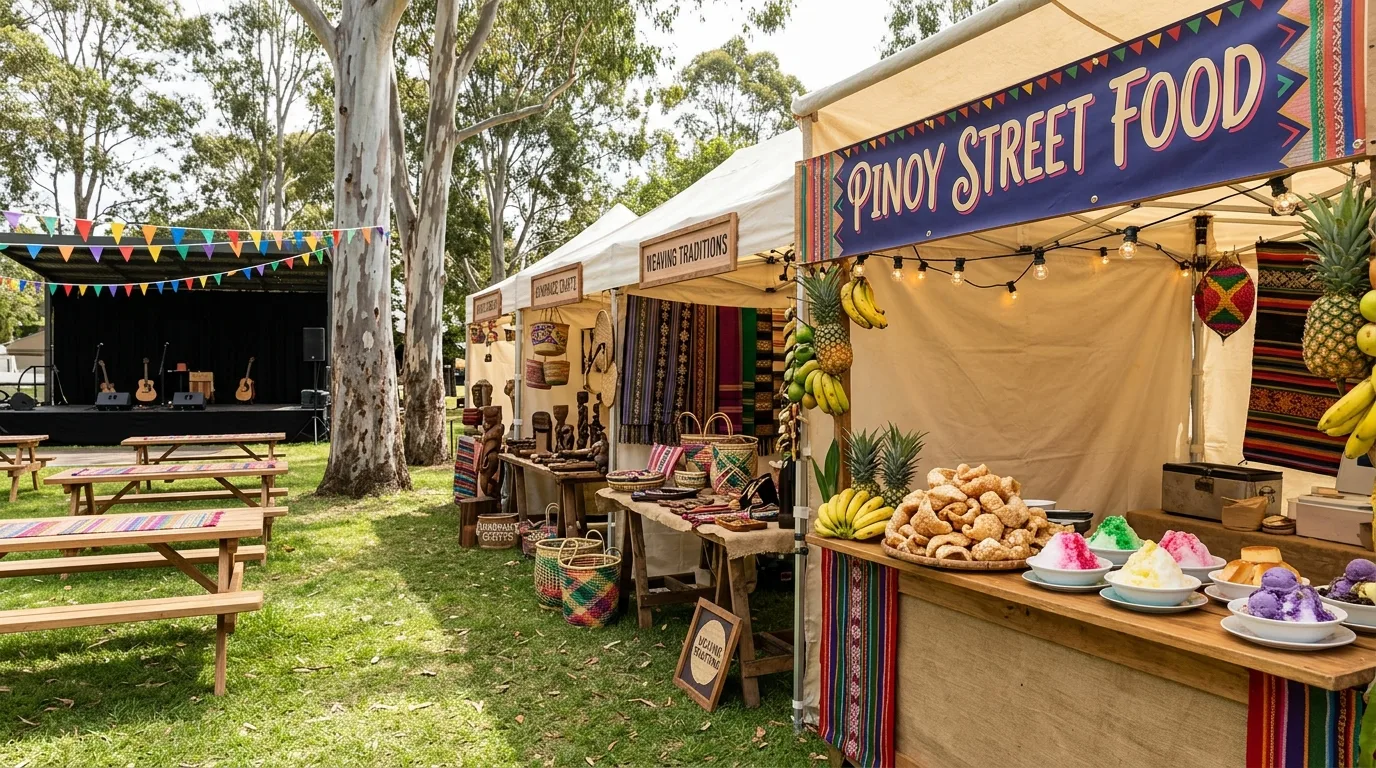
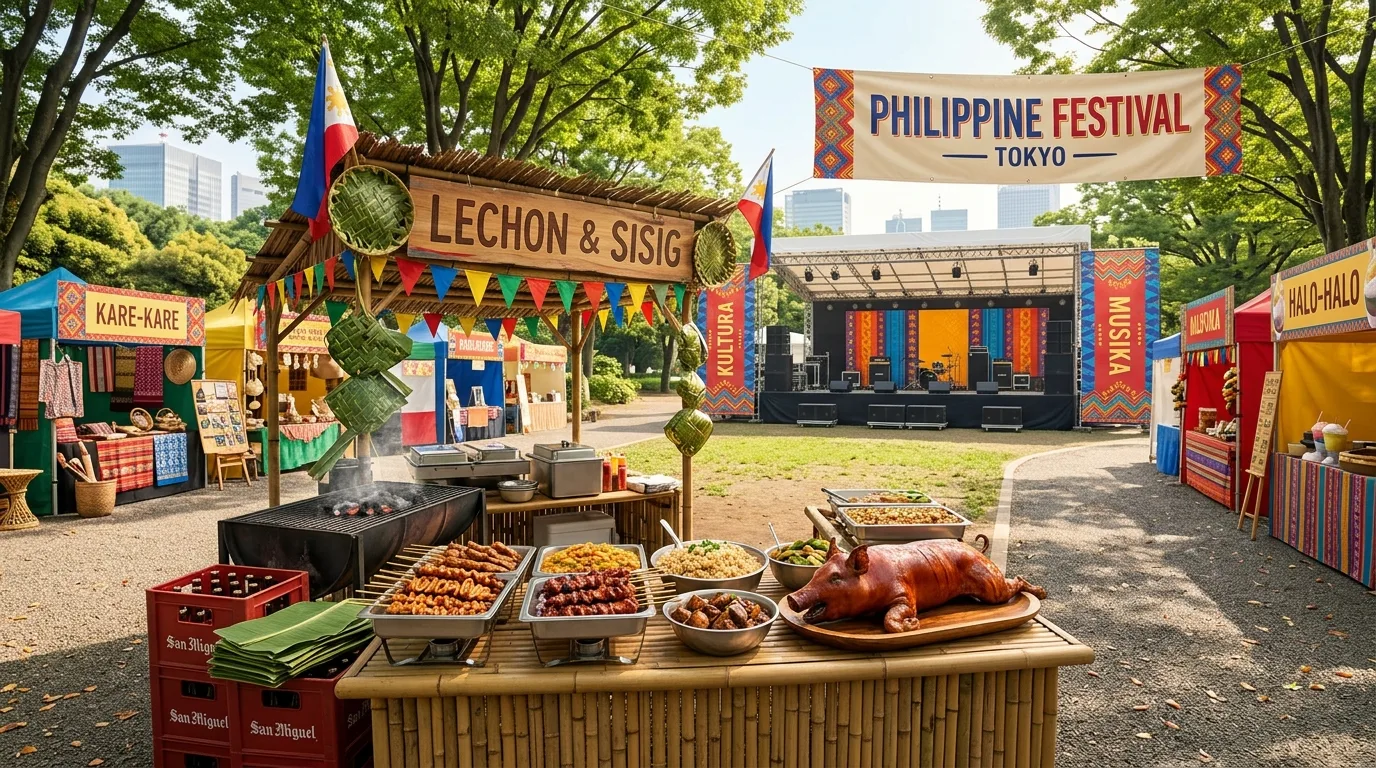
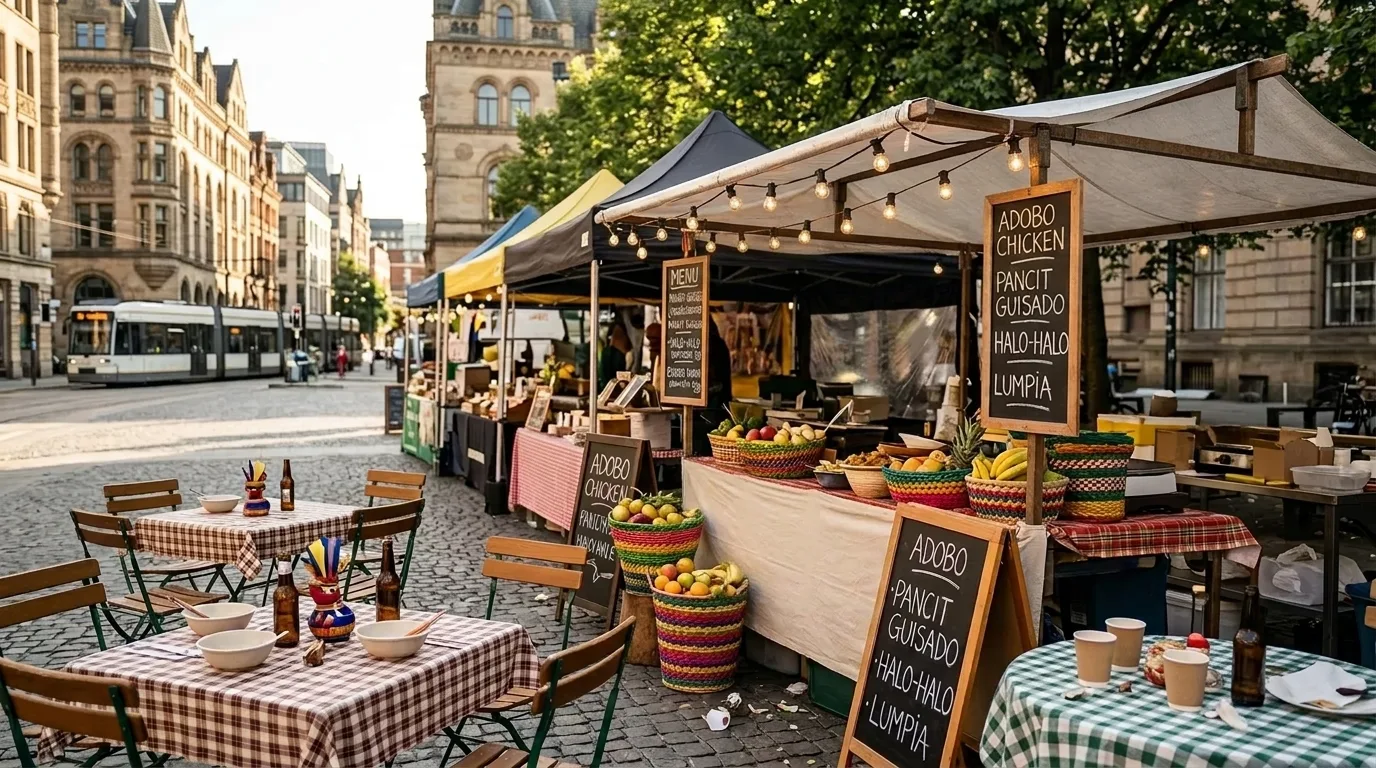
Cultural experiences remain another important attraction for digital nomads choosing the Philippines. The country's rich history, diverse traditions, vibrant festivals, local cuisine, and artistic heritage provide opportunities for meaningful cultural engagement. Many remote workers seek destinations that offer more than convenience and affordability. They are interested in learning about local cultures, participating in community activities, and experiencing authentic traditions that enrich their personal journeys.
The growth of remote work has also contributed to the emergence of "workation" travel, where individuals combine professional responsibilities with extended travel experiences. The Philippines is particularly well-positioned to benefit from this trend due to its combination of tourism attractions and improving digital infrastructure. Professionals can maintain productivity while enjoying experiences that would traditionally require vacation time. This integration of work and travel reflects changing attitudes toward lifestyle design and career flexibility.
Environmental sustainability is becoming increasingly relevant within discussions about digital nomad destinations. Many remote workers actively seek destinations that prioritize conservation, responsible tourism, and sustainable development. Philippine communities that successfully balance tourism growth with environmental stewardship may find themselves particularly attractive to this growing segment of travelers. Sustainability initiatives not only protect natural resources but also contribute to long-term destination competitiveness.
Government agencies and tourism organizations continue exploring opportunities to strengthen the country's position within the global remote work market. Efforts focused on infrastructure improvements, tourism promotion, digital transformation, and business development help create conditions that support continued growth. Industry experts believe that strategic investments in connectivity, transportation, and destination management will further enhance competitiveness.
Challenges remain, including the need for continued infrastructure development, improved transportation networks, and expanded digital services in certain regions. However, stakeholders generally remain optimistic about future prospects. The combination of strong tourism assets, growing digital capabilities, and favorable lifestyle factors provides a solid foundation for continued growth within the digital nomad segment.
As global workforce trends continue evolving, the demand for destinations that support flexible work arrangements is expected to increase. Countries that can successfully combine quality infrastructure, affordability, cultural experiences, and natural attractions will likely benefit from this shift. The Philippines possesses many of these characteristics and is increasingly being recognized by international professionals seeking alternatives to traditional urban work environments.
Looking ahead, industry observers anticipate that digital nomadism will become an increasingly important component of the broader tourism and economic landscape. The ability to attract long-stay visitors who contribute to local economies while promoting cultural exchange creates opportunities that extend beyond traditional tourism models. Communities that embrace innovation and adapt to changing traveler preferences are likely to benefit significantly from this emerging market.
Ultimately, the growing popularity of the Philippines among digital nomads reflects broader changes in how people define work, travel, and lifestyle. Professionals today are increasingly seeking experiences that combine career success with personal fulfillment, exploration, and meaningful connections. The Philippines offers a unique environment where these goals can coexist, providing opportunities to work productively while experiencing some of the world's most beautiful landscapes and welcoming communities.
As more remote professionals choose the country as their base for work and travel, the Philippines continues strengthening its reputation as a destination that offers not only exceptional tourism experiences but also a supportive environment for the future of work. Through ongoing investments, innovation, and community engagement, the country is positioning itself as one of Asia's most promising destinations for the growing global population of digital nomads.
Enjoyed this story?
Share this story