
Eco-Tourism Adventures Attract More Travelers to Lesser-Known Philippine Destinations
Share
June 06, 2026
Updated Oct 16, 2026
7 min read
317 views
MANILA, Philippines — Eco-tourism is rapidly emerging as one of the most influential forces shaping the future of travel in the Philippines, as an increasing number of local and international tourists seek authentic, nature-based experiences in destinations that remain largely untouched by mass tourism. This growing interest in sustainable and environmentally responsible travel is bringing renewed attention to lesser-known locations across the country, creating economic opportunities for rural communities while encouraging the protection of valuable natural and cultural resources.
The Philippines has long been recognized for its world-famous beaches, tropical islands, and iconic tourist attractions. However, travelers are increasingly looking beyond established destinations and exploring areas that offer deeper connections with nature, local culture, and community life. This shift in travel preferences has created opportunities for emerging eco-tourism destinations to showcase their unique attractions while promoting sustainable development practices that prioritize environmental conservation and community participation.
Industry experts note that modern travelers are becoming more conscious of the impact their journeys have on local environments and communities. Rather than simply visiting popular tourist sites, many visitors now seek experiences that allow them to engage with nature responsibly, learn about local traditions, and contribute positively to the destinations they visit. Eco-tourism addresses these interests by combining adventure, education, conservation, and cultural immersion into meaningful travel experiences.
Across the Philippines, rural communities are increasingly recognizing the value of eco-tourism as a tool for sustainable economic development. Many areas rich in natural resources, biodiversity, and cultural heritage have begun developing tourism programs that allow visitors to experience local attractions while generating income for residents. These initiatives often focus on preserving natural ecosystems, supporting local livelihoods, and maintaining cultural authenticity. Community leaders emphasize that eco-tourism provides an opportunity to create economic growth without sacrificing environmental integrity.
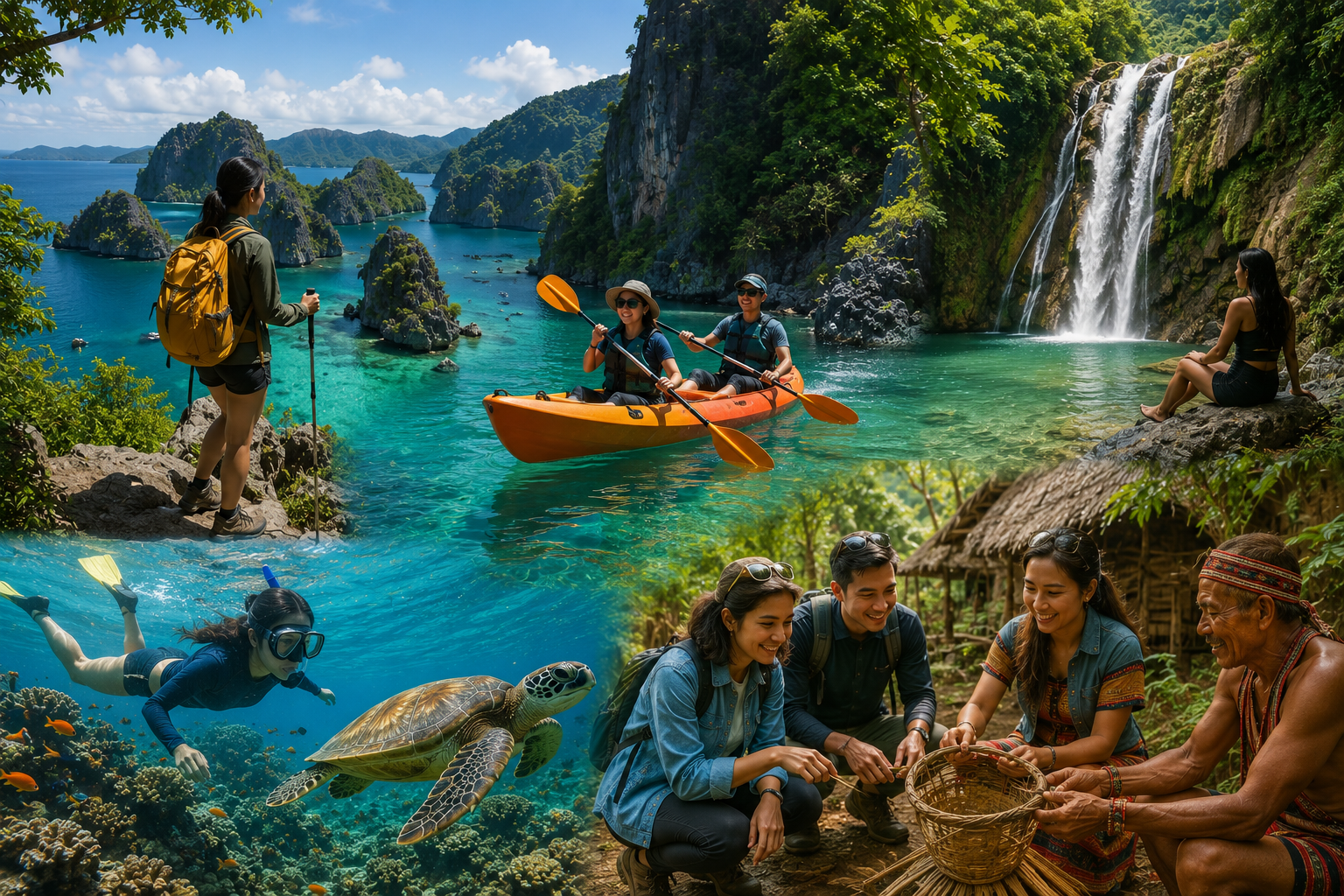
Mountain destinations have become particularly attractive to eco-tourism enthusiasts. Travelers are exploring hiking trails, forest reserves, highland communities, and scenic viewpoints that offer opportunities to experience the country's diverse landscapes. Guided trekking experiences often include educational components that introduce visitors to local ecosystems, wildlife species, and conservation efforts. These activities not only enhance visitor experiences but also increase awareness about the importance of protecting natural resources.
Waterfalls, rivers, lakes, and freshwater ecosystems are also drawing growing numbers of eco-tourists. Many lesser-known destinations feature stunning natural attractions that remain relatively untouched compared to more established tourism sites. Local communities have developed guided tours, environmental education programs, and conservation initiatives that allow visitors to appreciate these resources while supporting preservation efforts. Tourism stakeholders note that responsible management is essential to ensuring that increased visitation does not negatively impact fragile ecosystems.
Island communities beyond the country's most famous beach destinations are experiencing rising interest as travelers seek quieter and more sustainable alternatives. These locations often offer opportunities for snorkeling, kayaking, marine conservation activities, and cultural exchanges with local residents. Community-based tourism programs enable visitors to learn about traditional fishing practices, local customs, and environmental stewardship while contributing directly to local economies. Such experiences are increasingly valued by travelers seeking meaningful and authentic interactions.
The Philippines' rich biodiversity represents one of its greatest eco-tourism assets. As one of the world's most biologically diverse countries, the nation is home to numerous endemic species, protected habitats, and unique ecosystems. Wildlife observation, birdwatching, forest exploration, and marine conservation experiences are attracting nature enthusiasts from around the world. Conservation organizations and tourism operators frequently collaborate to create programs that educate visitors about biodiversity while supporting protection efforts.
Marine eco-tourism continues to play a particularly important role in attracting visitors to emerging destinations. Coral reefs, mangrove forests, seagrass habitats, and marine protected areas provide opportunities for sustainable tourism activities that promote environmental awareness. Many local communities have established conservation programs that involve visitors in reef restoration, coastal cleanups, and marine education initiatives. These efforts demonstrate how tourism can contribute directly to environmental protection while generating economic benefits.
Cultural experiences are often integrated into eco-tourism programs, providing travelers with opportunities to engage with local traditions and heritage. Visitors may participate in cultural workshops, traditional crafts demonstrations, agricultural activities, culinary experiences, and community events that reflect local identity and history. These interactions help preserve cultural traditions while creating additional sources of income for residents. Community leaders emphasize that cultural preservation and environmental conservation often go hand in hand within successful eco-tourism initiatives.
Agricultural tourism has also emerged as a growing component of the eco-tourism sector. Visitors are increasingly interested in learning about sustainable farming practices, local food production, organic agriculture, and traditional cultivation methods. Farm tours, educational programs, and hands-on experiences provide insights into rural life while supporting agricultural communities. These activities strengthen connections between tourism, food systems, and environmental sustainability.
The rise of eco-tourism has encouraged entrepreneurs to develop businesses that align with sustainable principles. Eco-lodges, nature-based tour operations, environmental education services, sustainable transportation providers, and locally sourced food enterprises are becoming increasingly common in emerging destinations. Entrepreneurs recognize that environmentally responsible practices can create competitive advantages while appealing to travelers who prioritize sustainability.
Technology has also contributed to the growth of eco-tourism by making lesser-known destinations more accessible to potential visitors. Social media platforms, travel blogs, digital marketing campaigns, and online booking systems allow communities to showcase attractions and reach audiences that may not have discovered them through traditional tourism channels. Stunning images of hidden waterfalls, mountain landscapes, wildlife encounters, and cultural experiences often inspire travelers to explore destinations beyond mainstream tourist routes.
Government agencies and tourism organizations continue to support eco-tourism development through infrastructure improvements, training programs, conservation initiatives, and promotional campaigns. These efforts aim to strengthen destination management while ensuring that tourism growth remains sustainable and inclusive. Industry experts emphasize that careful planning is essential to balancing visitor demand with environmental protection and community well-being.
One of the key advantages of eco-tourism is its ability to distribute economic benefits more broadly across different regions. Rather than concentrating tourism activity in a limited number of destinations, eco-tourism encourages exploration of diverse locations throughout the country. This helps create opportunities for communities that may have previously received limited tourism-related income while reducing pressure on heavily visited sites.
Many travelers report that eco-tourism experiences provide deeper levels of satisfaction than traditional tourism activities. Opportunities to connect with nature, learn from local communities, contribute to conservation efforts, and experience authentic cultural interactions often create lasting memories and meaningful personal experiences. As a result, demand for eco-tourism products and services is expected to continue growing in the coming years.
Environmental advocates view the rise of eco-tourism as an encouraging development because it demonstrates that conservation and economic growth can work together. When managed responsibly, tourism can create incentives for protecting natural resources while generating sustainable livelihoods for local communities. Successful eco-tourism destinations often become examples of how environmental stewardship can contribute to long-term prosperity.
Looking ahead, tourism experts remain optimistic about the future of eco-tourism in the Philippines. Growing global interest in sustainable travel, increasing awareness of environmental issues, and rising demand for authentic experiences are expected to drive continued growth within the sector. Emerging destinations that prioritize responsible development and community participation are likely to benefit significantly from these trends.
Ultimately, the growing popularity of eco-tourism adventures reflects a broader shift in how people choose to travel. Visitors are increasingly seeking experiences that combine exploration, learning, and positive impact. The Philippines, with its extraordinary natural beauty, cultural diversity, and welcoming communities, is well positioned to meet this demand.
As more travelers discover the country's hidden treasures, eco-tourism is helping transform lesser-known destinations into thriving centers of sustainable development. Through responsible tourism practices, conservation efforts, and community engagement, these destinations are demonstrating that tourism can be a powerful force for environmental protection, cultural preservation, and economic opportunity. In doing so, they are helping shape a more sustainable future for Philippine tourism while inviting travelers to experience some of the nation's most remarkable and undiscovered places.
Enjoyed this story?
Share this story