Festival Tourism Drives Economic Growth Across Major Philippine Provinces
Share
June 04, 2026
Updated Oct 16, 2026
7 min read
258 views
MANILA, Philippines — Festival tourism continues to play a major role in driving economic growth across Philippine provinces as cultural celebrations attract increasing numbers of domestic and international visitors, creating opportunities for local businesses, communities, and tourism stakeholders.
Throughout the country, festivals have evolved into powerful economic engines that not only preserve cultural traditions but also generate employment, stimulate entrepreneurship, promote regional tourism, and support community development.
Tourism officials and industry leaders report that many provinces are experiencing significant economic benefits from annual celebrations that showcase local culture, heritage, food, arts, and traditions.
These festivals have become important components of regional development strategies, helping destinations attract visitors while strengthening local identity and community pride.
The Philippines is home to hundreds of festivals celebrated throughout the year.
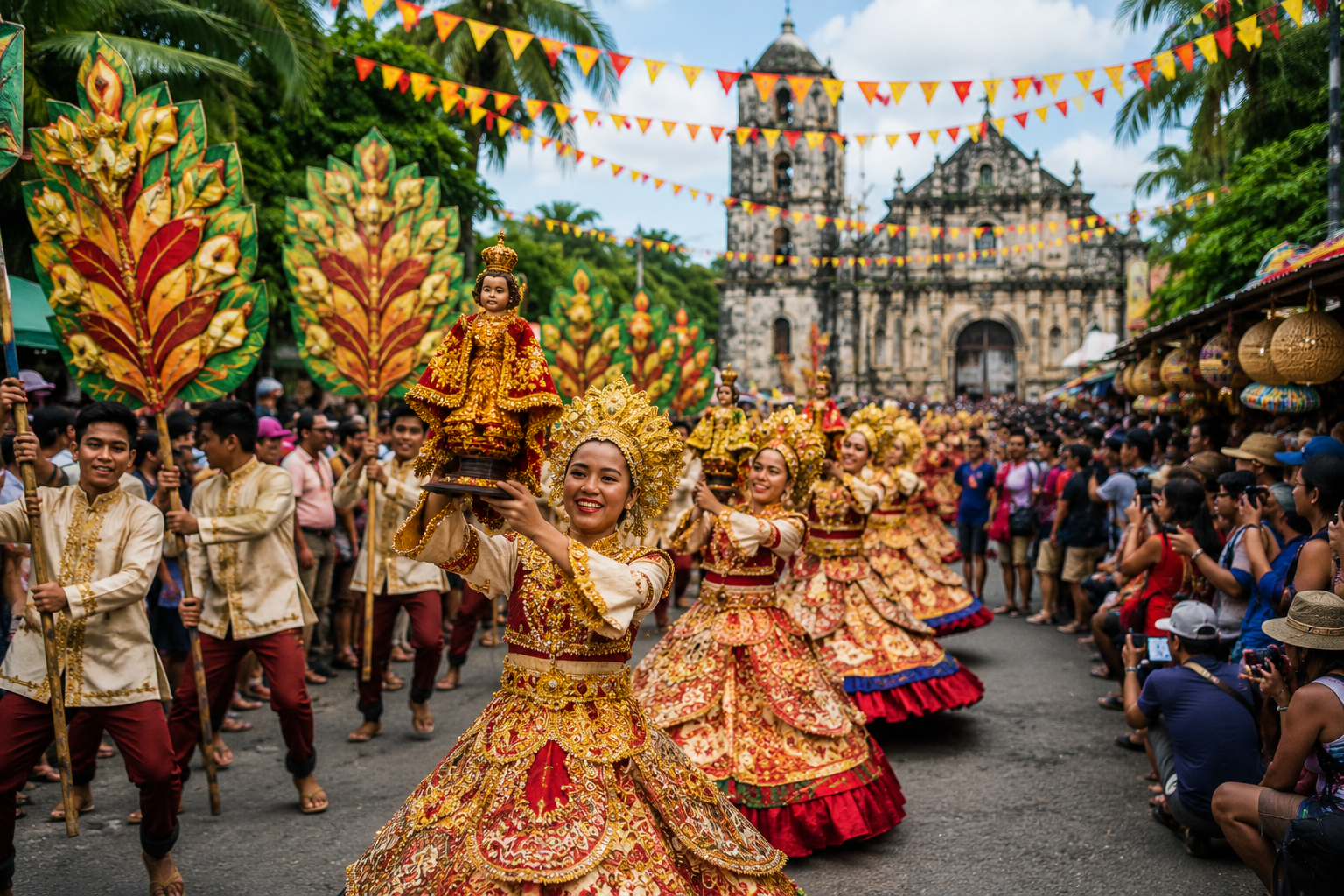
From internationally recognized events such as Sinulog in Cebu, Ati-Atihan in Aklan, MassKara in Bacolod, Panagbenga in Baguio, and Kadayawan in Davao to smaller community fiestas in municipalities across the country, these celebrations represent diverse cultural traditions that continue to attract widespread interest.
Tourism experts note that festival tourism aligns closely with growing global demand for authentic cultural experiences.
Modern travelers increasingly seek opportunities to engage with local communities, learn about traditions, and participate in meaningful cultural activities.
Philippine festivals provide unique experiences that combine entertainment, education, heritage, and community interaction.
Visitors often describe festivals as among the most memorable aspects of their travels.
The economic impact of these events extends far beyond tourism alone.
Hotels, resorts, guesthouses, restaurants, transportation providers, retail establishments, and numerous service businesses frequently experience increased activity during festival periods.
Business owners often report substantial increases in customer traffic and sales as visitor numbers rise.
Many local enterprises rely on festival seasons as important periods for revenue generation.
The hospitality sector is among the largest beneficiaries.
Accommodation providers frequently experience high occupancy rates during major festivals, particularly in destinations that attract large numbers of tourists.
Hotels, homestays, inns, and vacation rentals often prepare months in advance to accommodate increased demand.
Tourism stakeholders note that accommodation spending contributes significantly to local economies while supporting employment across multiple sectors.
Restaurants and food vendors also benefit from increased visitor activity.
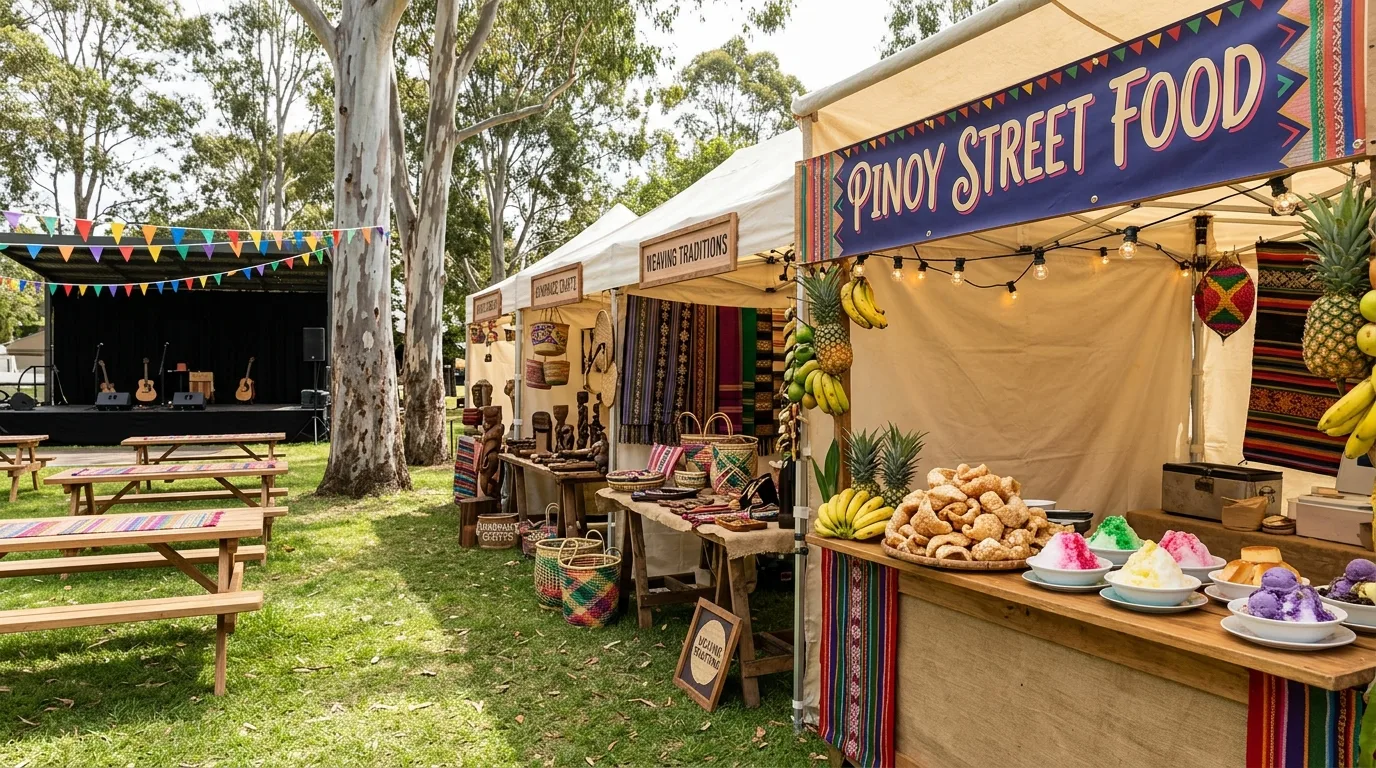
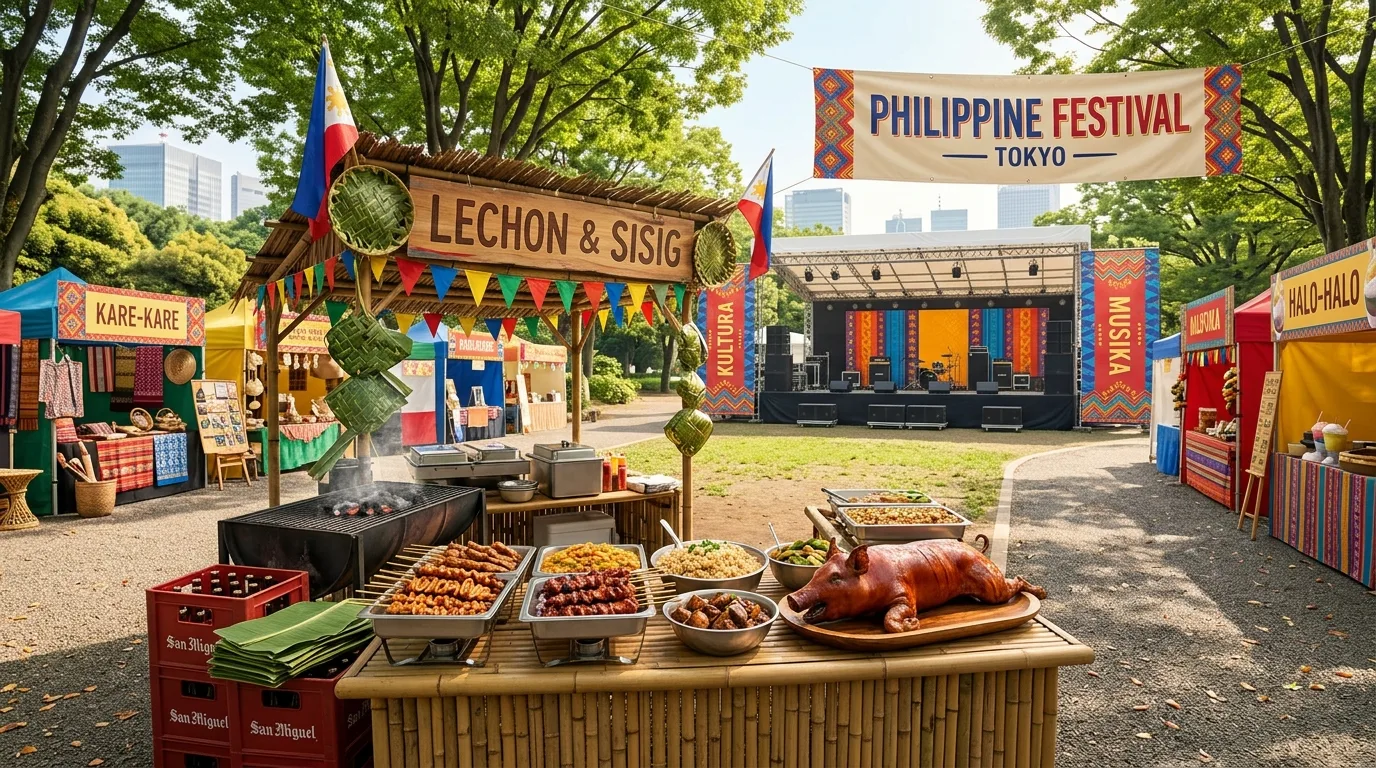
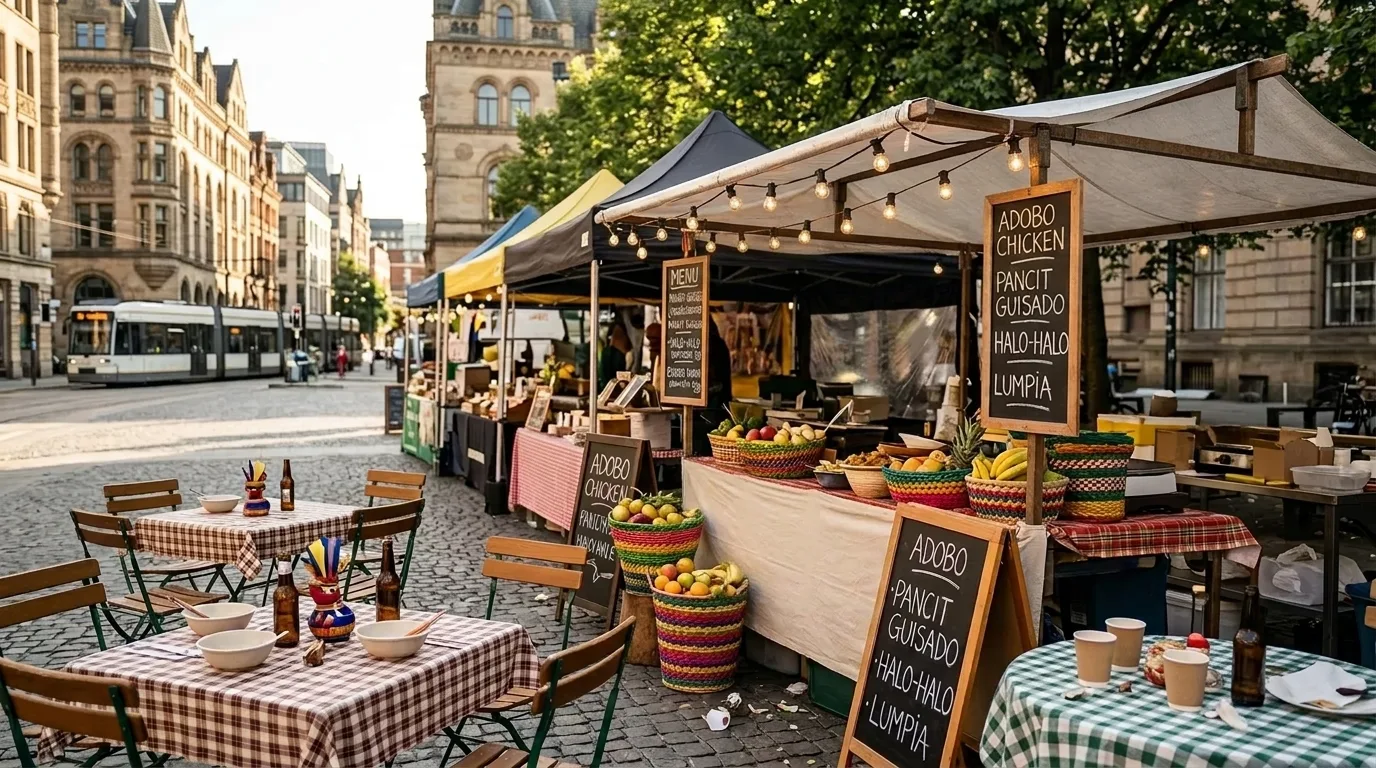
Festival attendees frequently explore local culinary offerings, creating opportunities for food entrepreneurs, market vendors, and restaurant operators.
Traditional dishes, regional specialties, street food experiences, and culinary showcases attract both domestic and international visitors.
Food tourism has become an important component of many festivals, helping promote local cuisine while generating economic activity.
Local artisans and craft producers gain valuable opportunities through festival-related markets and exhibitions.
Handmade products, traditional crafts, cultural merchandise, artworks, and locally produced goods often receive increased exposure during major events.
These opportunities allow small businesses and independent creators to reach larger audiences while preserving traditional skills and cultural practices.
Many artisans view festivals as essential platforms for promoting their work.
Transportation providers also experience increased demand.
Airlines, bus operators, ferry services, ride providers, and local transport operators often see higher passenger volumes during festival seasons.
Improved connectivity and transportation accessibility have helped support the continued growth of festival tourism across many provinces.
Community leaders emphasize that transportation investments play important roles in maximizing economic benefits.
Employment generation remains one of the most significant outcomes of festival tourism.
Large-scale events require extensive planning, logistics, security, hospitality services, marketing efforts, technical support, and operational management.
Temporary and permanent jobs created through festival-related activities contribute to local economic development.
Young people, in particular, often gain valuable work experience through tourism and event-related opportunities.
Entrepreneurship has flourished alongside the growth of festival tourism.
Many residents establish temporary businesses or expand existing operations to serve festival visitors.
Food stalls, souvenir shops, guided tours, cultural experiences, transportation services, and accommodation offerings create opportunities for income generation.
These entrepreneurial activities often extend beyond festival periods, contributing to long-term economic resilience.
Community participation is one of the defining characteristics of Philippine festivals.
Residents frequently volunteer their time and skills to organize events, support visitors, coordinate activities, and promote local traditions.
This collaborative approach reflects the enduring influence of bayanihan and strengthens social cohesion within communities.
Many local leaders believe community involvement contributes significantly to festival success.
Beyond direct economic benefits, festivals help increase awareness of destinations and attract future visitors.
Travelers who attend cultural celebrations often return to explore additional attractions within the region.
Positive experiences shared through social media, travel blogs, and personal recommendations further expand destination visibility.
Tourism advocates view festivals as effective marketing tools that generate long-term tourism interest.
Digital technology has amplified the reach of festival tourism considerably.
Social media platforms, online content, livestreams, and digital marketing campaigns allow festivals to engage audiences far beyond their physical locations.
Images and videos showcasing colorful performances, cultural traditions, and community celebrations frequently attract substantial online attention.
This visibility helps strengthen the national and international profile of participating destinations.
Cultural preservation remains a key benefit associated with festival tourism.
Many celebrations provide opportunities to maintain traditional dances, music, costumes, rituals, crafts, and storytelling practices that might otherwise face decline.
Tourism-generated revenue often supports cultural programs, educational initiatives, and preservation efforts.
Community leaders emphasize that economic development and cultural preservation can reinforce one another when managed responsibly.
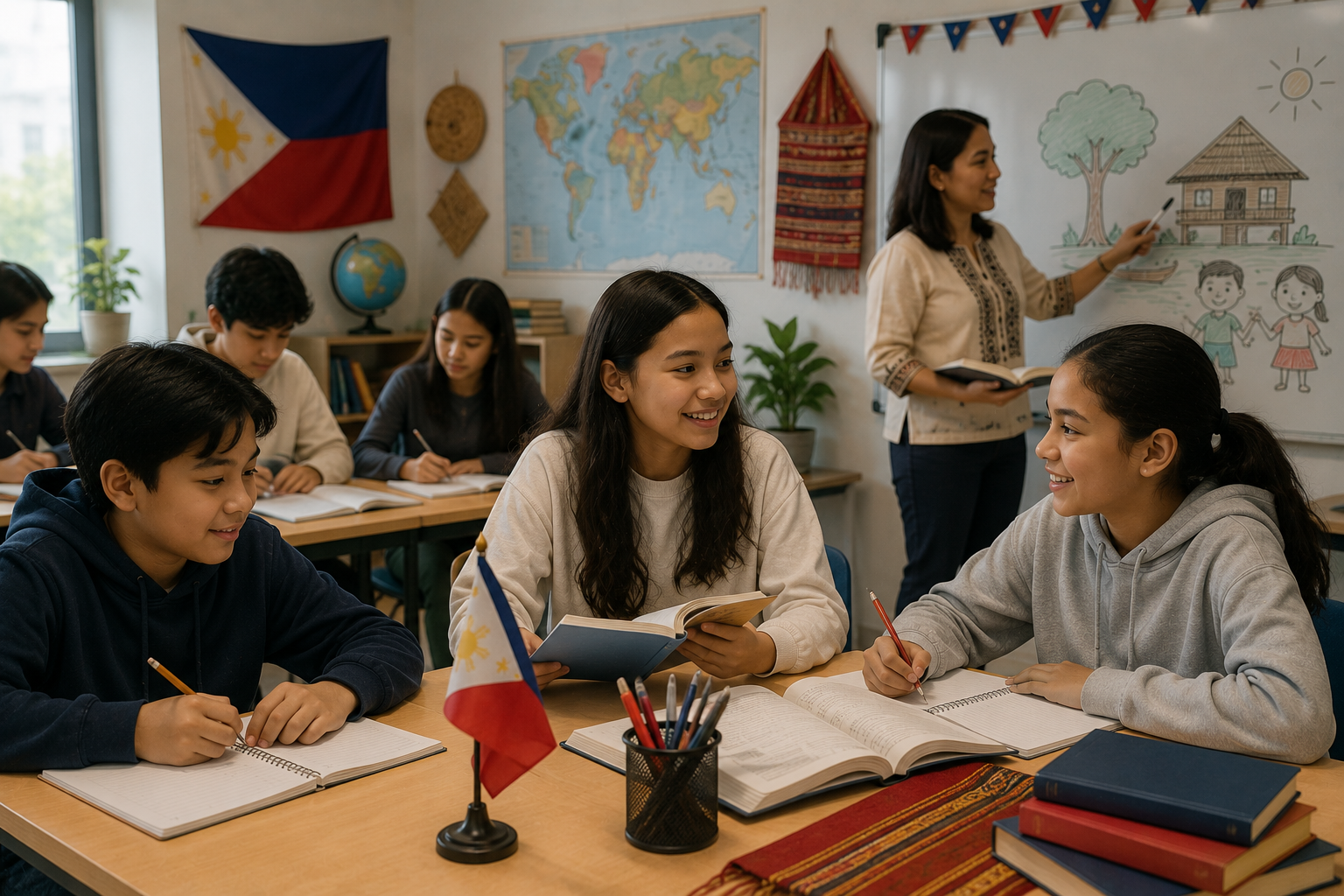
Educational institutions also contribute to festival tourism through cultural presentations, research activities, student participation, and heritage programs.
Schools and universities frequently collaborate with local governments and community organizations to support celebrations.
These partnerships help engage younger generations while promoting cultural awareness and civic participation.
Festival tourism has become particularly important for rural and emerging destinations.
Many provinces use cultural events as anchor attractions that encourage visitors to explore lesser-known locations.
This approach helps distribute tourism activity more broadly while creating opportunities for communities outside major tourism hubs.
Local governments increasingly recognize festivals as strategic assets for regional development.
Environmental sustainability has become an important consideration as festivals continue to grow.
Organizers are implementing waste reduction programs, recycling initiatives, responsible tourism campaigns, and environmental education activities designed to minimize impacts while maintaining visitor satisfaction.
Many communities recognize that sustainability is essential to ensuring the long-term success of tourism activities.
Government agencies continue to support festival tourism through funding programs, infrastructure investments, destination promotion efforts, and capacity-building initiatives.
Collaboration between national agencies, local governments, private sector partners, and community organizations has helped strengthen tourism ecosystems throughout the country.
Stakeholders emphasize that coordinated planning contributes significantly to successful outcomes.
International visitors increasingly view Philippine festivals as compelling reasons to visit the country.
Cultural authenticity, vibrant community participation, and unique traditions distinguish Filipino celebrations from many other tourism offerings in the region.
Travel experts note that festivals provide opportunities for meaningful cultural exchange while strengthening international understanding.
The rise of experiential travel has further increased interest in these events.
Looking ahead, tourism leaders anticipate continued growth in festival tourism across the Philippines.
Investments in destination development, digital promotion, infrastructure improvements, cultural programming, and sustainability initiatives are expected to support future expansion.
Many provinces are exploring innovative approaches that combine tradition with technology to enhance visitor experiences while preserving cultural integrity.
The outlook remains positive as destinations continue adapting to evolving traveler preferences.
Ultimately, festival tourism demonstrates the powerful connection between culture and economic development.
By celebrating heritage, supporting communities, and creating memorable experiences for visitors, festivals generate benefits that extend far beyond individual events.
They strengthen local economies, preserve traditions, encourage entrepreneurship, and inspire community pride.
Every parade, cultural performance, food fair, and community gathering contributes to a larger story of regional growth and cultural resilience.
As provinces continue leveraging their unique traditions to attract visitors, festival tourism is helping shape a more inclusive and sustainable future for Philippine tourism.
The continued success of these celebrations highlights the enduring value of culture as both an economic asset and a source of community identity.
From bustling city festivals to rural community fiestas, the Philippines continues to demonstrate that cultural heritage remains one of its most powerful drivers of tourism and development.
As visitor interest grows and communities continue innovating, festival tourism is poised to remain a vital force in promoting prosperity, preserving traditions, and showcasing the best of the Filipino spirit to the world.
Enjoyed this story?
Share this story