Festival Tourism Grows as International Visitors Embrace Filipino Cultural Events
Share
June 03, 2026
Updated Oct 16, 2026
7 min read
261 views
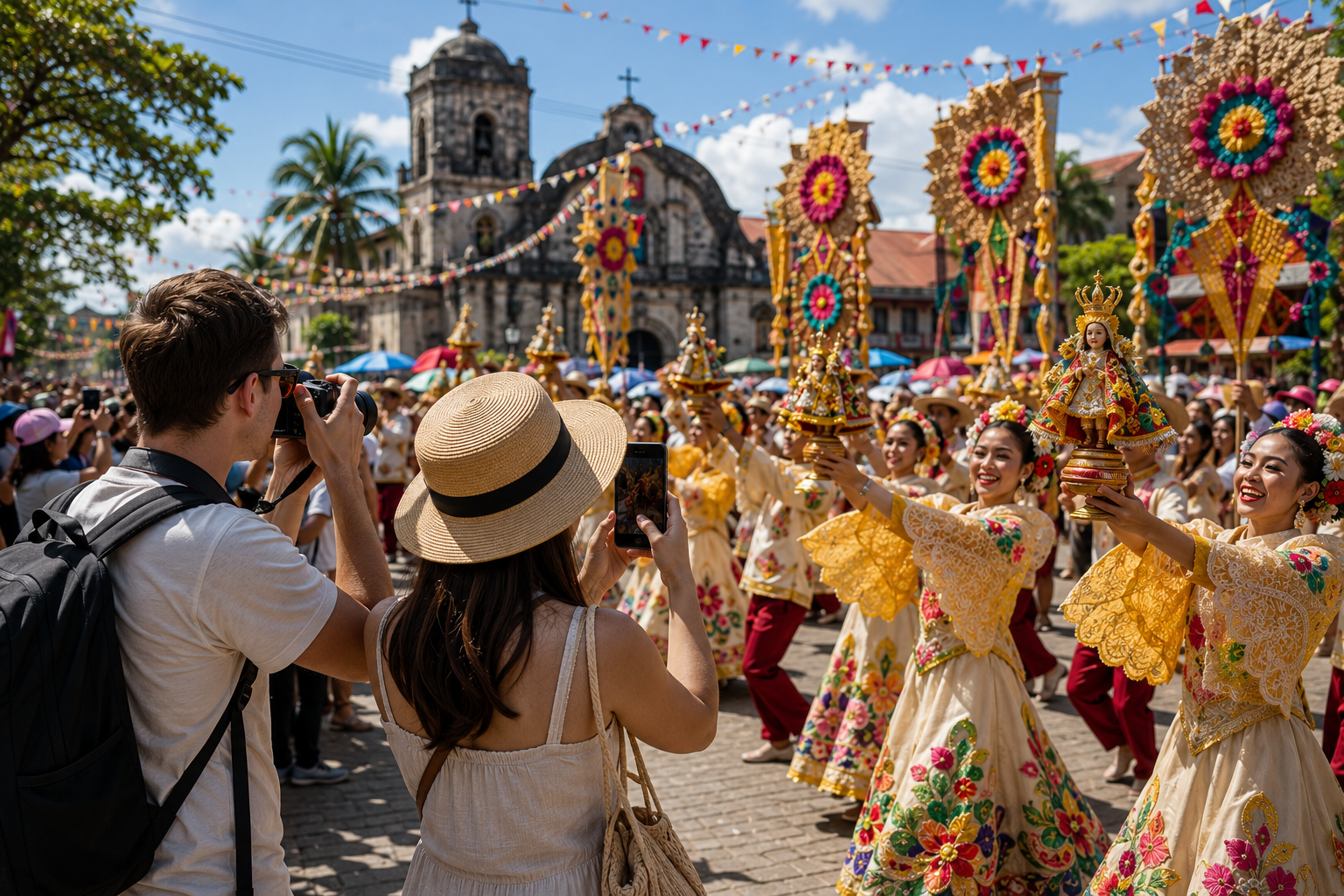
MANILA, Philippines — Festival tourism is emerging as one of the fastest-growing segments of the Philippine travel industry as increasing numbers of international visitors seek authentic cultural experiences through the country's colorful celebrations, heritage events, and community festivals.
From the world-famous Sinulog Festival in Cebu and Ati-Atihan in Aklan to Panagbenga in Baguio, Kadayawan in Davao, MassKara in Bacolod, and countless local fiestas throughout the archipelago, Philippine cultural events are attracting growing attention from travelers eager to experience the country's traditions firsthand.
Tourism stakeholders, community leaders, cultural advocates, and local governments say the rise of festival tourism reflects a broader global trend in which travelers are seeking meaningful experiences that go beyond traditional sightseeing.
Rather than simply visiting landmarks and attractions, modern travelers increasingly want opportunities to engage with local culture, history, food, music, and community life.
Philippine festivals offer precisely these experiences.
Known for their vibrant colors, energetic performances, deep historical roots, and strong community participation, Filipino festivals provide visitors with unique insights into the country's diverse cultural landscape.
Across the Philippines, festivals serve as living expressions of identity and heritage.
Many celebrations trace their origins to historical events, religious traditions, indigenous customs, agricultural practices, or local achievements.
These cultural narratives provide rich and meaningful contexts that resonate with visitors interested in learning about the people and communities behind the celebrations.
Tourism experts note that authenticity has become one of the most important factors influencing travel decisions.
Visitors increasingly seek experiences that allow them to connect with local traditions in genuine ways.
Philippine festivals stand out because they remain deeply rooted in community participation.
Unlike events created primarily for tourists, many Filipino festivals continue to serve important cultural and social functions for local residents.
This authenticity enhances their appeal among international audiences.
One of the primary attractions of festival tourism is the opportunity to witness traditional performances.
Street dancing competitions, cultural showcases, music presentations, and artistic displays create dynamic experiences that engage audiences both visually and emotionally.
Performers often spend months preparing elaborate routines and costumes that reflect regional histories and cultural identities.
Visitors frequently describe these performances as among the most memorable aspects of their travels.
The energy, creativity, and passion displayed during festivals leave lasting impressions and encourage many tourists to return.
Food tourism has become another major driver of festival-related travel.
Filipino festivals often feature extensive culinary offerings that showcase regional specialties and traditional dishes.
Visitors have opportunities to sample local flavors while learning about the cultural significance of different foods.
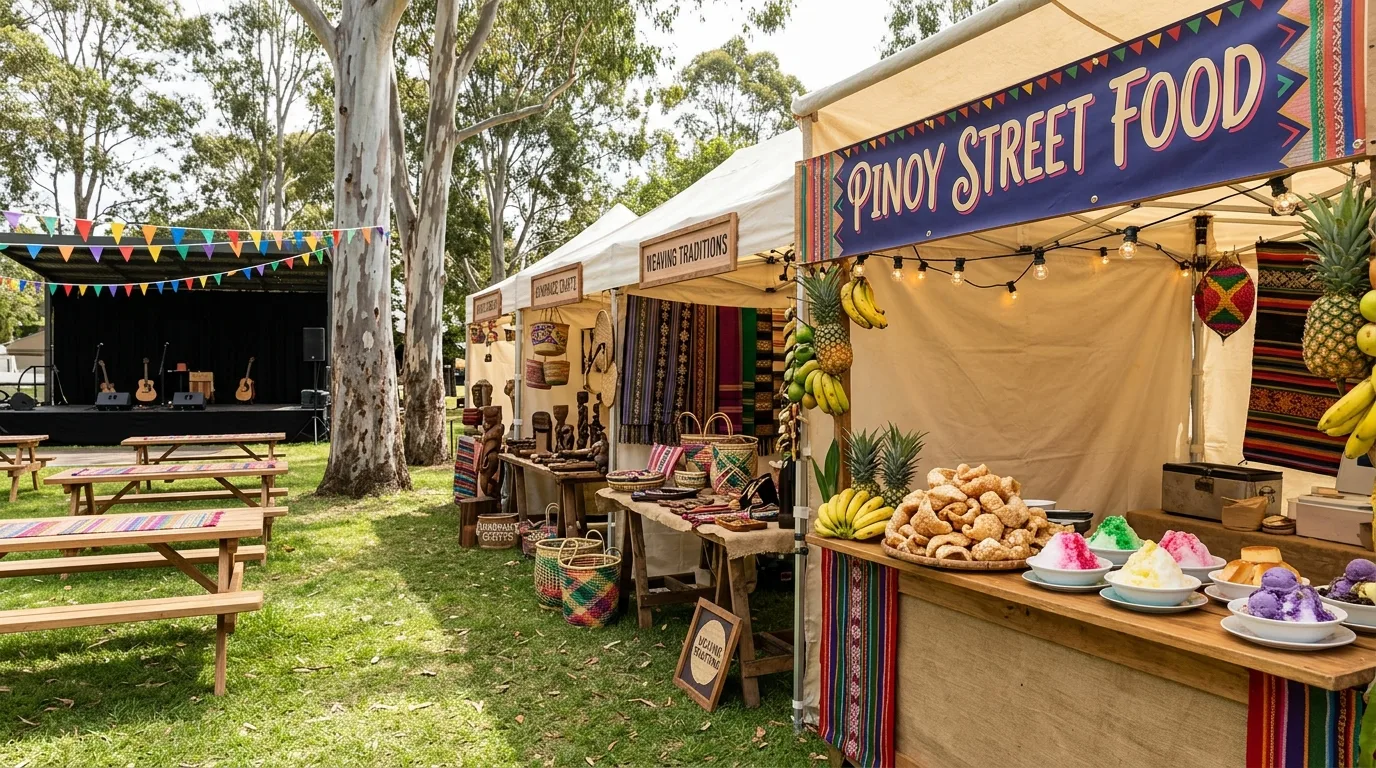
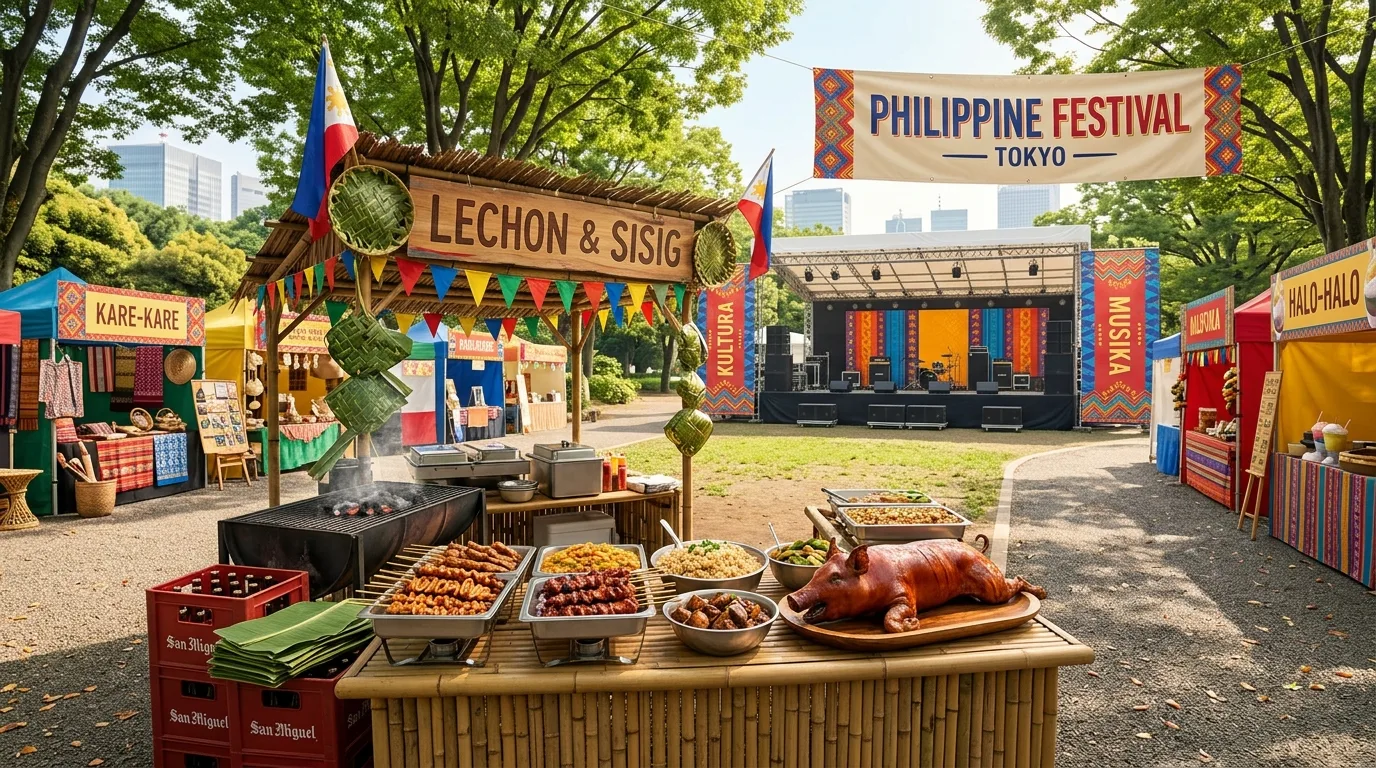
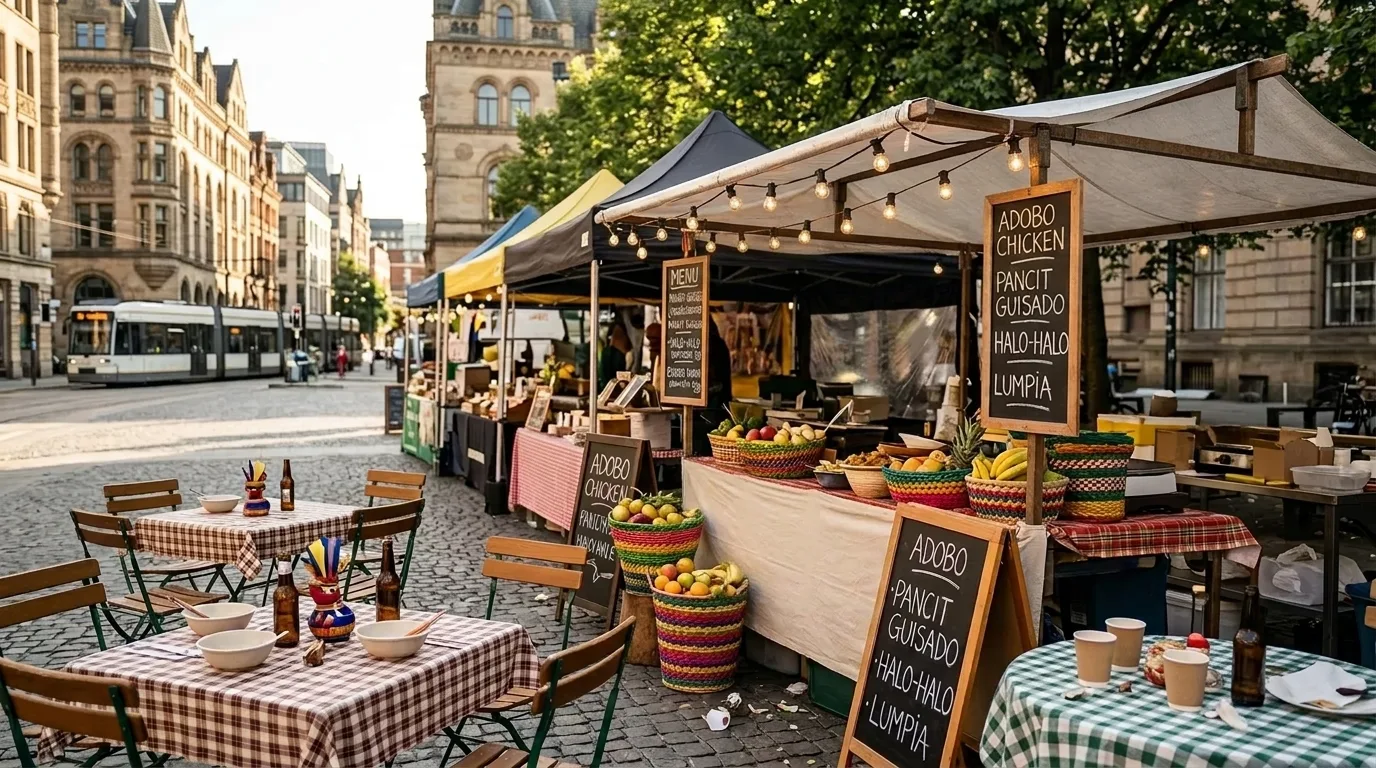
Popular dishes such as lechon, pancit, adobo, sisig, kare-kare, halo-halo, bibingka, and numerous regional delicacies attract enthusiastic crowds.
Food markets and culinary events provide accessible entry points for cultural exploration.
Many international visitors report that Filipino cuisine plays a significant role in shaping their overall impressions of the country.
The growing popularity of Filipino food internationally has further strengthened interest in festival tourism.
Community engagement represents another defining characteristic of Philippine festivals.
Unlike many large-scale tourism events elsewhere, Filipino celebrations often encourage active participation rather than passive observation.
Visitors frequently interact with local residents, performers, artisans, entrepreneurs, and community organizations.
These interactions contribute to deeper cultural understanding and more meaningful travel experiences.
Tourism advocates believe such engagement helps foster positive relationships between visitors and host communities.
Cultural heritage preservation has become an important benefit associated with the growth of festival tourism.
As visitor interest increases, communities often invest additional resources in documenting traditions, supporting cultural practitioners, and preserving historical practices.
Many local governments and cultural organizations recognize festivals as valuable tools for protecting heritage while generating economic opportunities.
This relationship between cultural preservation and tourism development has become increasingly important in long-term planning efforts.
Local economies also benefit significantly from festival tourism.
Hotels, restaurants, transportation providers, retailers, tour operators, artisans, and small businesses frequently experience increased activity during major celebrations.
Community leaders note that festivals create opportunities for entrepreneurship while generating income for local residents.
Many small businesses rely on festival seasons as important periods for sales and community engagement.
Economic activity generated by tourism often extends beyond the events themselves, benefiting surrounding communities and supporting broader development initiatives.
Technology has played a major role in expanding the visibility of Philippine festivals.
Social media platforms, travel blogs, video-sharing sites, and digital marketing campaigns have introduced Filipino cultural events to global audiences.
Photos and videos showcasing colorful performances, cultural traditions, and local experiences frequently generate substantial online engagement.
Travel influencers and content creators have also contributed to increased awareness by sharing festival experiences with international audiences.
The resulting visibility has encouraged more travelers to include cultural events in their travel plans.
Tourism agencies have increasingly incorporated festivals into promotional strategies aimed at attracting international visitors.
Campaigns often emphasize cultural authenticity, community experiences, and opportunities to explore destinations beyond traditional tourism hubs.
Many regions use festivals as anchors for broader tourism initiatives that highlight local attractions, culinary experiences, outdoor activities, and heritage sites.
This integrated approach helps maximize economic and cultural benefits.
Educational experiences have become another important aspect of festival tourism.
Visitors frequently participate in workshops, heritage tours, cultural demonstrations, and storytelling sessions that provide deeper understanding of local traditions.
Museums, cultural centers, and community organizations often collaborate to create programming that complements festival activities.
These initiatives help transform festivals into opportunities for cultural learning and exchange.
International visitors often express appreciation for the hospitality they encounter during Filipino celebrations.
The warmth and friendliness of local communities consistently rank among the most memorable aspects of festival experiences.
Many tourists describe feeling welcomed not merely as visitors but as participants in community celebrations.
This sense of inclusion contributes significantly to positive perceptions of the Philippines as a travel destination.
The spirit of bayanihan is often evident throughout festival activities.
Volunteers, community organizations, businesses, and local governments collaborate to organize events and support visitors.
These cooperative efforts demonstrate values that many tourists find both inspiring and distinctive.
Community leaders believe such experiences contribute to stronger cultural understanding and international goodwill.
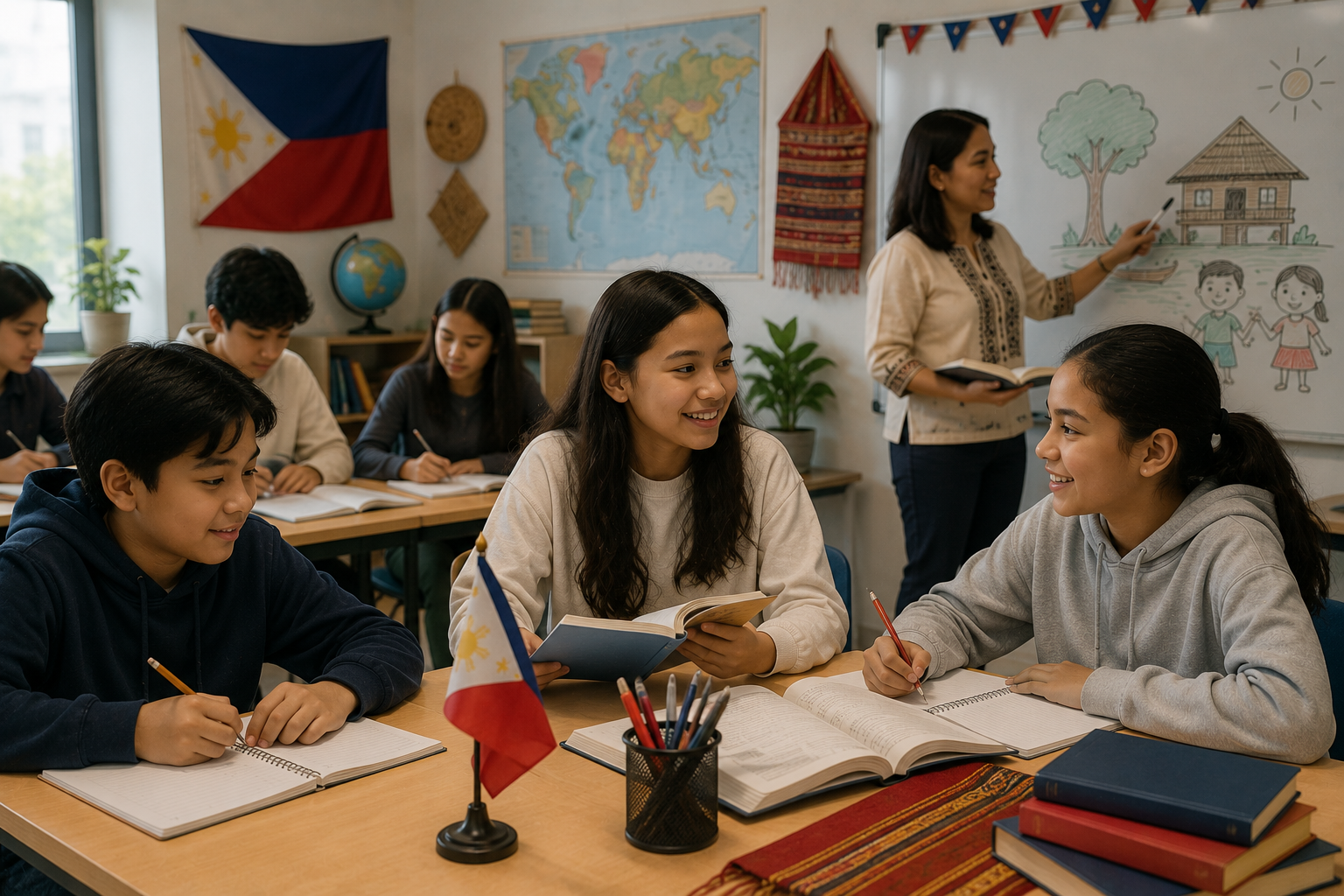
Youth participation has become increasingly important as festival tourism continues to grow.
Many communities are actively involving younger generations in cultural performances, volunteer programs, heritage education initiatives, and event planning activities.
These opportunities help ensure that traditions remain relevant while cultivating future cultural leaders.
Educators and community advocates emphasize that engaging young people is essential for long-term sustainability.
Environmental sustainability has also become a growing priority.
Organizers are increasingly exploring ways to reduce waste, promote responsible tourism practices, and encourage environmental stewardship during major events.
Many communities recognize the importance of balancing tourism growth with environmental protection and cultural preservation.
These efforts reflect broader trends toward sustainable tourism development.
Observers note that the continued growth of festival tourism highlights the increasing value travelers place on cultural experiences.
As global tourism evolves, destinations that offer authentic opportunities for connection, learning, and participation are likely to remain highly attractive.
The Philippines is particularly well positioned to benefit from this trend due to its rich cultural diversity and strong tradition of community celebrations.
Looking ahead, tourism stakeholders anticipate continued expansion in festival-related travel.
Plans for enhanced marketing, improved infrastructure, expanded cultural programming, and stronger international partnerships are already underway in many destinations.
Community leaders remain optimistic that festival tourism will continue generating economic opportunities while strengthening cultural preservation efforts.
Ultimately, the success of Philippine festival tourism reflects the enduring appeal of culture as a driver of travel and human connection.
Through music, dance, food, history, art, and community engagement, festivals provide experiences that resonate deeply with visitors from around the world.
They offer opportunities to celebrate diversity, foster understanding, and create lasting memories.
As more international visitors embrace Filipino cultural events, festival tourism is helping showcase the best of the Philippines while supporting communities and preserving traditions for future generations.
Every parade, performance, cultural showcase, and community celebration contributes to a larger story—one in which culture serves not only as a source of pride but also as a bridge connecting people across countries, backgrounds, and experiences.
From bustling city festivals to intimate community fiestas, the Philippines continues to demonstrate why its cultural celebrations are among its most valuable and compelling tourism assets.
As global interest grows, festival tourism is poised to play an even greater role in shaping the future of Philippine travel, cultural preservation, and international engagement.
Enjoyed this story?
Share this story