Fiesta Fever Goes Global: Filipino Traditions Bring Communities Together Around the World
Share
June 01, 2026
Updated Oct 16, 2026
7 min read
407 views
MANILA, Philippines — The beloved Filipino tradition of celebrating fiestas is thriving far beyond the shores of the Philippines as communities around the world embrace colorful cultural festivals that bring people together through music, food, faith, family, and shared heritage.
From bustling cities in North America and Europe to thriving Filipino communities in the Middle East, Asia, Australia, and New Zealand, Filipino fiestas have become vibrant international events that showcase the richness of Philippine culture while strengthening connections among overseas Filipinos and their host communities.
For generations, fiestas have occupied a special place in Filipino life. Traditionally held to honor patron saints, celebrate local history, or mark significant community milestones, fiestas have long served as opportunities for families, neighbors, and visitors to come together in a spirit of gratitude, hospitality, and celebration.
Today, those same traditions are flourishing globally as millions of Filipinos living abroad continue to recreate the festive atmosphere of their hometown celebrations. What were once small community gatherings have evolved into large-scale cultural festivals attracting thousands of participants from diverse backgrounds.
Community leaders say the continued popularity of Filipino fiestas demonstrates the enduring importance of cultural identity and community connection among overseas Filipinos.
"Fiestas remind us of who we are and where we come from," said one community organizer. "Even when we live thousands of miles away from the Philippines, we carry our traditions with us and share them proudly with the world."
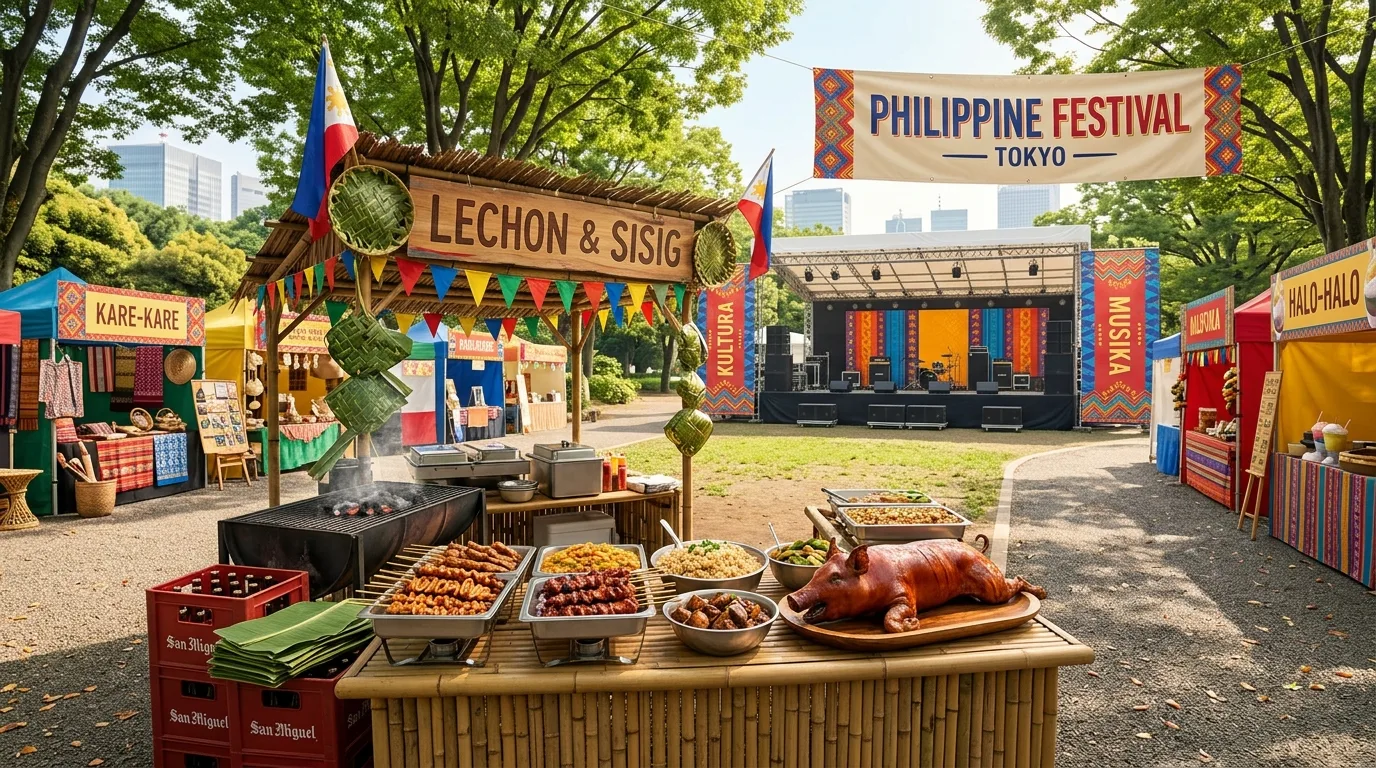
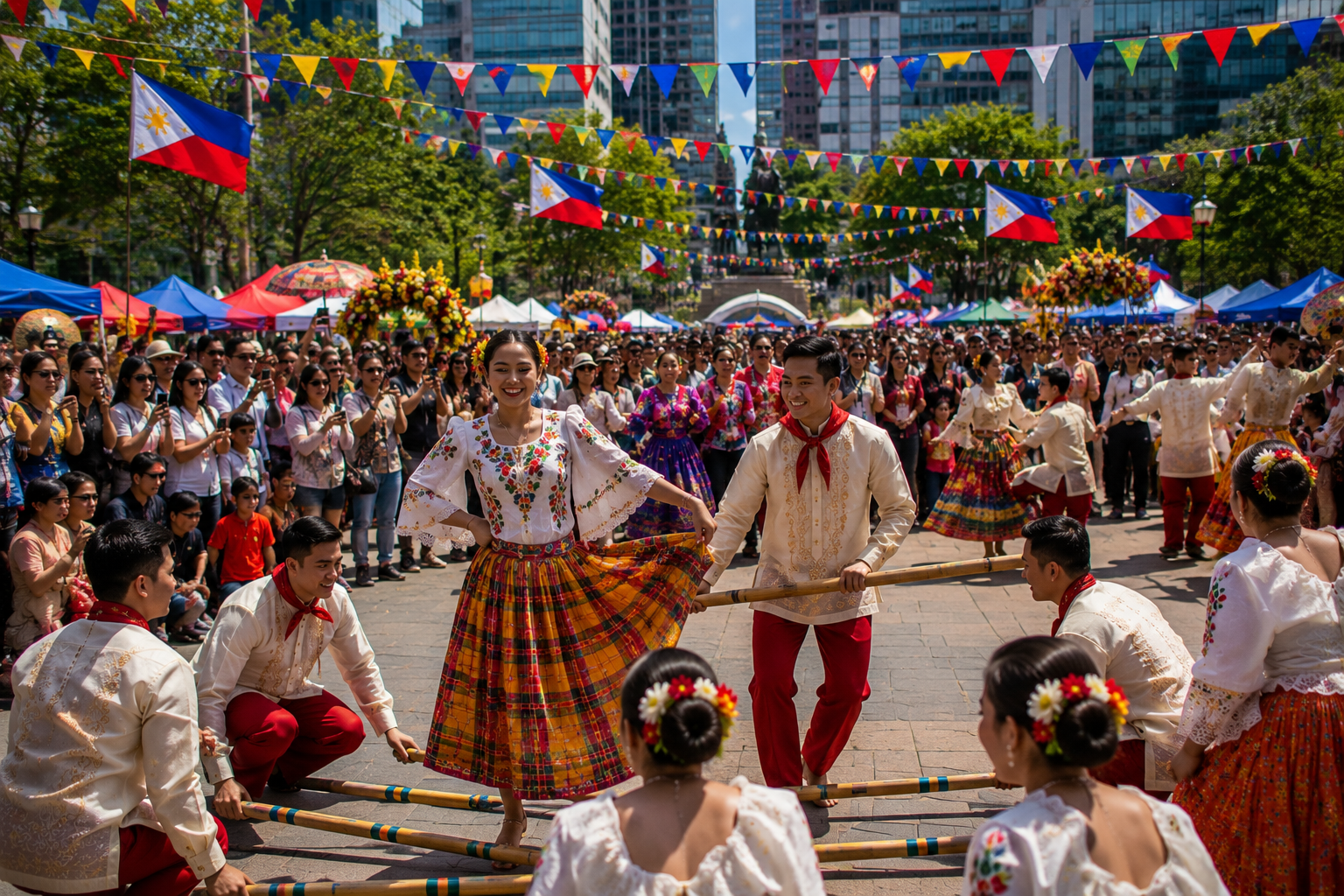
Across major cities such as New York, Los Angeles, Toronto, Vancouver, London, Dublin, Dubai, Abu Dhabi, Singapore, Sydney, Melbourne, Auckland, and countless others, Filipino organizations host annual fiestas that celebrate culture, community, and heritage.
These events often feature traditional dances, musical performances, food fairs, cultural exhibits, beauty pageants, sports competitions, religious observances, and family-oriented activities that capture the spirit of celebrations commonly found throughout the Philippines.
One of the most recognizable aspects of Filipino fiestas is their vibrant cultural presentations. Community groups invest months preparing performances that showcase the diverse traditions of the Philippine archipelago.
Colorful folk dances inspired by various regions of the country remain among the most anticipated attractions. Performers dressed in traditional costumes represent different provinces and indigenous communities, offering audiences a glimpse into the country's rich cultural tapestry.
Musical performances add energy and excitement to the celebrations. Traditional instruments, contemporary Filipino artists, community choirs, and cultural ensembles provide entertainment that resonates with audiences of all ages.
These performances serve a purpose beyond entertainment. They help preserve cultural knowledge and ensure that younger generations remain connected to traditions that might otherwise be forgotten.
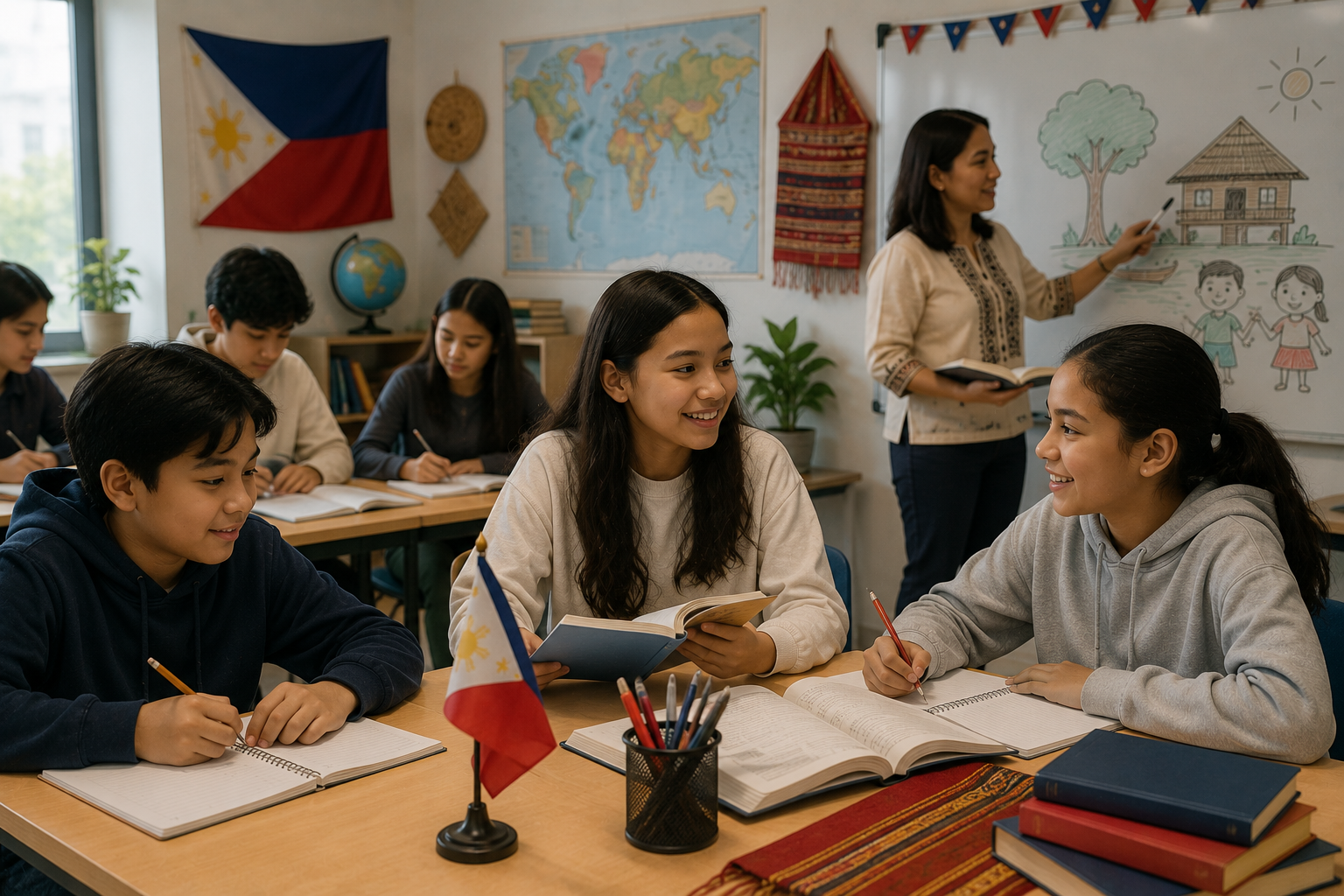
For second- and third-generation Filipinos growing up abroad, fiestas often provide valuable opportunities to learn about their heritage. Through participation in cultural programs, youth groups gain firsthand experience with Filipino customs, values, and artistic traditions.
Organizers place significant emphasis on youth involvement, recognizing that cultural preservation depends on engaging younger generations. Many festivals include educational workshops, cultural exhibits, language activities, and leadership programs specifically designed for children and young adults.
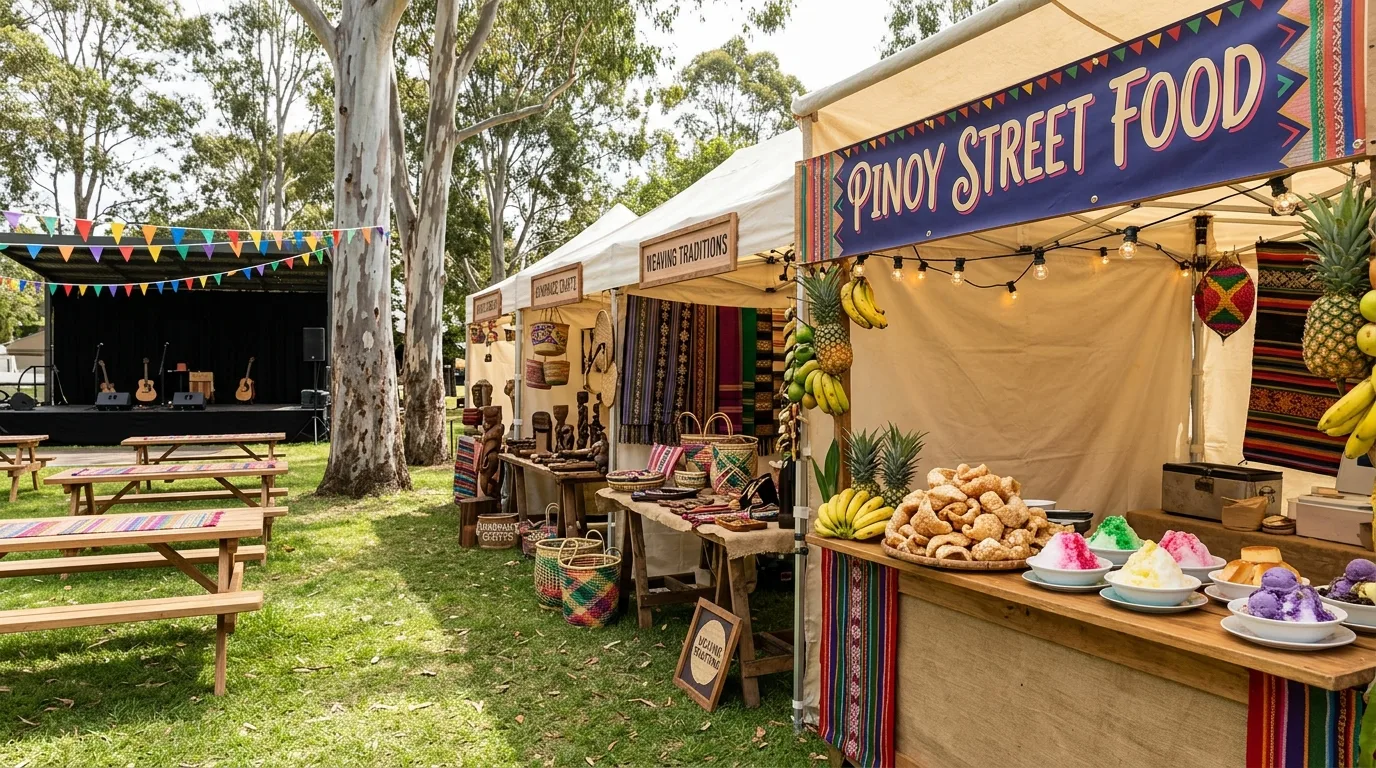
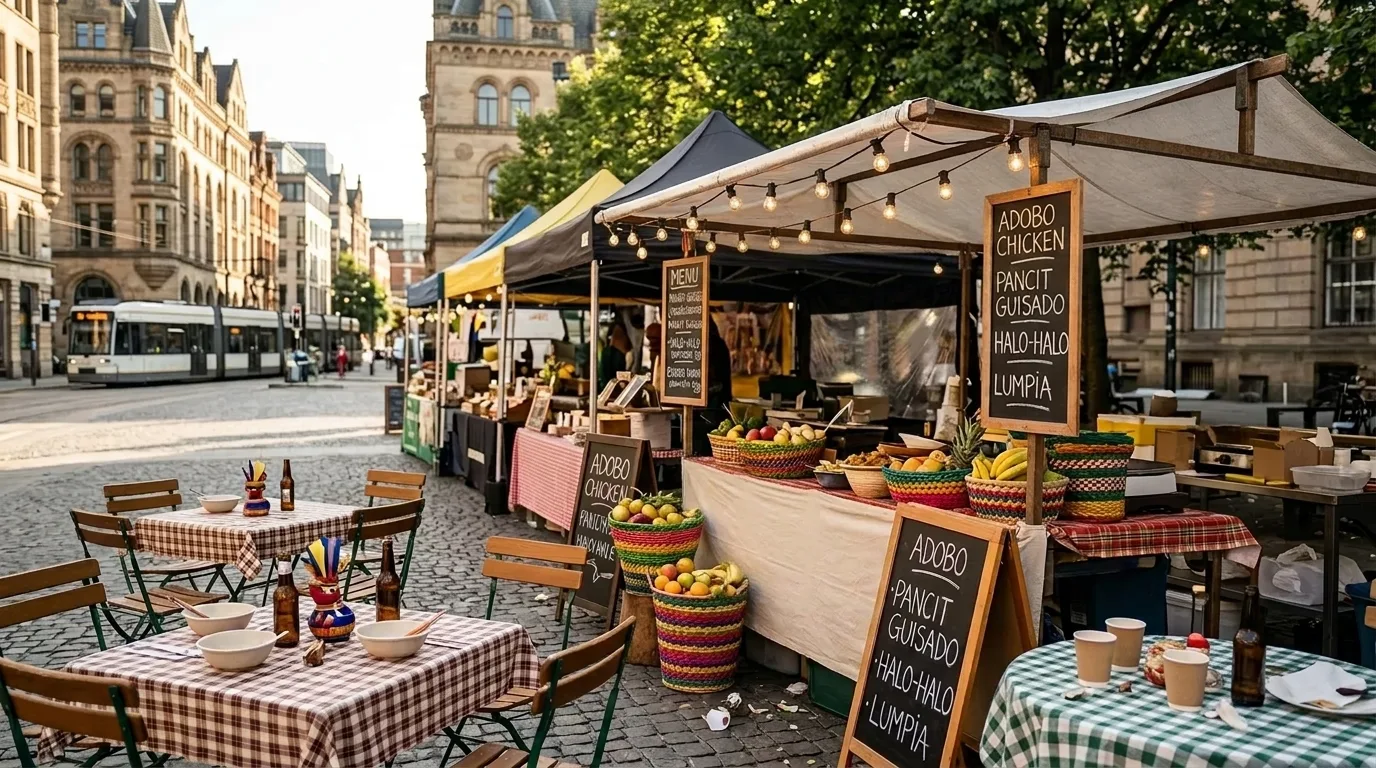
Food remains another cornerstone of every Filipino fiesta. The aroma of beloved dishes fills festival grounds as attendees enjoy a culinary experience that reflects the diversity and creativity of Filipino cuisine.
Popular dishes such as adobo, lechon, pancit, lumpia, sisig, kare-kare, barbecue, halo-halo, bibingka, and regional specialties consistently attract large crowds. Food stalls often become gathering places where families and friends reconnect while sharing stories and traditions.
For many Filipinos living abroad, fiesta food evokes memories of childhood celebrations, family reunions, and community gatherings back home. At the same time, these culinary experiences introduce international visitors to the unique flavors of the Philippines.
The growing global popularity of Filipino cuisine has contributed significantly to the success of these events. Visitors frequently express curiosity about Filipino dishes and often leave with a deeper appreciation for the country's culinary heritage.
Religious traditions continue to play a central role in many fiesta celebrations. Community masses, prayer gatherings, processions, and spiritual activities reflect the faith-based origins of numerous fiestas throughout the Philippines.
These religious observances provide opportunities for reflection, gratitude, and community fellowship while reinforcing the values that have long shaped Filipino culture.
The spirit of bayanihan is also evident throughout these celebrations. Volunteers dedicate countless hours to planning events, coordinating activities, preparing food, managing logistics, and ensuring that festivals run smoothly.
Community leaders frequently describe fiestas as collective achievements made possible through cooperation and shared commitment. Volunteers, sponsors, performers, businesses, and families work together to create memorable experiences for everyone involved.
Many fiesta celebrations incorporate charitable initiatives that support important causes. Fundraising activities often benefit educational programs, disaster relief efforts, healthcare initiatives, scholarship funds, and community development projects.
This combination of celebration and service reflects the values of generosity and compassion that remain deeply embedded in Filipino culture.
Beyond cultural preservation, Filipino fiestas have become important tools for promoting multicultural understanding. Local residents from diverse backgrounds are often invited to participate, creating opportunities for cultural exchange and relationship-building.
Visitors attending these events gain exposure to Filipino history, traditions, cuisine, and values while interacting directly with members of the Filipino community. Many attendees describe the experience as welcoming, educational, and inspiring.
Government officials, community leaders, and multicultural organizations frequently attend fiesta celebrations to recognize the contributions of Filipinos to their host countries. Their participation highlights the growing influence and visibility of Filipino communities worldwide.
The economic impact of these events is also significant. Filipino-owned businesses, entrepreneurs, artisans, and vendors benefit from increased visibility and opportunities to connect with new customers.
Many small businesses view fiestas as important platforms for showcasing products and services while strengthening relationships within the community. Entrepreneurs often use these gatherings to support local economic development and promote Filipino enterprises.
Technology has expanded the reach of Filipino fiesta celebrations in recent years. Social media, livestreaming platforms, and digital content have enabled communities to share festivities with audiences around the globe.
Photos, videos, and virtual broadcasts allow relatives and friends who cannot attend in person to participate in celebrations from afar. Digital platforms have also introduced Filipino fiestas to broader international audiences, increasing awareness and interest in Filipino culture.
The global growth of Filipino fiestas reflects broader demographic trends. As Filipino communities continue to expand worldwide, demand for cultural events that foster connection and belonging has grown accordingly.
Experts note that these celebrations help address common challenges faced by immigrant communities by creating spaces where cultural identity can be expressed, celebrated, and preserved.
For many overseas Filipinos, fiestas provide a sense of home away from home. They offer opportunities to reconnect with familiar traditions, strengthen community bonds, and celebrate shared experiences with others who understand the journey of living abroad.
At the same time, fiestas continue to evolve. Organizers increasingly incorporate modern elements such as digital engagement, contemporary performances, and multicultural partnerships while maintaining the traditions that make these events uniquely Filipino.
This balance between tradition and innovation has helped ensure the continued relevance and appeal of Filipino fiestas among diverse audiences.
Looking ahead, community leaders remain optimistic about the future of Filipino cultural celebrations worldwide. Plans are already underway for larger festivals, expanded cultural programming, increased youth participation, and broader community outreach initiatives.
Many believe that Filipino fiestas will continue to serve as powerful symbols of unity, resilience, and cultural pride for generations to come.
As more people around the world discover the warmth, hospitality, and joy associated with Filipino celebrations, the global influence of these traditions is expected to grow even further.
What began as local community gatherings in towns and provinces across the Philippines has evolved into an international cultural phenomenon that connects people across continents.
From New York and London to Sydney and Dubai, the spirit of the Filipino fiesta continues to thrive. Through music, dance, food, faith, and community, Filipinos around the world are proving that traditions can transcend borders while bringing people together in meaningful and lasting ways.
In every festival stage, every shared meal, every cultural performance, and every act of bayanihan, the essence of the Filipino fiesta lives on—uniting communities, preserving heritage, and celebrating the enduring spirit of the Filipino people wherever they may be.
Enjoyed this story?
Share this story