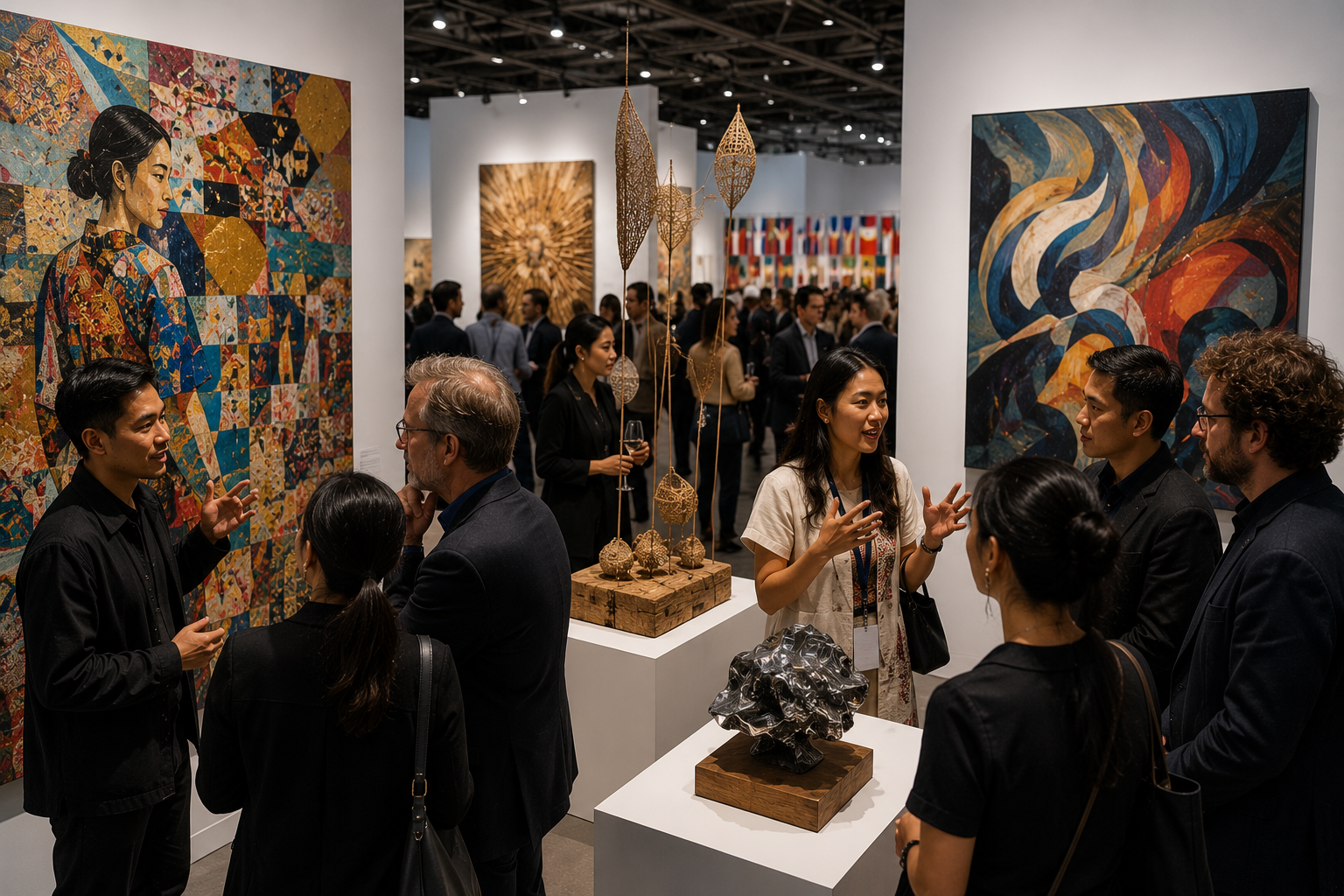
Filipino Artists Showcase Contemporary Works at International Cultural Events
Share
June 08, 2026
Updated Oct 15, 2026
7 min read
351 views
MANILA, Philippines — Filipino artists are gaining increasing recognition on the international stage as they showcase contemporary works at cultural events, exhibitions, art fairs, festivals, and creative forums across the world. Through innovative visual arts, multimedia installations, digital projects, sculpture, photography, performance art, and interdisciplinary creations, Filipino artists are presenting fresh perspectives that highlight both the richness of Philippine culture and the dynamic evolution of contemporary artistic expression.
The growing presence of Filipino artists in international cultural events reflects the continued expansion of the Philippines' creative sector and the increasing global interest in diverse artistic voices. As cultural institutions, galleries, museums, and festival organizers seek to feature artists who offer unique perspectives on identity, society, technology, heritage, and human experience, Filipino creators have emerged as important contributors to global conversations within the arts. Their works often combine local narratives with universal themes, allowing audiences from different cultural backgrounds to connect with their stories and creative visions.
Art experts note that contemporary Filipino artists occupy a distinctive position within the international creative landscape. Many artists draw inspiration from the Philippines' rich history, diverse cultural traditions, and complex social experiences while embracing innovative techniques and modern forms of expression. This combination of tradition and innovation enables Filipino creators to produce works that are both culturally grounded and globally relevant. As a result, their contributions are attracting growing attention from curators, collectors, educators, and audiences worldwide.
International cultural events provide valuable platforms for artists to share their work with broader audiences. These gatherings bring together creators, cultural institutions, scholars, collectors, and art enthusiasts from multiple countries, creating opportunities for collaboration, learning, and exchange. Filipino artists who participate in these events gain exposure to new audiences while contributing to discussions about creativity, cultural identity, and contemporary issues. Organizers frequently highlight the diversity and originality of Filipino artistic contributions as important additions to multicultural programming.
One of the defining characteristics of contemporary Filipino art is its ability to engage with both local and global themes. Many artists explore topics such as migration, cultural identity, environmental sustainability, social change, technology, urbanization, family relationships, and historical memory. These themes resonate strongly with international audiences because they reflect experiences and challenges shared by communities around the world. Through their work, Filipino artists create opportunities for reflection, dialogue, and cross-cultural understanding.
Visual arts remain one of the most prominent forms of Filipino participation in international cultural events. Paintings, sculptures, photography collections, mixed-media installations, and conceptual works frequently attract attention for their technical quality and creative depth. Many exhibitions showcase pieces that reinterpret traditional symbols, cultural narratives, and historical references through contemporary artistic approaches. These works help demonstrate how Philippine culture continues to evolve while maintaining strong connections to its roots.
Digital art and multimedia projects have become increasingly important within the contemporary art scene. Filipino artists are embracing technology as a creative medium, utilizing video, animation, virtual experiences, interactive installations, and digital storytelling techniques to engage audiences in new ways. These innovative approaches reflect broader trends within the global art world while highlighting the adaptability and creativity of Filipino creators. Cultural institutions note that digital art has expanded opportunities for participation and accessibility, allowing artists to reach wider audiences across geographic boundaries.
Photography has also emerged as a powerful medium through which Filipino artists communicate stories about culture, identity, and society. Contemporary photographers capture images that explore everyday life, community experiences, environmental issues, and personal narratives. Their work often provides intimate perspectives on the Philippines while inviting viewers to consider broader questions about humanity and cultural diversity. Photography exhibitions have become increasingly popular at international cultural events because of their ability to combine visual impact with storytelling.
Performance art continues to offer unique opportunities for cultural expression and engagement. Filipino performers frequently incorporate movement, music, spoken word, theater, and multimedia elements into works that explore complex themes and emotions. These performances often encourage direct interaction between artists and audiences, creating memorable experiences that challenge traditional boundaries between creator and observer. Festival organizers recognize performance art as a valuable component of contemporary cultural programming because of its ability to stimulate dialogue and reflection.
Many contemporary Filipino artists draw inspiration from traditional cultural practices while adapting them to modern contexts. Indigenous influences, folk traditions, historical references, and cultural symbols frequently appear within contemporary works, creating meaningful connections between past and present. Artists often view this process as a way of preserving cultural heritage while ensuring that traditions remain relevant within contemporary society. Through creative reinterpretation, they help introduce traditional cultural elements to new generations and international audiences.
The participation of Filipino artists in international cultural events also contributes to cultural diplomacy. Art serves as a powerful tool for fostering understanding and building relationships across different societies. By sharing creative works with global audiences, artists help promote awareness of Philippine culture while encouraging meaningful conversations about shared human experiences. Cultural advocates frequently emphasize that artistic exchange can strengthen international relationships by creating opportunities for empathy, curiosity, and mutual appreciation.
The increasing visibility of Filipino artists has inspired greater interest in Philippine contemporary art among collectors, institutions, and cultural organizations. Galleries and museums around the world are expanding efforts to feature works by Filipino creators, recognizing the value of diverse artistic perspectives within their collections and programs. This growing recognition contributes to broader opportunities for artists while helping strengthen the international profile of Philippine creative industries.
Young artists are playing particularly important roles in shaping the future of contemporary Filipino art. Emerging creators are experimenting with new mediums, technologies, and approaches that reflect changing social and cultural realities. Many are actively participating in international events, digital platforms, collaborative projects, and educational initiatives that connect them with global artistic communities. Their involvement demonstrates the continued vitality and evolution of Philippine creative expression.
Educational institutions have become important supporters of artistic development and international engagement. Universities, art schools, cultural centers, and creative organizations provide training, mentorship, exhibition opportunities, and professional development programs that help artists refine their skills and expand their networks. Partnerships between educational institutions and cultural organizations contribute to stronger creative ecosystems while encouraging innovation and collaboration.
Technology has significantly expanded opportunities for international visibility. Social media platforms, digital galleries, online exhibitions, and virtual cultural events allow artists to share their work with audiences far beyond traditional exhibition spaces. Filipino creators are leveraging these tools to build global followings, connect with collaborators, and participate in international conversations about art and culture. Digital engagement has become an essential component of contemporary artistic practice and promotion.
The economic impact of artistic participation should not be overlooked. Cultural events support creative industries by generating opportunities for artists, curators, educators, designers, event organizers, and related professionals. The growing recognition of Filipino artists contributes to broader creative economy development while demonstrating the value of investing in arts and culture. Community leaders often emphasize that strong creative sectors can contribute positively to both economic growth and cultural preservation.
Many international audiences are drawn to contemporary Filipino art because it offers perspectives that are simultaneously unique and universal. While rooted in specific cultural experiences, the themes explored by Filipino artists often address questions and concerns relevant to people around the world. This balance allows works to resonate across cultural boundaries while maintaining authenticity and cultural significance.
Looking ahead, cultural observers expect Filipino participation in international cultural events to continue expanding. Increased support for creative industries, stronger institutional partnerships, growing digital connectivity, and rising global interest in diverse artistic voices provide favorable conditions for future growth. Artists are expected to explore new mediums, engage with emerging technologies, and participate in even more collaborative international projects.
Ultimately, the success of Filipino artists at international cultural events reflects the strength, diversity, and innovation of contemporary Philippine art. Through creativity, dedication, and cultural engagement, these artists are helping shape global conversations while introducing audiences to the richness of Filipino perspectives and experiences.
As more Filipino creators gain recognition on the world stage, they continue to demonstrate the power of art to transcend borders, connect communities, and inspire understanding. Their achievements not only elevate the visibility of Philippine culture but also reinforce the important role that creativity plays in building bridges between people from different backgrounds. Through their contemporary works, Filipino artists are proudly representing the Philippines while contributing meaningfully to the evolving landscape of global arts and culture.
Enjoyed this story?
Share this story