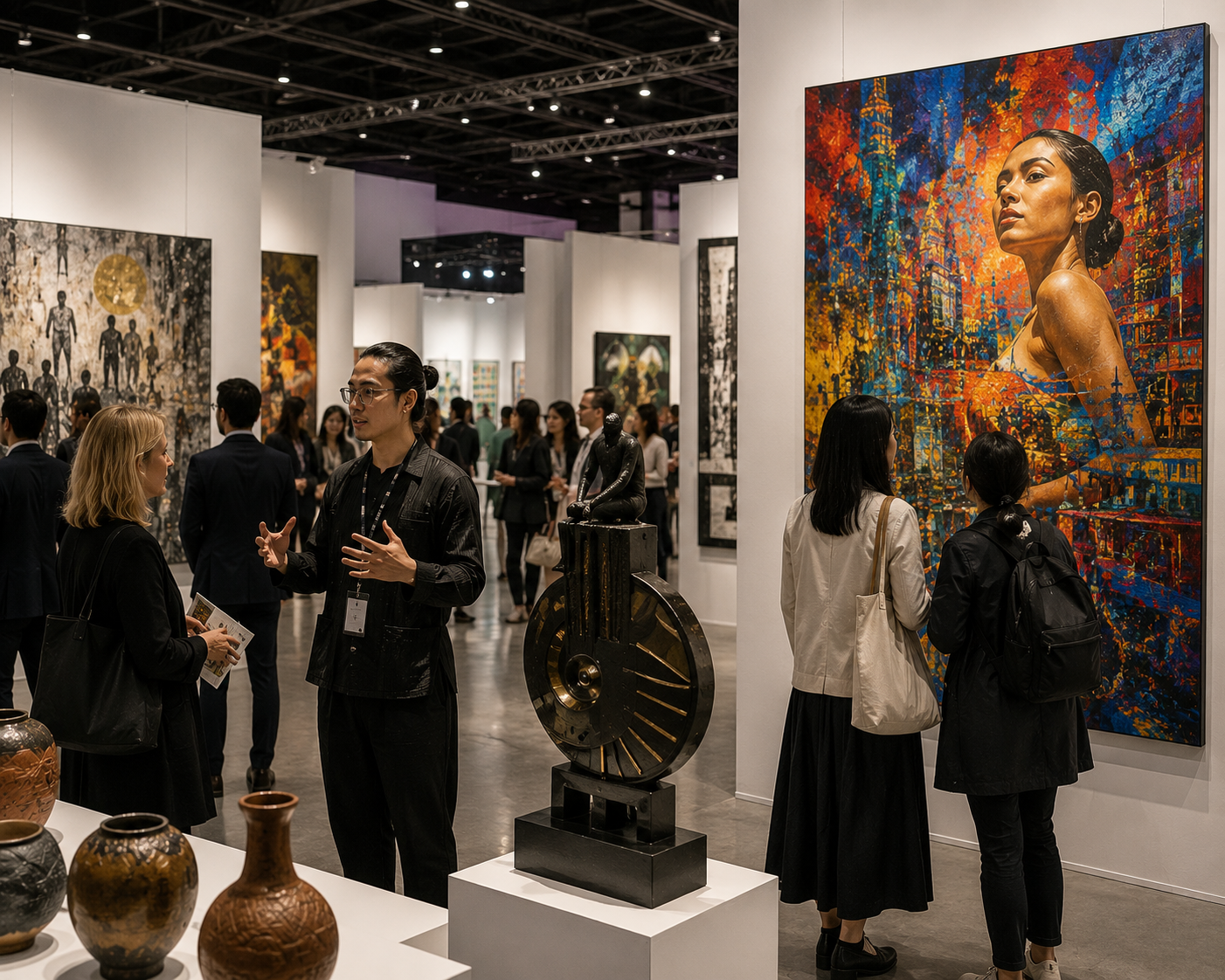
Filipino Artists Showcase Contemporary Works at International Cultural Exhibitions
Share
June 15, 2026
Updated Oct 16, 2026
8 min read
287 views
MANILA, Philippines — Filipino artists are increasingly earning recognition on the global stage as they participate in international cultural exhibitions that highlight contemporary artistic expression, innovation, and cultural storytelling. Through paintings, sculptures, photography, multimedia installations, digital art, performance-based works, and experimental creative projects, Filipino artists are presenting compelling perspectives that resonate with audiences across different countries and cultures while contributing to the growing visibility of Philippine creativity in the international arts community.
The expanding presence of Filipino artists at major exhibitions reflects the continued growth and evolution of the Philippine creative sector. For many years, artists from the Philippines have contributed significantly to regional and international art movements, but recent developments have created new opportunities for broader exposure and engagement. Cultural institutions, galleries, museums, art fairs, academic organizations, and international exhibition platforms are increasingly recognizing the value of diverse artistic voices, allowing Filipino creatives to share their work with audiences far beyond the country's borders.
Contemporary Filipino art is often distinguished by its ability to blend local experiences with universal themes. Artists frequently explore subjects related to identity, migration, family, history, environment, technology, social transformation, and cultural memory. By drawing from personal experiences and broader societal issues, they create works that resonate with international audiences while maintaining strong connections to Philippine culture and heritage. Curators and cultural observers note that this combination of authenticity and relevance contributes significantly to the growing appeal of Filipino contemporary art.
International exhibitions provide valuable opportunities for artists to engage with audiences from different cultural backgrounds. Through these events, artists can present their work within global conversations about creativity, society, and human experience. Exhibition visitors often encounter perspectives that challenge assumptions, encourage reflection, and promote deeper understanding of cultures and communities beyond their own. Filipino artists contribute meaningfully to these exchanges by offering insights shaped by the country's unique historical, cultural, and social contexts.
Many contemporary Filipino artists utilize visual storytelling as a central element of their work. Paintings, photographs, and installations frequently explore narratives related to community life, family relationships, urban development, cultural traditions, and personal identity. These stories provide audiences with opportunities to connect emotionally with experiences that may be unfamiliar while discovering common themes that transcend cultural boundaries. Art professionals emphasize that storytelling remains one of the most powerful aspects of contemporary artistic expression because it fosters empathy and meaningful dialogue.
Digital technologies have expanded creative possibilities for Filipino artists participating in international exhibitions. Digital art, virtual installations, augmented reality experiences, video-based works, and interactive multimedia projects are becoming increasingly common components of contemporary exhibitions. These technologies allow artists to experiment with new forms of expression while reaching audiences through innovative and immersive experiences. Cultural institutions note that digital creativity is helping reshape how art is created, presented, and experienced in the modern era.
Photography has become another influential medium through which Filipino artists share stories and perspectives with international audiences. Contemporary photographers frequently document social issues, cultural practices, environmental changes, urban development, and everyday life, producing powerful visual narratives that encourage reflection and discussion. Through photography, artists capture moments that reveal both the uniqueness of Philippine experiences and the shared realities that connect people across different societies.
Sculpture and installation art have also gained prominence within international exhibition spaces. Filipino artists often utilize a variety of materials and techniques to create works that engage viewers physically and intellectually. These pieces may explore themes related to memory, heritage, sustainability, migration, and cultural transformation while encouraging audiences to interact with space in new and meaningful ways. Curators frequently highlight the innovative approaches Filipino artists bring to contemporary sculptural and installation practices.
The influence of cultural heritage remains evident within much contemporary Filipino art despite its modern forms and themes. Artists frequently draw inspiration from indigenous traditions, local craftsmanship, historical narratives, folklore, and regional identities. Rather than simply replicating traditional forms, many creatives reinterpret cultural elements in ways that reflect contemporary realities. This process helps preserve cultural knowledge while demonstrating its continuing relevance within modern society.
Overseas Filipino artists have become particularly important contributors to international cultural exhibitions. Living and working in different countries often provides unique perspectives that influence creative expression. Many artists explore themes related to migration, belonging, cultural adaptation, and identity formation, offering insights that resonate strongly within increasingly globalized societies. Their work reflects both personal experiences and broader narratives shared by diaspora communities around the world.
International exhibitions also provide opportunities for collaboration among artists, curators, educators, researchers, and cultural organizations. Collaborative projects encourage knowledge exchange, experimentation, and cross-cultural dialogue while helping artists expand professional networks. Many Filipino artists view international participation as opportunities not only to present their work but also to learn from fellow creatives and contribute to broader artistic conversations.
The growing recognition of Filipino artists is supported by cultural institutions that actively promote Philippine creativity abroad. Museums, galleries, cultural centers, educational organizations, and government-supported initiatives play important roles in creating opportunities for international exposure. These institutions help facilitate participation in exhibitions while providing resources that support artistic development and professional growth. Cultural advocates emphasize that institutional support remains essential for sustaining international engagement and expanding opportunities for emerging artists.
Young Filipino artists are increasingly making significant contributions to international exhibitions. Emerging creatives bring fresh perspectives, innovative approaches, and strong engagement with contemporary issues. Many young artists utilize interdisciplinary methods that combine traditional artistic practices with technology, social engagement, and experimental techniques. Their participation demonstrates the vitality and adaptability of the Philippine creative sector while ensuring that new voices continue to shape artistic discourse.
The economic impact of international exhibitions can also be significant for artists and creative industries. Participation often leads to increased visibility, professional opportunities, gallery representation, commissions, and collaborations. Successful exhibitions contribute to career development while supporting broader creative ecosystems that include educators, curators, designers, writers, and cultural entrepreneurs. Industry observers note that international recognition can strengthen the overall competitiveness of the Philippine creative sector.
Art exhibitions frequently serve educational purposes as well. Visitors gain opportunities to learn about cultures, histories, and social issues through artistic interpretation. Filipino artists contribute to this educational function by presenting works that encourage dialogue and exploration. Educational programs associated with exhibitions often include artist talks, workshops, lectures, and discussions that deepen audience engagement while fostering cultural understanding.
The increasing visibility of Filipino art reflects broader global interest in diverse cultural perspectives. International audiences are seeking creative works that offer fresh insights and authentic narratives, and Filipino artists are well-positioned to contribute meaningfully to these conversations. Their work reflects the complexity of contemporary life while drawing upon rich cultural traditions and experiences that resonate across geographic and cultural boundaries.
Many contemporary artists also engage with pressing global issues such as climate change, sustainability, social equity, technological transformation, and cultural preservation. By addressing these topics through artistic expression, they contribute to important public conversations while encouraging audiences to reflect on shared challenges and opportunities. Art professionals note that contemporary art often serves as a catalyst for awareness, dialogue, and critical thinking.
The success of Filipino artists at international exhibitions has generated growing interest among younger generations considering careers in the creative industries. Stories of international recognition and professional achievement provide inspiration for aspiring artists while highlighting the possibilities available within the arts sector. Educators and cultural leaders believe that increased visibility helps encourage greater appreciation for creative careers and artistic development.
Community support also plays an important role in sustaining artistic growth. Families, educators, cultural organizations, collectors, and audiences contribute to environments where creativity can flourish. Many successful artists acknowledge the importance of supportive communities that encourage experimentation, learning, and artistic exploration throughout their careers.
Looking ahead, experts anticipate continued growth in the international presence of Filipino artists as cultural exchanges expand and new exhibition opportunities emerge. Advances in technology, increased collaboration, and broader access to global audiences are expected to create additional pathways for artistic engagement. Cultural stakeholders remain optimistic about the future of Philippine contemporary art and its ability to contribute meaningfully to global cultural conversations.
Ultimately, the participation of Filipino artists in international cultural exhibitions demonstrates the strength, diversity, and creativity of the Philippine artistic community. Through innovative works that explore identity, culture, history, and contemporary life, these artists help share Filipino stories with the world while fostering greater appreciation for Philippine culture and creative excellence.
As international audiences continue to discover and celebrate Filipino contemporary art, the achievements of these artists serve as powerful reminders of the role creativity plays in building understanding across cultures. Their work not only enriches global artistic discourse but also strengthens cultural connections, promotes dialogue, and showcases the remarkable talent that continues to emerge from the Philippines and Filipino communities worldwide.
Enjoyed this story?
Share this story