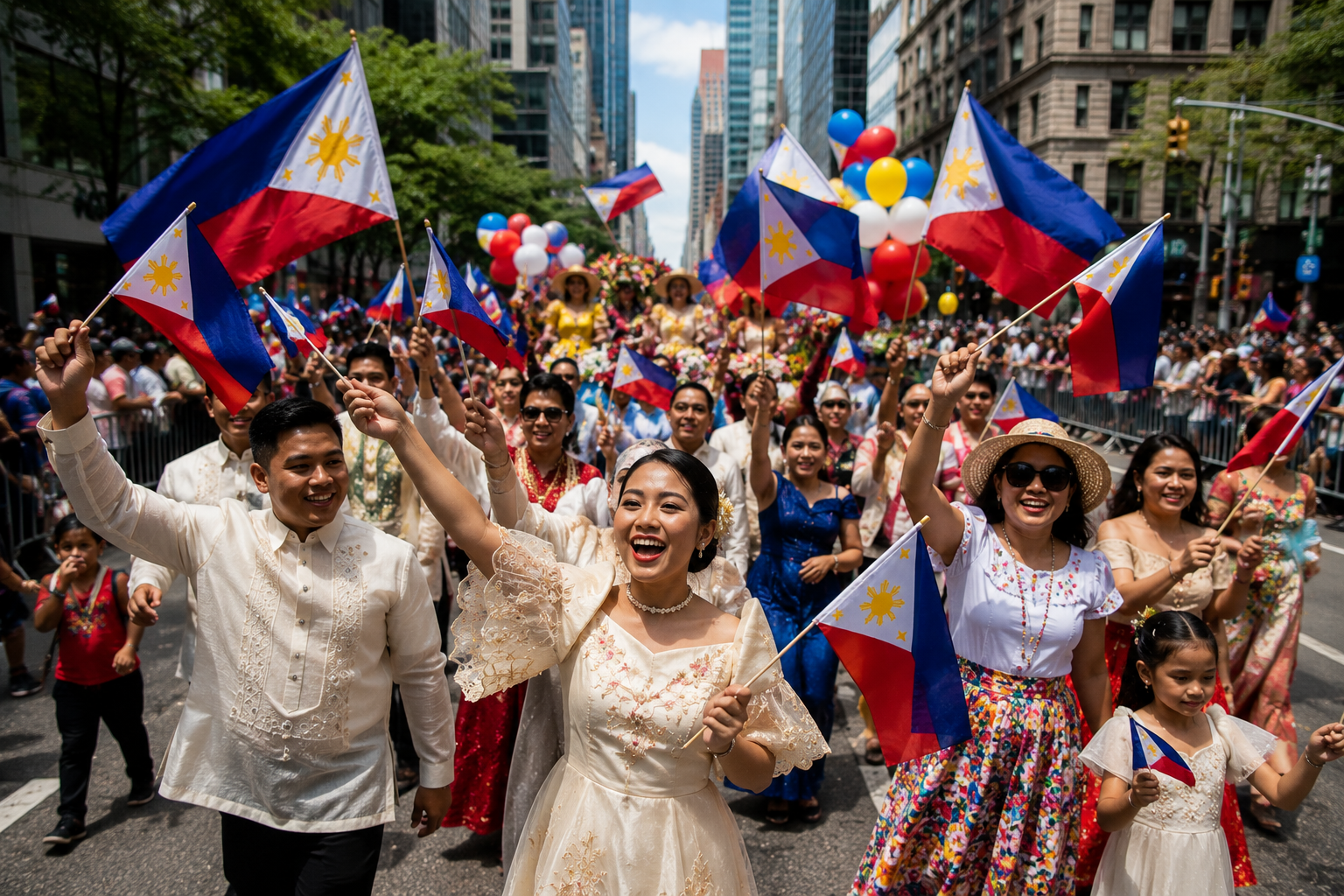
Filipino Communities Abroad Organize Grand Independence Day Celebrations Worldwide
Share
June 05, 2026
Updated Oct 16, 2026
7 min read
686 views
MANILA, Philippines — Filipino communities across the globe are once again preparing for grand Independence Day celebrations as millions of overseas Filipinos gather to commemorate one of the most significant milestones in Philippine history while proudly showcasing their culture, traditions, and shared identity.
From major cities in North America and Europe to thriving Filipino communities across the Middle East, Asia, Australia, and New Zealand, Independence Day celebrations have become powerful expressions of national pride, cultural heritage, and community unity. These events continue to grow in scale and popularity, attracting not only Filipinos but also international audiences interested in learning more about the Philippines and its people.
Community leaders describe Independence Day as more than a historical commemoration.
For many overseas Filipinos, it serves as an opportunity to reconnect with their roots, celebrate their achievements abroad, and strengthen relationships within their communities. It is also a time to honor the sacrifices of previous generations who fought for freedom and helped shape the nation’s identity.
Throughout the year, Filipino organizations abroad conduct cultural, educational, charitable, and social activities. However, Independence Day remains one of the most anticipated celebrations within the global Filipino calendar.
Preparations often begin months in advance as community groups, cultural organizations, youth associations, businesses, embassies, and volunteers work together to organize events that reflect the significance of the occasion.
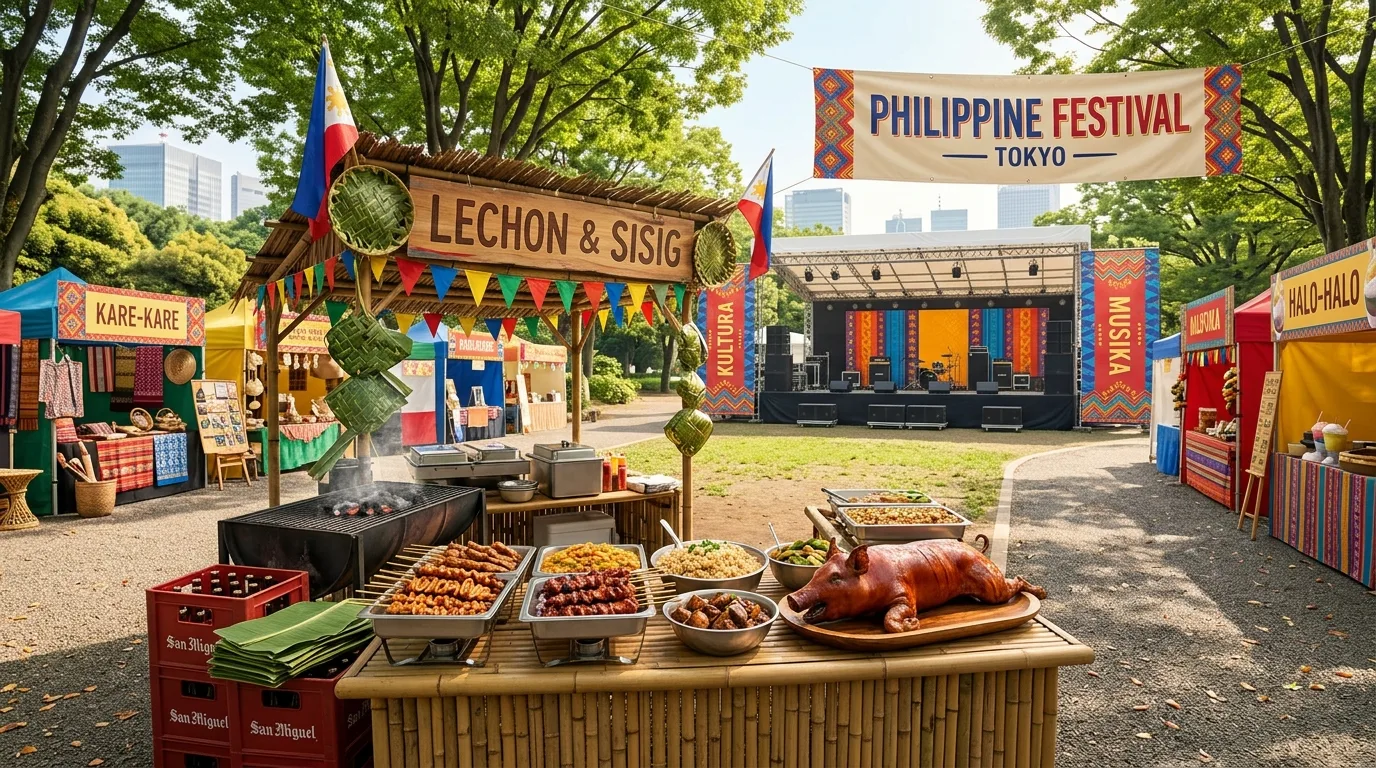
Large public gatherings frequently feature cultural performances, parades, traditional music, folk dances, culinary showcases, educational exhibits, and community recognition programs.
These activities provide opportunities for Filipinos of all ages to participate while sharing their heritage with broader audiences.
Many organizers emphasize the importance of creating inclusive celebrations that appeal to both older generations and younger Filipinos born or raised overseas.
One of the most visible aspects of Independence Day celebrations is the display of Filipino culture through music and dance.
Traditional performances inspired by regional customs, indigenous traditions, and historical narratives are commonly featured during events.
Dance troupes often perform routines representing various provinces and cultural groups throughout the Philippines.
Colorful costumes, live music, and artistic presentations help bring Philippine heritage to life for audiences.
Visitors frequently describe these performances as among the most memorable parts of community celebrations.
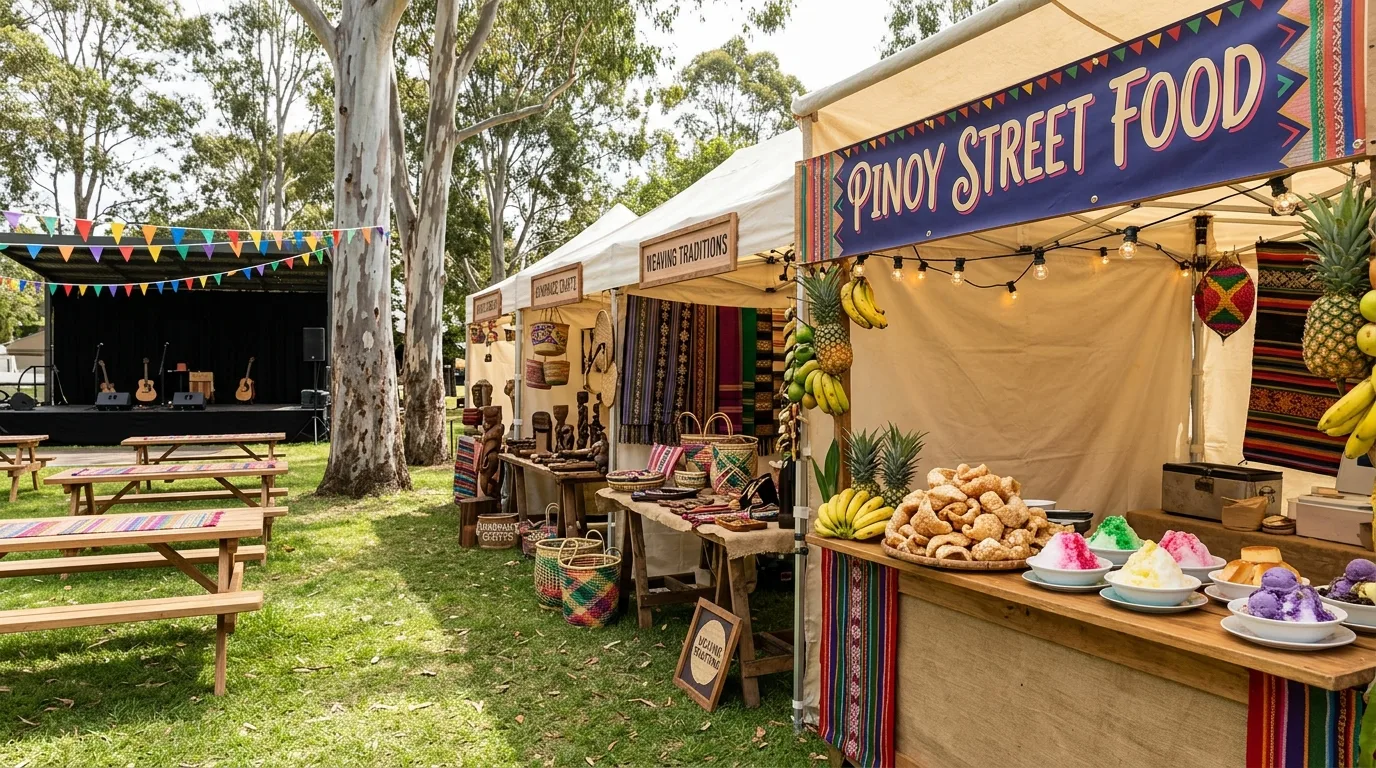
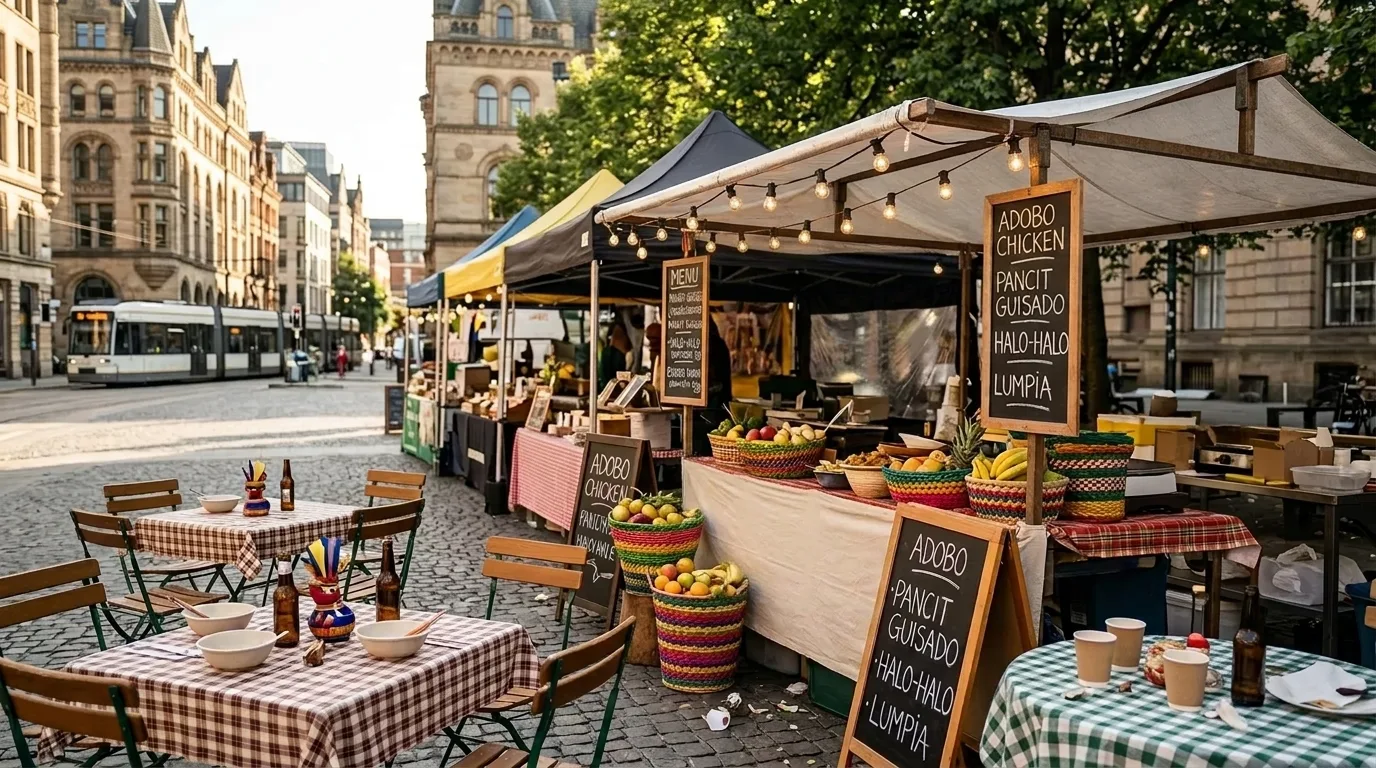
Food also plays a central role in Independence Day events.
Filipino cuisine has gained increasing international recognition in recent years, and celebrations provide opportunities to showcase traditional dishes and regional specialties.
Community festivals often feature food markets, cooking demonstrations, cultural dining experiences, and culinary competitions.
Popular dishes such as adobo, lechon, pancit, lumpia, kare-kare, sisig, halo-halo, bibingka, and numerous regional delicacies attract enthusiastic crowds.
Many attendees view food as one of the most effective ways to connect with culture and tradition.
Community leaders note that culinary experiences frequently serve as introductions to Filipino heritage for non-Filipino visitors.
The growing popularity of Filipino cuisine globally has contributed significantly to increased interest in cultural events and celebrations.
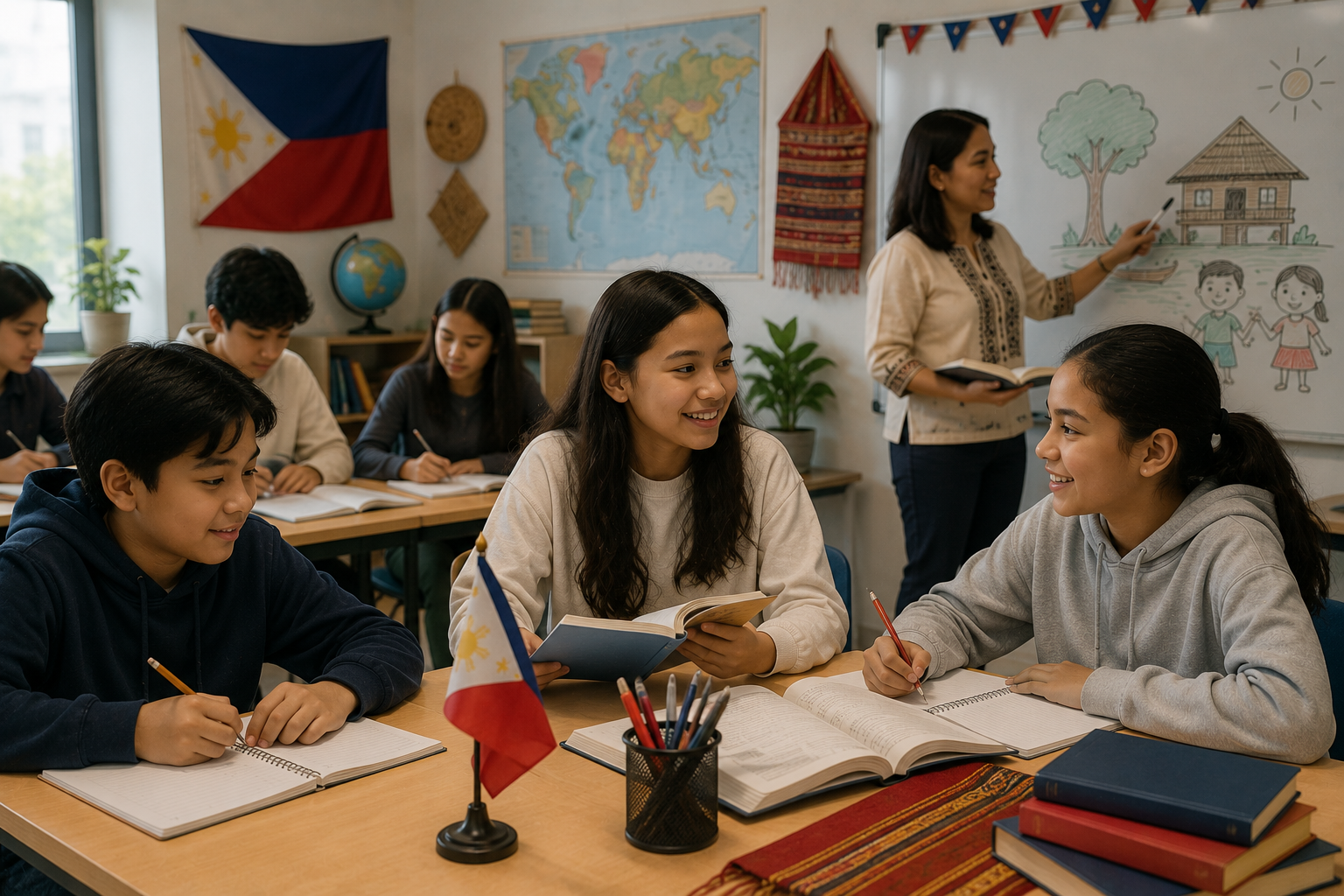
Cultural education has become another important focus of Independence Day programs.
Many organizations incorporate historical exhibits, heritage presentations, storytelling sessions, language activities, and educational workshops into their events.
These initiatives help younger generations understand the significance of Independence Day while learning about Philippine history, culture, and values.
Educators and community advocates believe cultural education is essential for preserving identity across generations.
For many Filipino families living abroad, community celebrations provide opportunities to reinforce cultural knowledge and strengthen family connections.
Youth participation continues to play a crucial role in the success of these events.
Young Filipinos are increasingly involved in organizing celebrations, coordinating volunteers, managing digital outreach, and participating in cultural presentations.
Many community leaders view youth engagement as essential to ensuring the long-term sustainability of Filipino cultural traditions abroad.
By taking active leadership roles, younger generations help preserve heritage while introducing new ideas and perspectives.
Technology has transformed how Independence Day celebrations are organized and shared.
Social media platforms, livestreams, digital campaigns, and online cultural content allow communities to engage audiences far beyond physical event locations.
Filipinos who cannot attend celebrations in person can participate virtually and remain connected to their communities.
Digital platforms have also helped increase awareness among international audiences interested in Philippine culture.
Photos, videos, and livestream broadcasts frequently attract thousands of viewers from different parts of the world.
The visibility generated through these platforms continues to strengthen the global profile of Filipino communities.
Independence Day celebrations also serve as important opportunities for community building.
Many overseas Filipinos face challenges associated with migration, cultural adaptation, and maintaining connections to their homeland.
Community gatherings provide spaces where individuals can share experiences, build friendships, and support one another.
Organizers frequently describe these events as expressions of bayanihan—the enduring Filipino tradition of cooperation and mutual support.
The spirit of bayanihan is evident in the countless volunteers who contribute time, skills, and resources to ensure successful celebrations.
Volunteerism remains one of the defining characteristics of Filipino community events worldwide.
Business leaders and entrepreneurs frequently contribute through sponsorships, donations, and participation in community programs.
Their support helps fund cultural activities, educational initiatives, scholarships, and charitable projects associated with Independence Day celebrations.
Many businesses view their involvement as a way to give back to the communities that have supported their success.
The economic impact of major celebrations can also be significant.
Large-scale events generate opportunities for food vendors, performers, artists, cultural organizations, transportation providers, and small businesses.
Community festivals often attract visitors from neighboring cities and regions, increasing economic activity while promoting local tourism.
Tourism agencies and cultural advocates increasingly recognize overseas Filipino celebrations as valuable platforms for promoting the Philippines internationally.
Many events feature destination exhibits, tourism information, and cultural showcases that encourage visitors to learn more about the country.
International attendees frequently express interest in traveling to the Philippines after experiencing aspects of Filipino culture through community celebrations.
As a result, Independence Day events contribute not only to cultural preservation but also to destination promotion.
Multicultural participation has become increasingly common.
Many celebrations welcome attendees from diverse cultural backgrounds who are interested in learning about Filipino traditions.
These interactions promote cultural understanding, friendship, and mutual respect while strengthening the Philippines' reputation as a nation known for hospitality and inclusiveness.
Community leaders believe such exchanges help build stronger and more connected societies.
Government representatives, diplomats, and community leaders often participate in ceremonies that recognize the contributions of overseas Filipinos.
These programs highlight achievements in education, healthcare, technology, entrepreneurship, public service, arts, and numerous other fields.
Recognition ceremonies remind participants of the important role Filipinos continue to play in communities around the world.
Observers note that these accomplishments contribute positively to the global image of the Philippines.
The continued growth of Independence Day celebrations reflects the increasing influence and visibility of the Filipino diaspora.
Today, Filipino communities are among the most active and organized cultural groups in many parts of the world.
Their ability to preserve traditions while adapting to diverse cultural environments demonstrates remarkable resilience and creativity.
Community leaders believe these strengths will continue supporting future generations.
Looking ahead, organizers anticipate even larger celebrations as interest in Filipino culture continues to expand.
Plans for enhanced programming, stronger youth engagement, increased digital participation, and broader international collaboration are already being discussed by community organizations worldwide.
Many stakeholders remain committed to ensuring that future celebrations remain inclusive, meaningful, and culturally authentic.
Ultimately, the significance of Independence Day extends far beyond historical remembrance.
It represents a celebration of identity, resilience, heritage, and shared aspirations.
For millions of Filipinos living abroad, these gatherings provide opportunities to honor the past while building stronger communities for the future.
Every performance, cultural exhibit, community meal, and act of volunteerism contributes to a larger story of unity and pride.
As Filipino communities continue organizing grand Independence Day celebrations around the world, they reaffirm the enduring connection between Filipinos and their homeland.
No matter where they live, work, or raise their families, overseas Filipinos remain united by a common heritage and a deep appreciation for the values that define the Filipino spirit.
Through culture, community, and celebration, they continue to honor the meaning of independence while sharing the beauty of Philippine heritage with the world.
Enjoyed this story?
Share this story