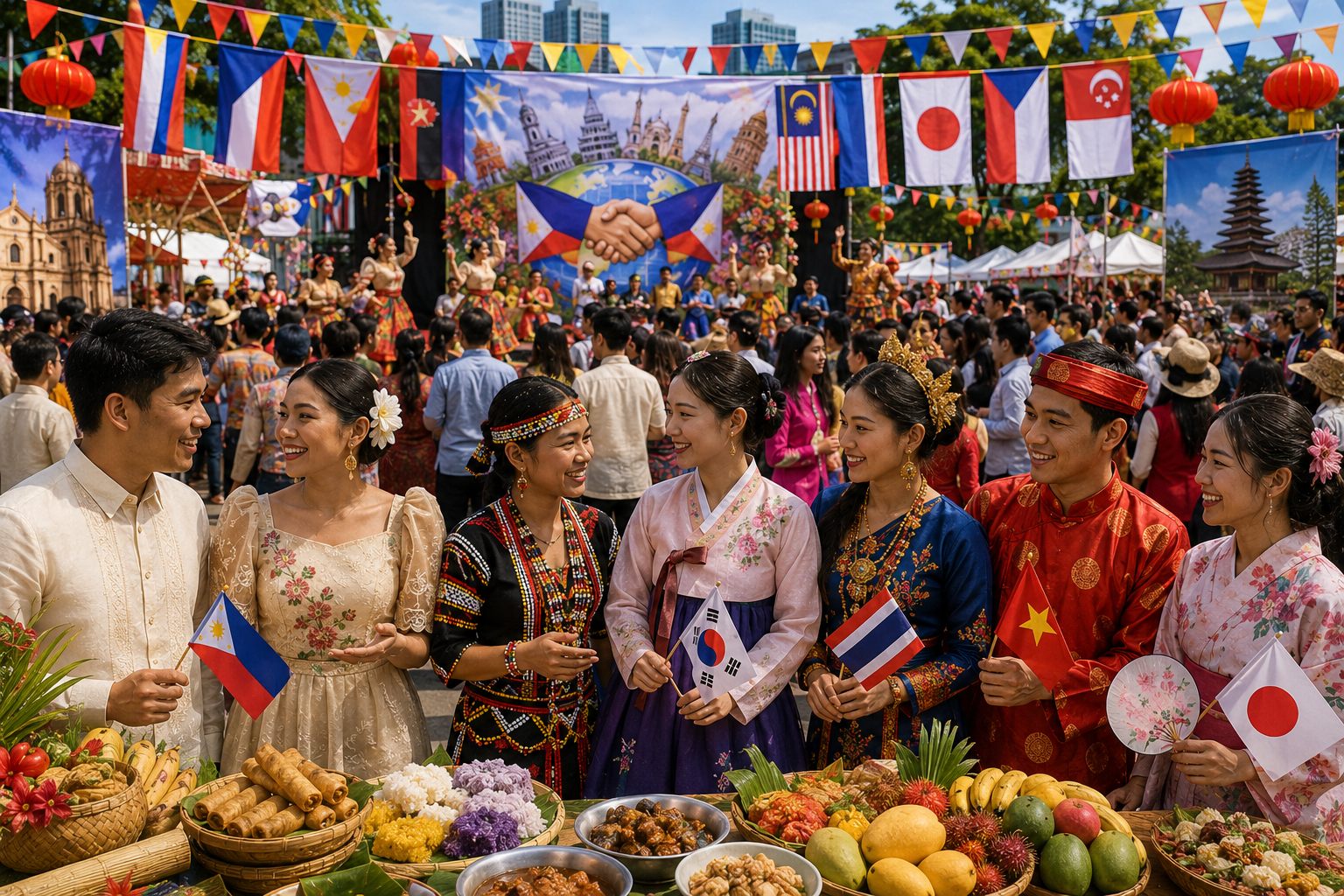
Filipino Communities Across Asia Organize Cross-Cultural Friendship Festival
Share
June 17, 2026
Updated Oct 16, 2026
8 min read
253 views
MANILA, Philippines — Filipino communities throughout Asia are increasingly organizing cross-cultural friendship festivals that bring together people from diverse nationalities, traditions, and backgrounds in celebration of cultural understanding, cooperation, and community engagement. These festivals, which are being held in countries such as Japan, Singapore, South Korea, Malaysia, Thailand, Hong Kong, Taiwan, the United Arab Emirates, and other parts of the region, are becoming important platforms for strengthening relationships among communities while promoting appreciation for the rich cultural heritage of the Philippines and neighboring Asian nations.
As globalization continues to create stronger connections among countries and cultures, overseas Filipino communities have embraced opportunities to serve as cultural ambassadors who help foster understanding and friendship among people from different backgrounds. Through carefully organized cultural festivals, Filipino organizations are creating welcoming environments where traditions can be shared, stories can be exchanged, and meaningful relationships can be developed. Community leaders note that these gatherings reflect the enduring Filipino values of hospitality, inclusivity, and cooperation while contributing positively to multicultural societies across Asia.
The growing popularity of cross-cultural friendship festivals reflects the increasingly diverse communities found throughout the region. Many cities across Asia are home to international populations composed of workers, students, entrepreneurs, professionals, and families from numerous countries. Within these multicultural environments, cultural festivals provide valuable opportunities for individuals to learn about traditions different from their own while developing greater appreciation for cultural diversity. Organizers emphasize that such events contribute to stronger social cohesion and more inclusive communities.
Filipino communities have become particularly active in promoting cultural exchange through festival programming that highlights both Philippine heritage and the traditions of host countries. Rather than focusing solely on Filipino culture, many friendship festivals are designed to encourage participation from multiple cultural groups, creating spaces where traditions can be celebrated collectively. This collaborative approach allows participants to explore common values while appreciating the unique characteristics of different cultures.
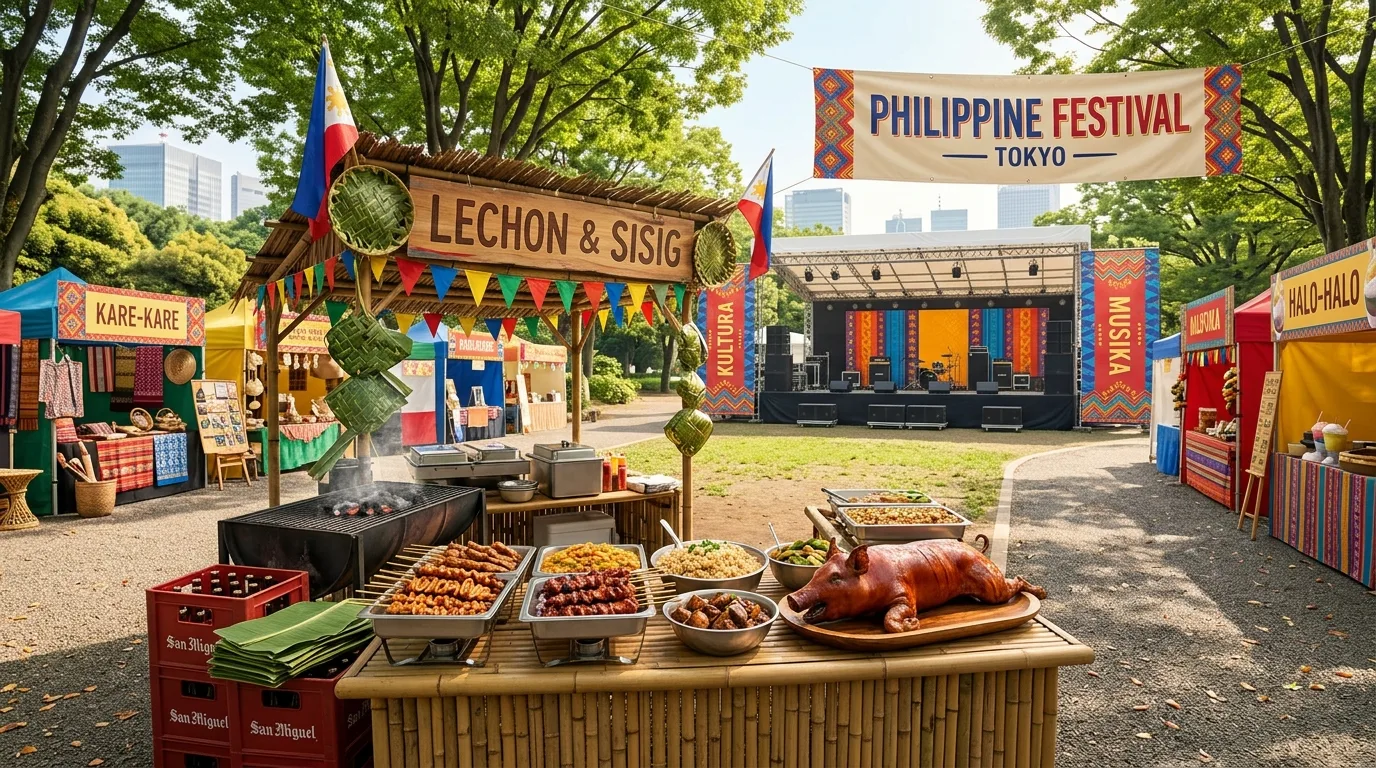
Traditional Filipino performances often serve as highlights of these festivals. Cultural groups present folk dances, musical performances, traditional attire, and artistic displays that showcase the diversity of Philippine heritage. Performances such as Tinikling, Singkil, Pandanggo sa Ilaw, and other regional dances frequently captivate audiences while providing educational insights into Philippine history and cultural traditions. Organizers note that these artistic presentations often spark conversations that lead to deeper cultural understanding.
Music plays an equally important role in fostering connections during friendship festivals. Filipino musicians frequently collaborate with performers from other Asian communities to create programs that blend different musical traditions and styles. These collaborative performances demonstrate how artistic expression can transcend cultural and linguistic differences while creating memorable experiences for audiences. Community leaders view music as one of the most effective tools for building bridges among people from diverse backgrounds.
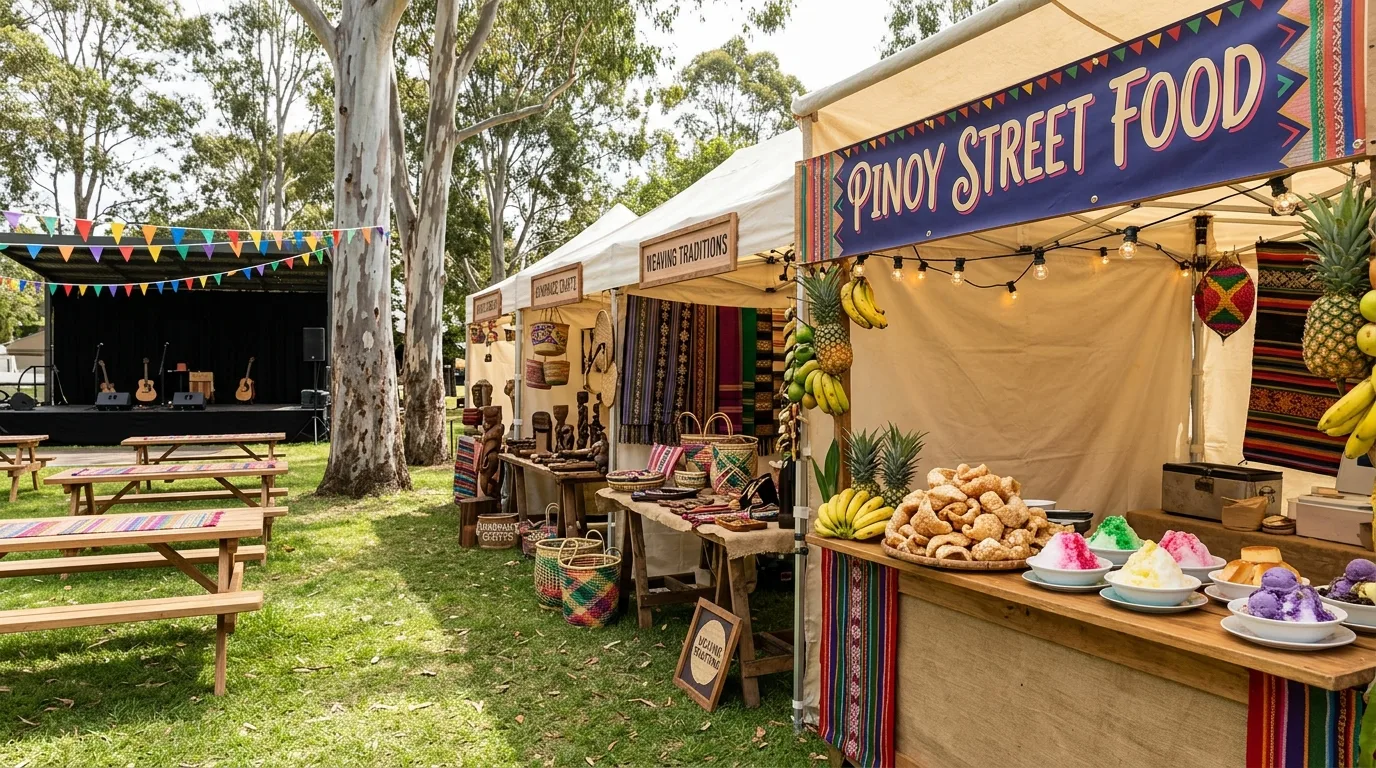
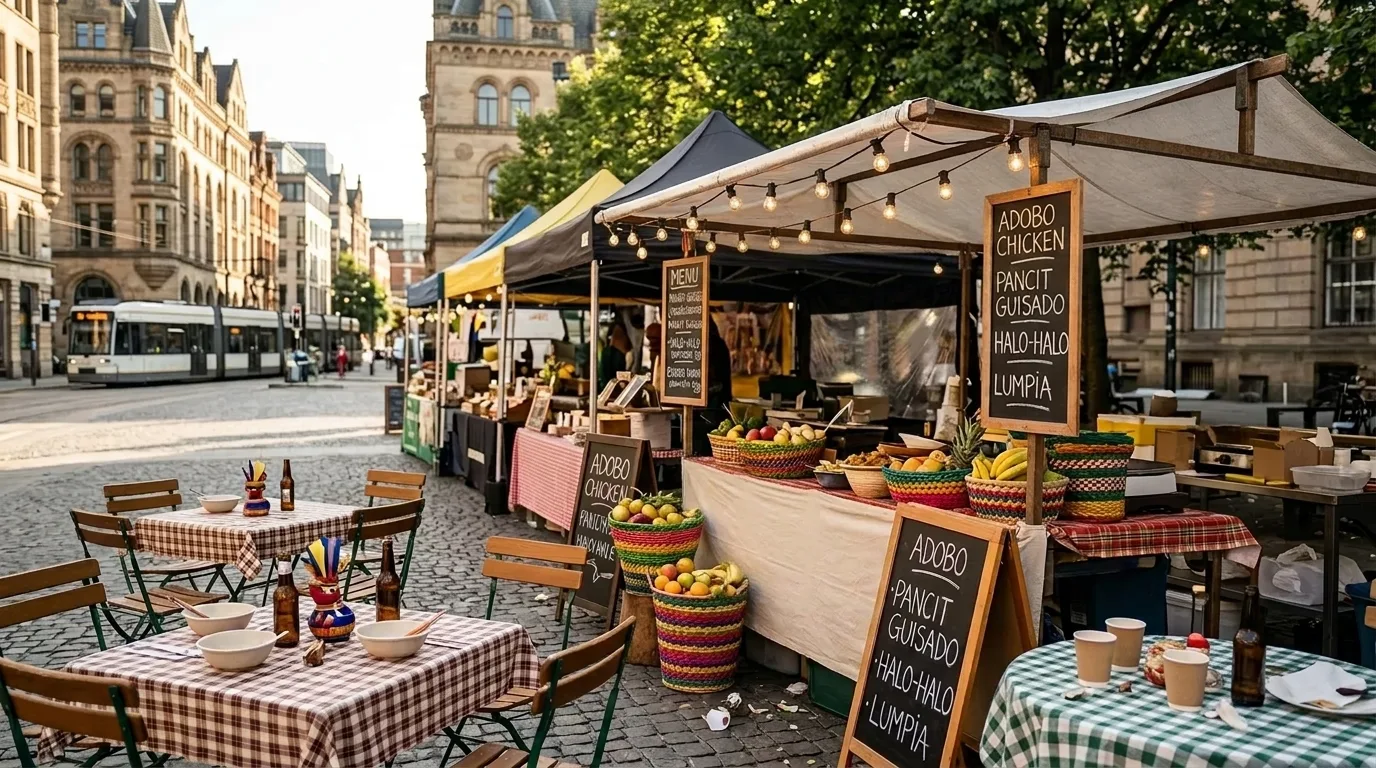
Food remains one of the most popular attractions at cross-cultural friendship festivals. Filipino dishes such as adobo, pancit, lumpia, lechon, halo-halo, and regional specialties are often featured alongside cuisines from host countries and other participating communities. Food stalls and culinary demonstrations provide opportunities for attendees to experience a variety of flavors while learning about the traditions and stories associated with different dishes. Organizers frequently describe food as a universal language that encourages interaction and cultural exploration.
Educational exhibits have become increasingly important components of friendship festivals. Displays highlighting Philippine history, indigenous cultures, regional traditions, languages, literature, and artistic heritage help visitors gain a broader understanding of the country's cultural landscape. Similar exhibits from other participating communities encourage reciprocal learning and cultural exchange. Community organizers believe that education strengthens the impact of festivals by providing context and encouraging meaningful engagement with cultural content.
The involvement of young people has become a major factor in the success of many cross-cultural festivals. Youth volunteers, performers, and organizers play active roles in planning and executing events while bringing fresh perspectives and innovative ideas to cultural programming. Community leaders emphasize that youth participation is essential for ensuring the continuity of cultural exchange initiatives and fostering future generations of globally minded community leaders.
Many friendship festivals include workshops and interactive activities that encourage direct participation from attendees. Language lessons, cultural games, traditional crafts, dance demonstrations, and storytelling sessions allow participants to engage with cultural traditions in hands-on ways. These interactive experiences help create lasting impressions while encouraging meaningful dialogue among individuals from different cultural backgrounds.
The spirit of bayanihan is often evident throughout the organization of these festivals. Filipino community organizations frequently collaborate with local governments, schools, cultural institutions, businesses, and volunteer groups to coordinate activities and support event logistics. These partnerships demonstrate the value of cooperation and collective action while strengthening relationships among diverse stakeholders. Organizers note that the collaborative nature of friendship festivals reflects the very principles they seek to promote.
Many festivals also incorporate community service and charitable activities into their programming. Fundraising efforts, donation drives, educational initiatives, and volunteer projects often accompany cultural celebrations, creating opportunities for participants to contribute positively to local communities. Organizers believe that combining cultural exchange with community service helps reinforce shared values while generating tangible social benefits.
Technology has significantly expanded the reach and impact of friendship festivals. Social media campaigns, livestreamed performances, digital exhibitions, and online engagement initiatives allow organizers to connect with audiences beyond physical event locations. These tools help preserve cultural content, increase accessibility, and encourage participation from individuals who may not be able to attend in person. Community leaders view digital platforms as important complements to traditional cultural programming.
The economic benefits of friendship festivals are also becoming increasingly apparent. Cultural events often support local businesses, food vendors, artisans, performers, and entrepreneurs while attracting visitors to host communities. Many Filipino-owned enterprises participate in festivals as opportunities to showcase products and services while engaging with broader audiences. Organizers note that cultural celebrations can contribute positively to local economic activity while promoting cultural awareness.
For many Overseas Filipinos, friendship festivals provide opportunities to maintain strong connections to their cultural heritage while embracing the multicultural environments in which they live. Participants frequently describe these events as meaningful reminders of home and identity while also serving as platforms for building new friendships and expanding cultural horizons. Community advocates believe that such experiences contribute positively to personal well-being and social integration.
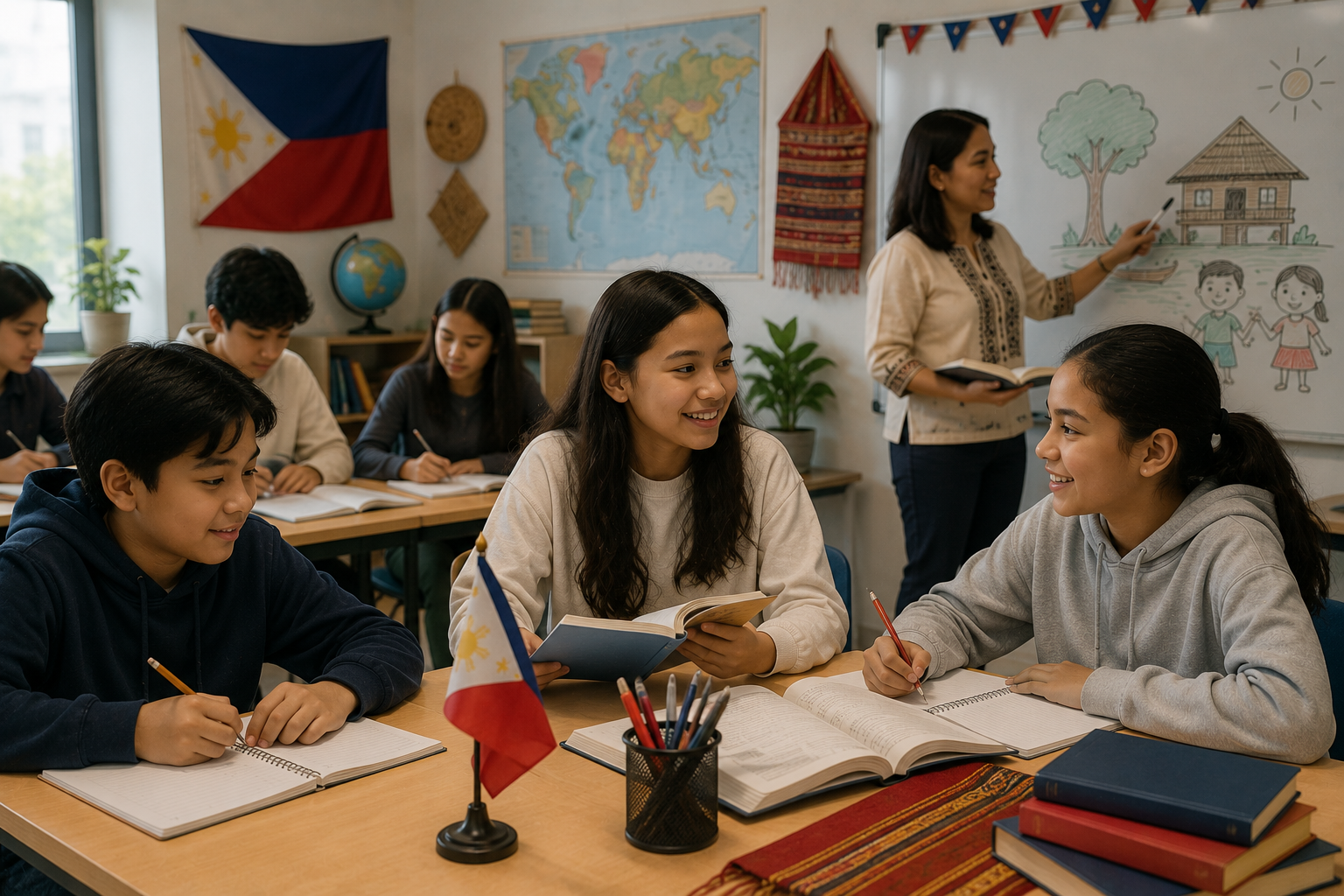
Educational institutions across Asia have increasingly recognized the value of cross-cultural friendship festivals. Schools and universities often partner with community organizations to promote cultural learning, diversity awareness, and global citizenship. Students who participate in these events gain exposure to different perspectives and traditions, helping them develop intercultural competence and appreciation for cultural diversity.
The success of friendship festivals has encouraged many communities to expand their programming and increase collaboration with other cultural groups. Organizers are exploring new approaches that incorporate contemporary arts, digital technologies, youth leadership initiatives, and educational innovations while maintaining strong connections to traditional cultural practices. These developments reflect a commitment to ensuring that cultural exchange remains relevant and engaging for future generations.
Community leaders report that attendance and participation continue to grow as more people recognize the value of cultural exchange and international friendship. The positive response from both Filipino communities and host societies demonstrates widespread interest in initiatives that promote understanding, respect, and collaboration. Organizers remain optimistic that friendship festivals will continue to play important roles in strengthening multicultural communities throughout Asia.
The diversity represented at these festivals serves as a powerful reminder of the shared humanity that connects people across cultures. While traditions, languages, and customs may differ, participants often discover common values related to family, community, education, creativity, and mutual respect. These shared experiences help break down barriers while fostering empathy and understanding among individuals from different backgrounds.
Looking ahead, Filipino community organizations are expected to continue expanding friendship festival initiatives through new partnerships, educational programs, and cultural collaborations. As international mobility and multicultural interaction increase throughout Asia, opportunities for cultural exchange are likely to grow as well. Community leaders remain committed to creating inclusive spaces where people can celebrate diversity while building meaningful relationships.
Ultimately, the success of cross-cultural friendship festivals organized by Filipino communities demonstrates the important role that cultural exchange can play in strengthening societies and promoting international understanding. Through music, food, art, education, and community engagement, these festivals create opportunities for individuals to learn from one another while celebrating the rich traditions that make each culture unique.
As Filipino communities continue to thrive across Asia, their efforts to promote friendship, cooperation, and cultural appreciation serve as inspiring examples of how diversity can become a source of strength and unity. Through these festivals, participants are not only preserving cultural heritage but also building bridges that connect communities, foster understanding, and contribute to a more inclusive and harmonious future for all.
Enjoyed this story?
Share this story