Filipino Communities Across Asia Organize Cross-Cultural Friendship Festivals
Share
June 13, 2026
Updated Oct 16, 2026
7 min read
276 views
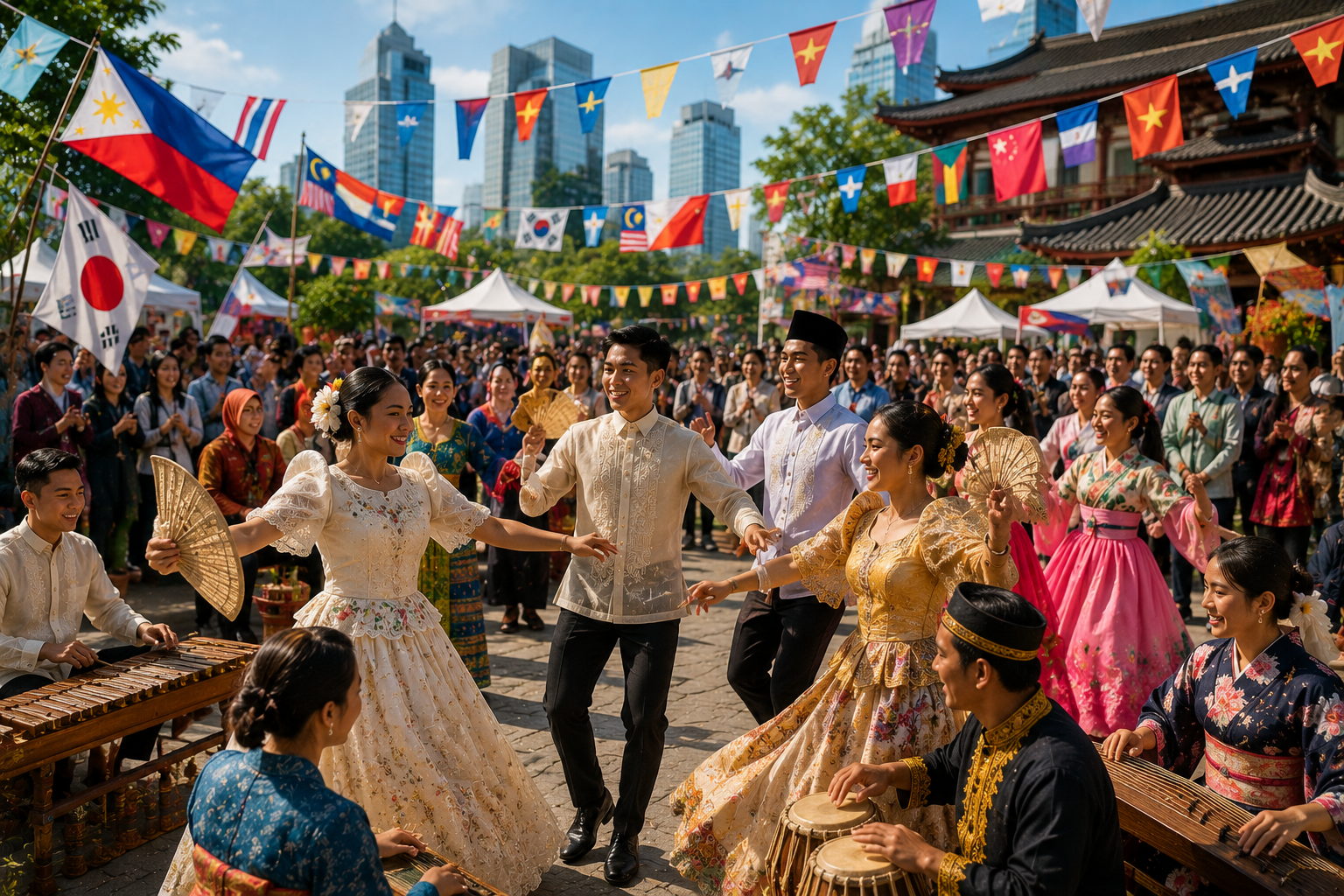
MANILA, Philippines — Filipino communities throughout Asia are strengthening cultural connections and promoting international understanding through a growing number of cross-cultural friendship festivals designed to celebrate diversity, encourage community engagement, and foster meaningful relationships among people from different cultural backgrounds. These events, organized in major cities across the region, have become important platforms for cultural exchange, bringing together Filipino residents, local communities, international organizations, and cultural groups in celebrations that highlight shared values while respecting cultural differences.
As migration, education, business, and professional opportunities continue to connect people across Asian countries, multicultural communities have become increasingly common. Filipino communities in nations such as Singapore, Japan, South Korea, Malaysia, Thailand, Vietnam, Indonesia, Hong Kong, Taiwan, and the United Arab Emirates have responded to this growing diversity by organizing events that encourage cultural dialogue and cooperation. Community leaders note that friendship festivals provide opportunities for people from different backgrounds to interact in positive and meaningful ways while learning about each other's traditions, customs, and experiences.
The concept of cross-cultural friendship festivals reflects the long-standing Filipino values of hospitality, openness, and community building. Organizers emphasize that these events are not only celebrations of Filipino culture but also opportunities to recognize and appreciate the rich diversity found throughout Asia. By creating spaces where different cultures can be shared and explored, festival organizers hope to strengthen social connections and contribute to greater intercultural understanding within increasingly diverse communities.
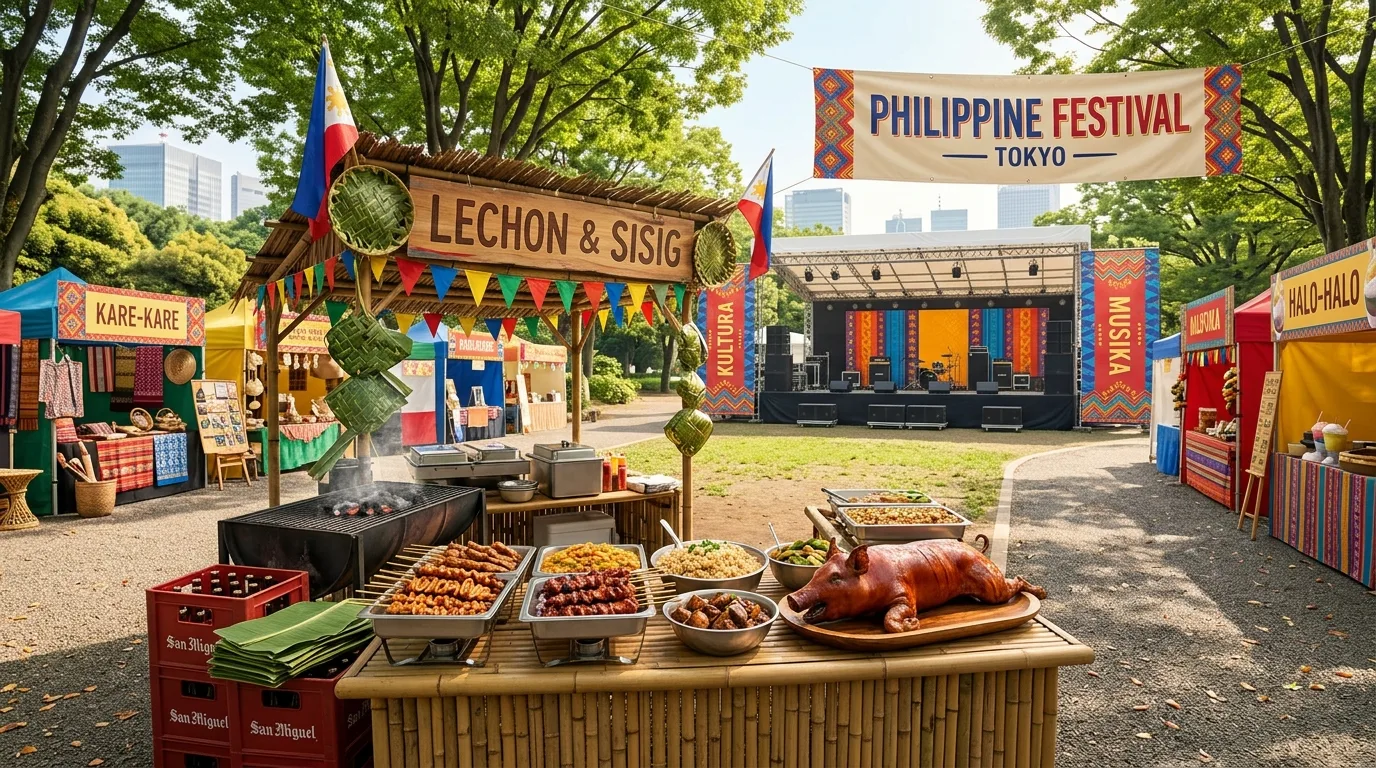
One of the defining features of these festivals is the emphasis on cultural exchange rather than cultural presentation alone. While Filipino traditions remain important components of the events, organizers intentionally invite participation from multiple cultural groups. Traditional performances, music showcases, dance presentations, and artistic exhibitions often feature representatives from different countries, allowing attendees to experience a variety of cultural expressions within a single event. This approach encourages mutual appreciation while demonstrating the value of cultural diversity.
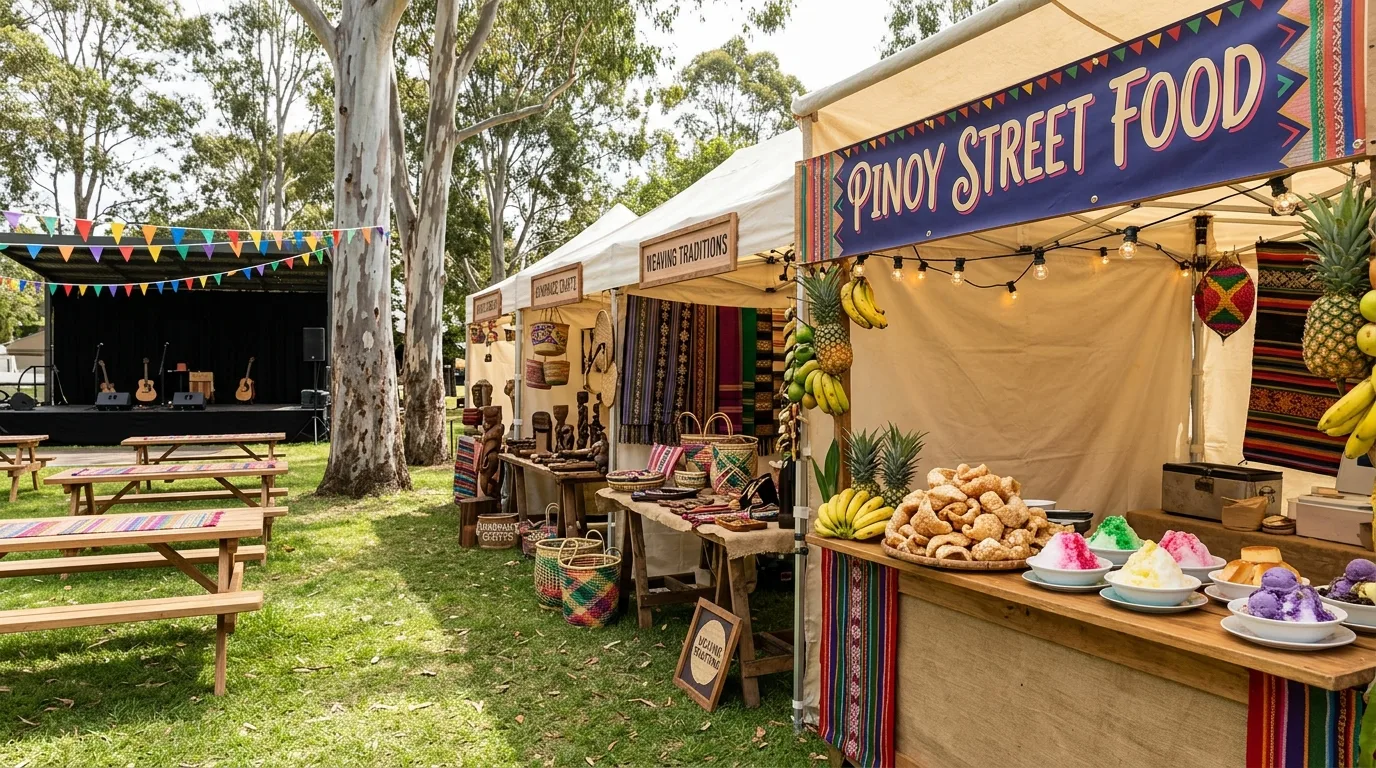
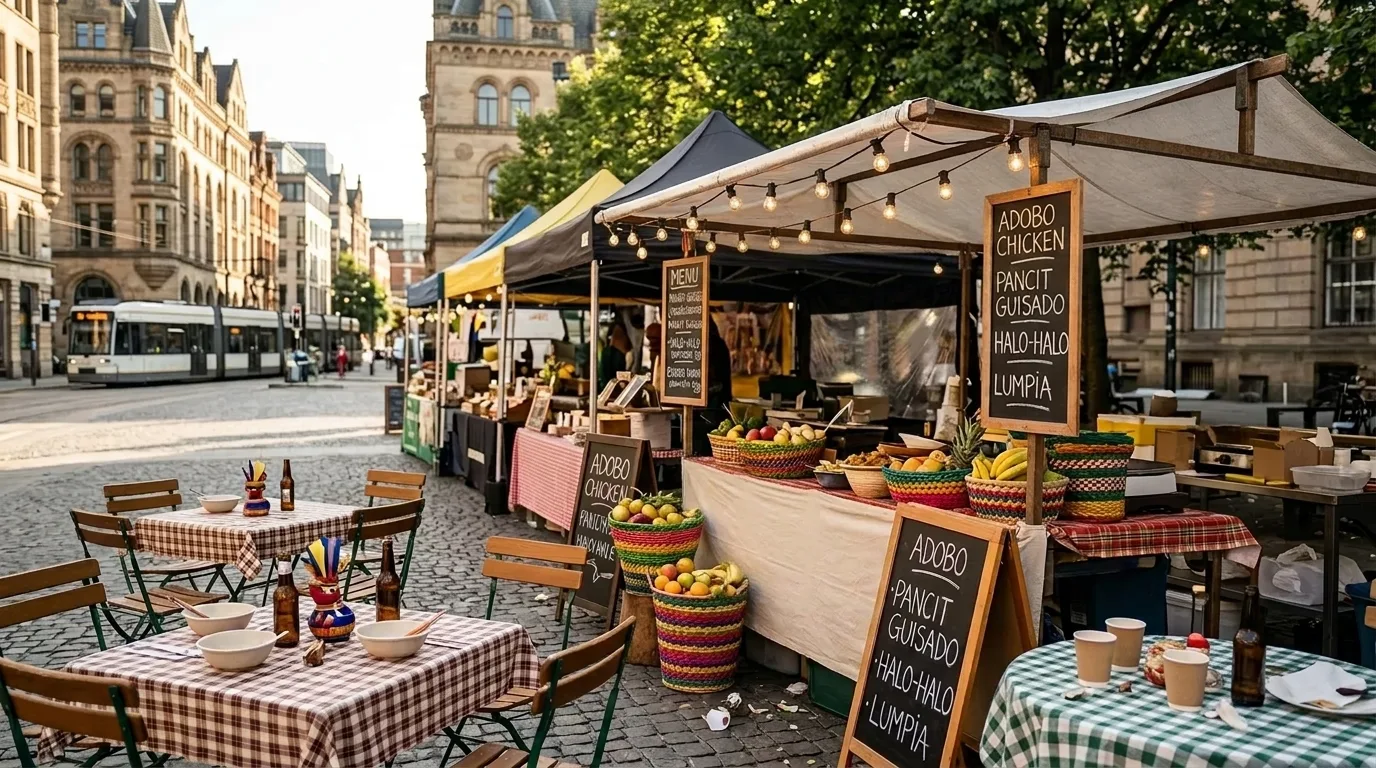
Food festivals have become among the most popular attractions within these friendship celebrations. Culinary experiences provide accessible and enjoyable opportunities for participants to explore different cultures through traditional dishes, cooking demonstrations, and shared meals. Filipino cuisine is often presented alongside food from other Asian cultures, creating vibrant environments where visitors can discover similarities and differences among culinary traditions. Organizers frequently note that food serves as one of the most effective tools for bringing people together and initiating conversations across cultural boundaries.
Traditional music and dance performances continue to play central roles in festival programming. Filipino folk dances, contemporary cultural performances, and musical presentations are often complemented by performances from other participating communities. These artistic exchanges provide opportunities for audiences to experience cultural traditions firsthand while creating moments of shared enjoyment and appreciation. Community leaders believe that the performing arts help communicate cultural stories and values in ways that resonate across linguistic and national differences.
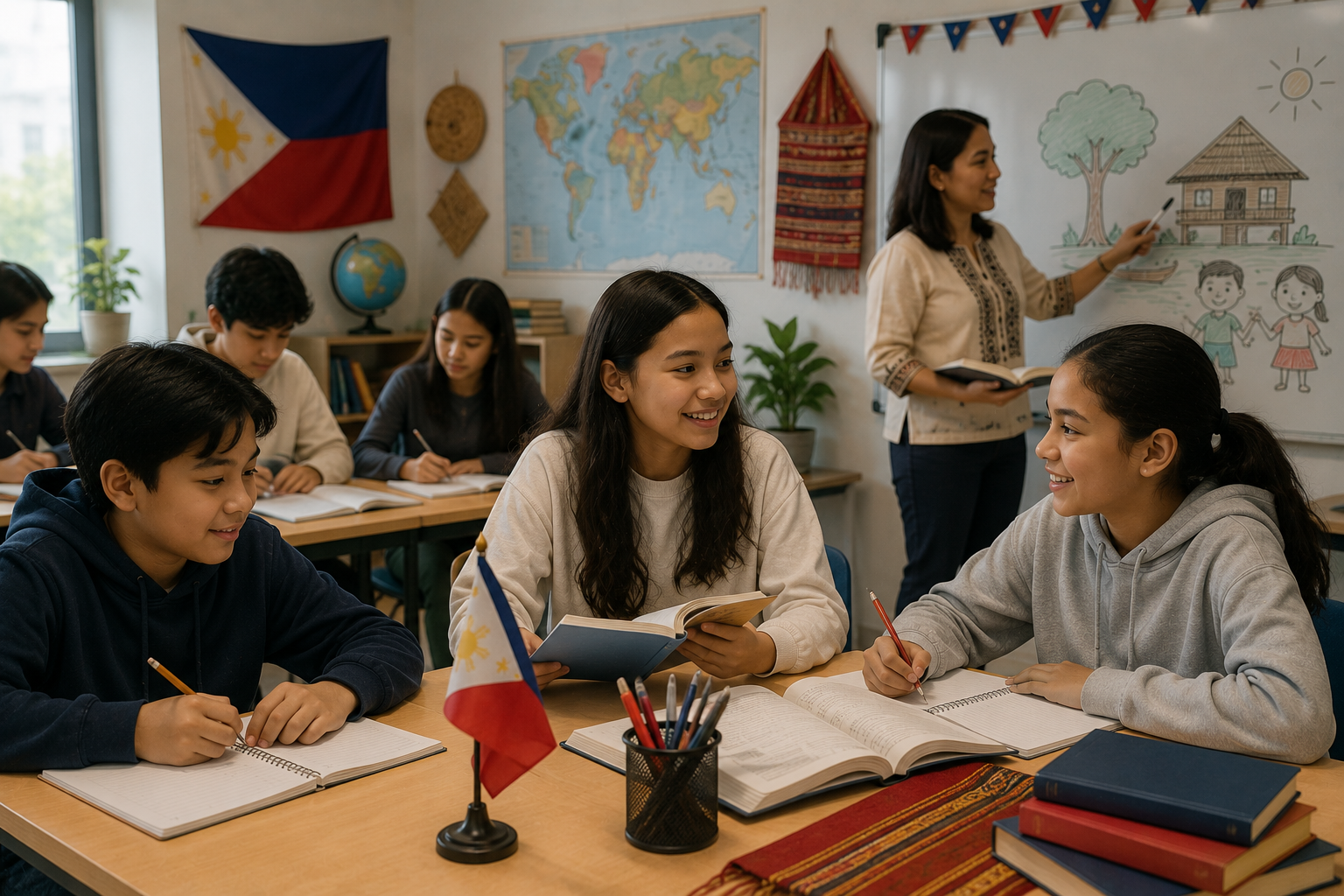
Educational activities have become increasingly important components of friendship festivals. Workshops, cultural exhibits, historical presentations, language demonstrations, and interactive learning sessions allow participants to gain deeper understanding of the traditions represented at each event. Organizers emphasize that education strengthens the impact of cultural exchange by providing context and encouraging meaningful engagement rather than passive observation. Many participants leave festivals with new knowledge and greater appreciation for cultures they may not have previously encountered.
Youth involvement has emerged as one of the strongest drivers of festival growth and innovation. Young Filipinos and members of other cultural communities frequently serve as volunteers, performers, organizers, and digital content creators. Their participation introduces fresh perspectives and creative approaches that help festivals remain relevant and engaging. Community leaders view youth engagement as essential for ensuring the sustainability of cross-cultural initiatives while preparing future generations to become advocates for diversity and inclusion.
Technology has significantly expanded the reach and influence of friendship festivals. Social media campaigns, livestream broadcasts, digital storytelling projects, and online community platforms allow organizers to connect with audiences beyond physical event locations. These digital tools help promote cultural awareness while creating opportunities for participation among individuals who may not be able to attend events in person. Organizers report that online engagement has helped attract broader audiences and strengthen international connections among participating communities.
Many friendship festivals also include community service activities and charitable initiatives that reflect shared values of cooperation and social responsibility. Fundraising campaigns, volunteer projects, educational support programs, and humanitarian activities often accompany cultural celebrations, demonstrating how cultural exchange can contribute to broader community development goals. Organizers believe that collaborative service projects strengthen relationships while creating positive impacts that extend beyond individual events.
The growing popularity of friendship festivals reflects broader societal interest in intercultural understanding and global citizenship. In increasingly interconnected societies, individuals are seeking opportunities to learn about different cultures while developing skills related to communication, empathy, and collaboration. Cultural festivals provide practical and enjoyable settings where these goals can be pursued. Community leaders note that participants often develop lasting friendships and professional connections through festival involvement.
The participation of educational institutions has further strengthened festival programs. Schools, universities, and cultural centers frequently collaborate with community organizations to provide venues, educational resources, and volunteer support. Students benefit from opportunities to engage directly with diverse cultural communities while applying lessons related to history, language, social studies, and international relations. Educators often view friendship festivals as valuable extensions of classroom learning experiences.
Many organizers emphasize the importance of preserving cultural authenticity while encouraging inclusivity. Festival programming is designed to accurately represent traditions while remaining accessible to audiences unfamiliar with specific cultural practices. This balance helps create welcoming environments where participants feel comfortable asking questions, exploring new experiences, and engaging in cultural dialogue. Community advocates believe that respectful representation is essential for building trust and promoting genuine understanding.
Economic benefits have also emerged as important outcomes of friendship festivals. Local businesses, food vendors, artisans, performers, and cultural entrepreneurs often benefit from increased visibility and participation opportunities. Festivals can generate economic activity while supporting small enterprises and creative industries connected to cultural programming. Community leaders recognize that successful events contribute not only to cultural enrichment but also to local economic development.
The influence of Filipino communities in organizing these events reflects their long history of cultural adaptability and community engagement throughout Asia. Many overseas Filipinos have developed strong relationships within their host countries while maintaining connections to their own cultural heritage. Friendship festivals provide opportunities to celebrate these dual identities while highlighting the positive contributions Filipino communities make to multicultural societies.
Cultural diplomacy experts observe that community-based festivals play important roles in strengthening people-to-people relationships across national boundaries. Unlike formal diplomatic initiatives, friendship festivals create informal spaces where individuals can interact naturally and build personal connections. These interactions contribute to greater mutual understanding while helping reduce stereotypes and misconceptions that may exist between different groups.
The growing scale and sophistication of friendship festivals demonstrate increasing community capacity and organizational experience. Many events that began as small gatherings have evolved into major regional celebrations attracting thousands of participants. Organizers credit this growth to strong volunteer networks, supportive partnerships, and widespread community enthusiasm for cultural exchange and collaboration.
As Asian societies continue to become more interconnected through migration, trade, education, and tourism, demand for intercultural engagement opportunities is expected to increase. Community leaders anticipate that friendship festivals will continue expanding in both size and scope, incorporating new cultural partners, educational initiatives, and technological innovations. These developments are expected to strengthen their role as important platforms for community building and cultural understanding.
Looking ahead, organizers remain committed to ensuring that friendship festivals remain inclusive, educational, and culturally meaningful. Continued investment in youth leadership, community partnerships, educational programming, and digital engagement will help support future growth while maintaining the core values that have contributed to their success. Community advocates are optimistic that these events will continue fostering positive relationships among diverse populations throughout Asia.
Ultimately, the success of cross-cultural friendship festivals organized by Filipino communities demonstrates the power of cultural exchange to build bridges between people and communities. Through music, food, art, education, and shared experiences, these events create opportunities for meaningful interaction while celebrating the diversity that enriches societies across the region.
As Filipino communities continue to promote understanding and cooperation through cultural initiatives, they contribute to stronger relationships among nations and peoples. Their efforts reflect a commitment to unity, respect, and friendship that resonates far beyond festival grounds, helping create more connected and inclusive communities throughout Asia and beyond.
Enjoyed this story?
Share this story