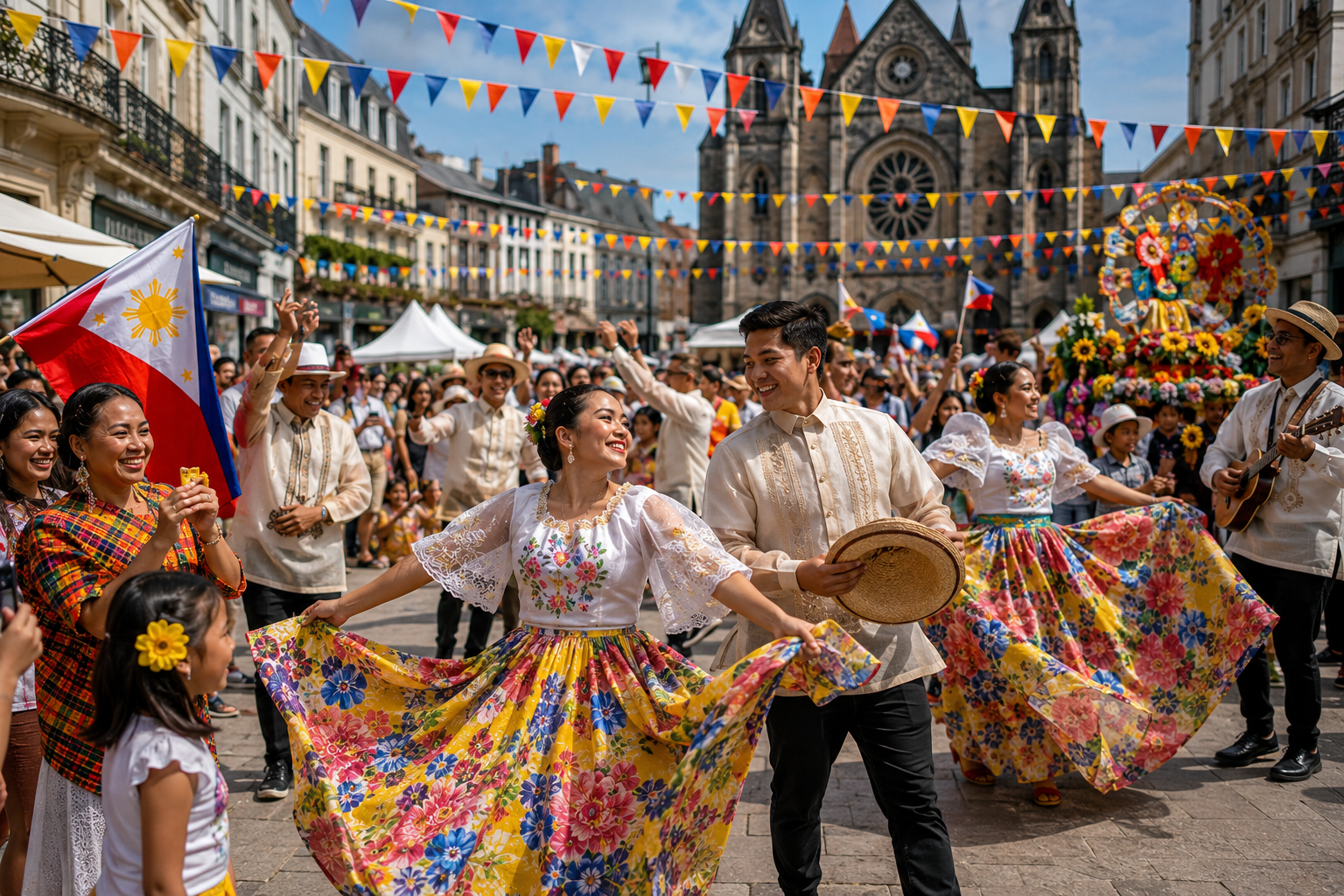
Filipino Communities Across Europe Unite Through Grand Summer Fiesta Celebrations
Share
June 02, 2026
Updated Oct 15, 2026
7 min read
326 views
LONDON, United Kingdom — Filipino communities throughout Europe are once again demonstrating the enduring strength of culture, community, and tradition as thousands gather for grand summer fiesta celebrations that showcase the vibrant spirit of the Filipino people.
From the United Kingdom and Ireland to Germany, France, Spain, Italy, the Netherlands, Belgium, Switzerland, Norway, Sweden, and other European nations, Filipino organizations are hosting colorful festivals that bring together families, professionals, entrepreneurs, students, community leaders, and friends in a celebration of heritage and unity.
The summer fiesta season has become one of the most anticipated times of the year for Filipinos living across Europe. These events provide opportunities to reconnect with cultural traditions, strengthen community bonds, and introduce local audiences to the rich and diverse heritage of the Philippines.
Community organizers describe the celebrations as more than simple social gatherings. They serve as powerful reminders of the values, traditions, and relationships that continue to unite Filipinos regardless of where they live in the world.
Many participants travel considerable distances to attend the festivities, reflecting the importance these events hold within overseas Filipino communities. Families often plan reunions around major fiestas, while organizations coordinate activities months in advance to ensure successful celebrations.
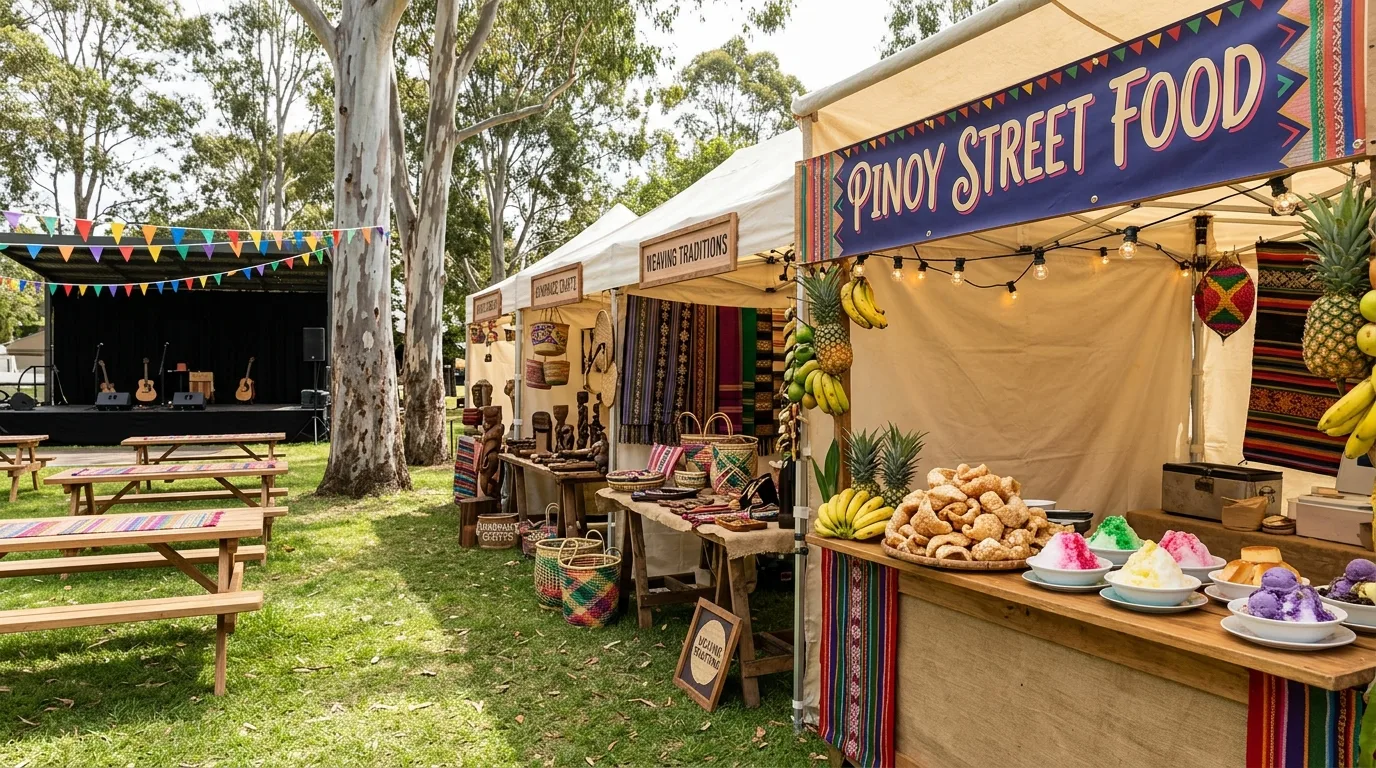
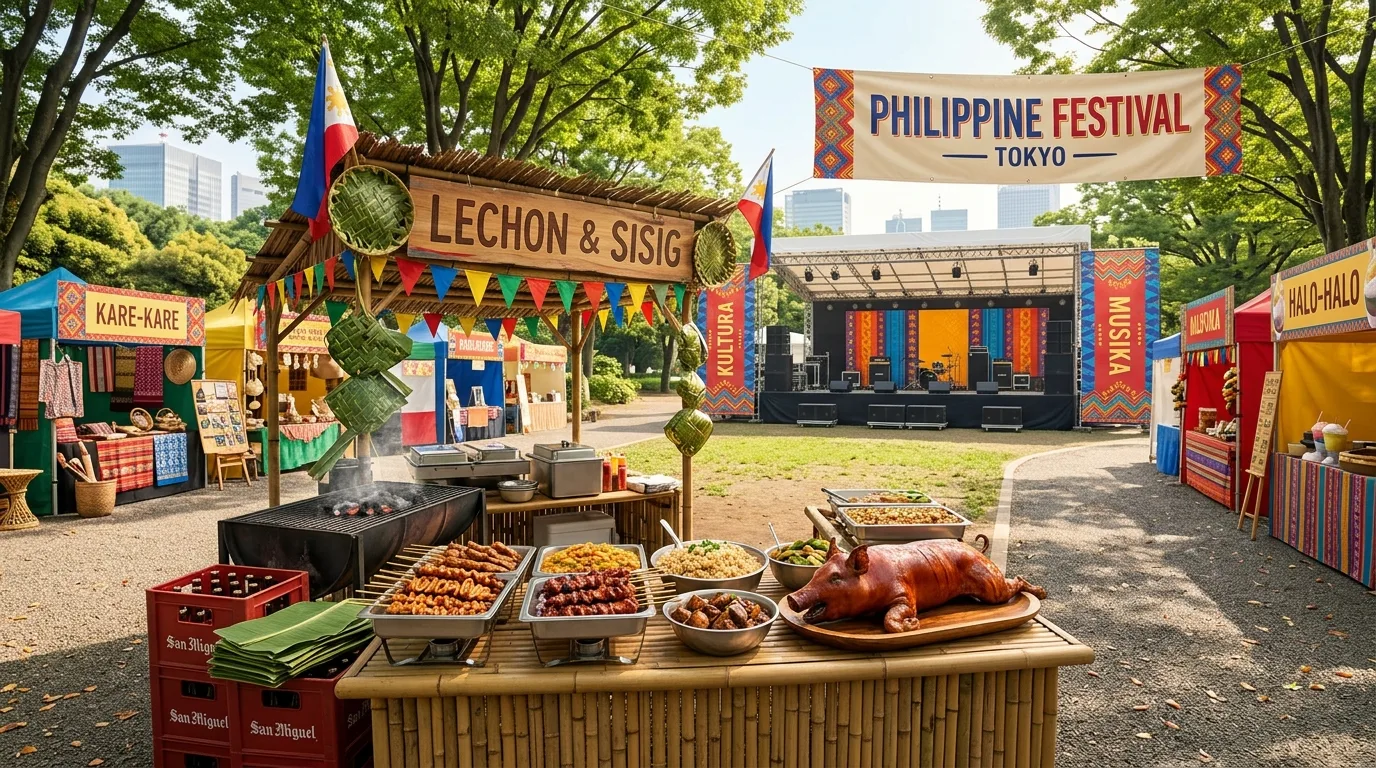
Throughout Europe, festival venues are transformed into vibrant showcases of Filipino culture. Decorations inspired by traditional Philippine fiestas create festive atmospheres filled with color, music, and excitement.
Visitors are welcomed by the familiar sights and sounds of Filipino celebrations, from cultural performances and community exhibits to food stalls and family-oriented activities.
One of the most anticipated features of every fiesta is the presentation of traditional Filipino music and dance. Community groups dedicate significant time to preparing performances that highlight the cultural diversity of the Philippines.
Dancers dressed in colorful costumes representing different regions of the country perform folk dances that tell stories of Filipino history, customs, and daily life. These performances provide audiences with a deeper appreciation of the traditions that have shaped Filipino identity for generations.
Musical presentations range from traditional folk songs to contemporary Filipino performances, reflecting the dynamic nature of modern Filipino culture while preserving connections to the past.
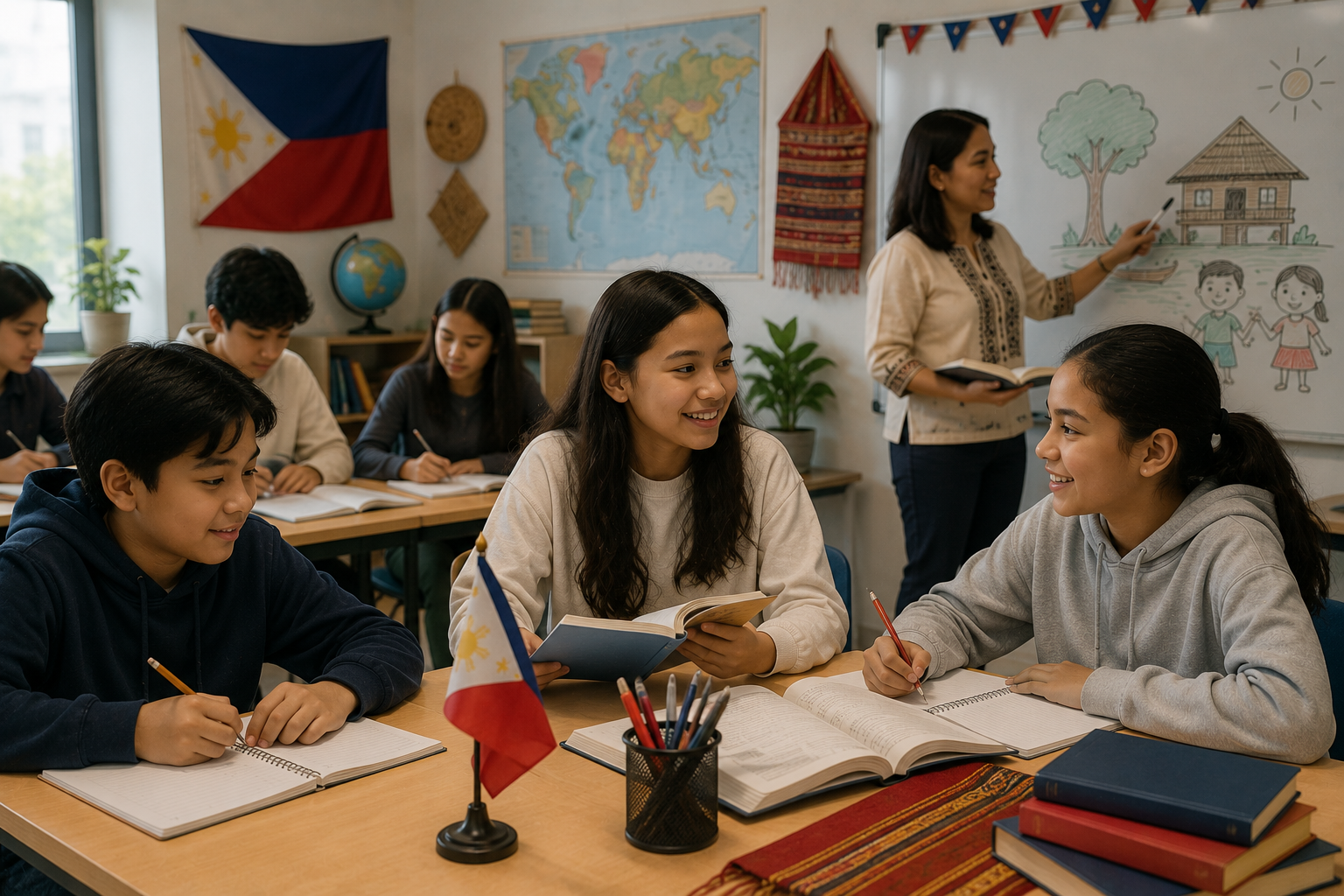
Organizers emphasize that cultural performances play a crucial role in educating younger generations. Many second- and third-generation Filipinos living in Europe have limited opportunities to experience Philippine culture firsthand.
Through participation in dances, music programs, cultural workshops, and educational exhibits, young people gain valuable insights into their heritage and develop stronger connections to their roots.
Youth involvement has become a major focus of many community organizations. Leaders recognize that preserving Filipino culture abroad depends on successfully engaging younger generations and encouraging active participation in cultural activities.
Several festivals include leadership programs, youth competitions, educational seminars, and mentorship opportunities designed to empower future community leaders.
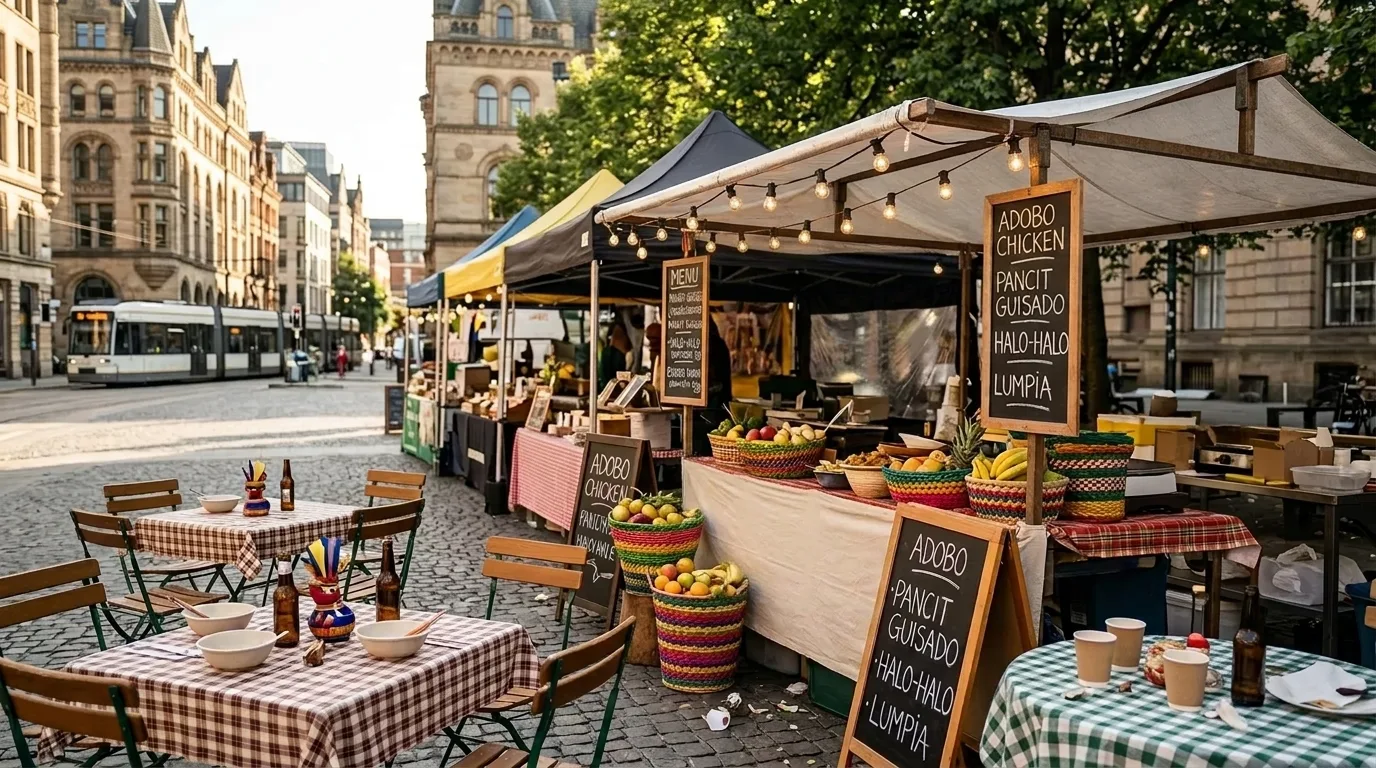
Food remains one of the most popular attractions during summer fiestas. Festival grounds often feature extensive food villages where visitors can enjoy authentic Filipino cuisine prepared by community organizations, local businesses, and volunteer groups.
Popular dishes such as adobo, lechon, pancit, lumpia, sisig, kare-kare, barbecue, halo-halo, bibingka, and regional specialties consistently attract large crowds.
For many attendees, the food evokes memories of family gatherings, hometown celebrations, and cherished experiences in the Philippines. Meanwhile, European visitors are introduced to the unique flavors and culinary traditions that have helped Filipino cuisine gain international recognition.
Community leaders note that food serves as a powerful cultural ambassador. Through shared meals and culinary experiences, people from different backgrounds can connect and develop greater appreciation for Filipino traditions.
The fiestas also provide valuable opportunities for Filipino entrepreneurs and small business owners. Vendors showcase products and services ranging from traditional crafts and cultural merchandise to professional services and modern business offerings.
Many entrepreneurs view community festivals as important platforms for strengthening relationships, promoting Filipino-owned businesses, and contributing to community development.
The growing presence of Filipino entrepreneurs throughout Europe reflects the increasing economic contributions of Filipino communities in their host countries.
Beyond business and entertainment, many summer fiestas incorporate charitable initiatives that reflect the Filipino value of bayanihan. Fundraising activities support educational scholarships, disaster relief programs, community projects, healthcare initiatives, and various humanitarian causes.
Volunteers play a critical role in organizing these efforts. Hundreds of individuals contribute their time, energy, and expertise to ensure that events are successful and beneficial for the broader community.
Community leaders frequently cite volunteerism as one of the strongest expressions of Filipino identity abroad. The willingness of individuals to work together for shared goals continues to strengthen community networks and foster a spirit of cooperation.
Religious and spiritual traditions also remain important components of many celebrations. Community masses, thanksgiving services, prayer gatherings, and cultural blessings often accompany festival activities.
These observances reflect the deep faith traditions that continue to influence many aspects of Filipino culture and community life.
Participants often describe these spiritual elements as opportunities to reflect on their journeys, express gratitude, and reconnect with values that remain important despite geographic distance from home.
European officials and multicultural organizations frequently attend Filipino fiesta celebrations to recognize the contributions of Filipino communities to local society.
Many leaders praise Filipinos for their positive impact in sectors such as healthcare, education, hospitality, technology, engineering, finance, and public service. Community festivals provide opportunities to celebrate these achievements while promoting cultural understanding and social inclusion.
The growing popularity of Filipino fiestas among non-Filipino audiences highlights increasing interest in Philippine culture across Europe. Local residents often attend events to experience Filipino food, music, traditions, and hospitality firsthand.
These interactions contribute to stronger intercultural relationships and help foster greater appreciation for the diversity that enriches European societies.
Technology has expanded the reach of fiesta celebrations in recent years. Social media platforms, livestreaming services, and digital content enable communities to share festivities with audiences around the world.
Photos and videos from European fiestas are frequently viewed by family members and friends in the Philippines and other countries, creating a sense of connection despite physical distance.
Digital engagement has also helped attract younger audiences and increase awareness of cultural activities among wider communities.
Many organizers believe that technology will continue to play an important role in preserving and promoting Filipino culture for future generations.
As Filipino populations across Europe continue to grow, community leaders anticipate even larger and more diverse celebrations in the coming years.
Plans are already underway for expanded cultural programming, increased youth participation, stronger partnerships with multicultural organizations, and greater collaboration among Filipino communities across different countries.
Observers note that the continued success of summer fiestas reflects the remarkable resilience and adaptability of overseas Filipinos.
Despite living far from their homeland, they have successfully maintained traditions that celebrate identity, heritage, and community while embracing opportunities within their adopted countries.
The story unfolding across Europe demonstrates that culture remains one of the strongest forces connecting people across borders. Through music, food, dance, faith, and community engagement, Filipinos continue to create spaces where traditions thrive and relationships flourish.
For many participants, these celebrations represent more than cultural events. They are opportunities to celebrate shared experiences, honor their heritage, and strengthen the bonds that unite Filipino communities across continents.
As the summer fiesta season continues, thousands of Filipinos throughout Europe are proving that distance is no barrier to cultural pride and community spirit.
Through every performance, every shared meal, every volunteer effort, and every act of bayanihan, they are preserving traditions that have been passed down through generations while creating new memories for future generations to cherish.
The grand summer fiestas stand as powerful reminders that Filipino culture remains vibrant and dynamic wherever Filipinos choose to build their lives. They demonstrate that even thousands of miles from the Philippines, the values of family, hospitality, faith, resilience, and community continue to thrive.
In every celebration across Europe, the spirit of the Filipino fiesta lives on—bringing people together, strengthening cultural identity, and inspiring unity among communities that proudly carry their heritage wherever they go.
Enjoyed this story?
Share this story