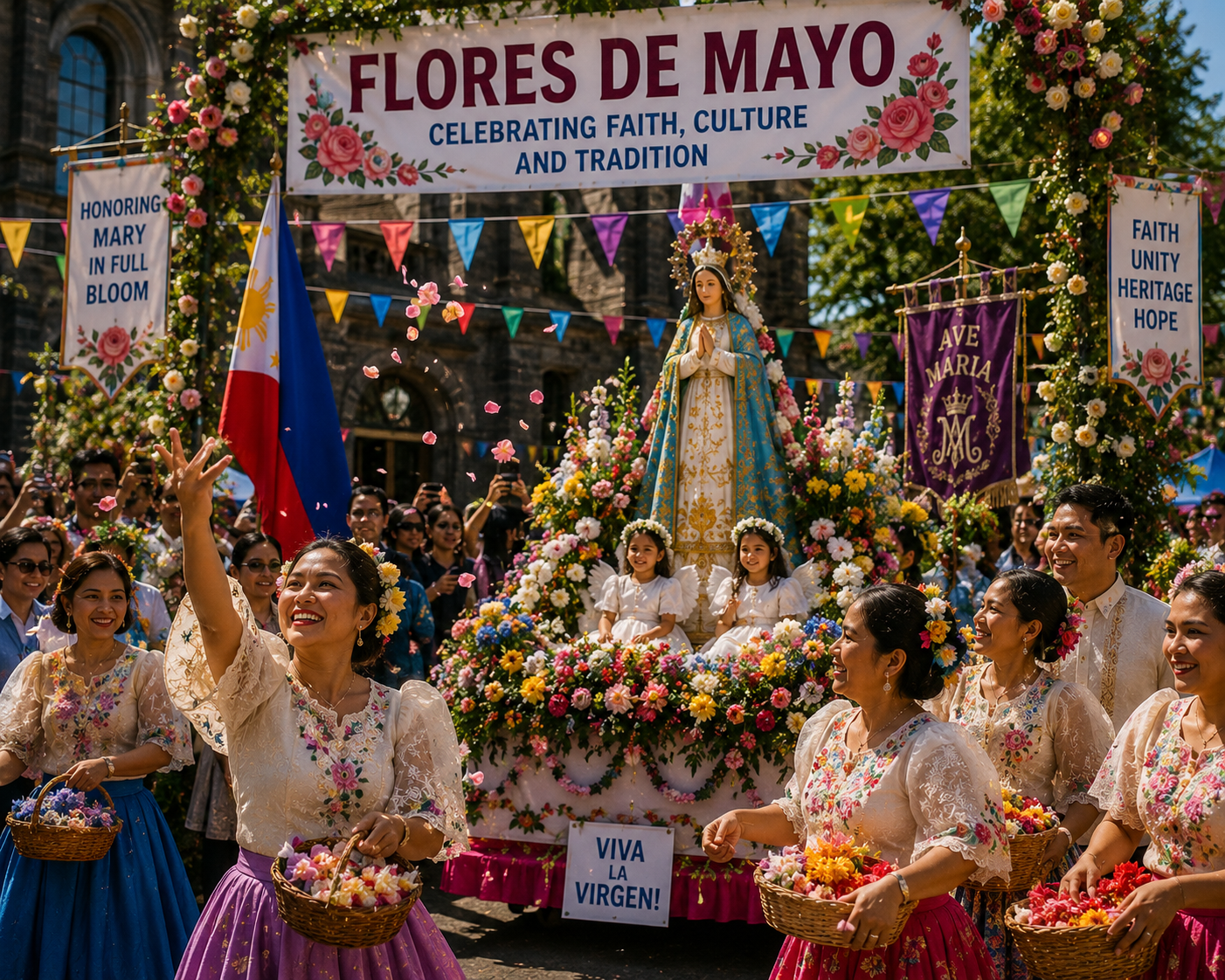
Filipino Communities Celebrate Traditional Flores de Mayo Festival Abroad
Share
June 18, 2026
Updated Oct 16, 2026
8 min read
176 views
MANILA, Philippines — Filipino communities across the globe are continuing to preserve one of the country's most beloved cultural and religious traditions through vibrant Flores de Mayo celebrations organized in cities and communities far from the Philippines. From North America and Europe to Australia, Asia, and the Middle East, Overseas Filipinos are gathering each year to honor a tradition that combines faith, cultural heritage, community participation, and intergenerational connection, demonstrating the enduring importance of Filipino customs regardless of geographic distance.
Flores de Mayo, which translates to "Flowers of May," is among the most recognized and widely celebrated cultural traditions in the Philippines. Traditionally observed throughout the month of May, the celebration is closely associated with floral offerings, religious devotion, community gatherings, and the Santacruzan procession. For generations, Flores de Mayo has served as a meaningful expression of faith and cultural identity, bringing communities together through shared traditions that blend spirituality, history, and social engagement.
As Filipino migration has expanded across the world, communities abroad have worked diligently to ensure that important traditions such as Flores de Mayo continue to thrive. Community leaders, religious organizations, cultural groups, and family associations have played significant roles in adapting and organizing celebrations that preserve the essence of the tradition while accommodating the realities of life in diverse international settings. These efforts have transformed Flores de Mayo into a global expression of Filipino culture that continues to unite communities across continents.
Many Overseas Filipinos view Flores de Mayo as more than a religious observance. It is also an opportunity to reconnect with heritage, strengthen community relationships, and introduce younger generations to traditions that may not be part of their daily experiences abroad. Organizers frequently emphasize that cultural celebrations play an important role in maintaining identity and fostering a sense of belonging among Filipinos living outside the Philippines.
One of the most recognizable elements of Flores de Mayo celebrations is the use of flowers as symbols of devotion, beauty, and community participation. Community members often decorate churches, event venues, and gathering spaces with colorful floral arrangements that create festive and welcoming environments. These visual displays help recreate the atmosphere of traditional celebrations in the Philippines while reminding participants of the cultural significance associated with the festival.
The Santacruzan procession remains a highlight of many Flores de Mayo celebrations organized abroad. Participants often dress in traditional attire and take part in ceremonial processions that reflect the historical and cultural narratives associated with the tradition. Organizers devote considerable effort to ensuring that these presentations remain respectful, educational, and culturally meaningful. The procession frequently attracts large audiences composed of both Filipinos and non-Filipinos interested in learning about Philippine traditions.
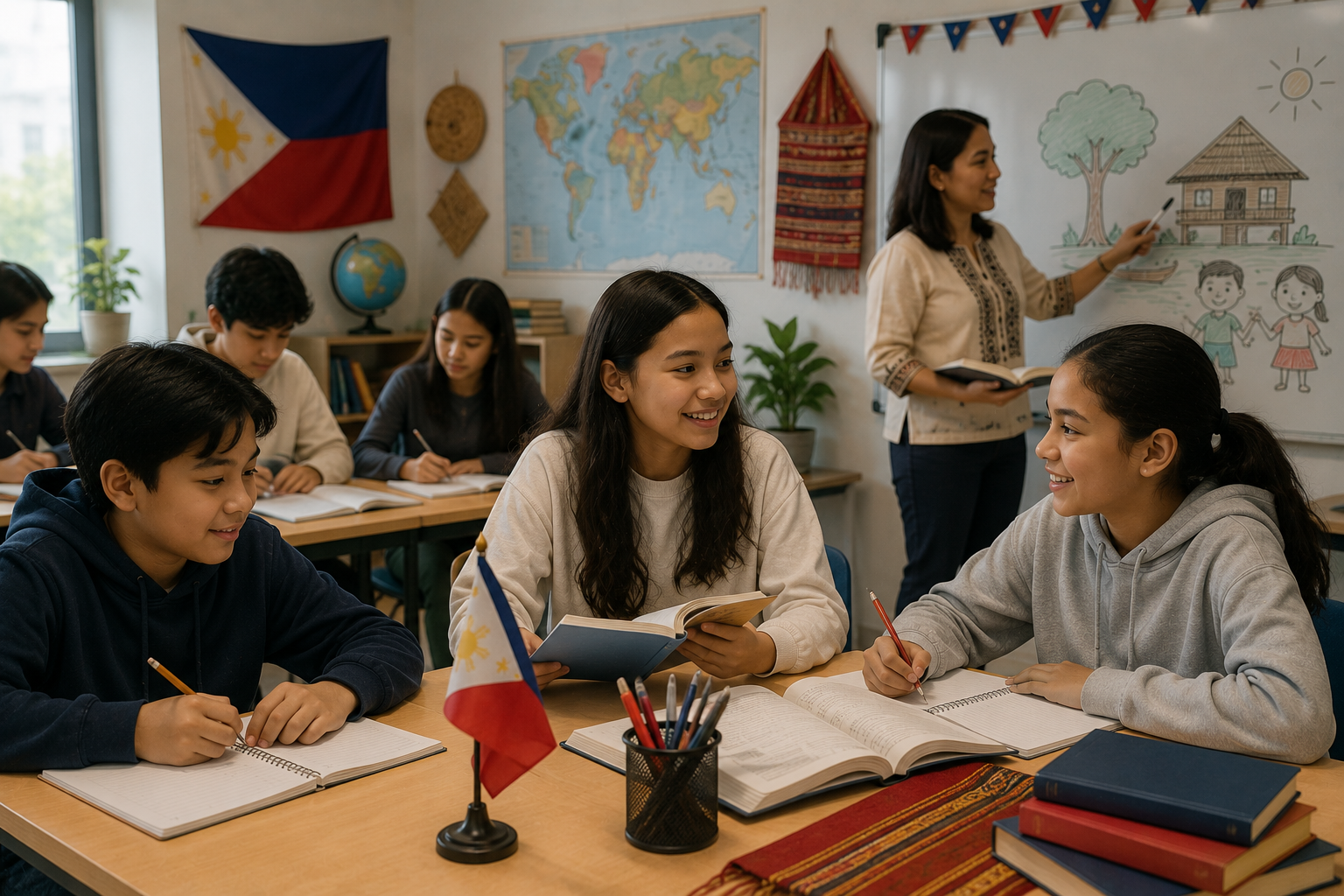
Community leaders note that Flores de Mayo celebrations provide valuable opportunities for cultural education. Through storytelling, presentations, exhibits, and cultural discussions, younger generations gain insights into the historical origins and cultural significance of the tradition. Many second-generation and third-generation Filipinos born abroad have limited opportunities to experience traditional celebrations firsthand, making these community events particularly important for cultural transmission and heritage preservation.
Religious institutions often play central roles in organizing Flores de Mayo activities. Churches and faith-based organizations frequently collaborate with Filipino community groups to host devotional activities, cultural programs, and community gatherings. These partnerships help maintain the spiritual dimensions of the celebration while ensuring that cultural elements remain accessible and relevant to participants of different ages and backgrounds.
Beyond its religious significance, Flores de Mayo serves as an important social event that strengthens community relationships. Families, friends, volunteers, cultural organizations, and community leaders come together to prepare decorations, coordinate programs, organize processions, and support event logistics. This collaborative effort reflects the Filipino value of bayanihan, where collective action and cooperation contribute to successful community initiatives. Organizers often describe the preparation process itself as an important part of the cultural experience.
Many celebrations incorporate traditional music, dance, and artistic performances that enrich the festival atmosphere. Cultural presentations frequently feature folk dances, musical performances, poetry readings, and artistic exhibitions that showcase different aspects of Philippine heritage. These activities help create engaging experiences for participants while highlighting the diversity and creativity that characterize Filipino culture.
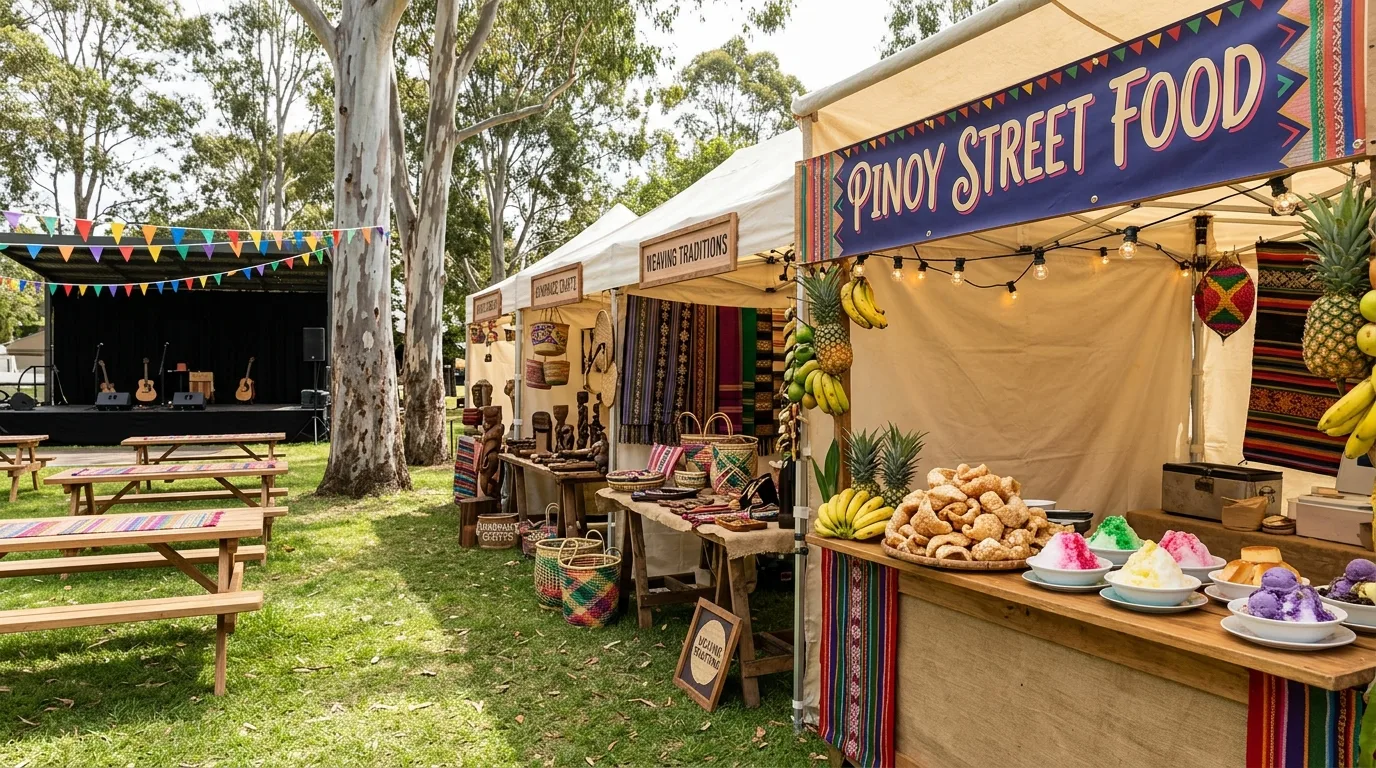
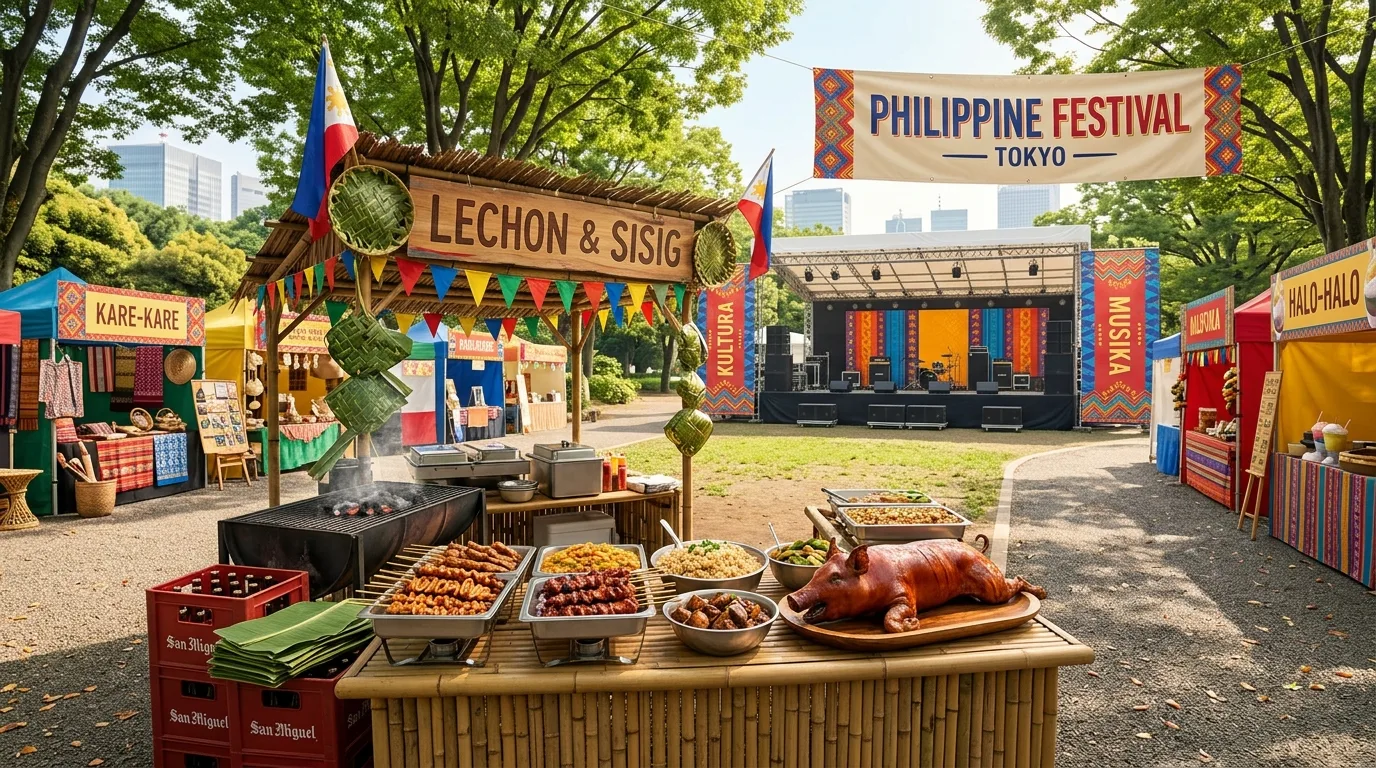
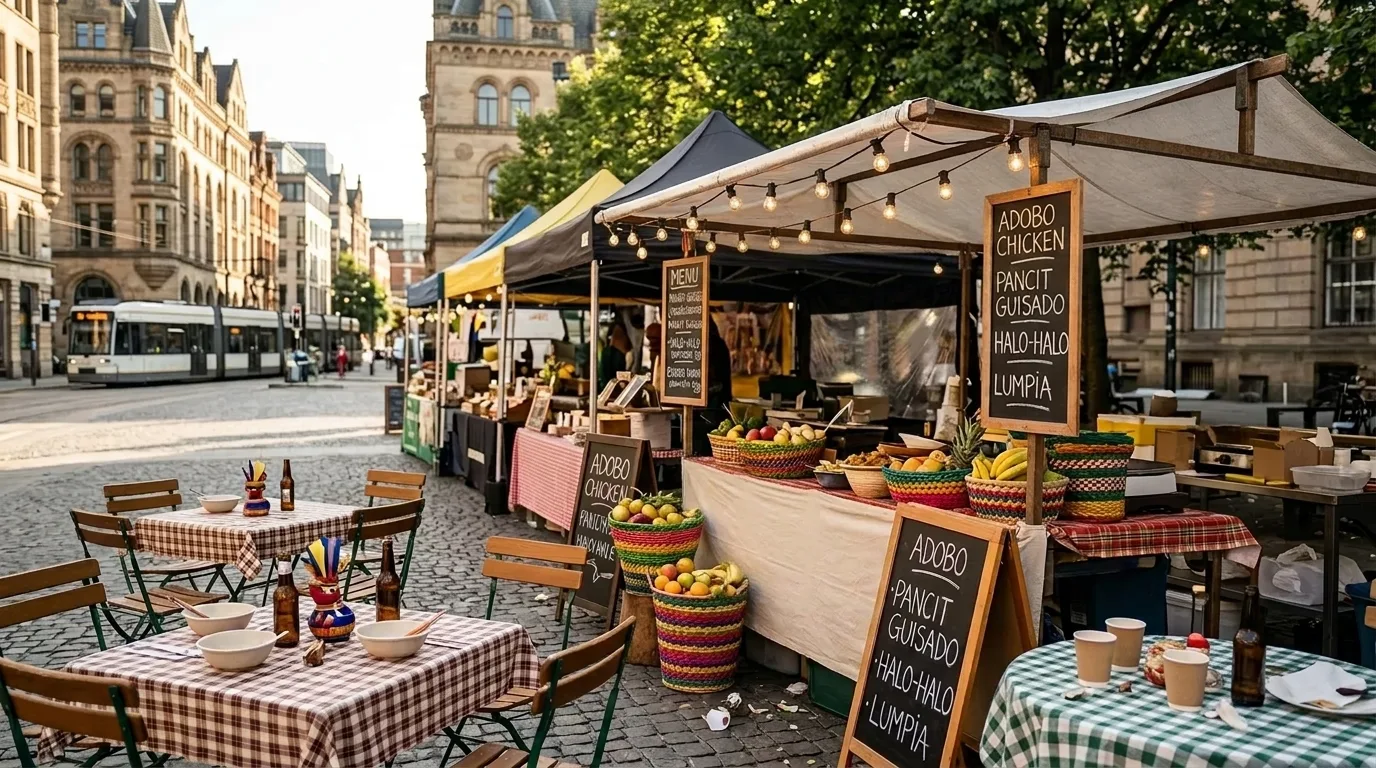
Filipino cuisine also plays an important role in many Flores de Mayo festivals abroad. Community gatherings often include shared meals, food fairs, and culinary showcases featuring traditional Filipino dishes. Food provides opportunities for cultural exchange while helping participants reconnect with familiar flavors and traditions. Organizers note that culinary experiences often become among the most memorable aspects of cultural celebrations because they encourage social interaction and cultural exploration.
The involvement of youth volunteers has become increasingly important in sustaining Flores de Mayo traditions overseas. Young Filipinos frequently assist with event planning, cultural performances, social media promotion, and community outreach activities. Their participation helps ensure continuity while introducing fresh ideas and contemporary approaches to cultural engagement. Community leaders believe that youth involvement is essential for preserving traditions and fostering future cultural leadership.
Technology has significantly expanded the reach of Flores de Mayo celebrations. Social media platforms, livestream broadcasts, digital photo galleries, and online community groups allow organizations to share cultural experiences with audiences around the world. Families and friends who are unable to attend events in person can still participate virtually, strengthening connections among global Filipino communities. Digital engagement has become an important complement to traditional forms of celebration.
Many Flores de Mayo events also serve as opportunities for charitable initiatives and community service activities. Fundraising efforts, educational programs, scholarship projects, and outreach campaigns are often incorporated into festival programming. Organizers view these initiatives as extensions of the values associated with community responsibility and collective support. These activities help ensure that cultural celebrations generate positive impacts beyond the festival itself.
The multicultural environments in which many overseas celebrations take place have created valuable opportunities for cultural exchange. Non-Filipino residents frequently attend Flores de Mayo events, gaining exposure to Philippine traditions while engaging with Filipino communities. Organizers welcome this participation and view it as an important way to promote cultural understanding and appreciation. Such interactions contribute to stronger community relationships and greater intercultural awareness.
The popularity of Flores de Mayo celebrations has continued to grow in many regions with significant Filipino populations. Community leaders report increasing attendance, greater volunteer participation, and expanding cultural programming that reflects strong interest in heritage preservation. The continued success of these festivals demonstrates the enduring relevance of Filipino traditions even in rapidly changing social and cultural environments.
Many overseas Filipino organizations are exploring innovative ways to enhance future celebrations while maintaining respect for traditional practices. Educational workshops, interactive cultural exhibits, youth leadership programs, and digital heritage projects are being incorporated into festival activities to create more engaging and inclusive experiences. Organizers believe that innovation can help ensure that traditions remain meaningful and accessible for future generations.
The preservation of Flores de Mayo abroad also contributes to broader efforts aimed at safeguarding Philippine cultural heritage. By maintaining traditions outside the Philippines, Overseas Filipinos help strengthen awareness of cultural practices while demonstrating the adaptability and resilience of Filipino identity. Cultural advocates note that heritage preservation is not limited to geographic boundaries but can thrive wherever communities remain committed to sharing and celebrating their traditions.
Many participants describe Flores de Mayo celebrations as powerful reminders of home, family, and shared identity. The familiar sights, sounds, and customs associated with the festival create emotional connections that transcend distance and time. For individuals who may have spent many years abroad, participation in these celebrations often provides meaningful opportunities to reconnect with cultural roots and community networks.
The continued growth of Flores de Mayo festivals abroad reflects the broader strength and vitality of global Filipino communities. Through dedication, volunteerism, and cultural pride, Overseas Filipinos have successfully transformed a traditional Philippine celebration into a global cultural event that continues to inspire participation and appreciation. These efforts demonstrate the important role communities play in preserving heritage and fostering cultural continuity.
Looking ahead, community leaders remain optimistic about the future of Flores de Mayo celebrations in overseas communities. Strong participation from families, youth organizations, cultural groups, and religious institutions suggests that the tradition will continue to flourish for years to come. As younger generations become more actively involved in cultural preservation efforts, opportunities for innovation and expanded engagement are expected to emerge.
Ultimately, the celebration of Flores de Mayo abroad represents far more than the continuation of a traditional festival. It symbolizes the enduring connection between Filipinos and their heritage, the importance of community cooperation, and the ability of culture to unite people across generations and geographic boundaries. Through faith, flowers, music, art, and shared experiences, Overseas Filipinos continue to keep this cherished tradition alive while introducing its beauty and significance to communities around the world.
As Flores de Mayo celebrations continue to blossom in cities across the globe, they stand as powerful reminders that cultural traditions remain living expressions of identity, memory, and belonging. Through the dedication of Filipino communities abroad, this treasured celebration continues to inspire pride, strengthen relationships, and preserve an important part of Philippine heritage for generations to come.
Enjoyed this story?
Share this story