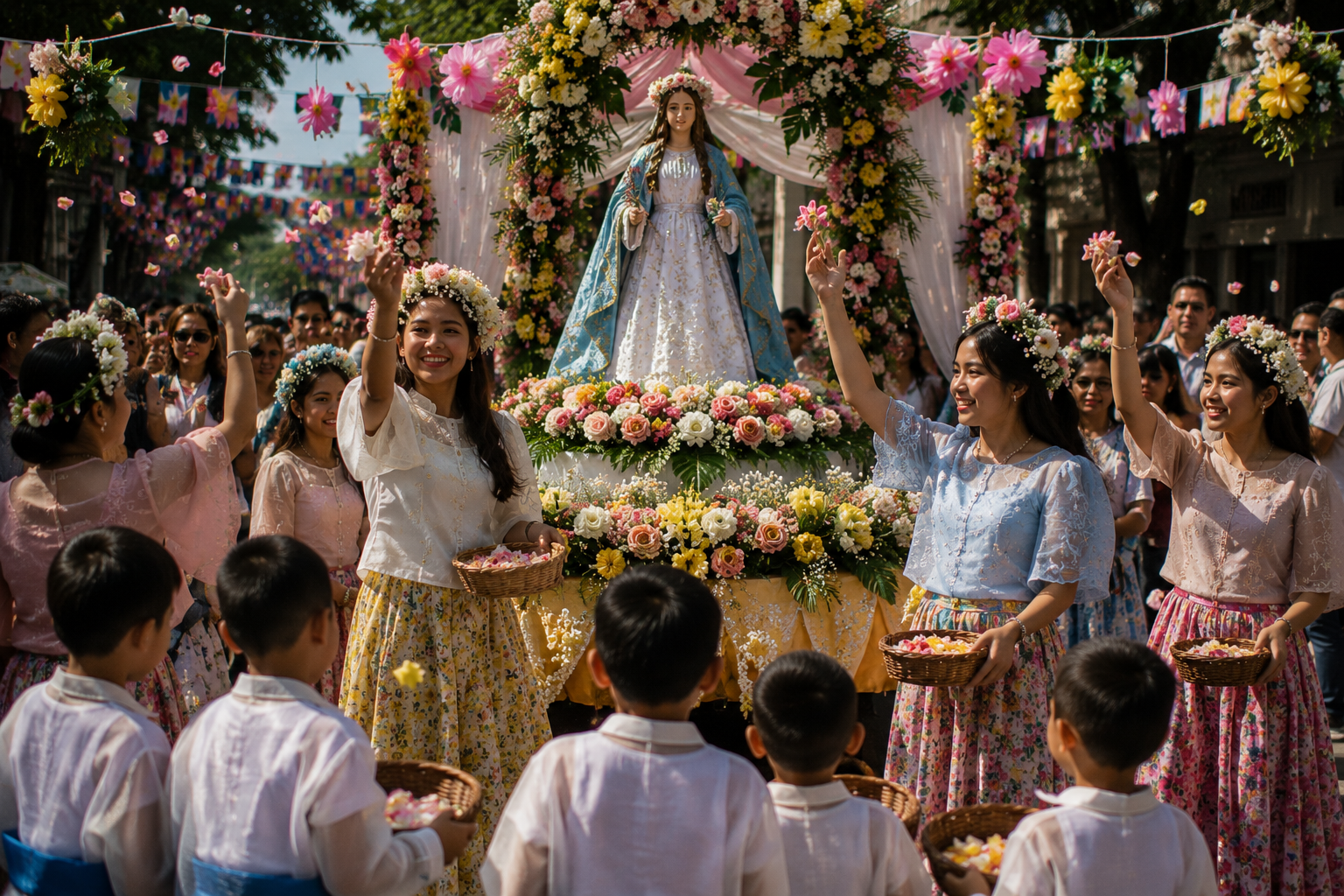
Filipino Communities Celebrate Traditional Flores de Mayo Festivals Abroad
Share
June 10, 2026
Updated Oct 14, 2026
7 min read
242 views
MANILA, Philippines — Filipino communities across various countries are continuing the long-standing tradition of Flores de Mayo by organizing vibrant celebrations that bring together faith, culture, and community spirit beyond the Philippines. From North America and Europe to Australia, Asia, and the Middle East, overseas Filipinos are preserving one of the country's most cherished cultural and religious traditions while introducing its significance to younger generations and international audiences. These celebrations highlight the enduring connection that many Filipinos maintain with their heritage regardless of where they live.
Flores de Mayo, which literally means "Flowers of May," is one of the most widely celebrated religious and cultural traditions in the Philippines. Traditionally observed throughout the month of May, the festival is dedicated to honoring the Blessed Virgin Mary through floral offerings, prayers, religious activities, and community gatherings. For generations, Flores de Mayo has served as an important expression of faith while also functioning as a social and cultural event that strengthens relationships within communities. Today, Filipino communities abroad continue to uphold these traditions as meaningful expressions of identity and cultural continuity.
Community leaders explain that organizing Flores de Mayo celebrations overseas goes beyond recreating familiar customs from home. These events serve as opportunities for cultural preservation, intergenerational learning, and community building. Many Filipinos living abroad view the festival as an important reminder of their roots and values. Through participation in traditional activities, families and community members maintain connections to customs that have been passed down through generations.
One of the most recognizable elements of Flores de Mayo is the offering of flowers in honor of the Virgin Mary. In many overseas celebrations, participants gather at churches, community centers, cultural venues, and religious institutions to present flowers while offering prayers and reflections. Organizers often recreate traditional practices as closely as possible while adapting them to local circumstances and available resources. These floral offerings remain central symbols of devotion, gratitude, and faith.
The Santacruzan procession, often regarded as the highlight of Flores de Mayo, continues to attract significant participation among overseas Filipino communities. Traditionally held at the conclusion of the month-long celebration, the Santacruzan features participants dressed in elegant attire who represent biblical and historical figures associated with the search for the Holy Cross. The procession combines religious symbolism with cultural pageantry, creating a visually striking event that attracts both Filipino participants and curious observers from other communities.
Community organizers note that the Santacruzan has become an important educational experience for younger generations born or raised outside the Philippines. Through participation in processions and related activities, young people gain opportunities to learn about the historical and religious significance of the tradition while developing a stronger appreciation for their cultural heritage. Parents and community leaders often emphasize the importance of involving youth in these events to ensure that traditions continue to thrive in future generations.
The growing participation of second-generation Filipinos has become one of the most encouraging developments in overseas Flores de Mayo celebrations. Many young Filipinos are embracing opportunities to serve as organizers, performers, volunteers, and cultural ambassadors. Their involvement demonstrates that cultural traditions remain relevant even within multicultural societies where younger generations are exposed to diverse influences and experiences. Community leaders view youth engagement as essential for sustaining cultural heritage and strengthening identity.
Religious institutions play important roles in supporting Flores de Mayo celebrations abroad. Churches and faith-based organizations often provide venues, spiritual guidance, and logistical assistance that help communities organize meaningful events. Clergy and community leaders frequently emphasize the festival's spiritual significance while encouraging participation as a way of strengthening both faith and community relationships. These partnerships contribute to the successful continuation of traditions that remain deeply meaningful for many Filipino families.
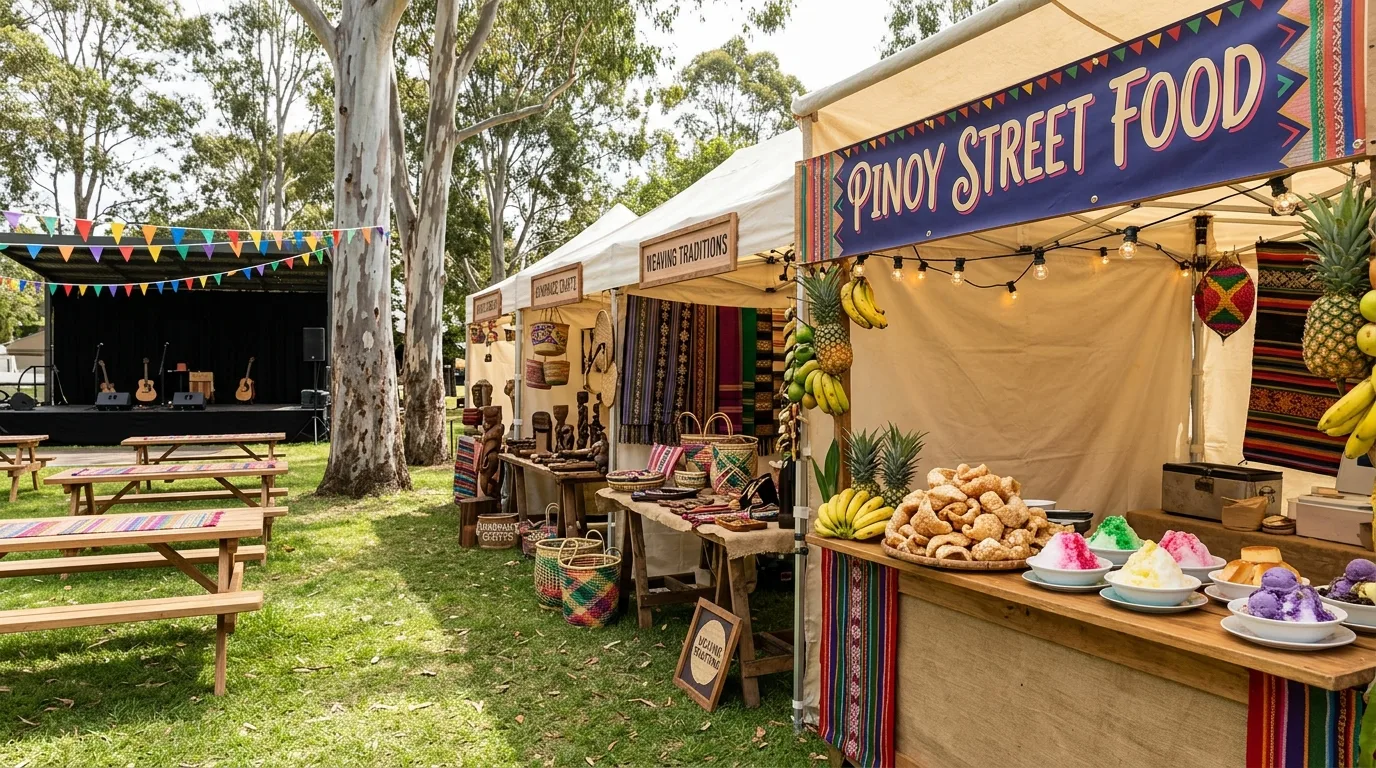
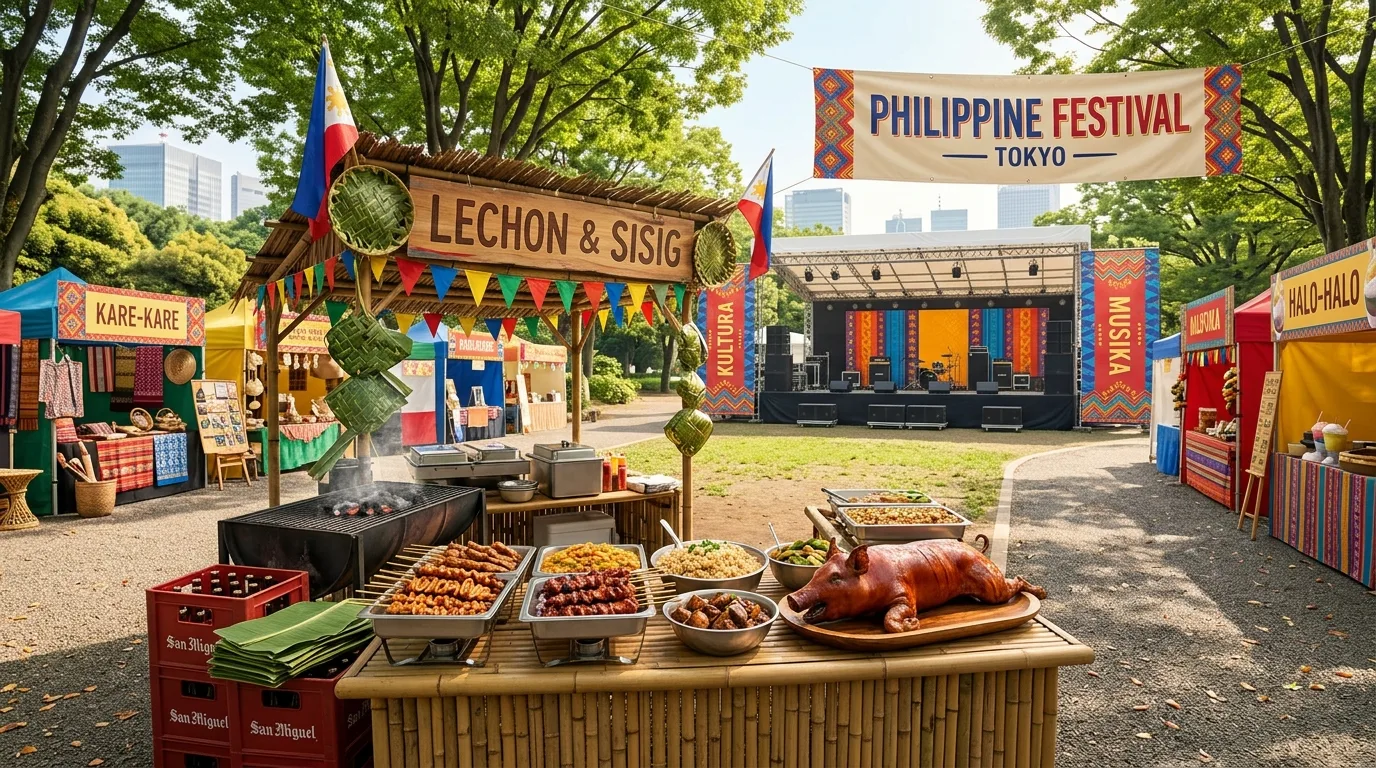
In addition to religious activities, Flores de Mayo celebrations frequently include cultural programs that showcase Filipino music, dance, food, and artistic traditions. These events create opportunities for participants to celebrate multiple dimensions of Filipino heritage while attracting broader audiences. Cultural performances often accompany religious observances, providing visitors with richer understandings of the traditions and values associated with the festival.
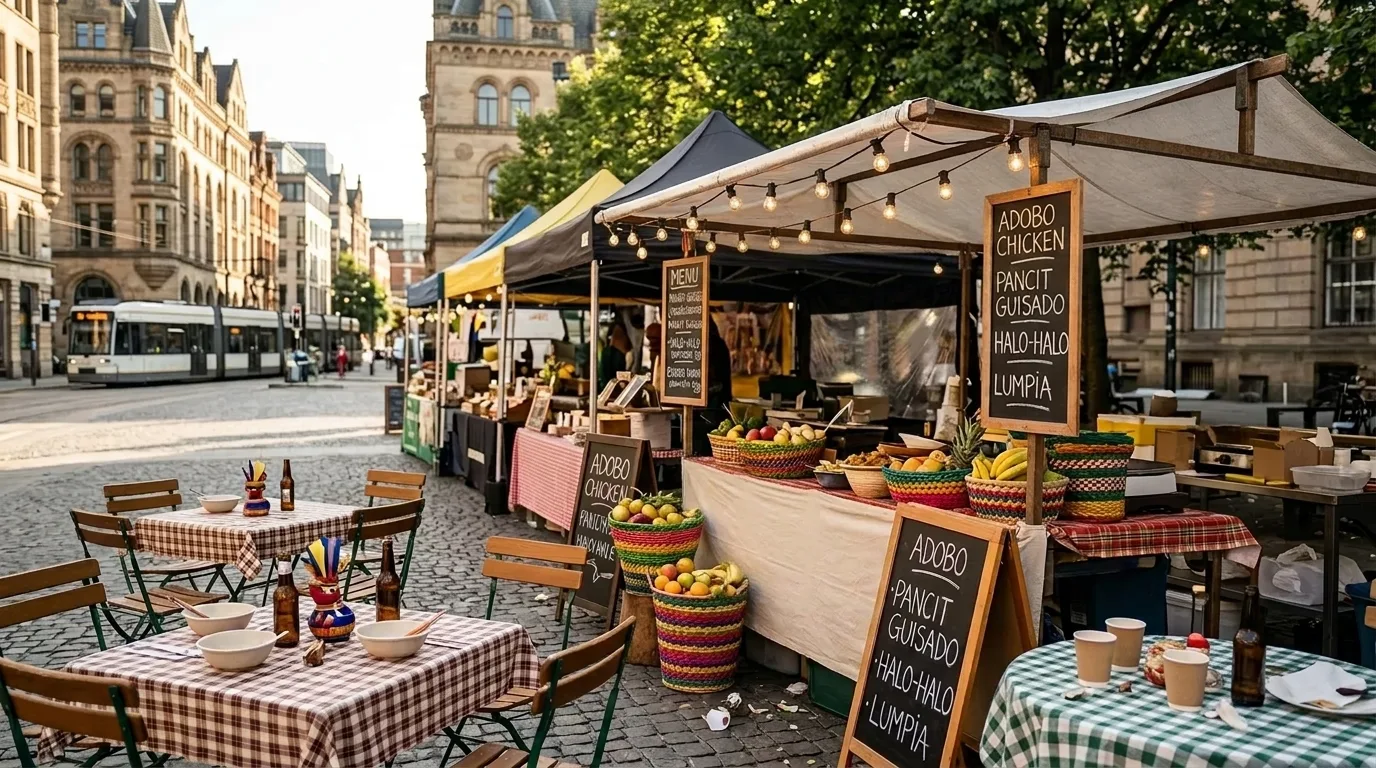
Food continues to be an important feature of many community celebrations. Families and organizations often prepare traditional Filipino dishes that are shared during gatherings and festivities. These culinary experiences help create welcoming environments while reinforcing the communal nature of Flores de Mayo. Organizers frequently describe food as an important cultural connector that encourages participation and strengthens relationships among attendees.
The multicultural environments in which overseas celebrations take place create valuable opportunities for cultural exchange. Non-Filipino residents, local community leaders, and individuals from other cultural backgrounds are often invited to attend and learn about the traditions associated with Flores de Mayo. Community leaders view these interactions as opportunities to promote understanding, appreciation, and respect for Philippine culture while strengthening relationships within diverse communities.
Technology has also played an important role in preserving and promoting Flores de Mayo traditions. Social media platforms, livestream broadcasts, digital photo galleries, and online community networks allow celebrations to reach audiences beyond physical event locations. Family members and friends in different countries can participate virtually, while cultural content shared online helps introduce traditions to wider audiences. Organizers note that digital engagement has become an important tool for connecting communities separated by geographic distance.
Volunteerism remains at the heart of many successful Flores de Mayo celebrations. Community members dedicate significant time and effort to planning events, coordinating activities, decorating venues, organizing processions, and supporting participants. Their commitment reflects the enduring Filipino value of bayanihan, which emphasizes cooperation, collective responsibility, and mutual support. Organizers consistently acknowledge volunteers as essential contributors to the success of community celebrations.
Many overseas Filipino organizations view Flores de Mayo as more than a religious observance. The festival provides opportunities to strengthen social networks, welcome new community members, and foster a sense of belonging. For newly arrived migrants, participation in cultural and religious traditions can provide comfort, familiarity, and connections that help ease the challenges of adjusting to life in a new country. Community leaders emphasize that these gatherings contribute positively to social well-being and community resilience.
The continued popularity of Flores de Mayo abroad reflects the enduring importance of cultural identity among overseas Filipinos. Despite living in different countries and adapting to diverse environments, many individuals remain deeply committed to preserving traditions that connect them to their heritage. Community celebrations provide opportunities to express pride in Filipino culture while ensuring that important customs remain visible and meaningful.
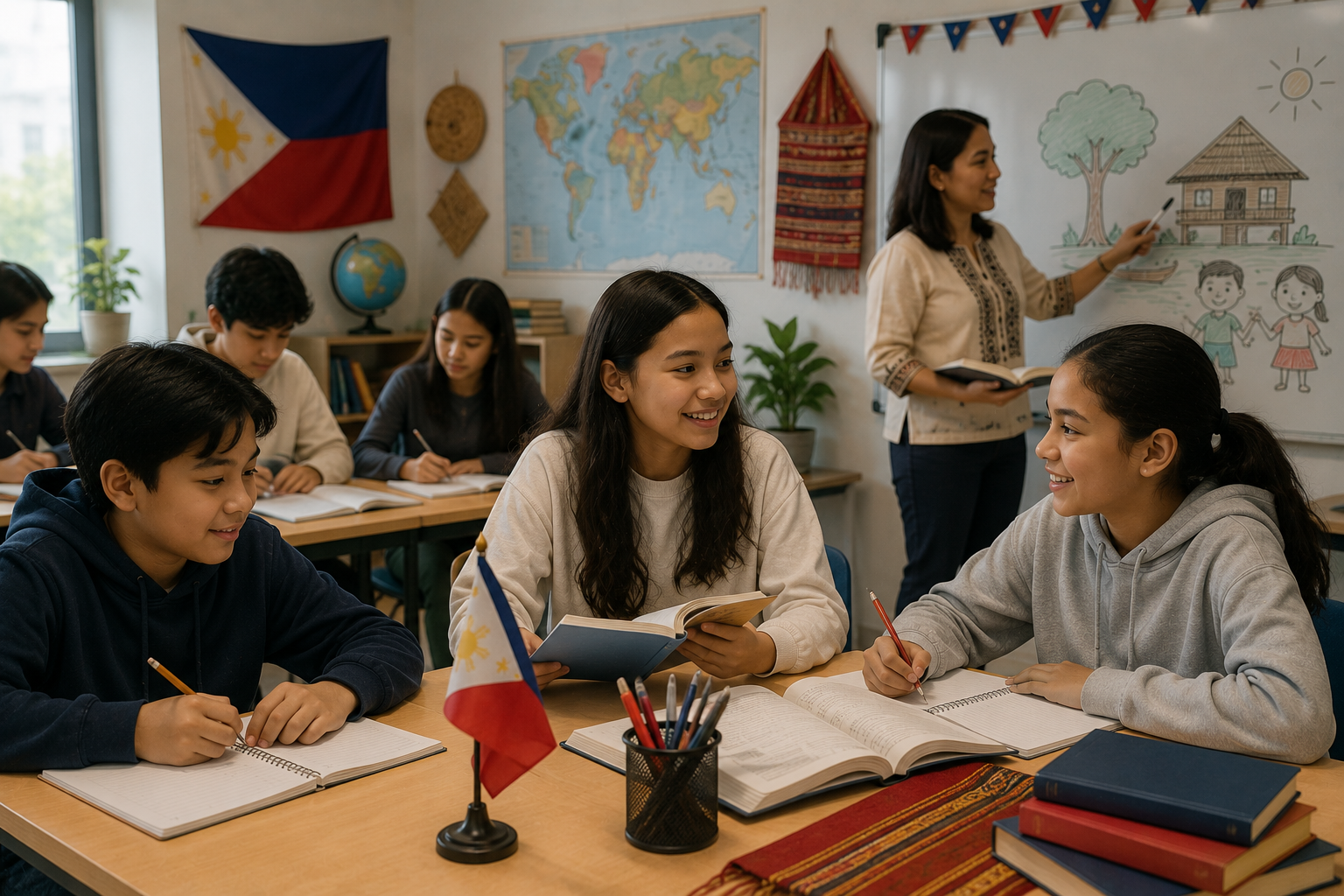
Educational initiatives often accompany festival activities. Cultural presentations, historical discussions, storytelling sessions, and informational materials help participants better understand the origins and significance of Flores de Mayo. Organizers believe that education enhances appreciation while encouraging deeper engagement with cultural traditions. These efforts help ensure that celebrations are not only enjoyable but also informative and meaningful.
As overseas Filipino populations continue to grow, community leaders expect Flores de Mayo celebrations to remain important cultural events. New approaches involving youth leadership, digital engagement, intercultural outreach, and community partnerships are helping ensure that traditions remain relevant within changing social environments. Strong participation levels and growing public interest suggest that these celebrations will continue to thrive in many parts of the world.
Looking ahead, organizers are focused on balancing tradition with innovation. While preserving the essential elements of Flores de Mayo remains a priority, many communities are exploring creative ways to engage younger audiences and expand participation. These efforts reflect broader commitments to cultural preservation while recognizing the evolving needs and interests of modern communities.
Ultimately, the celebration of Flores de Mayo abroad demonstrates the resilience and adaptability of Filipino culture. Through faith, tradition, volunteerism, and community engagement, overseas Filipinos are ensuring that one of the Philippines' most cherished festivals continues to flourish beyond national borders. These celebrations serve as powerful reminders that cultural heritage remains a source of identity, connection, and pride regardless of distance.
As communities continue to gather in honor of Flores de Mayo, they reaffirm the enduring values of faith, family, culture, and unity that have long defined Filipino society. Through every flower offered, every procession organized, and every tradition shared, Filipino communities around the world are keeping a treasured part of their heritage alive for future generations.
Enjoyed this story?
Share this story