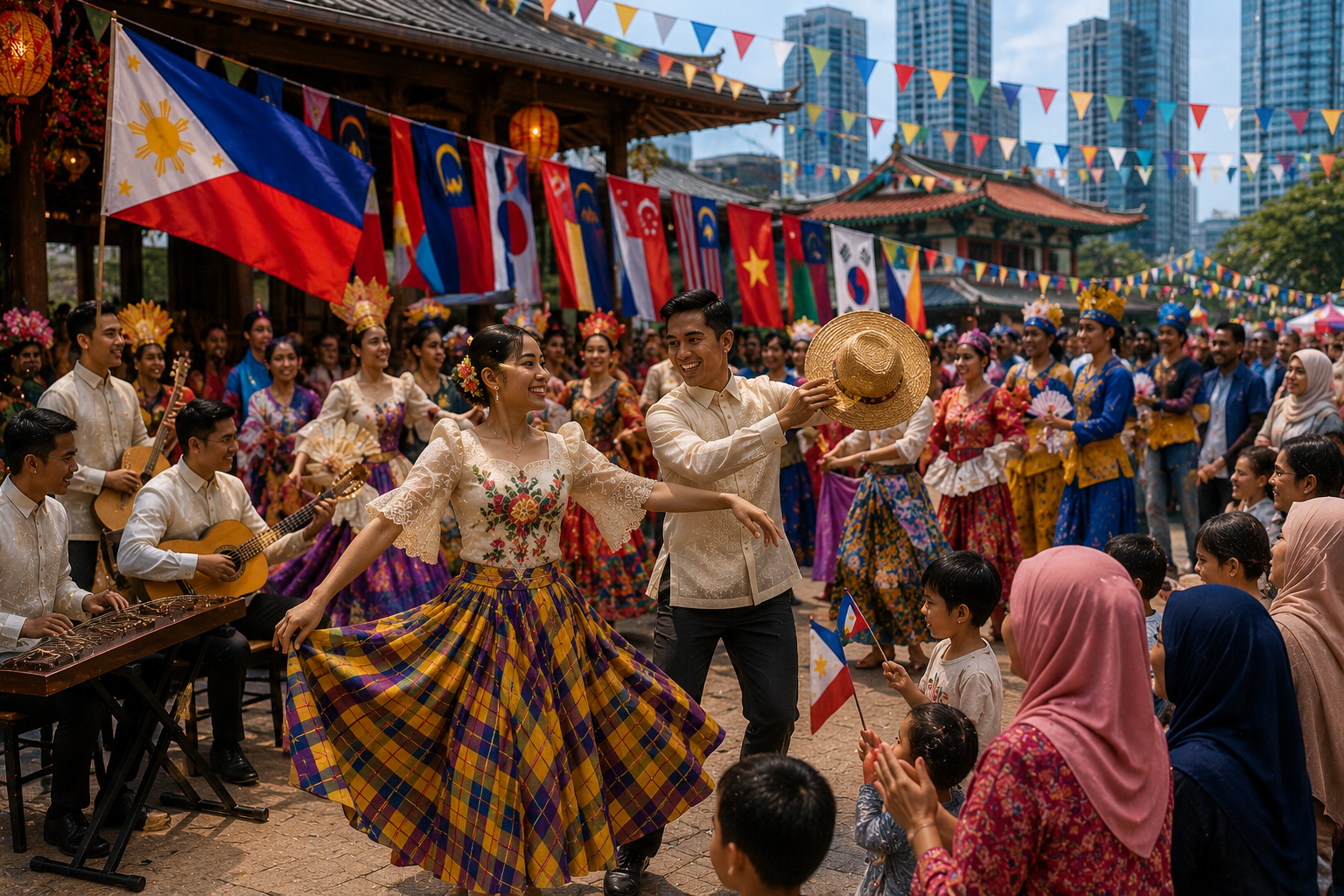
Filipino Communities in Asia Launch Cross-Cultural Friendship Festivals
Share
June 23, 2026
Updated Oct 16, 2026
7 min read
328 views
MANILA, Philippines — Filipino communities across Asia are expanding efforts to strengthen regional connections through the launch of cross-cultural friendship festivals that bring together people from diverse backgrounds to celebrate heritage, foster mutual understanding, and build lasting relationships. Organized in countries such as Singapore, Japan, South Korea, Malaysia, Thailand, Indonesia, Vietnam, Hong Kong, Taiwan, and the United Arab Emirates, these festivals are becoming important platforms for cultural exchange, community engagement, and regional cooperation. Community leaders believe that such initiatives not only strengthen Filipino communities abroad but also contribute to deeper understanding among the many cultures that make Asia one of the most diverse regions in the world.
The growing popularity of friendship festivals reflects a broader recognition of the importance of cultural exchange in an increasingly interconnected world. As millions of people live, work, study, and conduct business across borders, opportunities for meaningful interaction between communities have become more valuable than ever. Filipino organizations throughout Asia have responded by creating events that encourage people from different nationalities and cultural backgrounds to come together through shared experiences centered on arts, food, music, education, and community participation.
For many Overseas Filipinos living in Asia, friendship festivals provide opportunities to celebrate both their Filipino identity and their connections to host communities. Organizers explain that these events are designed not only to showcase Philippine culture but also to create spaces where cultures can interact, learn from one another, and build stronger relationships. Rather than focusing solely on cultural presentation, many festivals emphasize dialogue, participation, and collaboration among attendees from different countries.
Cultural performances often serve as highlights of friendship festivals. Traditional Filipino dances such as Tinikling, Singkil, Pandanggo sa Ilaw, and Cariñosa are frequently presented alongside performances from other Asian cultures. Audiences have opportunities to experience Japanese taiko drumming, Korean traditional dance, Indonesian cultural presentations, Thai performances, Chinese musical traditions, and many other artistic expressions. Organizers note that these performances demonstrate both the uniqueness of individual cultures and the shared values that connect communities across the region.
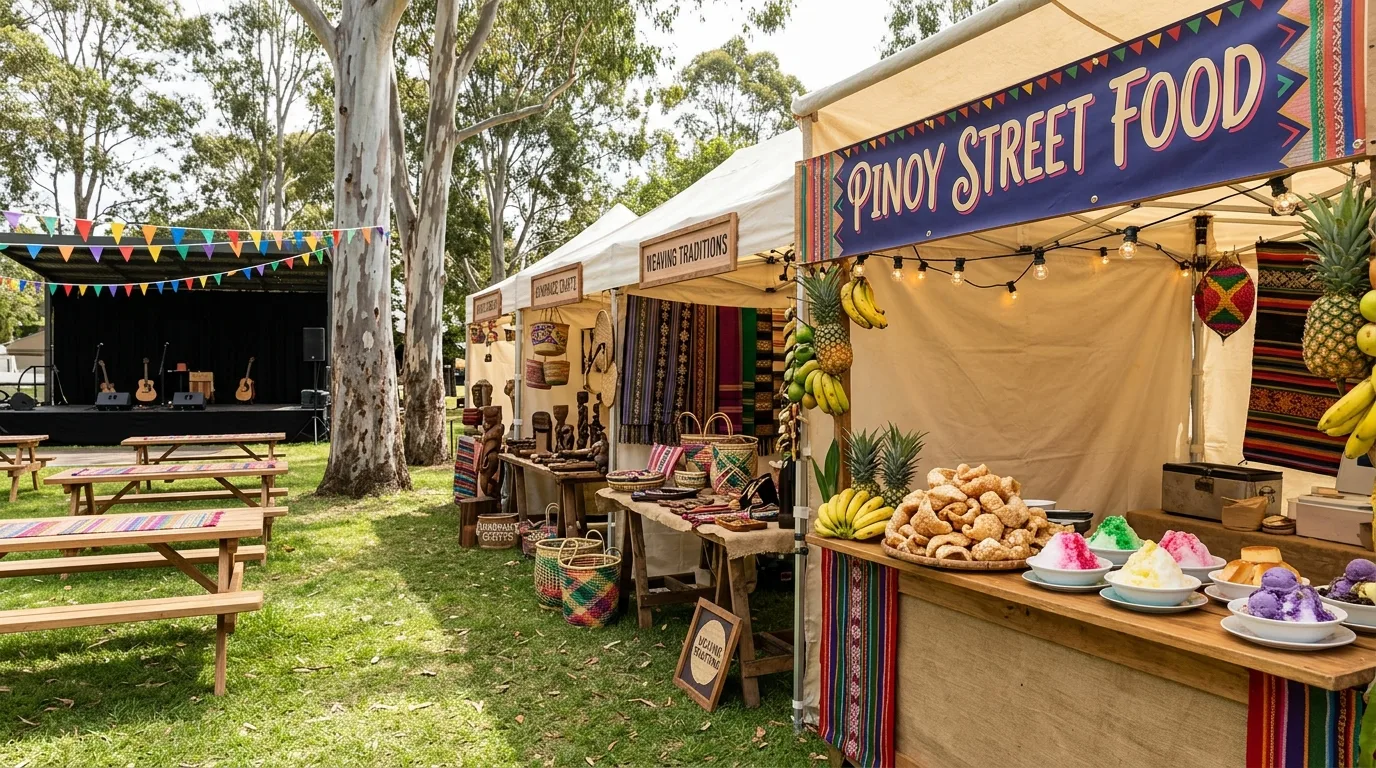
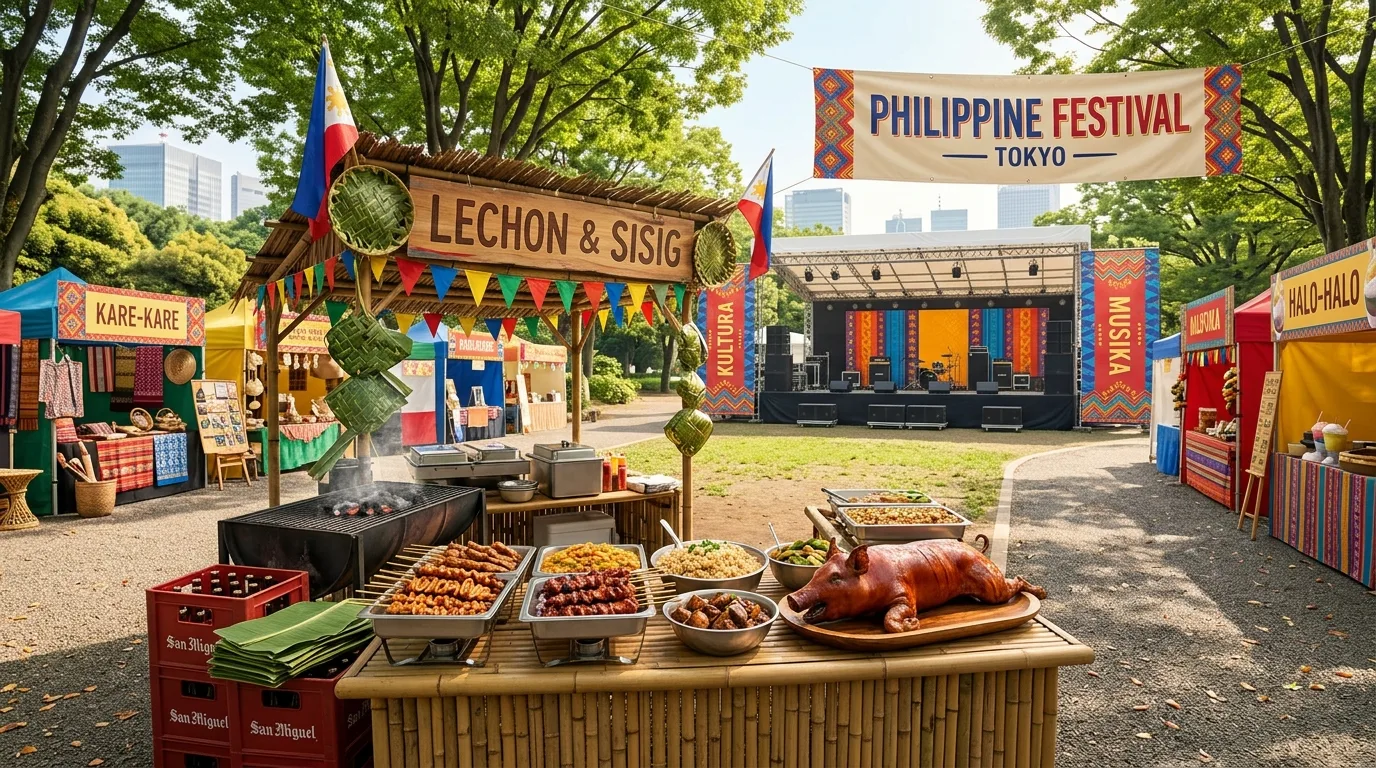
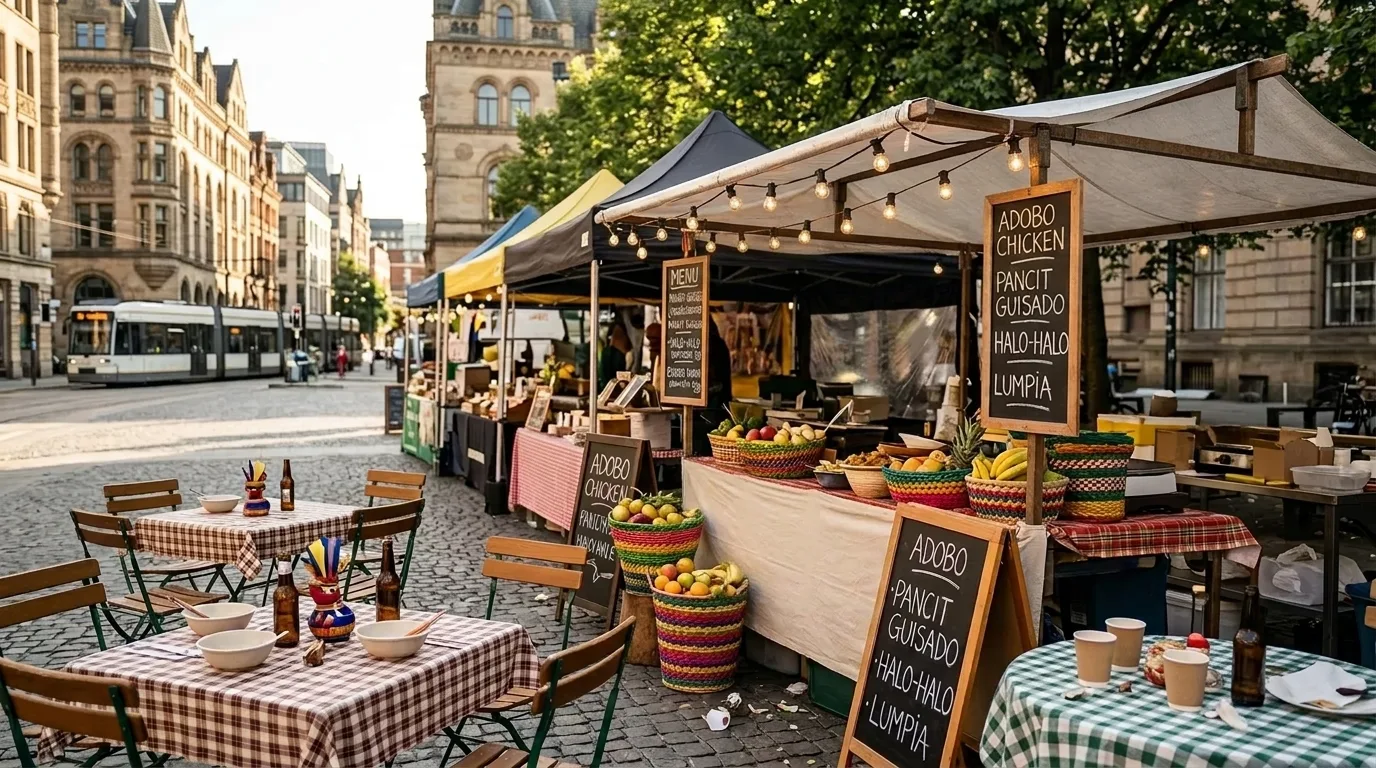
Food remains one of the most popular and effective ways of promoting cultural understanding during friendship festivals. Culinary showcases allow attendees to sample traditional dishes from multiple countries while learning about the histories, ingredients, and cultural significance associated with different cuisines. Filipino favorites such as adobo, pancit, lumpia, lechon, halo-halo, and regional specialties are often featured alongside dishes from neighboring Asian nations. Community leaders explain that food creates natural opportunities for conversation, discovery, and cultural appreciation among participants.
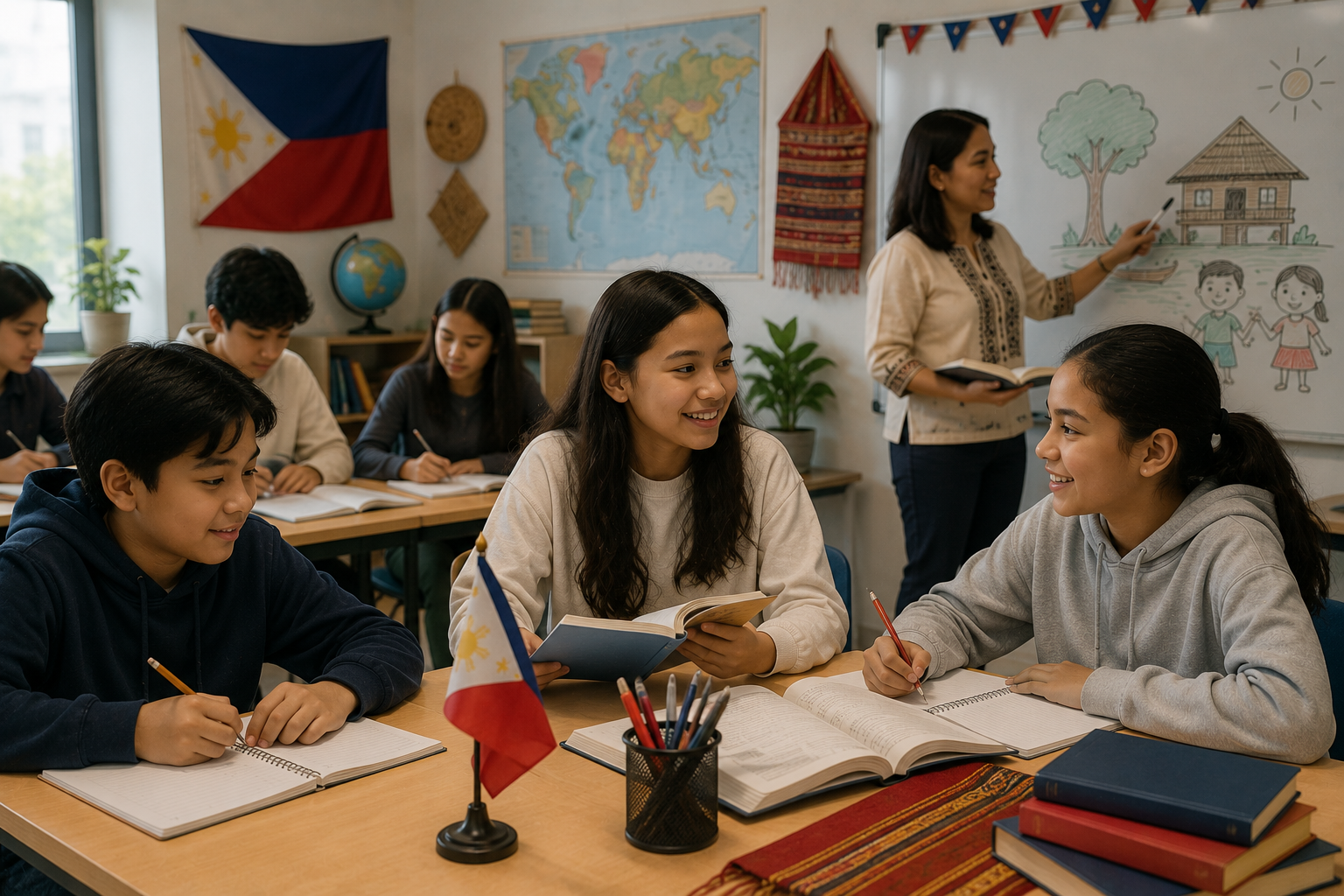
Educational activities have become increasingly important components of friendship festivals. Many events include cultural workshops, language demonstrations, heritage presentations, and interactive learning experiences that encourage participants to deepen their understanding of different traditions. Organizers believe that educational programming helps transform festivals into meaningful platforms for cultural learning while fostering greater respect and appreciation among diverse communities.
The Philippines' long history of cultural interaction with neighboring Asian countries is often highlighted during friendship festivals. Historical presentations frequently explore centuries of trade, migration, religious exchange, artistic influence, and regional cooperation that have shaped the development of societies throughout Asia. Community leaders note that understanding these shared histories helps participants recognize the deep connections that have existed among Asian cultures for generations.
Youth participation plays a significant role in the success of many friendship festivals. Student groups, youth organizations, and young community leaders frequently organize activities designed to encourage intercultural dialogue and collaboration. Through workshops, performances, volunteer opportunities, and leadership programs, younger generations gain valuable experiences that help develop cultural awareness and global perspectives. Organizers view youth engagement as essential for ensuring that cross-cultural relationships continue to strengthen in the future.
Technology has expanded the reach and impact of friendship festivals across Asia. Social media campaigns, livestream broadcasts, virtual cultural exchanges, and online communities allow participants to engage with events regardless of location. Organizers report that digital platforms have helped connect larger audiences while extending cultural conversations beyond individual festival dates. Online engagement also enables communities in different countries to collaborate more effectively and share ideas for future initiatives.
Many friendship festivals emphasize common values that transcend cultural differences. Themes such as family, community, education, respect, hospitality, cooperation, and resilience are frequently explored through performances, discussions, and activities. Community leaders explain that focusing on shared values helps create stronger connections among participants while highlighting the similarities that unite people from different backgrounds.
Volunteerism remains a central feature of many friendship festivals. Filipino organizations often collaborate with local community groups, educational institutions, cultural associations, and civic organizations to plan and execute events. Volunteers contribute their time, skills, and resources to ensure successful programs while demonstrating the spirit of bayanihan that remains deeply rooted within Filipino culture. Organizers describe volunteer participation as one of the strongest examples of community cooperation and cultural engagement.
Cross-cultural friendship festivals have also become important opportunities for cultural diplomacy. By creating positive interactions among diverse groups, these events help strengthen relationships at both community and institutional levels. Cultural advocates note that people-to-people connections often play important roles in fostering mutual understanding and supporting broader regional cooperation efforts. Friendship festivals provide informal yet meaningful environments where trust and goodwill can develop naturally.
Many participants report that attending friendship festivals broadens their perspectives and increases appreciation for cultures beyond their own. Visitors frequently discover similarities between traditions, values, and experiences that may not be immediately apparent. Organizers believe that these realizations contribute to greater empathy and understanding while reducing misconceptions and cultural barriers.
The participation of local residents alongside Filipino communities has contributed significantly to the success of these events. Friendship festivals are often designed to be inclusive and welcoming to people of all backgrounds, creating opportunities for meaningful engagement between host communities and Overseas Filipinos. Community leaders emphasize that the most successful festivals are those that encourage active participation rather than passive observation.
Economic benefits have also emerged from the growing popularity of friendship festivals. Local businesses, artisans, performers, food vendors, and cultural organizations often gain visibility and support through participation in events. Organizers note that festivals contribute positively to local economies while creating opportunities for cultural entrepreneurship and creative industry development.
Cultural organizations throughout Asia are increasingly collaborating to expand the scale and reach of friendship festivals. Partnerships among Filipino associations, cultural institutions, embassies, schools, universities, and nonprofit organizations have enabled larger and more diverse programming. Community leaders believe that collaborative approaches strengthen both the quality and sustainability of cultural initiatives.
Many friendship festivals now include discussions about contemporary issues affecting communities throughout Asia. Topics such as education, sustainability, technology, migration, cultural preservation, and youth development are often incorporated into forums and workshops. Organizers view these conversations as opportunities to address shared challenges while encouraging regional collaboration and innovation.
The continued growth of Filipino communities throughout Asia has created favorable conditions for expanding cultural exchange programs. As Filipino professionals, students, entrepreneurs, and families establish stronger connections across the region, there is increasing demand for initiatives that promote cultural understanding and community engagement. Friendship festivals have emerged as effective responses to this growing interest.
Community leaders remain optimistic about the future of cross-cultural friendship festivals. Plans for expanded programming, youth leadership initiatives, educational partnerships, digital engagement strategies, and regional collaborations are already being developed in many countries. Organizers believe that these efforts will create even greater opportunities for cultural exchange and relationship-building in the years ahead.
The success of friendship festivals demonstrates the enduring power of culture as a tool for connection and understanding. Through music, dance, food, art, education, and community participation, people from different backgrounds are able to discover common ground while celebrating their unique identities. These experiences contribute positively to social cohesion and help build stronger relationships among diverse communities.
Ultimately, the launch of cross-cultural friendship festivals by Filipino communities across Asia reflects a commitment to fostering unity, understanding, and cooperation in an increasingly interconnected region. Through their efforts, Overseas Filipinos are helping create environments where cultural diversity is celebrated, friendships are formed, and meaningful connections are strengthened across borders.
As these festivals continue to grow, they serve as powerful reminders that cultural exchange can play an important role in building more inclusive, respectful, and connected communities. By bringing people together through shared experiences and mutual appreciation, friendship festivals are helping shape a future where cultural diversity is recognized not as a barrier, but as a source of strength and opportunity for all.
Enjoyed this story?
Share this story