Filipino Communities in Australia Expand Annual Heritage Festival Celebrations
Share
June 17, 2026
Updated Oct 16, 2026
7 min read
286 views
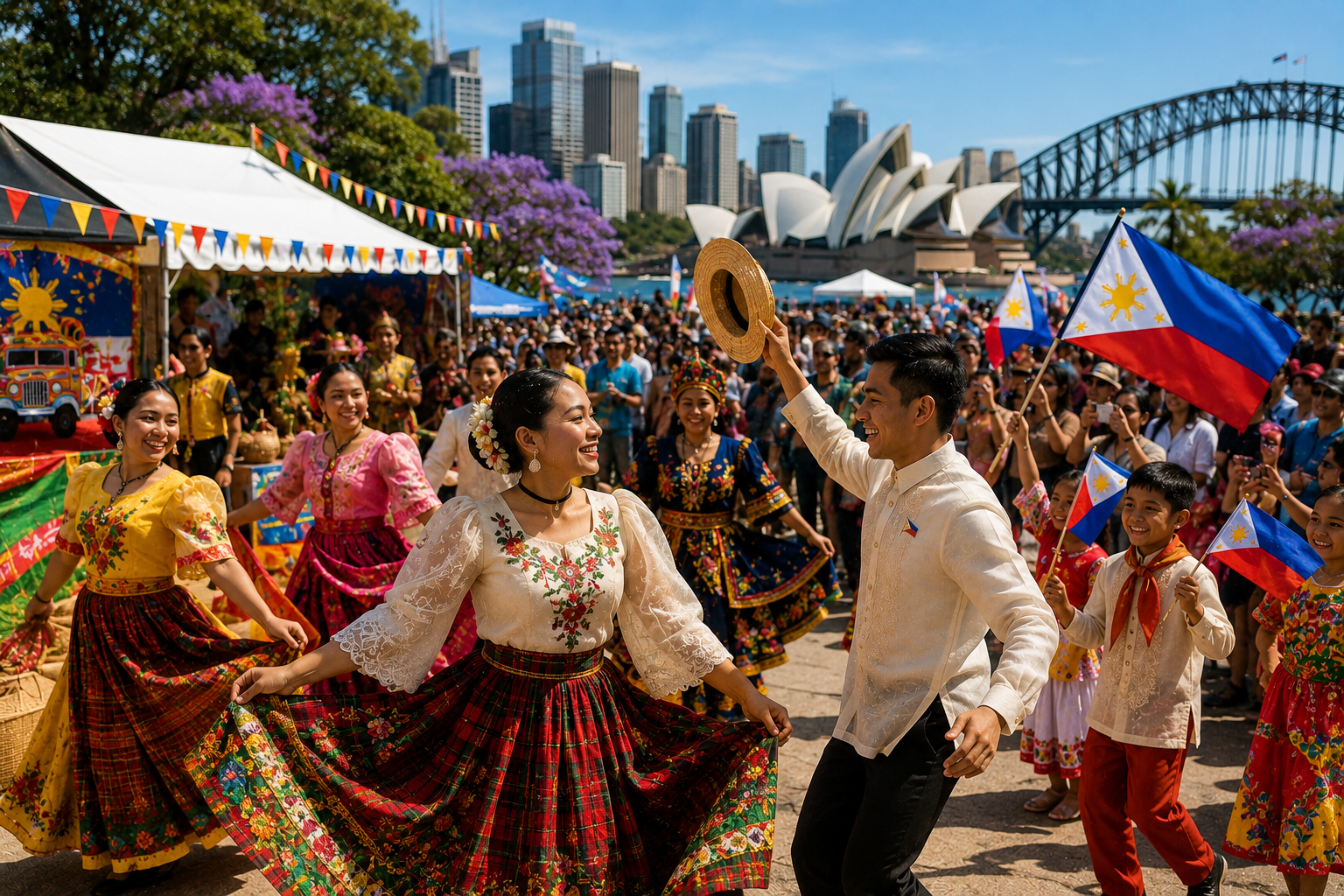
MANILA, Philippines — Filipino communities throughout Australia are expanding their annual heritage festival celebrations as growing numbers of overseas Filipinos seek to preserve cultural traditions, strengthen community ties, and share the richness of Philippine heritage with broader Australian audiences. From major cities such as Sydney, Melbourne, Brisbane, Perth, Adelaide, and Canberra to regional communities across the country, heritage festivals have become increasingly important cultural events that showcase the diversity, creativity, and enduring traditions of the Filipino people.
Over the years, Australia has become home to a vibrant and growing Filipino population that continues to make significant contributions to the country's social, cultural, and economic development. As Filipino communities become more established, cultural organizations and community leaders have placed greater emphasis on creating opportunities for cultural engagement that help preserve traditions while fostering connections among generations. Heritage festivals have emerged as one of the most effective ways to achieve these goals, providing spaces where culture, history, and community can be celebrated together.
Festival organizers report that attendance at Filipino heritage celebrations has steadily increased in recent years. What were once relatively small community gatherings have evolved into large-scale cultural events that attract not only Filipino families but also visitors from diverse cultural backgrounds. These festivals serve as important platforms for cultural exchange, allowing Australians and members of other communities to experience Filipino traditions through music, dance, cuisine, arts, and educational exhibits.
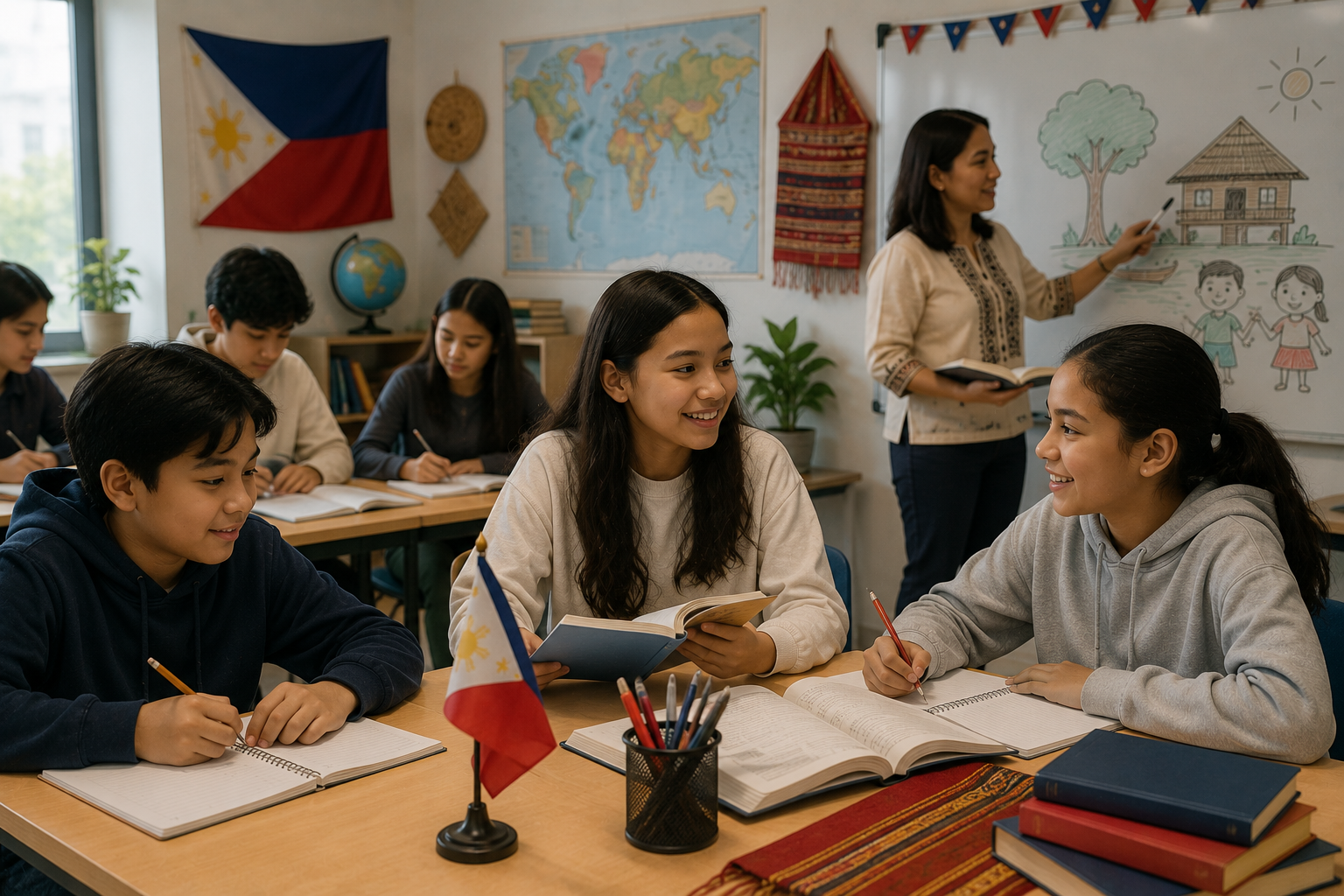
One of the primary objectives of these heritage festivals is the preservation of cultural identity among younger generations. Many second-generation and third-generation Filipinos living in Australia may have limited opportunities to experience traditional customs in their daily lives. Through heritage celebrations, young people are introduced to Philippine history, values, languages, and cultural practices in engaging and meaningful ways. Community leaders emphasize that these experiences help strengthen cultural pride while fostering a deeper understanding of their roots and heritage.
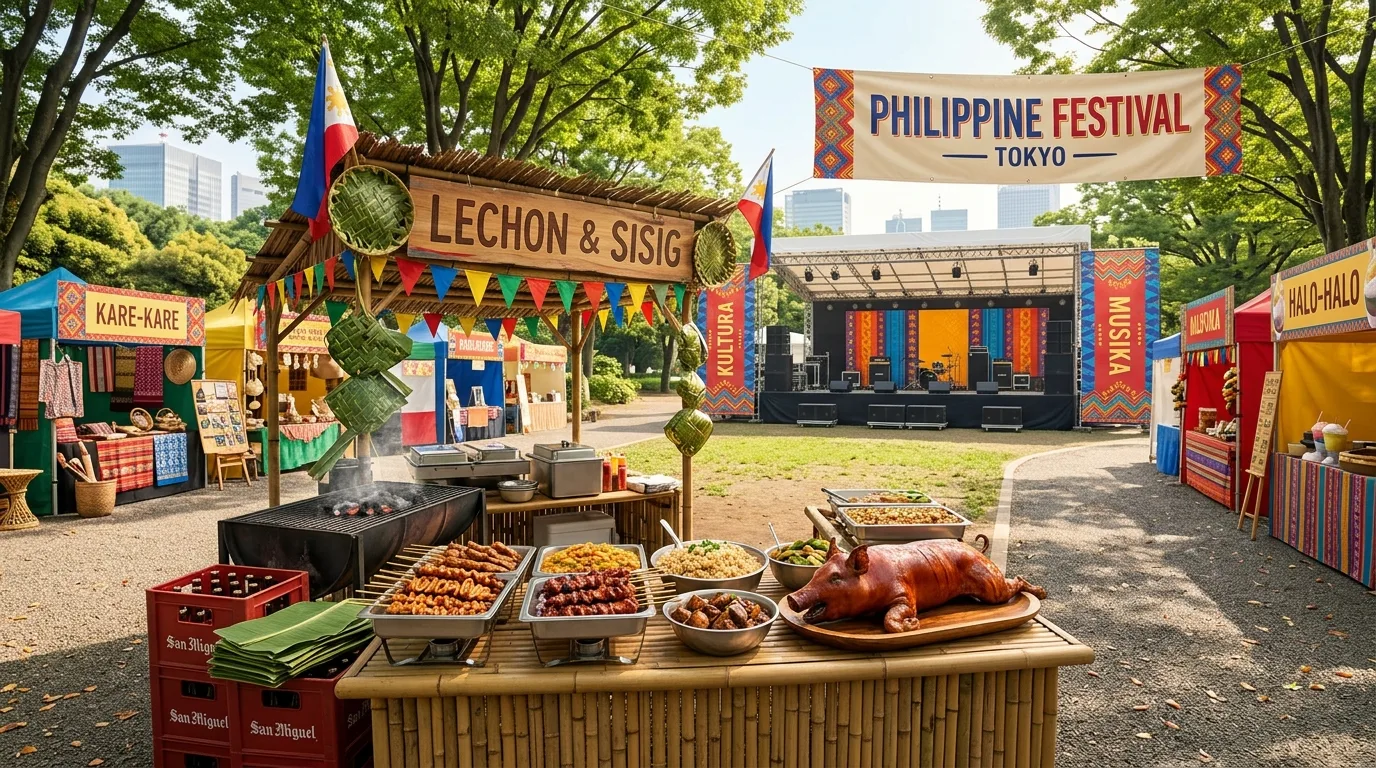
Traditional Filipino dance performances remain among the most anticipated features of heritage festivals. Cultural groups dedicate months of preparation to present folk dances that reflect the diverse traditions of different regions in the Philippines. Performances such as Tinikling, Singkil, Pandanggo sa Ilaw, and other regional dances continue to captivate audiences with their vibrant costumes, intricate choreography, and cultural significance. These presentations serve both as entertainment and as educational opportunities that introduce audiences to important aspects of Philippine history and identity.
Music also plays a central role in festival celebrations. Filipino musicians, choirs, cultural ensembles, and contemporary performers contribute to lively programs that showcase the country's rich musical heritage. Traditional instruments, folk songs, modern Filipino compositions, and community performances create an atmosphere that reflects the diversity and creativity of Philippine culture. Organizers note that music often serves as a universal language that brings people together regardless of cultural background.
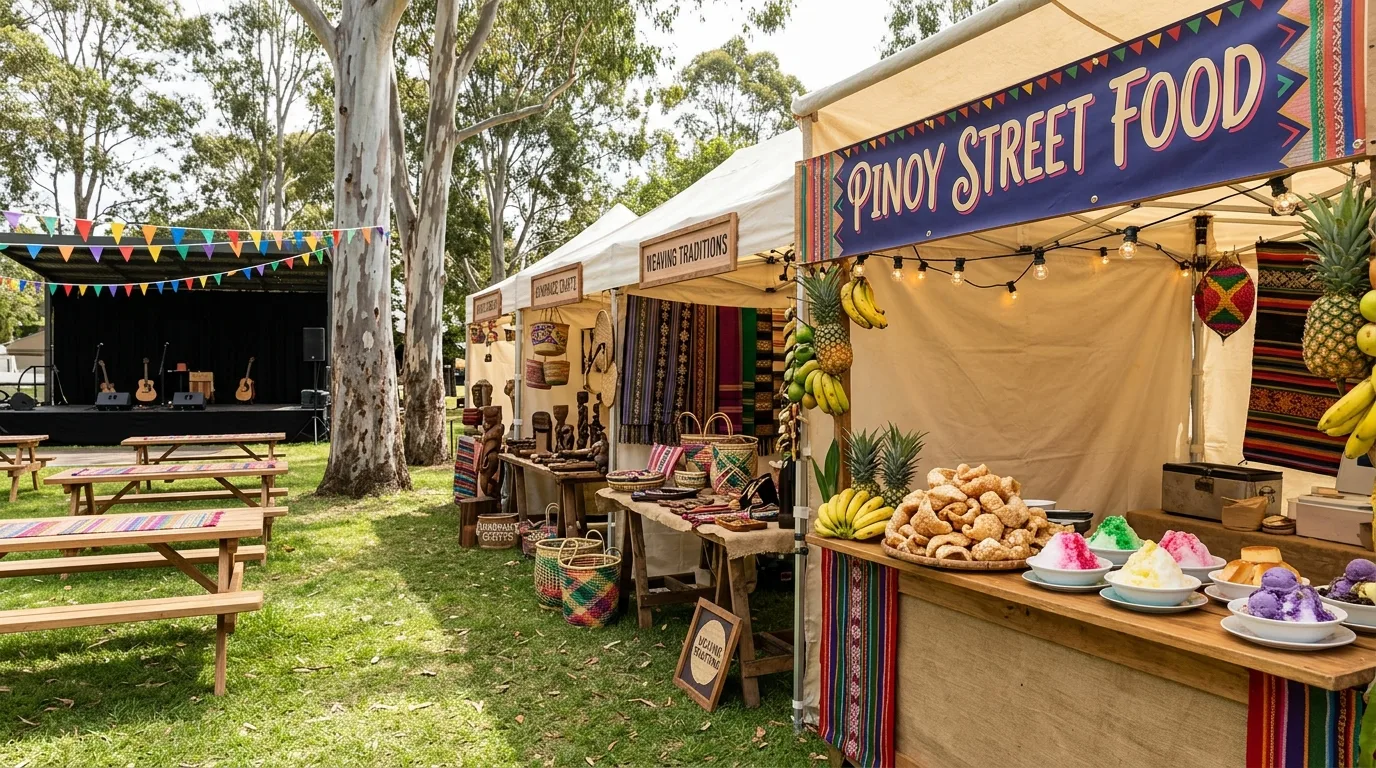
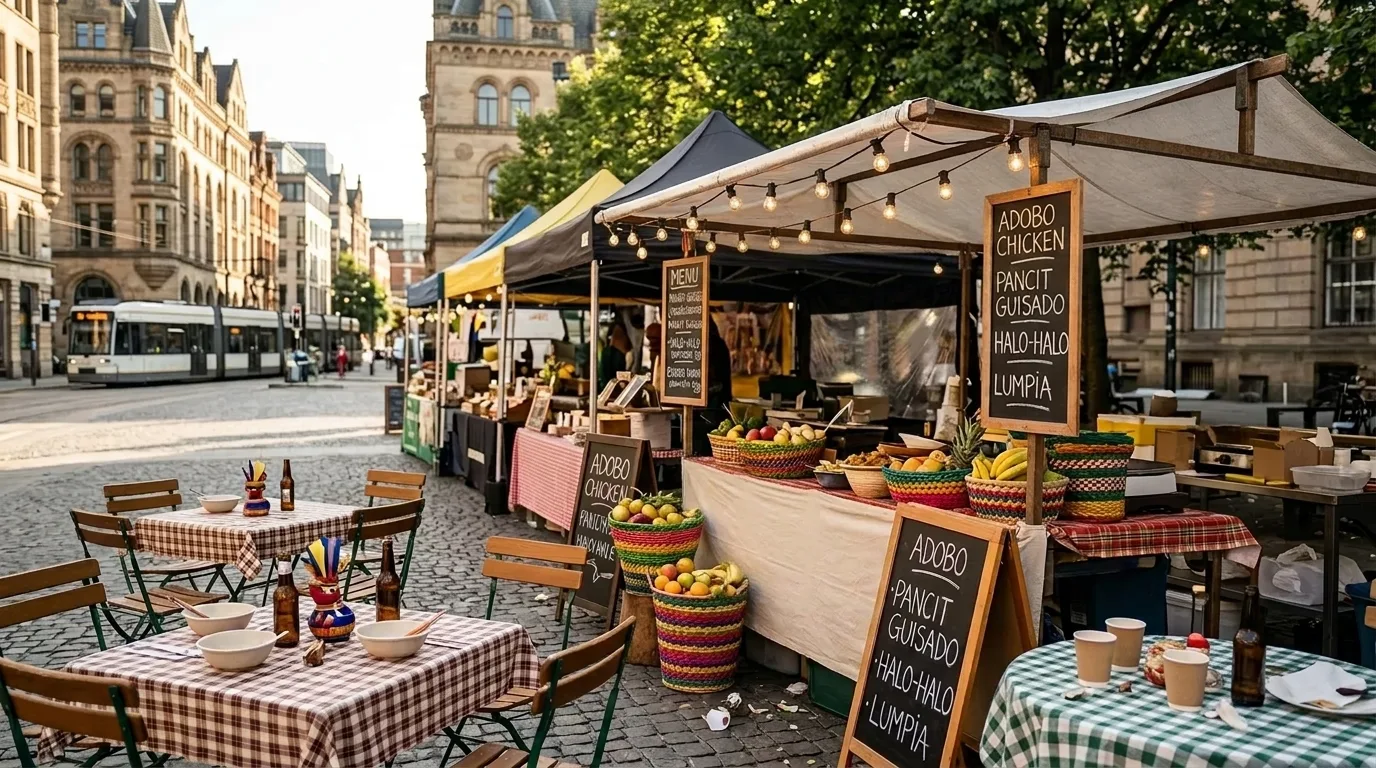
Filipino cuisine has become one of the strongest attractions at heritage festivals across Australia. Food stalls and culinary showcases offer visitors opportunities to sample a wide variety of dishes representing different regions of the Philippines. Favorites such as adobo, lechon, pancit, lumpia, halo-halo, and various regional specialties often draw long lines of festival attendees eager to explore Filipino flavors. Culinary presentations frequently become gateways to broader conversations about Philippine history, traditions, and cultural influences.
Cultural exhibitions and educational displays have expanded significantly as festivals grow in scale and scope. Organizers increasingly incorporate exhibits featuring traditional clothing, indigenous crafts, historical artifacts, photography, literature, and visual arts. These displays help provide context for festival activities while highlighting the diversity of cultural traditions found throughout the Philippine archipelago. Educational components are particularly valuable for younger audiences and non-Filipino visitors interested in learning more about the country's heritage.
The participation of Filipino artists and artisans has become an important feature of many festivals. Painters, sculptors, photographers, designers, and craft makers often showcase works inspired by Filipino identity, history, and contemporary experiences. These creative contributions highlight the continuing evolution of Filipino culture while demonstrating how traditional influences can inspire modern artistic expression. Community leaders believe that supporting artists helps strengthen cultural preservation and encourages creative innovation.
Many heritage festivals also serve as platforms for recognizing the achievements and contributions of Filipinos living in Australia. Community awards, recognition ceremonies, and leadership acknowledgments celebrate individuals and organizations that have made positive impacts in areas such as education, healthcare, business, public service, and community development. These recognitions help inspire younger generations while highlighting the positive contributions of Filipinos to Australian society.
Volunteerism remains at the heart of successful heritage festivals. Hundreds of volunteers often contribute their time and skills to event planning, logistics, performances, cultural presentations, and community outreach activities. Organizers frequently describe festival preparation as a modern expression of bayanihan, the Filipino tradition of collective community cooperation. The collaborative efforts of volunteers help ensure that festivals remain vibrant, inclusive, and accessible to all participants.
The multicultural nature of Australian society has contributed positively to the growth of Filipino heritage festivals. Local governments, community organizations, educational institutions, and cultural groups often collaborate with Filipino associations to support cultural programming and community engagement initiatives. These partnerships help strengthen intercultural understanding while promoting diversity and inclusion within local communities.
Technology and social media have further expanded the reach of heritage celebrations. Festival organizers use digital platforms to promote events, share cultural content, livestream performances, and engage audiences across Australia and beyond. These tools allow communities to connect with participants who may be unable to attend in person while helping preserve cultural content for future generations. Digital engagement has become an important complement to traditional festival activities.
Many festivals now incorporate youth leadership programs designed to encourage younger generations to take active roles in community development and cultural preservation. Student volunteers, youth performers, and emerging leaders are increasingly involved in planning and organizing festival activities. Community advocates view youth participation as essential for ensuring the continuity of cultural traditions and community engagement in the years ahead.
Heritage festivals also provide economic opportunities for Filipino entrepreneurs and small business owners. Vendors offering food, crafts, clothing, artwork, and specialty products benefit from exposure to large audiences. These events help support community enterprises while promoting Filipino products and services within multicultural markets. Business owners frequently view festival participation as valuable opportunities for growth and community engagement.
For many Overseas Filipinos, heritage festivals serve as emotional connections to the Philippines. Through familiar music, food, language, and traditions, participants are reminded of family memories, cultural experiences, and personal histories that remain important despite geographic distance. Community leaders note that festivals help strengthen emotional ties to the homeland while reinforcing a sense of belonging within the diaspora.
The educational impact of heritage festivals extends beyond Filipino communities. Many schools, universities, and cultural institutions encourage participation in multicultural events as opportunities for intercultural learning. Visitors often leave festivals with greater appreciation for Filipino culture and a deeper understanding of the contributions made by Filipino communities to Australian society. Organizers believe that these experiences help promote respect, inclusivity, and cultural understanding.
As Filipino communities continue to grow throughout Australia, heritage festivals are expected to become even more prominent cultural events. Organizers are exploring new ways to enhance programming through interactive exhibits, digital experiences, educational workshops, youth initiatives, and expanded community partnerships. These innovations aim to ensure that festivals remain relevant and engaging while preserving their core cultural purpose.
Community leaders remain optimistic about the future of Filipino heritage celebrations. Strong volunteer support, increasing attendance, growing community involvement, and broader public interest suggest that these events will continue to flourish in the coming years. Many believe that heritage festivals will remain essential tools for preserving culture, building community, and fostering intercultural dialogue within Australia's diverse social landscape.
Ultimately, the expansion of Filipino heritage festival celebrations across Australia reflects the resilience, pride, and cultural vitality of Overseas Filipino communities. Through music, dance, food, art, education, and community engagement, these festivals help ensure that Philippine traditions continue to thrive far beyond the country's borders. They create opportunities for cultural preservation, community building, and meaningful connection while showcasing the rich heritage that continues to inspire generations of Filipinos around the world.
As these celebrations continue to evolve and grow, they stand as powerful reminders that culture remains a living and dynamic force capable of bringing people together across distances, generations, and backgrounds. Through heritage festivals, Filipino communities in Australia are not only preserving traditions but also creating new cultural legacies that will continue to enrich future generations and strengthen the bonds that unite Filipinos around the world.
Enjoyed this story?
Share this story