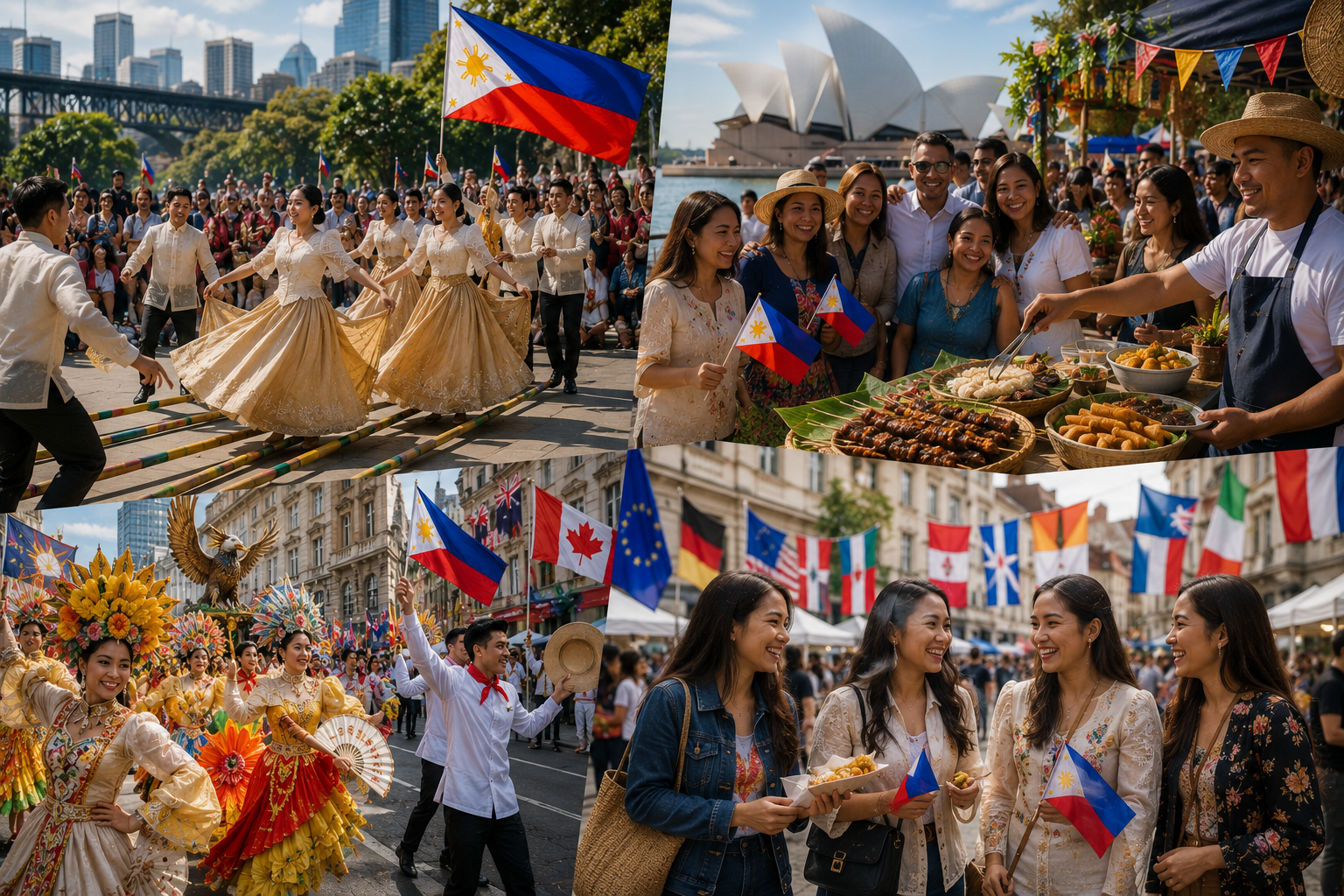
Filipino Communities in Canada, Australia, and Europe Strengthen Cultural Connections Through Festivals
Share
June 07, 2026
Updated Oct 15, 2026
7 min read
395 views
MANILA, Philippines — Filipino communities across Canada, Australia, and Europe are strengthening cultural ties and preserving heritage through a growing number of festivals, cultural celebrations, and community events that bring together Filipinos from diverse backgrounds and generations. These festivals have become important platforms for celebrating Filipino identity, promoting cultural understanding, and maintaining meaningful connections to traditions despite living thousands of kilometers away from the Philippines.
As global Filipino communities continue to expand, cultural festivals have taken on an increasingly significant role in preserving heritage and fostering a sense of belonging among overseas Filipinos. Community leaders note that these events provide opportunities for families, young people, professionals, and longtime immigrants to reconnect with their roots while sharing the richness of Filipino culture with broader international audiences. Through music, dance, food, art, and community engagement, these celebrations help ensure that Filipino traditions remain vibrant and relevant across generations.
Canada has emerged as one of the most active centers of Filipino cultural celebrations outside the Philippines. With a large and growing Filipino population spread across major cities and provinces, community organizations regularly host festivals that highlight the country's cultural diversity and heritage. These events attract not only Filipinos but also people from various cultural backgrounds who are interested in learning about Philippine traditions. Organizers often describe festivals as opportunities to build bridges between communities while promoting multicultural understanding and appreciation.
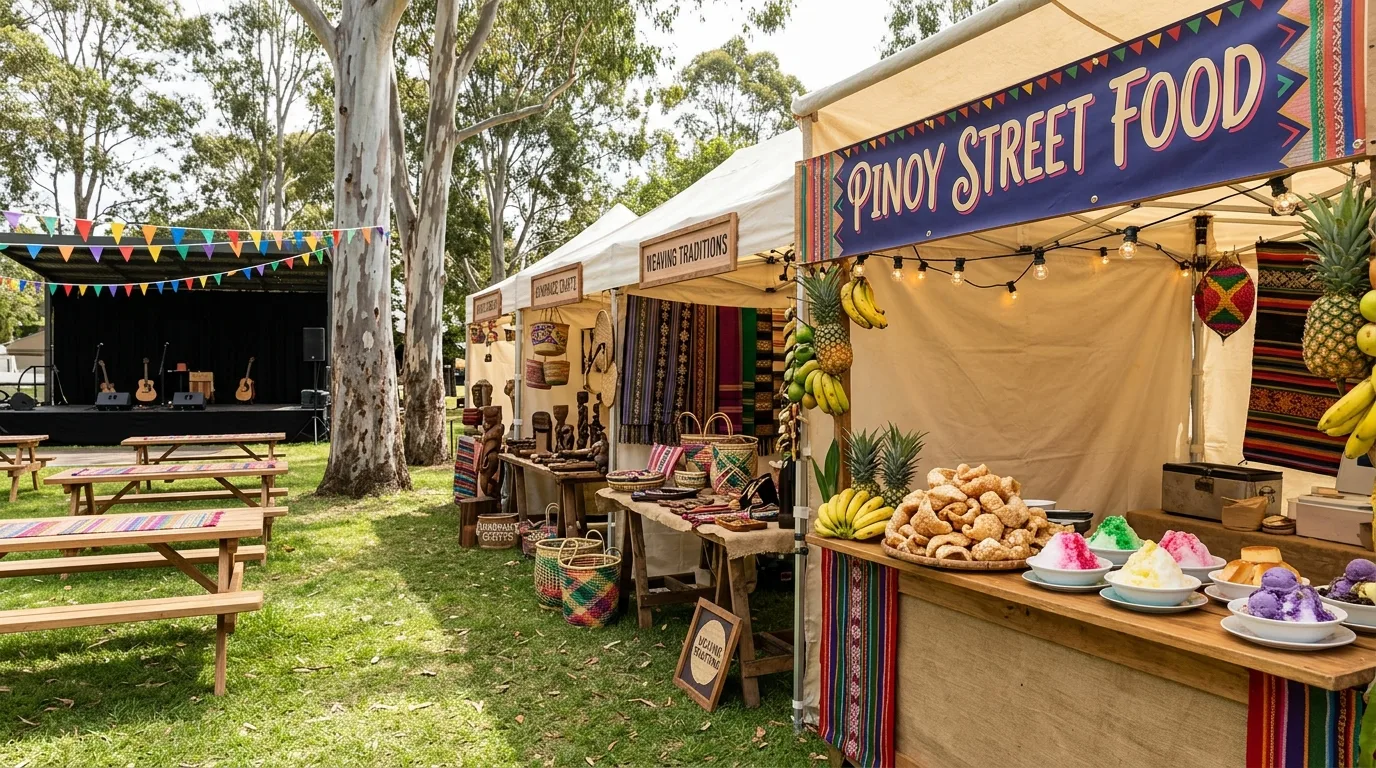
In Australia, Filipino cultural events have become increasingly prominent within multicultural calendars. Filipino organizations collaborate with local governments, cultural institutions, and community groups to host festivals that celebrate Philippine traditions while contributing to the country's broader cultural landscape. These gatherings often feature traditional dances, musical performances, cultural exhibitions, food markets, and educational activities designed to introduce attendees to Filipino history and customs. Community leaders emphasize that such events strengthen social connections while reinforcing cultural pride among Filipino Australians.
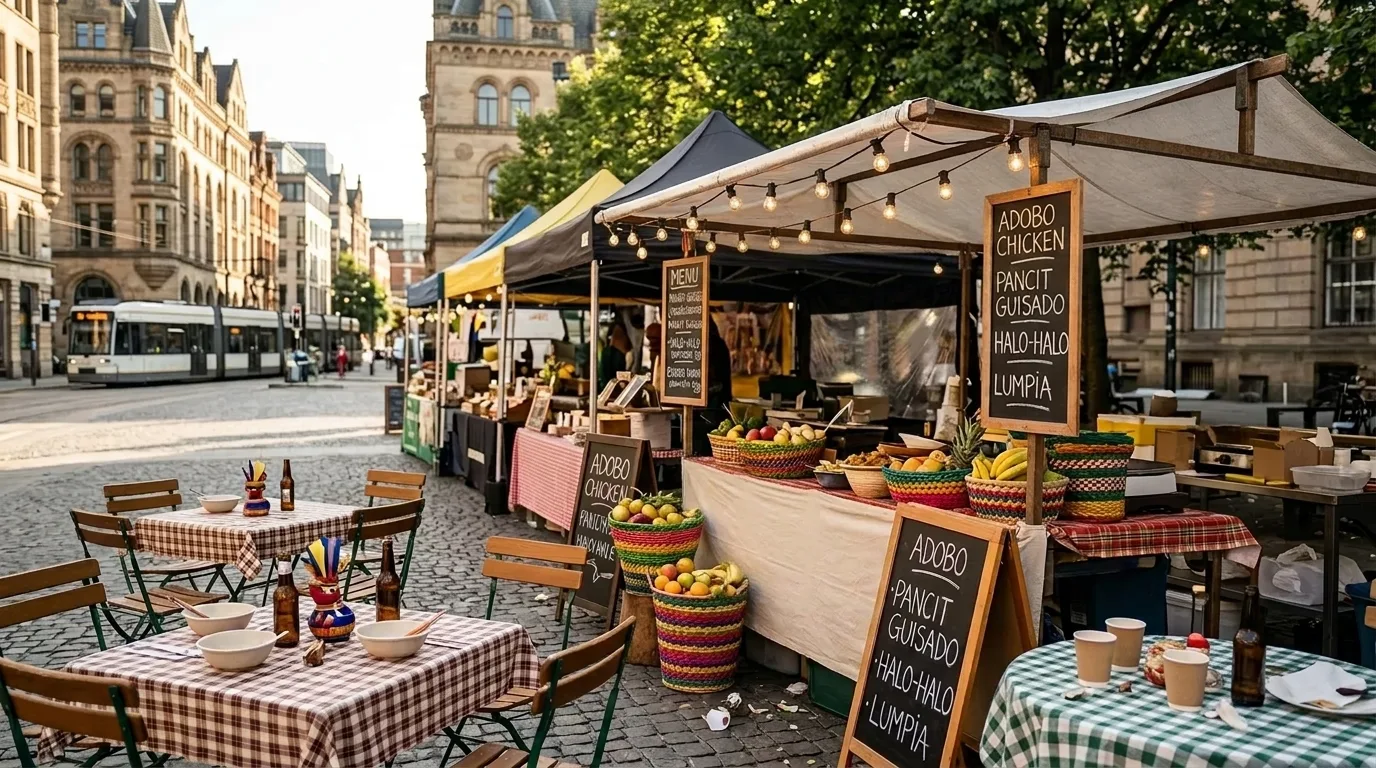
Across Europe, Filipino communities are also investing significant effort into cultural preservation through festivals and community celebrations. In countries where Filipino populations continue to grow, cultural events serve as important opportunities for social engagement and identity building. Festivals frequently attract attendees from neighboring cities and even neighboring countries, reflecting the strong desire among Filipinos to maintain connections with their heritage. Organizers note that these gatherings often become annual traditions that community members look forward to throughout the year.
One of the most important functions of these festivals is the preservation of cultural traditions. Through performances, demonstrations, exhibits, and educational programs, participants gain opportunities to learn about Filipino customs that may not be part of their daily lives abroad. Traditional folk dances, indigenous cultural presentations, historical exhibits, and language-related activities help strengthen awareness of Philippine heritage. Community advocates stress that cultural preservation requires active participation and engagement, making festivals valuable tools for passing traditions from one generation to the next.
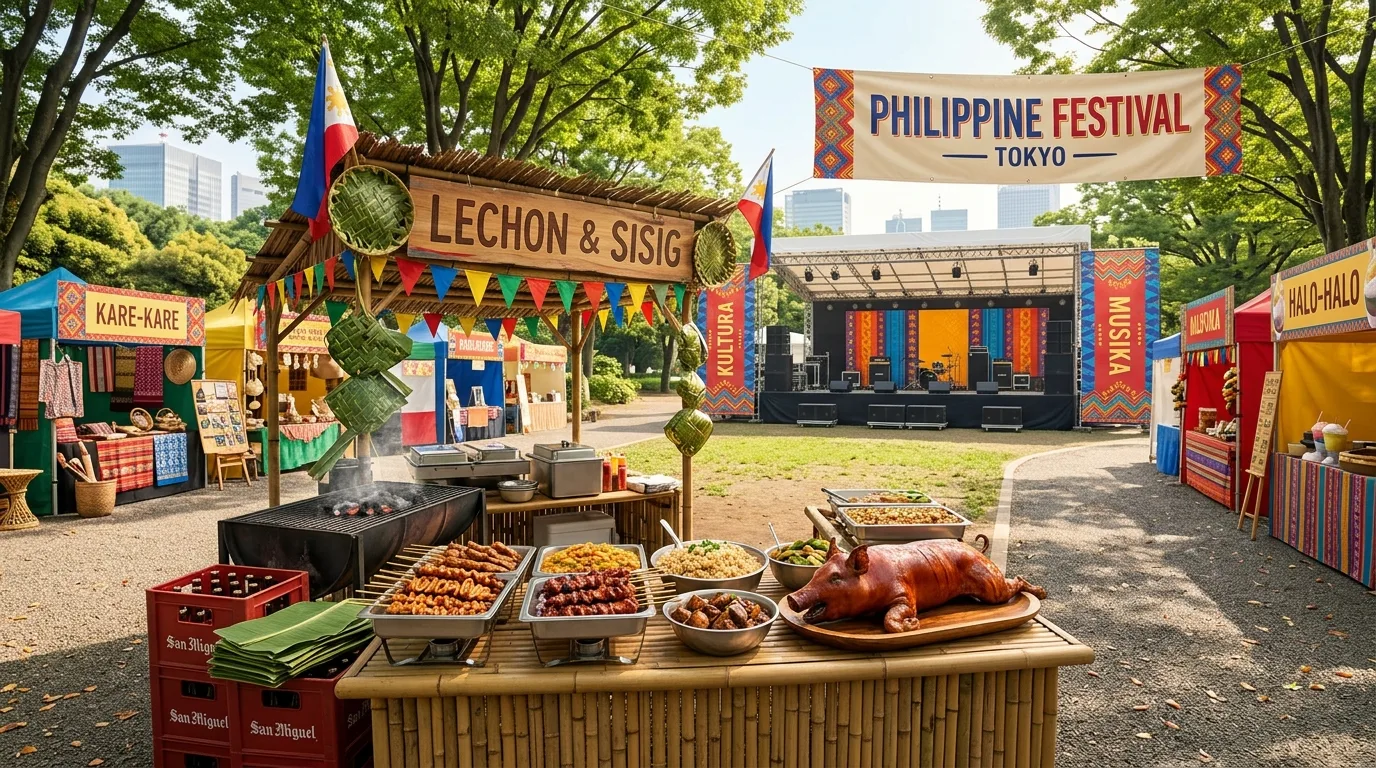
Food remains one of the most popular and influential elements of Filipino cultural festivals. Culinary experiences provide accessible and engaging ways for people to explore Filipino culture while creating opportunities for cultural exchange. Visitors often enjoy a wide range of traditional dishes, regional specialties, desserts, and street food favorites that reflect the diversity of Philippine cuisine. Food vendors, chefs, and community organizations play important roles in showcasing culinary traditions while supporting local entrepreneurship and community fundraising initiatives.
Music and performance arts continue to serve as powerful expressions of Filipino identity. Festival stages frequently feature traditional cultural performances alongside contemporary music, reflecting both heritage and modern Filipino creativity. Choirs, dance groups, musicians, and cultural performers dedicate significant time and effort to preparing presentations that entertain audiences while educating them about Philippine traditions. These performances often become highlights of festivals and contribute to stronger appreciation of Filipino artistic talent.
Youth participation has become an increasingly important aspect of cultural festivals. Many community organizations actively encourage younger generations to take leadership roles in planning, organizing, and participating in events. Through volunteer programs, cultural workshops, performance groups, and educational initiatives, young Filipinos gain opportunities to engage with their heritage while developing valuable leadership and community-building skills. Community leaders believe that youth involvement is essential to ensuring the long-term sustainability of cultural preservation efforts.
The role of technology has expanded significantly in recent years. Social media platforms, livestream broadcasts, digital storytelling projects, and online community networks have enabled cultural festivals to reach audiences far beyond physical event locations. Festivals that once served local communities can now be viewed and celebrated by Filipinos around the world. This digital connectivity strengthens global cultural ties while helping younger generations engage with heritage through platforms they use regularly.
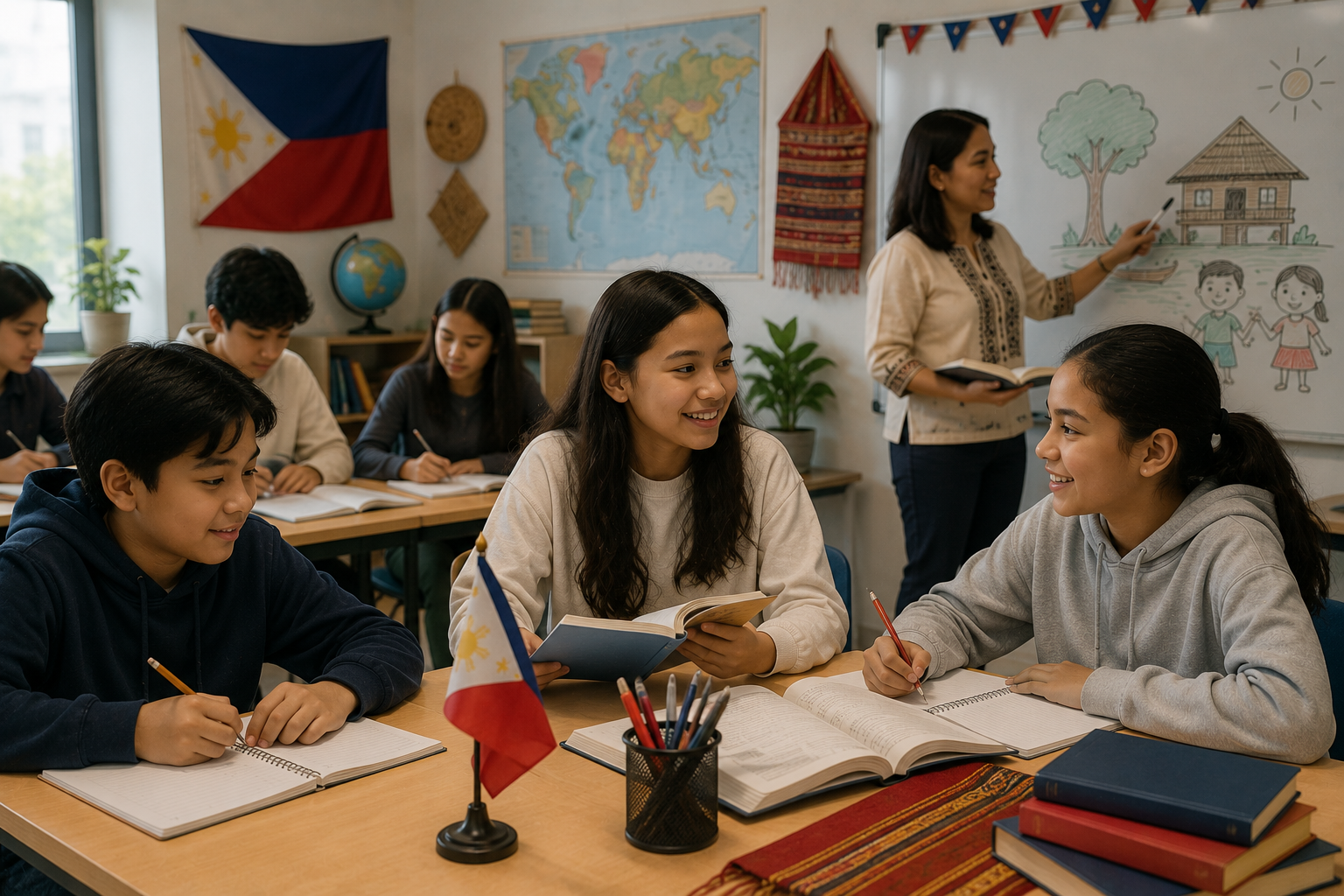
Many cultural festivals also incorporate educational components that explore Philippine history, traditions, language, and social values. Workshops, seminars, cultural exhibits, and interactive activities provide opportunities for participants to deepen their understanding of Filipino identity. Educators and cultural advocates emphasize that meaningful cultural preservation requires more than celebration alone; it also requires knowledge, context, and ongoing engagement with historical and cultural narratives.
Community festivals frequently serve charitable and social purposes as well. Many events include fundraising activities, scholarship programs, community outreach initiatives, and humanitarian projects that benefit both local communities and causes in the Philippines. These activities reflect the Filipino values of bayanihan, generosity, and collective responsibility. Organizers often view cultural celebrations as opportunities not only to preserve heritage but also to strengthen community solidarity and support meaningful social initiatives.
The growing visibility of Filipino festivals contributes positively to multicultural societies in Canada, Australia, and Europe. By sharing traditions, cuisine, music, and cultural experiences with broader audiences, Filipino communities help enrich local cultural landscapes while fostering mutual understanding. Festival attendees frequently express appreciation for the opportunity to learn about Philippine culture through firsthand experiences that are both educational and engaging.
Local governments and cultural institutions increasingly recognize the value of Filipino festivals as contributors to community development and cultural diversity. Many organizations receive support through partnerships, sponsorships, and collaborative programs that help expand the reach and impact of cultural events. These partnerships reflect growing recognition of the important role Filipino communities play in the social and cultural life of their host countries.
Economic benefits also emerge from the continued growth of cultural festivals. Local businesses, food vendors, artisans, performers, and service providers often benefit from increased visitor activity associated with major events. Festivals create opportunities for entrepreneurs to showcase products and services while contributing to local economic activity. Community leaders note that cultural celebrations can generate positive outcomes that extend beyond cultural preservation alone.
The emotional significance of these festivals should not be underestimated. For many overseas Filipinos, cultural celebrations provide opportunities to reconnect with memories, traditions, and experiences associated with life in the Philippines. These events create spaces where individuals can celebrate shared identities while strengthening relationships with family, friends, and community members. Many participants describe festivals as important reminders of their heritage and sources of cultural pride.
As migration patterns continue shaping global Filipino communities, the importance of cultural preservation is expected to grow. Community organizations are increasingly focused on creating inclusive and innovative approaches that engage both longtime residents and newer generations. Festivals provide flexible and dynamic platforms through which culture can be celebrated, adapted, and shared in ways that remain relevant to contemporary audiences.
Looking ahead, community leaders remain optimistic about the future of Filipino cultural festivals abroad. Continued population growth, stronger community networks, increased digital connectivity, and rising interest in multicultural engagement are expected to support further expansion. New partnerships, creative programming, and greater youth involvement are likely to strengthen the impact of cultural celebrations in the years to come.
Ultimately, the success of Filipino festivals in Canada, Australia, and Europe reflects the enduring strength of Filipino identity and the deep desire of communities to remain connected to their roots. Through cultural performances, culinary traditions, educational programs, community service, and shared celebrations, overseas Filipinos are demonstrating that heritage can thrive regardless of geographic distance.
As these festivals continue bringing people together across generations and cultures, they reinforce a powerful message: that culture is not simply something inherited from the past, but something actively lived, shared, and strengthened through community participation. By preserving traditions while embracing new opportunities for engagement, Filipino communities around the world are ensuring that their heritage remains vibrant, relevant, and proudly celebrated for generations to come.
Enjoyed this story?
Share this story