Filipino Communities in Canada Organize Large-Scale Heritage Month Celebrations
Share
June 08, 2026
Updated Oct 15, 2026
7 min read
288 views
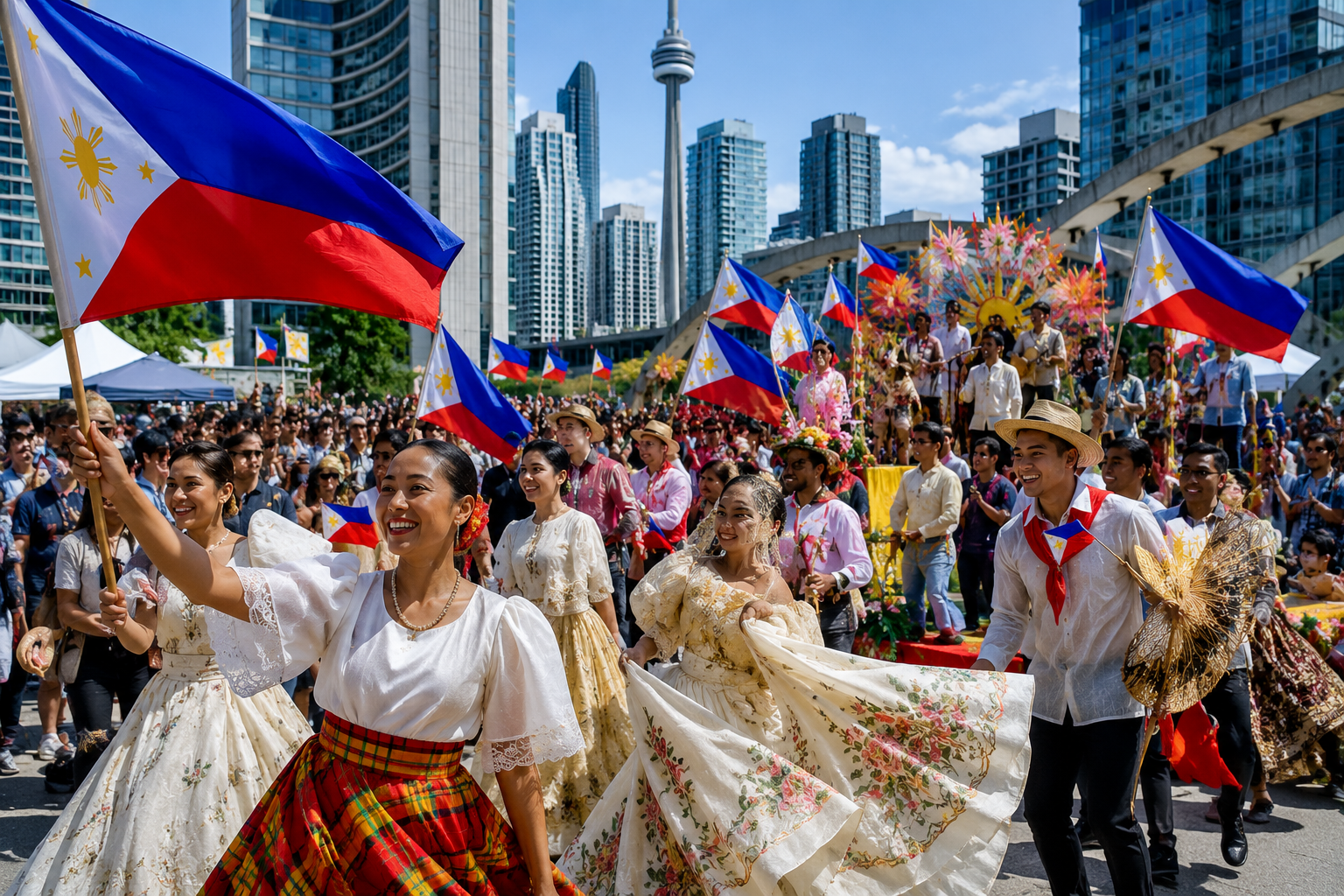
MANILA, Philippines — Filipino communities across Canada are preparing and organizing large-scale Heritage Month celebrations that highlight the vibrant traditions, cultural diversity, and enduring contributions of Filipinos to Canadian society. With participation expected from thousands of community members, cultural organizations, educators, artists, local leaders, and multicultural advocates, these events are becoming some of the most significant annual celebrations of Filipino heritage outside the Philippines.
The growing scale of Heritage Month activities reflects the increasing prominence of Filipino communities throughout Canada. Over the years, Filipinos have become one of the country's largest and fastest-growing cultural communities, contributing significantly to sectors such as healthcare, education, business, technology, hospitality, public service, and entrepreneurship. As communities continue to expand, Heritage Month celebrations have evolved into important platforms for preserving cultural traditions, strengthening community identity, and promoting intercultural understanding.
Community leaders describe Heritage Month as more than a series of cultural events. It is an opportunity to recognize the achievements, sacrifices, and contributions of generations of Filipinos who have helped shape communities across Canada. Through organized celebrations, participants reflect on their shared history while highlighting the values, traditions, and experiences that continue to define Filipino identity in a multicultural environment. These events also provide opportunities for younger generations to learn about their heritage and develop a stronger connection to their cultural roots.
Across major Canadian cities, community organizations are preparing diverse programs that include cultural festivals, heritage exhibits, educational workshops, traditional performances, food fairs, art showcases, and community outreach activities. These celebrations are designed to appeal to people of all ages while creating meaningful opportunities for learning and engagement. Organizers note that attendance has grown steadily over the years, with increasing participation from both Filipino and non-Filipino audiences interested in exploring Philippine culture.
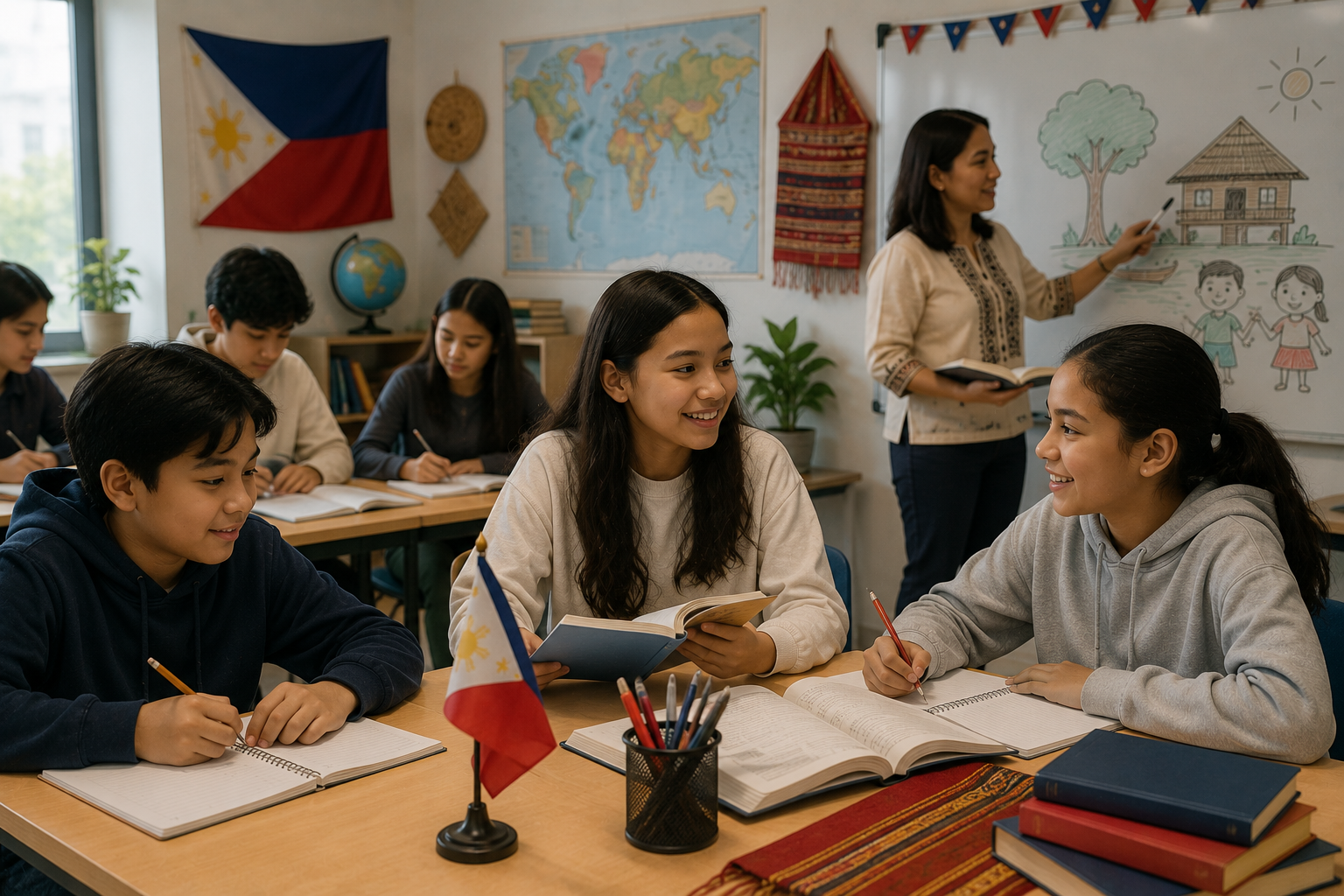
One of the central goals of Heritage Month celebrations is cultural preservation. Community advocates recognize that maintaining cultural traditions becomes increasingly important as younger generations grow up in multicultural societies. Through festivals and educational programs, participants gain opportunities to learn about Filipino history, language, customs, values, and artistic traditions. Organizers believe that active participation in cultural activities helps strengthen identity while ensuring that important traditions remain relevant and accessible for future generations.
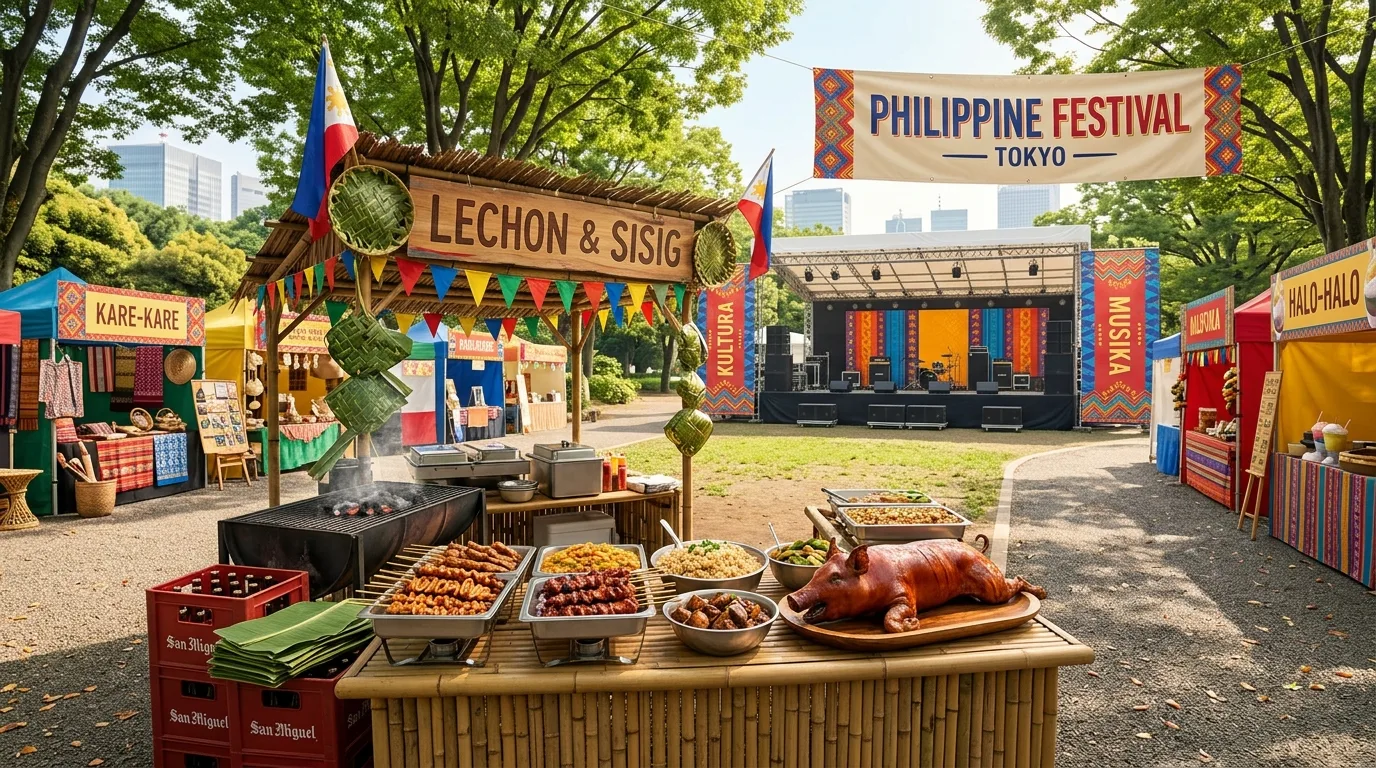
Traditional Filipino music and dance performances remain among the most anticipated features of Heritage Month events. Cultural groups spend months preparing presentations that showcase the diversity of Philippine artistic traditions. Folk dances representing different regions of the Philippines are often performed alongside contemporary cultural interpretations that reflect modern Filipino experiences. These performances provide audiences with engaging visual and musical experiences while highlighting the richness and diversity of Philippine heritage.
Many celebrations also feature educational exhibits that explore Philippine history, migration stories, cultural traditions, and community achievements. Historical displays often highlight the journeys of Filipino immigrants who helped establish vibrant communities across Canada. These exhibits provide valuable context that helps participants understand the challenges and accomplishments that have shaped Filipino Canadian experiences. Community leaders emphasize that education is an essential component of cultural preservation because it helps connect individuals to the broader narratives of their heritage.
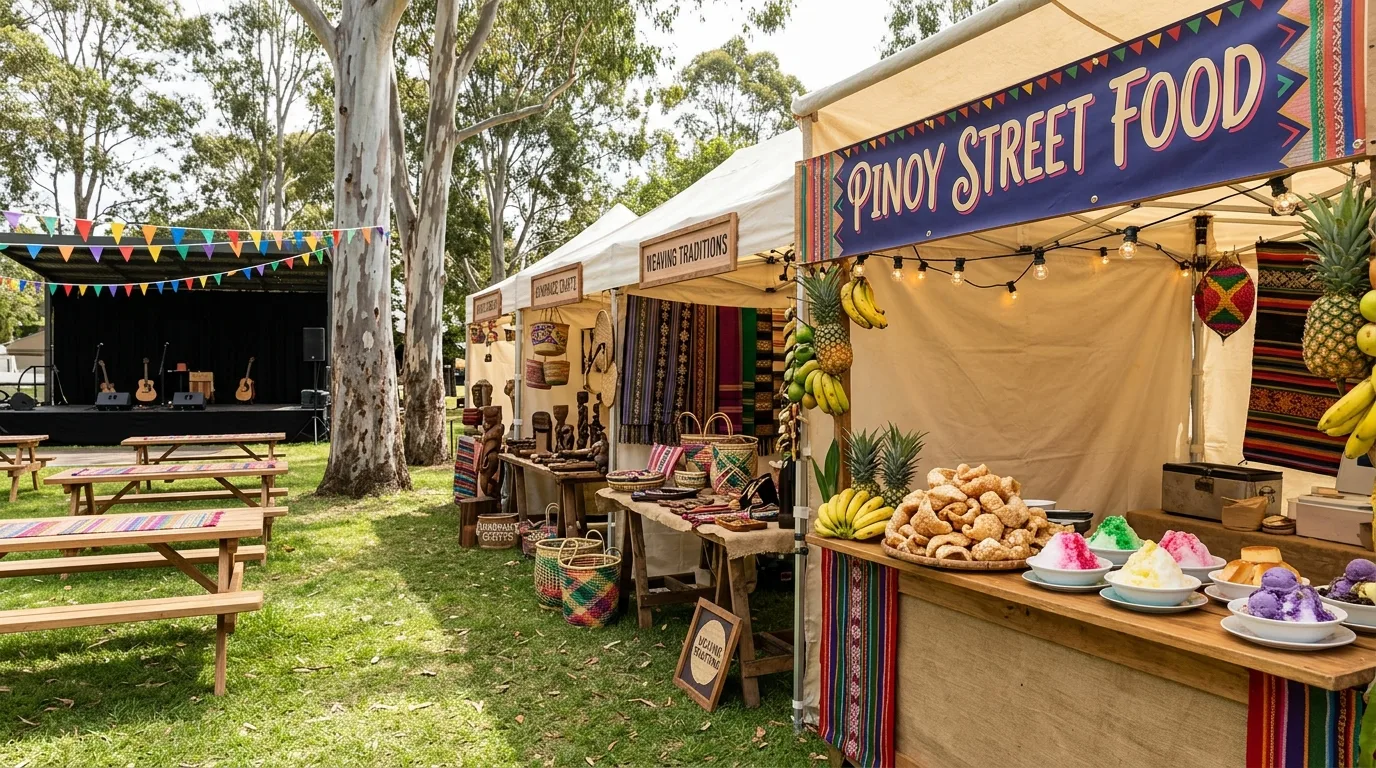
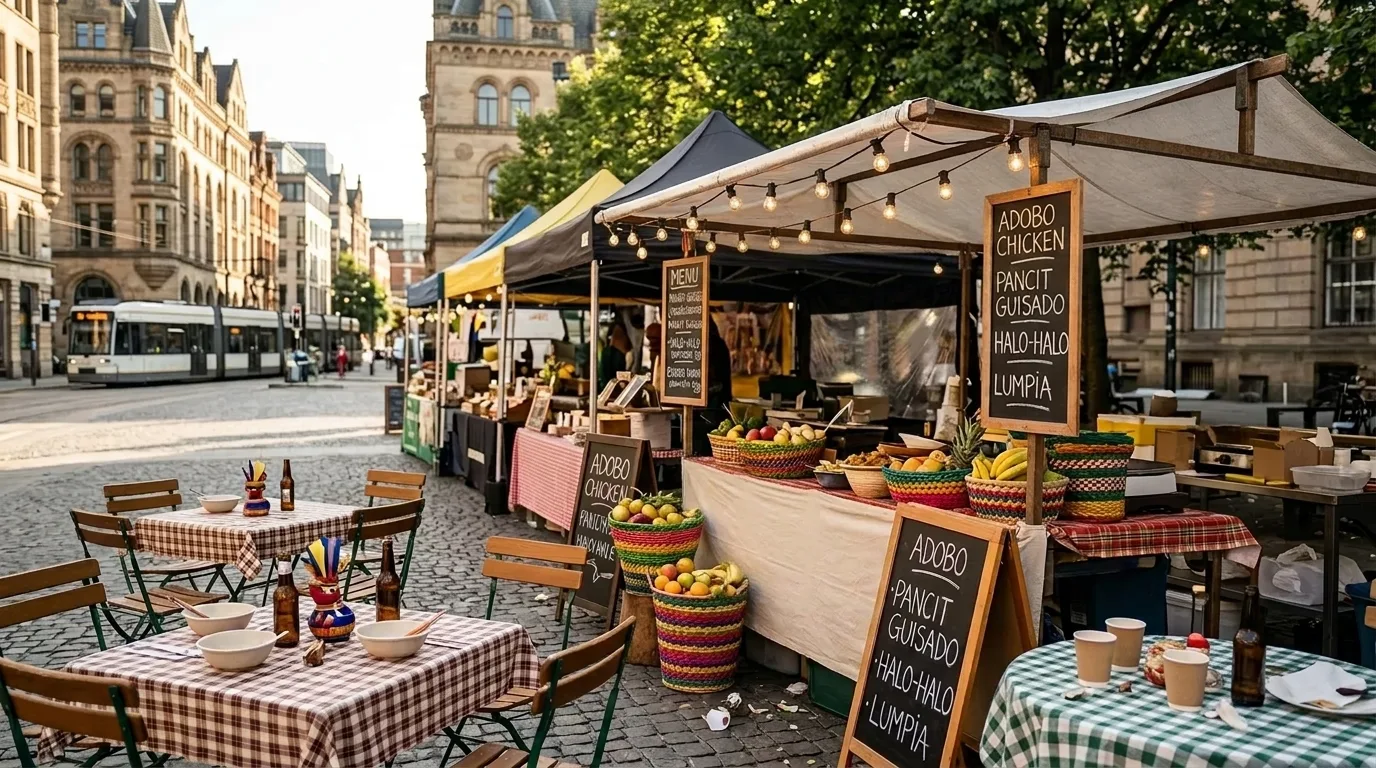
Food plays a particularly important role in Heritage Month festivities. Filipino cuisine has become increasingly popular throughout Canada, and food fairs consistently attract large crowds eager to experience traditional dishes and regional specialties. Culinary events provide opportunities to showcase the diversity of Philippine food culture while introducing visitors to flavors that reflect the country's unique history and cultural influences. Organizers often describe food as one of the most effective ways to bring people together and encourage cultural exchange.
Local entrepreneurs, chefs, food vendors, and small business owners benefit significantly from Heritage Month activities. Festivals create opportunities to introduce products, services, and culinary offerings to broader audiences while supporting economic activity within the community. Many vendors view these events as valuable platforms for building customer relationships and increasing awareness of Filipino-owned businesses. Community organizations frequently highlight the importance of supporting local entrepreneurs as part of broader efforts to strengthen community development.
Youth involvement has become one of the most important aspects of modern Heritage Month celebrations. Community leaders actively encourage younger generations to participate in cultural performances, volunteer programs, leadership initiatives, and educational activities. Through direct involvement, young Filipinos gain opportunities to connect with their heritage while developing valuable skills related to leadership, teamwork, communication, and community engagement. Organizers view youth participation as essential for ensuring the long-term sustainability of cultural preservation efforts.
Technology has significantly expanded the reach and impact of Heritage Month programs. Social media campaigns, digital storytelling initiatives, livestream events, and online educational resources allow communities to engage audiences beyond physical event locations. Filipino Canadians living in different provinces and regions can participate in activities, share experiences, and access cultural content through digital platforms. Community organizations increasingly recognize technology as an important tool for strengthening connections and promoting cultural awareness.
Many Heritage Month celebrations also include recognition programs that honor individuals and organizations making positive contributions to their communities. Awards ceremonies often highlight achievements in areas such as education, healthcare, business, public service, arts, volunteerism, and community leadership. These recognitions serve as reminders of the positive impact that Filipino Canadians continue to have across various sectors of society while inspiring future generations to pursue excellence and service.
The multicultural nature of Canadian society provides an ideal environment for cultural exchange. Heritage Month events frequently attract attendees from diverse backgrounds who are interested in learning more about Philippine culture and traditions. Organizers view these interactions as valuable opportunities to foster understanding, respect, and appreciation among different communities. By sharing cultural experiences through performances, food, education, and community activities, Filipino organizations contribute to the broader goals of inclusion and diversity.
Community partnerships have become increasingly important in supporting large-scale celebrations. Filipino organizations often collaborate with local governments, educational institutions, cultural agencies, businesses, and community groups to organize events and expand their reach. These partnerships provide resources, venues, promotional support, and opportunities for greater public engagement. Community leaders note that collaboration strengthens the impact of Heritage Month programs while creating opportunities for long-term relationship building.
The economic impact of Heritage Month celebrations extends beyond individual events. Increased visitor activity supports local businesses, tourism initiatives, performers, vendors, and service providers. Cultural festivals often generate economic benefits while simultaneously promoting community pride and cultural awareness. Organizers emphasize that cultural events can contribute meaningfully to both social and economic development within local communities.
Many participants describe Heritage Month as an opportunity to celebrate the values that continue to unite Filipino communities across generations. Values such as family, respect, resilience, hospitality, faith, and bayanihan are often highlighted throughout celebrations. Community leaders believe these principles remain central to Filipino identity and continue to guide community development efforts both in Canada and around the world.
As Filipino communities continue to grow, Heritage Month celebrations are expected to become even larger and more influential. Organizers are exploring new programming formats, educational initiatives, youth engagement strategies, and digital platforms that will help broaden participation and strengthen cultural connections. The increasing visibility of Filipino culture within Canadian society provides additional opportunities to expand the reach and impact of future celebrations.
Looking ahead, community advocates remain optimistic about the future of cultural preservation and community engagement. Strong volunteer participation, growing public interest, expanding partnerships, and active youth involvement provide a solid foundation for continued growth. Heritage Month celebrations are expected to remain important platforms for sharing culture, strengthening identity, and building relationships among diverse communities.
Ultimately, the success of large-scale Heritage Month celebrations demonstrates the strength, resilience, and unity of Filipino communities throughout Canada. These events honor the contributions of past generations while creating opportunities for future generations to embrace and celebrate their cultural heritage. Through music, dance, food, education, volunteerism, and community engagement, Filipino Canadians continue to preserve traditions while contributing positively to the multicultural fabric of Canadian society.
As communities gather to celebrate Heritage Month, they reaffirm the importance of culture as a source of identity, pride, and connection. The growing scale and influence of these celebrations reflect not only the achievements of Filipino Canadians but also the enduring power of heritage to inspire, unite, and enrich communities across generations. Through their continued commitment to cultural preservation and community building, Filipino communities in Canada are ensuring that their traditions remain vibrant, meaningful, and proudly celebrated for years to come.
Enjoyed this story?
Share this story