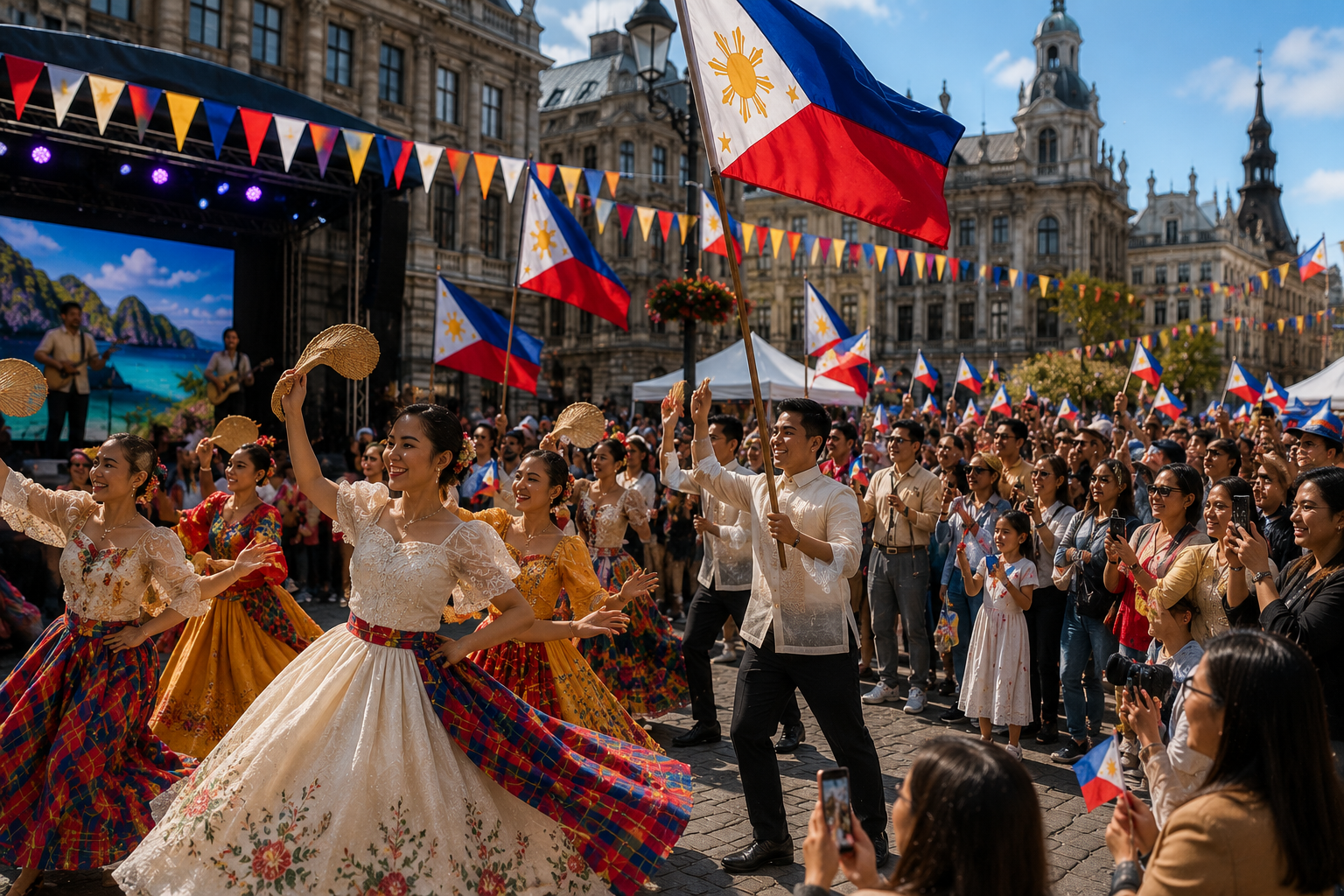
Filipino Communities in Europe Celebrate Philippine Independence Through Cultural Events
Share
June 23, 2026
Updated Oct 16, 2026
7 min read
346 views
MANILA, Philippines — Filipino communities throughout Europe are commemorating Philippine Independence through a diverse range of cultural events that celebrate the country's history, heritage, traditions, and enduring national identity. Across major cities in countries such as the United Kingdom, France, Germany, Italy, Spain, the Netherlands, Belgium, Ireland, Switzerland, Sweden, Norway, and Denmark, Filipino organizations, cultural groups, and community associations are organizing festivals, heritage programs, performances, and educational activities that bring together Filipinos and international audiences in recognition of one of the most significant milestones in Philippine history.
For many Overseas Filipinos living in Europe, Independence Day celebrations represent more than a remembrance of historical events. They serve as opportunities to strengthen cultural identity, reconnect with heritage, and pass important traditions on to younger generations. Community leaders emphasize that these celebrations help preserve national pride while creating meaningful spaces where Filipinos can gather, reflect, and celebrate their shared history despite being thousands of kilometers away from their homeland.
The observance of Philippine Independence Day holds special significance for global Filipino communities because it highlights the values of freedom, resilience, self-determination, and unity that continue to shape the Filipino experience. Organizers note that Independence Day events provide opportunities to revisit important chapters of Philippine history while encouraging deeper appreciation of the sacrifices and achievements that contributed to the country's nationhood. Through cultural programming and educational activities, communities seek to ensure that these historical lessons remain relevant and accessible to future generations.
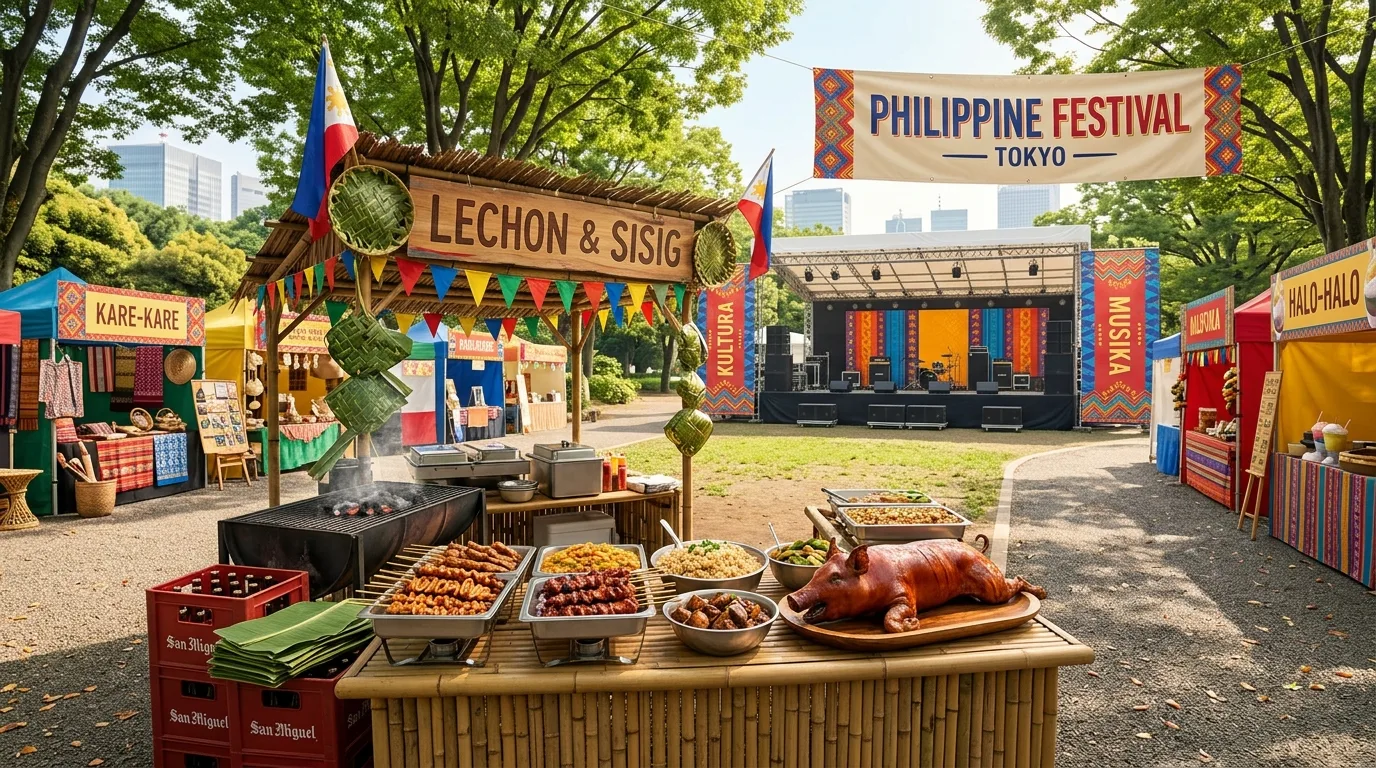
Many celebrations begin with traditional flag-raising ceremonies and community gatherings that bring together Filipino families, professionals, students, community leaders, and guests from local host communities. These ceremonies often include performances of the Philippine national anthem, cultural presentations, and speeches highlighting the significance of independence and the continuing contributions of Filipinos around the world. Organizers view these moments as opportunities to foster collective pride while reinforcing connections to the Philippines.
Cultural performances remain among the most anticipated features of Independence Day celebrations across Europe. Traditional dances such as Tinikling, Singkil, Pandanggo sa Ilaw, Cariñosa, and other regional folk performances showcase the diversity and richness of Philippine cultural heritage. Dance groups composed of children, youth, and adults often dedicate months of preparation to present performances that reflect different regions and traditions from across the Philippine archipelago. Audiences frequently include both Filipinos and non-Filipinos who are eager to experience the country's artistic traditions firsthand.
Music also plays a central role in many Independence Day events. Choirs, cultural ensembles, solo performers, and community musicians present traditional Filipino songs, patriotic compositions, and contemporary performances that celebrate Filipino identity. Community leaders note that music serves as a powerful cultural bridge, allowing participants to connect emotionally with their heritage while sharing aspects of Philippine culture with broader audiences.
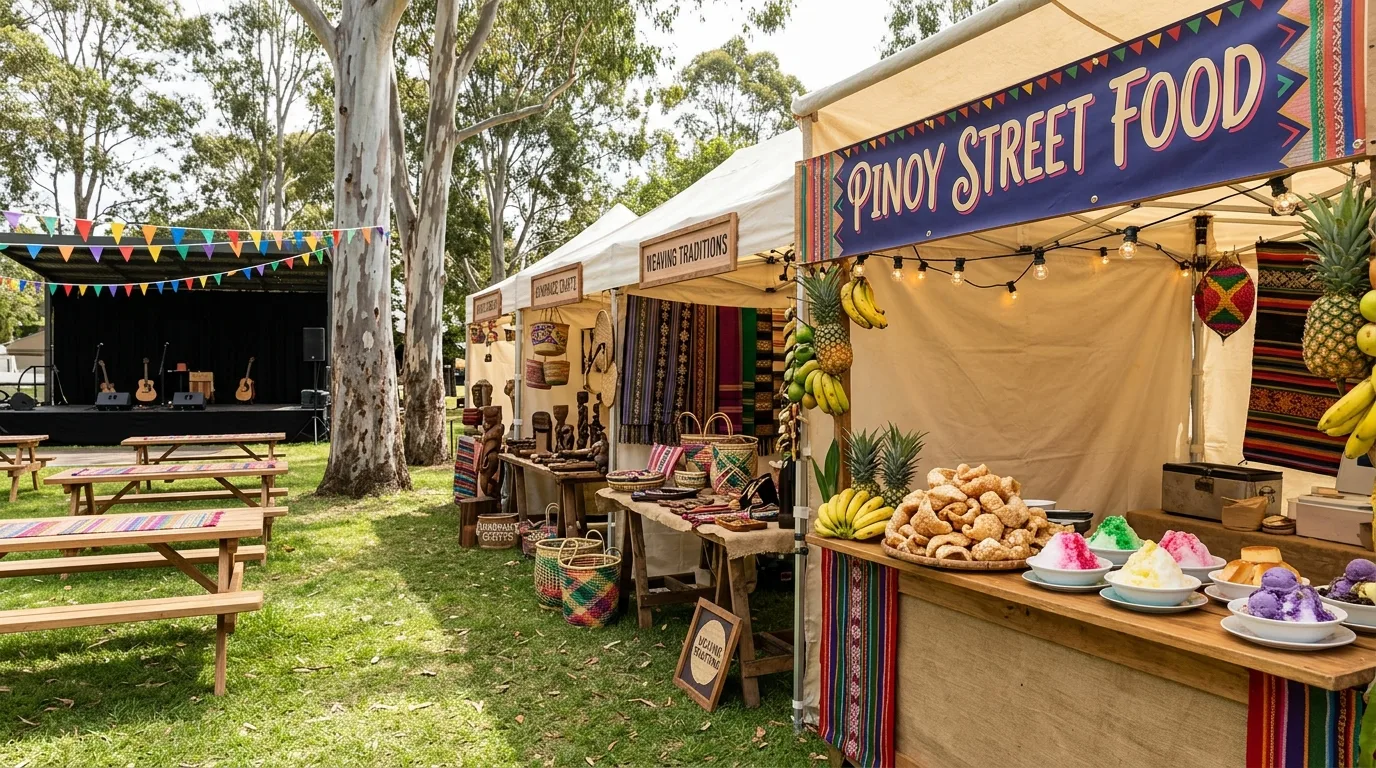
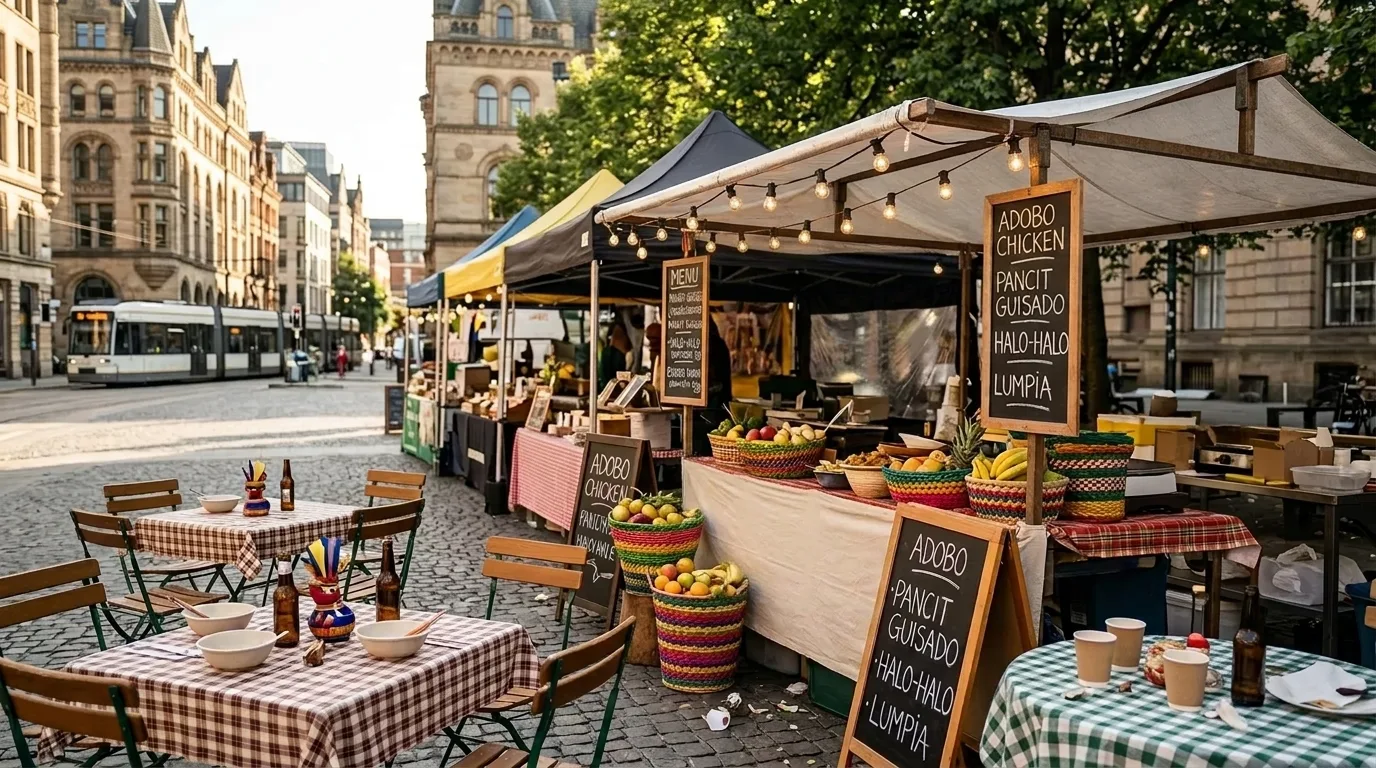
Filipino cuisine continues to be one of the strongest attractions during Independence Day celebrations. Food festivals and culinary showcases allow attendees to experience a wide range of traditional dishes representing different regions of the Philippines. Popular favorites such as adobo, pancit, lumpia, lechon, kare-kare, halo-halo, bibingka, and numerous regional specialties often become focal points of community gatherings. Organizers explain that food not only brings people together but also serves as an important vehicle for preserving cultural traditions and sharing Filipino hospitality.
Many events feature cultural exhibits that highlight Philippine history, indigenous traditions, national heroes, historical milestones, and contemporary achievements. Through photographs, historical displays, traditional attire, handicrafts, and educational materials, visitors gain greater understanding of the nation's journey toward independence and the cultural diversity that continues to define Filipino society. Community organizations often collaborate with educators, historians, and cultural advocates to ensure that exhibits provide accurate and meaningful information.
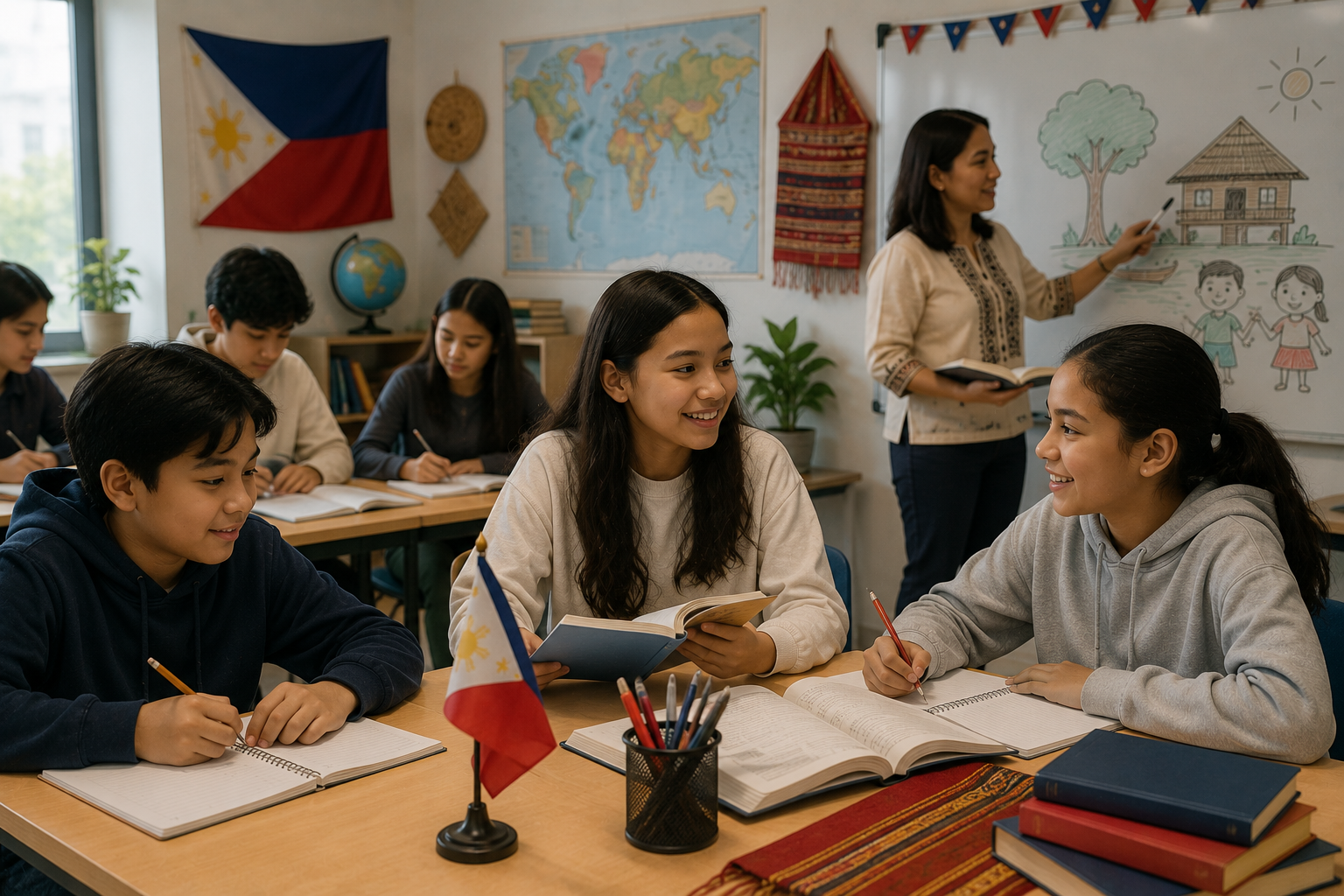
Educational programming has become increasingly important within Independence Day celebrations. Workshops, panel discussions, cultural presentations, and historical lectures provide opportunities for participants to explore topics related to Philippine history, heritage preservation, language, and national identity. Organizers believe that education helps deepen appreciation for independence while encouraging informed discussions about the country's past, present, and future.
Second-generation and third-generation Filipinos living in Europe play increasingly active roles in organizing and participating in Independence Day activities. Many young Filipinos seek opportunities to learn about their roots and strengthen their understanding of Filipino identity. Community leaders view youth participation as essential to the long-term preservation of cultural traditions. Through volunteer opportunities, leadership roles, cultural performances, and educational activities, younger generations become active contributors to community life.
Social media and digital platforms have significantly expanded the reach of Independence Day celebrations. Livestream broadcasts, digital content, online cultural campaigns, and social media engagement allow events to reach audiences beyond physical venues. Filipinos living in different countries can participate virtually, while international audiences gain exposure to Philippine culture and history through digital channels. Organizers report that online engagement has helped increase awareness and participation in cultural celebrations.
Many Filipino organizations use Independence Day events as opportunities to recognize the achievements and contributions of Filipinos living in Europe. Awards ceremonies, community recognition programs, and professional networking activities often highlight accomplishments in fields such as healthcare, education, business, technology, public service, and the arts. Community leaders believe that celebrating these successes inspires pride while demonstrating the positive impact of Filipinos within European societies.
The spirit of bayanihan remains evident throughout the planning and execution of Independence Day celebrations. Volunteers contribute significant time and effort to organizing events, coordinating activities, preparing food, managing logistics, and supporting participants. Community leaders frequently describe these collaborative efforts as examples of traditional Filipino values being practiced within global communities. Through collective action and shared commitment, organizations are able to create meaningful and successful celebrations.
Partnerships with local governments, cultural institutions, embassies, schools, and community organizations have helped expand the scale and impact of Independence Day programs. Collaborative initiatives provide access to venues, resources, promotional support, and broader audiences. Organizers note that these partnerships strengthen cultural exchange while fostering greater appreciation of Filipino heritage within multicultural societies.
Many European residents who attend Independence Day events express interest in learning more about Philippine culture, tourism, history, and traditions. Organizers view these interactions as valuable opportunities for cultural diplomacy and international understanding. Through direct engagement, visitors gain insights into Filipino values, customs, and experiences while building stronger connections with Filipino communities.
Economic opportunities also emerge from cultural celebrations. Filipino-owned businesses, artisans, performers, food vendors, and entrepreneurs often participate in events that showcase products and services inspired by Philippine culture. These activities support local businesses while promoting Filipino creativity and entrepreneurship within European markets.
Community leaders observe that attendance at Independence Day celebrations continues to grow in many parts of Europe. Increasing participation reflects strong interest among Filipinos and non-Filipinos alike in cultural exchange, heritage preservation, and community engagement. Organizers attribute this growth to active community involvement, effective outreach efforts, and rising recognition of the importance of cultural diversity in contemporary societies.
Beyond cultural celebration, Independence Day events often inspire reflection on the values that unite Filipinos around the world. Themes of resilience, unity, service, family, and community are frequently highlighted throughout programs and activities. Organizers believe that these values continue to resonate strongly among Overseas Filipinos and contribute to the strength of global Filipino communities.
Looking ahead, many organizations are planning expanded cultural programs, youth initiatives, educational projects, and collaborative events that will further strengthen future Independence Day celebrations. Community leaders remain optimistic about the continued growth of Filipino cultural engagement across Europe and the opportunities it creates for heritage preservation and intercultural understanding.
Ultimately, the celebration of Philippine Independence throughout Europe demonstrates the enduring connection that Overseas Filipinos maintain with their homeland. Through cultural performances, educational programs, community gatherings, and shared traditions, these events help preserve history while creating meaningful experiences for present and future generations.
As Filipino communities continue to thrive across Europe, Independence Day celebrations will remain important expressions of national pride, cultural identity, and collective memory. Through their dedication and participation, Overseas Filipinos ensure that the story of Philippine independence continues to inspire unity, understanding, and appreciation for the rich heritage that connects Filipinos around the world.
Enjoyed this story?
Share this story