Filipino Communities in North America Expand Annual Community Festivals
Share
June 25, 2026
Updated Oct 16, 2026
8 min read
344 views
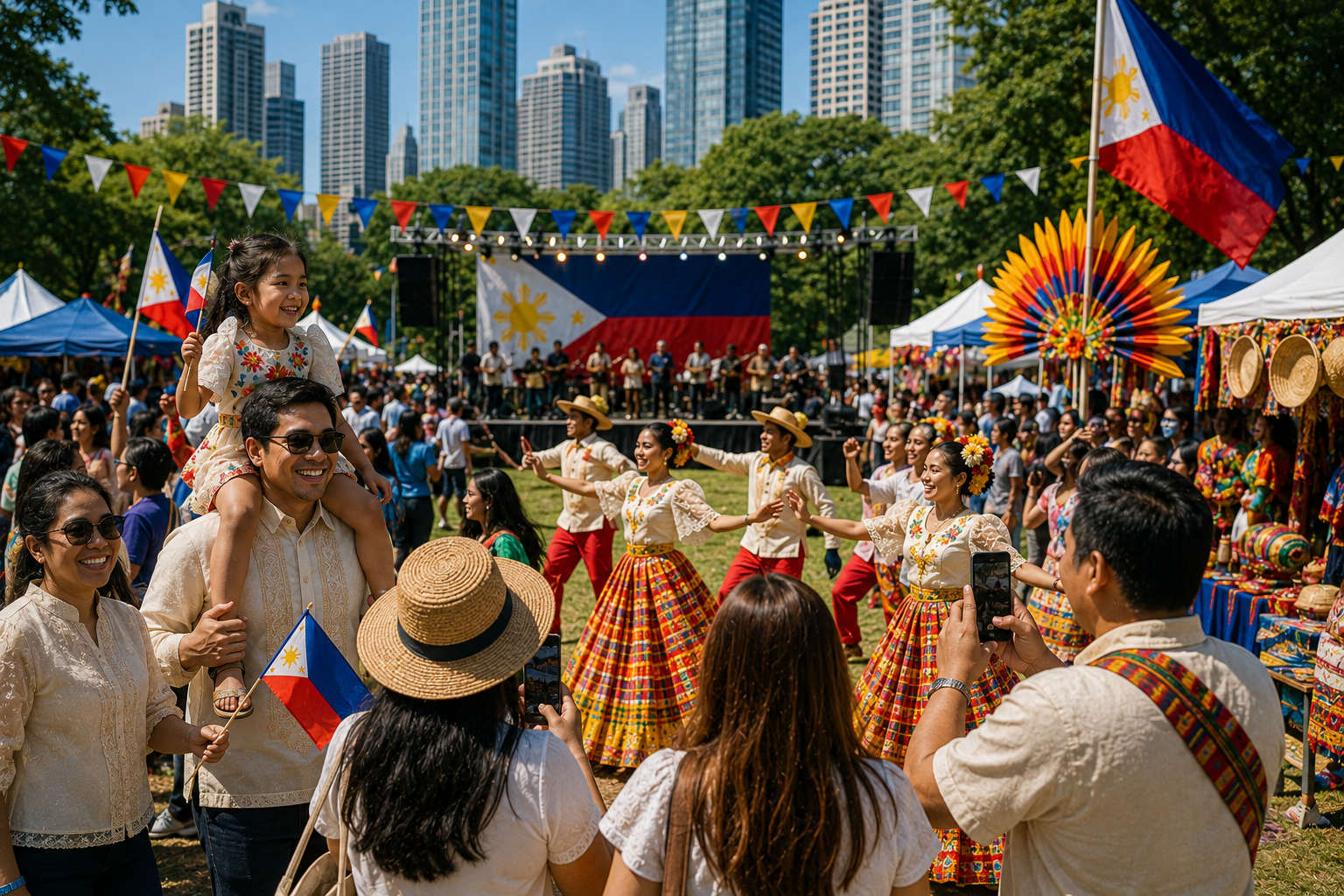
MANILA, Philippines — Filipino communities throughout North America are expanding their annual community festivals as growing populations, increasing cultural engagement, and rising interest in Philippine heritage continue to strengthen the presence of Filipino culture across the region. From major cities in the United States and Canada to smaller communities where Filipino populations have steadily grown, annual festivals are attracting larger audiences and becoming important cultural events that celebrate heritage, strengthen community connections, and introduce Philippine traditions to increasingly diverse audiences. Community leaders, cultural advocates, and event organizers believe that the continued growth of these festivals reflects both the success of Filipino communities abroad and the enduring importance of cultural preservation in an interconnected world.
Over the past several decades, North America has become home to millions of Filipinos who have contributed significantly to healthcare, education, technology, business, public service, and numerous other sectors. As Filipino communities have become more established, cultural organizations and community leaders have sought ways to preserve traditions while fostering connections among generations. Annual festivals have emerged as one of the most effective and visible ways to achieve these goals, providing opportunities for Filipinos of all ages to celebrate their heritage while sharing their culture with the broader public.
Many community leaders explain that festivals serve purposes that extend far beyond entertainment. While music, dance, food, and performances remain central attractions, these gatherings also function as spaces for cultural education, social engagement, leadership development, and community building. Organizers view festivals as opportunities to strengthen relationships among families, encourage youth participation, support cultural preservation, and showcase the positive contributions of Filipino communities within their host societies. As attendance continues to grow, these events are becoming increasingly influential in shaping public understanding of Philippine culture.
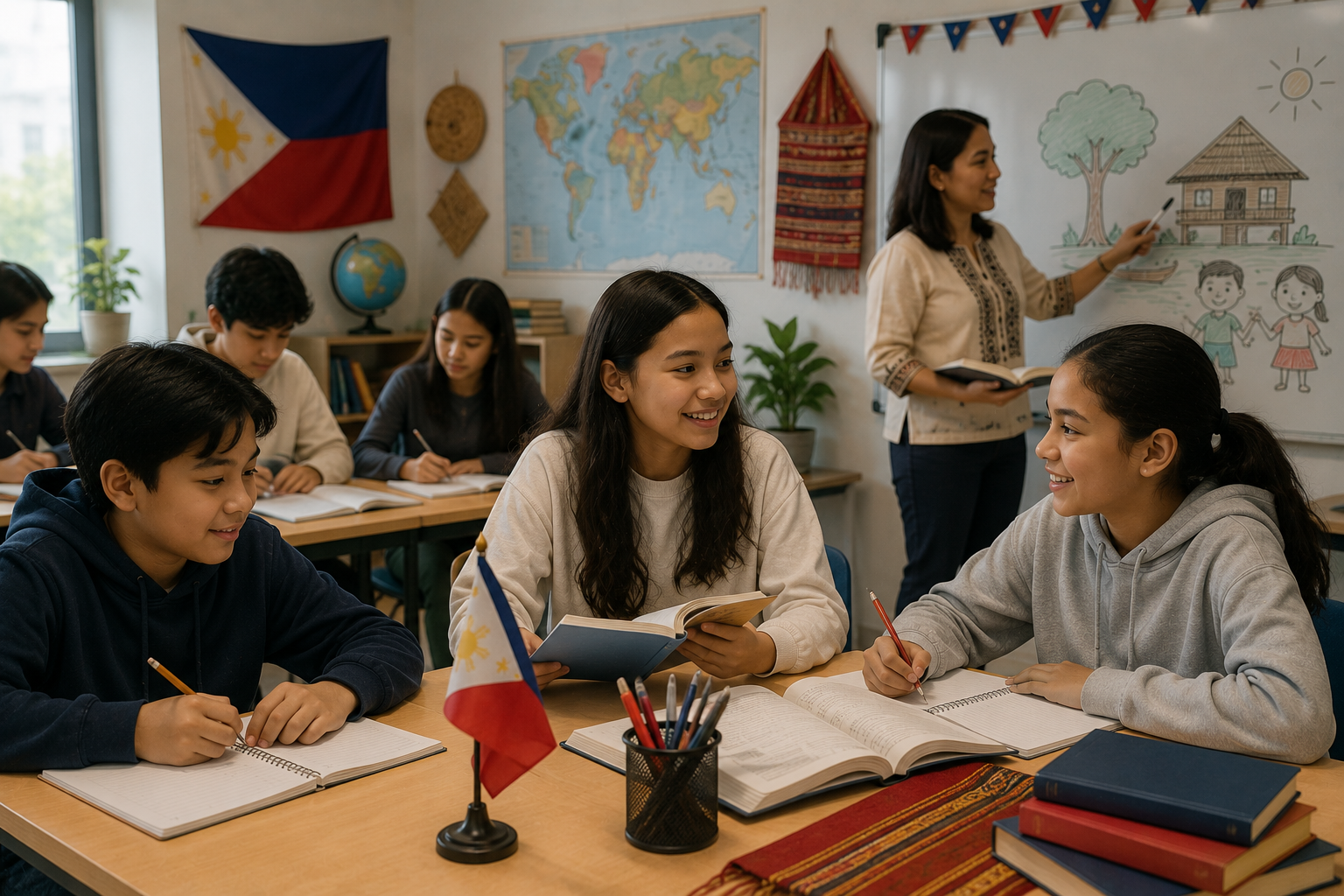
One of the primary reasons for the expansion of annual Filipino festivals is the growing interest among younger generations in learning more about their cultural heritage. Many second-generation and third-generation Filipinos born or raised in North America seek opportunities to connect with traditions that may not be part of their daily experiences. Festivals provide immersive environments where young people can experience Filipino music, dance, language, cuisine, and customs while interacting with elders and cultural practitioners who share knowledge about their heritage. Community leaders emphasize that youth engagement is essential for ensuring the long-term sustainability of cultural traditions.
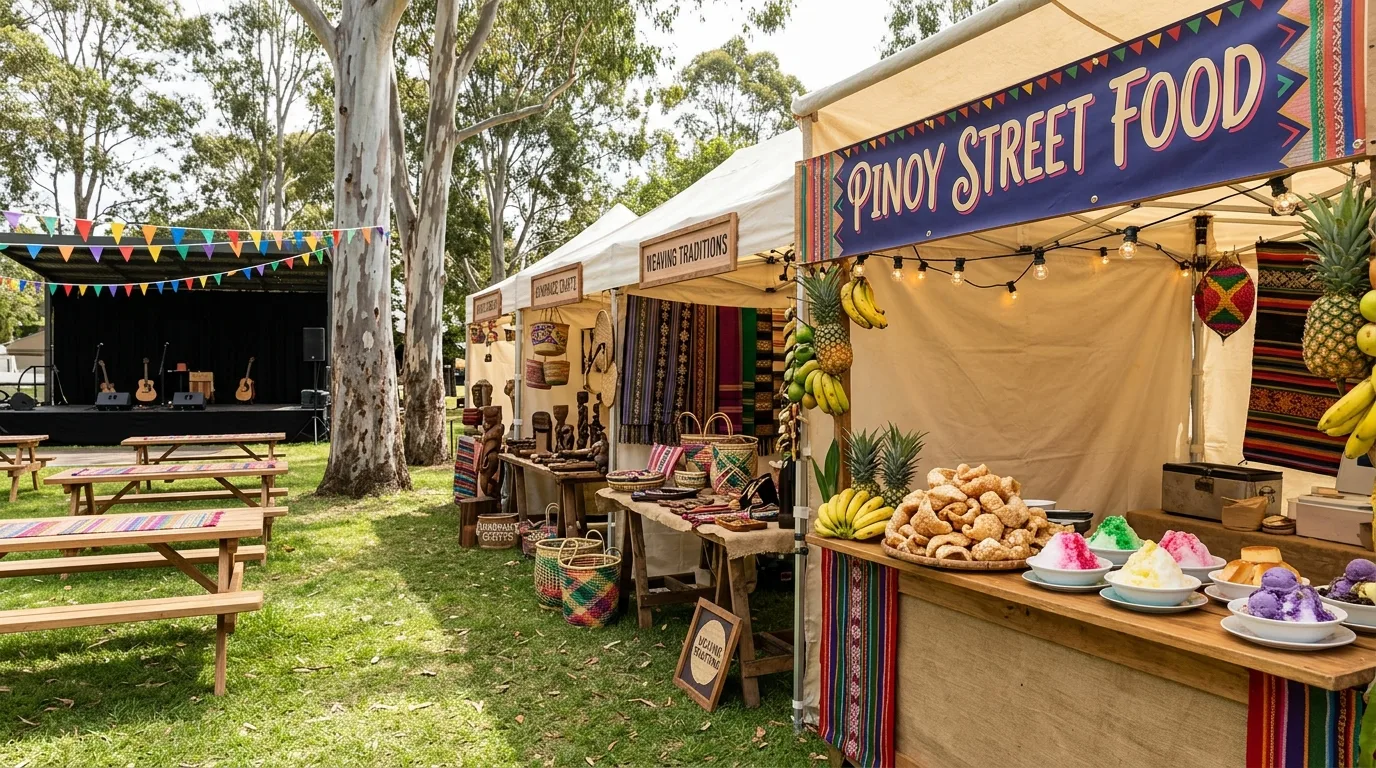
Traditional performances continue to be among the most anticipated components of Filipino festivals. Dance groups, musical ensembles, choirs, and cultural performers often spend months preparing presentations that reflect the diversity and richness of Philippine culture. Audiences are treated to performances inspired by traditional folk dances, regional celebrations, indigenous traditions, and contemporary artistic interpretations. Organizers note that these performances help educate audiences while creating memorable experiences that foster appreciation for Filipino artistry and cultural expression.
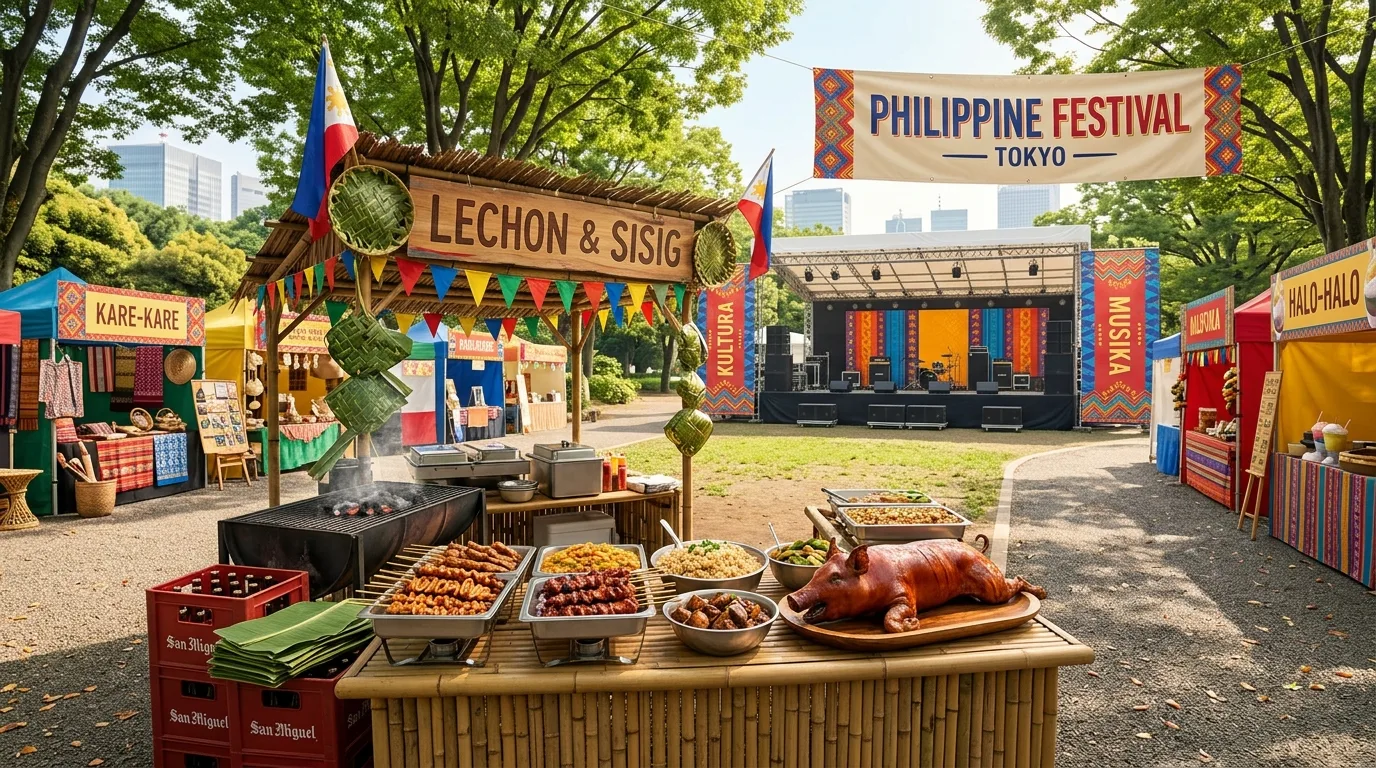
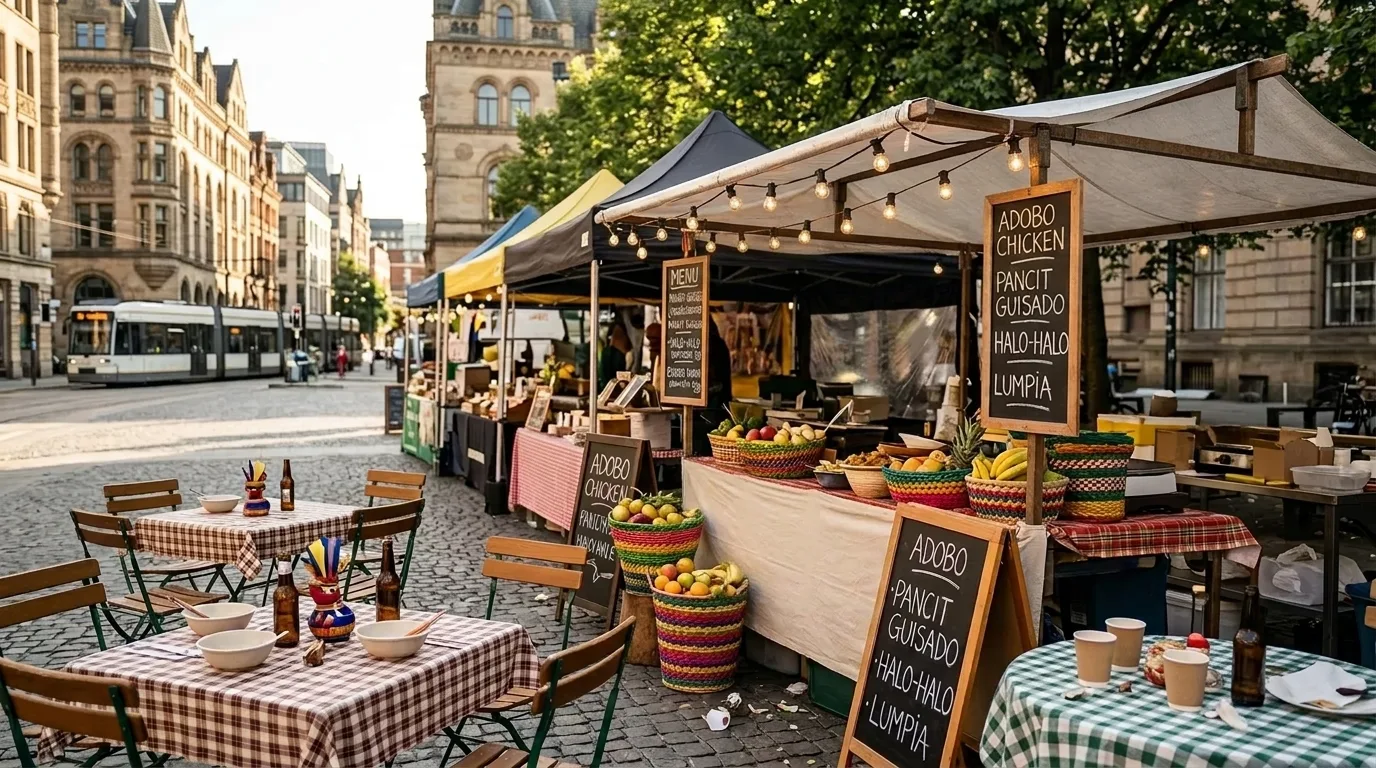
Food remains one of the strongest attractions at Filipino community festivals. Visitors frequently gather around food pavilions and culinary exhibits featuring traditional Filipino dishes and regional specialties. Favorites such as adobo, pancit, lumpia, lechon, sisig, kare-kare, halo-halo, bibingka, and countless other dishes provide attendees with opportunities to explore the country's diverse culinary heritage. Organizers explain that food serves as an accessible introduction to Filipino culture and often inspires visitors to learn more about the traditions and communities associated with these culinary practices.
The increasing scale of Filipino festivals has encouraged organizers to expand programming beyond traditional cultural presentations. Many events now include educational seminars, cultural exhibits, health and wellness initiatives, youth leadership programs, entrepreneurship forums, and community service activities. These additions reflect the evolving needs and interests of Filipino communities while providing opportunities for participants to engage with a wider range of topics. Community leaders believe that comprehensive programming helps festivals remain relevant and meaningful for diverse audiences.
Filipino-owned businesses have also become important contributors to festival growth. Entrepreneurs frequently participate as vendors, sponsors, exhibitors, and partners, using festivals as opportunities to connect with customers and showcase products and services. Business participation not only strengthens local economies but also demonstrates the entrepreneurial spirit and economic contributions of Filipino communities. Organizers note that strong support from businesses helps sustain festivals while creating mutually beneficial opportunities for community engagement and economic development.
The role of cultural organizations remains central to the success of annual festivals. Volunteer groups, nonprofit organizations, heritage associations, educational institutions, and community networks invest significant time and effort in planning and executing events. Organizers often work throughout the year coordinating logistics, recruiting volunteers, securing sponsorships, and developing programming that reflects the interests and values of their communities. Community leaders describe these collaborative efforts as modern expressions of bayanihan, the Filipino tradition of collective action and mutual support.
Technology has contributed significantly to the expansion and visibility of Filipino festivals across North America. Social media platforms, livestream broadcasts, digital marketing campaigns, and online community networks allow organizers to promote events to larger audiences while engaging participants throughout the year. Digital content shared before, during, and after festivals helps extend the impact of celebrations far beyond physical venues. Organizers report that online engagement has become a powerful tool for attracting new attendees and strengthening community connections.
Many festivals now attract substantial numbers of non-Filipino attendees who are interested in learning about Philippine culture. Organizers intentionally create welcoming environments that encourage cultural exchange and intercultural understanding. Through performances, food experiences, educational exhibits, and interactive activities, visitors gain valuable insights into Filipino traditions and values. Community leaders believe that these interactions help build stronger relationships among diverse communities while promoting greater appreciation for cultural diversity.
The expansion of festivals has also led to increased collaboration with local governments, educational institutions, tourism organizations, and cultural agencies. These partnerships provide access to resources, venues, funding opportunities, and promotional support that contribute to event success. Community leaders emphasize that collaborative relationships help strengthen the long-term sustainability of festivals while enhancing their visibility and impact within broader communities.
Regional diversity within the Philippines is frequently highlighted during annual celebrations. Organizers often incorporate elements representing various provinces, languages, traditions, and cultural practices to demonstrate the richness of Philippine heritage. Cultural exhibits, regional performances, traditional costumes, and culinary presentations allow attendees to explore the many identities that contribute to the Filipino experience. Community advocates note that showcasing regional diversity helps create more inclusive and educational festival experiences.
The growing popularity of Filipino festivals has contributed to increased interest in Philippine tourism, culture, and creative industries. Many attendees who participate in festivals become interested in visiting the Philippines, exploring its destinations, and learning more about its history and traditions. Organizers often incorporate travel exhibits, cultural presentations, and informational resources that encourage further exploration of the country and its heritage.
Youth volunteers play an increasingly important role in festival organization and leadership. Young Filipinos frequently participate in planning committees, cultural performances, social media campaigns, and community outreach activities. Their involvement brings new perspectives and innovative ideas that help festivals evolve while maintaining strong connections to tradition. Community leaders view youth leadership as a critical factor in ensuring the continued success and relevance of cultural celebrations.
The social impact of annual festivals extends beyond cultural preservation. Many events serve as opportunities for networking, mentorship, community service, and relationship building. Families reconnect, professionals establish new connections, community organizations recruit volunteers, and young people find opportunities for engagement and leadership development. Organizers explain that festivals often strengthen social capital within communities while fostering a stronger sense of belonging and collective identity.
Economic benefits associated with festivals are becoming increasingly significant as attendance grows. Local businesses, vendors, artists, performers, and service providers often experience increased activity during festival periods. Community leaders note that cultural events contribute positively to local economies while supporting Filipino entrepreneurs and creative professionals. These economic impacts further demonstrate the value of festivals as community development initiatives.
Many organizers are exploring innovative approaches to festival programming, including hybrid events, virtual participation options, interactive exhibits, and technology-enhanced experiences. These innovations help increase accessibility while ensuring that festivals remain responsive to changing audience preferences and technological developments. Community leaders believe that embracing innovation will help sustain growth while preserving the cultural foundations that make these events meaningful.
Looking ahead, Filipino communities across North America plan to continue expanding annual festivals through broader partnerships, enhanced educational programming, increased youth engagement, and stronger community outreach efforts. Organizers remain optimistic that continued growth will create even greater opportunities for cultural preservation, intercultural dialogue, and community development. Many communities are already preparing larger and more ambitious celebrations that reflect the evolving needs and aspirations of global Filipino populations.
Ultimately, the expansion of annual Filipino community festivals in North America reflects the strength, resilience, and cultural pride of Filipino communities abroad. Through collective effort, creativity, and commitment to heritage preservation, these festivals have become important platforms for celebrating identity, fostering understanding, and strengthening community bonds.
As Filipino communities continue to thrive across North America, annual festivals will remain powerful expressions of cultural heritage and community spirit. Their continued success demonstrates that traditions can flourish far from their places of origin when communities come together to celebrate, preserve, and share the values and experiences that define their identity. Through these vibrant gatherings, Filipino culture continues to inspire pride among community members while enriching the multicultural landscape of North America for generations to come.
Enjoyed this story?
Share this story