Filipino Communities in Scandinavia Expand Annual Cultural Festival Programs
Share
June 13, 2026
Updated Oct 16, 2026
7 min read
271 views
MANILA, Philippines — Filipino communities across Scandinavia are expanding their annual cultural festival programs as growing interest in Philippine heritage, cultural exchange, and community engagement continues to strengthen the visibility of Filipino traditions throughout Northern Europe. In countries such as Sweden, Norway, Denmark, Finland, and Iceland, Filipino organizations are introducing larger and more diverse festival activities designed to celebrate cultural identity, promote heritage preservation, and create meaningful connections between Filipino residents and local communities.
Over the past decade, Filipino populations in Scandinavia have experienced steady growth, driven by opportunities in healthcare, education, technology, maritime industries, hospitality, and other professional sectors. As these communities have become more established, cultural organizations have invested significant effort in preserving traditions while helping younger generations maintain strong connections to their Filipino roots. Annual festivals have become among the most important platforms for achieving these goals, serving as vibrant celebrations that bring together families, professionals, students, and community leaders from across the region.
Community organizers note that cultural festivals have evolved considerably over the years. What once began as relatively small gatherings organized primarily for Filipino families have developed into large-scale events that attract thousands of participants from various cultural backgrounds. These festivals now feature extensive cultural programming that showcases the diversity of Philippine traditions while creating opportunities for intercultural learning and community engagement. Organizers believe that the growing popularity of these events reflects increasing interest in Filipino culture as well as the success of community-led initiatives that promote inclusivity and cultural understanding.
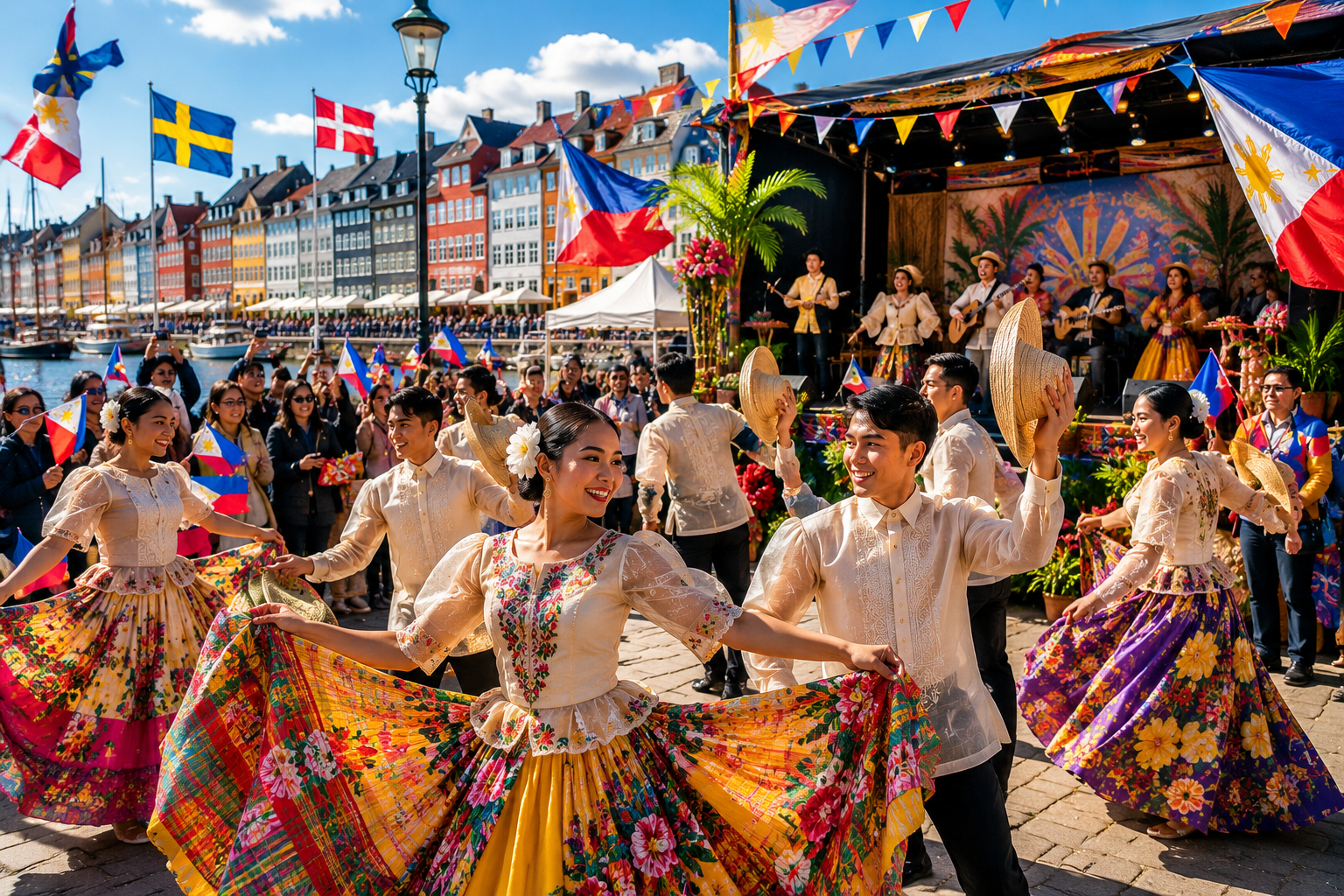
Traditional dance performances remain among the most anticipated attractions during annual celebrations. Festival attendees regularly enjoy presentations that highlight folk dances from various regions of the Philippines, each reflecting unique histories, customs, and cultural influences. Performers often spend months preparing for these events, ensuring that costumes, choreography, and cultural interpretations accurately represent the traditions being showcased. Community leaders emphasize that dance performances provide audiences with engaging and educational experiences that help preserve important aspects of Philippine cultural heritage.
Music also plays a central role in festival programming. Filipino musicians, choirs, cultural ensembles, and contemporary performers contribute to dynamic entertainment schedules that appeal to audiences of all ages. Traditional instruments and folk songs are frequently presented alongside modern musical interpretations, demonstrating the evolution of Filipino artistic expression while maintaining strong connections to cultural roots. Organizers note that music serves as a universal language that encourages participation and fosters meaningful cultural exchange among attendees.
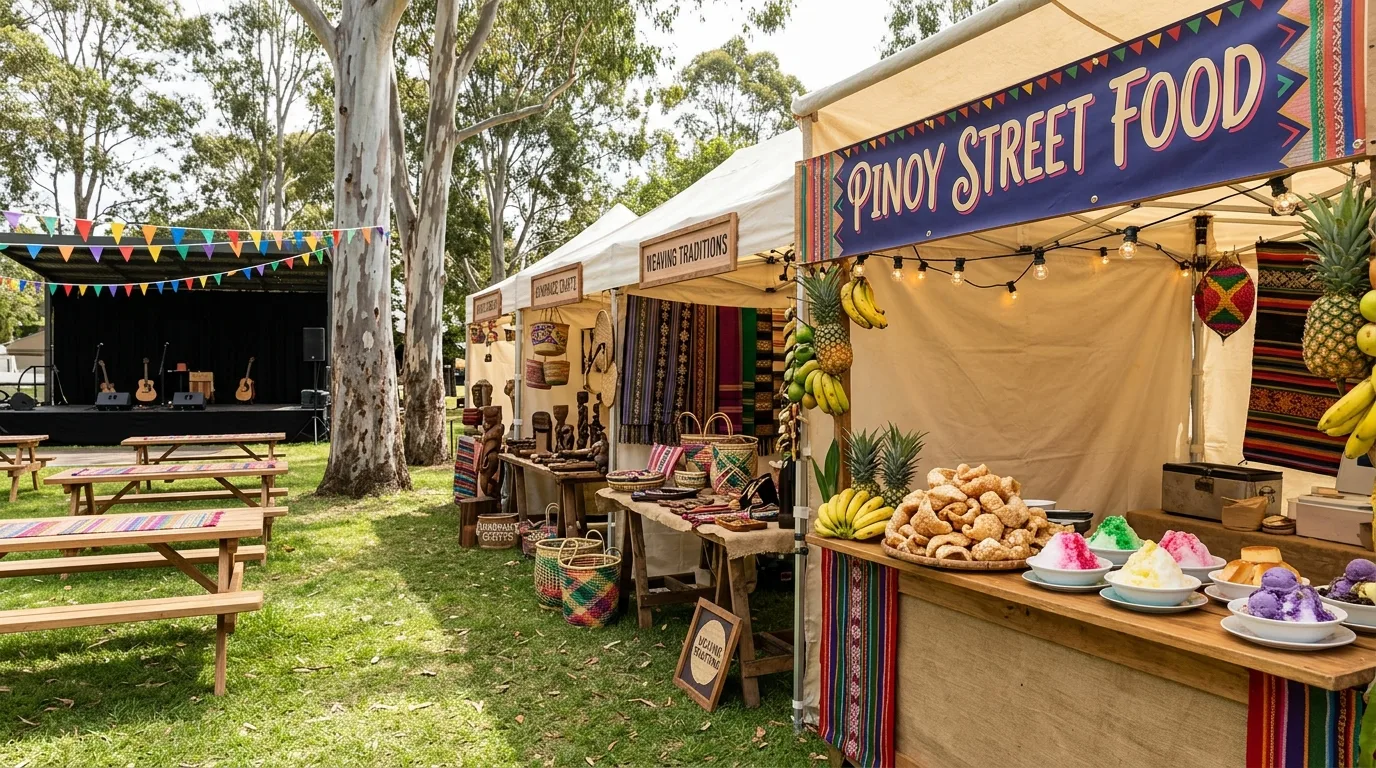
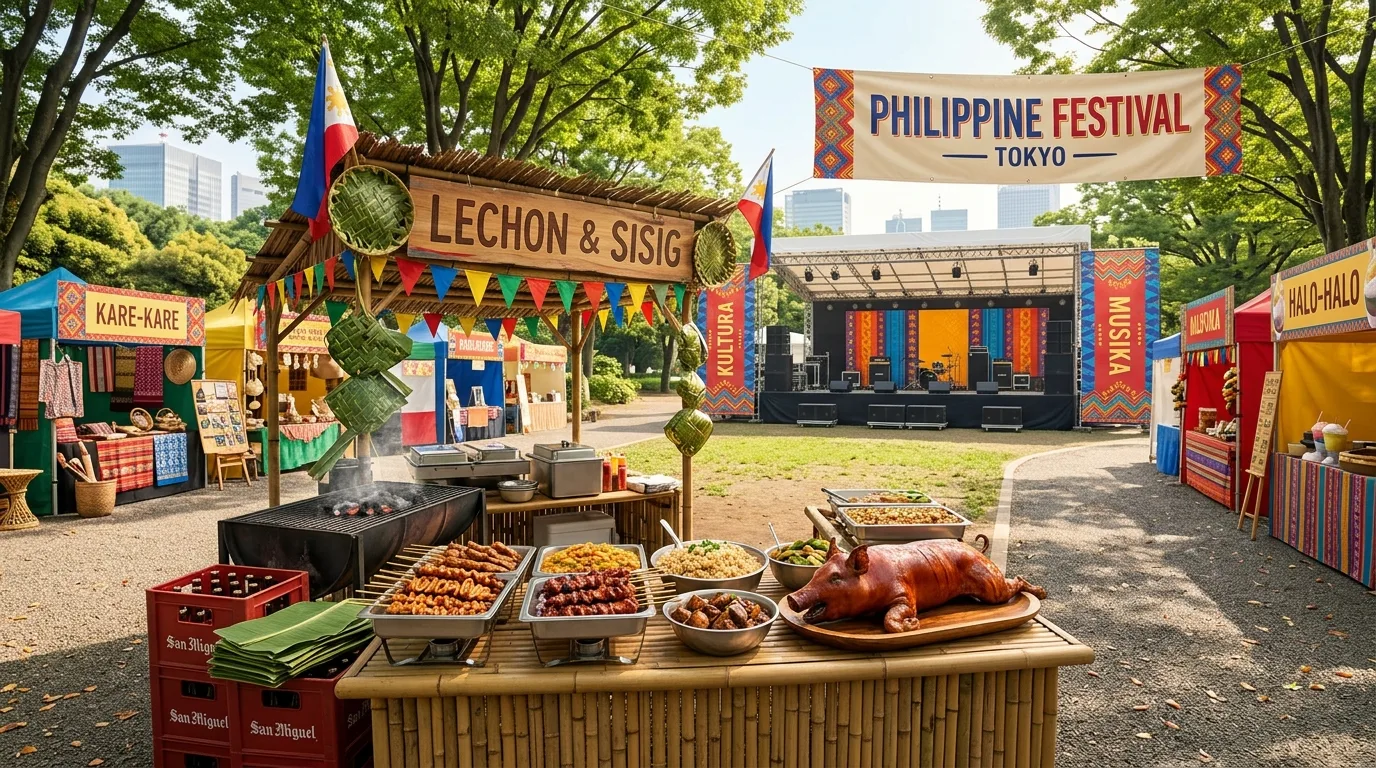
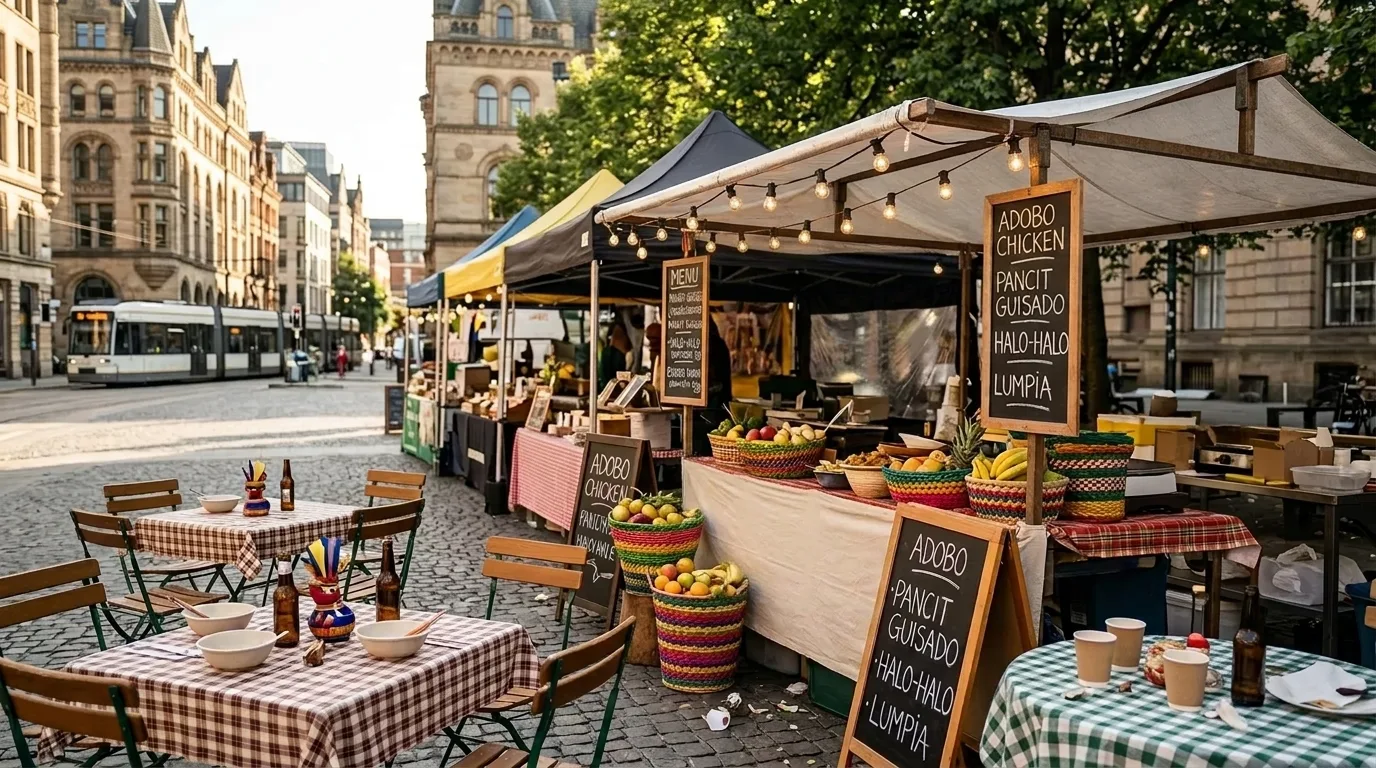
Filipino cuisine continues to be one of the strongest attractions at Scandinavian cultural festivals. Food stalls and culinary exhibits often feature popular dishes from different regions of the Philippines, giving visitors opportunities to explore authentic flavors and culinary traditions. From traditional family recipes to contemporary Filipino cuisine, food presentations provide important cultural context while introducing local audiences to the diversity and creativity of Philippine gastronomy. Organizers frequently observe that culinary experiences serve as effective entry points for individuals seeking to learn more about Filipino culture.
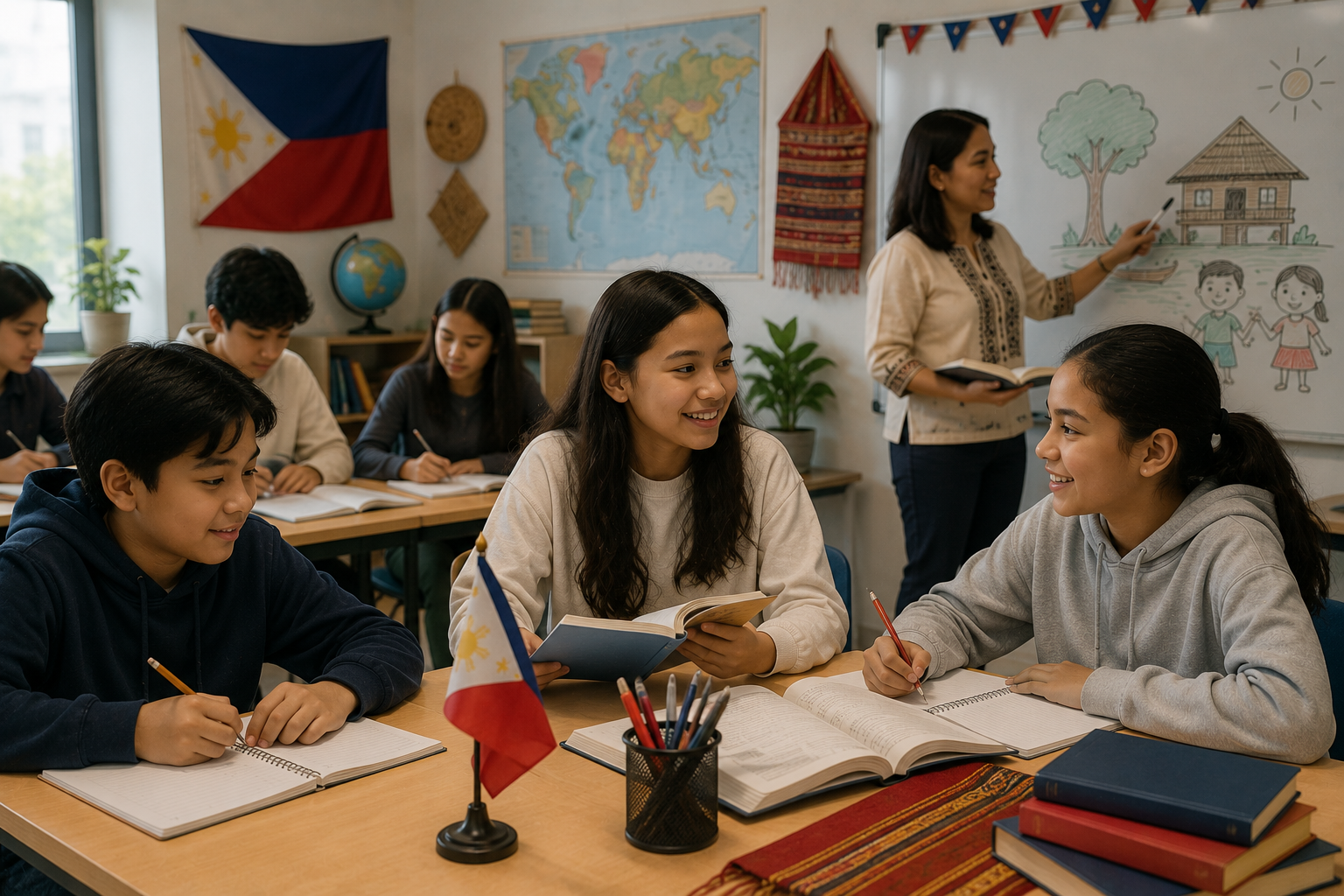
The expansion of festival programs has also resulted in increased emphasis on educational activities. Workshops, cultural exhibits, language sessions, historical presentations, and heritage discussions are becoming more common features of annual celebrations. These initiatives help participants gain deeper understanding of Philippine history, indigenous traditions, regional diversity, and cultural values. Community leaders believe that education plays an essential role in ensuring that cultural celebrations extend beyond entertainment and contribute to long-term heritage preservation.
Young Filipinos have emerged as important contributors to the success of expanded festival programs. Many second-generation and youth community members are taking active leadership roles in event planning, volunteer coordination, digital marketing, cultural performances, and educational initiatives. Their involvement brings fresh ideas and innovative approaches that help make festivals more engaging and relevant for younger audiences. Community organizations view youth participation as critical for sustaining cultural traditions and ensuring the continued growth of cultural programming in future years.
Technology has significantly enhanced the reach and impact of Scandinavian Filipino festivals. Social media platforms, livestreaming services, online event registration systems, and digital promotional campaigns have enabled organizers to connect with broader audiences and increase participation. Through digital engagement, communities are able to share cultural content with viewers across Europe and beyond, extending the influence of local celebrations to global audiences interested in Filipino culture and heritage.
The growing multicultural nature of Scandinavian societies has created favorable conditions for cultural exchange initiatives. Local residents increasingly participate in Filipino festivals, attracted by opportunities to experience new traditions, cuisine, music, and artistic performances. Organizers emphasize that cultural festivals contribute positively to social inclusion by creating welcoming environments where individuals from diverse backgrounds can learn from one another and celebrate shared values of community, respect, and cultural appreciation.
Partnerships with local governments, cultural institutions, educational organizations, and community groups have further strengthened festival development efforts. These collaborations provide access to venues, resources, promotional support, and educational opportunities that enhance program quality and community impact. Community leaders note that strong partnerships have played important roles in expanding festival visibility while encouraging greater participation from both Filipino and non-Filipino audiences.
Many festivals now include programs specifically designed to highlight the achievements and contributions of Filipinos living in Scandinavia. Professional recognition events, community awards, leadership forums, and cultural showcases celebrate individuals who have made positive impacts within their industries and communities. Organizers believe that recognizing these achievements helps inspire younger generations while reinforcing positive representations of the Filipino community.
The preservation of language and cultural identity remains a significant focus of festival organizers. Language workshops, storytelling sessions, cultural games, and heritage activities provide opportunities for younger participants to engage with Filipino traditions in meaningful ways. Community leaders recognize that maintaining cultural identity can be challenging for younger generations growing up in multicultural environments, making these initiatives particularly valuable.
Volunteerism continues to be one of the defining characteristics of Filipino cultural festivals throughout Scandinavia. Hundreds of volunteers contribute their time and skills to planning, organizing, and operating annual events. Their efforts reflect the enduring Filipino value of bayanihan, demonstrating how collective action and community cooperation can produce successful and meaningful cultural celebrations. Organizers consistently acknowledge volunteers as essential contributors to the continued growth and success of festival programs.
The economic benefits associated with expanded festival programs are also becoming increasingly apparent. Local businesses, food vendors, artisans, performers, and entrepreneurs often benefit from opportunities to participate in cultural events. Increased attendance and community engagement create valuable exposure while supporting economic activity within both Filipino and local business communities.
Cultural advocates believe that the success of Filipino festivals in Scandinavia reflects broader global trends related to cultural preservation and diaspora engagement. Around the world, overseas Filipino communities are finding innovative ways to celebrate their heritage while adapting traditions to contemporary environments. Scandinavian festivals serve as strong examples of how cultural identity can be preserved and strengthened through community collaboration, creativity, and inclusive programming.
Environmental sustainability has also become an emerging consideration in festival planning. Many organizers are implementing environmentally responsible practices such as waste reduction initiatives, reusable materials, digital communications, and sustainability-focused educational activities. These efforts align with broader Scandinavian values related to environmental stewardship while demonstrating how cultural events can adapt to contemporary priorities.
The increasing visibility of Filipino culture in Scandinavia contributes to stronger cultural diplomacy and international understanding. Through music, dance, cuisine, art, and community engagement, festivals help create positive impressions of the Philippines while encouraging meaningful dialogue among different cultures. Organizers view these outcomes as important contributions to multicultural harmony and global cultural appreciation.
Looking ahead, community leaders anticipate continued growth in festival attendance, programming diversity, and international collaboration. Plans for future events include expanded youth initiatives, enhanced cultural exhibitions, broader educational programming, and increased use of technology to engage participants. Organizers remain committed to finding new ways to celebrate Filipino heritage while strengthening connections among communities across Scandinavia.
Ultimately, the expansion of annual cultural festival programs demonstrates the resilience, creativity, and commitment of Filipino communities throughout Northern Europe. Through dedication to cultural preservation and community engagement, these organizations are ensuring that Philippine traditions remain vibrant and accessible for future generations.
As Filipino communities continue to thrive in Scandinavia, their festivals stand as powerful symbols of cultural pride, unity, and global connection. By celebrating heritage while embracing innovation and inclusivity, these events help preserve the richness of Philippine culture while building bridges of understanding that extend far beyond national borders.
Enjoyed this story?
Share this story