Filipino Communities Worldwide Prepare for Expanded Independence Day Celebrations in 2026
Share
June 07, 2026
Updated Oct 15, 2026
7 min read
509 views
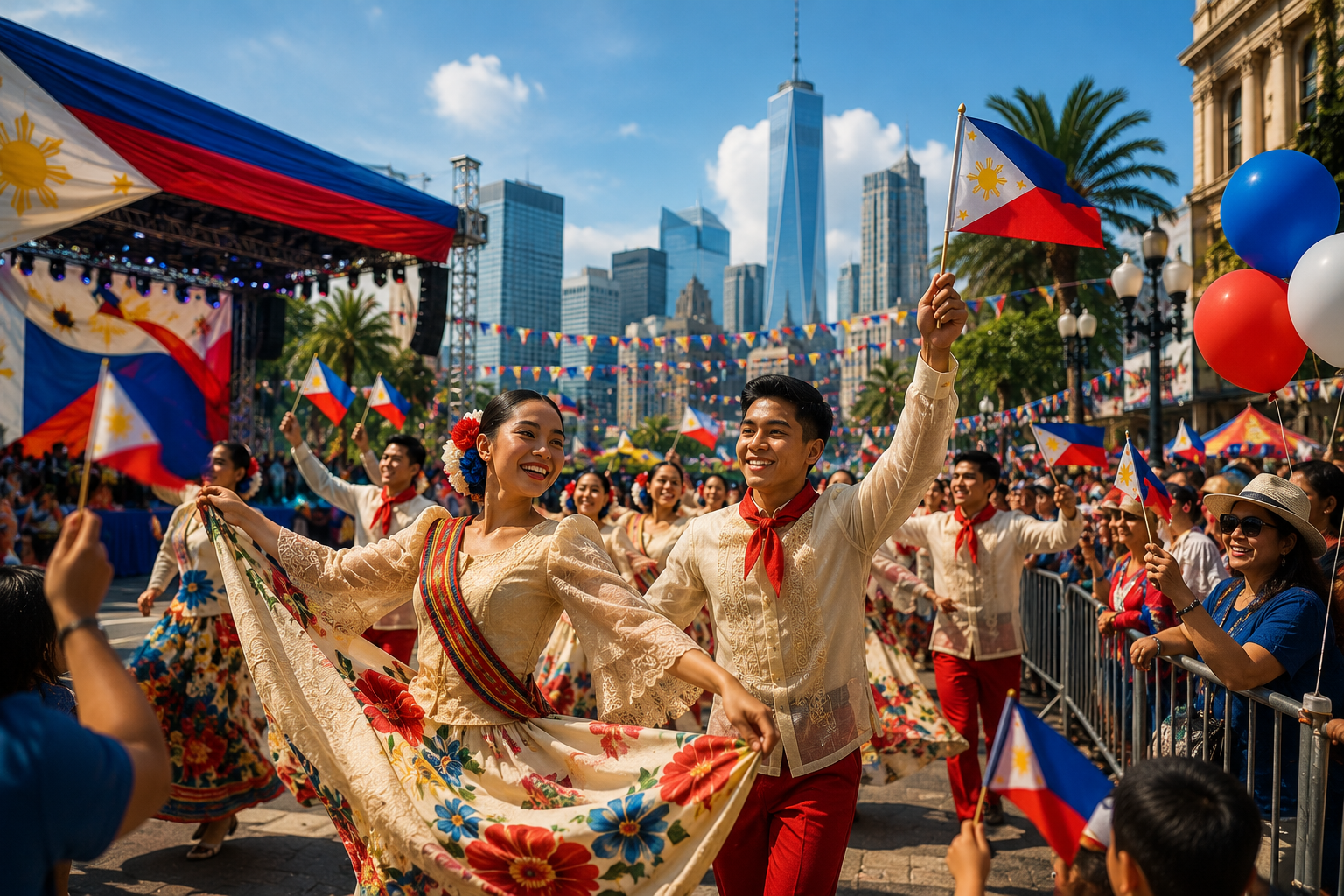
MANILA, Philippines — Filipino communities across the globe are preparing for what is expected to be one of the largest and most extensive series of Philippine Independence Day celebrations in recent years, as overseas Filipinos organize cultural festivals, community gatherings, parades, heritage showcases, and commemorative events throughout 2026. From North America and Europe to the Middle East, Asia, Australia, and New Zealand, preparations are underway to honor the historic occasion while strengthening cultural identity and fostering deeper connections among Filipinos living abroad.
Independence Day remains one of the most significant events in the Philippine calendar, commemorating the nation's declaration of independence and the enduring values of freedom, resilience, and national unity. For Filipinos living overseas, the celebration carries an even deeper meaning, serving as an opportunity to reconnect with their heritage, celebrate shared traditions, and strengthen ties with fellow community members despite being far from home. Community leaders note that Independence Day celebrations have evolved into important cultural events that bring together Filipinos from different generations, professions, and backgrounds.
Organizers in various countries report growing interest in participation from both Filipino communities and local residents eager to learn more about Philippine culture. This increasing enthusiasm has encouraged many organizations to expand the scale and scope of their programs. Events that once consisted primarily of small community gatherings have developed into major cultural festivals featuring performances, food fairs, educational exhibits, sports activities, and community outreach initiatives. These expanded celebrations reflect both the growth of overseas Filipino populations and the rising global appreciation for Philippine culture.
In Canada, preparations are underway for large-scale Independence Day activities in major cities where Filipino communities have established strong cultural and social networks. Community organizations are planning parades, cultural exhibitions, heritage presentations, and family-oriented events designed to showcase Filipino traditions while encouraging broader multicultural participation. Organizers believe these celebrations provide valuable opportunities to strengthen community relationships and promote cultural understanding among diverse populations.
Across the United States, Independence Day festivities are expected to attract significant attendance from both Filipino Americans and members of the wider public. Cultural groups, civic organizations, educational institutions, and community leaders are collaborating to create programs that highlight Philippine history, artistic traditions, culinary heritage, and community achievements. Many events will feature traditional dances, musical performances, historical displays, and educational activities designed to engage attendees of all ages.
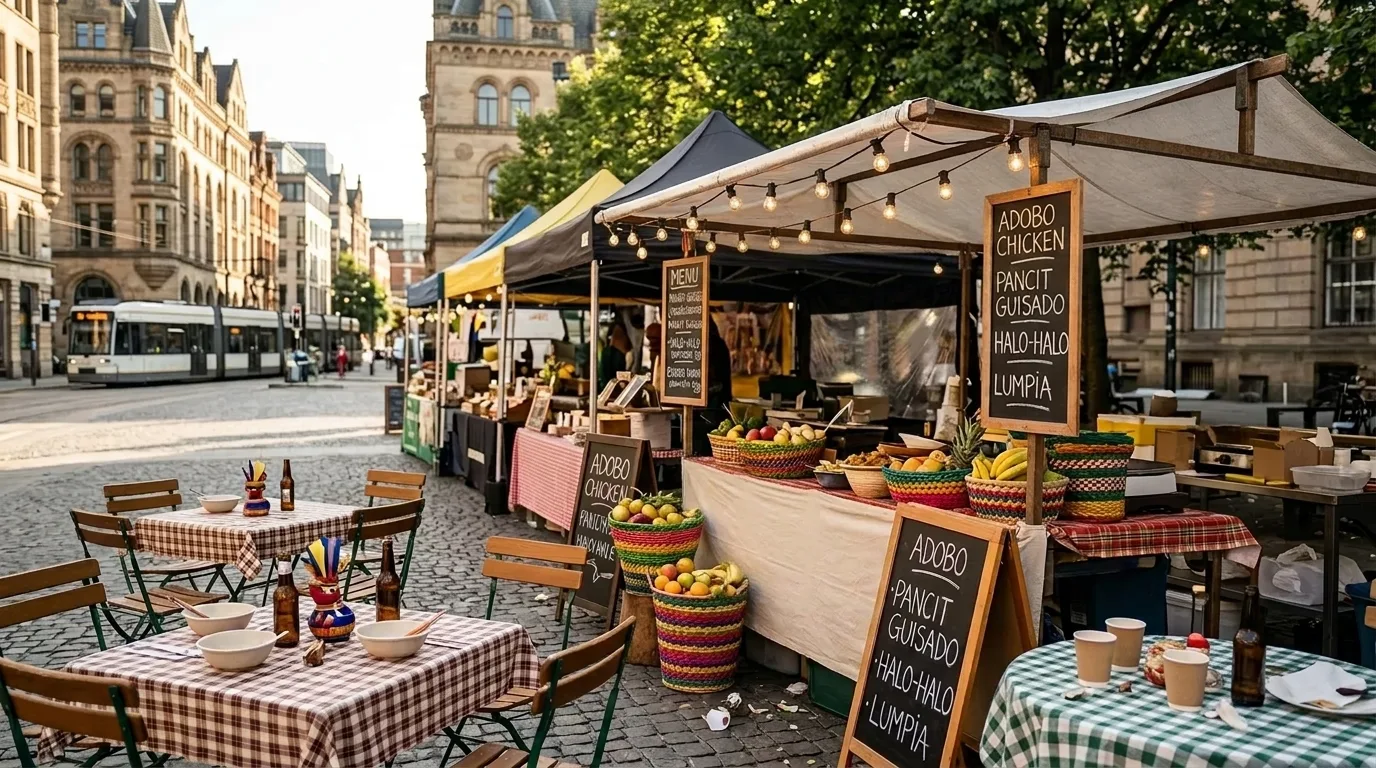
In Europe, Filipino communities continue to invest heavily in cultural preservation and community engagement through Independence Day celebrations. Organizers across multiple countries are preparing events that emphasize the diversity and richness of Philippine heritage. Community leaders describe these celebrations as opportunities to strengthen cultural identity while building meaningful relationships with local communities. Many festivals are expected to include cultural showcases, food markets, arts exhibitions, and interactive experiences that encourage greater appreciation of Filipino traditions.
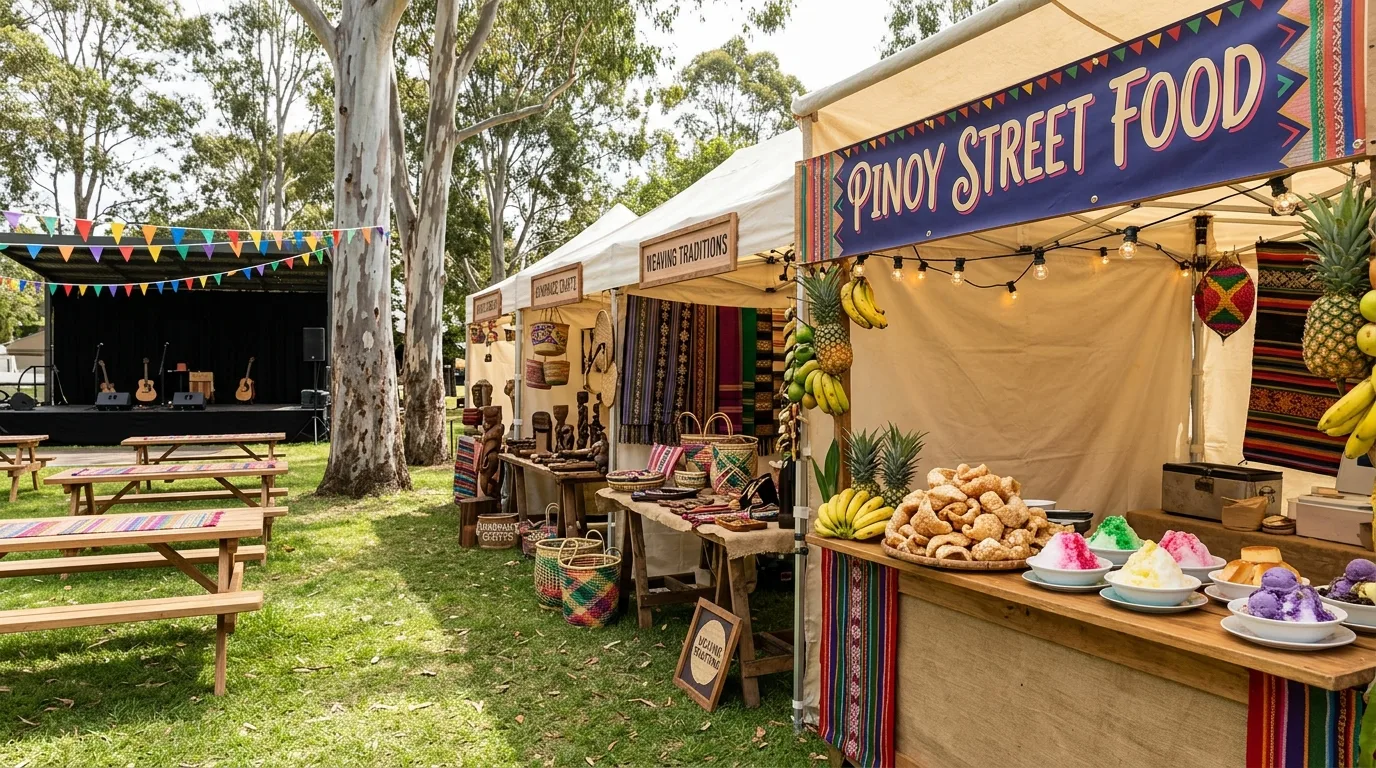
Australia and New Zealand are also expected to host numerous Independence Day events throughout 2026. Filipino organizations in these countries have long recognized the importance of cultural celebrations in maintaining connections to heritage while fostering community cohesion. Preparations include family festivals, cultural performances, educational workshops, sports competitions, and volunteer-driven initiatives that promote both cultural awareness and social engagement. Organizers note that participation has steadily increased in recent years, reflecting the growing visibility and influence of Filipino communities in the region.
The Middle East remains home to a large population of Overseas Filipino Workers and professionals who actively participate in community activities throughout the year. Independence Day celebrations in the region often serve as important opportunities for Filipinos to come together, celebrate their shared identity, and enjoy a sense of community. Cultural performances, musical presentations, food festivals, and community recognition programs are expected to be central features of many events planned across the region.
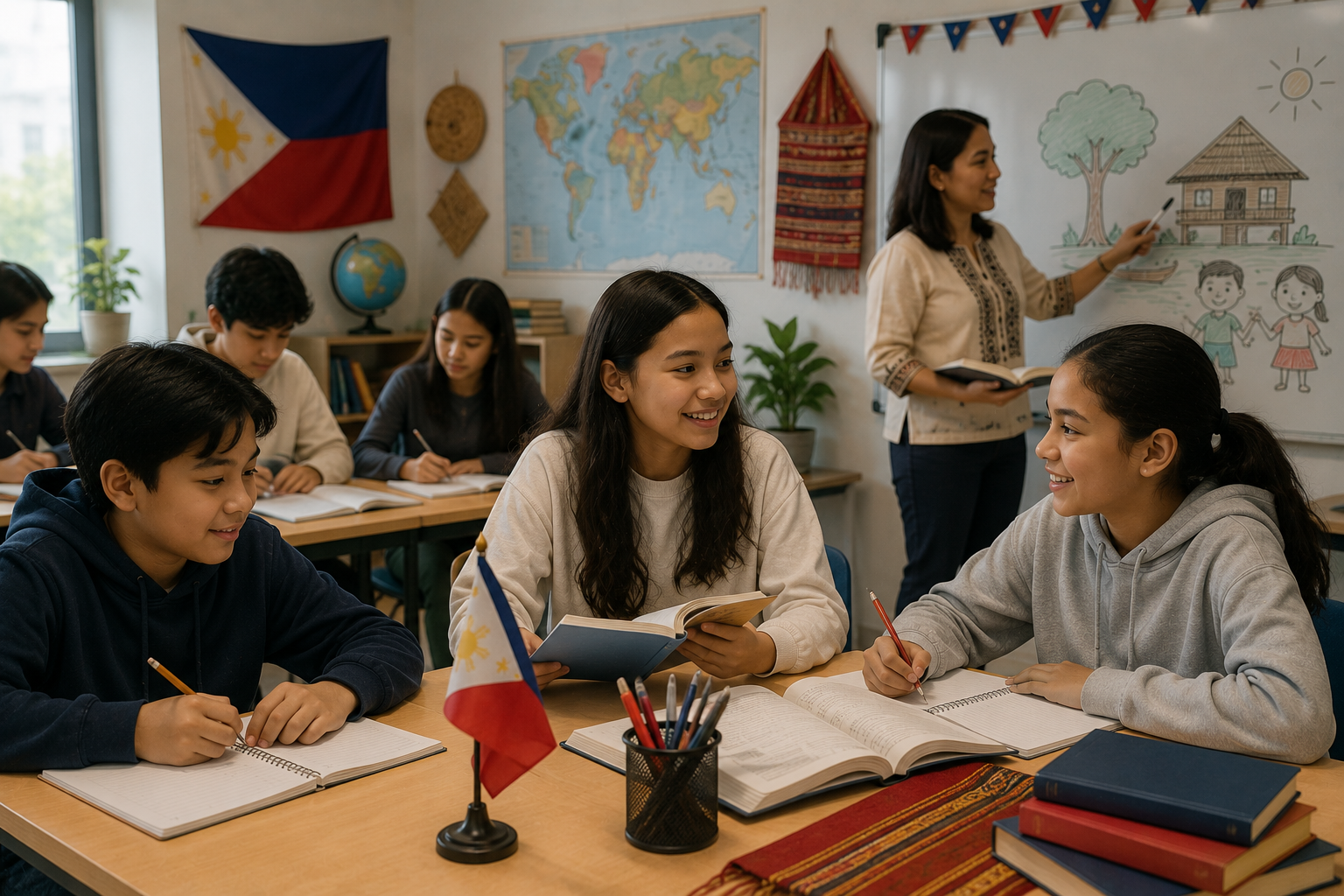
One of the defining characteristics of modern Independence Day celebrations is the emphasis on cultural education. Organizers increasingly recognize the importance of helping younger generations understand the historical significance of Philippine independence and the broader context of Filipino identity. Educational exhibits, storytelling sessions, heritage presentations, and interactive workshops provide opportunities for participants to learn about the nation's history while strengthening their connection to cultural traditions. Community advocates believe these efforts are essential for ensuring that cultural knowledge is passed on to future generations.
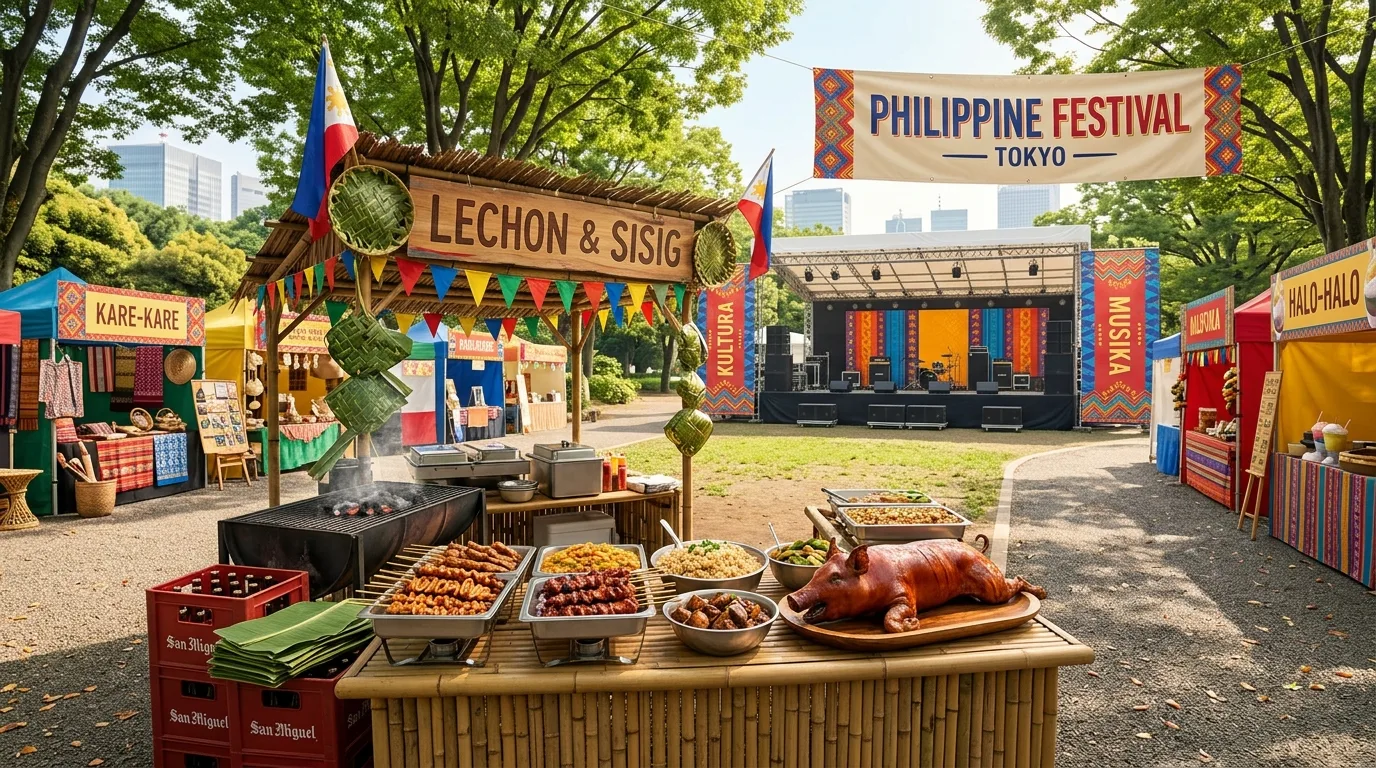
Food continues to play a central role in Independence Day celebrations around the world. Filipino cuisine serves as one of the most accessible and effective ways to introduce people to Philippine culture. Festivals often feature a wide variety of traditional dishes and regional specialties that reflect the diversity of the country's culinary heritage. Community members frequently describe food as a powerful tool for cultural preservation because it creates opportunities for storytelling, memory sharing, and cultural exchange.
Musical and artistic performances are expected to remain among the most popular attractions during Independence Day events. Dance groups, choirs, musicians, cultural performers, and visual artists contribute significantly to the success of these celebrations by presenting works that reflect both traditional and contemporary Filipino creativity. Audiences are often captivated by performances that showcase the vibrancy, diversity, and emotional depth of Philippine artistic expression. Organizers view cultural performances as important tools for building pride and promoting cultural appreciation.
Technology has transformed the way Independence Day celebrations are organized and experienced. Social media platforms, livestream broadcasts, digital content creation, and virtual participation opportunities allow events to reach audiences far beyond their physical locations. Overseas Filipinos who are unable to attend in person can still participate through online platforms, creating a more inclusive and globally connected celebration. Community leaders note that digital engagement has become an essential part of modern cultural preservation efforts.
The growing involvement of youth organizations has added new energy and creativity to Independence Day programming. Young Filipinos are increasingly taking leadership roles in event planning, volunteer coordination, cultural performances, and digital promotion efforts. Their participation helps ensure that celebrations remain relevant to contemporary audiences while preserving important cultural traditions. Community leaders often emphasize that youth engagement is one of the most important factors supporting the long-term sustainability of overseas Filipino cultural initiatives.
Independence Day celebrations also provide opportunities to recognize the achievements and contributions of Filipinos abroad. Many organizations include awards programs, community recognition ceremonies, and leadership acknowledgments that highlight individuals who have made positive impacts within their communities. These recognitions help inspire others while reinforcing the values of service, excellence, and community involvement that are deeply rooted in Filipino culture.
Economic benefits often accompany major cultural events as well. Local businesses, food vendors, artisans, performers, and service providers frequently experience increased activity during festival periods. Independence Day celebrations create opportunities for entrepreneurs to showcase products and services while contributing to local economic activity. Community organizers view these events as valuable platforms that support both cultural and economic development.
The broader impact of Independence Day celebrations extends beyond the Filipino community itself. Multicultural societies benefit from opportunities to experience and learn about Philippine culture through festivals, performances, educational programs, and community interactions. These experiences help foster mutual understanding, cultural appreciation, and stronger relationships among diverse groups. Community leaders frequently emphasize that cultural celebrations contribute positively to social cohesion and intercultural dialogue.
As preparations continue throughout 2026, expectations remain high for strong participation and community engagement. Organizers report growing interest from volunteers, sponsors, cultural groups, educational institutions, and local partners who recognize the importance of these events. Expanded programming, increased collaboration, and greater public visibility are expected to contribute to successful celebrations across multiple continents.
Looking ahead, many community leaders see Independence Day celebrations as more than annual events. They view them as opportunities to preserve heritage, strengthen identity, inspire younger generations, and build lasting connections among Filipinos worldwide. These celebrations help ensure that cultural traditions remain vibrant and meaningful even as communities continue to evolve and adapt to new environments.
Ultimately, the preparations taking place across the world demonstrate the enduring strength of Filipino identity and the deep pride that Filipinos maintain in their history and heritage. Whether celebrated in large metropolitan centers or smaller community venues, Independence Day serves as a powerful reminder of the values that unite Filipinos across borders and generations.
As millions of Filipinos prepare to commemorate Philippine Independence Day in 2026, the celebrations will once again showcase the resilience, unity, creativity, and community spirit that define the Filipino people. Through cultural festivals, educational initiatives, artistic performances, and shared experiences, overseas Filipino communities are ensuring that the story of Philippine independence continues to inspire pride and connection around the world.
Enjoyed this story?
Share this story