Filipino Cultural Centers Open New Programs Promoting Language and Heritage
Share
June 10, 2026
Updated Oct 16, 2026
7 min read
286 views
MANILA, Philippines — Filipino cultural centers in various countries are expanding their efforts to preserve and promote Philippine language, heritage, and traditions through the launch of new educational and cultural programs designed to engage both Filipino communities and international audiences. As global Filipino populations continue to grow and evolve, cultural organizations are responding with innovative initiatives that aim to strengthen cultural identity, encourage language preservation, and create meaningful opportunities for learning and community engagement.
Across North America, Europe, Australia, Asia, and the Middle East, Filipino cultural centers have become important institutions that serve as hubs for cultural preservation and education. These organizations provide spaces where community members can celebrate traditions, learn about history, develop cultural awareness, and strengthen connections to their roots. Community leaders believe that cultural centers play a critical role in ensuring that Filipino identity remains vibrant and relevant for future generations, particularly among young people growing up outside the Philippines.
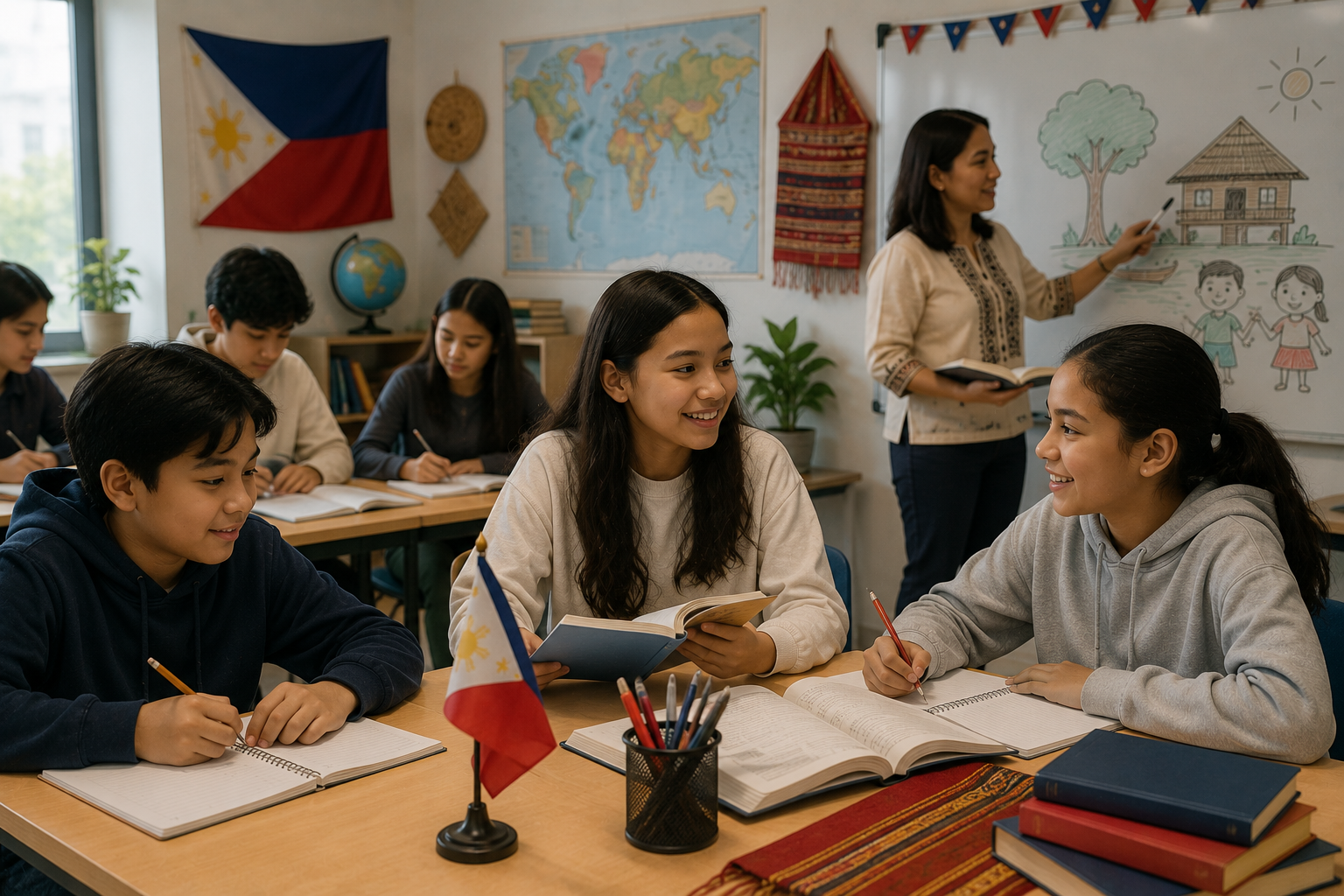
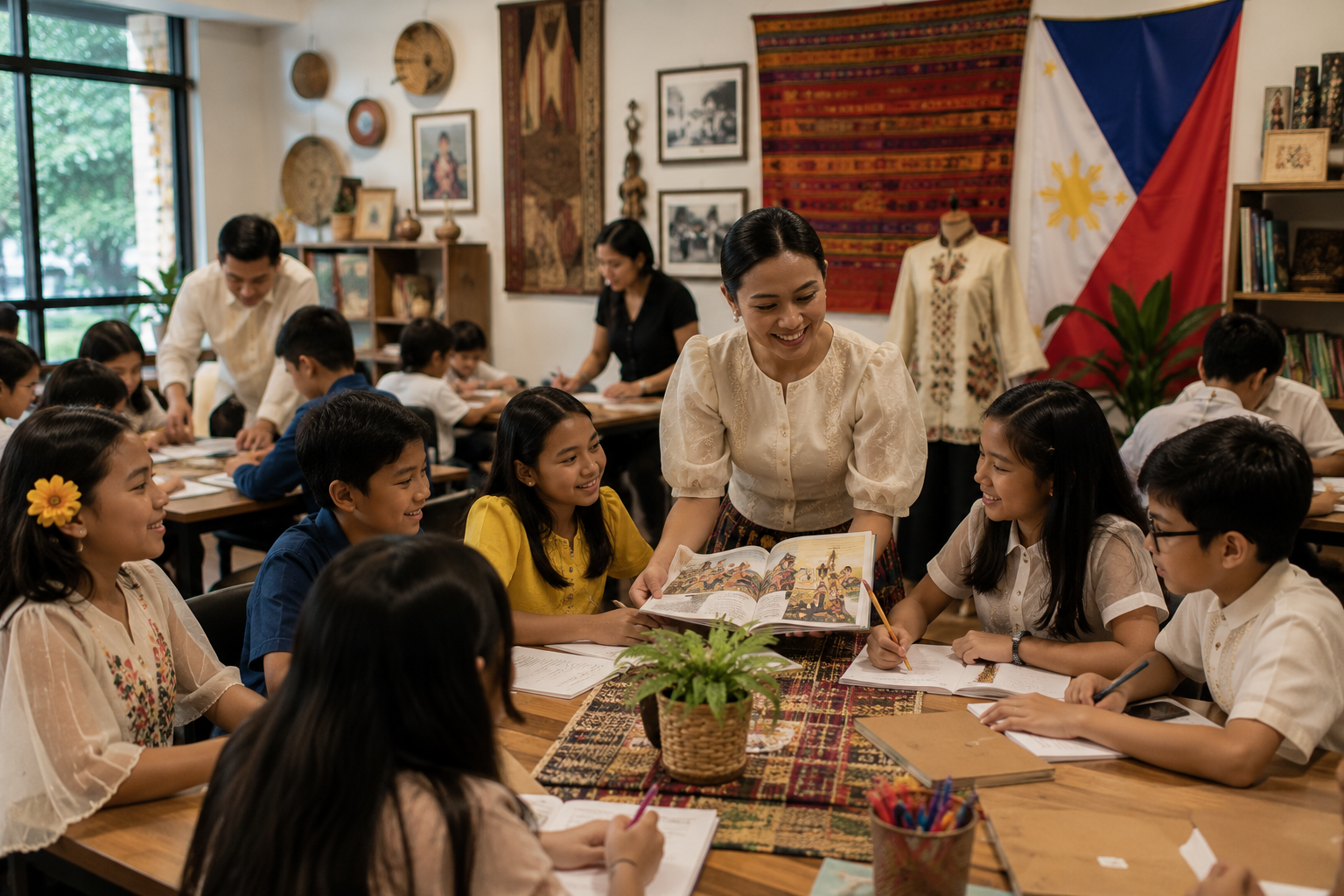
Language preservation has emerged as one of the primary focuses of many newly launched programs. Organizers recognize that language serves as a powerful connection to heritage, history, and cultural understanding. As younger generations become increasingly immersed in the languages of their host countries, maintaining familiarity with Filipino languages has become a growing priority. New language classes and educational programs are helping children, students, and adults develop skills in Filipino and various regional languages while fostering a deeper appreciation for cultural identity.
Educators involved in these initiatives emphasize that language learning extends beyond vocabulary and grammar. Through language instruction, participants gain insights into Filipino values, customs, traditions, and ways of thinking. Stories, songs, literature, and cultural expressions often carry meanings that are best understood through language. By promoting language education, cultural centers help ensure that important aspects of heritage remain accessible to future generations.
Many programs are designed specifically for young Filipinos born or raised abroad. Community leaders understand that maintaining cultural connections can be challenging when individuals grow up in multicultural environments where daily exposure to Filipino traditions may be limited. Youth-focused initiatives often combine language instruction with cultural activities, interactive learning experiences, storytelling sessions, and creative projects that make heritage education engaging and relevant. Organizers believe that these approaches help young people develop pride in their cultural background while strengthening their sense of identity.
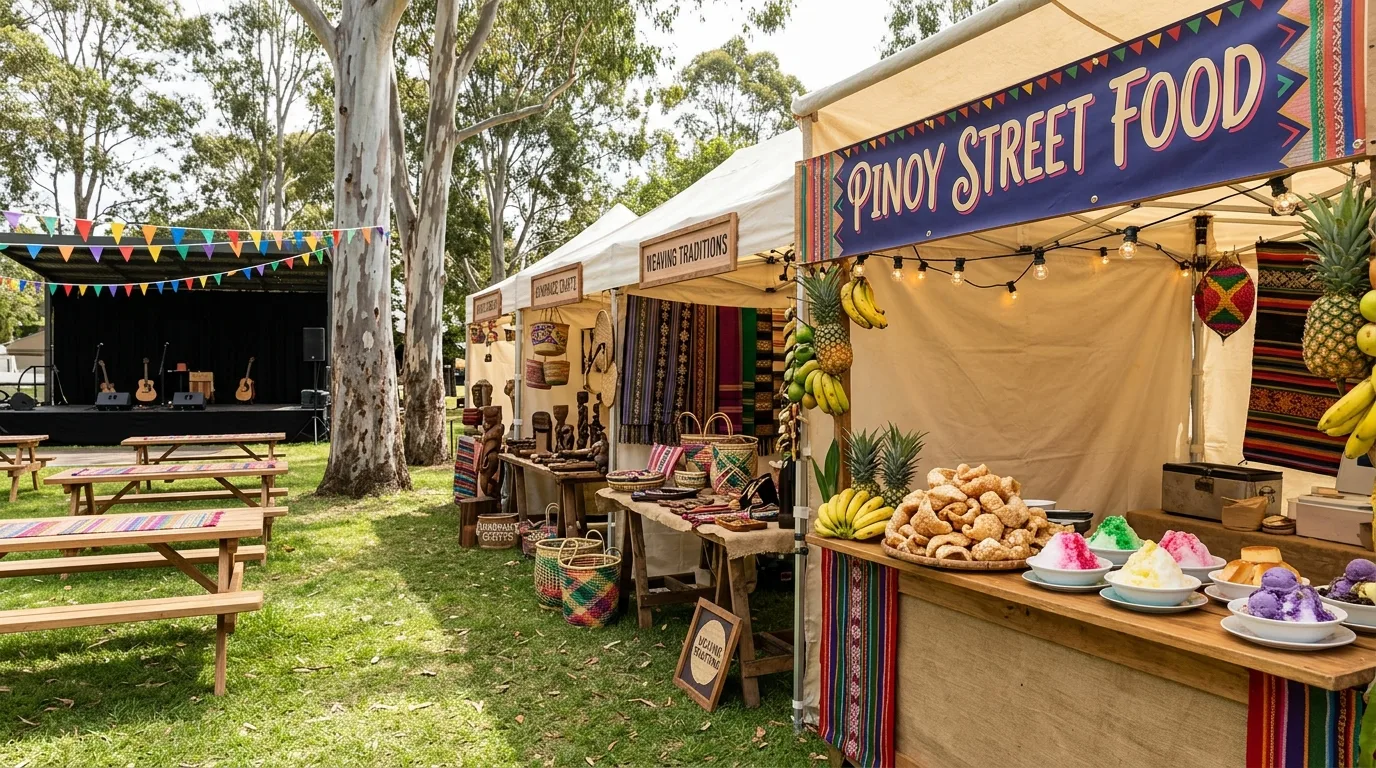
Heritage workshops have become increasingly popular components of cultural programming. These workshops explore topics such as Philippine history, regional traditions, indigenous cultures, traditional crafts, music, dance, and culinary heritage. Participants are encouraged to engage actively with cultural materials and experiences rather than simply learning through lectures or presentations. Community leaders note that hands-on learning opportunities help create stronger emotional connections to cultural traditions.
Traditional arts programs are also receiving renewed attention. Cultural centers frequently offer classes and demonstrations focused on music, dance, visual arts, weaving, handicrafts, and other forms of artistic expression. These activities provide opportunities for participants to develop creative skills while learning about the cultural significance of various art forms. Organizers emphasize that artistic traditions serve as important vehicles for preserving history and cultural memory.
Storytelling remains one of the most effective methods used by cultural centers to promote heritage awareness. Through oral histories, folktales, family narratives, and literary presentations, participants gain insights into the experiences, values, and traditions that have shaped Filipino communities over generations. Storytelling programs often encourage interaction between older and younger participants, creating opportunities for intergenerational learning and cultural exchange.
The role of elders and community leaders is particularly important within heritage education programs. Many cultural centers actively involve senior community members who possess valuable knowledge about traditions, customs, and historical experiences. Their participation helps ensure that cultural information is passed down authentically while strengthening relationships between generations. Community advocates often describe elders as living repositories of cultural knowledge whose contributions are essential to preservation efforts.
Technology has become an increasingly valuable tool in supporting cultural education initiatives. Online language classes, virtual workshops, digital archives, interactive learning platforms, and social media content allow cultural centers to reach broader audiences than ever before. Participants who may not be able to attend programs in person can still engage with educational content and remain connected to their heritage. Organizers note that digital tools have expanded opportunities for learning while helping cultural organizations adapt to changing community needs.
Many cultural centers are also developing partnerships with schools, universities, libraries, museums, and community organizations. These collaborations create opportunities to integrate Filipino cultural content into broader educational and cultural programs. Through exhibitions, lectures, cultural exchanges, and joint initiatives, Filipino heritage becomes more visible within multicultural environments while reaching audiences that extend beyond Filipino communities.
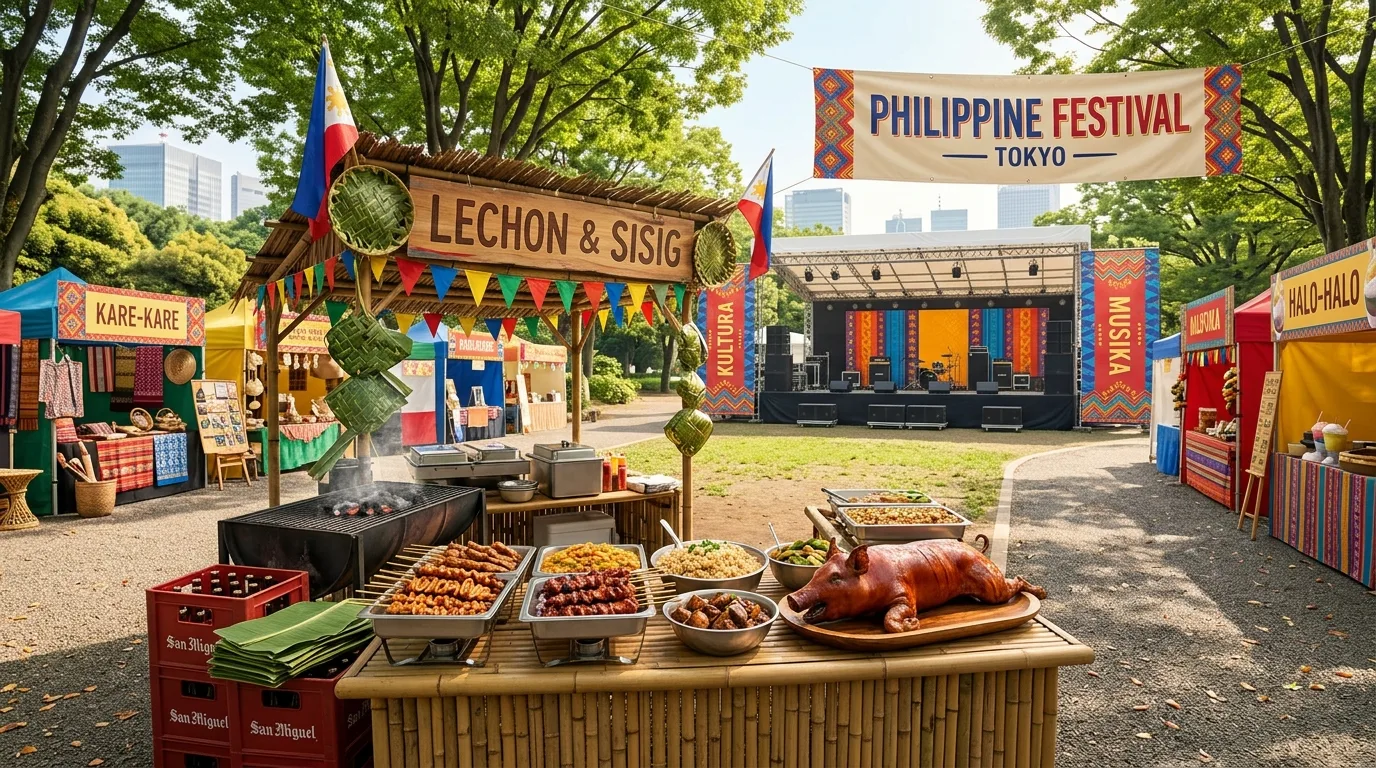
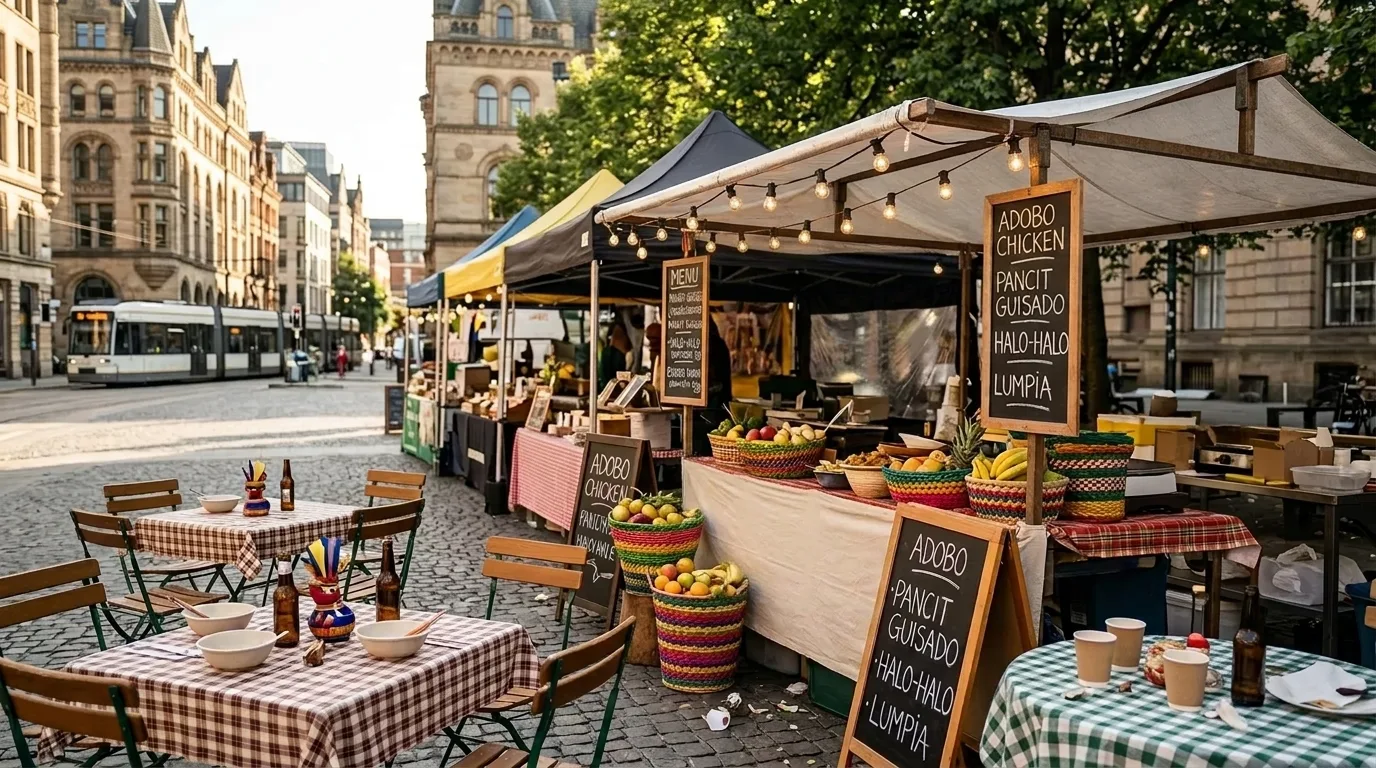
The growing popularity of Filipino cuisine has also influenced heritage programming. Culinary workshops, cooking demonstrations, and food heritage presentations have become effective ways of introducing participants to Philippine culture. Food serves as a natural entry point for cultural exploration because it combines history, tradition, family stories, and regional identity. Organizers often observe that culinary programs attract diverse audiences while creating opportunities for meaningful cultural conversations.
Cultural centers are increasingly serving as gathering places that strengthen community relationships. In addition to educational activities, many organizations host festivals, cultural celebrations, networking events, family programs, and volunteer initiatives. These activities help create supportive environments where individuals can connect with others who share similar backgrounds and experiences. Community leaders view social engagement as an important aspect of cultural preservation because strong communities are more likely to sustain traditions over time.
The multicultural nature of many host countries provides valuable opportunities for cultural exchange. Non-Filipino participants often attend language classes, cultural workshops, and heritage events out of curiosity and interest in learning about Philippine traditions. Cultural centers welcome these interactions as opportunities to promote understanding, respect, and appreciation across cultures. By sharing heritage openly, Filipino communities contribute positively to broader conversations about diversity and inclusion.
Volunteerism remains a cornerstone of many cultural organizations. Community members dedicate significant amounts of time and effort to planning programs, teaching classes, organizing events, and supporting participants. Their commitment reflects the Filipino value of bayanihan and demonstrates the collective responsibility many people feel toward preserving cultural heritage. Organizers frequently acknowledge volunteers as essential contributors to the success and sustainability of cultural initiatives.
Many cultural centers are also incorporating leadership development and youth engagement into their programs. Organizers recognize that future generations will ultimately determine the long-term success of cultural preservation efforts. Leadership training, mentorship opportunities, volunteer experiences, and youth advisory programs help prepare young people to take active roles within their communities while encouraging continued engagement with heritage initiatives.
The expansion of cultural programs reflects growing awareness of the importance of cultural identity in an increasingly globalized world. Community leaders believe that preserving heritage provides individuals with a stronger sense of belonging, confidence, and connection to their roots. At the same time, cultural awareness helps promote mutual respect and understanding within diverse societies. These benefits extend beyond individual participants and contribute positively to community development and social cohesion.
As Filipino communities continue to expand globally, cultural centers are expected to play even more significant roles in preserving language and heritage. New programs focused on digital learning, cultural research, youth engagement, and international collaboration are already being developed to meet evolving needs. Organizers remain committed to finding innovative ways to ensure that cultural traditions remain relevant, accessible, and meaningful for future generations.
Ultimately, the launch of new programs by Filipino cultural centers demonstrates the enduring commitment of global Filipino communities to preserving their heritage while sharing it with the world. Through language education, cultural workshops, artistic programs, storytelling initiatives, and community engagement activities, these organizations are helping ensure that Filipino traditions continue to thrive across borders and generations.
As cultural centers expand their reach and influence, they serve as powerful reminders that heritage is not simply a reflection of the past but a living and evolving part of community life. By investing in language, education, and cultural preservation, Filipino communities are creating opportunities for future generations to remain connected to their roots while contributing confidently to an increasingly interconnected world.
Enjoyed this story?
Share this story