Filipino Cultural Exhibitions Attract Strong International Interest
Share
June 22, 2026
Updated Oct 16, 2026
8 min read
291 views
MANILA, Philippines — Filipino cultural exhibitions are drawing increasing attention from international audiences as museums, cultural centers, galleries, universities, and community organizations around the world showcase the rich heritage, artistic traditions, and historical achievements of the Philippines. From major cities in North America and Europe to cultural hubs across Asia, Australia, and the Middle East, exhibitions dedicated to Filipino culture are attracting visitors eager to learn more about the country's diverse history, vibrant arts, and enduring traditions. Organizers and cultural advocates view this growing interest as evidence of the expanding global appreciation for Philippine culture and the important role of cultural exhibitions in fostering understanding across communities.
Over the past several years, Filipino cultural exhibitions have evolved into significant platforms for cultural exchange and education. While earlier exhibitions often focused primarily on serving Filipino communities abroad, many contemporary programs are now designed to engage broader international audiences. Through carefully curated displays, interactive presentations, artistic showcases, and educational programming, organizers are creating opportunities for people from diverse backgrounds to experience and appreciate the richness of Philippine heritage. Community leaders note that these exhibitions not only celebrate Filipino identity but also contribute to greater awareness of the Philippines' cultural contributions to the world.
One of the primary reasons behind the growing popularity of Filipino cultural exhibitions is the increasing global interest in authentic cultural experiences. In an era where cultural diversity and intercultural understanding are receiving greater attention, audiences are seeking opportunities to explore traditions and histories beyond their own backgrounds. Filipino exhibitions provide immersive experiences that allow visitors to engage with art, history, literature, music, crafts, and cultural practices in meaningful and accessible ways. Organizers report that many visitors attend exhibitions with limited prior knowledge of the Philippines and leave with a deeper appreciation for its people, traditions, and achievements.
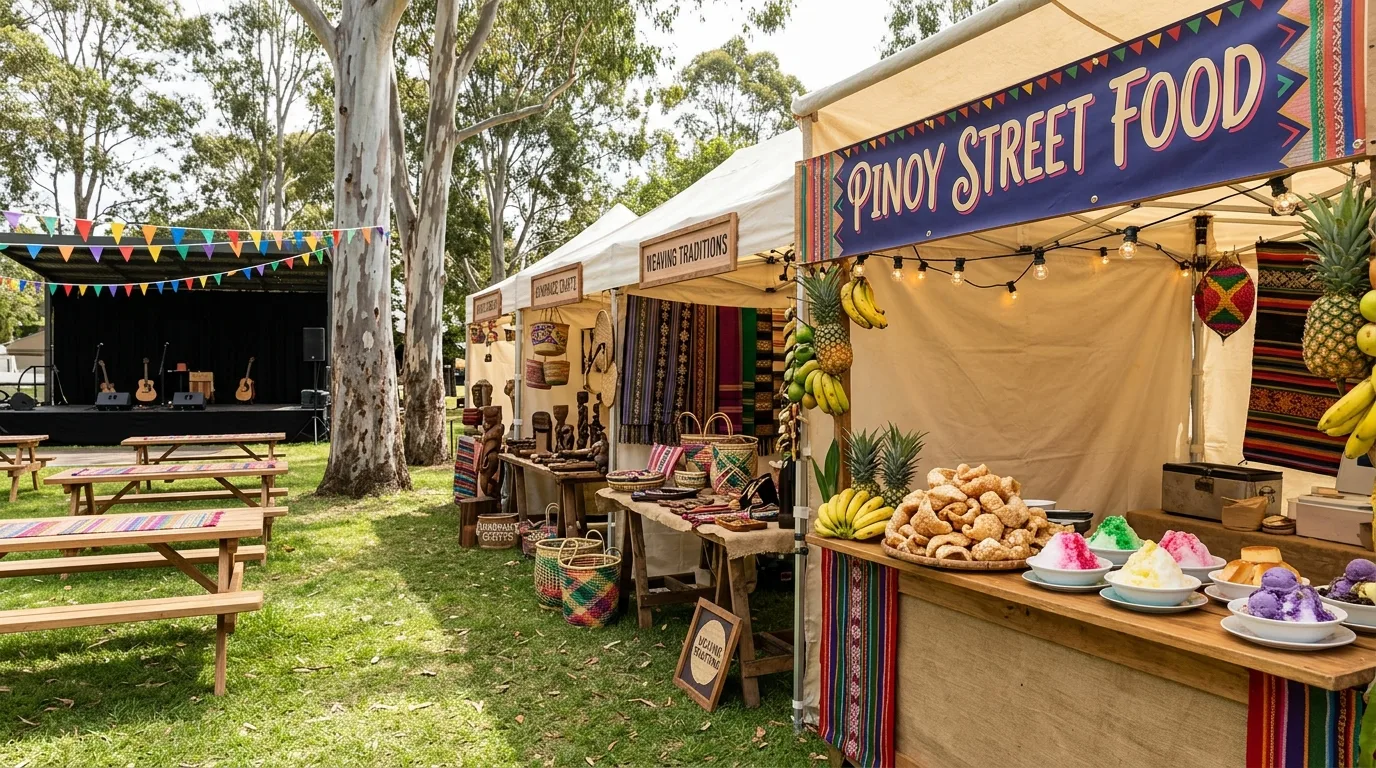
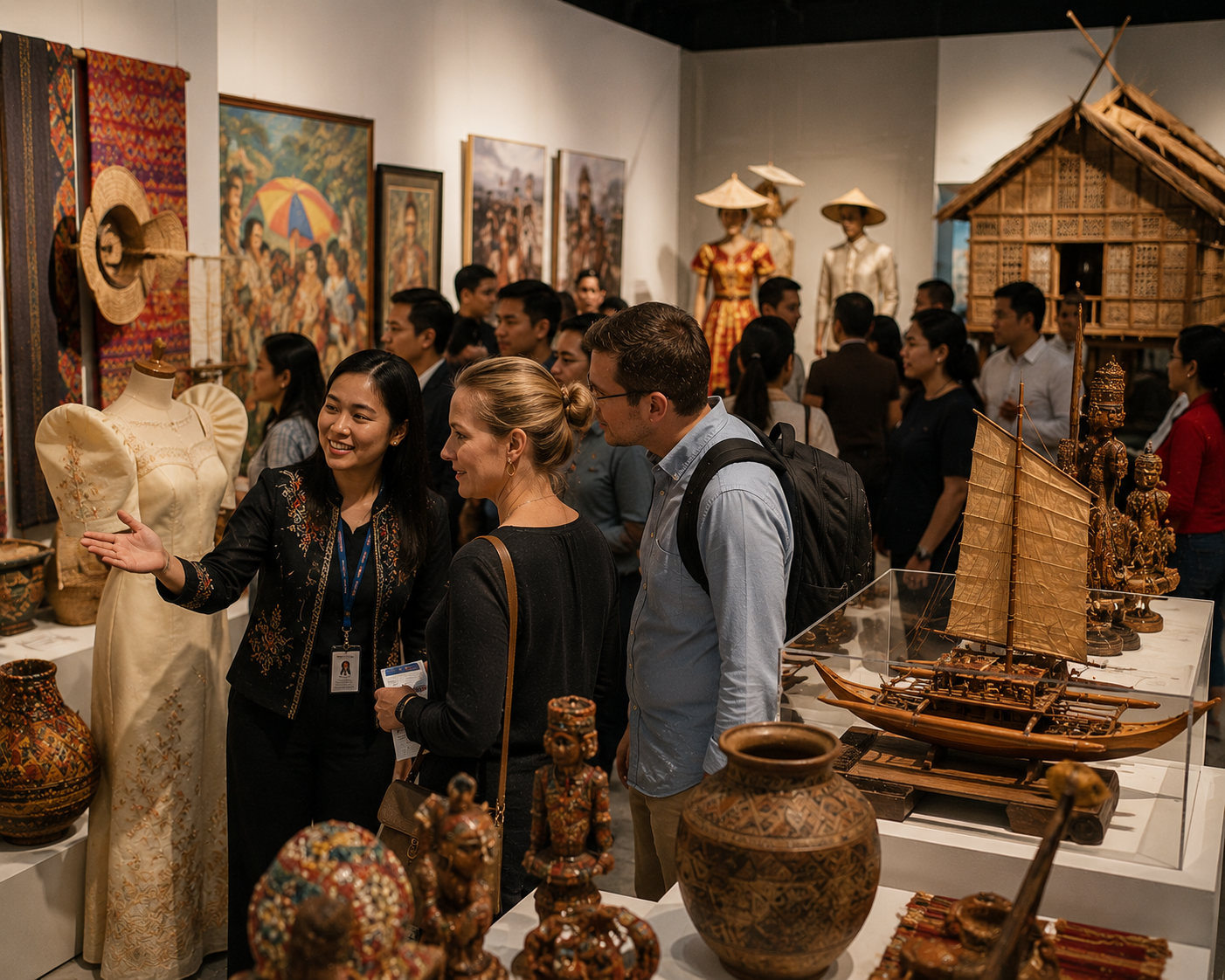
Traditional Filipino arts remain among the most compelling attractions featured in cultural exhibitions. Displays often include intricate weaving traditions, wood carvings, pottery, indigenous crafts, textile arts, jewelry, and other forms of artistic expression that reflect centuries of cultural development. Visitors are frequently fascinated by the craftsmanship and symbolism embedded within these works, many of which represent specific regional identities and historical traditions. Cultural experts explain that these artistic practices serve not only as creative expressions but also as valuable records of community histories and cultural values.
Contemporary Filipino art has also gained considerable international recognition. Many exhibitions feature works by modern Filipino painters, photographers, sculptors, multimedia artists, and designers whose creations explore themes related to identity, migration, heritage, community, and social change. These exhibitions demonstrate the dynamic nature of Filipino culture while highlighting the ways in which artists continue to reinterpret and reimagine cultural traditions within contemporary contexts. Curators note that contemporary art often serves as a bridge between heritage preservation and modern creative innovation.
Historical exhibitions have become particularly popular among audiences interested in understanding the Philippines' complex and diverse past. Displays frequently explore pre-colonial civilizations, maritime trade networks, indigenous communities, colonial history, independence movements, migration stories, and the evolution of Filipino society over time. Through artifacts, photographs, documents, maps, and multimedia presentations, these exhibitions provide valuable insights into the historical forces that have shaped the nation and its people. Visitors often express appreciation for opportunities to learn about aspects of Philippine history that may receive limited attention in mainstream international narratives.
Many cultural exhibitions also focus on the experiences of Overseas Filipinos and the global Filipino diaspora. These presentations highlight stories of migration, adaptation, resilience, and community-building that have defined the experiences of millions of Filipinos living abroad. Through personal narratives, family histories, photographs, and community archives, exhibitions showcase the significant contributions of Overseas Filipinos to societies around the world while emphasizing the enduring connections that unite global Filipino communities.
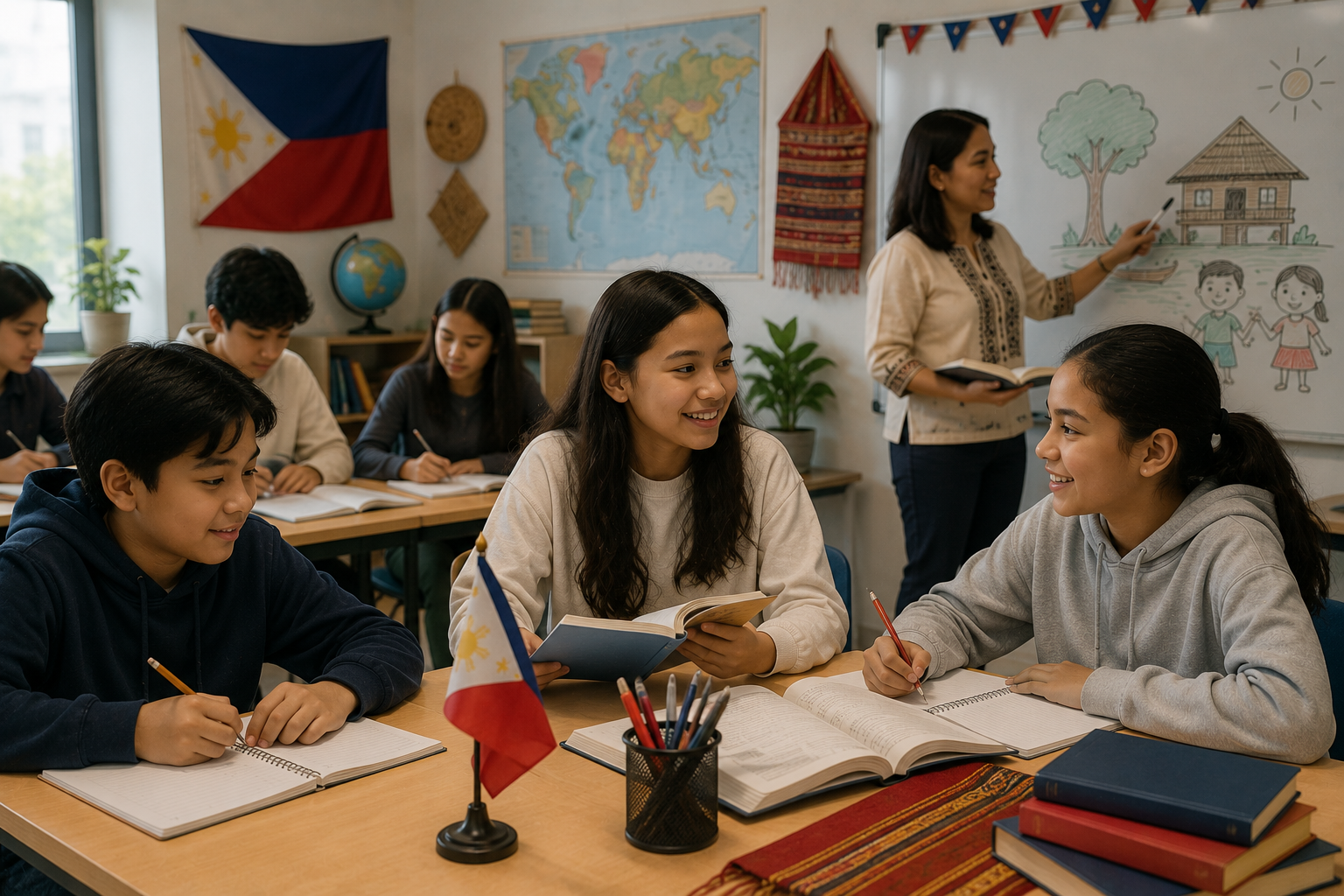
Educational institutions have become important partners in promoting Filipino cultural exhibitions. Universities, schools, and research centers frequently collaborate with cultural organizations to develop exhibits, host lectures, facilitate discussions, and provide educational programming that enhances visitor engagement. Organizers believe that academic partnerships help strengthen the educational value of exhibitions while encouraging deeper exploration of cultural topics among students, educators, and researchers.
Interactive and immersive experiences have become increasingly common features of modern cultural exhibitions. Rather than relying solely on traditional display methods, many organizers incorporate digital technology, multimedia installations, virtual reality experiences, hands-on workshops, and interactive storytelling elements that encourage active participation. These innovations help attract broader audiences while making cultural content more engaging and accessible. Visitors often report that interactive components enhance their understanding and appreciation of Filipino culture.
The role of technology in expanding the reach of cultural exhibitions cannot be overstated. Virtual tours, online exhibits, digital archives, livestream events, and social media campaigns allow cultural institutions to engage audiences beyond physical locations. Organizers report that digital platforms have significantly increased international visibility and enabled individuals from different countries to access cultural content regardless of geographic limitations. This digital expansion has proven particularly valuable in connecting global Filipino communities and introducing Philippine culture to new audiences.
Many exhibitions also highlight the linguistic diversity of the Philippines. Through literature, language displays, oral histories, and educational presentations, visitors are introduced to the rich variety of languages and dialects spoken throughout the archipelago. Cultural advocates emphasize that language preservation remains an important aspect of heritage conservation and often incorporate linguistic elements into broader exhibition programming.
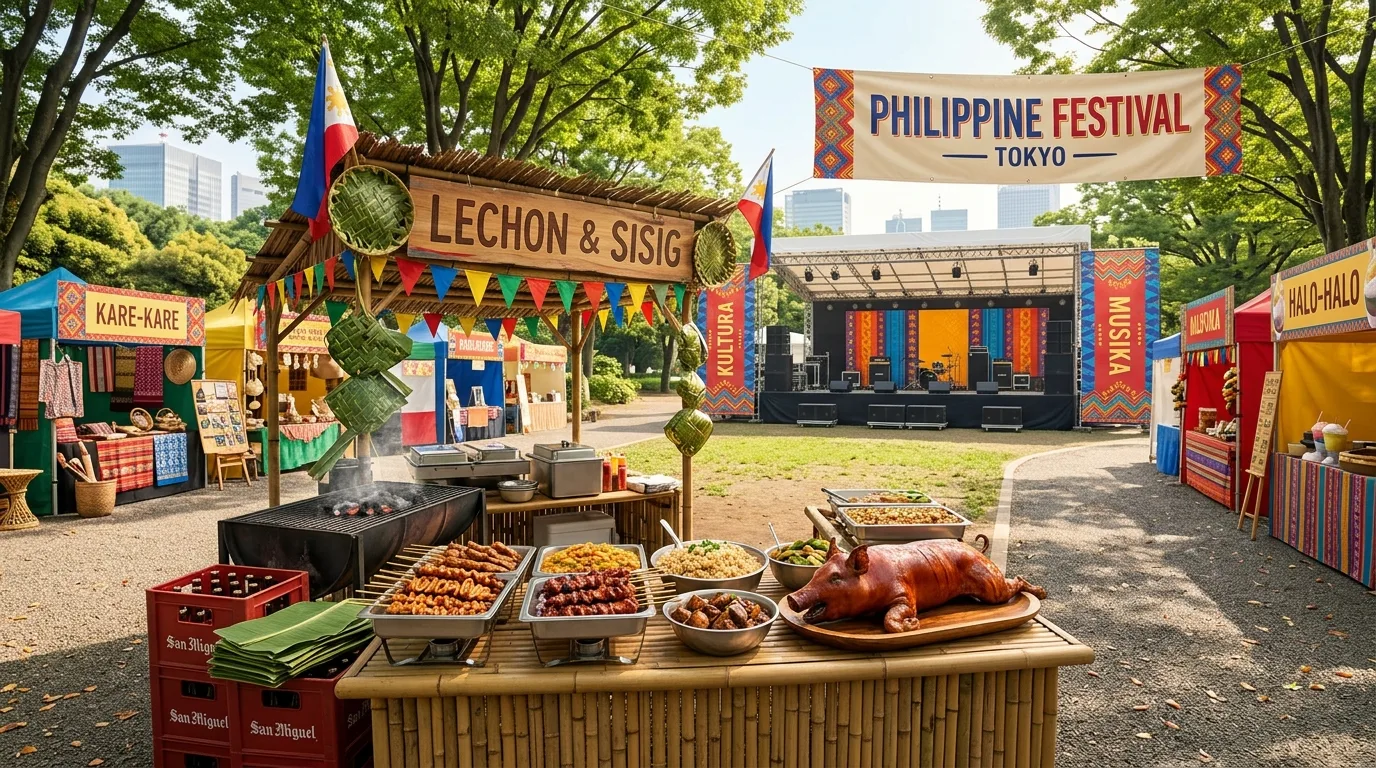
Filipino music and performing arts frequently complement visual and historical exhibits. Cultural centers and exhibition venues often host live performances featuring traditional instruments, folk music, dance presentations, and contemporary artistic interpretations. These performances create multidimensional cultural experiences that allow visitors to engage with heritage through multiple forms of expression. Organizers note that music and performance often create powerful emotional connections that enhance cultural understanding.
The growing participation of young Filipinos has contributed significantly to the success of cultural exhibitions worldwide. Youth volunteers, student organizations, emerging artists, and young cultural advocates are increasingly involved in planning, promoting, and participating in exhibitions. Their contributions help ensure that cultural preservation efforts remain relevant to new generations while introducing innovative approaches to heritage education and engagement.
Community leaders emphasize that cultural exhibitions serve important functions beyond cultural celebration. They create opportunities for dialogue, reflection, and intercultural learning that strengthen relationships among diverse communities. Visitors often gain new perspectives on Filipino culture while recognizing shared human experiences that transcend national and cultural boundaries. Organizers believe that these interactions contribute positively to social cohesion and mutual understanding.
The economic impact of cultural exhibitions has also become increasingly apparent. Exhibitions attract visitors, support local tourism, create opportunities for artists and cultural practitioners, and generate visibility for Filipino-owned businesses and creative enterprises. Many cultural organizations collaborate with local communities, sponsors, and tourism stakeholders to maximize the benefits associated with major exhibitions and cultural events.
Partnerships between museums, galleries, government agencies, cultural institutions, nonprofit organizations, and Filipino community groups have played crucial roles in expanding exhibition programs. These collaborations provide resources, expertise, venues, and promotional support that help ensure the success of cultural initiatives. Community leaders note that strong partnerships are essential for sustaining long-term cultural programming and reaching broader audiences.
The increasing international interest in Filipino cultural exhibitions reflects broader recognition of the importance of cultural diversity within contemporary society. As communities become more interconnected, opportunities for cultural exchange help foster appreciation, understanding, and respect among people from different backgrounds. Filipino exhibitions contribute meaningfully to these efforts by presenting rich and nuanced portrayals of Philippine heritage and identity.
Many organizers are now exploring new ways to expand exhibition programming through international touring exhibits, collaborative cultural projects, digital heritage initiatives, and youth-focused educational programs. These efforts aim to ensure that Filipino culture remains visible and accessible to future generations while continuing to engage audiences around the world.
Looking ahead, cultural advocates remain optimistic about the future of Filipino exhibitions on the global stage. Strong audience engagement, increasing institutional support, growing public interest, and expanding international partnerships suggest that opportunities for cultural promotion will continue to grow. Organizers believe that exhibitions will remain important tools for heritage preservation, education, and intercultural dialogue.
Ultimately, the success of Filipino cultural exhibitions demonstrates the enduring appeal and relevance of Philippine heritage in a global context. Through art, history, storytelling, music, language, and creative expression, these exhibitions offer powerful opportunities to celebrate culture while building connections across borders. They remind audiences that cultural heritage is not only something to be preserved but also something to be shared, explored, and appreciated by people around the world.
As international audiences continue to discover the richness of Philippine culture through exhibitions and cultural programs, Filipino communities and cultural institutions remain committed to ensuring that these stories, traditions, and artistic achievements continue to inspire future generations. Their efforts help strengthen cultural pride, promote global understanding, and showcase the remarkable heritage that continues to define and enrich the Filipino experience worldwide.
Enjoyed this story?
Share this story