Filipino Dance Groups Earn Recognition at Global Cultural Competitions
Share
June 15, 2026
Updated Oct 14, 2026
8 min read
221 views
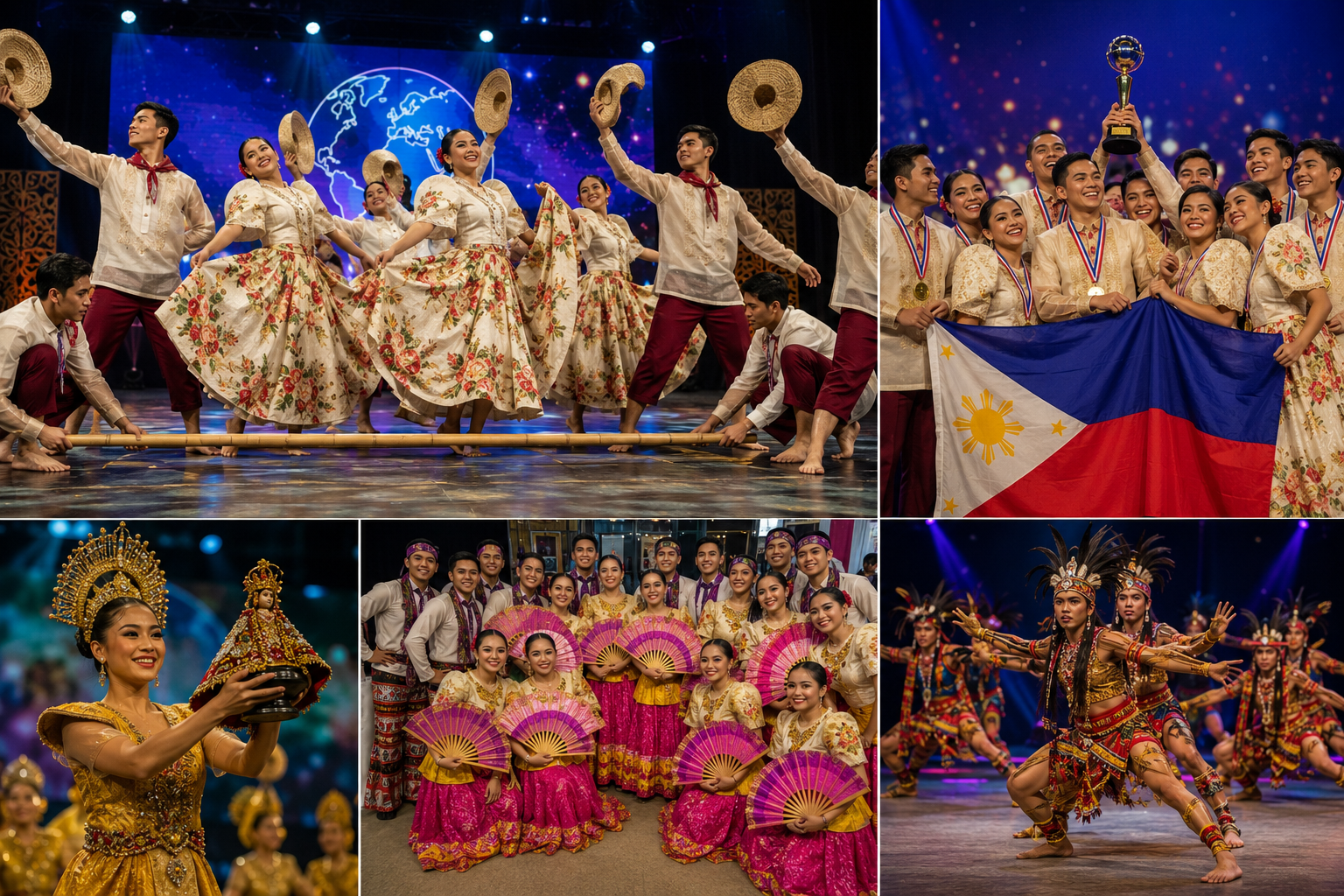
MANILA, Philippines — Filipino dance groups are gaining increasing recognition at international cultural competitions as they showcase the richness of Philippine traditions, artistic excellence, and cultural diversity before audiences around the world. Through performances that blend heritage, storytelling, technical skill, and creativity, Filipino dancers are earning accolades at prestigious festivals, cultural showcases, performing arts competitions, and international events that celebrate the artistic traditions of nations from across the globe.
The growing success of Filipino dance groups reflects the enduring strength of the country's performing arts sector and the dedication of dancers, choreographers, educators, cultural advocates, and community organizations committed to preserving and promoting Philippine culture. Whether performing traditional folk dances, indigenous cultural presentations, festival-inspired routines, or contemporary interpretations rooted in Filipino identity, these groups continue to demonstrate the artistic talent and cultural richness that define the Philippines' performing arts community.
Dance has long held an important place in Philippine culture. Across the country's regions, communities have developed unique dance traditions that reflect local histories, customs, beliefs, celebrations, and ways of life. Many traditional dances tell stories of courtship, agriculture, fishing, spirituality, celebration, and community cooperation. Through movement, music, costumes, and performance, these dances serve as living expressions of cultural heritage that have been passed from generation to generation. Today, dance groups both within the Philippines and among overseas Filipino communities continue to preserve these traditions while sharing them with international audiences.
International cultural competitions provide valuable opportunities for Filipino performers to present their artistry on global platforms. These events bring together participants from diverse cultural backgrounds, creating environments where traditions can be shared, appreciated, and celebrated. Filipino dance groups often stand out because of the vibrant costumes, dynamic choreography, and strong storytelling elements that characterize many Philippine dance traditions. Audiences are frequently captivated by performances that showcase the country's cultural diversity and artistic creativity.
One of the defining strengths of Filipino dance groups is their ability to represent the many cultural influences that have shaped the Philippines. The country's history includes indigenous traditions, Asian influences, colonial legacies, and modern cultural developments, all of which contribute to a rich and varied artistic landscape. Dance performances often highlight this diversity by incorporating movements, music, and narratives that reflect different regions and communities throughout the archipelago. Organizers and judges frequently commend Filipino performers for presenting authentic and engaging representations of their cultural heritage.
Traditional folk dances remain among the most celebrated performances at international competitions. Dances such as Tinikling, Pandanggo sa Ilaw, Singkil, Maglalatik, and Cariñosa continue to attract attention from audiences eager to learn about Philippine culture. These performances require significant preparation, discipline, and coordination, as dancers must master intricate movements while maintaining the cultural integrity of each presentation. Cultural experts note that the continued popularity of these dances demonstrates their enduring relevance and artistic appeal.
The iconic Tinikling, often regarded as one of the most recognizable Philippine folk dances, remains a favorite at international cultural events. Its fast-paced movements, rhythmic coordination, and visually striking use of bamboo poles consistently impress audiences and judges alike. Beyond its entertainment value, the dance reflects themes of agility, resilience, and cultural tradition. Performers frequently describe Tinikling as both a technical challenge and a source of cultural pride.
Equally significant are performances inspired by indigenous cultural traditions from various parts of the Philippines. Dance groups often work closely with cultural researchers, educators, and community representatives to ensure that indigenous-inspired presentations are respectful, accurate, and educational. These performances provide opportunities to highlight the cultural contributions of indigenous peoples while increasing awareness of the diverse communities that form part of the Philippine cultural landscape.
Many Filipino dance groups are also incorporating contemporary elements into their performances. While traditional forms remain central to cultural representation, modern choreography allows artists to explore current themes and connect with younger audiences. Contemporary works often address issues related to identity, migration, community, resilience, and social change while maintaining connections to Filipino heritage. This blending of tradition and innovation helps ensure that cultural performances remain relevant and engaging in modern contexts.
Overseas Filipino communities have played a significant role in expanding the international presence of Filipino dance groups. Cultural organizations in North America, Europe, Asia, Australia, and the Middle East frequently organize dance programs that teach traditional Filipino dances to younger generations. These groups often participate in local festivals, multicultural events, and international competitions, serving as cultural ambassadors who promote Philippine heritage abroad. Community leaders emphasize that dance programs strengthen cultural identity while creating opportunities for intercultural exchange.
Youth participation has become one of the most encouraging developments within Filipino dance communities. Many young Filipinos are actively involved in learning, performing, and promoting traditional dances. Their enthusiasm helps ensure that cultural traditions continue to thrive while bringing fresh energy and perspectives to performing arts organizations. Educators and community leaders believe that youth engagement is essential for preserving cultural heritage and sustaining artistic excellence for future generations.
Training and preparation for international competitions require substantial commitment from performers and instructors. Dance groups often dedicate months to rehearsals, costume preparation, musical arrangements, and cultural research. Choreographers work carefully to balance artistic expression with cultural authenticity, ensuring that performances accurately reflect the traditions they represent. The dedication displayed by performers is frequently cited as one of the key factors behind their success on international stages.
The role of cultural institutions and educational organizations has been instrumental in supporting Filipino dance groups. Schools, universities, cultural centers, museums, and community organizations often provide resources, training opportunities, performance venues, and mentorship programs that help develop talent and promote cultural preservation. These institutions play important roles in ensuring that performing arts remain accessible and valued within communities.
International recognition brings benefits that extend beyond competition results. Participation in global events creates opportunities for cultural exchange, professional development, networking, and collaboration. Filipino dancers often interact with performers from other countries, learning about different traditions while sharing their own cultural experiences. These exchanges foster mutual respect and understanding while strengthening connections among diverse communities.
The visibility of Filipino dance groups contributes positively to the global image of the Philippines. Cultural performances provide international audiences with opportunities to experience the country's heritage in engaging and memorable ways. Many attendees leave performances with greater appreciation for Philippine culture and increased interest in learning more about the country's history, traditions, and tourism destinations. Cultural advocates view performing arts as powerful tools for promoting national identity and cultural diplomacy.
Technology has further expanded the reach of Filipino dance performances. Social media platforms, video-sharing websites, livestream broadcasts, and digital cultural projects allow performances to reach audiences far beyond competition venues. Viral videos and online content have introduced Philippine dance traditions to millions of viewers worldwide, helping generate interest and appreciation among new audiences. Organizers note that digital platforms have become important tools for cultural promotion and audience engagement.
The economic impact of cultural performances should not be overlooked. International competitions and cultural festivals create opportunities for performers, costume designers, musicians, choreographers, educators, and cultural organizations. Successful participation can lead to invitations for additional performances, workshops, collaborations, and cultural exchange programs that support creative industries and professional development within the performing arts sector.
Many dance groups also use their platforms to promote broader cultural education. Workshops, lectures, demonstrations, and community outreach programs often accompany performances, allowing audiences to gain deeper understanding of Philippine traditions. Organizers believe that educational engagement enhances the value of cultural performances while encouraging more meaningful appreciation of heritage.
The success of Filipino dance groups is inspiring increased interest in performing arts among younger generations. Students and aspiring performers often view internationally recognized dance groups as examples of what can be achieved through dedication, teamwork, and cultural pride. Community leaders believe that these achievements encourage greater participation in cultural activities while helping sustain the country's artistic traditions.
Looking ahead, experts anticipate continued growth in the international recognition of Filipino dance groups. As global interest in cultural diversity and traditional arts expands, opportunities for participation in international festivals, competitions, and cultural exchange programs are expected to increase. Advances in digital communication and stronger partnerships among cultural institutions will likely create additional pathways for promoting Philippine performing arts worldwide.
Ultimately, the recognition earned by Filipino dance groups at global cultural competitions reflects more than artistic achievement alone. It represents the successful preservation and sharing of cultural heritage, the dedication of performers and educators, and the enduring power of the arts to connect people across borders and backgrounds. Through every performance, Filipino dancers tell stories that celebrate identity, tradition, creativity, and community.
As audiences around the world continue to discover and appreciate the beauty of Philippine dance traditions, Filipino performers remain important ambassadors of culture and heritage. Their achievements demonstrate the richness of Filipino artistry while inspiring pride among communities both in the Philippines and abroad. Through their passion, discipline, and commitment to excellence, these dance groups continue to ensure that the stories, traditions, and spirit of the Filipino people remain vibrant on the global stage for generations to come.
Enjoyed this story?
Share this story