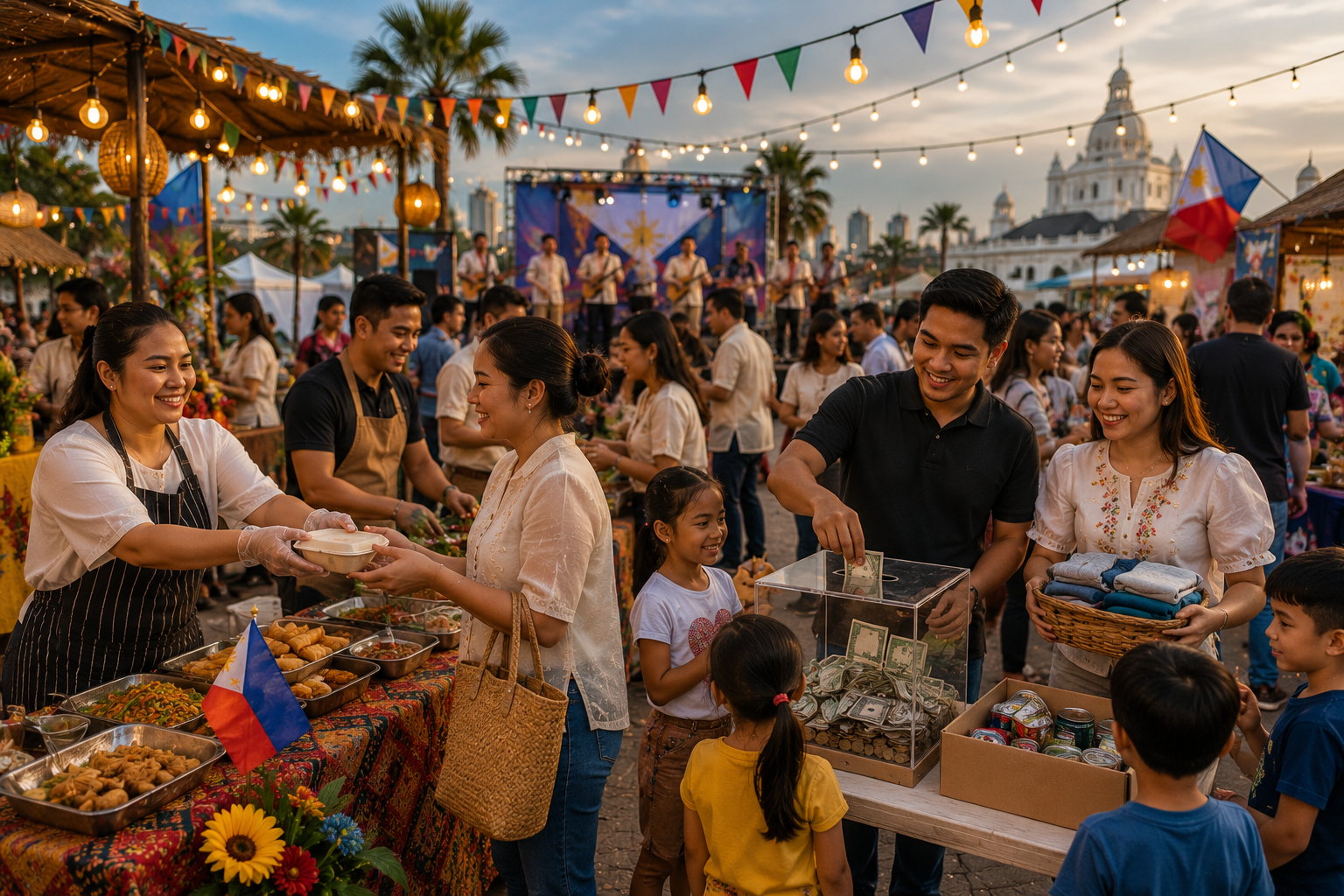
Filipino Entrepreneurs Use Community Fiestas to Support Local Charities Abroad
Share
June 03, 2026
Updated Oct 16, 2026
7 min read
397 views
MANILA, Philippines — Filipino entrepreneurs around the world are increasingly transforming community fiestas into platforms for charitable giving, social impact, and community development, demonstrating how cultural celebrations can serve purposes far beyond entertainment and heritage preservation.
From North America and Europe to the Middle East, Asia, and Australia, Filipino-owned businesses are partnering with community organizations to organize fiestas that raise funds for local charities, educational programs, healthcare initiatives, disaster relief efforts, and humanitarian projects.
Community leaders say these efforts reflect the enduring influence of bayanihan, the Filipino tradition of cooperation and collective responsibility, while highlighting the growing role of Filipino entrepreneurs as community builders and advocates for positive social change.
Across major international cities, cultural celebrations have evolved into multifaceted events that combine entertainment, education, networking, and philanthropy.
While food, music, dance, and cultural showcases remain central attractions, many festivals now include fundraising campaigns, donation drives, scholarship initiatives, and charitable partnerships designed to benefit local communities.
Entrepreneurs frequently play leading roles in these efforts by providing financial support, organizing activities, contributing resources, and mobilizing volunteers.
Their participation has helped expand the scale and impact of community fiestas while strengthening connections between businesses and nonprofit organizations.
Community organizers note that the combination of cultural celebration and charitable giving resonates strongly with Filipino values.
Many participants view fiestas as natural opportunities to express gratitude, support those in need, and contribute to causes that improve lives.
This approach aligns closely with longstanding traditions of generosity and mutual assistance that continue to shape Filipino communities worldwide.
In cities such as Toronto, Vancouver, New York, Los Angeles, London, Dublin, Paris, Amsterdam, Madrid, Rome, Berlin, Dubai, Abu Dhabi, Singapore, Tokyo, Sydney, Melbourne, and Auckland, Filipino entrepreneurs have become key supporters of charity-focused community events.
Business owners frequently sponsor stages, cultural programs, educational workshops, food fairs, and fundraising activities.
Some events dedicate portions of ticket sales, vendor fees, sponsorship revenues, or merchandise proceeds directly to charitable organizations.
Others organize special fundraising drives focused on specific community needs.
The causes supported through these initiatives vary widely.
Educational programs remain among the most common beneficiaries.
Many fiestas raise funds for scholarships, school supplies, mentorship programs, youth leadership initiatives, and educational resources designed to support students both locally and in the Philippines.
Community leaders emphasize that education has long been a priority within Filipino culture.
By investing in educational opportunities, entrepreneurs help empower future generations while reinforcing values associated with learning and personal development.
Healthcare initiatives also receive significant support.
Fundraising campaigns frequently assist hospitals, medical outreach programs, health awareness projects, and organizations providing services to underserved populations.
Community members often describe these efforts as important expressions of compassion and social responsibility.
In some cases, festivals support specific medical causes identified by local charities or community organizations.
Disaster relief remains another major focus.
When natural disasters affect communities in the Philippines or elsewhere, Filipino organizations often mobilize quickly to organize fundraising events and donation campaigns.
Entrepreneurs frequently contribute resources and logistical support that enable communities to respond effectively to urgent needs.
Observers note that these rapid responses demonstrate the continuing relevance of bayanihan in modern contexts.
Rather than being limited to traditional village settings, the spirit of collective action now operates across international networks connected through culture, business, and technology.
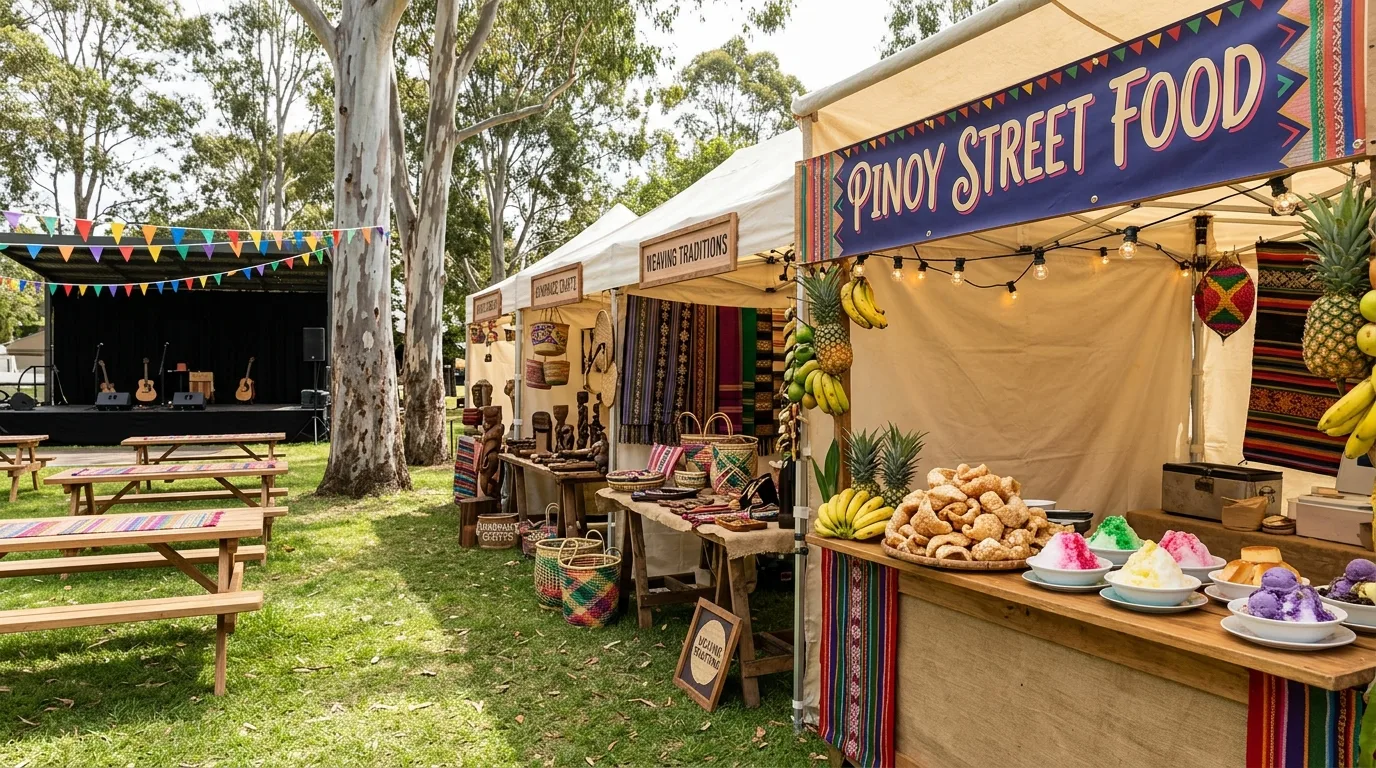
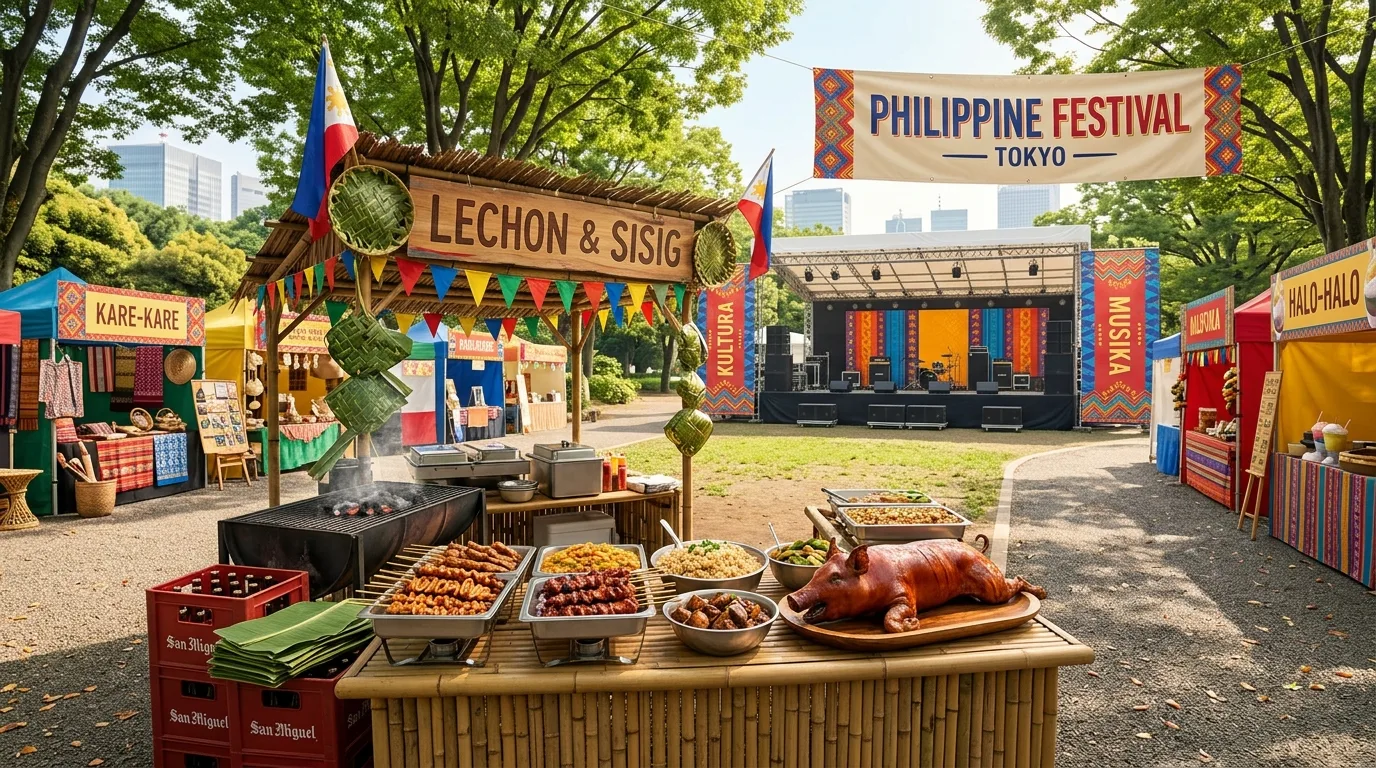
Food festivals have become particularly effective fundraising tools.
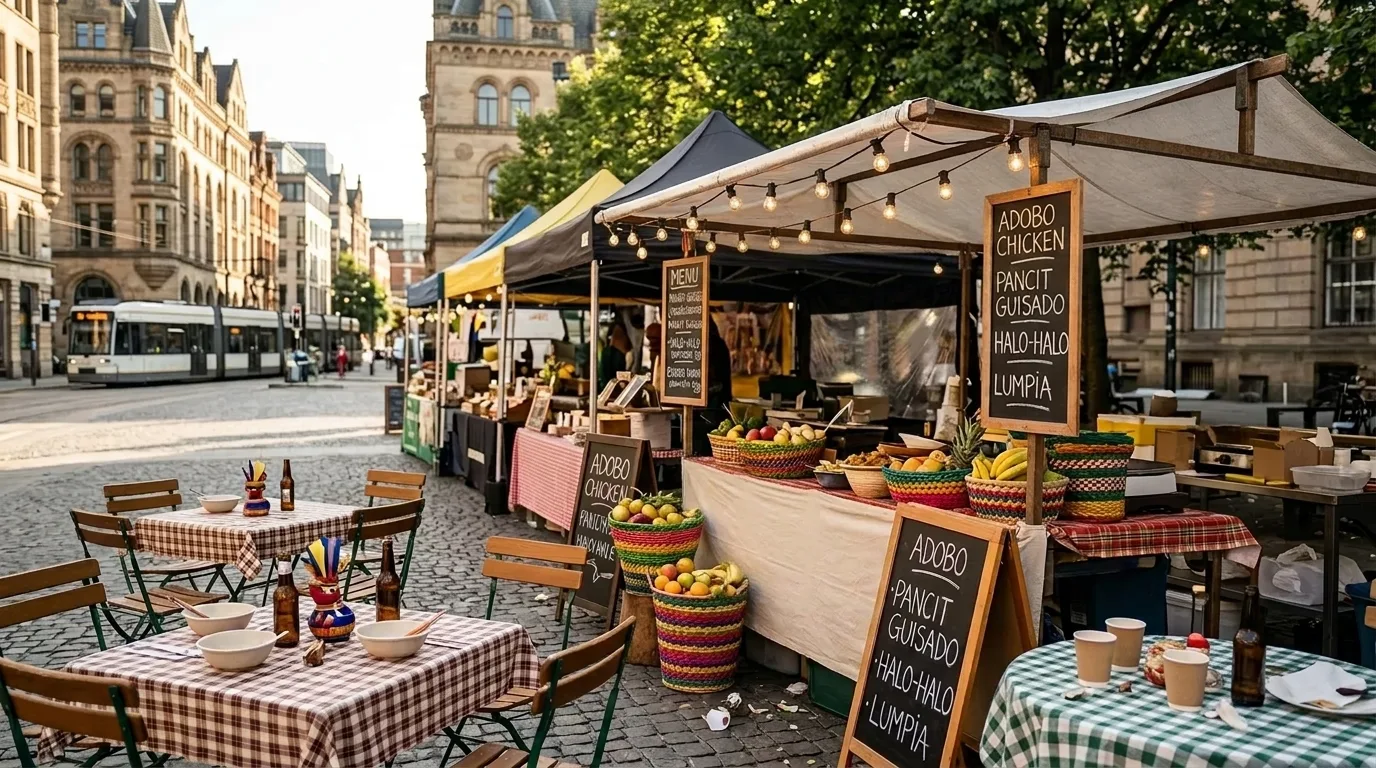
Filipino-owned restaurants, catering companies, food vendors, and culinary entrepreneurs regularly participate in charity-oriented fiestas.
Popular dishes such as adobo, lechon, pancit, lumpia, sisig, kare-kare, halo-halo, and regional specialties attract large crowds while generating revenue for charitable initiatives.
Visitors enjoy authentic cultural experiences while contributing to meaningful causes.
Community leaders often describe food as one of the most powerful ways to bring people together and inspire generosity.
Cultural performances also contribute significantly to fundraising efforts.
Musicians, dancers, artists, and entertainers frequently volunteer their talents to support charitable programs.
Many performers view participation as opportunities to give back while celebrating Filipino heritage.
These performances create engaging experiences that encourage attendance and increase community involvement.
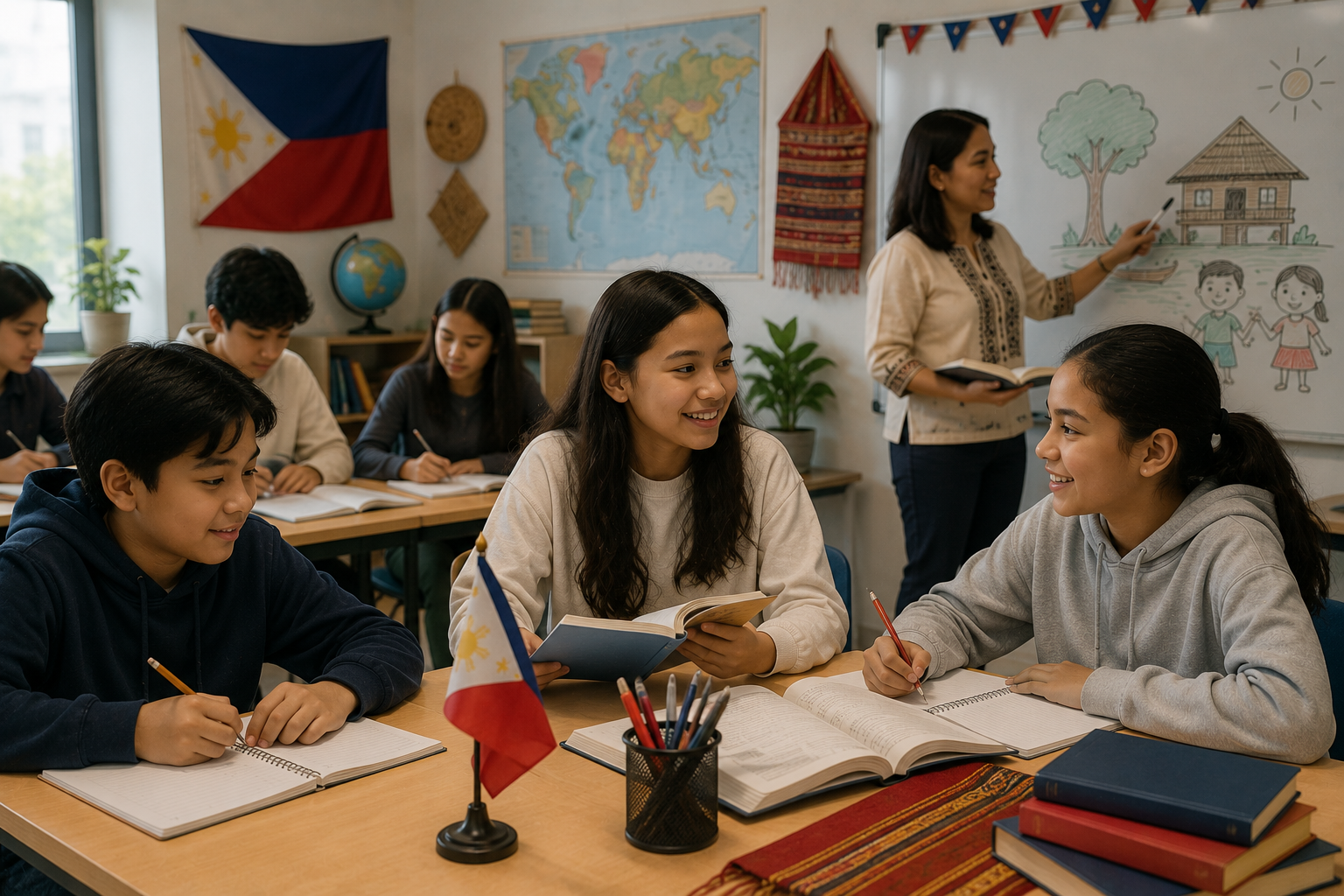
Educational exhibits, cultural workshops, and youth activities further enhance the impact of community fiestas.
Organizers frequently incorporate programs designed to teach participants about Filipino history, traditions, and values while promoting civic engagement and volunteerism.
Many young people become involved through volunteer opportunities that allow them to contribute directly to community projects.
Youth engagement has emerged as a major priority for many organizations.
Community leaders recognize that involving younger generations in charitable initiatives helps cultivate future leaders while strengthening connections to Filipino culture.
Volunteer experiences provide valuable lessons in teamwork, leadership, empathy, and social responsibility.
Parents often express appreciation for opportunities that combine cultural education with meaningful service.
Technology has significantly expanded the reach and effectiveness of charitable fiesta initiatives.
Online fundraising platforms, social media campaigns, livestreamed events, and digital donation tools allow organizers to engage supporters across multiple countries.
These technologies make it possible for individuals who cannot attend events in person to contribute financially and participate virtually.
Community organizations increasingly use digital platforms to share stories about beneficiaries, promote fundraising campaigns, and provide transparency regarding charitable outcomes.
This accessibility has helped increase participation while strengthening trust among donors and supporters.
Partnerships between entrepreneurs and nonprofit organizations have also become more sophisticated.
Many businesses now collaborate with established charities to ensure that funds are distributed effectively and responsibly.
These partnerships often include ongoing relationships that extend beyond individual events.
Community leaders believe such collaborations contribute to stronger and more sustainable social impact.
The visibility of charitable initiatives has also helped improve public awareness of important social issues.
Festival attendees frequently learn about local community needs, educational challenges, healthcare concerns, and humanitarian causes through informational exhibits and presentations.
These educational components encourage broader community involvement and support.
Government agencies, cultural organizations, and civic leaders often recognize the positive contributions made by Filipino entrepreneurs and community organizations.
Many officials attend events and praise participants for promoting cultural diversity while supporting charitable causes.
These recognitions reinforce the idea that community fiestas can serve as valuable tools for civic engagement and social development.
Observers note that the success of these initiatives reflects broader trends within global Filipino communities.
As overseas Filipinos achieve greater professional and business success, many are seeking meaningful ways to contribute to society and support future generations.
Community fiestas provide effective platforms for combining entrepreneurship, culture, and philanthropy.
The result is a model of community engagement that benefits participants, charities, and broader society.
Organizers report that attendance at charity-focused fiestas continues to grow.
Many events attract diverse audiences interested in cultural experiences, community networking, and opportunities to support worthy causes.
The combination of celebration and service appears particularly appealing to participants seeking meaningful ways to engage with their communities.
Looking ahead, many entrepreneurs and community leaders plan to expand charitable programming within future festivals.
Proposed initiatives include larger scholarship funds, enhanced healthcare partnerships, increased youth leadership opportunities, and broader support for community development projects.
Technology, international collaboration, and stronger partnerships are expected to play important roles in these efforts.
Many organizations are exploring innovative ways to increase participation while maximizing social impact.
Ultimately, the growing involvement of Filipino entrepreneurs in charitable fiestas demonstrates the enduring power of culture as a force for positive change.
These events show that celebrations can serve purposes beyond entertainment, creating opportunities for generosity, collaboration, and community development.
Every sponsorship, donation, volunteer effort, and fundraising campaign contributes to a larger mission of helping others while preserving cultural traditions.
The success of these initiatives highlights the values that continue to define Filipino communities around the world: compassion, resilience, generosity, and bayanihan.
As community fiestas continue to evolve, they are becoming powerful examples of how entrepreneurship and cultural heritage can work together to address social needs and strengthen communities.
From food fairs and cultural performances to scholarship programs and charitable partnerships, Filipino entrepreneurs are proving that business success and community service can go hand in hand.
Across continents and communities, these efforts continue to inspire participation, strengthen relationships, and create lasting positive impact.
Through every celebration, fundraising drive, and act of generosity, the Filipino spirit of helping others remains alive and thriving, demonstrating that the true success of a community is measured not only by its achievements but also by its willingness to uplift those in need.
Enjoyed this story?
Share this story