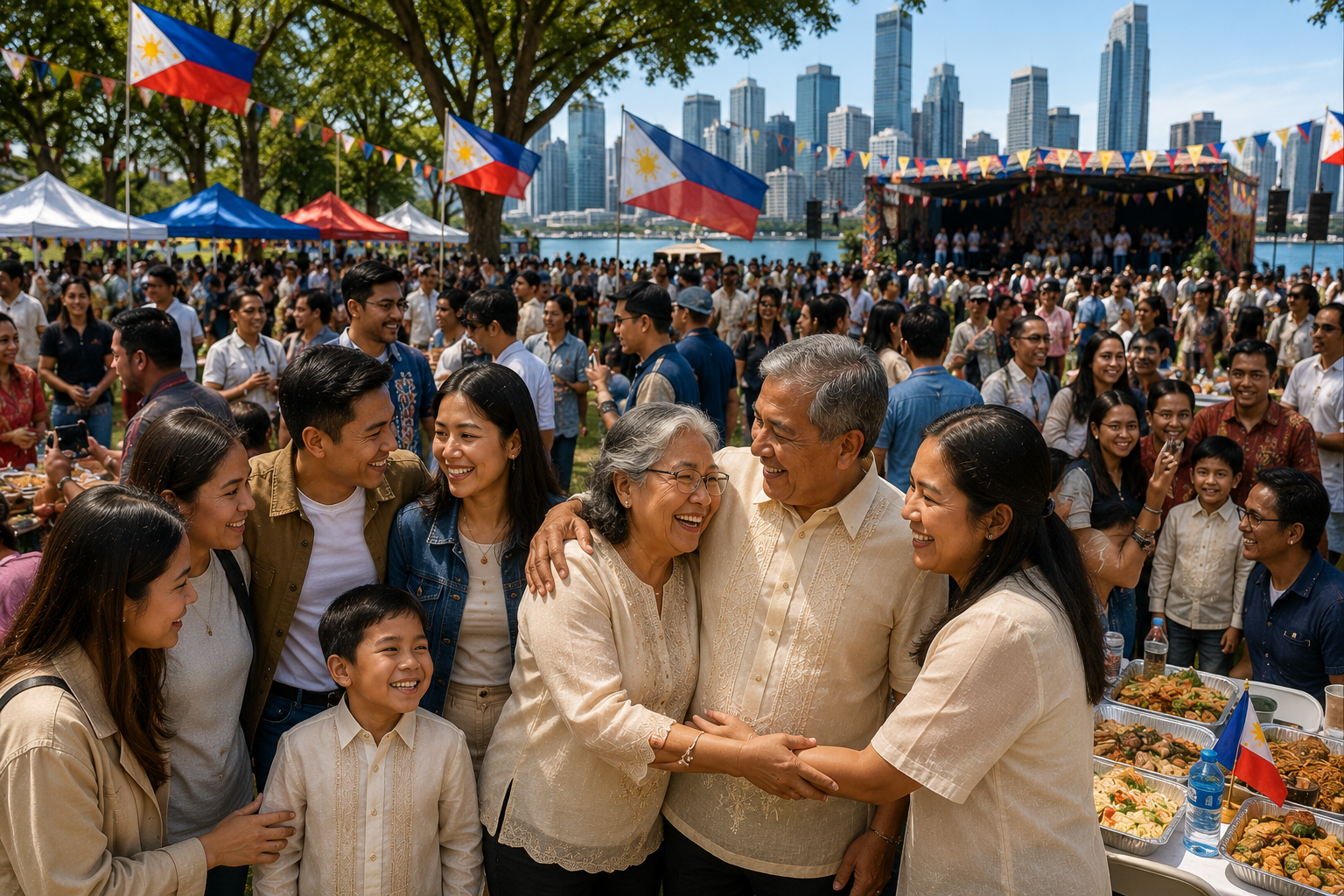
Filipino Families Abroad Reconnect Through Large-Scale Heritage Gatherings
Share
June 24, 2026
Updated Oct 16, 2026
8 min read
373 views
MANILA, Philippines — Filipino families living across different parts of the world are increasingly participating in large-scale heritage gatherings designed to strengthen family connections, celebrate cultural identity, and preserve traditions for future generations. Organized by family associations, community organizations, cultural groups, and Overseas Filipino networks, these gatherings are bringing together relatives separated by geography while creating meaningful opportunities to reconnect with shared roots and cultural heritage. From North America and Europe to Asia, Australia, and the Middle East, heritage-focused family events are becoming important occasions that reinforce the values of family, community, and cultural continuity that have long defined Filipino society.
For many Overseas Filipinos, maintaining close family relationships across international borders presents both opportunities and challenges. Advances in communication technology have made it easier for relatives to stay connected through video calls, social media, and messaging platforms, but community leaders note that face-to-face interactions remain uniquely valuable. Heritage gatherings provide opportunities for extended families to meet in person, strengthen personal relationships, and create memories that contribute to a stronger sense of belonging and shared identity.
The growing popularity of heritage gatherings reflects the importance of family within Filipino culture. Family relationships have traditionally occupied a central place in Filipino society, influencing social values, community life, and cultural practices. Even after migrating abroad, many Filipinos continue to prioritize family connections and actively seek opportunities to maintain relationships with relatives living in different countries. Heritage gatherings provide structured environments where these connections can be renewed and celebrated.
Many of these events are organized around family reunions that bring together multiple generations. Grandparents, parents, children, grandchildren, cousins, and extended relatives often travel significant distances to participate. Organizers explain that reunions provide opportunities for younger family members to meet relatives they may know only through stories or digital communication. These encounters help strengthen intergenerational relationships while creating opportunities for cultural learning and family storytelling.
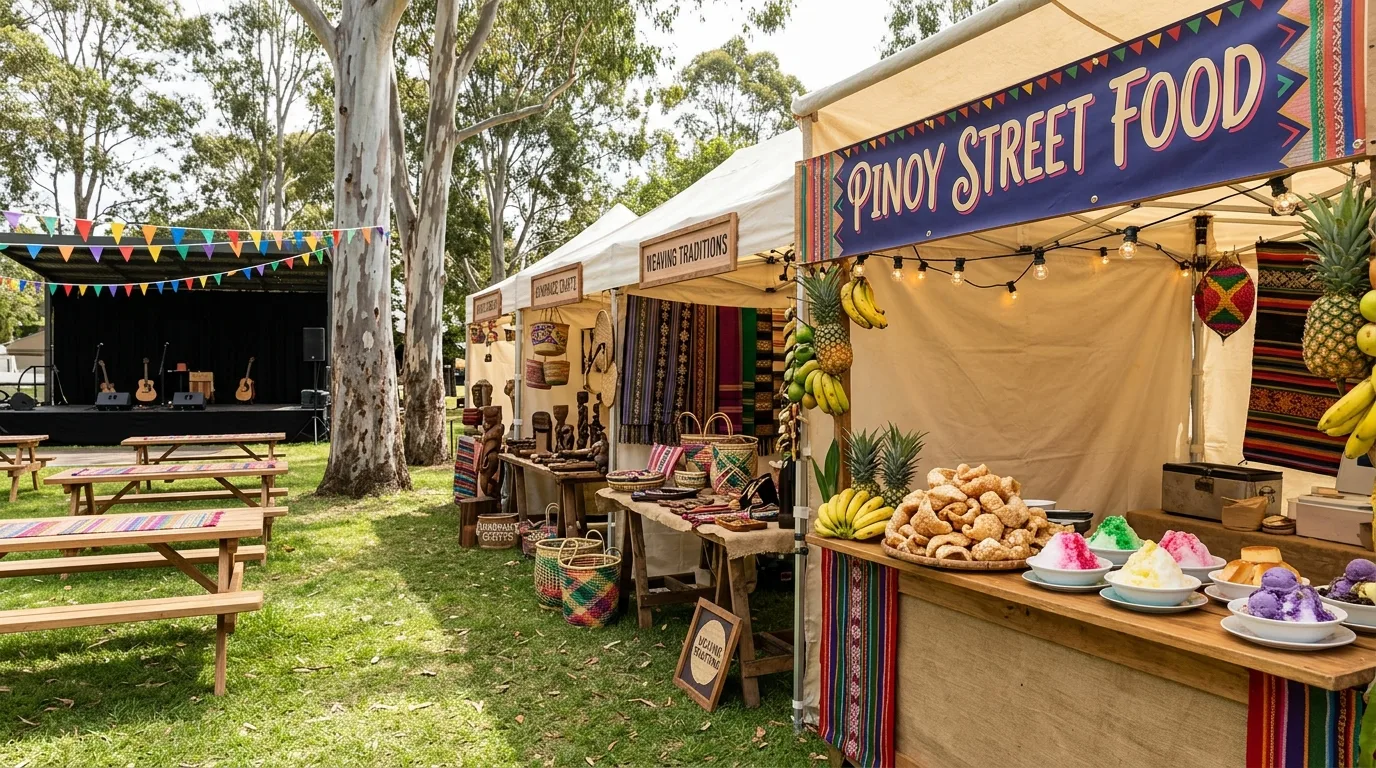
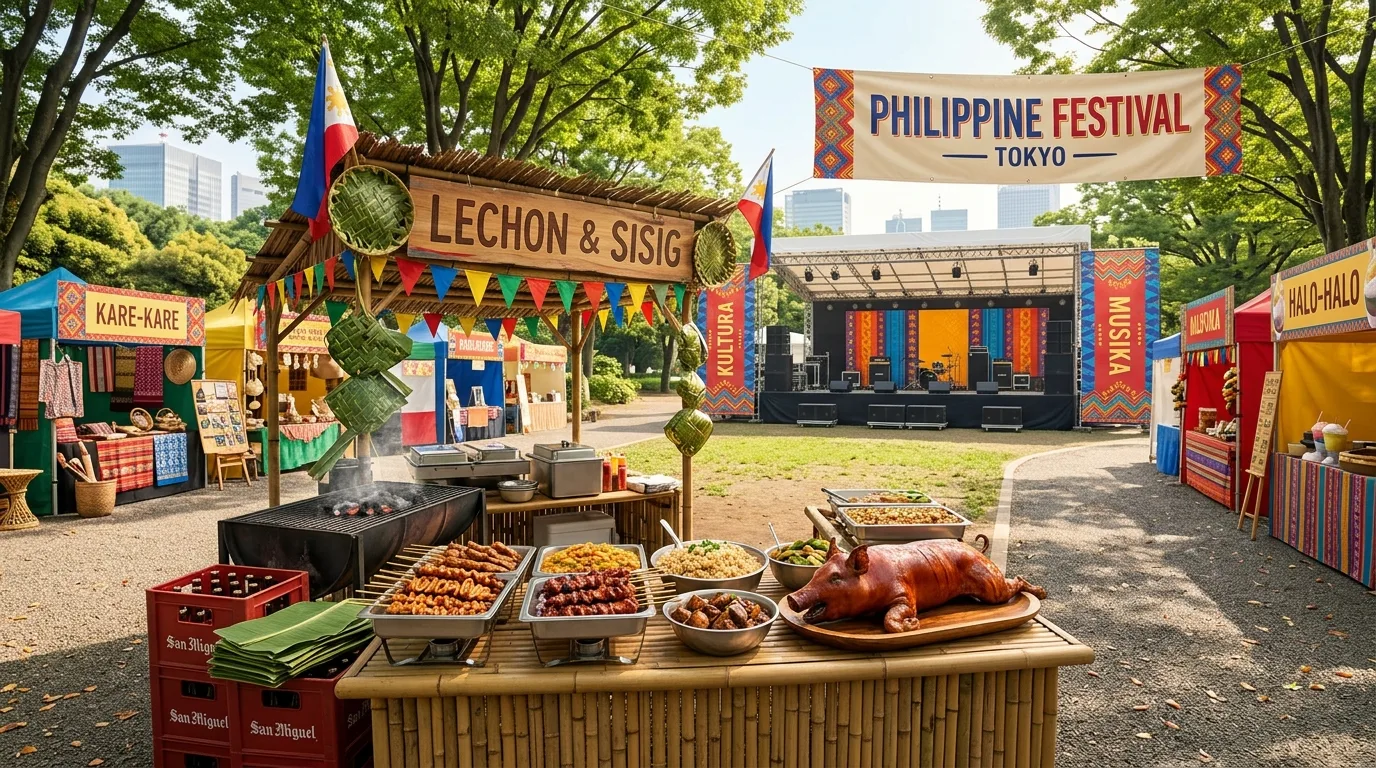
Heritage gatherings often include activities specifically designed to celebrate Filipino culture and traditions. Cultural performances, traditional games, storytelling sessions, language workshops, historical presentations, and heritage exhibits are commonly incorporated into event programs. Community leaders emphasize that these activities help younger generations develop stronger connections to their cultural roots while encouraging appreciation for family history and community traditions.
One of the most important aspects of heritage gatherings is the sharing of family stories and historical experiences. Elders frequently take on roles as storytellers, recounting migration journeys, family achievements, cultural traditions, and historical events that have shaped the family's identity. Organizers note that these narratives provide valuable context for younger generations seeking to understand their heritage and the experiences of their ancestors. Through storytelling, families preserve knowledge that might otherwise be lost over time.
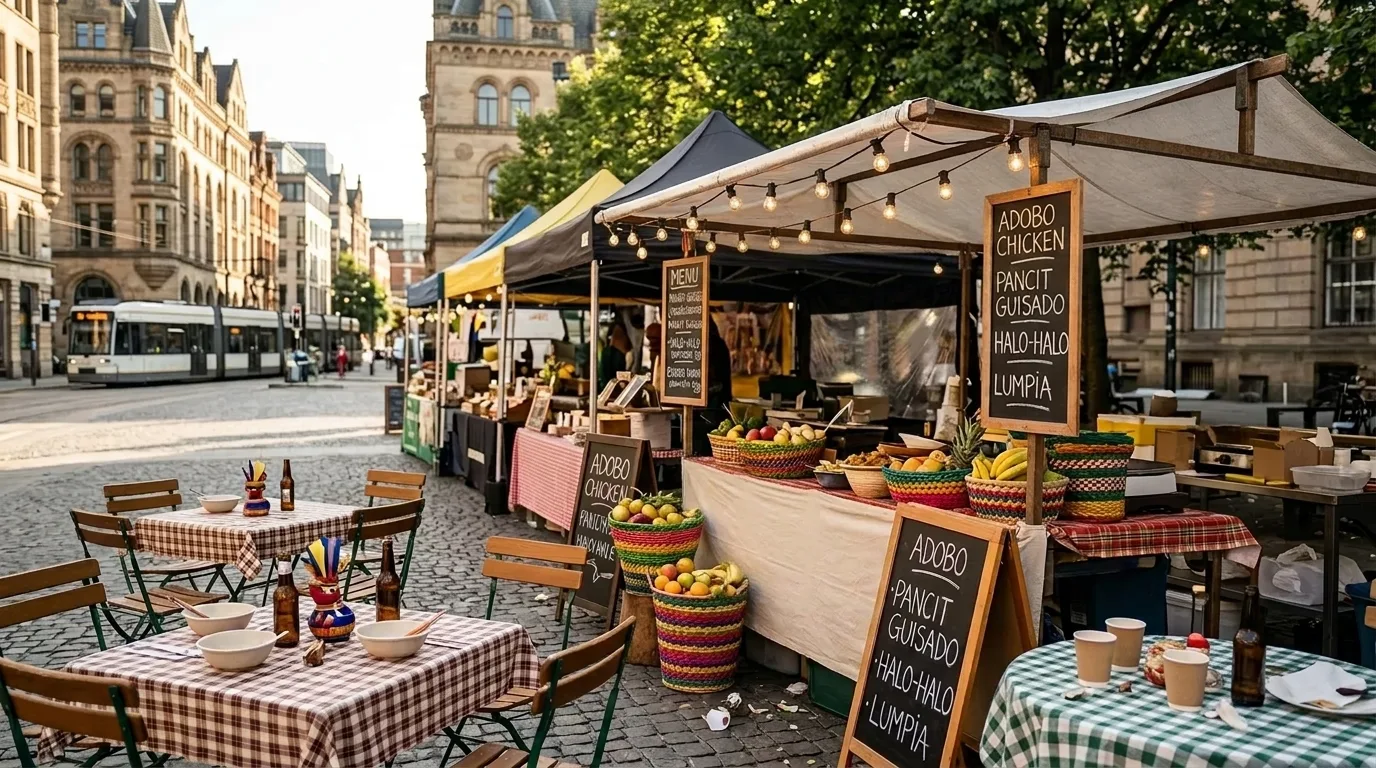
Food plays a central role in many heritage gatherings. Traditional Filipino dishes are often prepared and shared among participants, creating opportunities for families to celebrate culinary traditions while strengthening social bonds. Meals frequently feature recipes that have been passed down through generations, connecting participants to family histories and regional cultural identities. Community leaders explain that food serves as both a cultural symbol and a practical way of bringing people together in meaningful and memorable ways.
Many heritage gatherings also highlight regional traditions from different parts of the Philippines. Families whose roots trace back to specific provinces or regions often incorporate local customs, languages, music, and cultural practices into event programming. These activities help preserve regional identities while demonstrating the cultural diversity that exists within the broader Filipino experience. Organizers believe that recognizing regional heritage enriches cultural understanding and strengthens family pride.
Technology has played a significant role in supporting the growth of large-scale heritage gatherings. Social media platforms, family websites, digital archives, online registration systems, and virtual planning tools make it easier for organizers to coordinate events involving participants from multiple countries. Families frequently use digital platforms to share photographs, historical documents, genealogical information, and event updates, creating ongoing connections before and after gatherings take place.
Genealogy and family history research have become increasingly popular components of heritage-focused events. Many families invest time in documenting family trees, collecting historical records, and preserving photographs that provide insights into family origins and migration patterns. Heritage gatherings often serve as opportunities to present research findings and encourage relatives to contribute additional information. Community leaders note that genealogy projects help strengthen understanding of family identity while preserving important historical records.
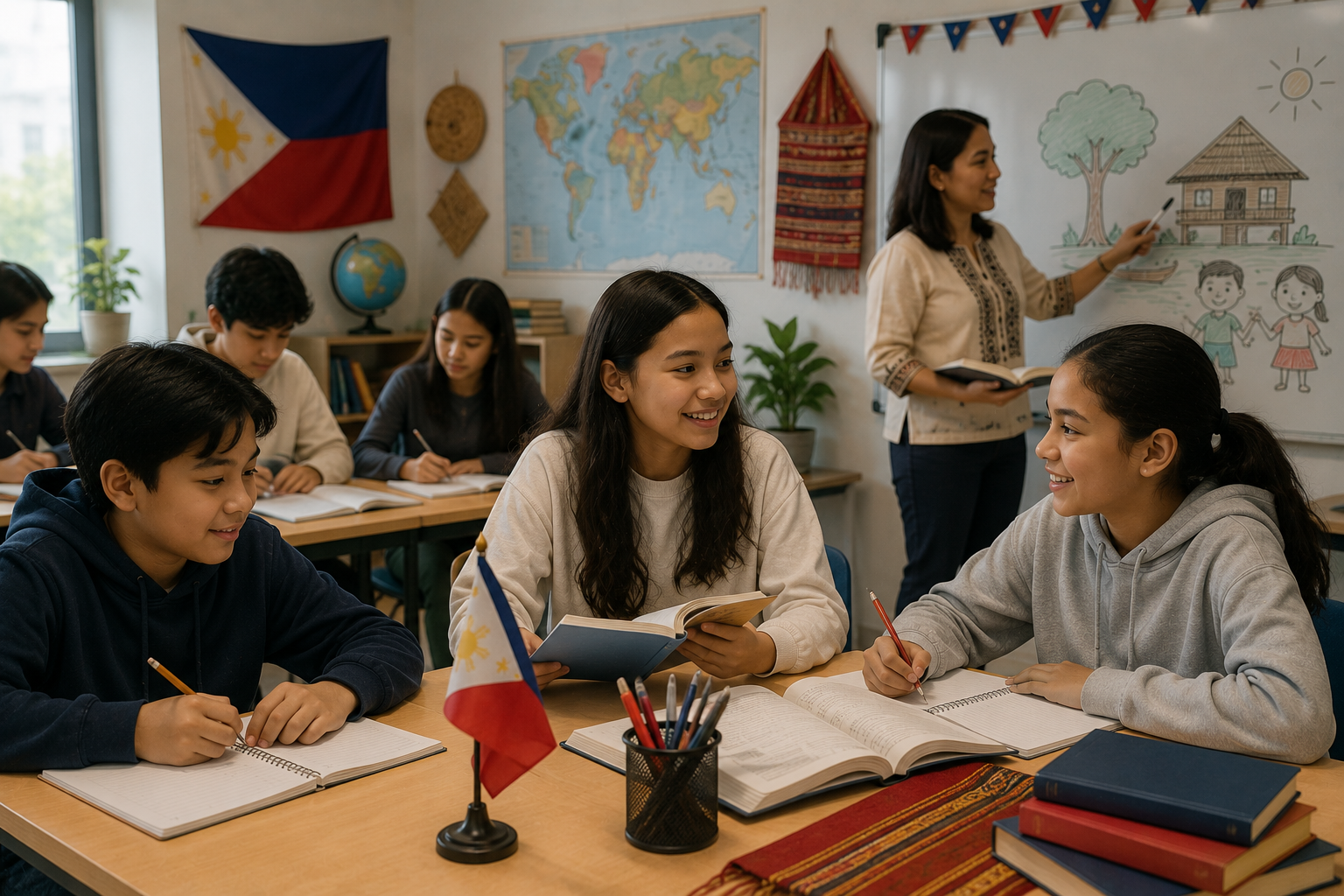
Cultural preservation remains a primary objective for many organizers. As younger generations grow up in multicultural environments outside the Philippines, families often seek ways to ensure that traditions, values, and cultural knowledge continue to be passed down. Heritage gatherings create opportunities for cultural education that complement everyday family interactions. Organizers believe that these experiences help younger Filipinos develop stronger cultural confidence and appreciation for their roots.
The participation of second-generation and third-generation Filipinos has become increasingly important in shaping modern heritage gatherings. Young adults frequently contribute new ideas, technological expertise, and innovative approaches to event planning. Community leaders view youth involvement as essential for ensuring that gatherings remain relevant and engaging for future generations. By combining traditional elements with contemporary formats, organizers are creating experiences that appeal to participants of all ages.
Many gatherings also include educational sessions focused on Philippine history, cultural heritage, and migration experiences. Presentations, workshops, and discussions help participants explore broader themes related to identity, heritage preservation, and community development. Organizers explain that educational programming deepens participants' understanding of both family history and the larger historical context in which families have evolved over time.
Community organizations often play supportive roles in facilitating heritage gatherings. Filipino associations, cultural groups, and community centers provide venues, resources, logistical assistance, and promotional support that help make large-scale events possible. Community leaders note that partnerships between families and community organizations strengthen cultural networks while encouraging broader participation in heritage-related activities.
The emotional impact of heritage gatherings is frequently cited as one of their most valuable outcomes. Participants often describe feelings of pride, belonging, gratitude, and renewed connection after attending reunions and cultural events. Many family members appreciate opportunities to strengthen relationships with relatives while developing deeper understanding of their shared history and cultural background. Organizers report that these experiences often inspire ongoing communication and engagement among family members.
Heritage gatherings also contribute positively to community building among Overseas Filipinos. While the primary focus may be family connection, many events bring together individuals from different regions, professions, and generations who share common cultural experiences. These interactions help strengthen broader community networks while reinforcing collective cultural identity.
Economic benefits can also emerge from large-scale gatherings. Travel, accommodations, local businesses, event services, and cultural vendors often benefit from increased activity associated with major reunions and heritage celebrations. Organizers note that these events can contribute to local economies while supporting cultural tourism and community development initiatives.
Many families are increasingly incorporating charitable and community service activities into heritage gatherings. Fundraising efforts, scholarship programs, outreach projects, and community support initiatives provide opportunities for participants to give back while honoring family values. Community leaders believe that service-oriented activities strengthen family bonds while extending the positive impact of gatherings beyond participants themselves.
The concept of heritage preservation continues to evolve as families adapt to changing social and technological environments. Virtual participation options, digital archives, online storytelling projects, and hybrid event formats are allowing more relatives to engage regardless of location. Organizers view these innovations as valuable tools for expanding accessibility while maintaining the personal connections that make gatherings meaningful.
Looking ahead, many Filipino families plan to continue organizing larger and more inclusive heritage events that emphasize cultural education, intergenerational engagement, and community collaboration. Community leaders remain optimistic about the future of heritage gatherings and their ability to strengthen relationships while preserving important cultural traditions. Continued participation from younger generations is expected to play a key role in ensuring long-term sustainability.
The enduring popularity of heritage gatherings reflects the strength of family-centered values within Filipino culture. Despite geographic distance, changing lifestyles, and evolving social environments, Filipino families continue to prioritize relationships, cultural identity, and shared experiences. These gatherings demonstrate the resilience of family connections and the importance of maintaining cultural continuity across generations.
Ultimately, the growth of large-scale heritage gatherings among Overseas Filipinos highlights the enduring importance of family, heritage, and community in an increasingly globalized world. Through reunions, cultural celebrations, storytelling, and shared experiences, families are preserving traditions while creating new memories that will be passed on to future generations.
As Filipino families continue to reconnect across borders, heritage gatherings serve as powerful reminders that cultural identity and family relationships remain among the strongest forces uniting Filipinos around the world. Their success reflects a shared commitment to honoring the past, celebrating the present, and ensuring that future generations remain connected to the rich heritage that defines the Filipino experience.
Enjoyed this story?
Share this story