Filipino Families in Canada Celebrate Heritage Month with Vibrant Cultural Festival
Share
May 29, 2026
Updated Oct 15, 2026
6 min read
305 views
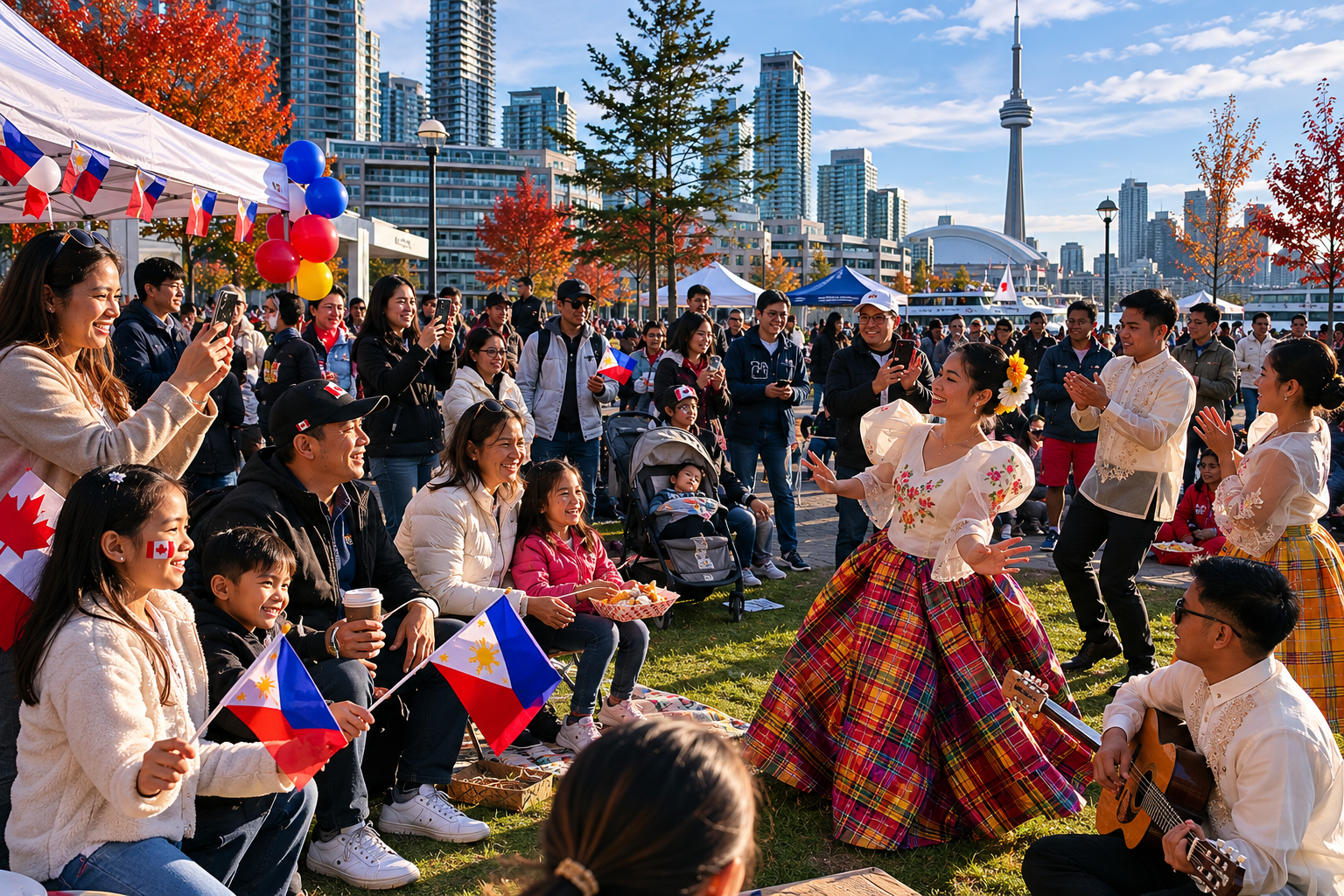
TORONTO, Canada — Thousands of Filipino families, community leaders, cultural organizations, students, and supporters gathered across Canada this month to celebrate Filipino Heritage Month through a vibrant cultural festival that showcased the rich traditions, values, and contributions of the Filipino community.
The celebration, one of the largest Filipino cultural gatherings held this year, brought together people of all ages in a colorful display of heritage, unity, and community pride. Featuring traditional performances, culinary showcases, educational exhibits, and family-oriented activities, the event served as a powerful reminder of the growing influence and importance of Filipino-Canadians within Canada's multicultural society.
Throughout the day, attendees experienced a dynamic showcase of Filipino culture, with performers presenting traditional dances from various regions of the Philippines. The performances highlighted the country's diverse cultural roots, including indigenous traditions, Spanish influences, and contemporary Filipino artistry that have shaped the nation's identity over centuries.
Many participants arrived wearing traditional Filipino attire, including barongs, Filipinianas, and regional costumes representing different provinces throughout the archipelago. The colorful garments added to the festive atmosphere while providing younger generations with an opportunity to learn about and appreciate their cultural heritage.
Organizers said the festival aimed to celebrate Filipino Heritage Month while strengthening community ties among Filipino-Canadians and fostering greater cultural understanding among Canadians from diverse backgrounds.
"Filipino Heritage Month is not only a celebration of our roots but also an opportunity to share our culture with the wider Canadian community," one organizer said. "It is a chance to recognize the contributions of Filipino immigrants, honor our history, and inspire future generations to remain connected to their heritage."
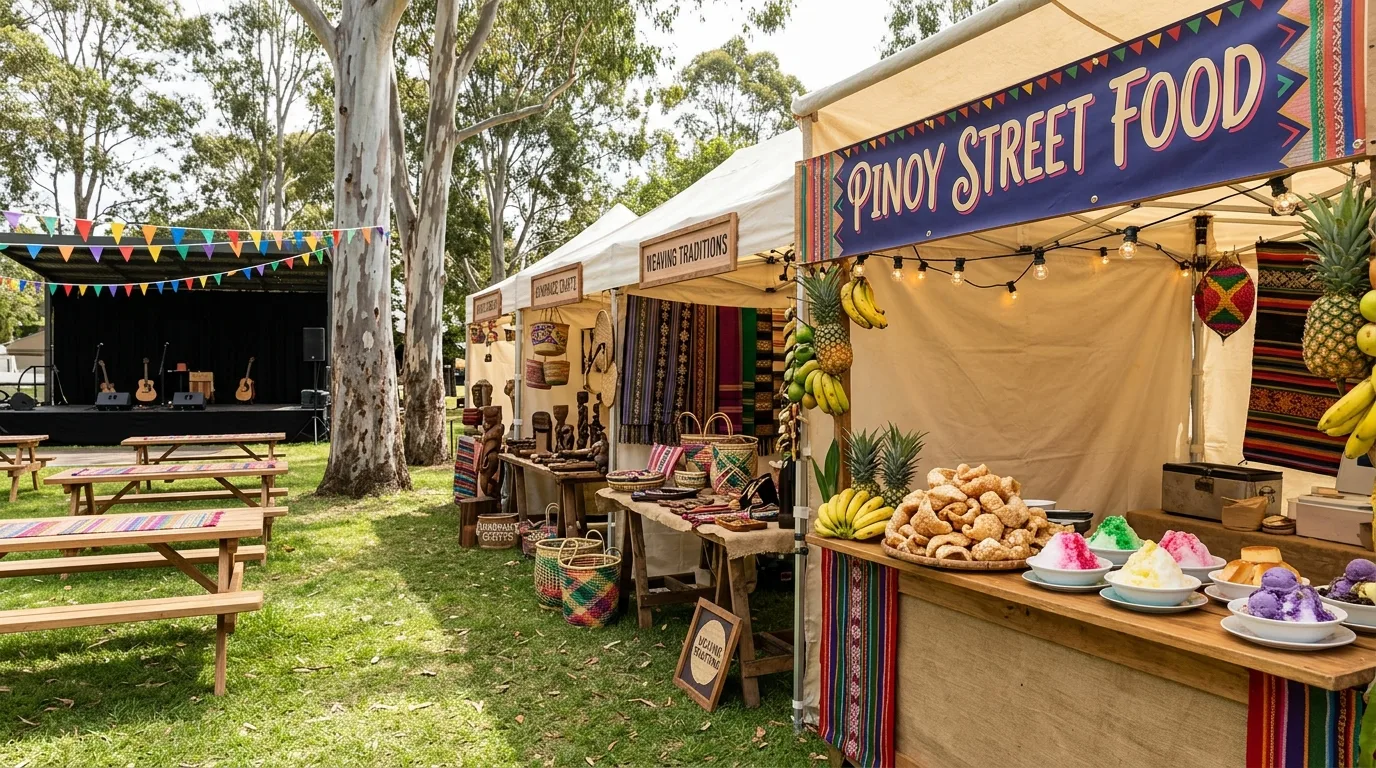
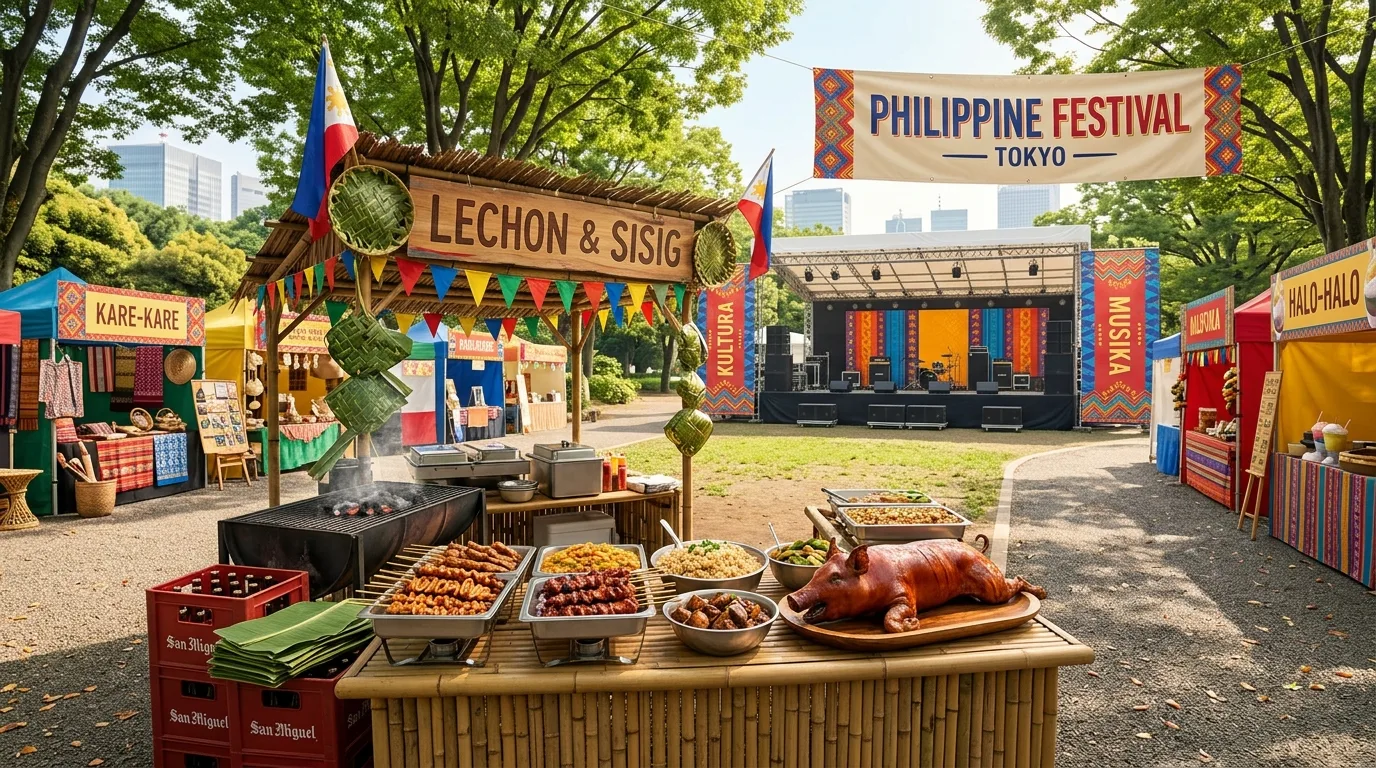
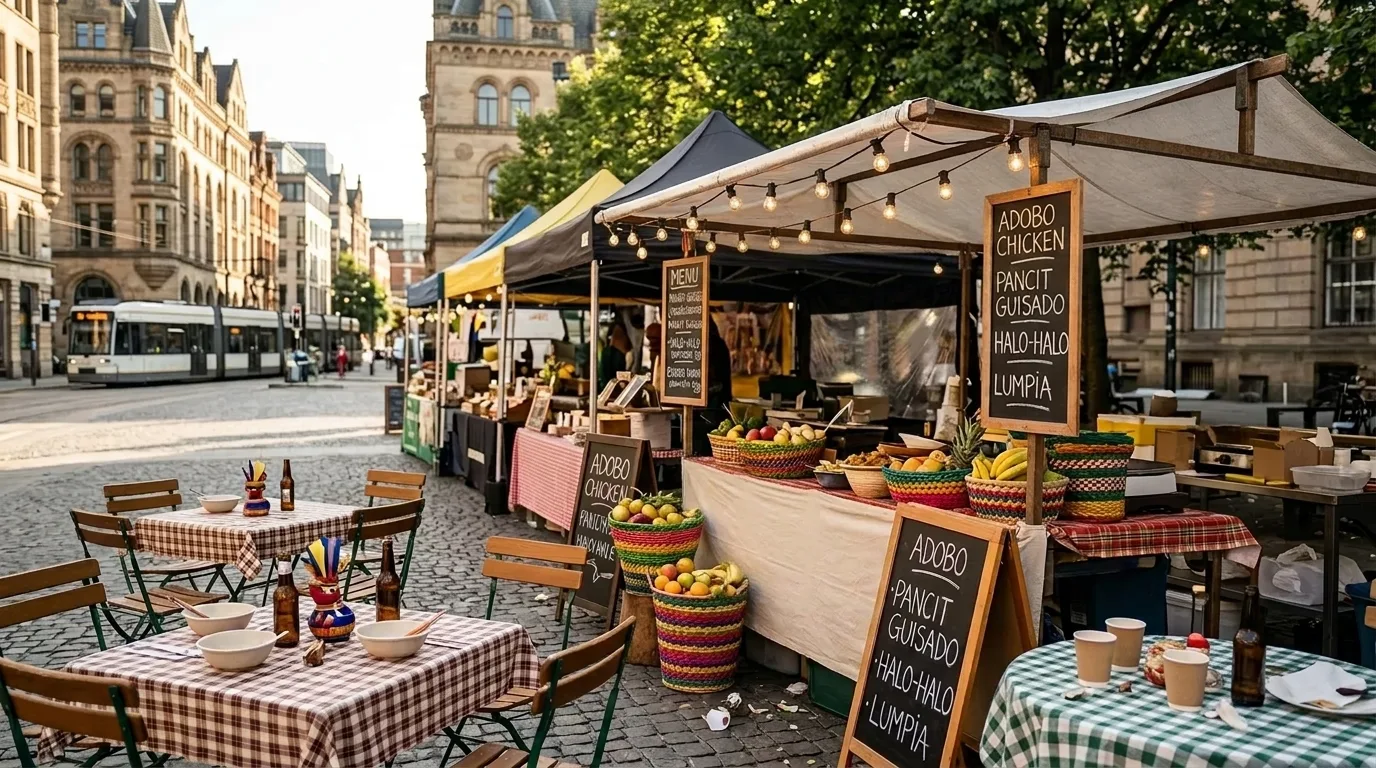
One of the most popular attractions during the festival was the Filipino food village, where visitors lined up to enjoy an extensive selection of traditional dishes. Vendors offered crowd favorites including adobo, lechon, pancit, lumpia, kare-kare, sisig, halo-halo, bibingka, puto, and many regional delicacies from across the Philippines.
For many Filipino families, the food represented more than just a culinary experience. It served as a connection to childhood memories, family traditions, and celebrations back home. Meanwhile, non-Filipino visitors were introduced to the unique flavors and hospitality that have made Filipino cuisine increasingly popular around the world.
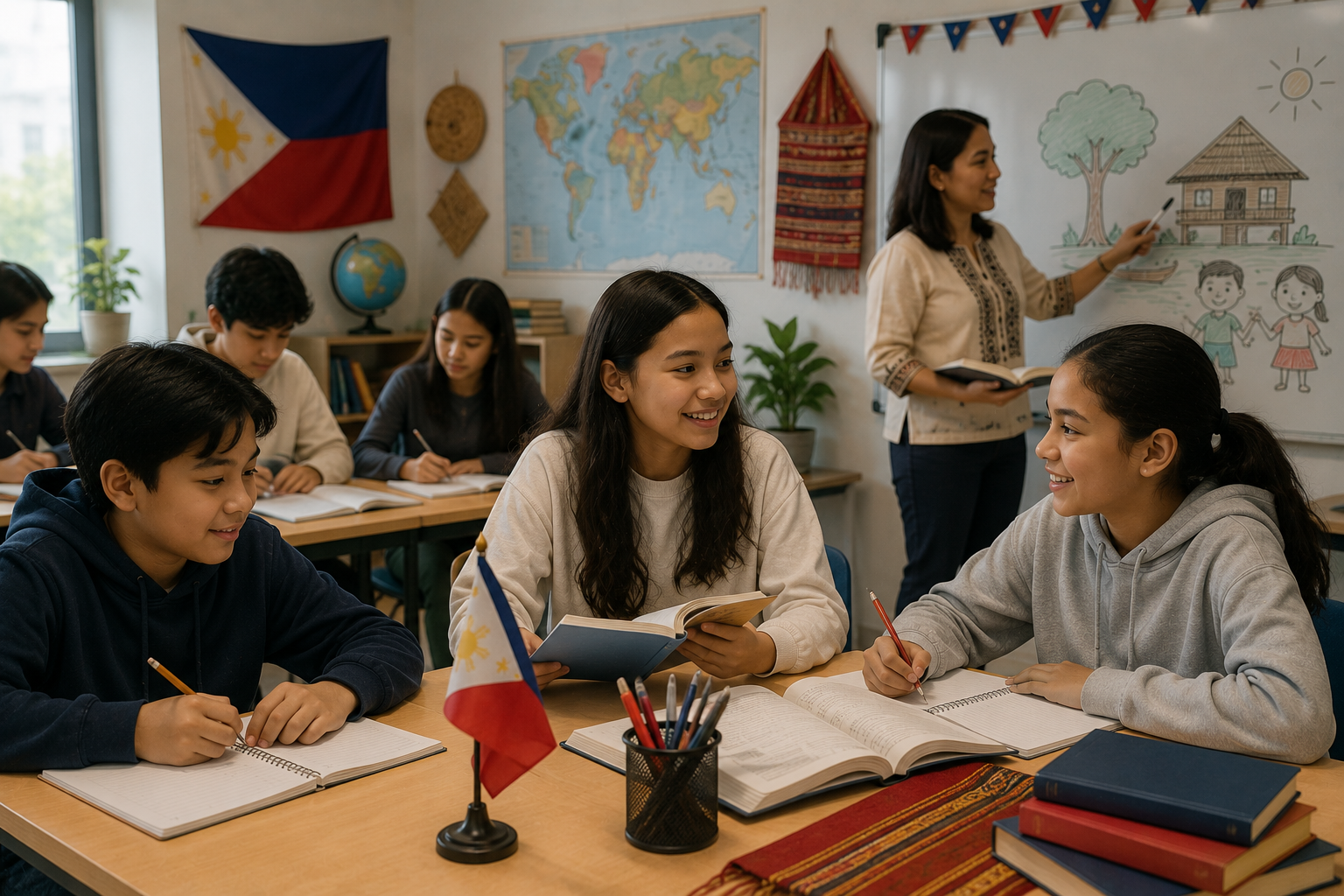
The event also featured cultural workshops designed to educate younger Filipino-Canadians about their ancestry. Interactive exhibits explored Philippine history, language, indigenous communities, and important milestones that shaped the nation. Children and teenagers participated in storytelling sessions, arts and crafts activities, and cultural games that helped them better understand their heritage.
Community leaders emphasized the importance of preserving Filipino traditions among second- and third-generation Filipino-Canadians. While many young people are born and raised in Canada, organizers believe maintaining strong cultural connections helps strengthen identity, confidence, and community engagement.
Educational booths throughout the festival highlighted the remarkable contributions of Filipinos to Canadian society. Exhibits showcased the achievements of Filipino professionals, entrepreneurs, healthcare workers, educators, artists, and public servants who have played important roles in Canada's economic and social development.
Over the years, Filipino immigrants have become one of Canada's fastest-growing and most influential communities. From major urban centers such as Toronto, Vancouver, Calgary, Edmonton, Winnipeg, Ottawa, and Montreal to smaller communities across the country, Filipino families have established thriving networks that continue to contribute to Canada's diversity and prosperity.
Many speakers during the celebration acknowledged the sacrifices made by earlier generations of Filipino immigrants who left their homeland in search of better opportunities for their families. Their determination and resilience laid the foundation for future generations and helped create stronger Filipino communities across Canada.
The festival also featured performances by Filipino-Canadian artists, musicians, and dancers who blended traditional and modern influences. Contemporary performances highlighted how Filipino culture continues to evolve while remaining deeply connected to its roots.
Young performers received enthusiastic support from audiences as they showcased their talents through music, spoken word poetry, theatrical presentations, and cultural demonstrations. Organizers noted that empowering youth to participate actively in cultural events is essential to ensuring the long-term preservation of Filipino heritage abroad.
Local businesses and entrepreneurs also played a significant role in the festivities. Dozens of Filipino-owned enterprises participated in the event, offering products and services ranging from handcrafted goods and cultural artwork to technology solutions and professional services.
The strong presence of Filipino-owned businesses demonstrated the growing economic impact of the Filipino community in Canada. Many entrepreneurs viewed the festival as an opportunity not only to promote their businesses but also to strengthen relationships within the community.
Several cultural organizations used the occasion to raise awareness about charitable initiatives supporting education, disaster relief, mental wellness, newcomer assistance, and youth development programs. Volunteers encouraged attendees to participate in community projects that benefit both Filipino-Canadians and the broader Canadian population.
The event also highlighted the enduring spirit of bayanihan, a uniquely Filipino value emphasizing cooperation, generosity, and community support. Volunteers dedicated countless hours to organizing activities, coordinating performances, welcoming guests, and ensuring the success of the celebration.
Attendees frequently described the festival as a home away from home. For many immigrants, the gathering offered an opportunity to reconnect with fellow Filipinos, share stories, celebrate traditions, and strengthen friendships that span generations and provinces.
Canadian officials and community representatives who attended the event praised the Filipino community for its significant contributions to the country's cultural diversity. They emphasized that multicultural celebrations such as Filipino Heritage Month play an important role in fostering inclusion, understanding, and mutual respect among Canadians from different backgrounds.
Many visitors expressed admiration for the warmth, hospitality, and sense of family evident throughout the festival. These qualities, often associated with Filipino culture, created an inviting atmosphere that welcomed everyone regardless of cultural background.
As the celebration concluded with music, cultural performances, and a community gathering, attendees reflected on the importance of preserving traditions while embracing new opportunities in their adopted homeland. The event successfully demonstrated how cultural heritage can unite communities, strengthen identities, and build bridges between generations.
Organizers reported record participation and growing interest from both Filipino and non-Filipino attendees, signaling the continued expansion of Filipino cultural influence across Canada. Plans are already underway for future celebrations, with organizers aiming to make next year's events even larger and more inclusive.
For many families, the festival represented far more than a cultural gathering. It was a celebration of history, identity, resilience, and achievement. It honored the journeys of those who came before, celebrated the successes of the present generation, and inspired future Filipino-Canadians to remain proud of their roots.
As Filipino Heritage Month continues to gain recognition across Canada, events like these serve as powerful reminders that culture remains a vital link connecting Filipinos around the world. Whether thousands of miles away from the Philippines or born abroad, Filipino families continue to keep their traditions alive, ensuring that future generations will carry forward the values, stories, and spirit that define the Filipino people.
The success of this year's celebration once again demonstrated that Filipino culture is thriving on the global stage. Through music, food, dance, education, and community engagement, Filipino-Canadians continue to share the best of the Philippines with the world while strengthening the multicultural fabric that makes Canada one of the most diverse and welcoming nations on earth.
Enjoyed this story?
Share this story