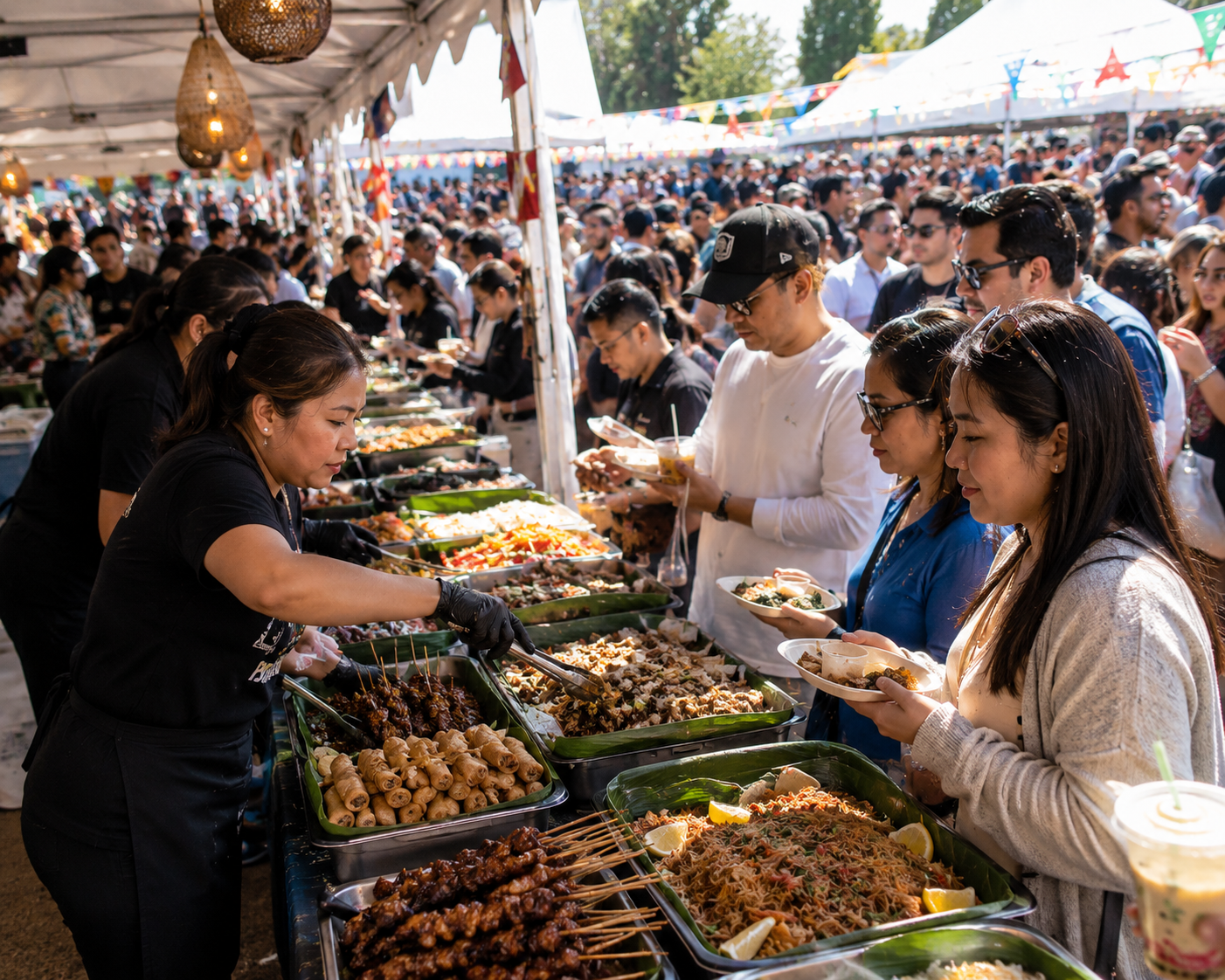
Filipino Food Festival Draws Record Crowds in California, Showcasing the Best of Philippine Cuisine
Share
May 30, 2026
Updated Oct 16, 2026
7 min read
284 views
LOS ANGELES, California — Filipino cuisine took the spotlight in California this year as a record-breaking Filipino Food Festival attracted thousands of visitors eager to experience the diverse flavors, culinary traditions, and cultural heritage of the Philippines.
The highly anticipated event brought together Filipino chefs, restaurateurs, entrepreneurs, food enthusiasts, cultural organizations, and community members from across the United States, transforming the festival grounds into a vibrant celebration of Filipino food, culture, and community.
Organizers reported unprecedented attendance, making this year's gathering one of the largest Filipino food festivals ever held in California. The remarkable turnout highlighted the growing popularity of Filipino cuisine among both Filipino-Americans and a broader audience of food lovers interested in discovering new culinary experiences.
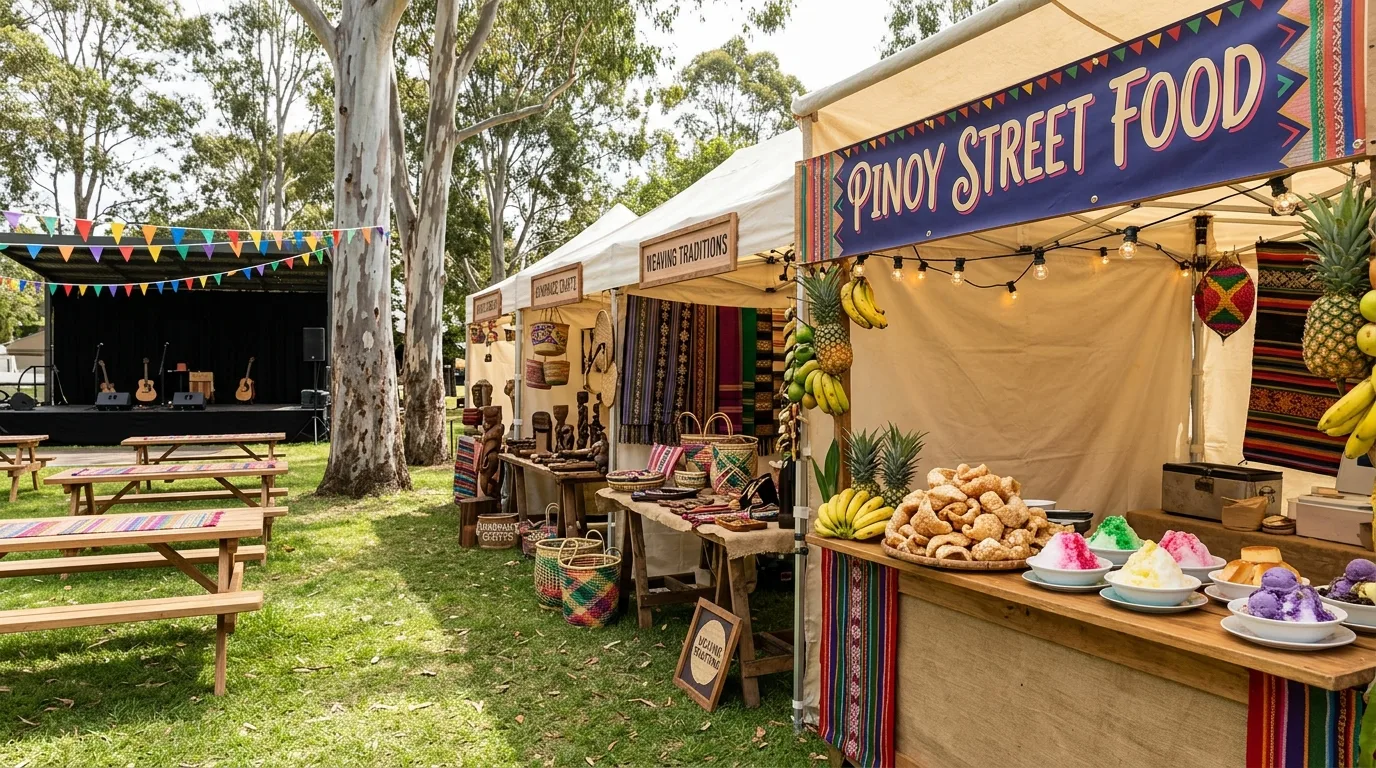
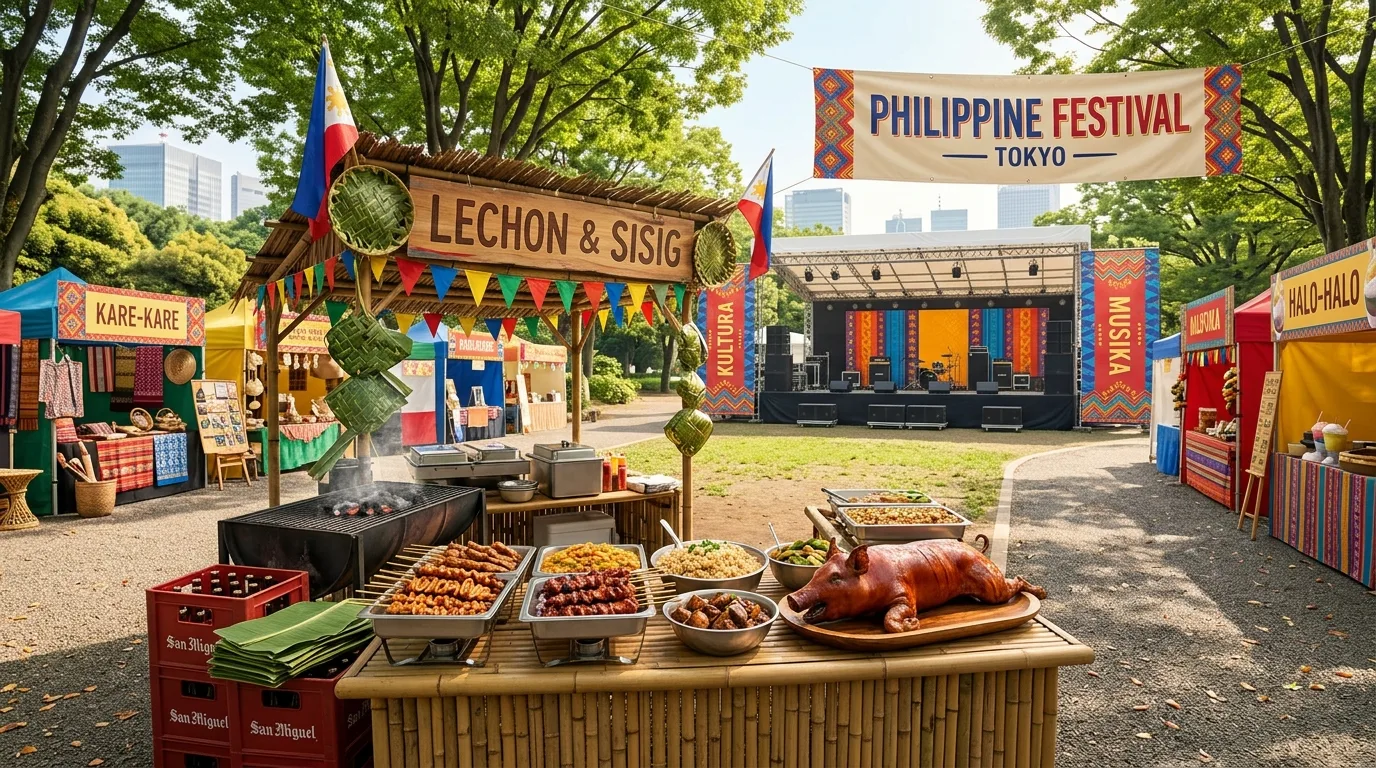
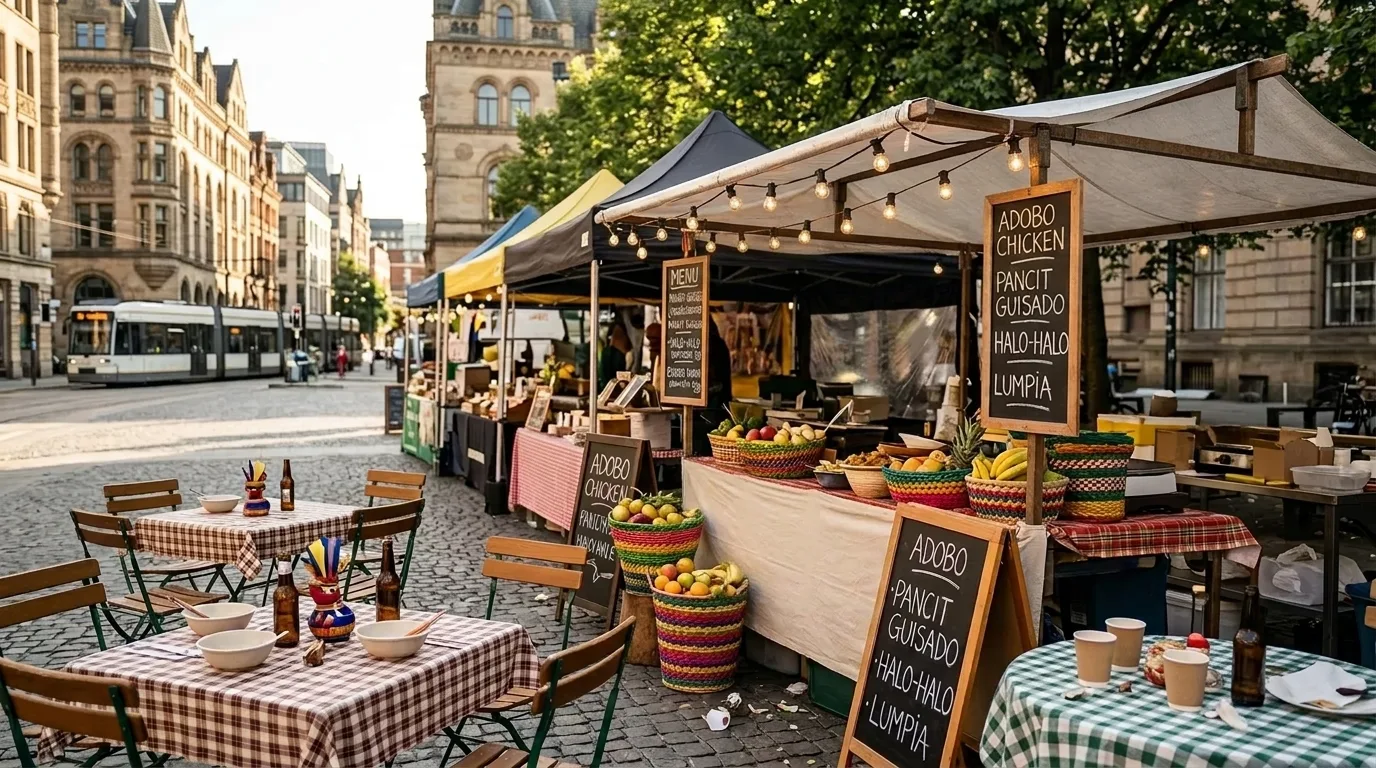
Throughout the festival, visitors enjoyed a wide variety of dishes representing different regions of the Philippines. Traditional favorites such as adobo, lechon, pancit, lumpia, sisig, kare-kare, barbecue, halo-halo, bibingka, and puto were among the most sought-after offerings, with long lines forming at vendor booths throughout the day.
For many attendees, the festival provided an opportunity to reconnect with cherished memories of home and family traditions. Filipino-Americans spanning multiple generations gathered to celebrate the foods that have long played a central role in family gatherings, holidays, and cultural celebrations.
Meanwhile, thousands of non-Filipino visitors experienced Philippine cuisine for the first time, discovering a rich culinary tradition influenced by centuries of indigenous, Asian, Spanish, and global cultural exchanges.
Food experts attending the event noted that Filipino cuisine continues to experience significant growth in international recognition. What was once considered a relatively underrepresented cuisine in the global food scene is now increasingly gaining attention from chefs, food critics, restaurateurs, and culinary enthusiasts around the world.
The festival showcased both traditional and modern interpretations of Filipino dishes. While many vendors focused on preserving authentic recipes passed down through generations, others presented innovative creations that blended Filipino flavors with contemporary culinary techniques.
This fusion of tradition and innovation demonstrated the adaptability and creativity of Filipino cuisine while maintaining strong connections to its cultural roots.
One of the event's most popular attractions was the regional food showcase, which highlighted specialties from different provinces throughout the Philippines. Visitors explored dishes from Luzon, Visayas, and Mindanao, gaining a deeper appreciation for the country's extraordinary culinary diversity.
Chefs and food historians participating in educational demonstrations explained how geography, local ingredients, migration patterns, and historical influences contributed to the development of distinct regional cuisines throughout the archipelago.
Cooking demonstrations proved particularly popular among attendees. Renowned Filipino chefs shared techniques, family recipes, and cultural stories behind some of the country's most beloved dishes. These presentations offered valuable insights into the traditions and values that shape Filipino cooking.
Beyond the food itself, organizers emphasized the cultural significance of Philippine cuisine. Each dish carries stories of family, community, resilience, and celebration that have been passed down across generations.
Many participants noted that food serves as one of the strongest connections between overseas Filipinos and their homeland. Through culinary traditions, families are able to preserve cultural identity while sharing their heritage with younger generations born and raised abroad.
The festival also highlighted the growing influence of Filipino-owned businesses in California and across the United States. Hundreds of entrepreneurs participated in the event, showcasing products ranging from traditional delicacies and specialty ingredients to modern food concepts and artisanal creations.
Small business owners viewed the festival as an opportunity not only to expand their customer base but also to contribute to the broader promotion of Filipino culture.
Industry leaders attending the event noted that Filipino restaurants have experienced growing demand in recent years as consumers increasingly seek authentic and diverse culinary experiences. This trend has created new opportunities for Filipino entrepreneurs and chefs to introduce their cuisine to wider audiences.
Many attendees expressed excitement about the increasing visibility of Filipino food in mainstream dining culture. Several visitors remarked that dishes once primarily enjoyed within Filipino communities are now appearing in major restaurants, food festivals, and culinary publications across North America.
Cultural performances added another dimension to the celebration. Traditional dances, musical presentations, and artistic showcases complemented the culinary experiences, creating a comprehensive cultural event that highlighted multiple aspects of Filipino heritage.
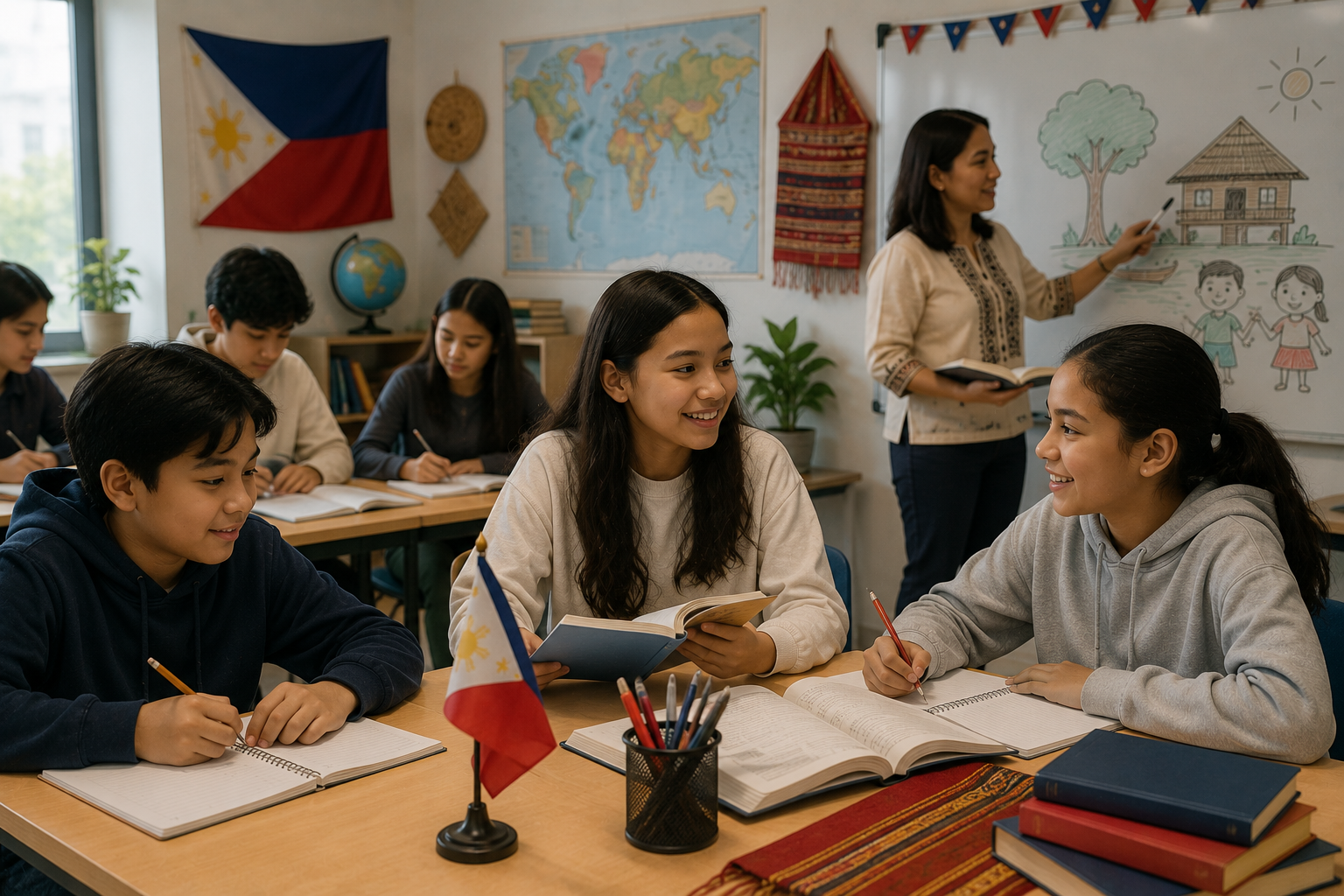
Families attending the festival enjoyed a variety of activities designed to engage participants of all ages. Children's workshops, cultural exhibits, cooking contests, and educational presentations helped introduce younger generations to Filipino traditions in interactive and meaningful ways.
Community organizations also used the event as an opportunity to promote cultural education, youth development programs, and charitable initiatives that support Filipino-American communities throughout California.
Several exhibits focused on the history of Filipino migration to the United States, highlighting the contributions of Filipino-Americans in healthcare, education, business, military service, technology, public service, and numerous other fields.
Organizers stressed that the festival represented far more than a food event. It served as a celebration of identity, community, and cultural pride that brought together people from diverse backgrounds through a shared appreciation of food and heritage.
The strong attendance reflected the growing interest in multicultural experiences and demonstrated the power of food to build connections between communities. Visitors from various ethnic and cultural backgrounds embraced the opportunity to learn more about Filipino traditions and values through culinary exploration.
Tourism and cultural experts observed that international recognition of Filipino cuisine has contributed positively to broader awareness of the Philippines as a travel destination. As more people discover Filipino food abroad, interest in Philippine culture, history, and tourism continues to grow.
Many chefs participating in the event expressed optimism about the future of Filipino cuisine on the global stage. They believe increasing visibility, stronger community support, and growing consumer curiosity will continue to elevate Filipino food in international markets.
The festival also showcased the spirit of hospitality for which Filipinos are known. Vendors, volunteers, performers, and organizers worked together to create a welcoming environment that reflected the warmth and generosity often associated with Filipino culture.
Throughout the day, attendees shared stories, exchanged recipes, and built new friendships, reinforcing the strong sense of community that has become a defining characteristic of Filipino gatherings around the world.
As the event concluded with cultural performances, culinary awards, and messages of appreciation, organizers celebrated what they described as a milestone moment for Filipino cuisine in America.
The record-breaking turnout demonstrated not only the growing popularity of Filipino food but also the increasing influence of Filipino culture within California's diverse cultural landscape.
Plans are already underway for future editions of the festival, with organizers hoping to expand participation, introduce additional regional food experiences, and attract even larger audiences in the coming years.
For many attendees, the festival served as a reminder that food is far more than nourishment—it is a powerful expression of culture, history, and identity. Through every dish served, stories were shared, traditions were preserved, and connections were strengthened.
As Filipino cuisine continues its rise on the international culinary stage, events like this California food festival are helping introduce millions of people to the extraordinary flavors, creativity, and cultural richness of the Philippines. They are also ensuring that future generations of Filipinos abroad remain connected to their heritage while sharing the best of Philippine culture with the world.
The overwhelming success of this year's event confirmed what many food enthusiasts have long believed: Filipino cuisine is no longer a hidden gem. It is emerging as one of the world's most exciting and celebrated culinary traditions, capturing the hearts and taste buds of people from all walks of life.
Enjoyed this story?
Share this story