Filipino Food Festivals Continue to Gain Popularity in International Culinary Hubs
Share
June 14, 2026
Updated Oct 14, 2026
8 min read
239 views
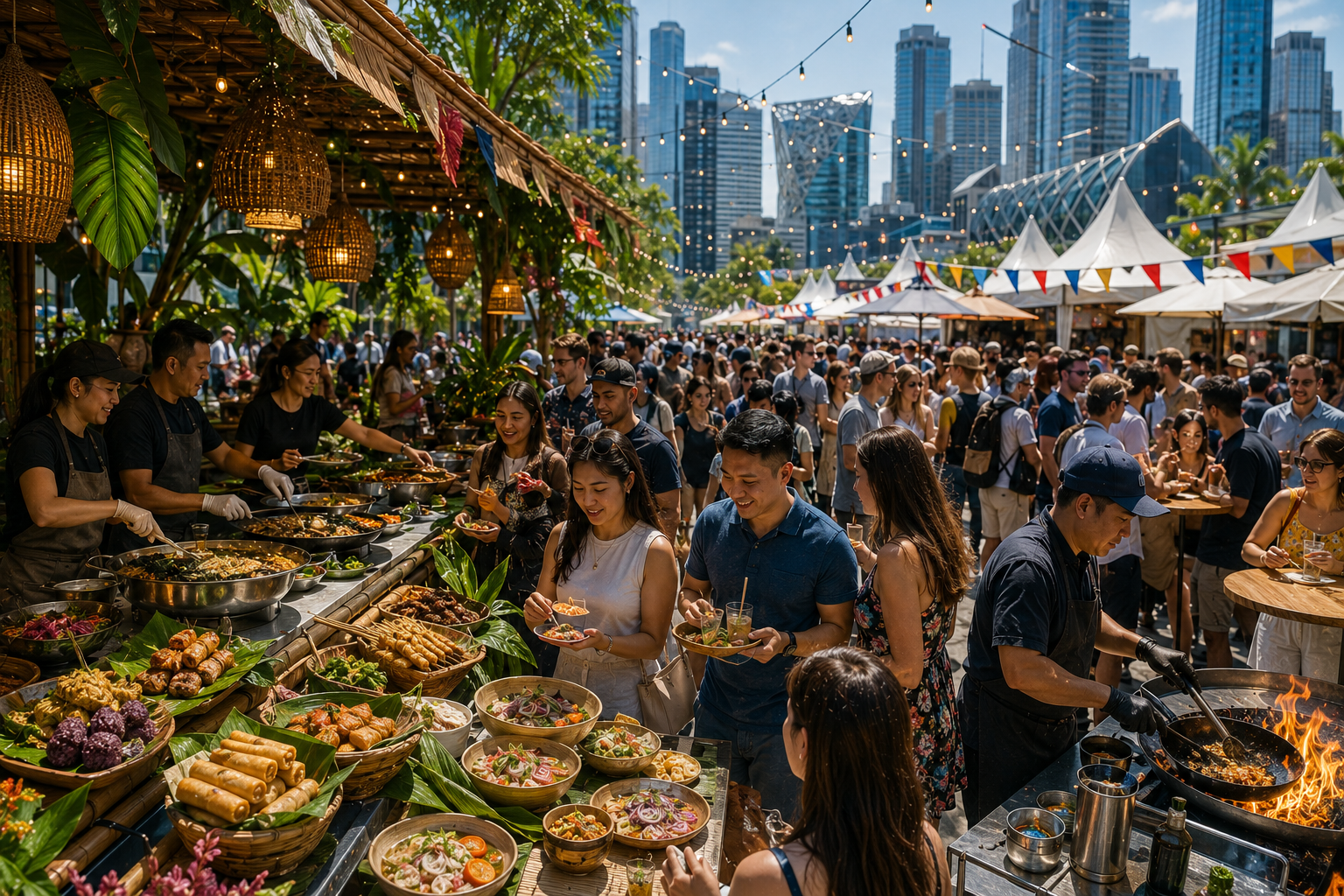
MANILA, Philippines — Filipino food festivals are attracting increasing attention in some of the world's most recognized culinary destinations as international audiences continue to embrace the flavors, traditions, and cultural stories behind Philippine cuisine. Across North America, Europe, Asia, the Middle East, and Australia, festivals dedicated to Filipino food are drawing larger crowds, generating strong media interest, and creating new opportunities for cultural exchange, tourism promotion, and business development. The continued growth of these events reflects the rising profile of Filipino cuisine within the global food industry and highlights the important role that food plays in strengthening cultural connections among communities around the world.
For many years, Filipino cuisine remained one of the world's most underrepresented culinary traditions despite the size and influence of the global Filipino diaspora. While Filipino communities successfully preserved their food traditions within families and local neighborhoods, broader international recognition developed gradually. Today, however, culinary experts, restaurateurs, food writers, and cultural advocates increasingly identify Filipino cuisine as one of the most exciting and rapidly growing segments of the global culinary landscape. Food festivals have become important catalysts in this transformation, providing opportunities for international audiences to discover the diversity and richness of Philippine gastronomy.
Organizers of Filipino food festivals note that interest in these events has expanded significantly in recent years. Food enthusiasts are increasingly seeking authentic culinary experiences that offer more than simply dining opportunities. Many visitors want to understand the cultural history, traditions, and stories behind the dishes they encounter. Filipino food festivals respond to this interest by combining culinary experiences with cultural education, creating immersive environments where attendees can explore the broader heritage associated with Philippine cuisine.
One of the primary attractions of Filipino food festivals is the remarkable diversity represented within Philippine culinary traditions. The Philippines is composed of thousands of islands and numerous cultural communities, each contributing distinct ingredients, cooking techniques, flavors, and food customs. Festivals often showcase dishes from Luzon, Visayas, and Mindanao, highlighting regional specialties that many international visitors may be encountering for the first time. Organizers believe that presenting this diversity helps audiences gain a deeper appreciation of the complexity and richness of Filipino food culture.
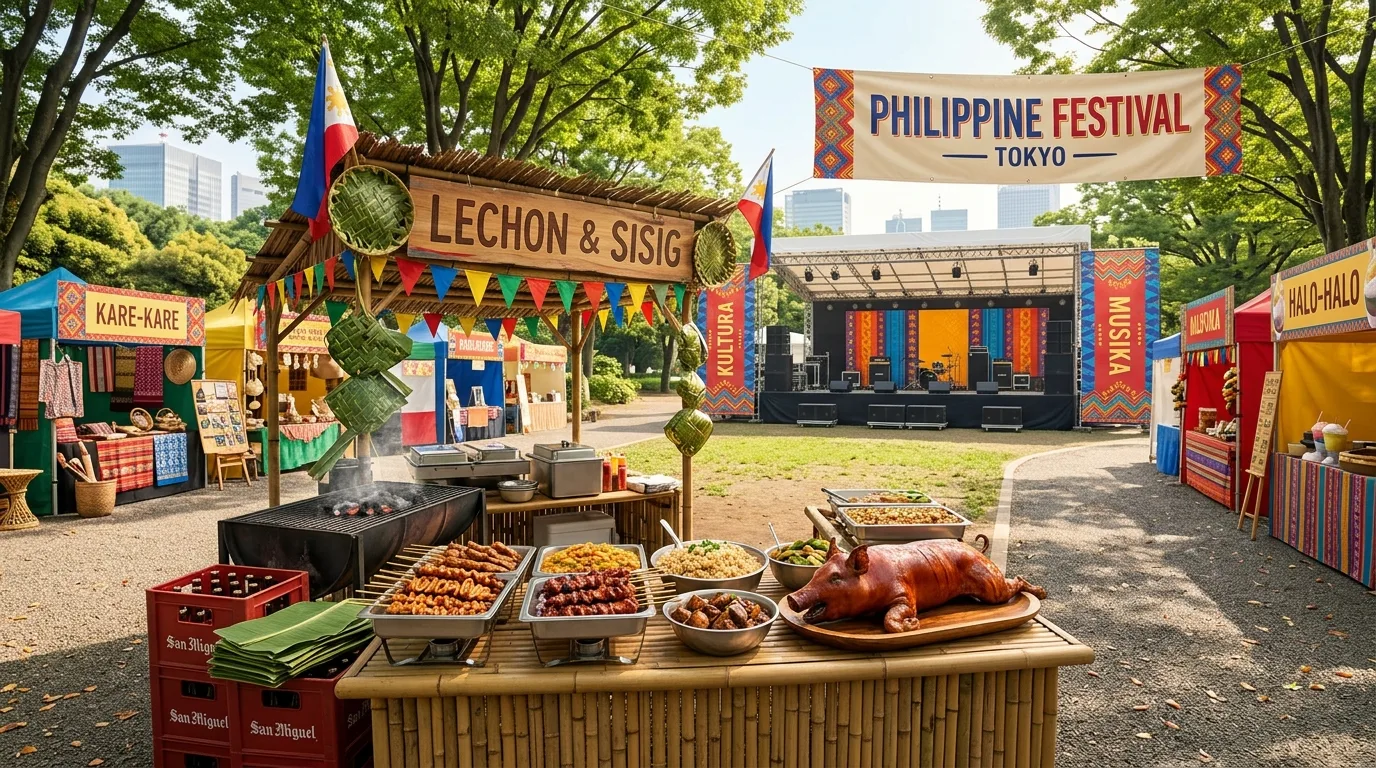
Traditional dishes remain among the most popular offerings at international food festivals. Visitors are often eager to sample recipes that have been passed down through generations and continue to hold important cultural significance. These culinary experiences provide opportunities to explore the history and identity of Filipino communities while creating memorable connections through food. Organizers emphasize that traditional dishes serve as cultural ambassadors that introduce people to broader aspects of Philippine heritage.
At the same time, contemporary Filipino chefs are helping redefine global perceptions of Filipino cuisine through innovative culinary approaches. Many food festivals feature chefs who creatively reinterpret traditional recipes while preserving the flavors and cultural influences that define Filipino cooking. These modern presentations demonstrate the adaptability and creativity of Philippine gastronomy while appealing to evolving consumer tastes. Culinary professionals believe that innovation helps attract new audiences while encouraging greater appreciation for traditional culinary foundations.
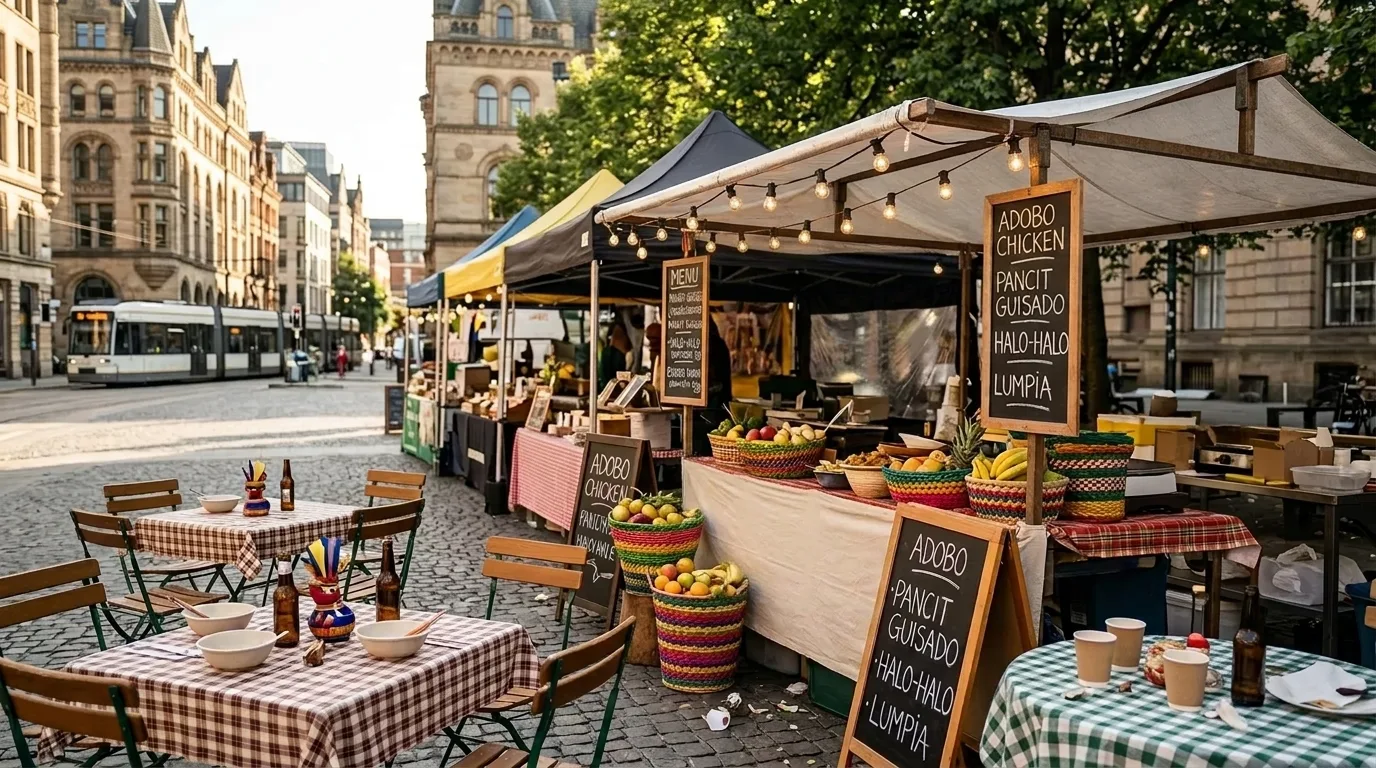
Food festivals also provide valuable platforms for Filipino entrepreneurs and small businesses. Vendors, restaurateurs, food manufacturers, and culinary startups frequently participate in festivals to introduce products, build customer relationships, and expand market visibility. Many successful food businesses credit festival participation as an important factor in their growth, noting that direct interaction with consumers helps build trust and awareness. Organizers observe that festivals create opportunities for businesses to reach audiences who may not otherwise encounter Filipino products and services.
The influence of social media has significantly amplified the impact of Filipino food festivals. Festival attendees regularly share photographs, videos, reviews, and culinary discoveries across digital platforms, generating exposure that extends far beyond event locations. Viral food content and influencer engagement have helped introduce Filipino cuisine to millions of people worldwide. Organizers report that online visibility often translates into increased attendance, greater public awareness, and stronger interest in future events.
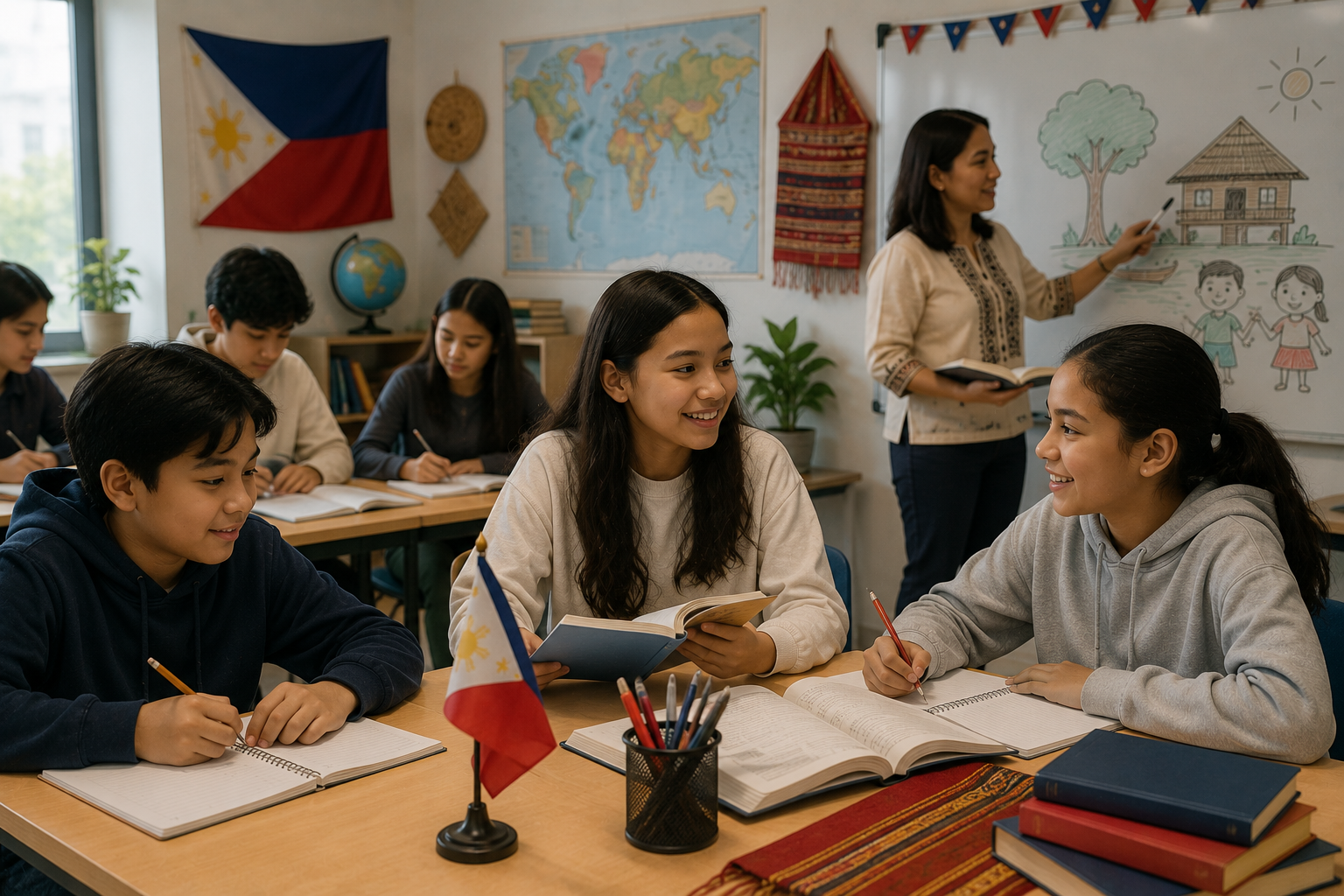
Cultural education remains a central component of many food festivals. Cooking demonstrations, culinary workshops, ingredient showcases, and storytelling sessions help attendees understand the origins and significance of various dishes. These educational experiences allow visitors to explore the historical influences, regional traditions, and cultural practices that shape Filipino cuisine. Community leaders emphasize that understanding the context behind food enhances appreciation while promoting deeper cultural engagement.
International culinary hubs have proven particularly receptive to Filipino food festivals. Cities known for their multicultural dining scenes and diverse populations provide ideal environments for introducing new culinary experiences. In these locations, food enthusiasts often actively seek opportunities to explore global cuisines and cultural traditions. Filipino festivals contribute to this culinary diversity while strengthening the visibility of Philippine gastronomy within competitive food markets.
The growing recognition of Filipino cuisine has also contributed to increased tourism interest in the Philippines. Many individuals who first encounter Filipino food at festivals later become interested in visiting the country to experience regional culinary traditions firsthand. Tourism advocates note that food has become an increasingly important factor in travel decisions, and culinary tourism now represents a significant segment of the global tourism industry. Food festivals help position the Philippines as an attractive destination for travelers seeking authentic and culturally rich dining experiences.
The role of overseas Filipino communities has been instrumental in the success of food festivals worldwide. Community organizations, cultural associations, volunteers, and entrepreneurs collaborate extensively to organize events that celebrate both cuisine and cultural identity. These efforts reflect the strong desire of overseas Filipinos to preserve traditions while sharing their heritage with broader audiences. Community leaders view food festivals as opportunities to strengthen cultural pride and create meaningful connections across generations.
Younger generations have also become important contributors to the evolution of Filipino food festivals. Young chefs, entrepreneurs, content creators, and community leaders are introducing fresh ideas and innovative approaches that appeal to contemporary audiences. Their involvement helps ensure that food festivals remain relevant while preserving the traditions that make them meaningful. Organizers recognize youth engagement as a key factor in sustaining long-term growth and community participation.
Partnerships with local governments, tourism organizations, culinary institutions, and cultural agencies have further strengthened the development of Filipino food festivals. These collaborations provide access to resources, venues, promotional support, and educational opportunities that enhance event quality and audience reach. Stakeholders note that successful partnerships contribute to both cultural promotion and economic development while creating opportunities for broader community engagement.
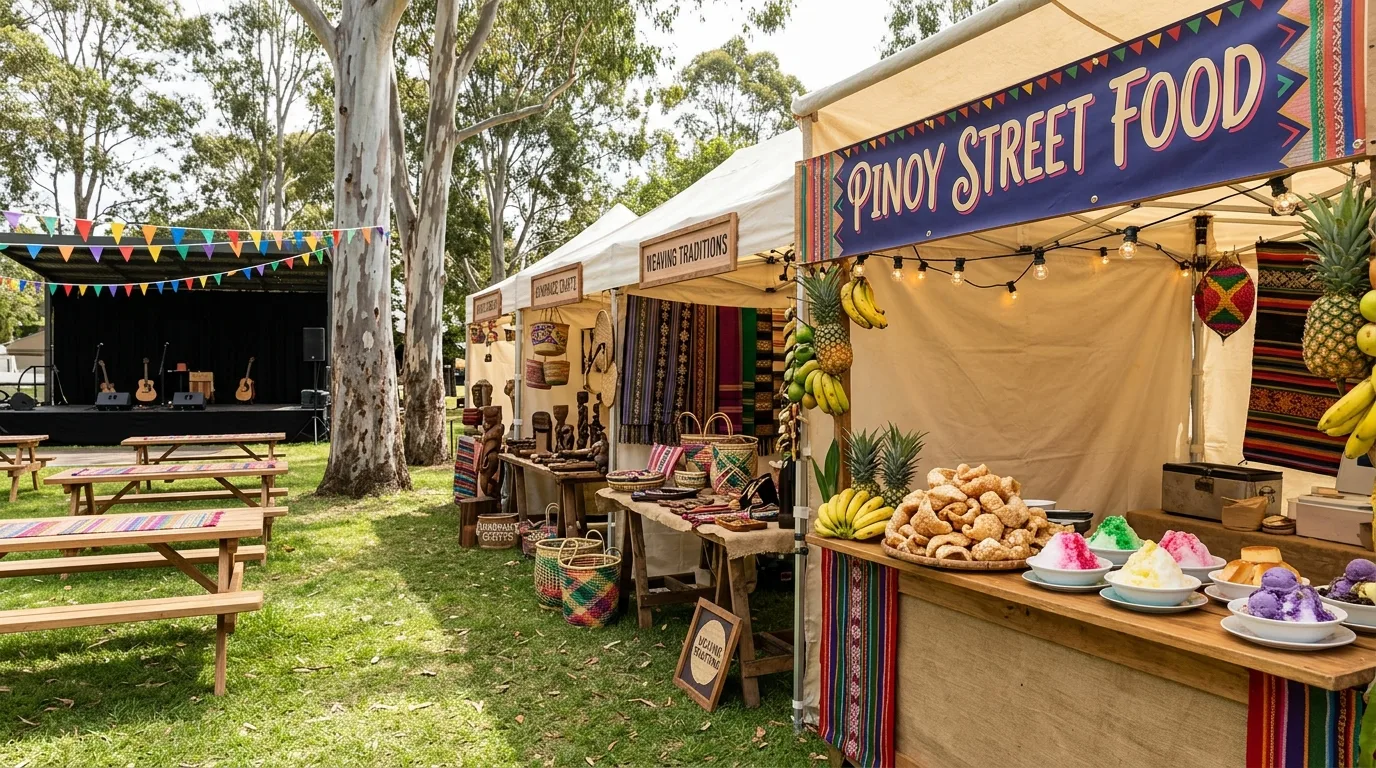
Food festivals often extend beyond culinary experiences to include music, dance, arts, crafts, and cultural performances. This integrated approach creates immersive celebrations that showcase multiple dimensions of Philippine culture. Visitors gain opportunities to explore not only Filipino cuisine but also the traditions, values, and artistic expressions that contribute to national identity. Organizers believe that combining food with broader cultural programming creates more meaningful and memorable experiences.
Economic benefits associated with Filipino food festivals continue to expand as attendance grows. Local businesses, vendors, artists, performers, and hospitality providers often benefit from increased activity generated by major events. Food festivals contribute to local economies while supporting entrepreneurship and cultural industries. Organizers emphasize that successful festivals create value both for participants and for the communities that host them.
The increasing visibility of Filipino cuisine within international culinary circles has also created new opportunities for chefs and culinary professionals. Participation in festivals often leads to collaborations, media exposure, restaurant partnerships, and invitations to other food-related events. Culinary leaders view these opportunities as important pathways for strengthening the global reputation of Philippine gastronomy while supporting professional development.
Many festival organizers are also incorporating sustainability initiatives into their operations. Waste reduction programs, environmentally responsible packaging, local sourcing efforts, and educational campaigns related to sustainable food systems are becoming increasingly common. These initiatives reflect broader trends within the global food industry while demonstrating how cultural events can contribute positively to environmental goals.
The continued popularity of Filipino food festivals reflects broader societal interest in authentic cultural experiences and diverse culinary traditions. Consumers increasingly seek meaningful connections through food, and festivals provide opportunities to engage with cultures in personal and memorable ways. Organizers note that food has a unique ability to bring people together while fostering understanding and appreciation across cultural boundaries.
Looking ahead, industry observers anticipate continued growth in the popularity of Filipino food festivals as awareness of Philippine cuisine expands globally. New markets, innovative culinary concepts, digital engagement strategies, and expanded partnerships are expected to create additional opportunities for growth. Community leaders remain optimistic that Filipino cuisine will continue gaining recognition as one of the world's most dynamic and culturally rich culinary traditions.
Ultimately, the success of Filipino food festivals in international culinary hubs reflects the power of food as a bridge between cultures. Through every meal shared, every story told, and every tradition celebrated, these festivals help strengthen appreciation for Philippine heritage while creating opportunities for connection and understanding.
As global audiences continue to embrace Filipino cuisine, food festivals will remain important platforms for cultural preservation, education, entrepreneurship, and community engagement. Their growing popularity demonstrates that Filipino food is no longer simply a hidden culinary treasure but an increasingly celebrated part of the international dining landscape, proudly representing the creativity, diversity, and hospitality of the Filipino people on the world stage.
Enjoyed this story?
Share this story