Filipino Food Festivals Gain Popularity in Global Culinary Destinations
Share
June 06, 2026
Updated Oct 15, 2026
7 min read
297 views
MANILA, Philippines — Filipino food festivals are rapidly gaining popularity in some of the world's most recognized culinary destinations, as international audiences increasingly embrace the rich flavors, cultural traditions, and unique dining experiences that define Philippine cuisine. Across major cities in North America, Europe, the Middle East, Asia, and Australia, Filipino food festivals are attracting growing crowds of food enthusiasts, cultural explorers, industry professionals, and members of the global Filipino community eager to celebrate the country's culinary heritage.
The rising popularity of Filipino food festivals reflects a broader global trend toward cultural discovery through cuisine. Around the world, travelers and local communities are seeking authentic food experiences that offer deeper insights into history, traditions, and cultural identity. Filipino cuisine, known for its diverse influences, bold flavors, and strong connections to family and community, has become increasingly attractive to consumers interested in exploring emerging culinary traditions. As a result, Filipino food festivals have evolved from community-centered gatherings into highly anticipated cultural events that attract audiences far beyond the Filipino diaspora.
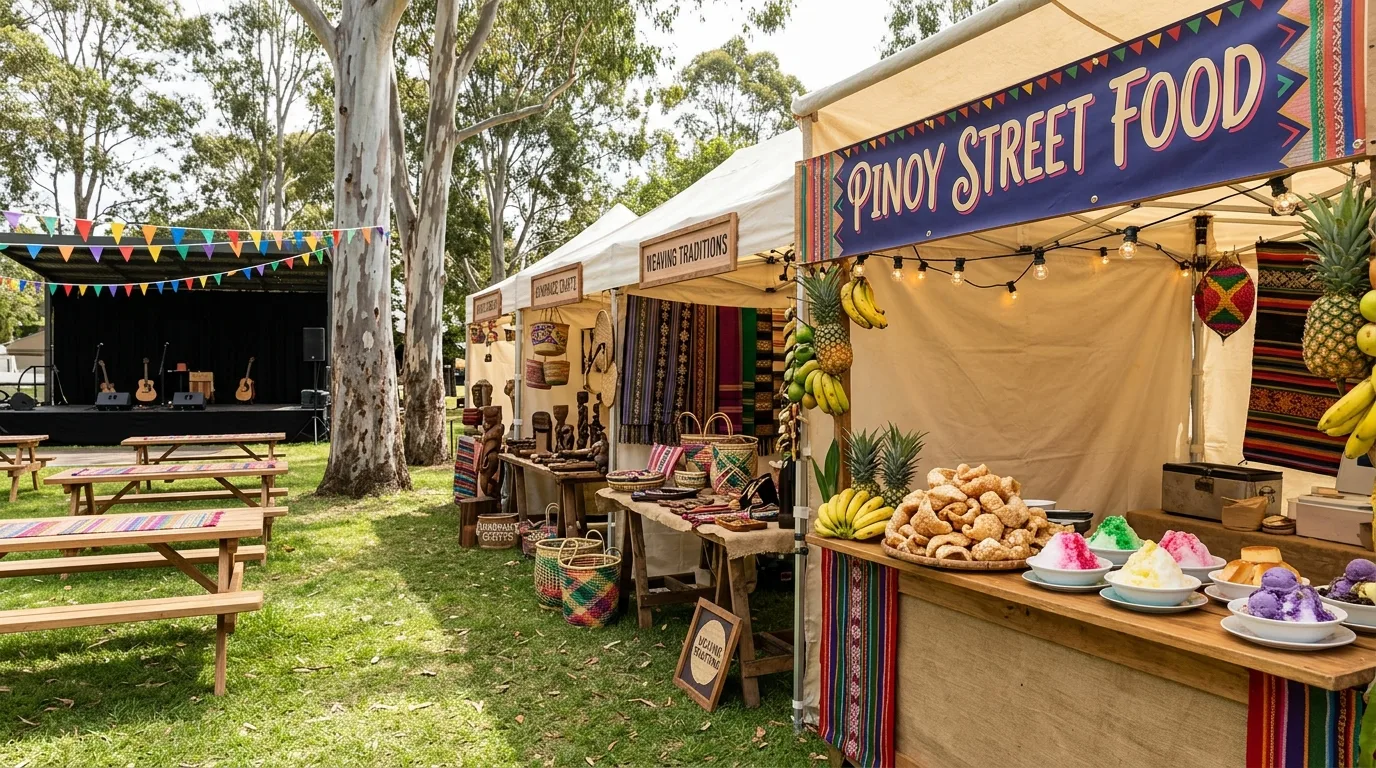
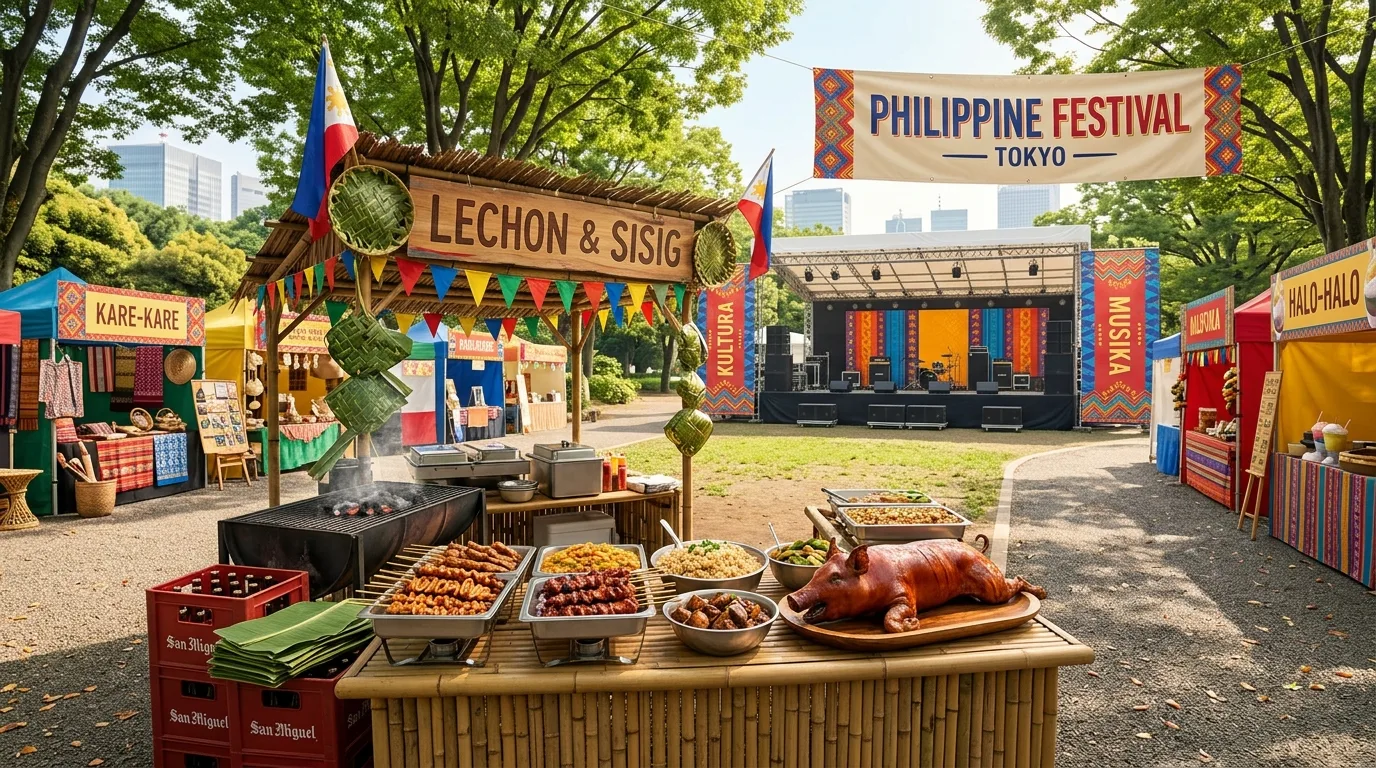
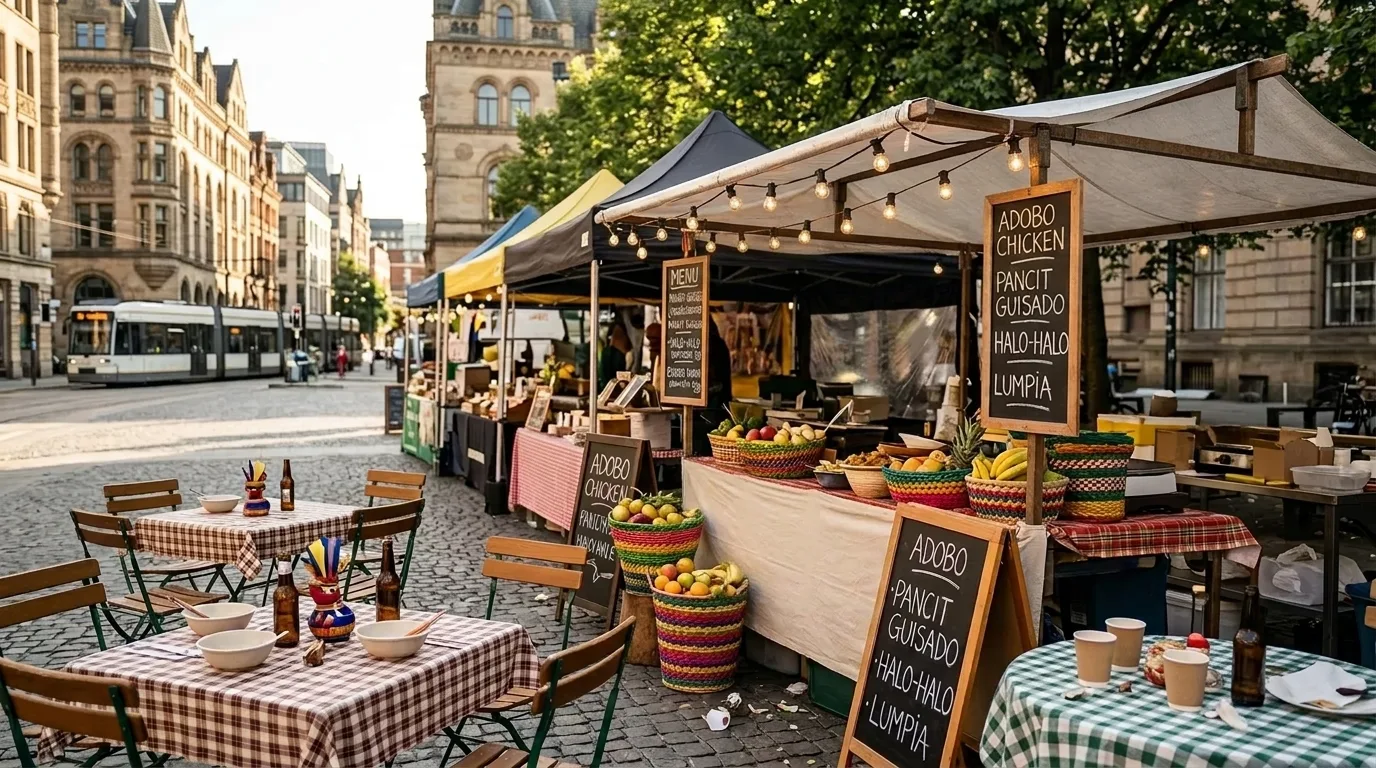
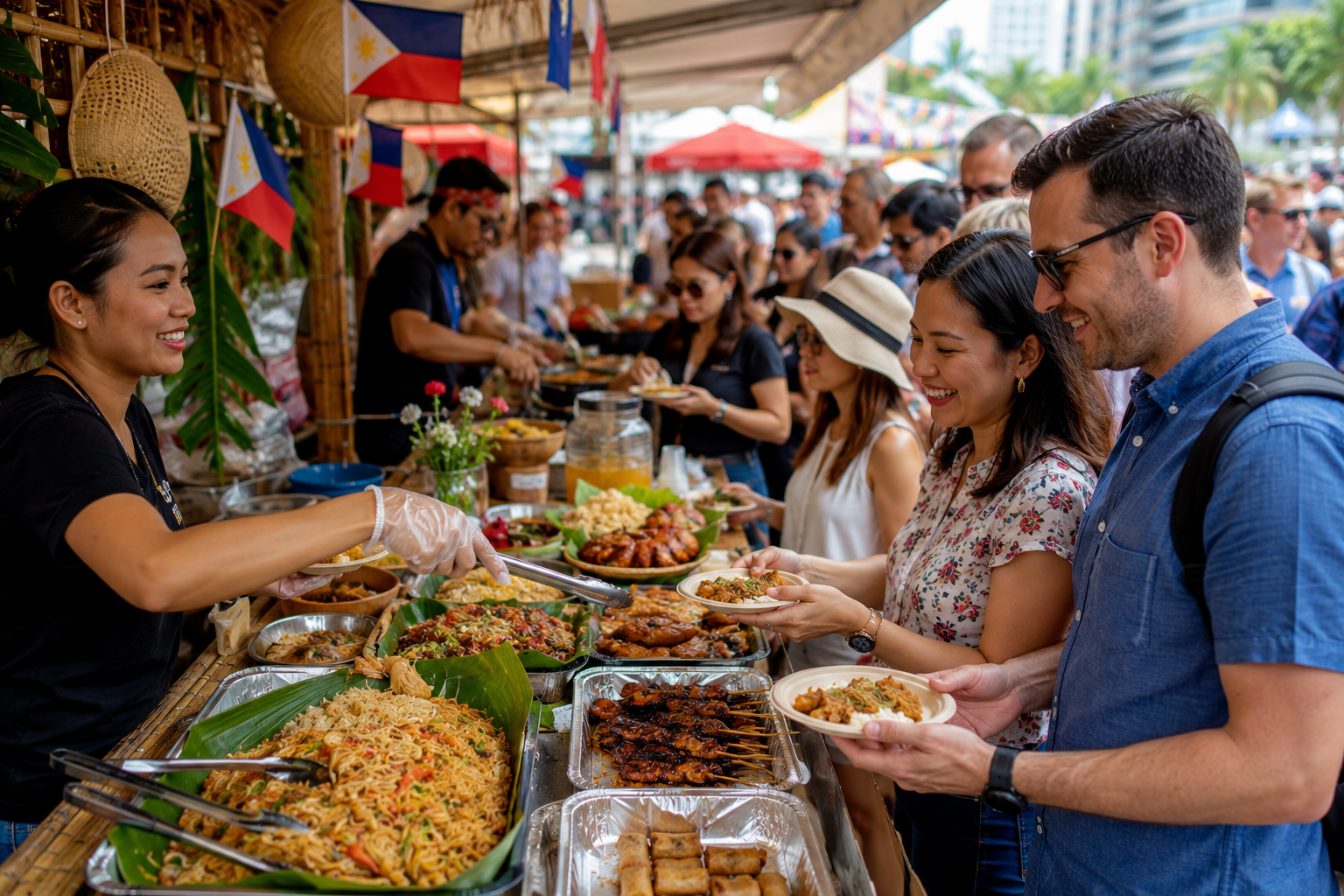
In cities such as New York, Los Angeles, Toronto, Vancouver, London, Madrid, Dubai, Sydney, Singapore, and many others, Filipino food festivals have become important fixtures on local cultural and culinary calendars. These events often feature a wide variety of food vendors, cooking demonstrations, cultural performances, chef collaborations, heritage exhibits, and educational programs that introduce attendees to the depth and diversity of Philippine cuisine. Organizers note that attendance has continued to grow as more people become familiar with Filipino flavors and develop an appreciation for the stories behind the dishes.
One of the major factors driving interest in Filipino food is the remarkable diversity of the Philippines itself. With more than 7,000 islands and a rich history shaped by indigenous traditions and international influences, the country offers a culinary landscape unlike any other. Regional specialties from Luzon, Visayas, and Mindanao provide a wide range of flavors, cooking methods, and ingredients that reflect local histories and cultural identities. Food festivals often showcase this diversity by presenting dishes that represent different regions, allowing attendees to experience the breadth of Philippine cuisine in a single event.
Traditional favorites such as adobo, lechon, pancit, lumpia, sinigang, kare-kare, and halo-halo consistently attract large crowds. However, many festivals also introduce lesser-known regional specialties that provide deeper insights into local food traditions. Visitors often discover unique dishes that highlight the creativity and resourcefulness of Filipino cooking, inspiring greater curiosity about Philippine culture and travel destinations. Festival organizers frequently emphasize that food serves as a powerful gateway to understanding a country's heritage and way of life.
The success of Filipino food festivals has also been fueled by the growing recognition of Filipino chefs and restaurateurs on the international stage. Across the globe, Filipino culinary professionals are opening restaurants, participating in international food events, receiving industry awards, and gaining media attention for their innovative interpretations of traditional cuisine. Their achievements have helped elevate awareness of Filipino food while encouraging broader interest in food festivals and cultural celebrations. Many chefs view these festivals as opportunities to educate audiences about Filipino ingredients, techniques, and culinary traditions while demonstrating the versatility of Philippine cuisine.
Social media has played a significant role in expanding the reach of Filipino food festivals. Food bloggers, influencers, content creators, and culinary enthusiasts regularly share photos, videos, and reviews of festival experiences, exposing millions of people to Filipino dishes and cultural traditions. Visual content featuring colorful desserts, grilled specialties, street food favorites, and community celebrations often generates substantial engagement online. Organizers note that digital platforms have helped attract younger audiences and introduce Filipino cuisine to people who may not have previously encountered it.
Beyond culinary experiences, Filipino food festivals serve as important cultural celebrations that strengthen community connections. For overseas Filipinos, these events provide opportunities to reconnect with familiar flavors, traditions, and memories of home. Many attendees describe food festivals as gatherings that foster a sense of belonging and cultural pride. Families, friends, and community organizations often come together to celebrate shared heritage while introducing Filipino culture to broader audiences. The communal nature of Filipino dining traditions is frequently reflected in the welcoming atmosphere of these events.
Educational programming has become an increasingly important component of food festivals. Cooking demonstrations, cultural workshops, ingredient showcases, and historical presentations help attendees understand the origins and significance of various dishes. Visitors learn how geography, migration, trade, and historical influences have shaped Filipino cuisine over centuries. These educational experiences contribute to a deeper appreciation of food as a reflection of culture and identity rather than simply a dining experience.
Food festivals also create valuable opportunities for Filipino entrepreneurs and small business owners. Vendors, caterers, restaurateurs, artisans, and food producers benefit from increased visibility and direct engagement with customers. Many entrepreneurs view food festivals as important platforms for showcasing products, expanding networks, and building brand recognition. Community leaders note that these events support economic development while promoting cultural preservation and entrepreneurship.
The growing interest in Filipino cuisine has also contributed to increased tourism interest in the Philippines. Many international visitors who attend food festivals express curiosity about visiting the country to experience its culinary traditions firsthand. Tourism organizations frequently participate in festivals by promoting travel destinations, regional food trails, culinary experiences, and cultural attractions. As a result, food festivals often serve as informal ambassadors for Philippine tourism and cultural exchange.
Another factor contributing to the popularity of Filipino food festivals is the global shift toward multicultural dining experiences. Consumers today are more adventurous and willing to explore cuisines from different parts of the world. Filipino food, with its balance of sweet, sour, salty, and savory flavors, offers unique experiences that resonate with diverse audiences. Industry experts note that Filipino cuisine is increasingly being recognized as one of the most exciting emerging culinary movements in the international food scene.
Youth participation has also contributed to the evolution of food festivals. Young Filipino chefs, entrepreneurs, content creators, and community leaders are bringing fresh perspectives to traditional cuisine while maintaining respect for heritage and authenticity. Their efforts help bridge generations and ensure that Filipino culinary traditions remain relevant in contemporary food culture. Many festivals now include programs specifically designed to engage younger audiences through interactive experiences, modern culinary concepts, and digital storytelling.
Community leaders believe the future of Filipino food festivals is exceptionally bright. Continued growth in global Filipino communities, increasing international recognition of Filipino cuisine, and strong consumer interest in cultural experiences are expected to drive further expansion. Organizers are exploring new partnerships, larger venues, expanded programming, and international collaborations designed to enhance festival experiences and reach broader audiences.
The popularity of Filipino food festivals demonstrates how cuisine can serve as a powerful tool for cultural connection. Through food, people are able to learn about traditions, values, history, and community life in ways that feel personal and accessible. Every dish tells a story, and every festival creates opportunities for dialogue, understanding, and celebration. As more people discover the richness of Philippine cuisine, Filipino food festivals continue to strengthen cultural ties while fostering appreciation for one of the world's most diverse culinary traditions.
Ultimately, the growing success of Filipino food festivals around the world reflects the enduring appeal of Filipino culture itself. Rooted in hospitality, creativity, family values, and community spirit, these events offer far more than memorable meals. They provide meaningful experiences that bring people together across cultures and generations. As Filipino cuisine continues gaining recognition in global culinary destinations, food festivals will remain important platforms for sharing the flavors, stories, and traditions that make the Philippines unique. Through every meal served and every cultural exchange inspired, Filipino food festivals are helping secure the country's place on the world culinary map while celebrating the pride and heritage of Filipinos everywhere.
Enjoyed this story?
Share this story