Filipino Food Markets Gain Popularity Among International Food Enthusiasts
Share
June 07, 2026
Updated Oct 16, 2026
8 min read
452 views
MANILA, Philippines — Filipino food markets are attracting growing attention from international food enthusiasts as global interest in Philippine cuisine continues to rise. Across major cities around the world, Filipino food markets, culinary fairs, community food festivals, and specialty food events are drawing increasing numbers of visitors eager to experience the rich flavors, unique traditions, and cultural heritage that define Filipino cooking. This growing popularity reflects broader recognition of Filipino cuisine as one of the most diverse and exciting culinary traditions in Asia.
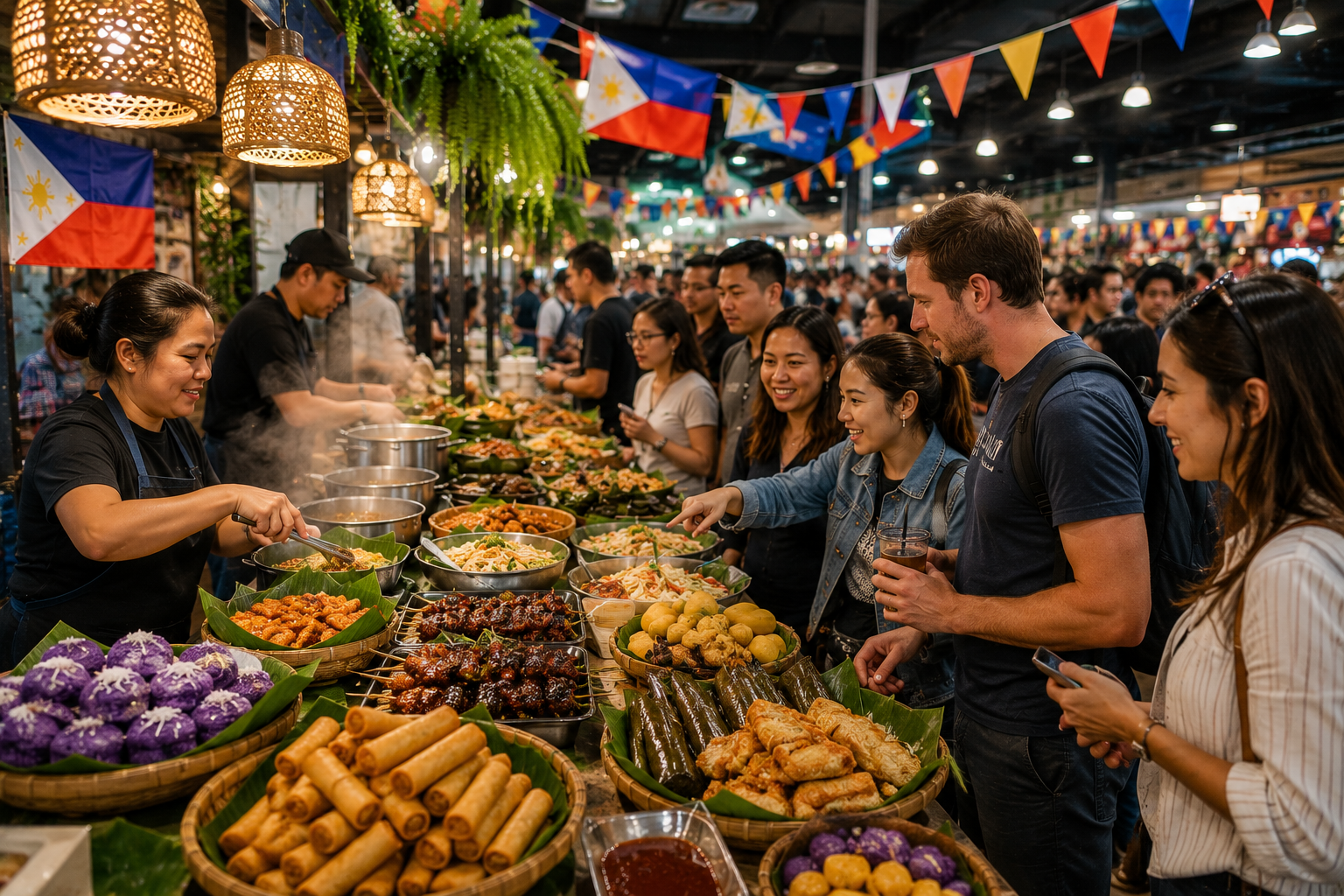
Food has long been one of the most powerful ways cultures connect with one another. Through shared meals and culinary experiences, people gain insights into traditions, history, values, and community life. Filipino food markets provide opportunities for international audiences to explore Philippine culture through authentic culinary experiences that go beyond simple dining. Visitors are able to engage with vendors, chefs, artisans, and community members who share not only food but also the stories and traditions behind the dishes being served.
The increasing popularity of Filipino food markets is closely connected to the growing international visibility of Filipino cuisine. Over the past several years, Filipino dishes have appeared more frequently in international food publications, culinary programs, restaurant rankings, and social media platforms. As awareness has expanded, food enthusiasts have become increasingly interested in discovering authentic Filipino culinary experiences. Food markets offer an accessible and engaging environment where visitors can sample a wide variety of dishes while learning about the diversity of Philippine food culture.
One of the major attractions of Filipino food markets is the incredible variety of flavors they offer. The Philippines is composed of thousands of islands, each with its own culinary traditions influenced by geography, local ingredients, indigenous practices, and historical interactions with different cultures. As a result, Filipino food markets often feature an impressive range of dishes representing different regions of the country. Visitors can experience specialties that showcase seafood traditions, agricultural products, local spices, and cooking methods that have evolved over generations.
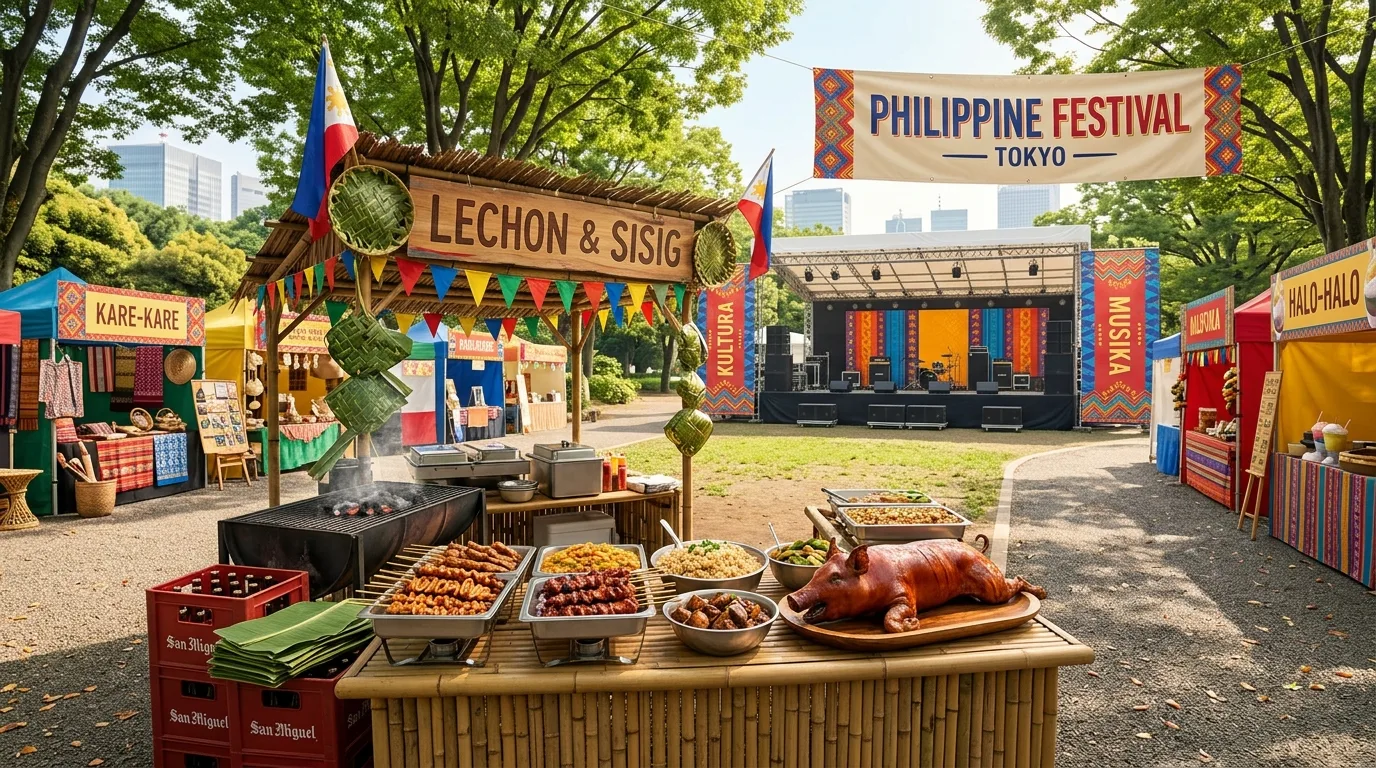
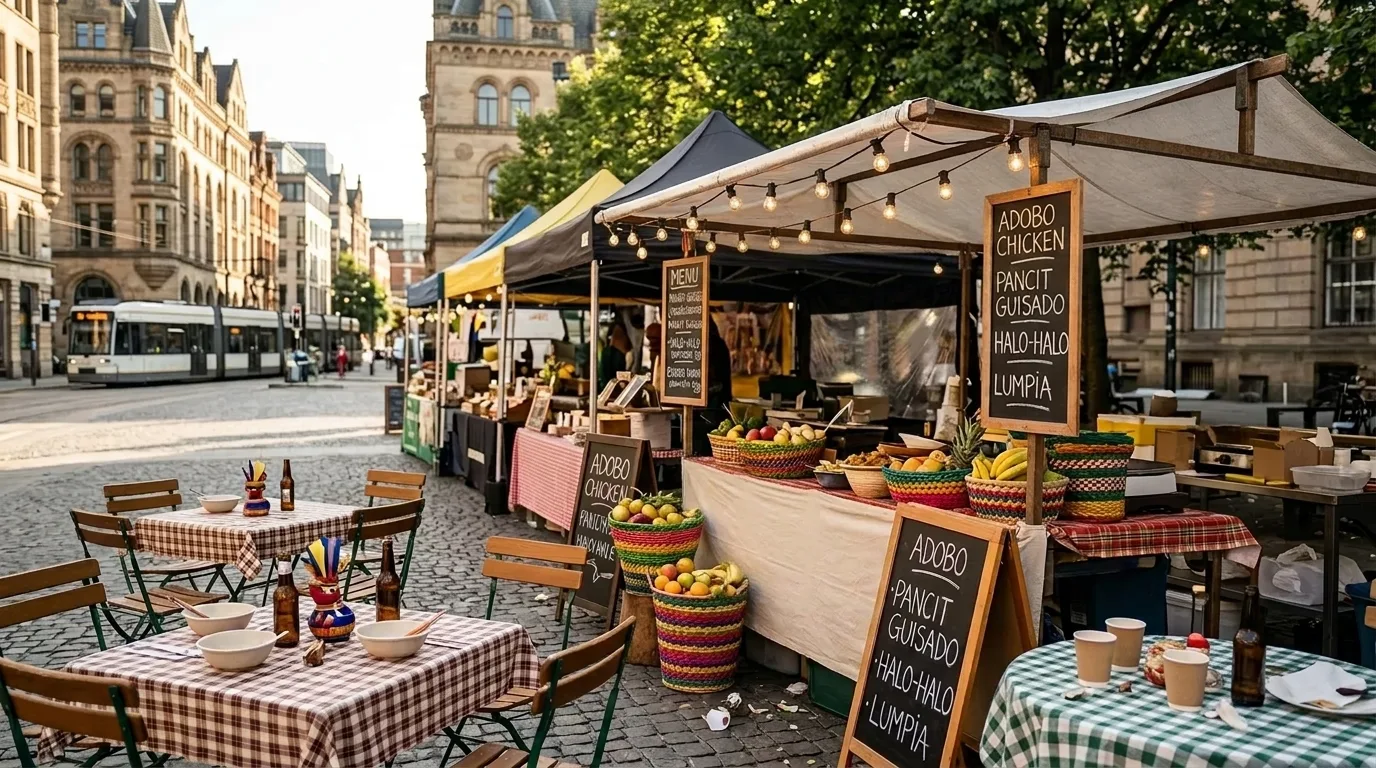
Traditional dishes continue to be among the most popular offerings. Favorites such as adobo, lechon, pancit, lumpia, sinigang, kare-kare, and halo-halo consistently attract interest from first-time visitors and longtime enthusiasts alike. These dishes often serve as introductions to Filipino cuisine and encourage deeper exploration of regional culinary traditions. Vendors and chefs frequently take the opportunity to explain the cultural significance of various dishes, helping visitors understand how food reflects family traditions, celebrations, and community life.
Street food has become another major attraction within Filipino food markets. International visitors are increasingly fascinated by the vibrant and dynamic street food culture that exists throughout the Philippines. Popular items such as barbecue skewers, kwek-kwek, fish balls, banana cue, turon, and other snacks provide opportunities for visitors to experience flavors commonly enjoyed in local communities. Street food vendors contribute to the lively atmosphere of food markets while highlighting the creativity and accessibility of Filipino culinary traditions.
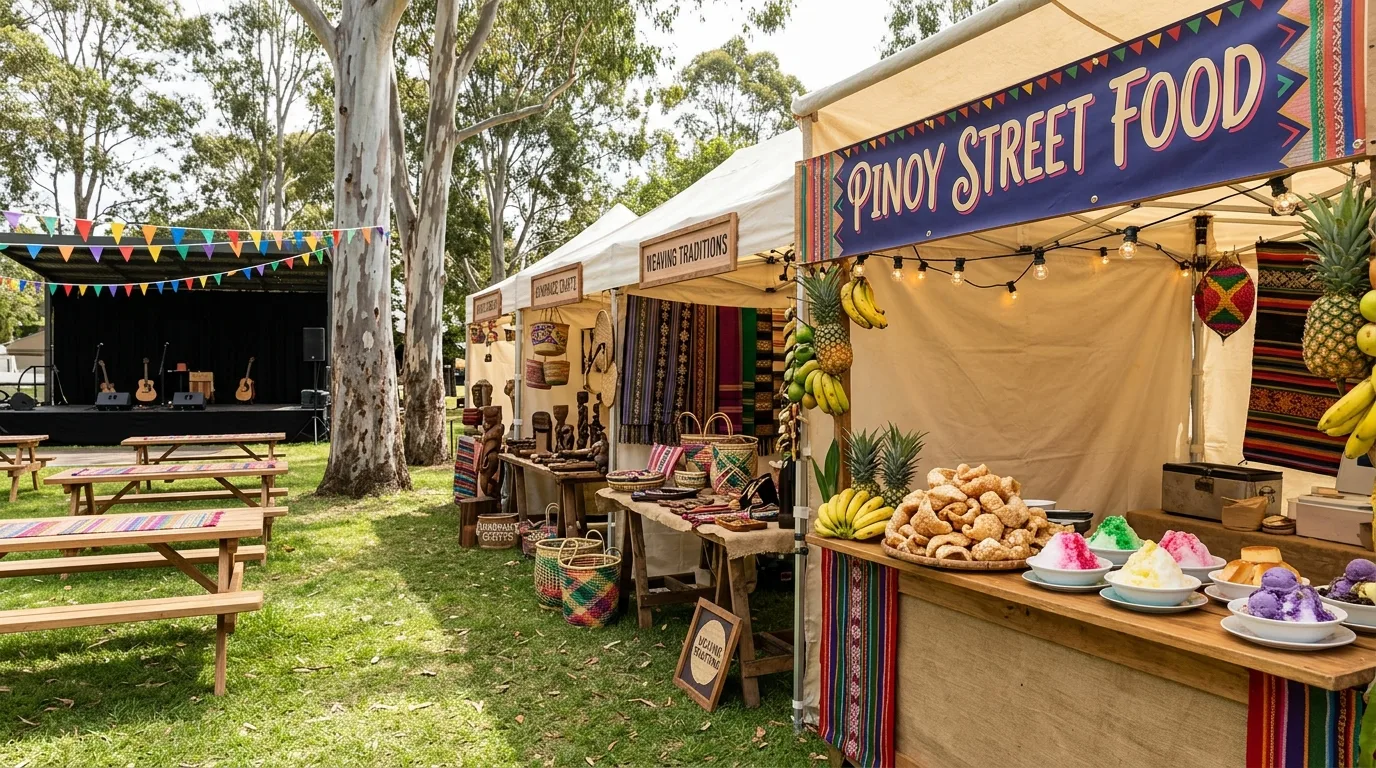
The role of food markets extends beyond serving meals. Many events function as cultural hubs where visitors can engage with various aspects of Philippine heritage. Cultural performances, cooking demonstrations, traditional music, dance presentations, and educational exhibits are frequently incorporated into market activities. Organizers recognize that food serves as a gateway to broader cultural understanding and often create programs that allow visitors to explore multiple dimensions of Filipino identity.
International food enthusiasts increasingly value authenticity in their culinary experiences. Rather than simply tasting dishes, many seek opportunities to understand the origins, ingredients, preparation methods, and cultural contexts behind the food they consume. Filipino food markets are particularly well-positioned to meet this demand because they often emphasize direct interaction between producers and consumers. Visitors can ask questions, hear personal stories, and gain insights that enhance their appreciation of Filipino culinary traditions.
The growth of social media has played a significant role in expanding interest in Filipino food markets. Images and videos showcasing colorful dishes, vibrant market environments, cooking demonstrations, and cultural celebrations frequently attract substantial online engagement. Food bloggers, travel influencers, culinary journalists, and content creators have contributed to raising awareness of Filipino cuisine among global audiences. Their content often inspires viewers to seek out food markets and cultural events where they can experience these flavors firsthand.
Many food markets are organized by overseas Filipino communities that are committed to preserving and promoting their cultural heritage. These events provide opportunities for community members to share traditions with younger generations while introducing local audiences to Philippine culture. Organizers often view food markets as important cultural preservation initiatives because they create spaces where traditions can be celebrated, shared, and passed on. Through food, communities maintain strong connections to their roots while fostering intercultural understanding.
Entrepreneurs and small business owners have benefited significantly from the growing popularity of Filipino food markets. Vendors gain opportunities to introduce products, build customer relationships, and expand their businesses. Many successful food businesses trace their origins to community food markets and cultural festivals where they first connected with broader audiences. Food markets serve as valuable platforms for innovation, allowing entrepreneurs to showcase both traditional recipes and modern interpretations of Filipino cuisine.
The economic impact of food markets extends beyond individual vendors. Local suppliers, farmers, artisans, event organizers, performers, and service providers often benefit from increased activity associated with culinary events. Community leaders frequently emphasize that food markets contribute to local economic development while supporting cultural preservation and community engagement. These events create opportunities for collaboration among diverse stakeholders who share an interest in promoting Filipino culture.
Culinary tourism has emerged as another important factor driving interest in Filipino food markets. Travelers increasingly seek food-centered experiences that allow them to explore destinations through local cuisine. Many visitors who attend Filipino food markets abroad develop a stronger interest in visiting the Philippines itself. Tourism advocates recognize that food serves as one of the country's most powerful cultural ambassadors and often view international food markets as extensions of broader tourism promotion efforts.
Educational opportunities are also an important component of many food market experiences. Cooking demonstrations, ingredient showcases, culinary workshops, and cultural presentations help visitors gain deeper understanding of Philippine food traditions. Chefs and culinary experts frequently use these platforms to discuss regional cuisines, historical influences, and emerging trends within Filipino gastronomy. Educational programming helps transform food markets into spaces for learning as well as enjoyment.
The diversity of attendees reflects the broad appeal of Filipino food markets. While many visitors have Filipino heritage, growing numbers come from different cultural backgrounds. Families, students, tourists, professionals, and culinary enthusiasts all contribute to the vibrant atmosphere of these events. Organizers note that food markets often serve as entry points for individuals interested in learning more about Philippine culture and community life.
The increasing recognition of Filipino cuisine aligns with broader trends in global dining. Consumers are showing greater interest in diverse culinary traditions and authentic cultural experiences. Filipino cuisine's emphasis on bold flavors, communal dining, creativity, and cultural storytelling resonates strongly with contemporary food enthusiasts seeking meaningful culinary exploration. Food markets provide ideal settings for experiencing these qualities in accessible and engaging ways.
Sustainability and support for local producers are becoming increasingly important themes within food market development. Many organizers emphasize locally sourced ingredients, traditional production methods, and environmentally responsible practices. These efforts align with broader consumer interests in sustainability while supporting the preservation of traditional agricultural and culinary knowledge.
Looking ahead, industry observers anticipate continued growth in the popularity of Filipino food markets. Rising global awareness of Philippine cuisine, increasing participation from younger generations, expanding digital engagement, and strong community support provide favorable conditions for future expansion. Organizers are exploring new formats, partnerships, and experiences that will help attract even broader audiences while preserving cultural authenticity.
The future of Filipino food markets appears especially promising as culinary tourism and cultural exploration continue gaining importance worldwide. Communities are increasingly recognizing food as a powerful tool for cultural preservation, education, economic development, and international engagement. Through food markets, Filipino traditions remain accessible and relevant while reaching new audiences across different regions of the world.
Ultimately, the growing popularity of Filipino food markets among international food enthusiasts demonstrates the universal appeal of food as a means of connection, discovery, and cultural exchange. These markets offer far more than meals; they provide opportunities to experience the stories, traditions, values, and creativity that define Filipino culture. Every dish served, every recipe shared, and every conversation started contributes to a broader appreciation of the Philippines and its people.
As more international visitors embrace Filipino culinary experiences, food markets are helping position Philippine cuisine as an increasingly influential presence within the global food landscape. Through their commitment to authenticity, hospitality, and cultural storytelling, these markets continue to showcase the best of Filipino culinary heritage while inspiring new generations of food lovers to explore the richness and diversity of Philippine culture.
Enjoyed this story?
Share this story