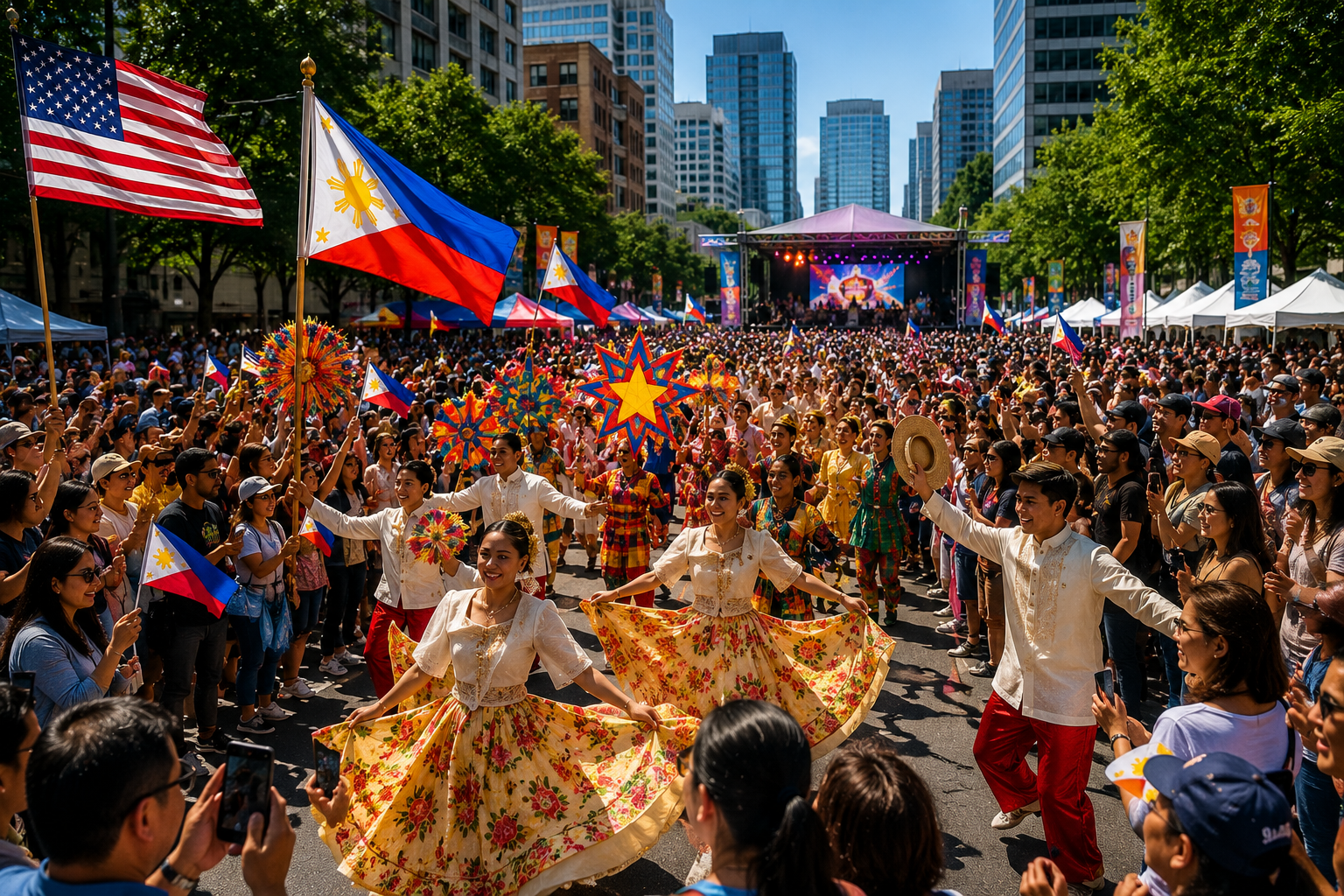
Filipino Heritage Festivals Attract Record Crowds Across North America
Share
June 14, 2026
Updated Oct 15, 2026
8 min read
268 views
MANILA, Philippines — Filipino heritage festivals across North America are experiencing unprecedented growth as record numbers of attendees participate in celebrations highlighting Philippine culture, traditions, cuisine, music, and community spirit. From major metropolitan centers in the United States and Canada to rapidly growing Filipino communities in smaller cities, these festivals are attracting diverse audiences and strengthening cultural ties among overseas Filipinos while introducing broader communities to the richness and diversity of Philippine heritage.
Community leaders and festival organizers report that attendance at many Filipino cultural events has increased significantly in recent years. What began decades ago as relatively modest gatherings organized by local Filipino associations have evolved into large-scale cultural celebrations drawing thousands of participants, visitors, performers, exhibitors, and community partners. The growth reflects both the expanding Filipino population across North America and increasing interest among non-Filipino audiences who are eager to experience authentic cultural traditions and community celebrations.
The popularity of Filipino heritage festivals is rooted in the strong desire of overseas Filipinos to preserve cultural identity while sharing their traditions with future generations. For many immigrant families, cultural festivals provide opportunities to reconnect with their roots, celebrate shared histories, and maintain traditions that might otherwise become less visible over time. Organizers note that these events help strengthen community bonds while ensuring that younger generations remain connected to the values, customs, and stories that form an important part of their cultural identity.
One of the most visible attractions at these festivals is the presentation of traditional Filipino performing arts. Folk dances representing various regions of the Philippines continue to captivate audiences through colorful costumes, intricate choreography, and storytelling rooted in centuries of cultural history. Dance groups often spend months preparing for performances, carefully preserving traditional movements while introducing audiences to the unique customs and heritage of different Philippine communities. Festival attendees frequently describe these performances as among the most memorable and educational aspects of the celebrations.
Music also plays a central role in festival programming. Filipino musicians, choirs, bands, and cultural ensembles bring energy and excitement to events while showcasing the country's rich musical traditions. Performances often blend traditional Filipino songs with contemporary music, reflecting both the preservation and evolution of Filipino cultural expression. Organizers emphasize that music serves as a powerful connector, bringing together participants from different generations and backgrounds through shared appreciation of artistic creativity.
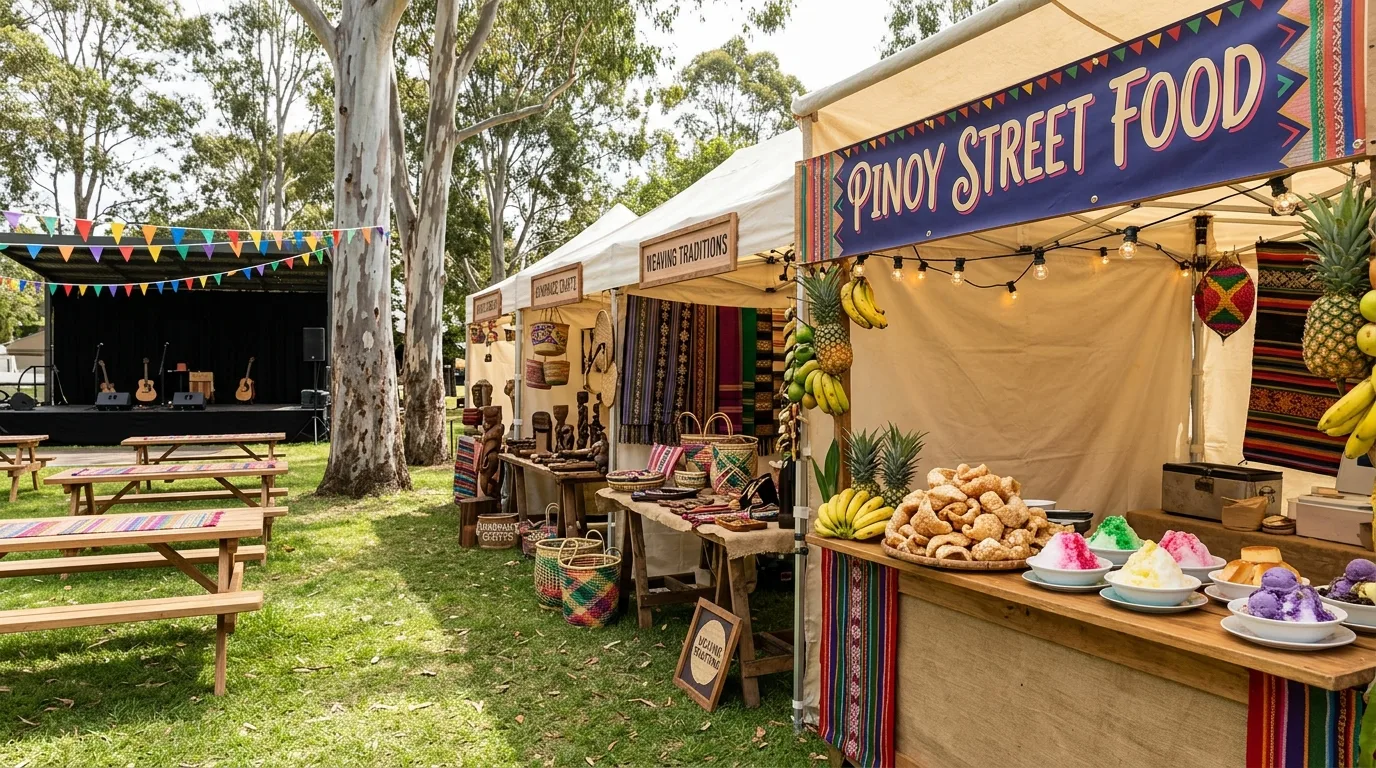
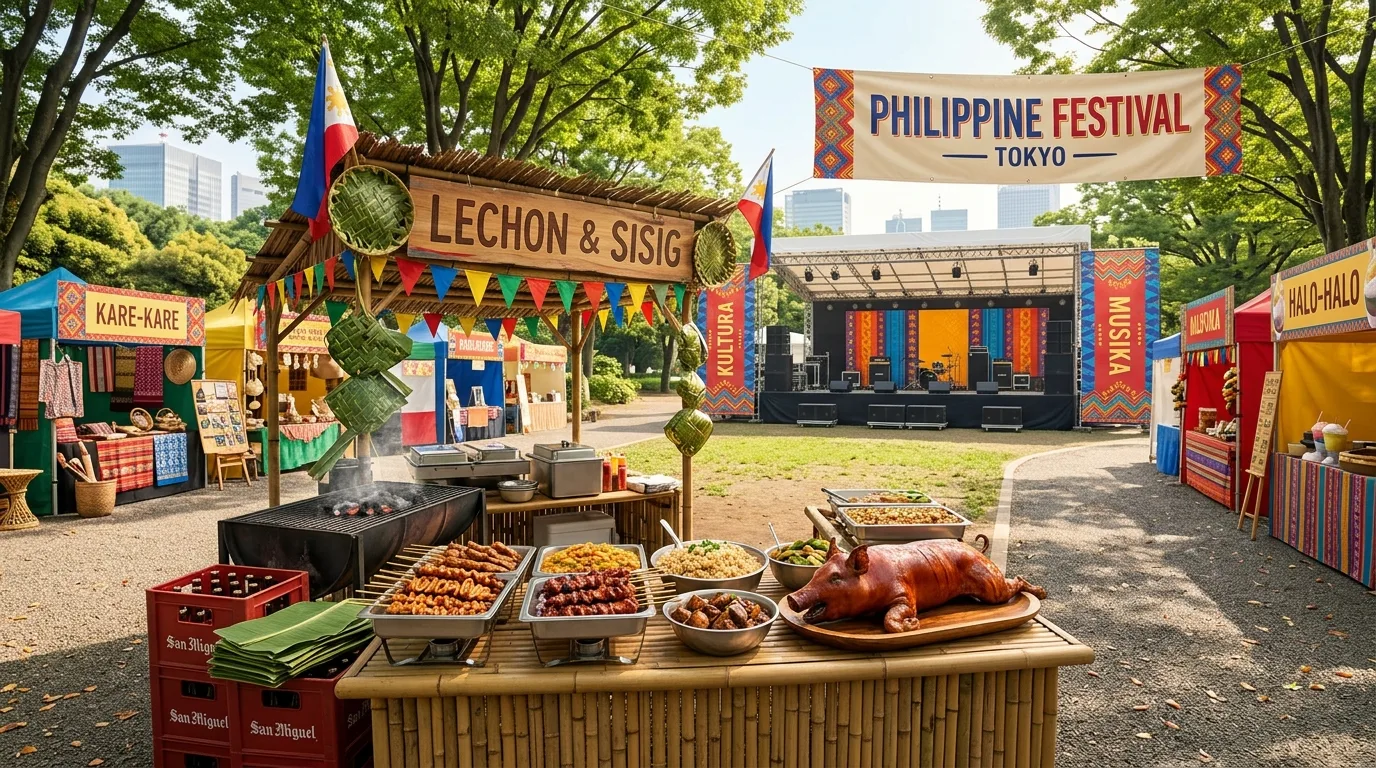
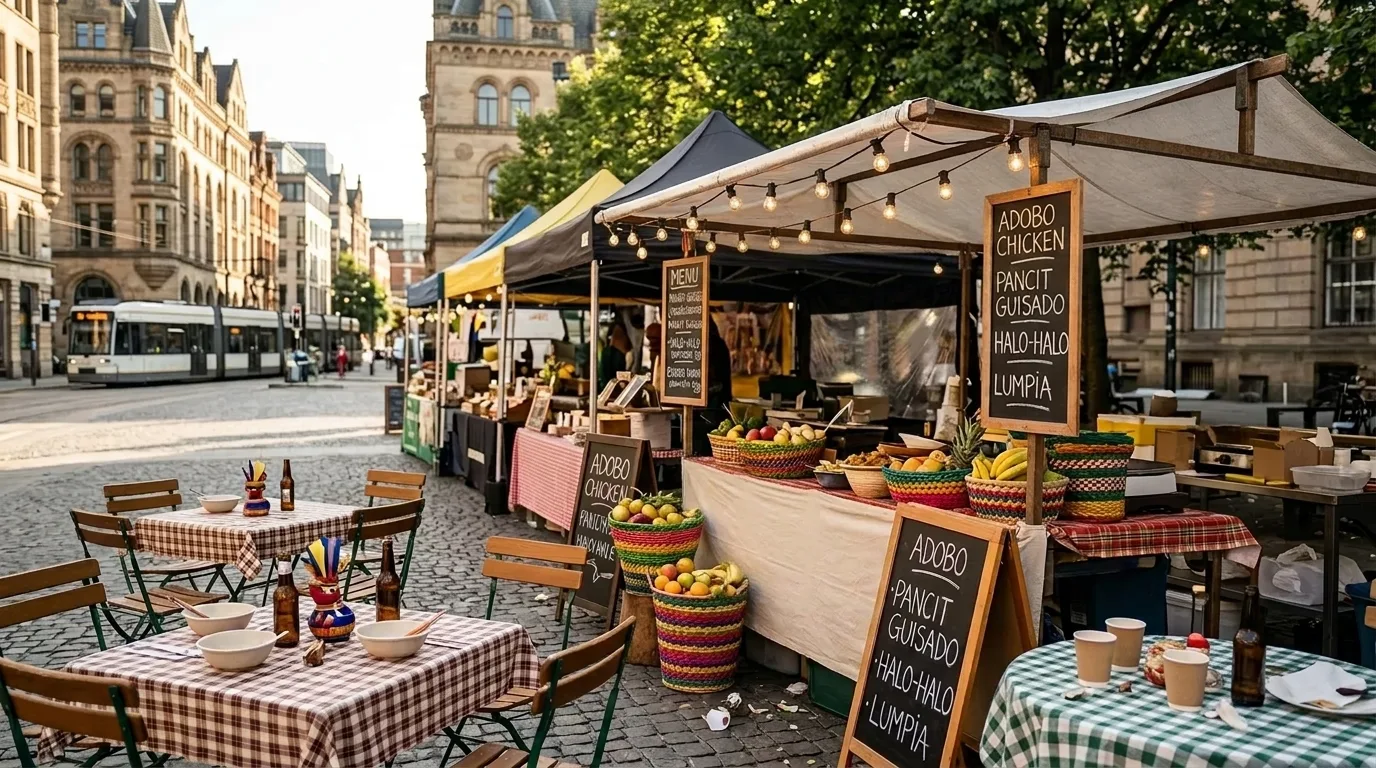
Filipino cuisine has become one of the strongest drivers of festival attendance. Food pavilions, cooking demonstrations, culinary competitions, and cultural dining experiences consistently attract large crowds eager to explore the diverse flavors of Philippine gastronomy. From beloved traditional dishes to regional specialties and modern culinary innovations, food presentations provide visitors with engaging introductions to Filipino culture. Festival organizers frequently note that food serves as an effective cultural ambassador, encouraging curiosity and appreciation among first-time visitors.
The growing international recognition of Filipino cuisine has contributed significantly to the success of heritage festivals. As Filipino restaurants, chefs, and culinary entrepreneurs gain visibility across North America, interest in learning more about Philippine food traditions continues to expand. Many visitors attend festivals specifically to explore authentic Filipino dishes, while others discover culinary experiences that inspire future visits to Filipino restaurants and cultural events throughout the year.
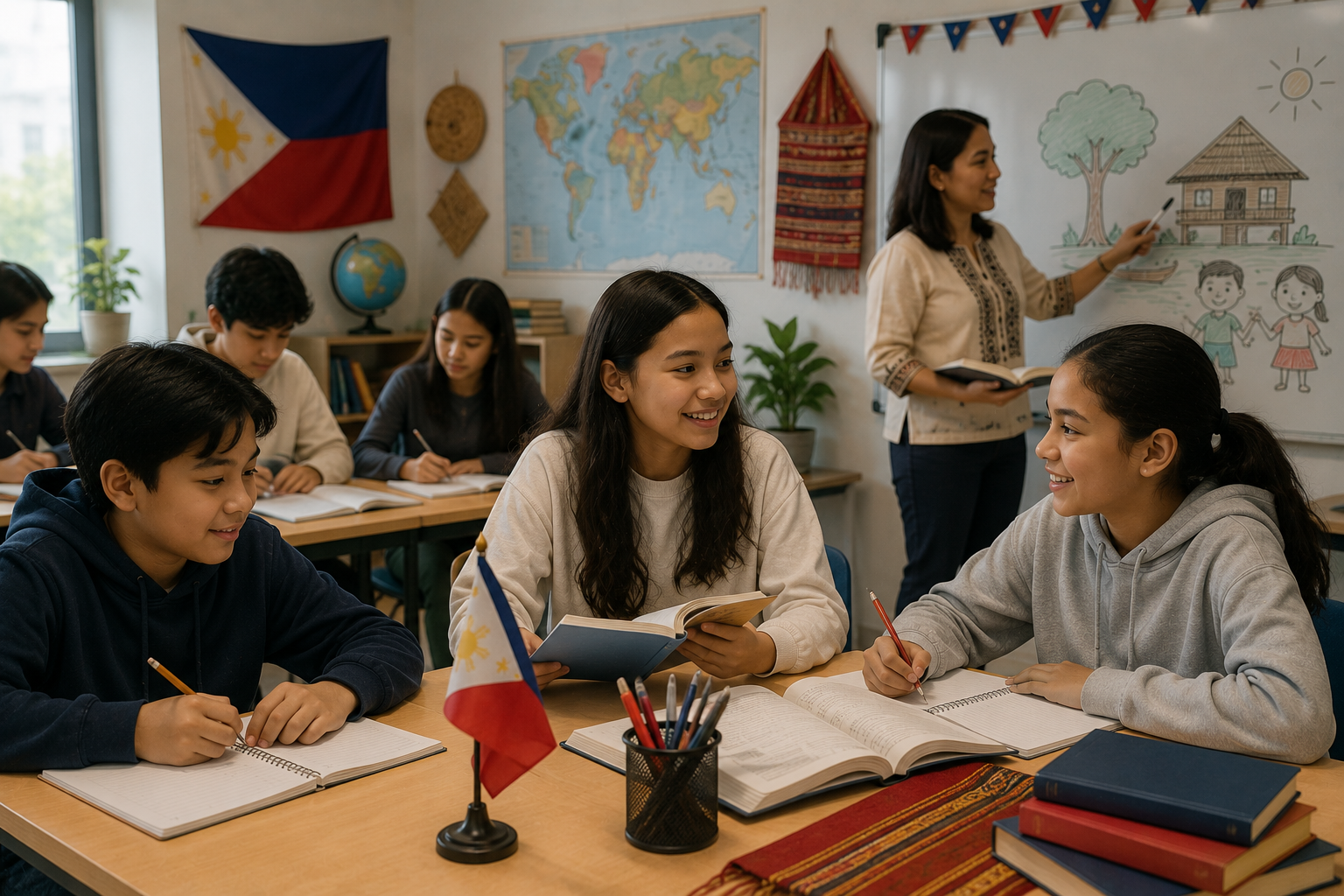
Beyond food and entertainment, many festivals have expanded their educational programming to provide deeper cultural experiences. Historical exhibits, language workshops, cultural demonstrations, heritage talks, and interactive displays help visitors gain greater understanding of Philippine history, indigenous traditions, and regional diversity. Organizers believe that educational components are essential for ensuring that festivals serve as meaningful cultural experiences rather than solely entertainment events.
The involvement of younger generations has become one of the most encouraging developments within Filipino heritage festivals. Filipino-American and Filipino-Canadian youth organizations increasingly take active roles in event planning, volunteer coordination, cultural performances, social media promotion, and community outreach. Their participation brings fresh perspectives and innovative approaches that help keep cultural celebrations relevant while encouraging long-term community engagement. Community leaders view youth involvement as critical for ensuring the continued vitality of Filipino cultural traditions abroad.
Technology has further expanded the influence of heritage festivals throughout North America. Social media platforms, livestream broadcasts, digital storytelling projects, and online promotional campaigns enable organizers to reach broader audiences than ever before. Through digital engagement, cultural events can attract participants from neighboring cities, states, and provinces while extending their visibility to global audiences interested in Filipino culture. Organizers report that online promotion has become an essential tool for increasing attendance and strengthening community connections.
Many festivals also serve as platforms for recognizing the achievements and contributions of Filipino communities in North America. Community leaders, healthcare professionals, educators, entrepreneurs, artists, public servants, and volunteers are often honored during celebrations for their dedication and accomplishments. These recognitions help reinforce community pride while inspiring younger generations to pursue leadership and service within their own communities.
The value of bayanihan remains evident throughout the organization and execution of heritage festivals. Volunteers frequently dedicate hundreds of hours to planning events, coordinating logistics, managing cultural programs, and supporting attendees. Their efforts demonstrate the enduring importance of collective action and mutual support within Filipino communities. Organizers consistently describe volunteerism as one of the key factors behind the success and sustainability of cultural celebrations.
Partnerships with local governments, educational institutions, cultural organizations, and community groups have contributed significantly to the growth of Filipino heritage festivals. These collaborations provide access to venues, funding opportunities, promotional support, and educational resources that help expand programming and improve event quality. Community leaders emphasize that strong partnerships create opportunities for broader cultural exchange while strengthening relationships between Filipino communities and the wider public.
The economic impact of heritage festivals is also becoming increasingly significant. Local businesses, food vendors, artisans, performers, and entrepreneurs benefit from opportunities to showcase products and services to large audiences. Festival-related tourism generates additional economic activity for hotels, restaurants, transportation providers, and other local businesses. Organizers note that cultural celebrations create value not only for participants but also for the communities that host them.
Many heritage festivals now include programs focused on philanthropy and community service. Charity drives, scholarship fundraisers, disaster relief campaigns, and community outreach initiatives are often incorporated into festival activities. These efforts reflect the Filipino tradition of giving back and demonstrate how cultural celebrations can serve broader social and humanitarian goals. Community advocates believe that combining cultural preservation with community service strengthens the overall impact of these events.
Cultural tourism experts have observed that heritage festivals increasingly contribute to positive perceptions of the Philippines and Filipino communities worldwide. Visitors who attend festivals often leave with greater appreciation for Philippine culture and stronger interest in learning more about the country. Some become interested in traveling to the Philippines, exploring its regions, experiencing local festivals, and discovering the cultural traditions they first encountered at overseas events.
The diversity represented within Filipino heritage festivals reflects the multicultural nature of Philippine society itself. Exhibits and performances frequently highlight traditions from Luzon, Visayas, and Mindanao, showcasing the country's linguistic, ethnic, and regional diversity. Organizers emphasize that representing multiple cultural perspectives helps audiences gain a more comprehensive understanding of Philippine heritage while celebrating the country's rich cultural landscape.
The increasing attendance at heritage festivals also demonstrates the growing visibility of Filipino communities within North American society. Filipino culture is becoming more widely recognized and appreciated through contributions in business, healthcare, education, arts, public service, and community leadership. Cultural festivals provide opportunities to celebrate these contributions while reinforcing positive representations of Filipino identity and achievement.
As communities continue to grow and evolve, festival organizers are exploring new ways to enhance visitor experiences through interactive exhibits, expanded youth programming, digital engagement strategies, and multicultural collaborations. These innovations are designed to ensure that festivals remain dynamic, accessible, and relevant while preserving the traditions that make them meaningful.
Looking ahead, organizers anticipate continued growth in attendance and participation as interest in Filipino culture expands across North America. New partnerships, broader community engagement, and increased support from cultural institutions are expected to further strengthen the reach and impact of heritage festivals. Community leaders remain committed to creating inclusive celebrations that honor tradition while embracing innovation and diversity.
Ultimately, the record-breaking success of Filipino heritage festivals across North America reflects the enduring strength of Filipino identity and the universal appeal of cultural celebration. Through music, dance, food, education, art, and community engagement, these festivals provide meaningful opportunities for people from all backgrounds to connect, learn, and celebrate together.
As Filipino heritage continues to gain recognition on the international stage, these festivals stand as vibrant expressions of pride, resilience, and unity. They serve as reminders that culture remains one of the most powerful forces for bringing communities together, preserving traditions, and building bridges of understanding across generations and borders. Through their continued growth and success, Filipino heritage festivals are ensuring that the stories, traditions, and values of the Filipino people remain alive and thriving for years to come.
Enjoyed this story?
Share this story