Filipino Heritage Festivals Grow in Popularity Across Australia and New Zealand
Share
June 09, 2026
Updated Oct 14, 2026
7 min read
350 views
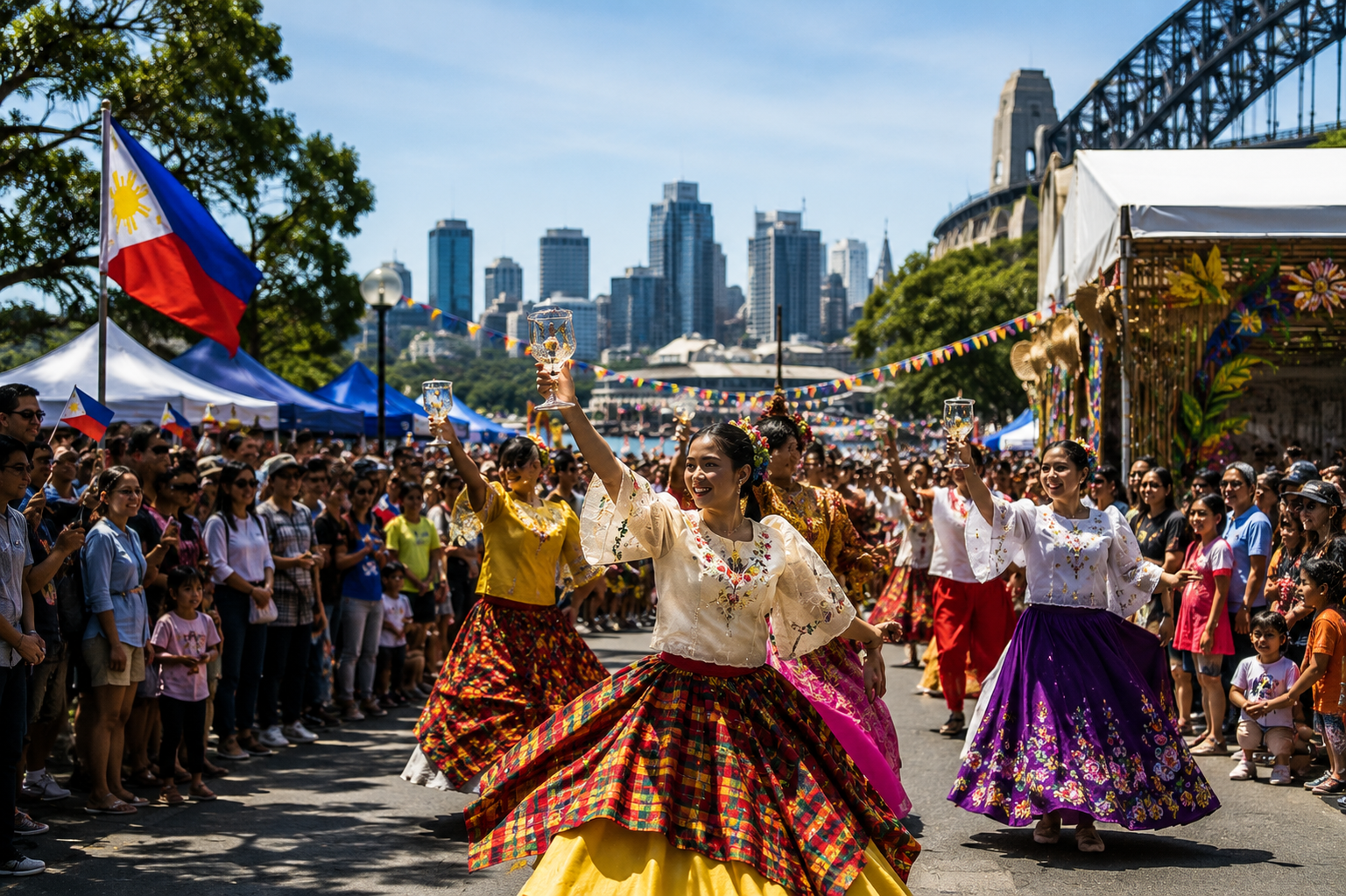
MANILA, Philippines — Filipino Heritage Festivals are experiencing remarkable growth across Australia and New Zealand as overseas Filipino communities continue to strengthen cultural connections, celebrate their heritage, and share the richness of Philippine traditions with increasingly diverse audiences. What began as relatively small community gatherings has evolved into large-scale cultural events that attract thousands of attendees, including Filipinos, local residents, tourists, cultural enthusiasts, and representatives from various community organizations. These festivals are becoming important annual celebrations that showcase the vibrancy of Filipino culture while reinforcing the strong sense of unity that exists among Filipinos living abroad.
The rising popularity of Filipino Heritage Festivals reflects the continued growth and influence of Filipino communities throughout Australia and New Zealand. Over the years, many Filipinos have established successful careers and businesses while contributing significantly to healthcare, education, engineering, hospitality, technology, construction, public service, and entrepreneurship. As these communities have grown, so too has the desire to preserve cultural traditions and create opportunities for future generations to remain connected to their heritage.
Community leaders describe heritage festivals as essential platforms for cultural preservation. Living in multicultural societies offers many opportunities, but it can also present challenges when it comes to maintaining cultural identity across generations. Heritage festivals provide environments where traditions are actively celebrated, shared, and passed on. Through participation in cultural activities, younger generations gain opportunities to learn about their roots while developing pride in their Filipino identity.
One of the primary attractions of Filipino Heritage Festivals is the celebration of traditional music and dance. Performers from various cultural groups dedicate months of preparation to present folk dances, musical performances, and artistic showcases that reflect the diversity of Philippine culture. Audiences are often captivated by the colorful costumes, dynamic choreography, and historical narratives represented through these performances. Organizers note that traditional cultural presentations remain among the most anticipated features of festival programs each year.
The Philippines is home to a rich variety of cultural traditions shaped by centuries of history and regional diversity. Heritage festivals often highlight these differences by showcasing dances, music, customs, and artistic expressions from various parts of the country. Through these presentations, attendees gain a deeper understanding of the cultural richness that exists throughout the Philippine archipelago. Community leaders believe that this emphasis on diversity helps strengthen appreciation for the many identities that contribute to the broader Filipino experience.
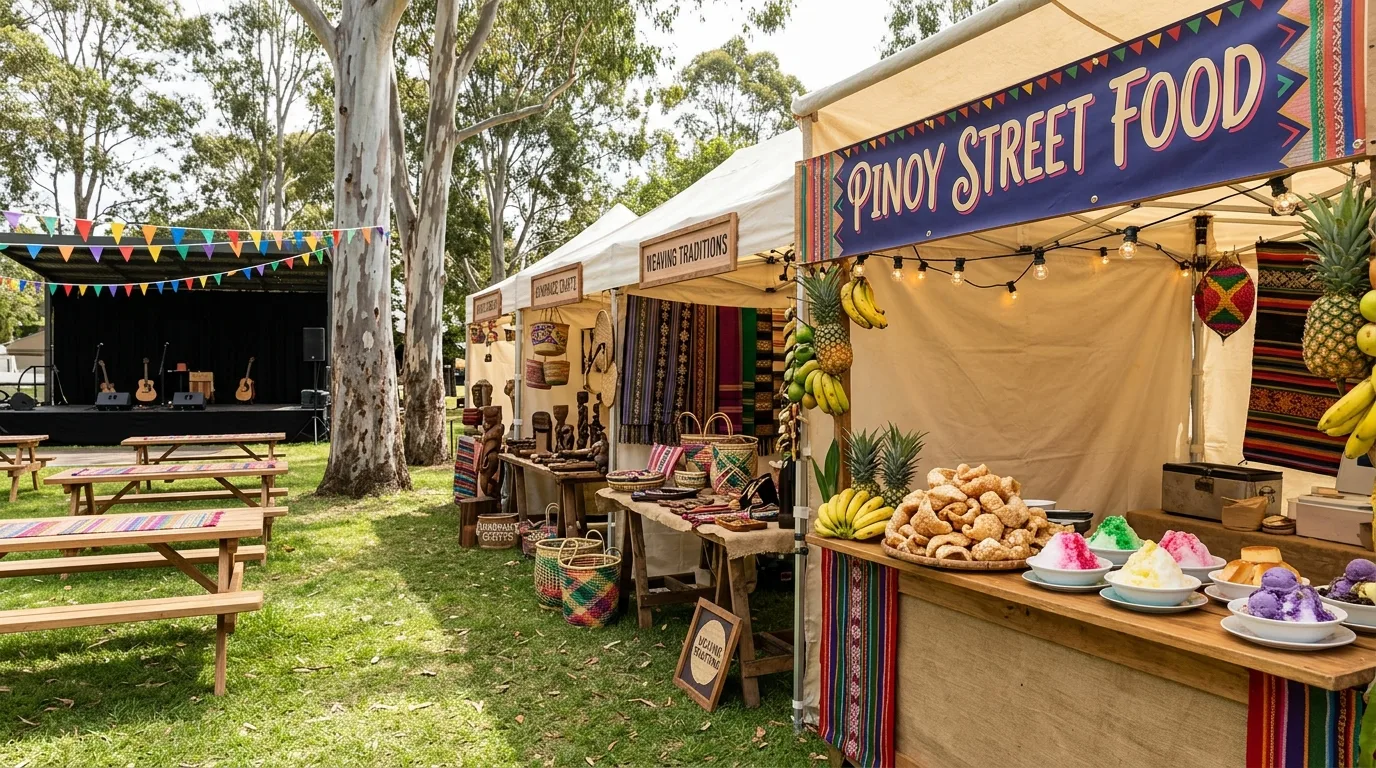
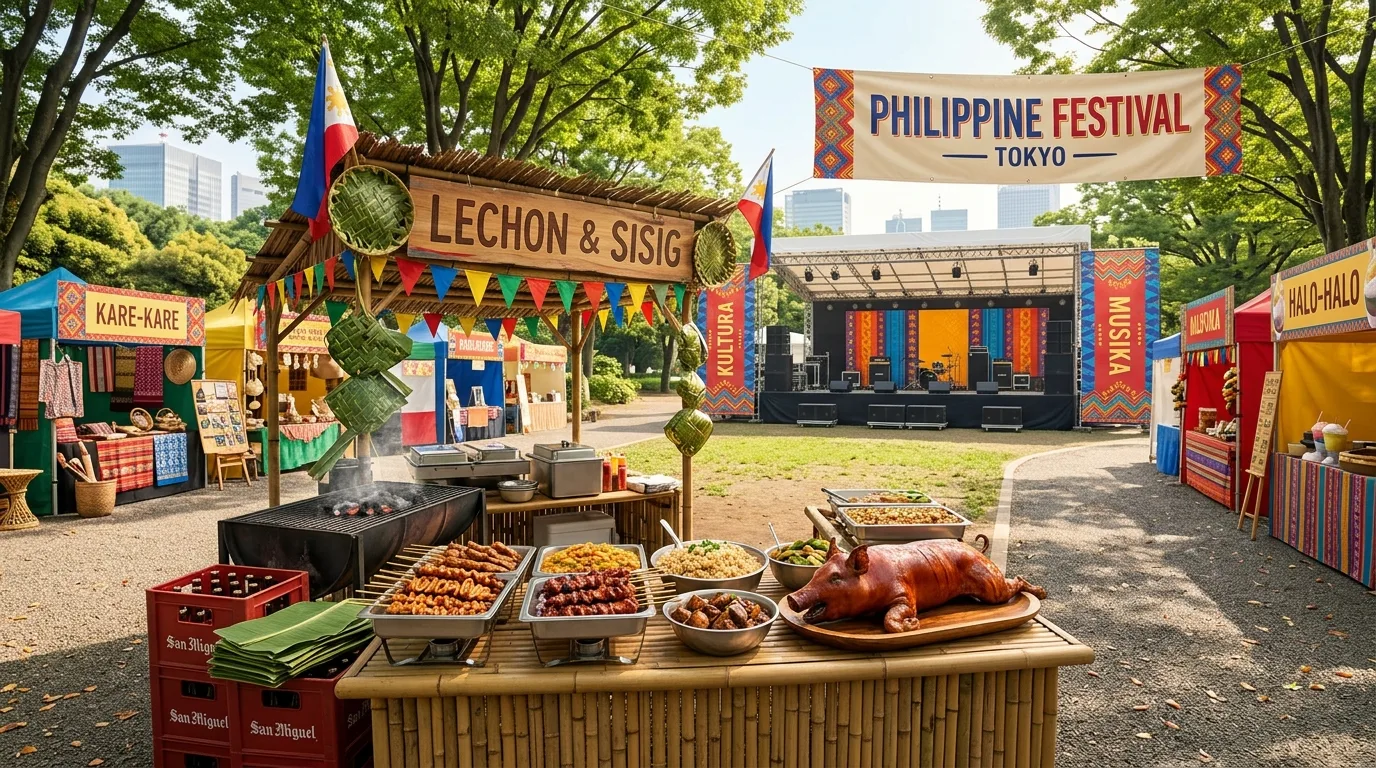
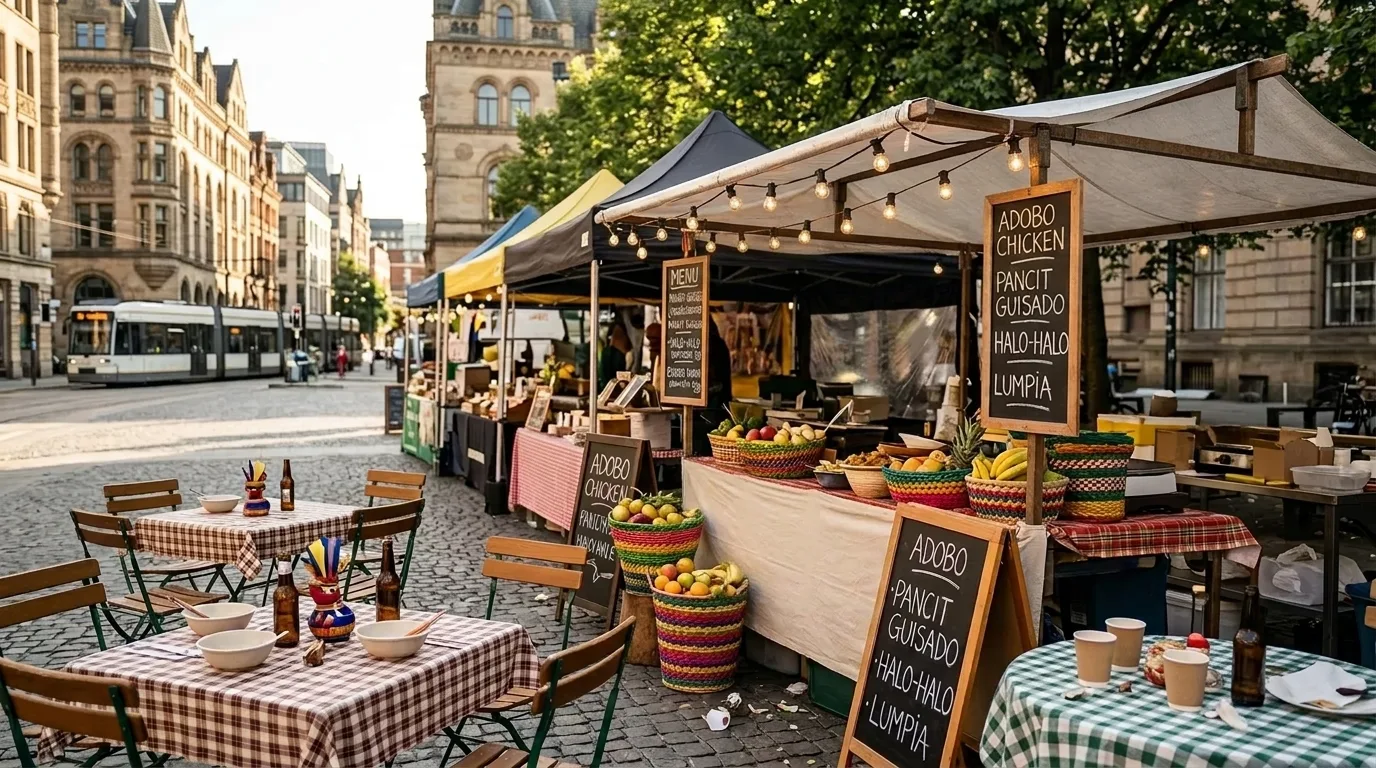
Food has become another major attraction that contributes to the growing popularity of these festivals. Filipino cuisine continues to gain international recognition, and heritage events provide excellent opportunities for visitors to experience both well-known and regional dishes. Food stalls featuring traditional favorites often attract long lines of attendees eager to explore the flavors and culinary traditions of the Philippines. For many participants, food serves as both a cultural experience and a powerful connection to family memories and heritage.
Festival organizers frequently describe food as one of the most effective tools for cultural exchange. Through shared meals and culinary experiences, visitors learn about Filipino traditions, values, and hospitality. Many food vendors take pride in explaining the stories behind their dishes, introducing guests to ingredients, preparation methods, and regional influences that define Philippine cuisine. These interactions help create meaningful cultural connections while expanding appreciation for Filipino culinary heritage.
The growing participation of younger generations has become one of the most encouraging developments within heritage festivals. Many second-generation Filipinos born or raised in Australia and New Zealand are becoming actively involved as performers, volunteers, organizers, and cultural ambassadors. Their participation demonstrates that cultural preservation remains relevant and meaningful even among younger members of the community. Organizers often emphasize that youth engagement is critical for ensuring the long-term sustainability of cultural traditions.
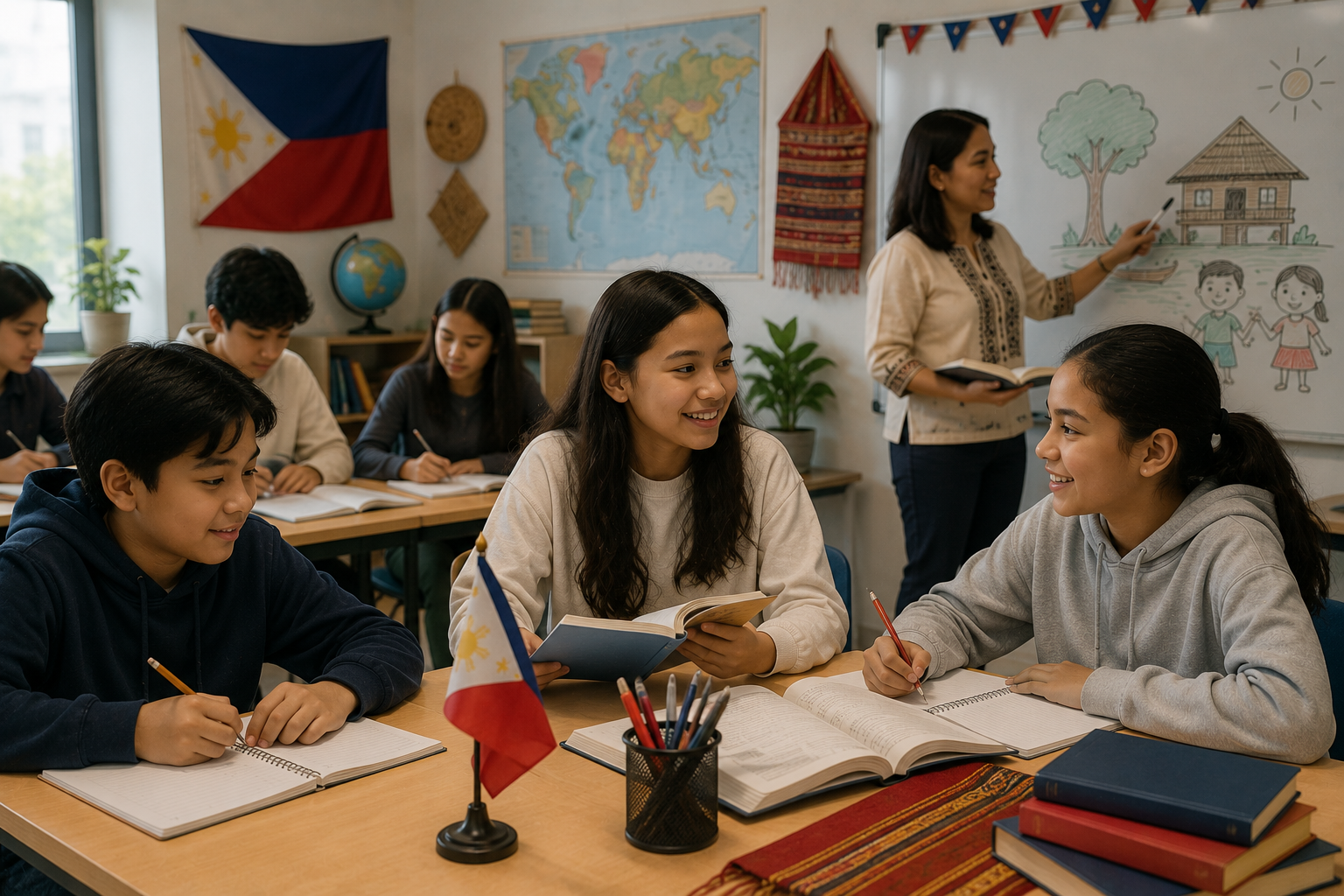
Educational activities have become increasingly important components of festival programming. Heritage exhibits, cultural workshops, language demonstrations, historical displays, and storytelling sessions provide opportunities for attendees to learn more about Philippine history and traditions. These educational initiatives help deepen cultural understanding while encouraging meaningful engagement beyond entertainment. Community leaders believe that education plays a vital role in preserving cultural knowledge and fostering stronger cultural identities.
Many heritage festivals also serve as important community-building events. Families, friends, professionals, students, and community organizations come together to celebrate shared traditions and strengthen relationships. These gatherings create opportunities for social interaction, networking, mentorship, and collaboration. For newly arrived migrants, festivals often provide welcoming environments where they can meet fellow Filipinos and build support networks that contribute to successful integration and community engagement.
The multicultural environments of Australia and New Zealand provide ideal settings for cultural exchange. Heritage festivals frequently attract attendees from diverse backgrounds who are interested in learning about Filipino culture. Organizers view these interactions as valuable opportunities to promote understanding, respect, and appreciation among different communities. Through music, dance, food, art, and education, festivals help foster stronger intercultural relationships while highlighting the positive contributions of Filipino communities.
The increasing popularity of Filipino Heritage Festivals has also contributed to greater visibility for Filipino artists, performers, entrepreneurs, and community leaders. Local talents often use festivals as platforms to showcase their skills and share their work with broader audiences. Community organizations recognize these events as opportunities to support creativity, entrepreneurship, and cultural leadership while celebrating community achievements.
Technology has significantly expanded the reach and impact of heritage festivals. Social media platforms, livestream broadcasts, digital content creation, and online community groups allow events to connect with audiences far beyond physical venues. Festival highlights, performances, and cultural content are often shared widely online, reaching viewers throughout the world. This digital visibility helps promote Philippine culture while strengthening connections among global Filipino communities.
Volunteerism remains one of the defining characteristics of successful heritage festivals. Hundreds of community members often contribute their time, expertise, and resources to organize and manage events. From event planning and logistics to performance coordination and community outreach, volunteers play essential roles in ensuring festival success. Organizers frequently cite the Filipino value of bayanihan as the driving force behind these collaborative efforts.
Many festivals also incorporate charitable initiatives that support community development projects, educational programs, scholarships, and humanitarian efforts. Community leaders believe that cultural celebration and social responsibility can work hand in hand. By combining heritage activities with charitable programs, festivals generate positive impacts that extend beyond entertainment and cultural preservation.
Economic benefits associated with heritage festivals continue to grow as attendance increases. Food vendors, artisans, performers, local businesses, and tourism-related enterprises often benefit from heightened activity during major events. These economic contributions help support community organizations while creating opportunities for entrepreneurship and local business development.
Government agencies, local councils, educational institutions, and cultural organizations have increasingly recognized the value of Filipino Heritage Festivals. Partnerships with these entities provide resources, visibility, and opportunities for broader engagement. Such collaborations contribute to stronger multicultural communities while promoting cultural diversity and inclusion.
The success of these festivals reflects broader trends related to cultural pride and identity among overseas Filipinos. Rather than allowing traditions to fade over time, communities are actively finding innovative ways to celebrate and preserve their heritage. By combining traditional practices with contemporary approaches, organizers are ensuring that festivals remain engaging, relevant, and accessible to evolving audiences.
Looking ahead, community leaders anticipate continued growth in both attendance and programming. Expanded cultural activities, stronger partnerships, increased youth participation, and enhanced digital engagement are expected to further strengthen the influence and impact of heritage festivals throughout Australia and New Zealand. Organizers remain committed to preserving traditions while embracing new opportunities for cultural promotion and community development.
Ultimately, the growing popularity of Filipino Heritage Festivals demonstrates the enduring strength of Filipino culture and the dedication of overseas communities to preserving it. These celebrations serve as powerful reminders that cultural identity remains an important source of pride, belonging, and connection regardless of where people live. Through music, dance, food, education, volunteerism, and community engagement, Filipino communities continue to showcase the richness of their heritage while building stronger relationships across generations and cultures.
As these festivals continue to flourish, they stand as vibrant examples of how culture can unite people, inspire communities, and create meaningful connections that transcend borders. They not only celebrate the traditions of the past but also help shape a future where Filipino heritage remains visible, valued, and proudly shared with the world.
Enjoyed this story?
Share this story