Filipino Heritage Month Celebrations Draw Record Attendance Across North America
Share
June 02, 2026
Updated Oct 15, 2026
7 min read
280 views
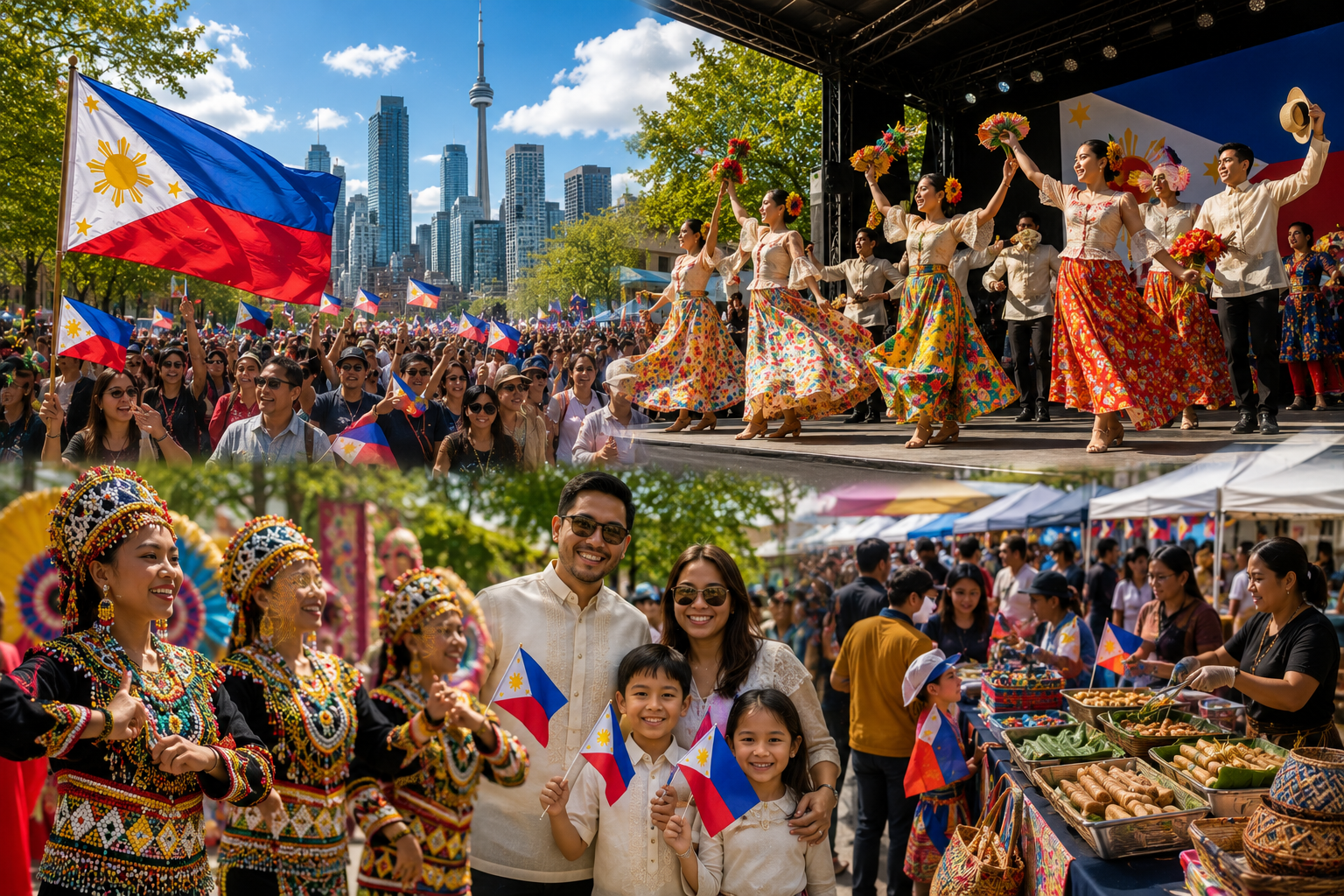
MANILA, Philippines — Filipino Heritage Month celebrations across North America are experiencing unprecedented growth as record-breaking numbers of attendees participate in cultural festivals, educational programs, community gatherings, and heritage events honoring the rich history and contributions of the Filipino people.
From major metropolitan centers in Canada and the United States to growing Filipino communities in smaller cities and regions, this year's celebrations have attracted thousands of participants eager to celebrate Filipino culture, strengthen community connections, and share traditions with broader audiences.
Community leaders describe the surge in attendance as evidence of the growing visibility and influence of Filipino communities throughout North America. They also view it as a reflection of increasing public interest in Filipino culture, cuisine, arts, history, and heritage.
Throughout the month, cities across North America have hosted a wide range of activities including cultural festivals, heritage exhibits, educational seminars, food fairs, musical performances, traditional dance presentations, youth leadership programs, and community service initiatives.
Many events have exceeded previous attendance records, drawing not only members of the Filipino community but also individuals from diverse cultural backgrounds interested in learning more about Philippine traditions and history.
Organizers say the success of these celebrations demonstrates the importance of cultural heritage programs in fostering community pride, cultural preservation, and intercultural understanding.
Filipino Heritage Month has become an increasingly significant annual observance for overseas Filipinos. It provides opportunities to honor the journeys, achievements, and contributions of generations of Filipinos who have helped shape communities across North America.
For many participants, the celebrations are deeply personal. They represent opportunities to reconnect with cultural roots, share traditions with younger generations, and celebrate a collective identity that transcends geography.
Community leaders note that the observance has evolved significantly over the years.
What began as localized community events organized by Filipino associations has expanded into large-scale cultural initiatives supported by educational institutions, local governments, multicultural organizations, businesses, and community partners.
Today, Filipino Heritage Month is recognized as an important cultural celebration in many cities and regions throughout North America.
One of the major highlights of this year's celebrations has been the extensive lineup of cultural performances.
Dance groups, musicians, choirs, theater performers, and cultural organizations have presented programs showcasing the diversity and richness of Philippine traditions.
Audiences have been treated to traditional folk dances, contemporary cultural performances, indigenous-inspired presentations, and musical showcases that reflect the country's vibrant artistic heritage.
Performers often spend months preparing for these events, investing significant time and effort to ensure that presentations accurately represent Filipino culture while engaging modern audiences.
Community leaders emphasize that these performances play an essential role in preserving cultural traditions.
By introducing younger generations to traditional arts, organizers help ensure that cultural knowledge continues to be passed down despite the challenges of living far from the Philippines.
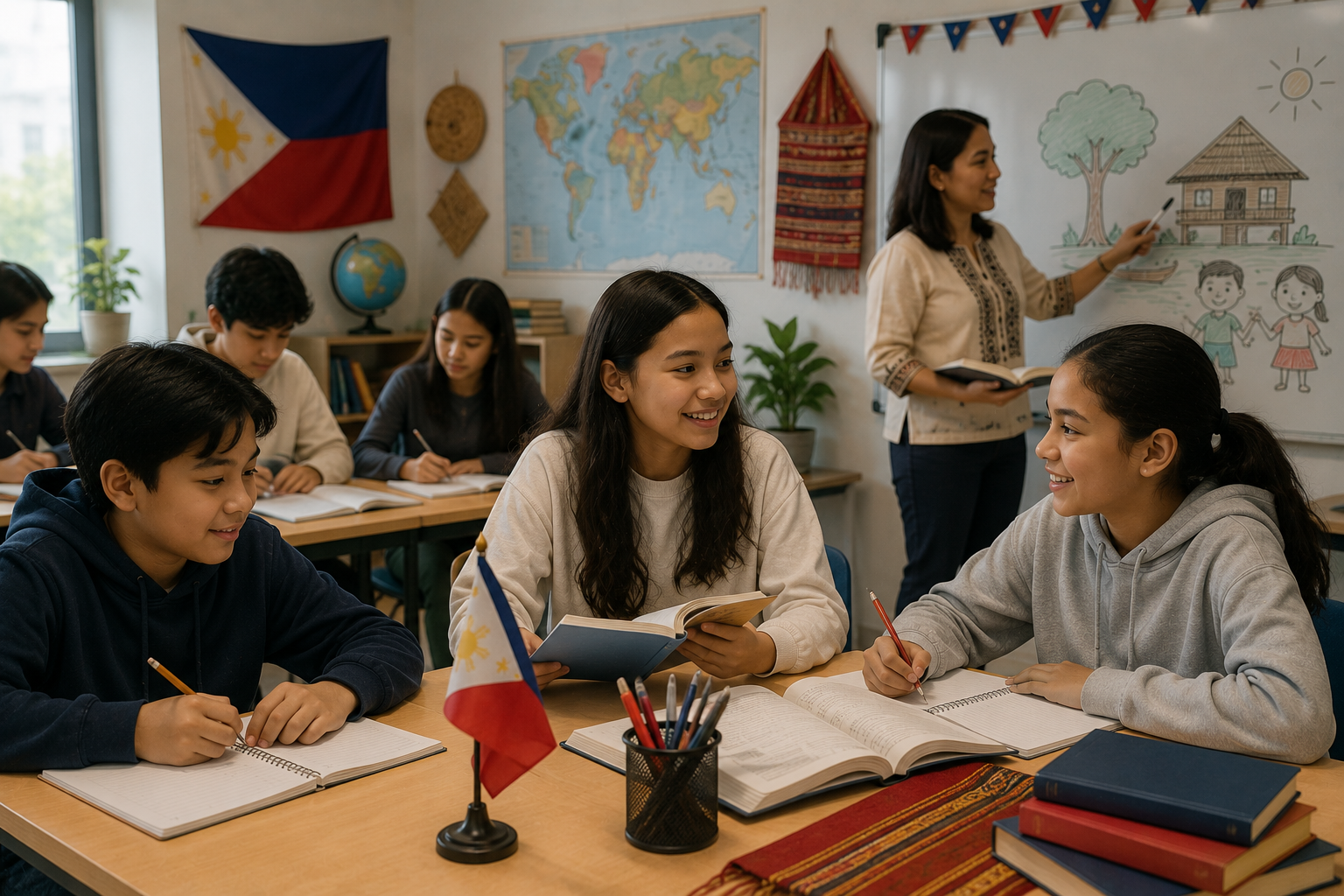
Youth participation has become a central focus of many Filipino Heritage Month programs.
Schools, student organizations, and youth groups actively participate in cultural activities designed to deepen understanding of Filipino history, values, and traditions.
Workshops, educational exhibits, leadership programs, and mentorship opportunities encourage young Filipinos to embrace their heritage while developing skills that prepare them for future leadership roles.
Many organizers view youth engagement as one of the most important investments communities can make.
By fostering cultural awareness among younger generations, they help ensure that traditions remain vibrant and relevant in rapidly changing societies.
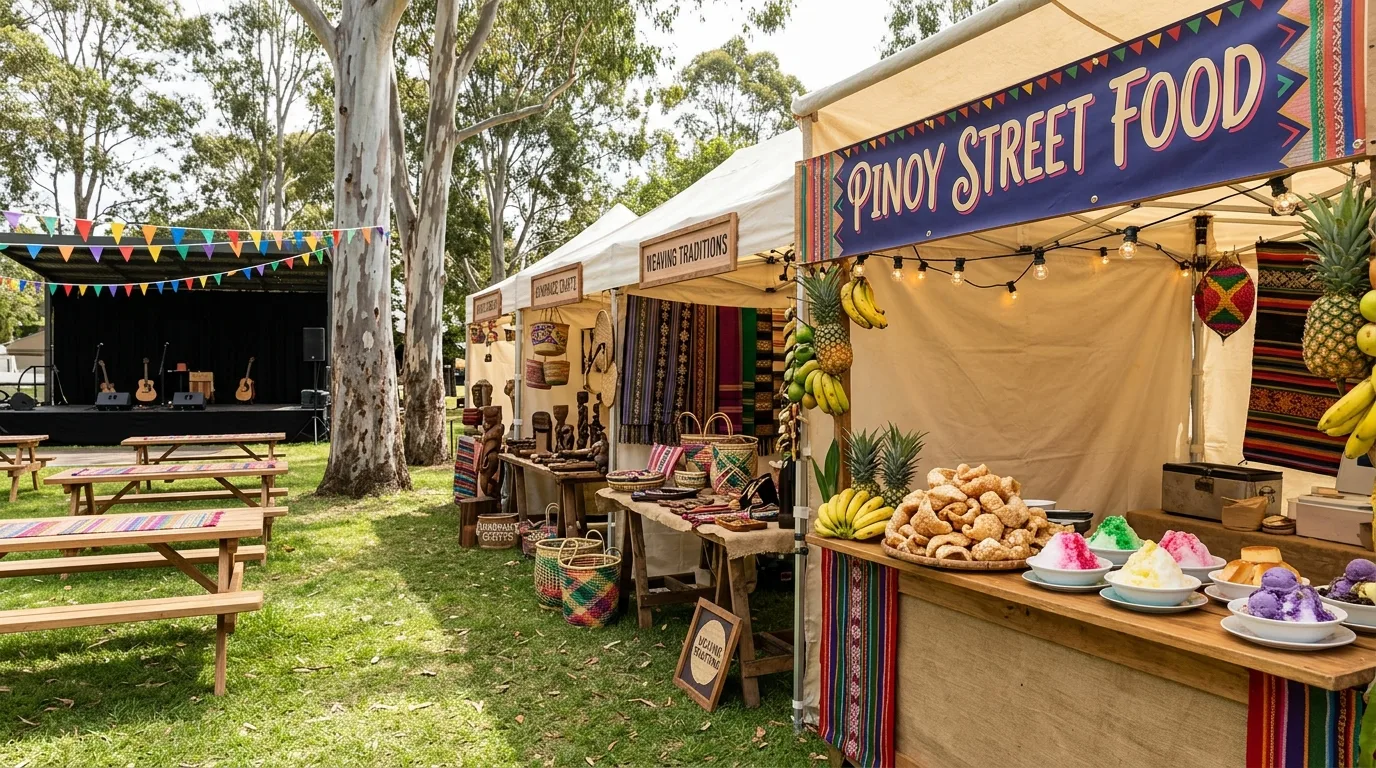
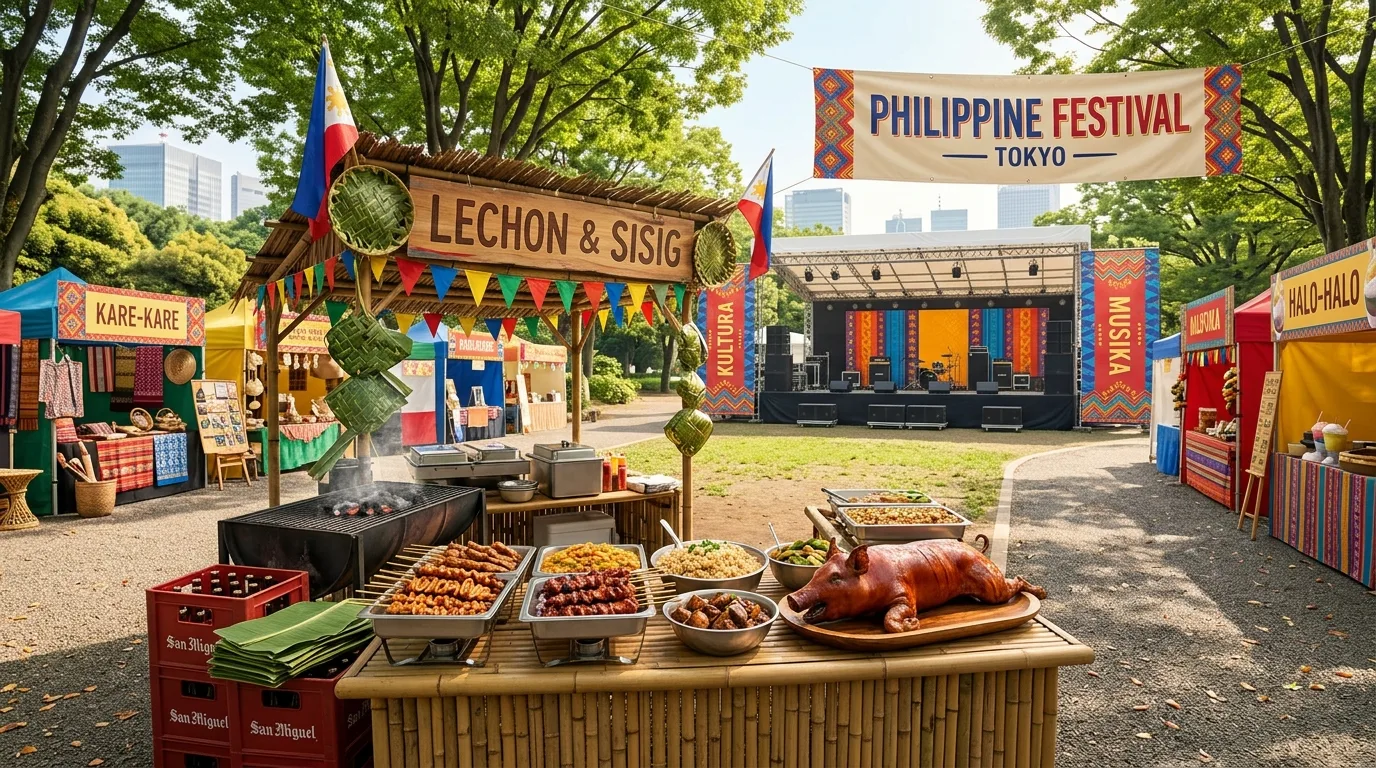
Food has also played a prominent role in this year's celebrations.
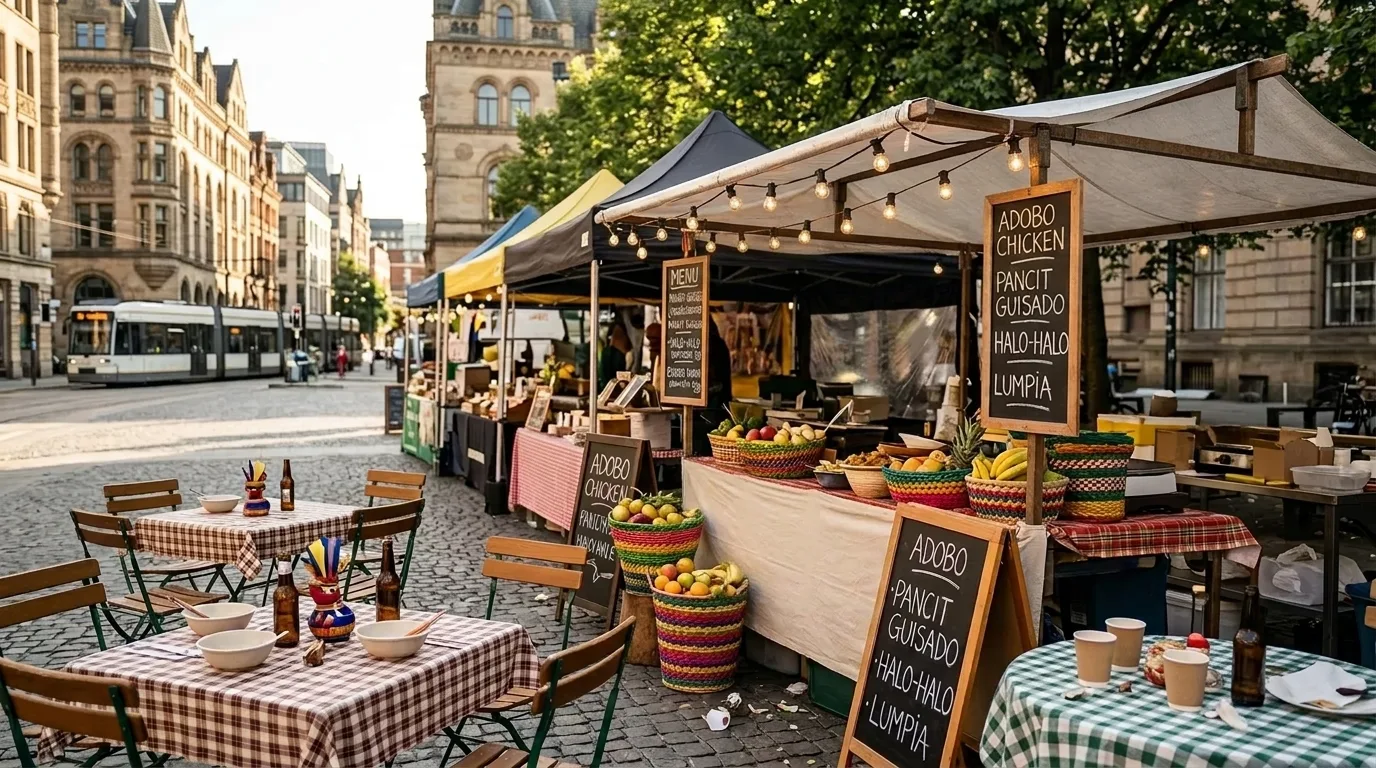
Filipino food festivals and culinary showcases have attracted large crowds eager to experience authentic Philippine cuisine.
Popular dishes such as adobo, lechon, pancit, lumpia, sisig, kare-kare, halo-halo, bibingka, and regional specialties have become major attractions at community events.
Visitors often describe food as one of the most accessible and enjoyable ways to experience Filipino culture.
Food vendors, restaurants, and entrepreneurs report strong interest from both Filipino and non-Filipino attendees seeking to explore the country's diverse culinary traditions.
The growing popularity of Filipino cuisine has helped elevate the profile of Filipino Heritage Month while introducing broader audiences to another important aspect of Philippine culture.
Educational initiatives have likewise become major components of many celebrations.
Museums, universities, libraries, cultural institutions, and community organizations have hosted exhibits and discussions focusing on Filipino history, migration, arts, literature, and contributions to society.
These programs provide valuable context for understanding the experiences of Filipino communities and their impact on North American society.
Many educational events highlight stories of resilience, achievement, and community leadership that continue to inspire current and future generations.
Community leaders believe that increased awareness of Filipino history contributes to stronger cultural understanding and greater appreciation for diversity.
Another notable trend has been the increasing involvement of local governments and public institutions.
Many municipalities have issued proclamations recognizing Filipino Heritage Month and acknowledging the contributions of Filipino residents to their communities.
Public officials frequently attend celebrations and express support for cultural preservation initiatives.
These recognitions have helped raise awareness while strengthening relationships between Filipino communities and local institutions.
Volunteerism remains one of the defining features of Filipino Heritage Month celebrations.
Thousands of volunteers contribute their time, skills, and resources to ensure the success of events across North America.
From event planning and logistics to cultural programming and community outreach, volunteers play essential roles in every aspect of the celebrations.
Community leaders often describe these efforts as modern expressions of bayanihan—the Filipino spirit of cooperation and collective action.
The willingness of individuals to work together for shared goals continues to strengthen communities and foster meaningful connections.
Technology has significantly expanded the reach of Filipino Heritage Month celebrations.
Social media platforms, livestreamed events, virtual exhibits, and digital storytelling initiatives allow communities to engage audiences beyond physical event locations.
Photos, videos, interviews, and educational content shared online have reached millions of viewers worldwide.
This digital visibility has increased awareness of Filipino culture while helping communities connect across geographic boundaries.
Many organizations have embraced technology as a tool for preserving traditions and promoting cultural engagement among younger generations.
The economic impact of Filipino Heritage Month should not be overlooked.
Events provide opportunities for Filipino-owned businesses, entrepreneurs, artists, performers, and vendors to showcase products and services while building relationships with customers and community members.
Business leaders often support celebrations through sponsorships and partnerships that help sustain cultural programming.
These collaborations contribute to local economic development while reinforcing community ties.
Observers note that the continued growth of Filipino Heritage Month reflects broader demographic and cultural trends.
Filipino populations throughout North America continue to expand, bringing increased visibility to Filipino traditions and cultural contributions.
At the same time, multicultural societies are increasingly embracing opportunities to celebrate and learn from diverse cultural communities.
The combination of strong community engagement, growing public interest, and institutional support has created favorable conditions for the continued expansion of Filipino Heritage Month initiatives.
Looking ahead, organizers anticipate even larger celebrations in the coming years.
Plans are already underway for expanded programming, additional partnerships, and new initiatives designed to engage broader audiences and strengthen cultural preservation efforts.
Community leaders remain committed to ensuring that Filipino Heritage Month serves as both a celebration of the past and an investment in the future.
By honoring traditions while encouraging innovation and participation, they hope to create meaningful experiences that resonate across generations.
Ultimately, the record attendance witnessed this year demonstrates the enduring strength and vitality of Filipino communities throughout North America.
It reflects a collective commitment to preserving heritage, celebrating achievements, and sharing culture with the wider world.
As communities continue to grow and evolve, Filipino Heritage Month remains an important reminder of the values that unite Filipinos everywhere: family, resilience, hospitality, faith, creativity, and bayanihan.
Through festivals, educational programs, cultural performances, and community engagement, these celebrations continue to inspire pride, foster understanding, and strengthen connections among people from all walks of life.
The record-breaking participation seen across North America this year sends a powerful message—that Filipino culture is thriving, that heritage remains deeply valued, and that future generations are ready to carry these traditions forward.
As the celebrations conclude, one thing remains clear: Filipino Heritage Month has become far more than an annual observance. It is a vibrant and growing movement that celebrates identity, honors history, and showcases the remarkable contributions of Filipinos to communities across North America and beyond.
Enjoyed this story?
Share this story