Filipino Heritage Month Celebrations Expand Across Major International Cities
Share
June 05, 2026
Updated Oct 15, 2026
7 min read
397 views
MANILA, Philippines — Filipino Heritage Month celebrations are reaching new heights across major international cities as Filipino communities around the world organize cultural festivals, educational programs, artistic showcases, and community gatherings that celebrate the history, traditions, and achievements of the Filipino people.
From Toronto and Vancouver to New York, Los Angeles, London, Madrid, Paris, Rome, Sydney, Melbourne, Dubai, Singapore, and many other global cities, Filipino Heritage Month has evolved into an increasingly recognized cultural observance that highlights the contributions of Filipinos while promoting greater understanding of Philippine culture and heritage.
Community leaders describe the expansion of Heritage Month celebrations as evidence of the growing visibility and influence of Filipino communities worldwide.
As overseas Filipino populations continue to expand and establish deeper roots in their host countries, there has been a growing desire to preserve cultural traditions while sharing them with broader audiences.
Filipino Heritage Month provides a dedicated opportunity to achieve both goals.
For many Filipinos living abroad, Heritage Month serves as an important reminder of their connection to the Philippines.
It is a time to celebrate cultural identity, honor historical achievements, recognize community contributions, and strengthen relationships among families, organizations, and institutions.
Many participants describe these celebrations as opportunities to reconnect with traditions while inspiring younger generations to appreciate their roots.
The importance of cultural preservation has become a recurring theme throughout Heritage Month activities.
Community organizations frequently organize programs designed to educate participants about Philippine history, regional traditions, indigenous cultures, and national achievements.
Through exhibits, workshops, lectures, and cultural presentations, attendees gain deeper understanding of the stories that have shaped Filipino identity over generations.
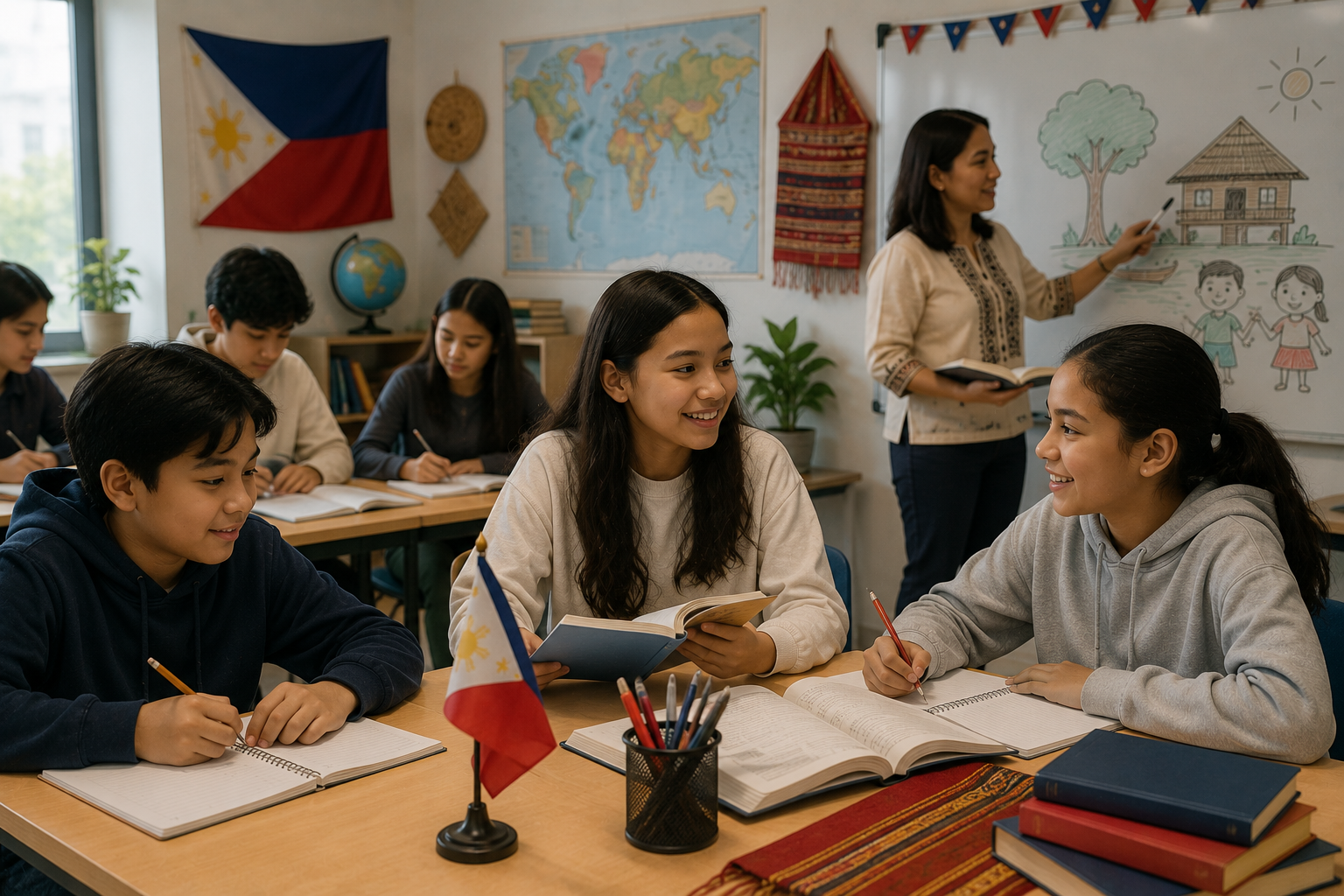
Educational institutions have become increasingly involved in Heritage Month programming.
Schools, universities, libraries, museums, and cultural centers often collaborate with Filipino organizations to host educational events that explore Philippine history, language, arts, and social contributions.
These initiatives help introduce Filipino heritage to wider audiences while providing valuable learning opportunities for students and community members.
Many educators view Heritage Month as an effective platform for promoting cultural awareness and diversity.
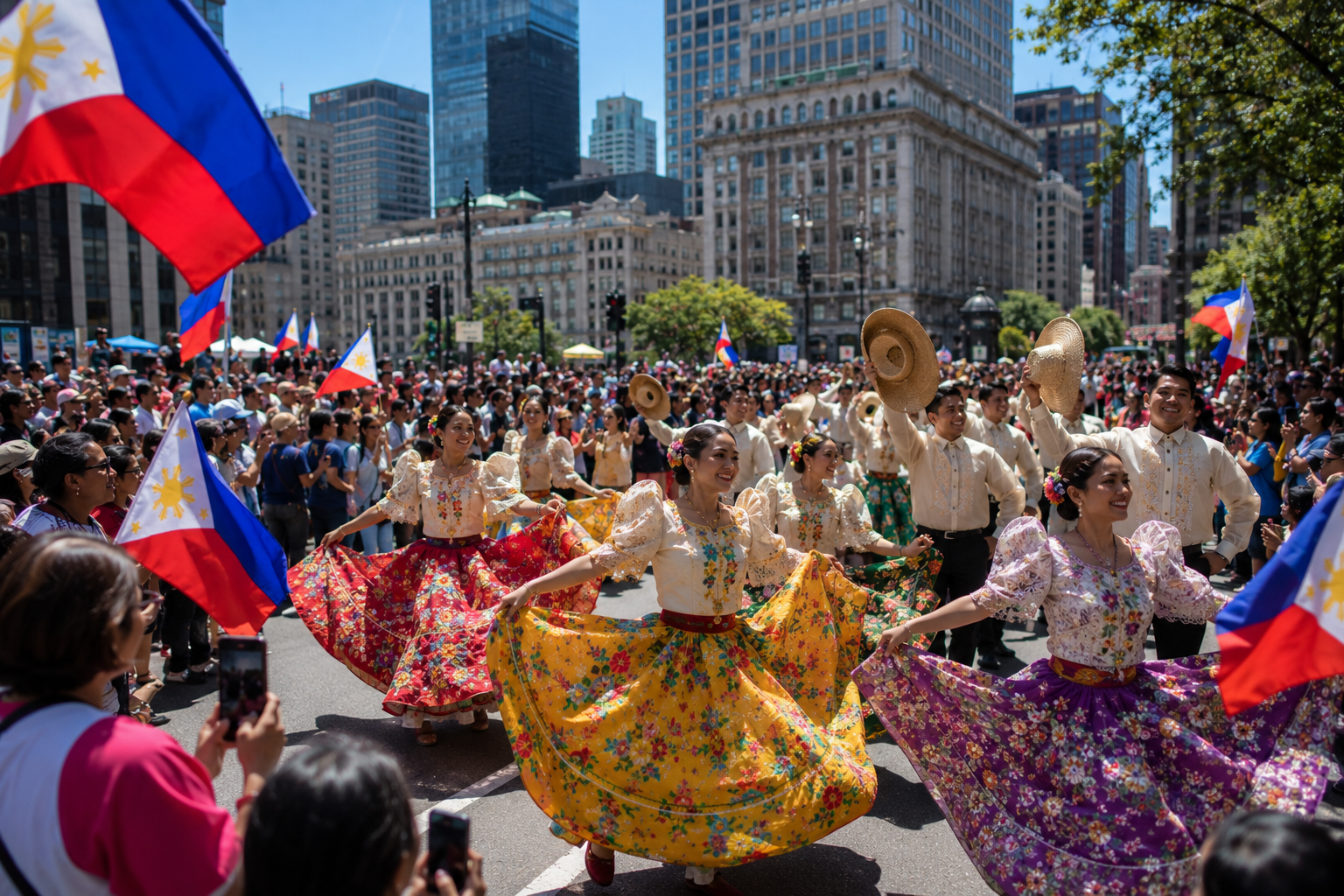
One of the most popular features of Heritage Month celebrations is the presentation of traditional Filipino music and dance.
Cultural groups perform folk dances representing different regions of the Philippines, showcasing the country's remarkable cultural diversity.
Performances inspired by indigenous traditions, historical narratives, and community celebrations provide audiences with immersive experiences that bring Philippine culture to life.
Colorful costumes, traditional instruments, and energetic choreography frequently captivate both Filipino and non-Filipino attendees.
Performers often dedicate significant time and effort to preparing for Heritage Month events.
Their participation reflects a commitment to preserving cultural traditions while sharing them with future generations.
Community leaders emphasize that artistic performances play important roles in keeping heritage alive and accessible.
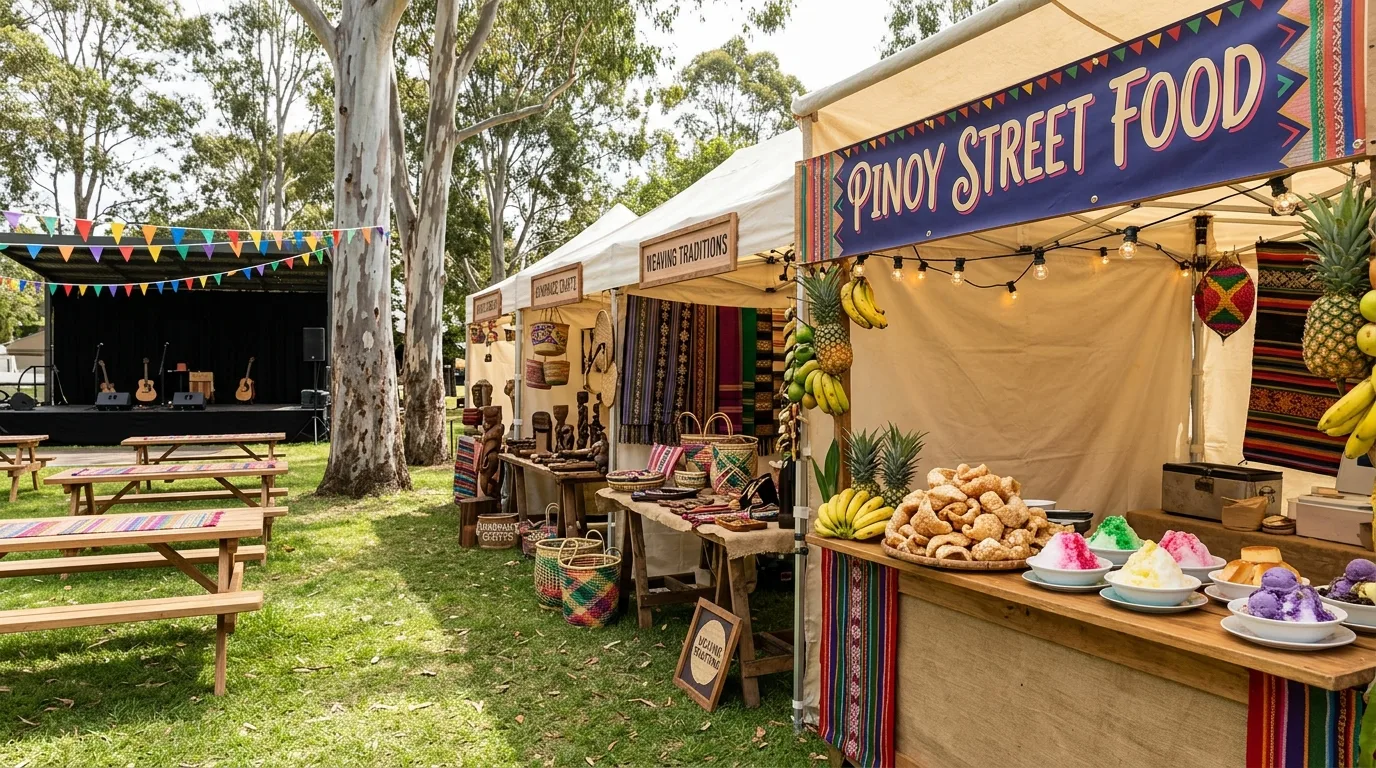
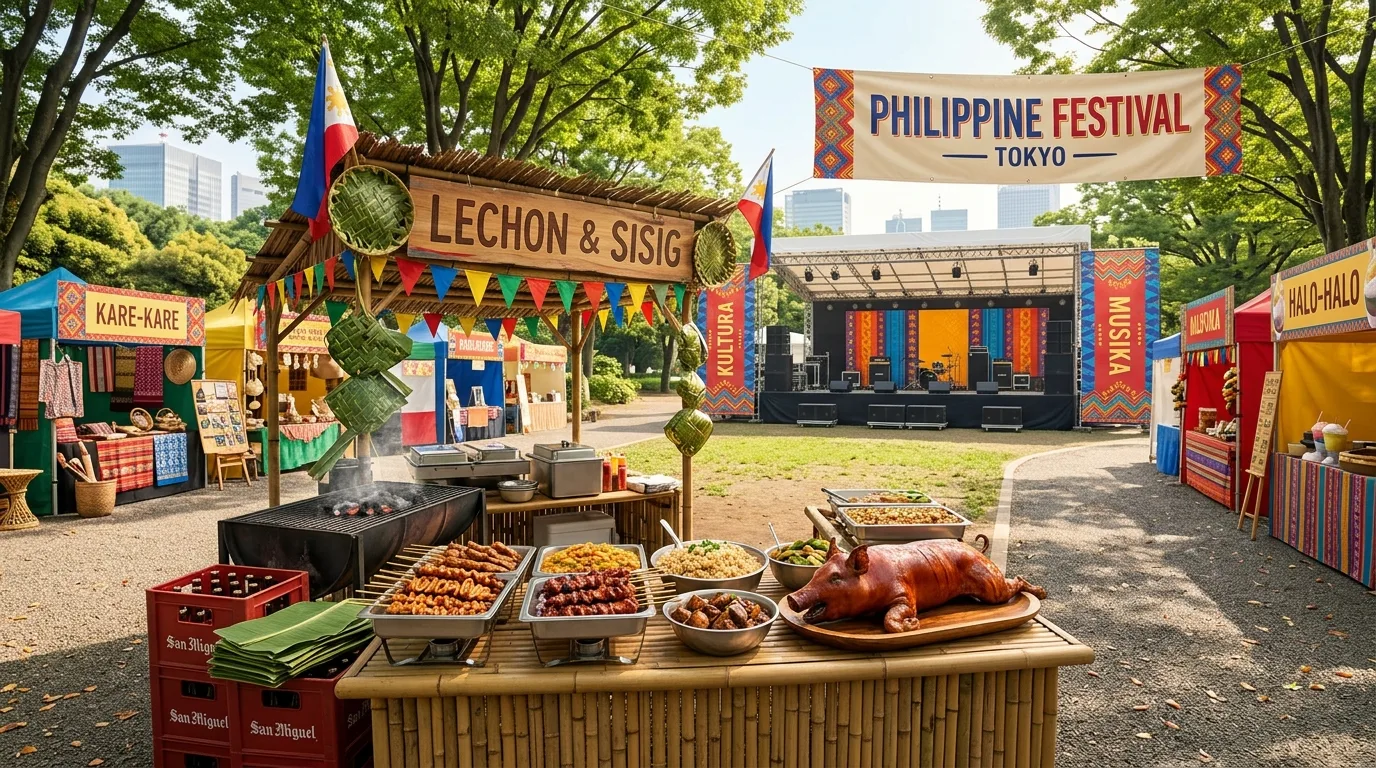
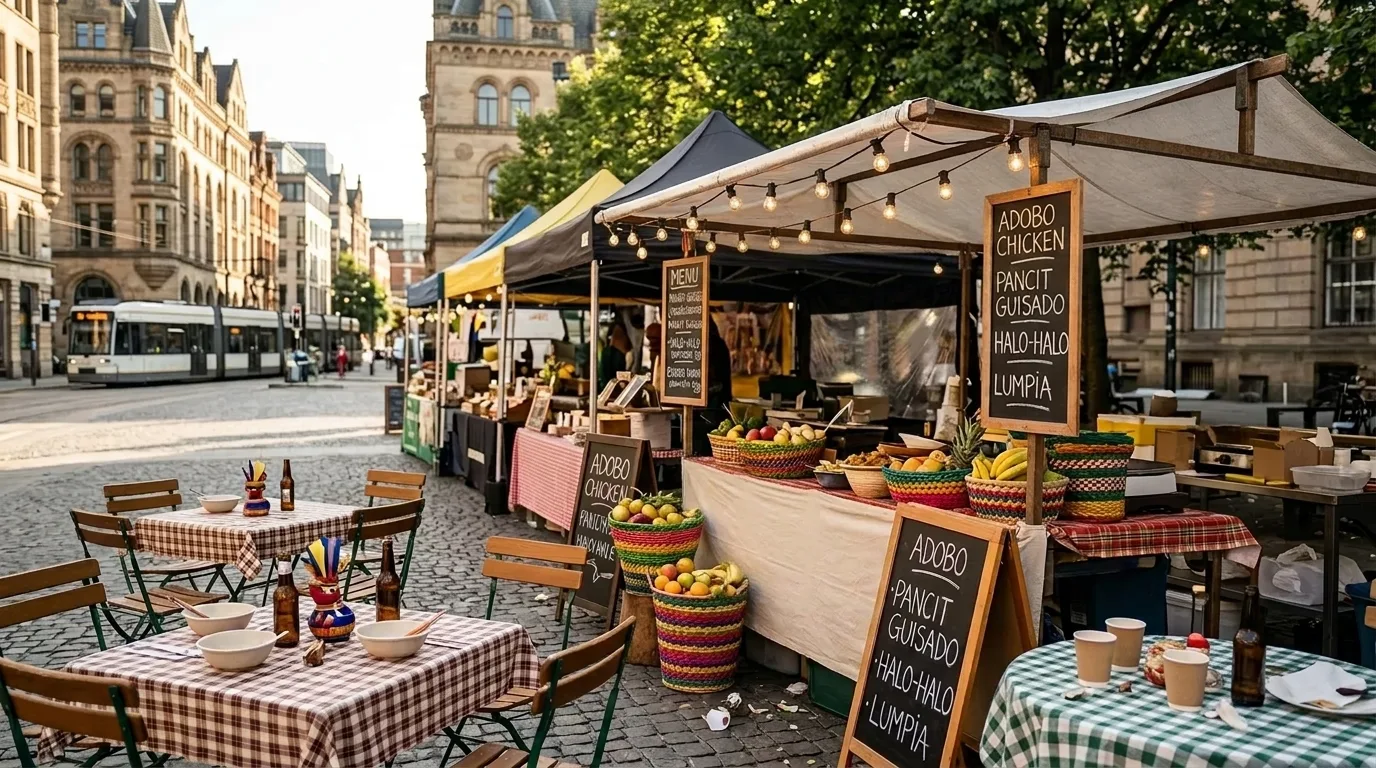
Food remains another major attraction during Heritage Month celebrations.
Filipino cuisine has gained growing international recognition in recent years, and many events feature food festivals, culinary demonstrations, tasting sessions, and cultural dining experiences.
Visitors have opportunities to sample traditional favorites such as adobo, pancit, lumpia, lechon, sinigang, kare-kare, halo-halo, and numerous regional specialties.
Culinary experiences often serve as introductions to Filipino culture for first-time attendees.
Many organizers note that food creates natural opportunities for conversation, cultural exchange, and community engagement.
The increasing popularity of Filipino cuisine has contributed significantly to the broader visibility of Philippine culture worldwide.
Heritage Month events also provide opportunities to showcase Filipino artists, authors, filmmakers, musicians, and creative professionals.
Art exhibitions, literary discussions, film screenings, and creative workshops highlight the diversity of Filipino artistic expression while supporting local talent.
These programs help challenge stereotypes and present more comprehensive perspectives on Filipino identity and experiences.
Community advocates believe creative arts play essential roles in cultural preservation and storytelling.
The participation of younger generations remains a major priority.
Many Heritage Month initiatives include youth leadership programs, student performances, cultural workshops, language classes, and volunteer opportunities designed specifically for young Filipinos.
Organizers recognize that long-term cultural preservation depends on active engagement from younger community members.
By involving youth in planning and implementation efforts, communities create opportunities for leadership development and cultural learning.
Many young participants describe Heritage Month as an important source of pride and inspiration.
Technology has transformed the scale and reach of Heritage Month celebrations.
Social media campaigns, livestream broadcasts, virtual exhibits, online workshops, and digital storytelling initiatives allow organizations to engage audiences beyond their immediate communities.
Photos, videos, and educational content shared online frequently attract viewers from different countries and cultural backgrounds.
This digital visibility has helped increase awareness of Filipino Heritage Month while encouraging participation from individuals who may not be able to attend events in person.
Community leaders view technology as a valuable tool for expanding cultural engagement and preserving traditions.
The concept of bayanihan remains highly visible throughout Heritage Month activities.
Volunteers contribute countless hours organizing events, supporting programs, raising funds, coordinating logistics, and welcoming participants.
This collaborative spirit reflects values that continue to define Filipino communities around the world.
Observers often note that volunteerism and mutual support are among the strongest indicators of community resilience and cultural pride.
The collective effort required to organize large-scale celebrations demonstrates the enduring strength of Filipino community networks.
Multicultural participation has become increasingly common.
Many Heritage Month events welcome attendees from diverse cultural backgrounds who are interested in learning about Filipino traditions and experiences.
These interactions foster understanding, friendship, and appreciation while promoting inclusiveness and cultural exchange.
Community leaders frequently describe Heritage Month as an opportunity to build bridges between cultures and strengthen relationships within multicultural societies.
Recognition programs have also become important components of Heritage Month celebrations.
Many organizations honor individuals who have made significant contributions in areas such as healthcare, education, public service, business, arts, technology, and community leadership.
These recognition programs highlight the positive impact of Filipinos within their host countries while inspiring future generations to pursue excellence.
The stories of successful Filipinos often serve as powerful examples of resilience, determination, and achievement.
Tourism promotion frequently accompanies Heritage Month activities.
Many events feature exhibits highlighting Philippine destinations, cultural attractions, heritage sites, and travel opportunities.
Visitors who attend Heritage Month celebrations often develop greater interest in exploring the Philippines firsthand.
Tourism advocates recognize these events as valuable platforms for promoting cultural tourism and strengthening international awareness of the country.
Economic benefits are also associated with Heritage Month celebrations.
Filipino-owned businesses, artists, performers, food vendors, and entrepreneurs frequently participate in festivals and community events.
These opportunities help support local enterprises while increasing visibility for Filipino products and services.
Community leaders note that cultural celebrations can contribute positively to both economic development and cultural preservation.
The expansion of Heritage Month celebrations reflects broader trends within global Filipino communities.
As overseas Filipinos become increasingly established and influential, there is growing recognition of the importance of preserving cultural identity while contributing to multicultural societies.
Heritage Month provides a framework for achieving these objectives through education, celebration, and community engagement.
Looking ahead, organizers remain optimistic about the future of Filipino Heritage Month.
Many cities are expanding programming, increasing partnerships, strengthening youth involvement, and developing new initiatives designed to reach broader audiences.
The continued growth of Filipino communities worldwide creates opportunities for even greater participation and visibility in the years ahead.
Ultimately, the success of Filipino Heritage Month celebrations demonstrates the enduring strength of Filipino culture and community spirit.
These events remind participants that heritage is not simply something remembered—it is something actively celebrated, shared, and passed on.
Every cultural performance, educational program, community gathering, artistic exhibit, and culinary experience contributes to a larger story of identity, resilience, and pride.
As Filipino Heritage Month continues expanding across major international cities, it serves as a powerful testament to the global presence and influence of the Filipino people.
Through culture, history, creativity, and community engagement, Filipinos around the world are ensuring that their heritage remains vibrant, visible, and meaningful for generations to come.
In doing so, they strengthen cultural connections, inspire future leaders, and proudly showcase the richness of Philippine heritage on the global stage.
Enjoyed this story?
Share this story