Filipino Heritage Month Celebrations Grow Across International Communities
Share
June 20, 2026
Updated Oct 15, 2026
8 min read
211 views
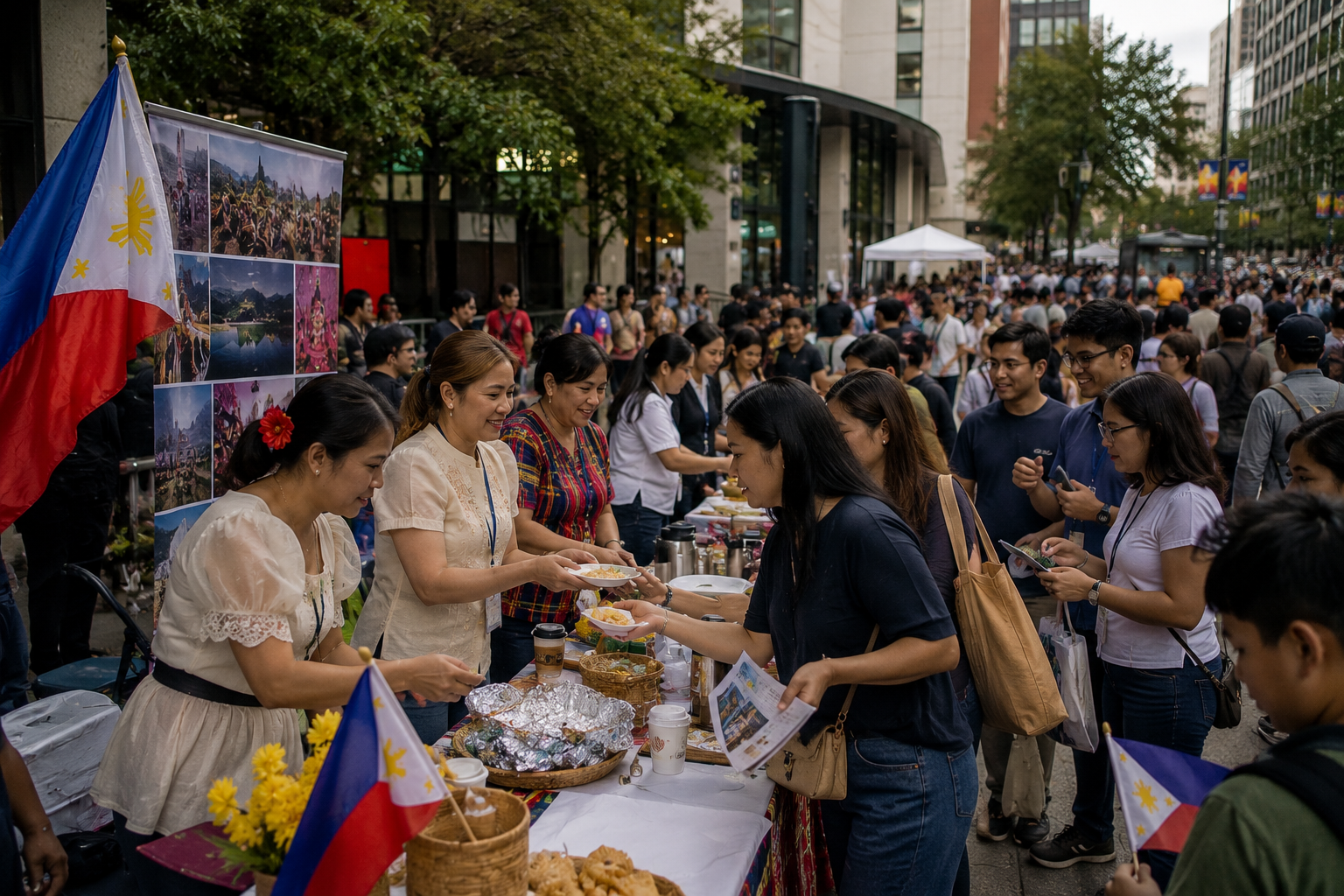
MANILA, Philippines — Filipino Heritage Month celebrations are gaining momentum across international communities as Overseas Filipinos and cultural organizations continue expanding programs that honor Philippine history, traditions, achievements, and identity. From major cities in North America and Europe to growing Filipino communities in Asia, Australia, the Middle East, and other regions, cultural events are attracting larger audiences and creating meaningful opportunities for people from diverse backgrounds to learn about and celebrate Filipino heritage.
The increasing visibility of Filipino Heritage Month reflects the growing influence and presence of Filipino communities around the world. Over the years, these celebrations have evolved from small community gatherings into large-scale cultural events featuring performances, exhibitions, educational activities, culinary showcases, and heritage programs that engage participants of all ages. Community leaders note that the expansion of these celebrations demonstrates both the strength of Filipino cultural identity and the increasing interest of international audiences in learning about Philippine traditions and history.
For many Overseas Filipinos, Heritage Month provides an important opportunity to reconnect with cultural roots while sharing meaningful aspects of Philippine culture with broader communities. Living abroad often presents challenges related to preserving traditions and passing cultural knowledge to younger generations. Heritage Month programs help address these challenges by creating spaces where stories, customs, values, and artistic traditions can be celebrated and transmitted across generations. Organizers emphasize that these events serve not only as celebrations but also as educational platforms that strengthen cultural continuity.
One of the most significant aspects of Heritage Month celebrations is their ability to showcase the diversity of Philippine culture. The Philippines is home to numerous regional traditions, languages, artistic practices, culinary specialties, and historical experiences that contribute to a rich and dynamic national identity. Heritage programs frequently highlight this diversity through cultural exhibits, regional presentations, and performances that introduce audiences to different parts of the country. Community leaders believe that showcasing cultural diversity helps create a more complete understanding of what it means to be Filipino.
Traditional dance performances remain among the most anticipated attractions during Heritage Month celebrations. Cultural groups often present folk dances such as Tinikling, Singkil, Pandanggo sa Ilaw, Cariñosa, and other regional traditions that reflect different aspects of Philippine history and cultural life. Performers dedicate considerable time and effort to preserving these artistic traditions, recognizing their importance as symbols of heritage and identity. Audiences are frequently captivated by the colorful costumes, intricate choreography, and historical narratives embedded within these performances.
Music also plays a central role in Heritage Month programming. Concerts, choir performances, rondalla ensembles, and traditional musical presentations help introduce audiences to the rich musical traditions of the Philippines. Organizers note that music serves as a universal form of expression that transcends language barriers and creates emotional connections among participants. Through both traditional and contemporary performances, musicians contribute to the celebration of Filipino creativity and cultural expression.
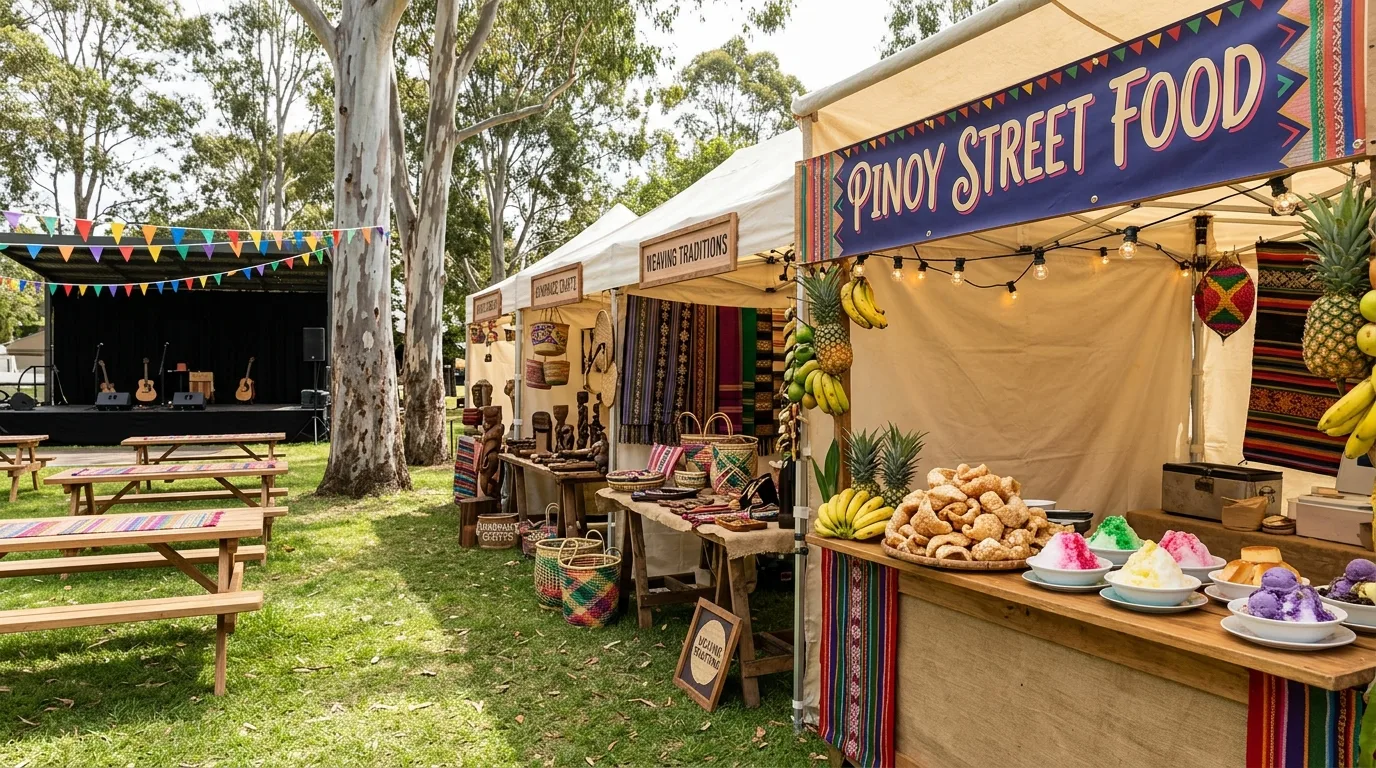
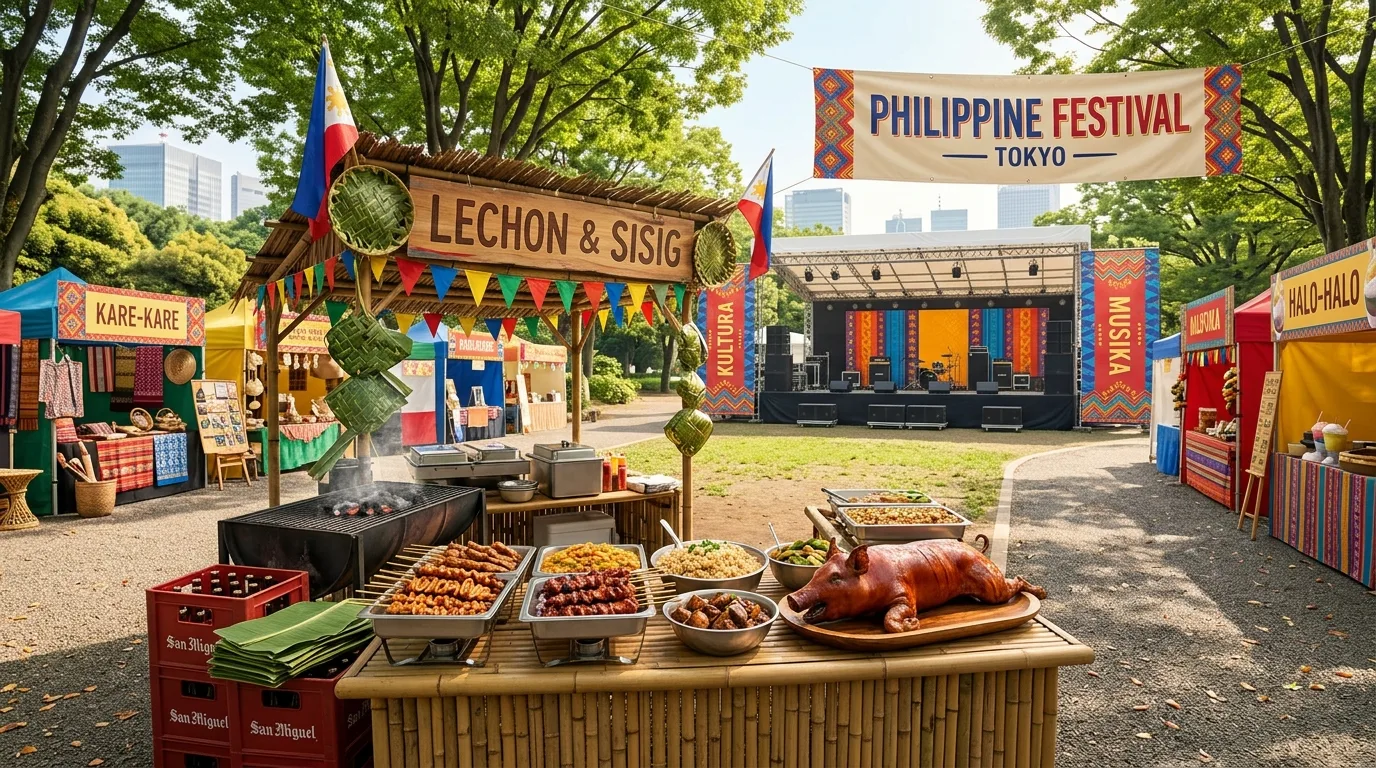
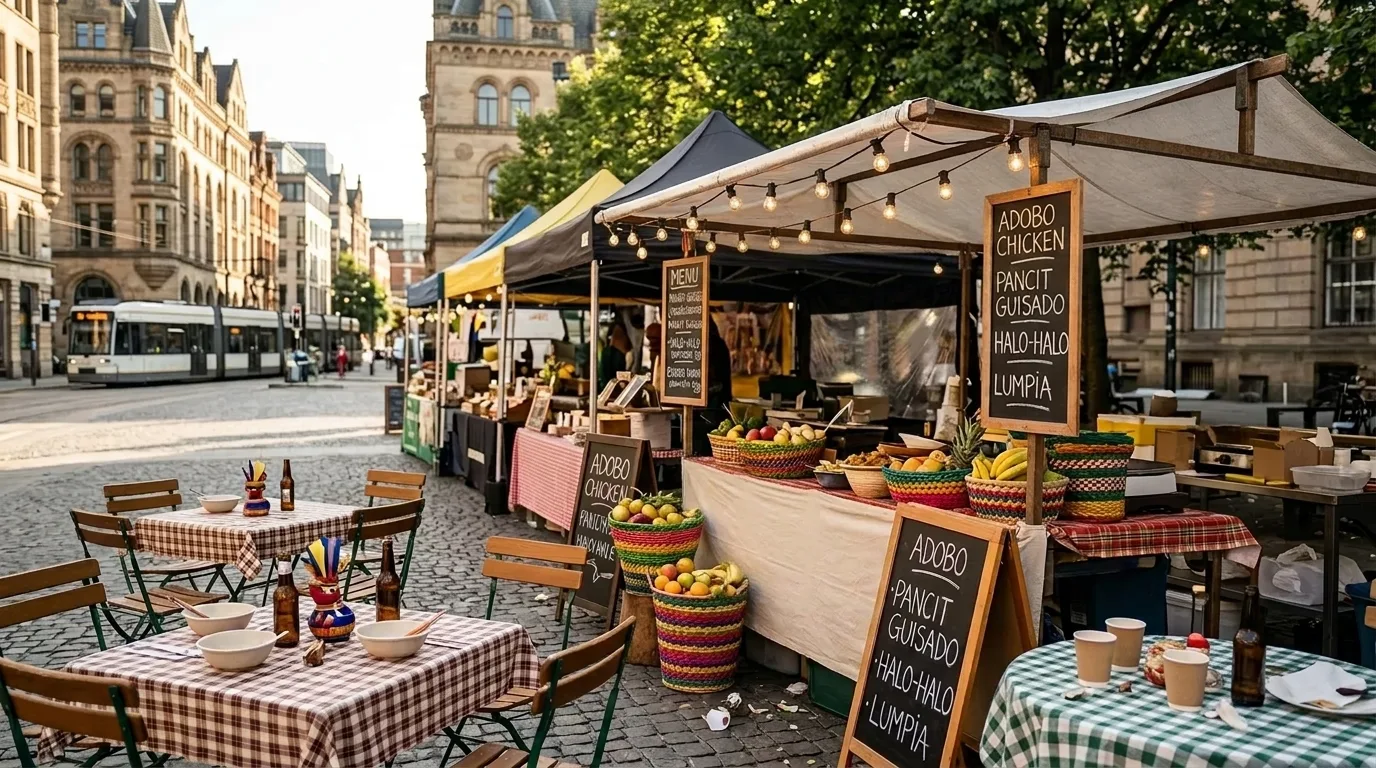
Filipino cuisine continues to attract significant attention during cultural celebrations. Food festivals, culinary demonstrations, and tasting events allow visitors to experience the flavors and traditions associated with Filipino cooking. Dishes such as adobo, pancit, lumpia, kare-kare, lechon, halo-halo, bibingka, and regional specialties often become major highlights of Heritage Month events. Culinary experts and community leaders view food as one of the most effective ways to introduce people to Filipino culture because it offers a direct and memorable cultural experience.
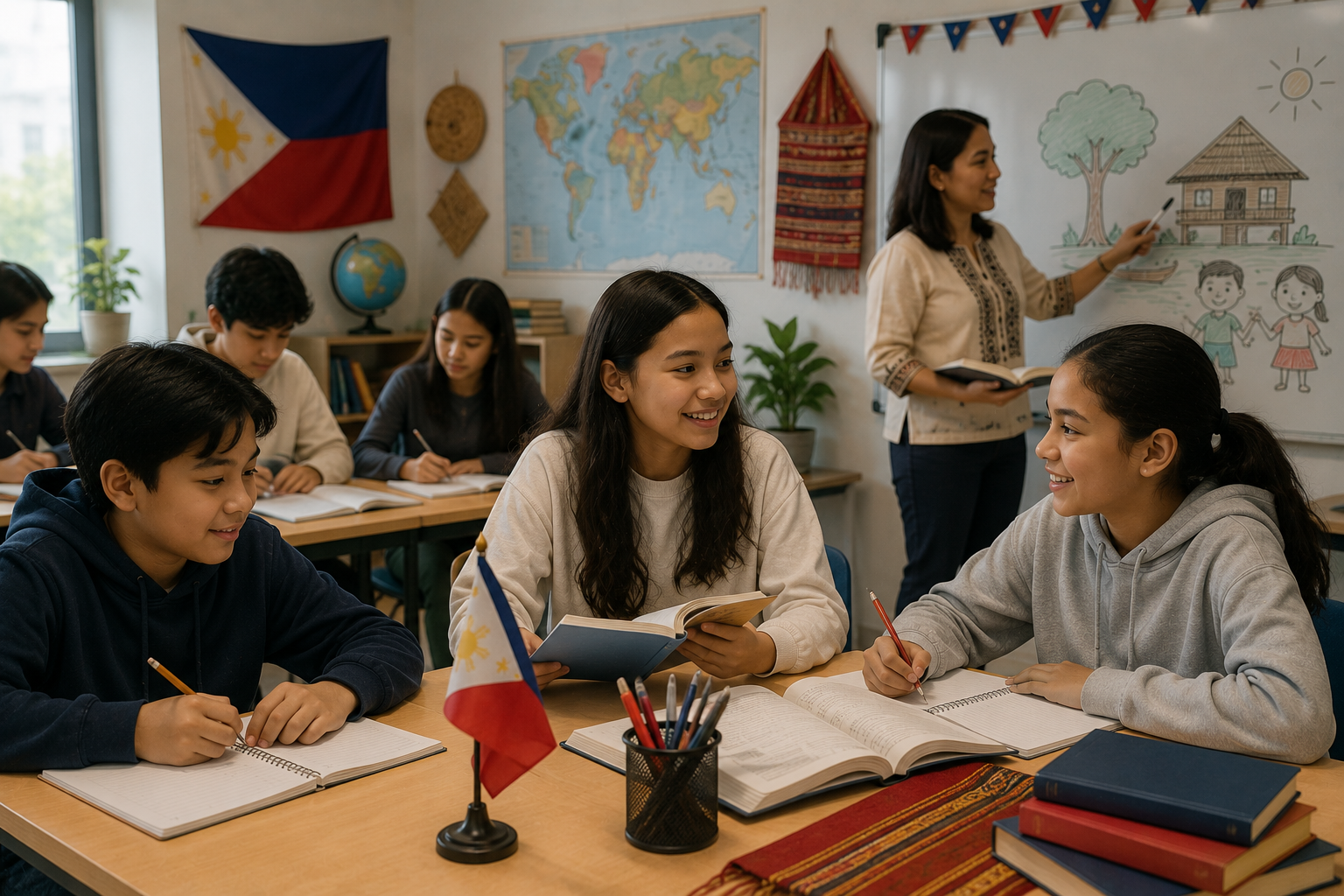
Educational programming has become increasingly important as Heritage Month celebrations expand. Cultural exhibits, historical presentations, panel discussions, workshops, and community forums provide opportunities for participants to learn about Philippine history, migration experiences, cultural traditions, and contemporary issues affecting Filipino communities. Organizers emphasize that education helps deepen appreciation for heritage while promoting informed discussions about culture and identity.
Many Heritage Month programs also recognize the contributions of Filipinos to their host countries and to global society. Exhibits and presentations frequently highlight achievements in fields such as healthcare, education, science, technology, business, arts, public service, and community leadership. Community leaders believe that recognizing these accomplishments helps inspire younger generations while showcasing the positive impact of Filipino communities worldwide.
Youth engagement remains a major priority for cultural organizations involved in Heritage Month celebrations. Second-generation and third-generation Filipinos often play active roles as performers, volunteers, organizers, and cultural ambassadors. Their participation helps ensure that traditions remain relevant while encouraging greater involvement among younger members of the community. Organizers note that youth leadership is essential for sustaining cultural programs and preserving heritage for future generations.
Many young Filipinos living abroad use Heritage Month as an opportunity to explore and strengthen their cultural identities. Through participation in workshops, performances, community activities, and educational programs, they gain greater understanding of their family histories and cultural backgrounds. Community advocates believe that these experiences help young people develop confidence, pride, and stronger connections to their heritage.
Technology has significantly expanded the reach of Heritage Month celebrations. Social media campaigns, virtual exhibits, livestreamed performances, podcasts, and digital storytelling initiatives allow organizations to connect with audiences beyond physical event locations. These tools have made it possible for people around the world to participate in celebrations and access cultural content regardless of geographic location. Organizers report that digital engagement has contributed to growing awareness and participation in Heritage Month activities.
The multicultural environments in which many celebrations take place create valuable opportunities for cultural exchange. Non-Filipino participants frequently attend Heritage Month events to learn about Philippine culture and engage with local Filipino communities. Organizers welcome this participation and view it as an important means of promoting mutual understanding and intercultural dialogue. These interactions help strengthen community relationships while fostering greater appreciation for diversity.
Community service and charitable initiatives are often integrated into Heritage Month programming. Fundraising campaigns, scholarship programs, volunteer projects, and educational outreach activities allow participants to contribute to meaningful causes while celebrating their heritage. Community leaders note that these initiatives reflect core Filipino values such as generosity, compassion, and collective responsibility. By combining celebration with service, organizations help ensure that cultural events create positive impacts beyond entertainment.
Many cultural institutions, schools, libraries, museums, and local governments have become increasingly involved in Heritage Month celebrations. Partnerships between Filipino organizations and local institutions help expand program reach while providing additional resources and visibility. Organizers emphasize that collaborative efforts strengthen cultural programming and contribute to broader public awareness of Filipino heritage and contributions.
The arts continue to play a significant role in Heritage Month events. Visual arts exhibitions, literary presentations, photography showcases, theater productions, and creative workshops provide opportunities to explore contemporary and traditional expressions of Filipino identity. Artists often use their work to examine themes related to migration, community, heritage, and cultural pride. Organizers view artistic expression as an important vehicle for storytelling and cultural preservation.
The growing popularity of Heritage Month celebrations reflects broader trends within global Filipino communities. As communities become more established and interconnected, there is increasing interest in creating programs that celebrate culture while promoting education, inclusion, and community engagement. Organizers continue to explore innovative ways to connect heritage with contemporary experiences and emerging technologies.
Many community leaders view Heritage Month as an opportunity to strengthen relationships between Filipino communities and the societies in which they live. Cultural celebrations help foster understanding, challenge stereotypes, and highlight the positive contributions of Filipinos across different sectors. These efforts contribute to stronger social cohesion and greater recognition of cultural diversity within host countries.
The continued expansion of Heritage Month programming demonstrates the resilience and adaptability of Filipino culture. Despite geographic distance from the Philippines, Overseas Filipinos have successfully preserved traditions while finding new ways to share and celebrate their heritage. Community leaders credit this success to the dedication of volunteers, cultural advocates, educators, artists, and families who remain committed to cultural preservation and community development.
Looking ahead, organizers anticipate further growth in Heritage Month celebrations through expanded educational initiatives, youth leadership programs, digital engagement strategies, and international collaborations. Many believe that future celebrations will continue to attract larger and more diverse audiences while providing even greater opportunities for cultural learning and exchange.
Ultimately, the growth of Filipino Heritage Month celebrations across international communities highlights the enduring strength of Filipino identity and the importance of cultural preservation in an increasingly interconnected world. Through music, dance, food, art, education, and community engagement, these celebrations help ensure that Philippine culture remains vibrant, accessible, and appreciated by audiences around the globe.
As Overseas Filipinos continue to honor their roots and share their traditions with the world, Heritage Month stands as a powerful celebration of history, resilience, creativity, and community. It serves as a reminder that culture is not only something to be remembered but also something to be actively shared, celebrated, and passed on to future generations, ensuring that the legacy of the Filipino people continues to inspire and connect communities wherever they may be.
Enjoyed this story?
Share this story